

In this guide
Hands, a stride and a little space
A pair of right hands can suggest a whole building. A torso and legs can make a stride absorbing without a face to recognise.
At the Musée Rodin, there is plenty to enjoy in the parts a sculptor chooses to show, and in the space left around them.
Rodin separated, reused and combined forms, allowing a fragment to become a work in its own right. The Hôtel Biron and garden give you room to follow those choices.

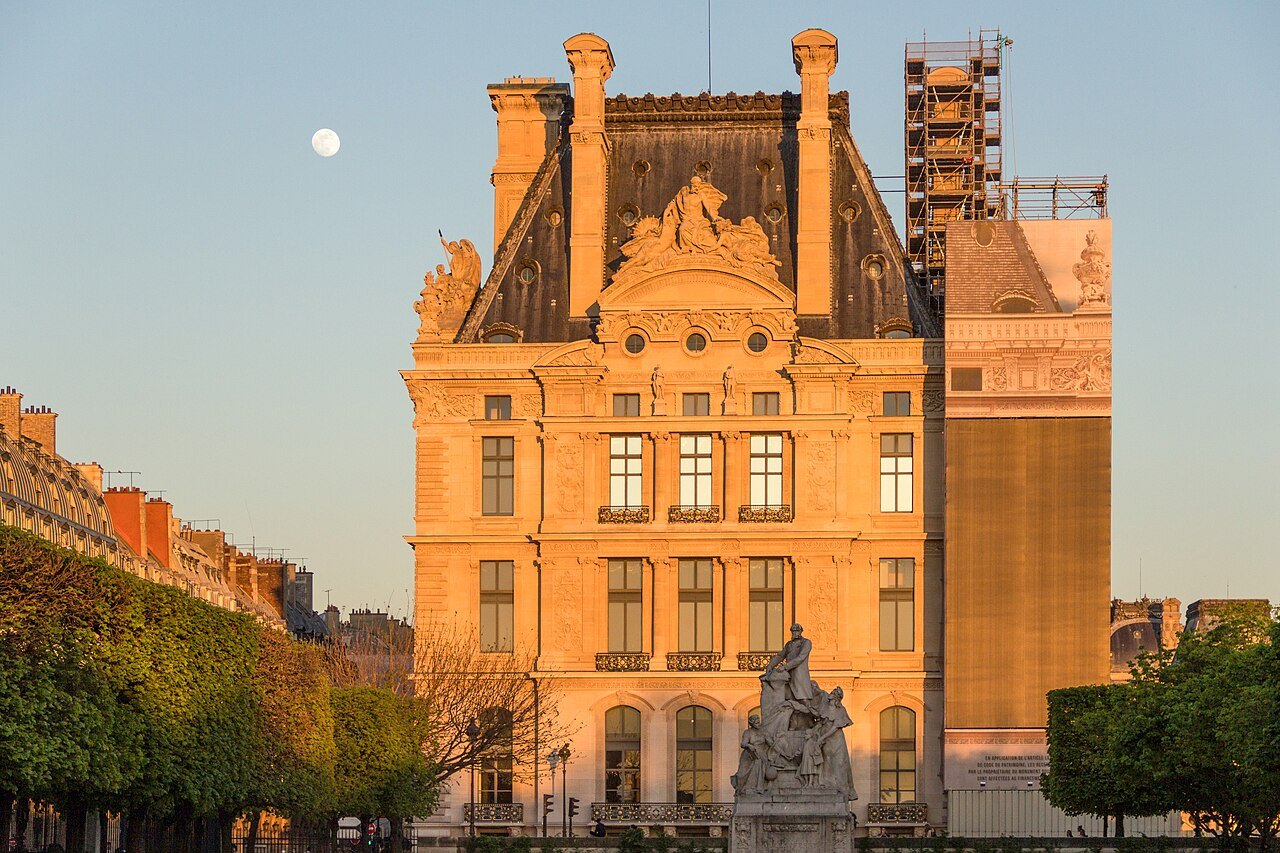
The house Rodin chose
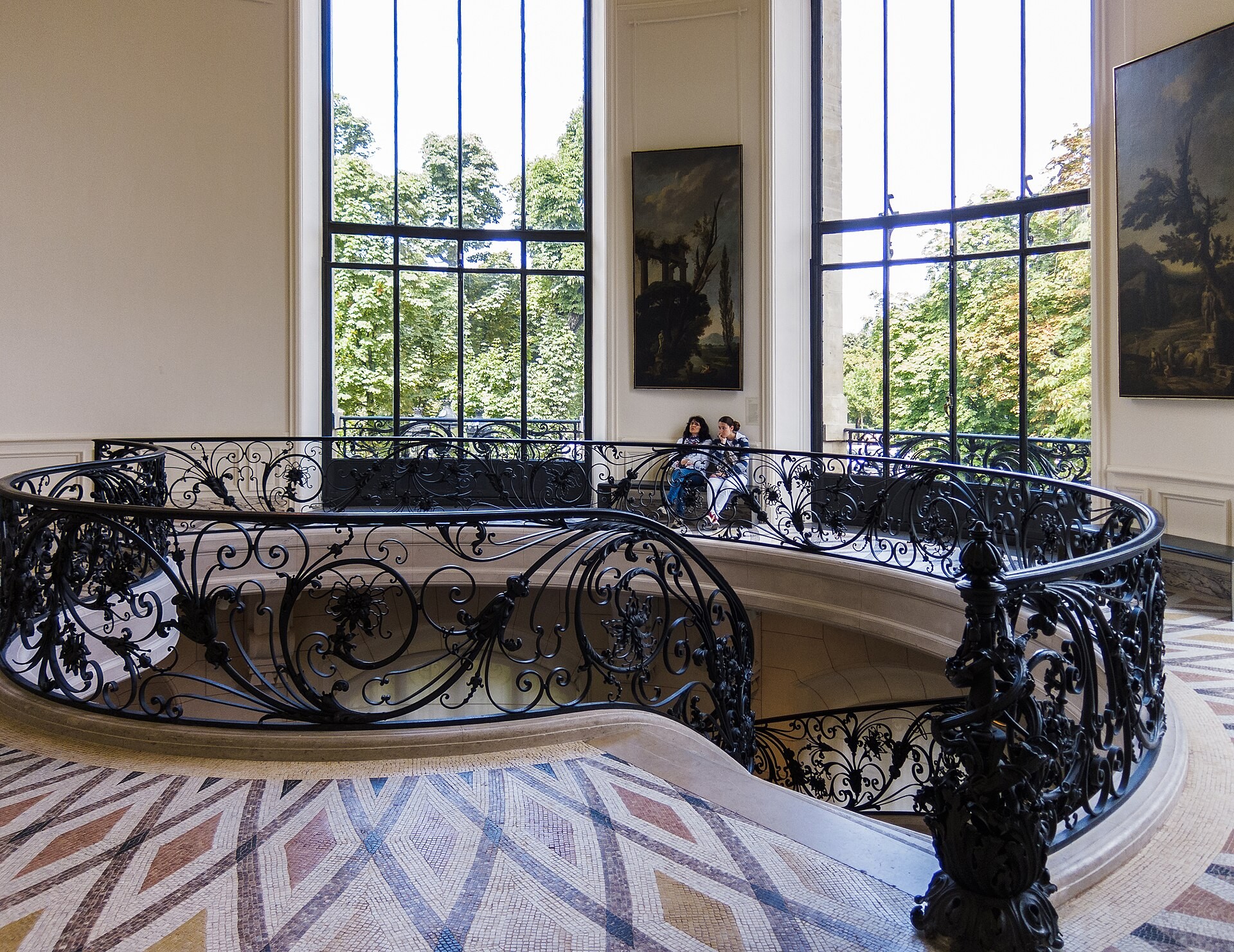
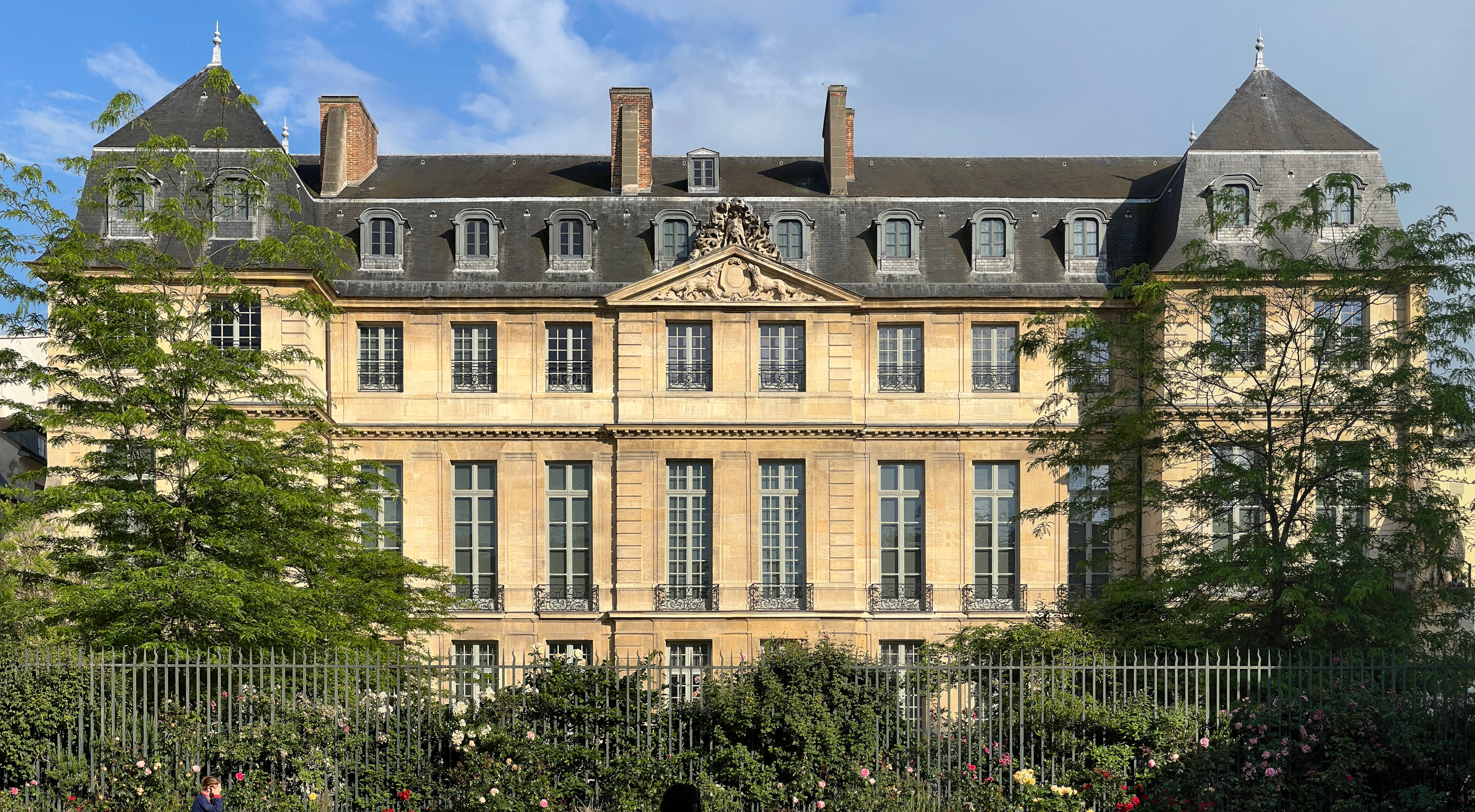
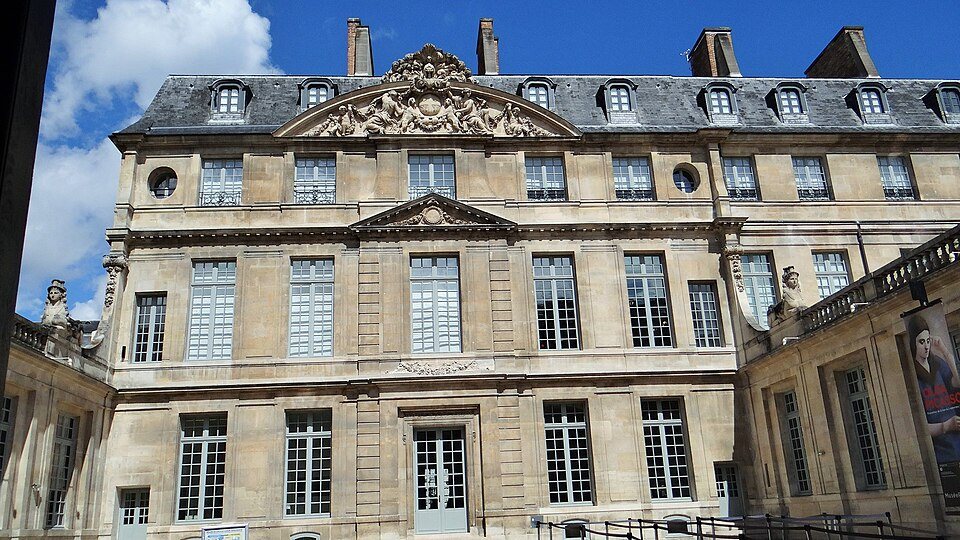
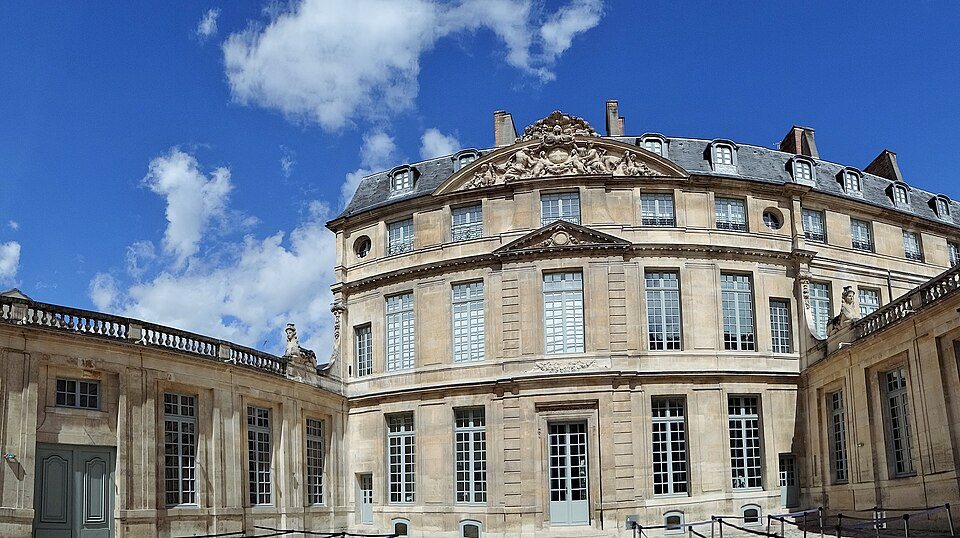
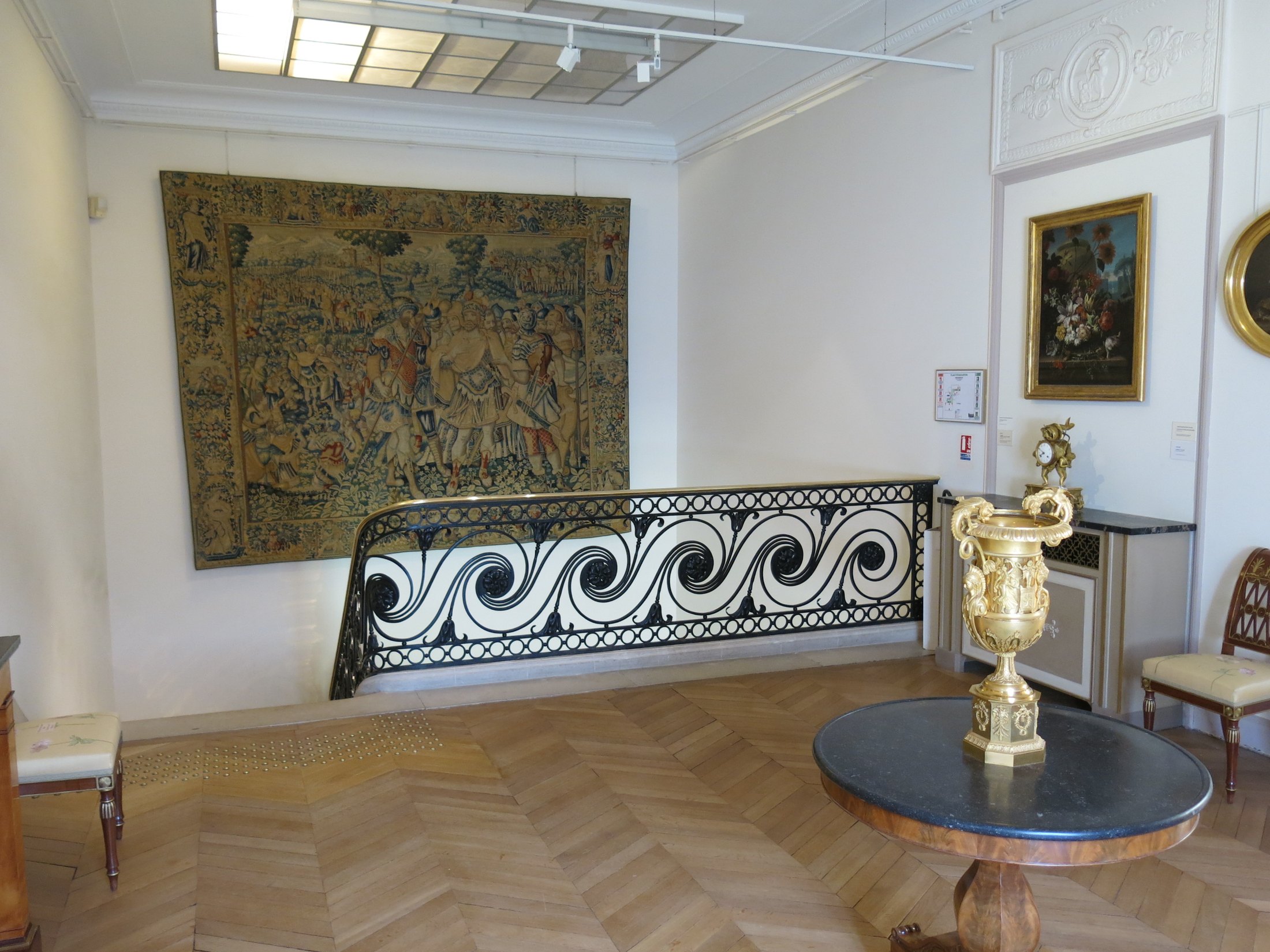
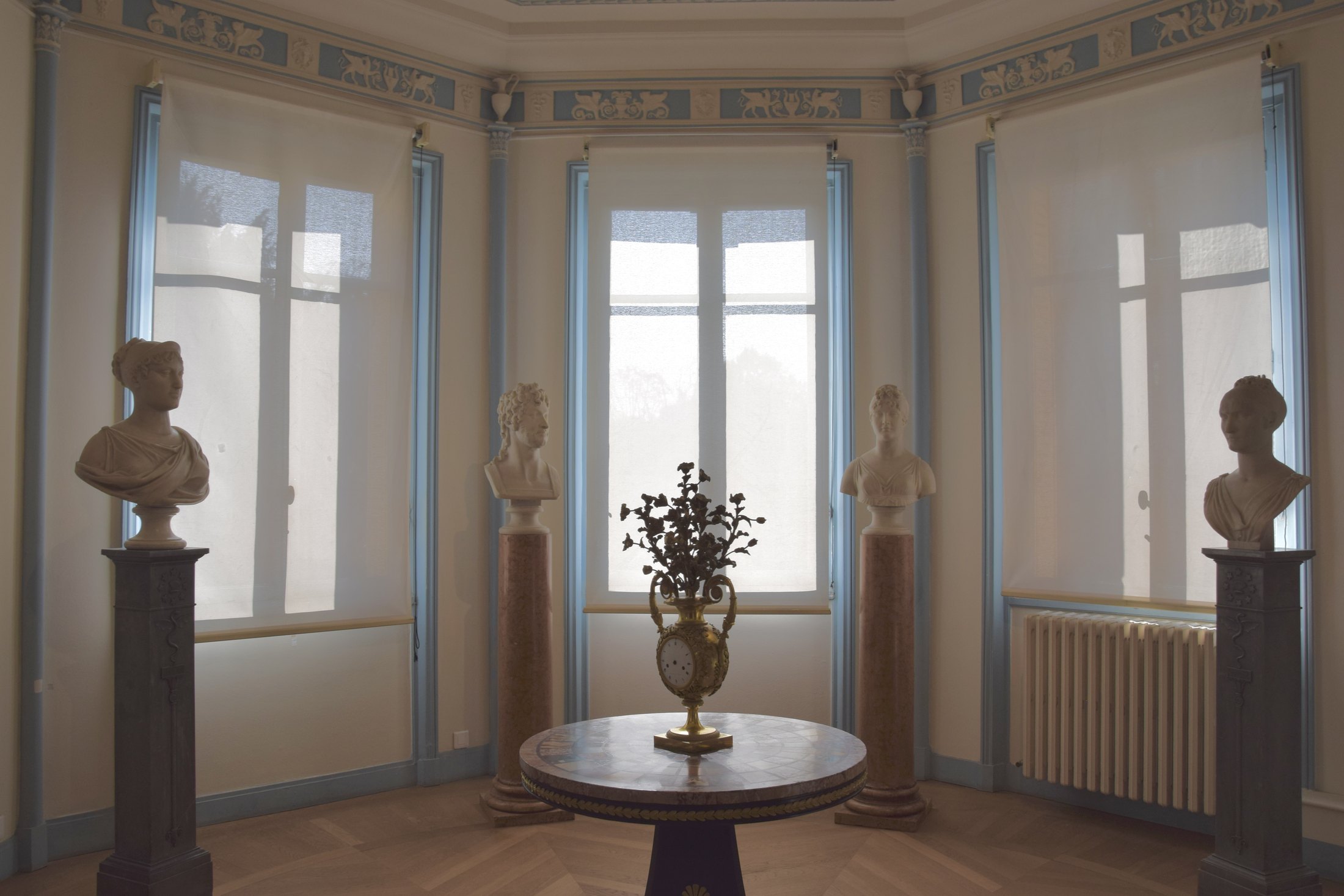
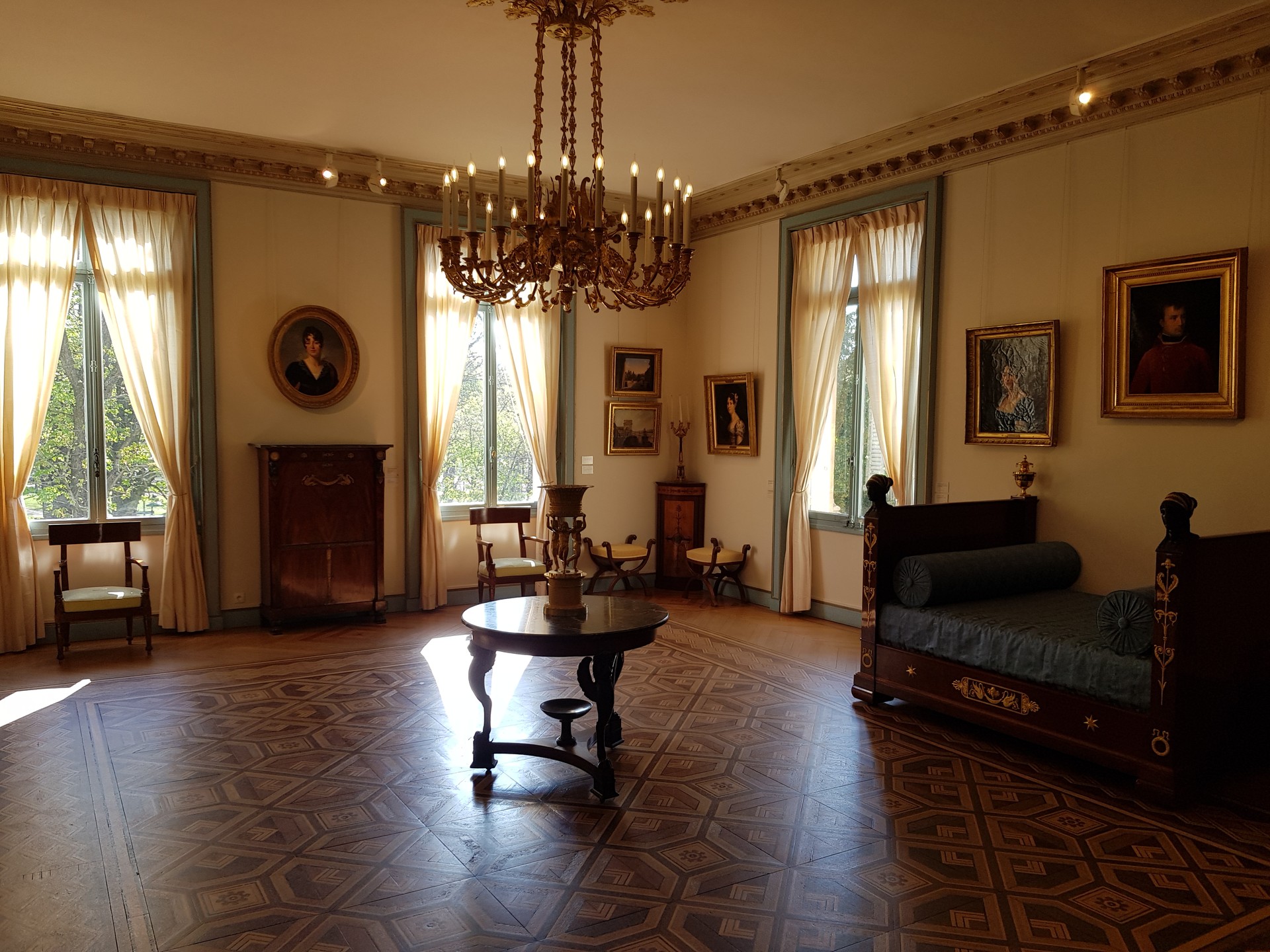
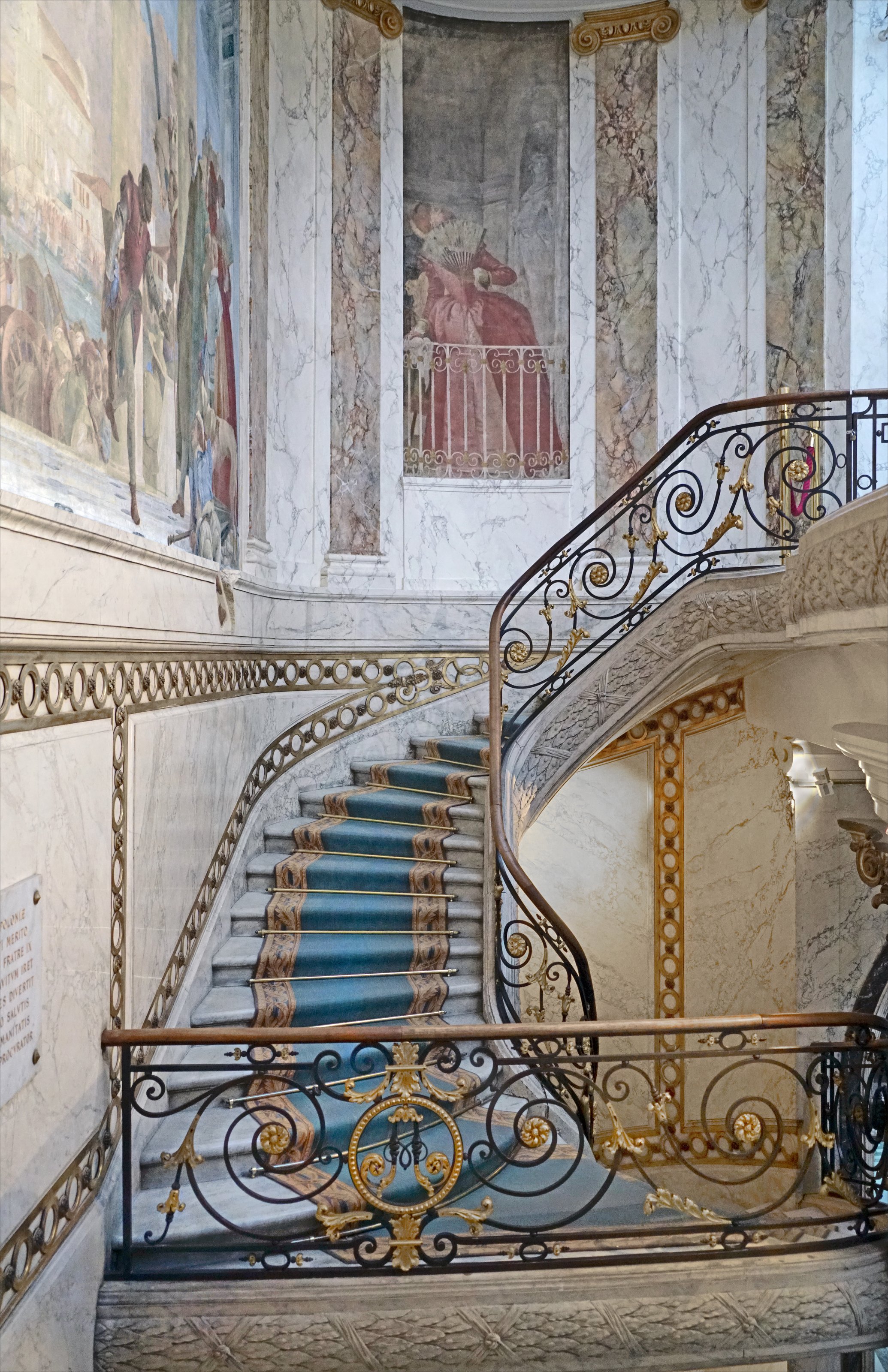
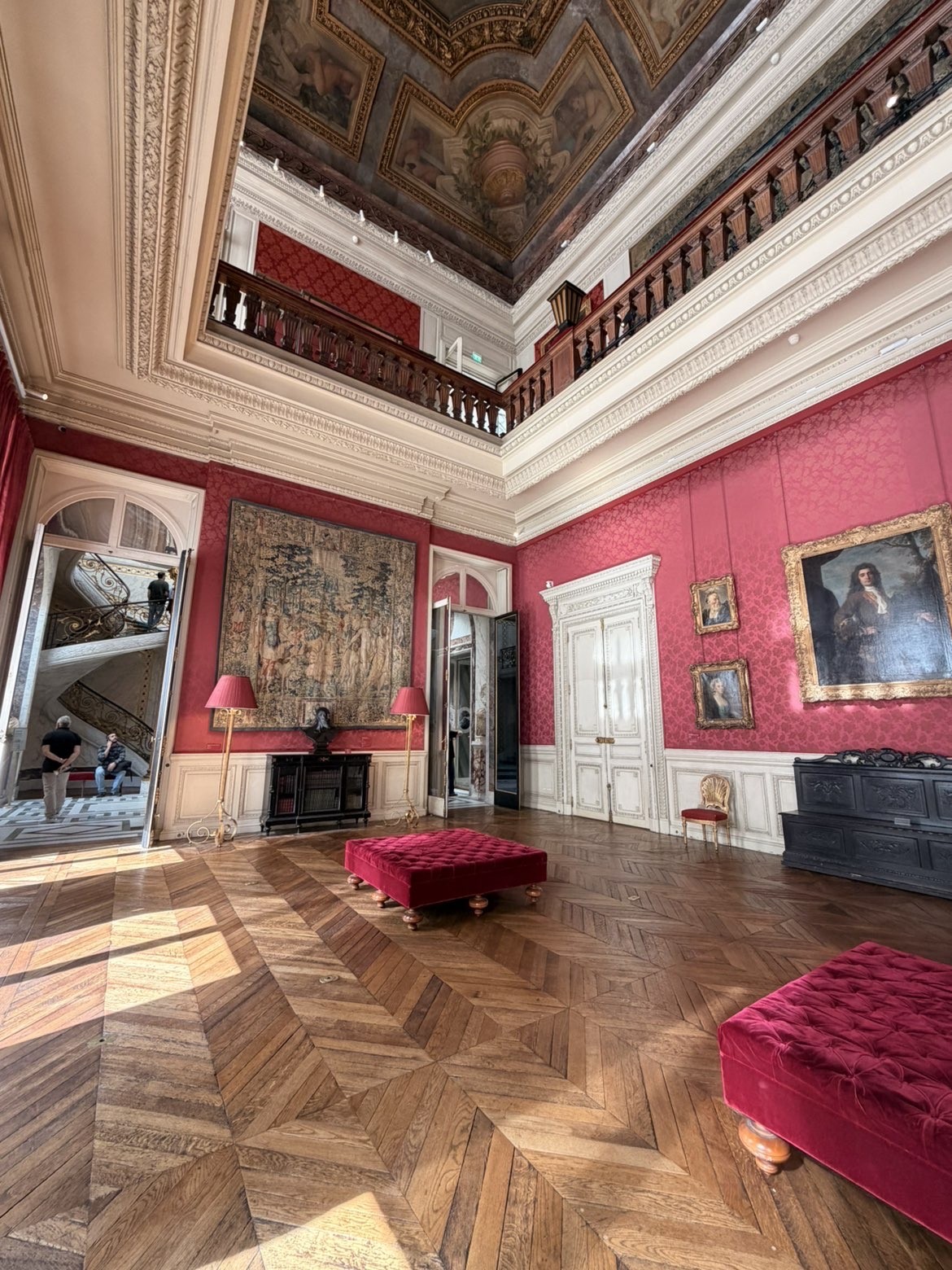
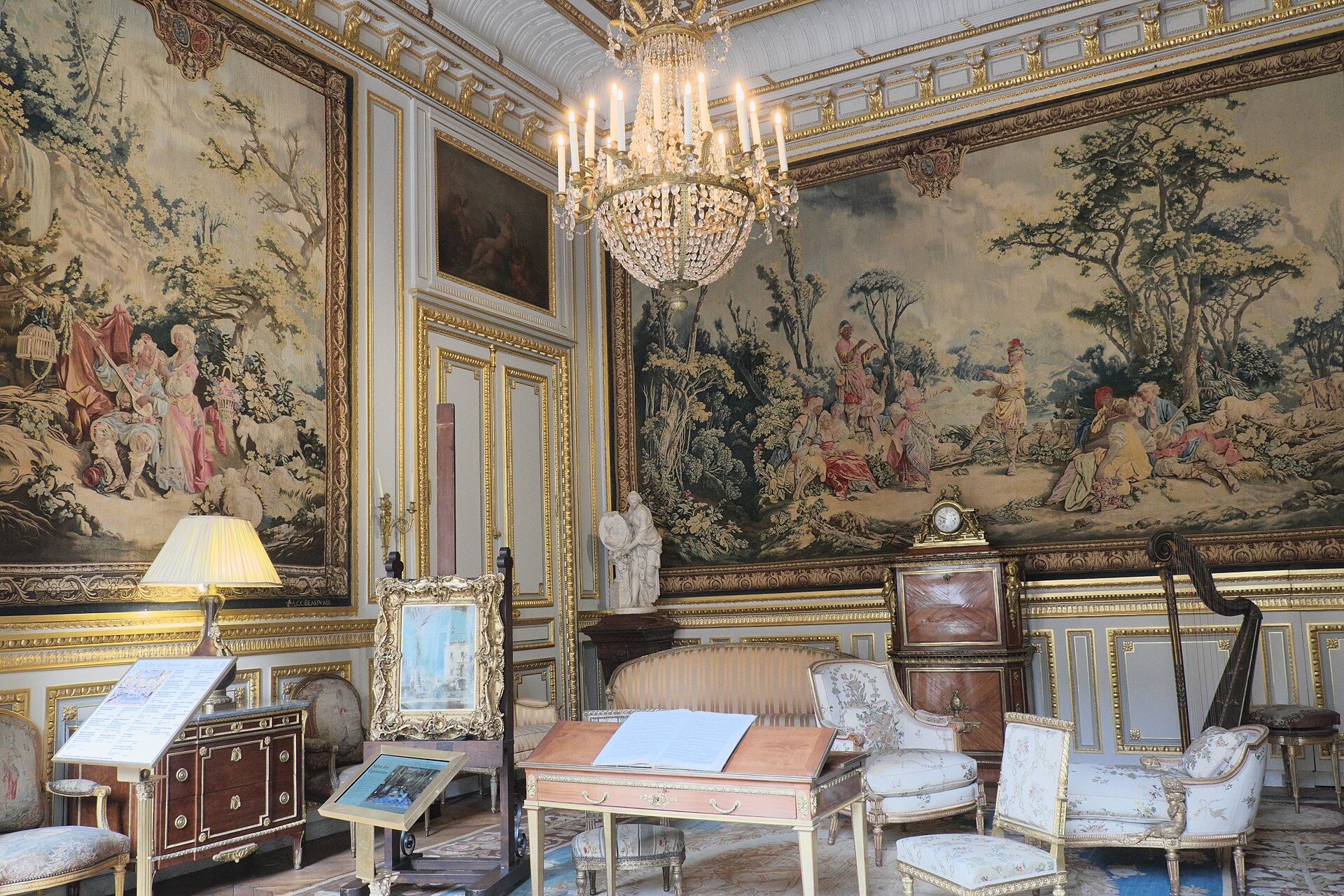
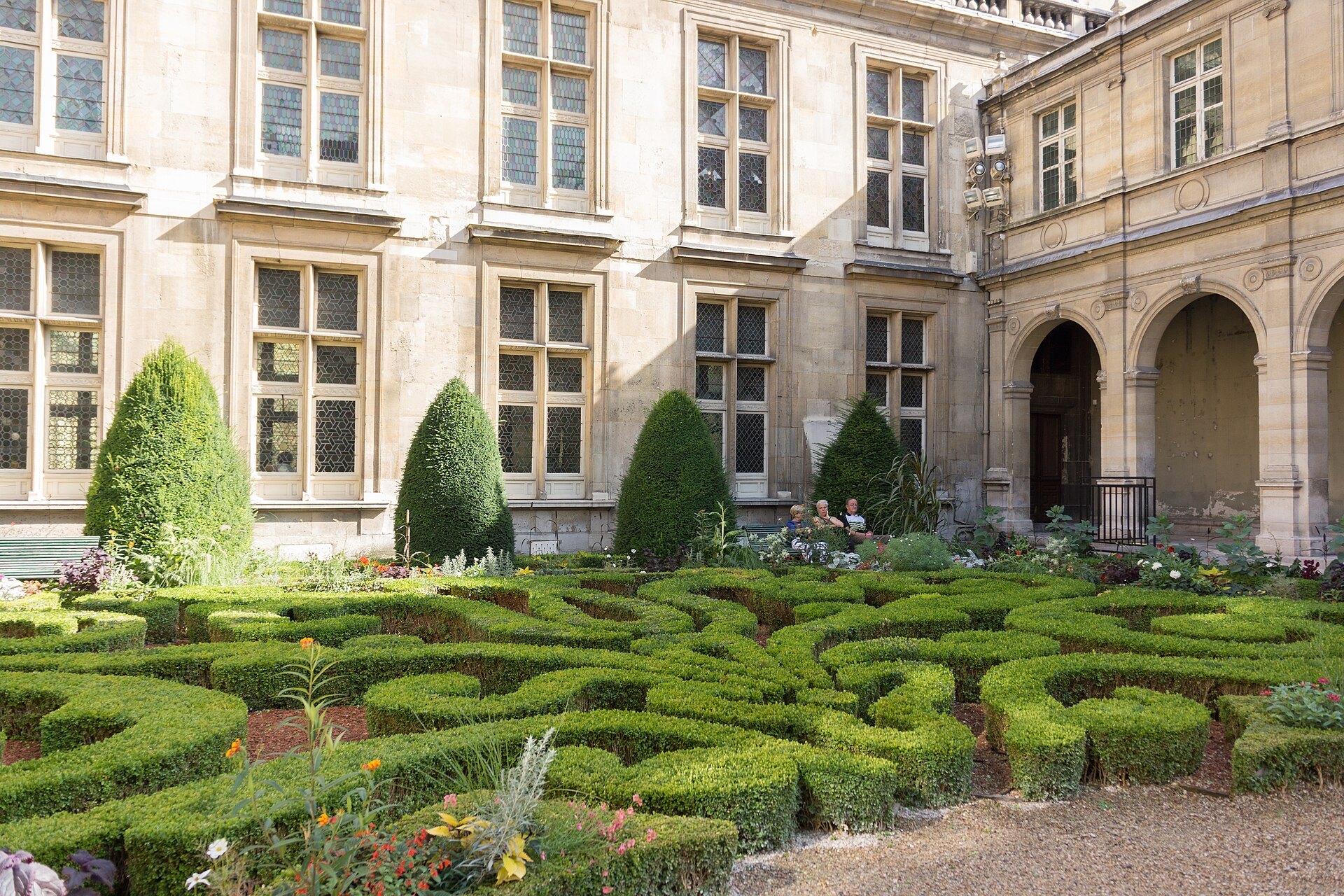
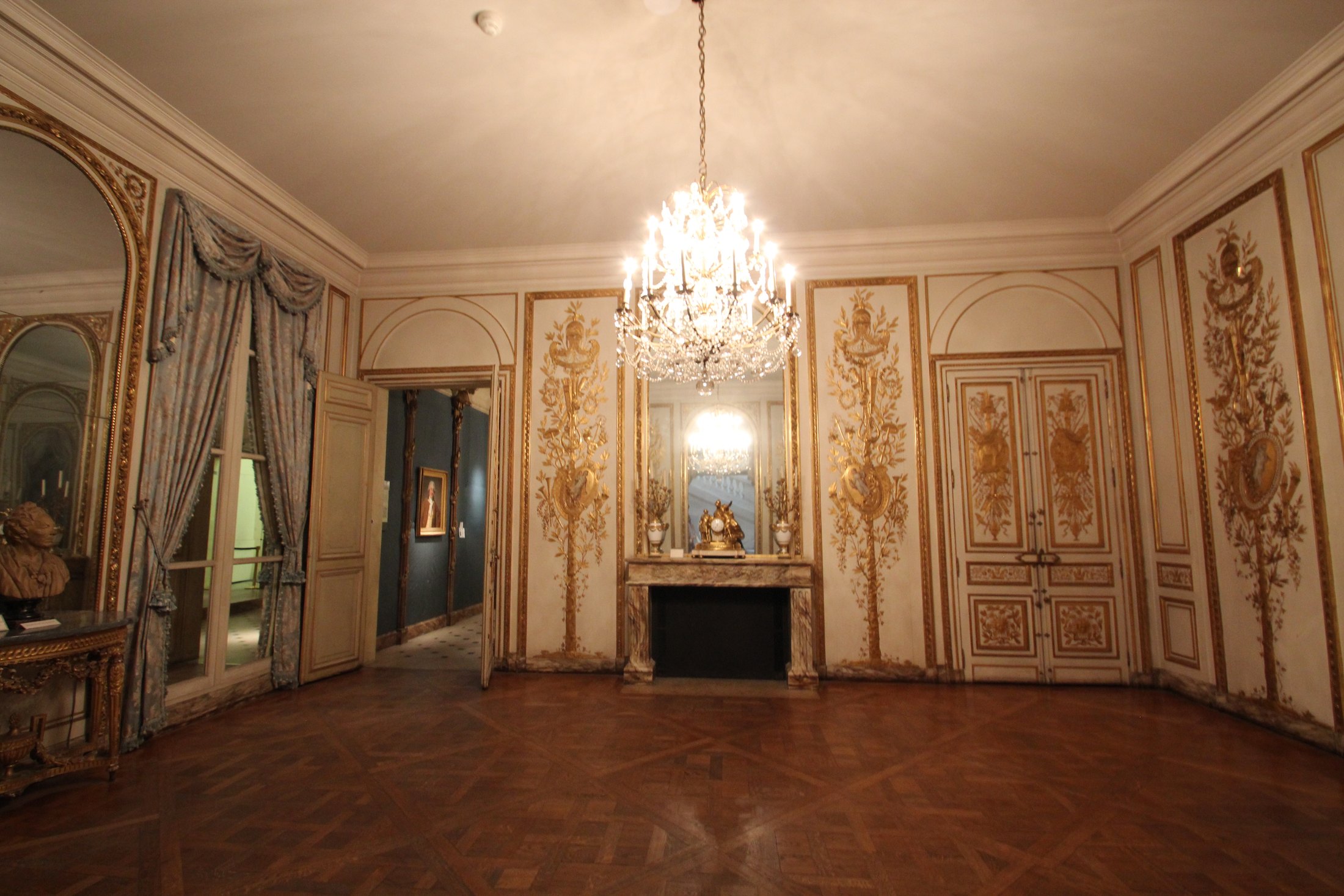
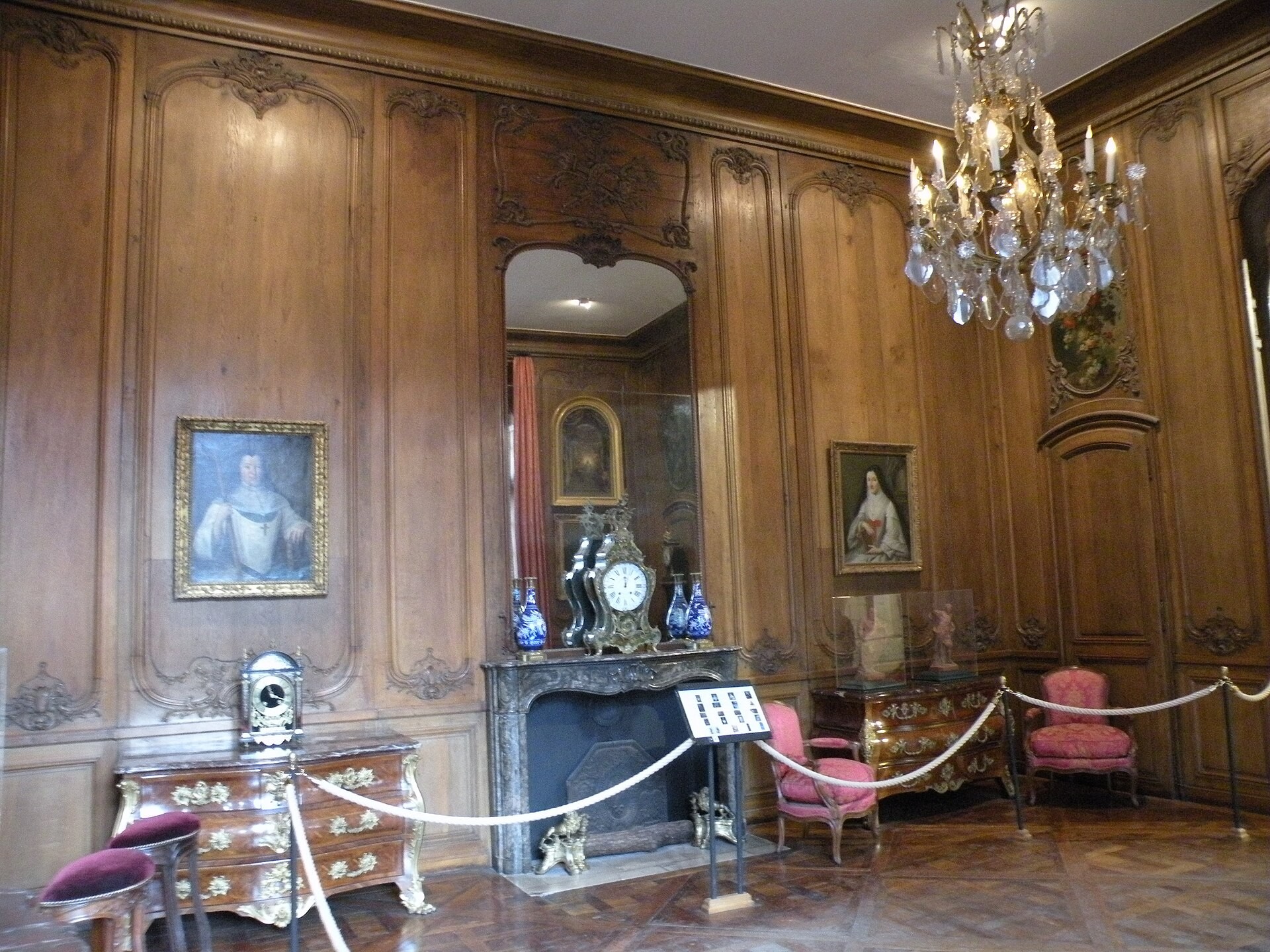
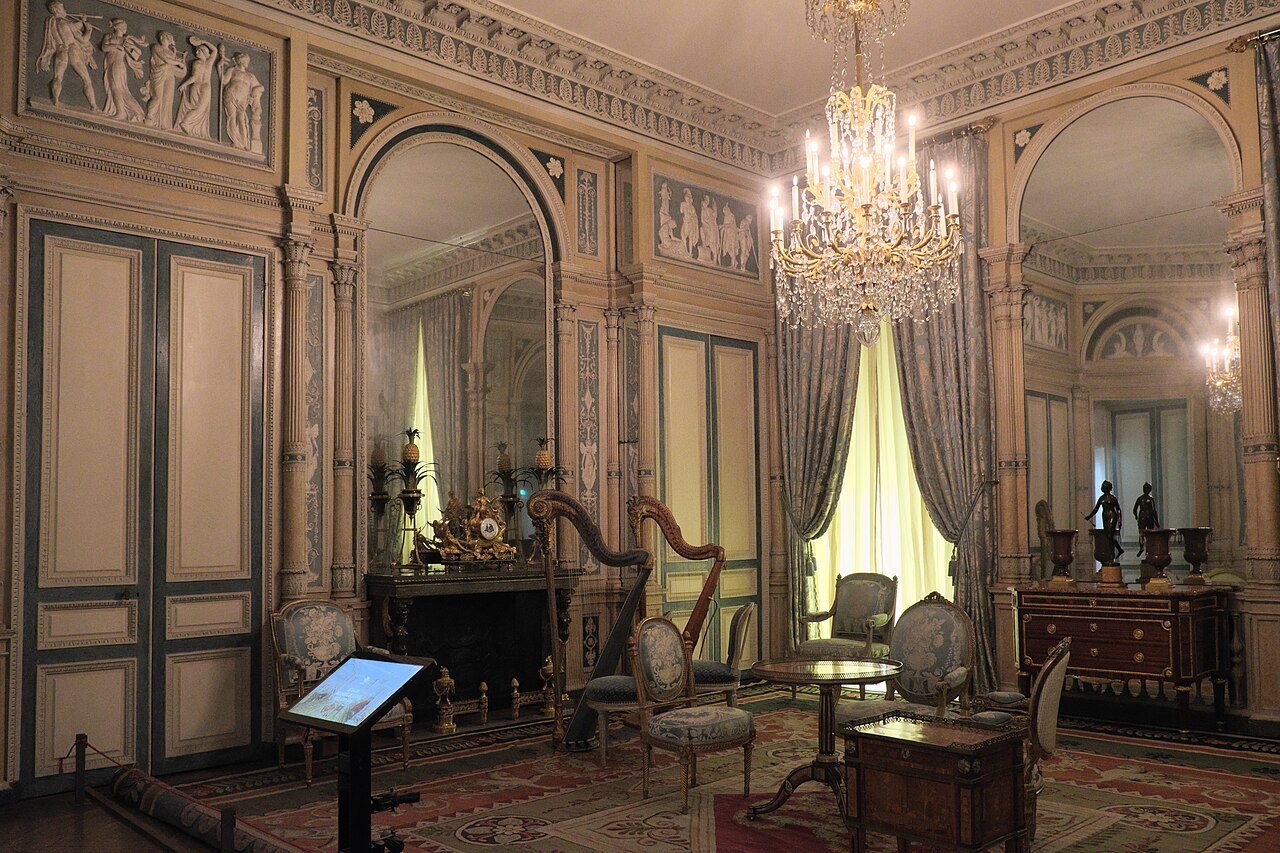
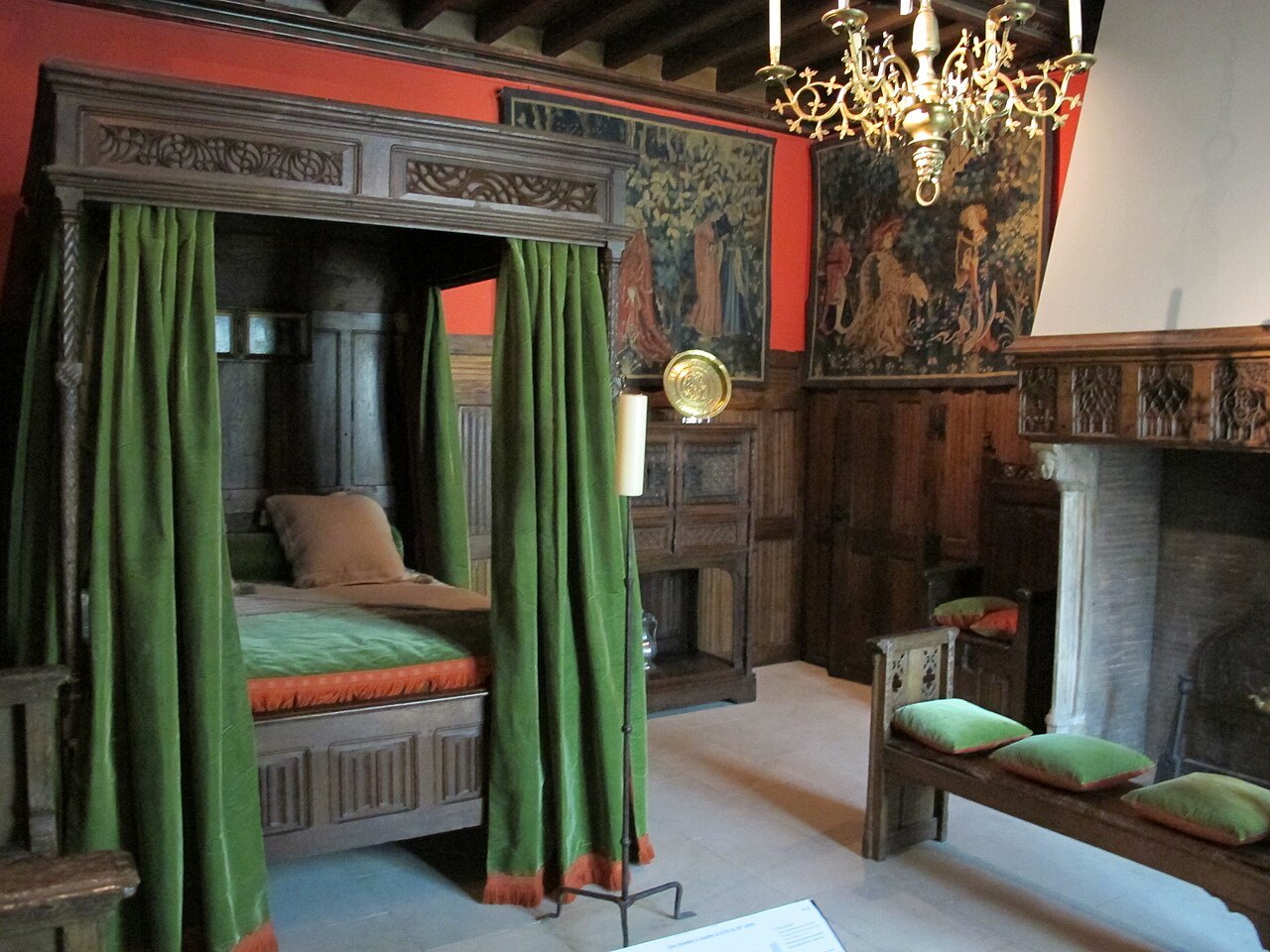
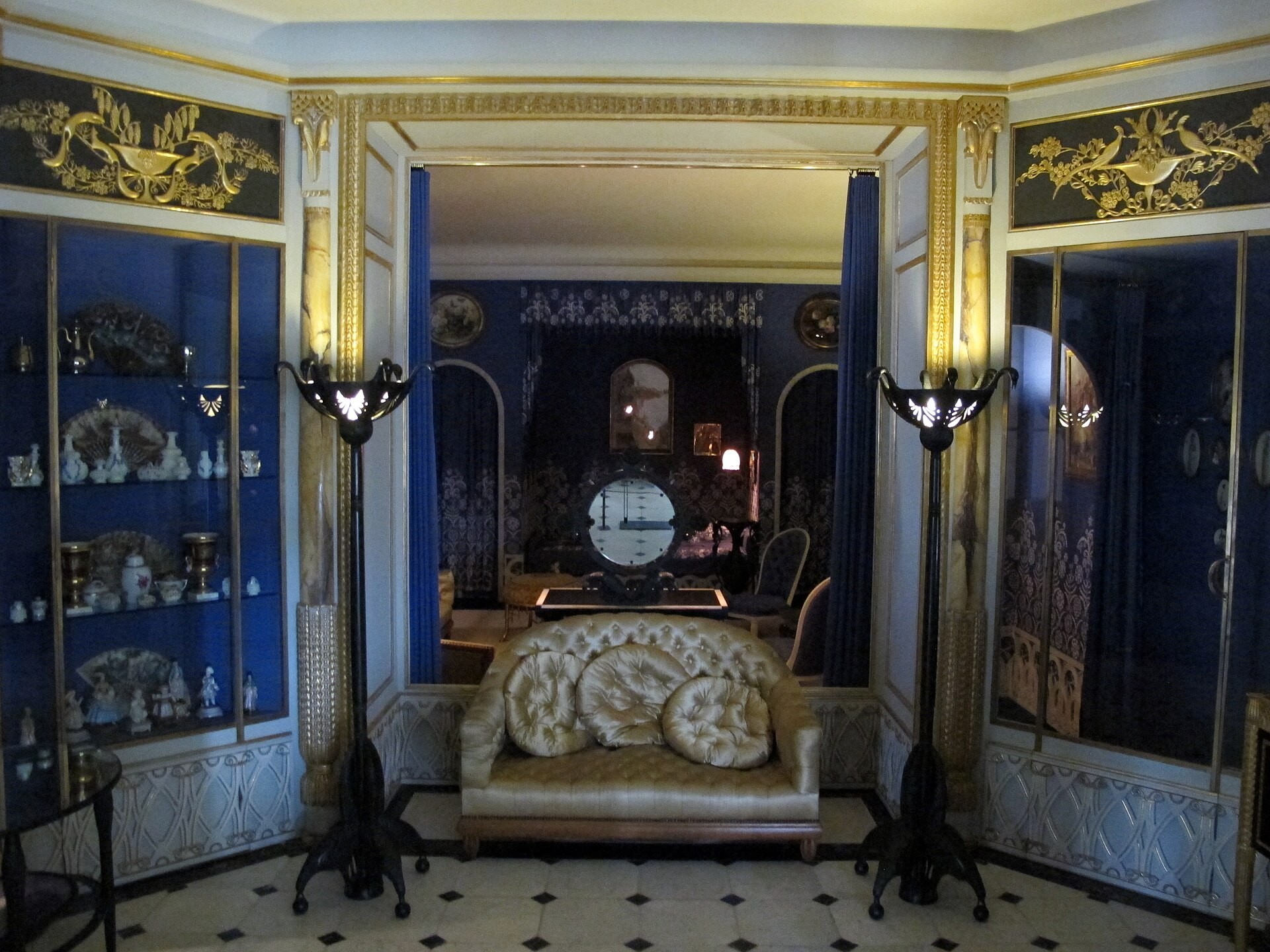
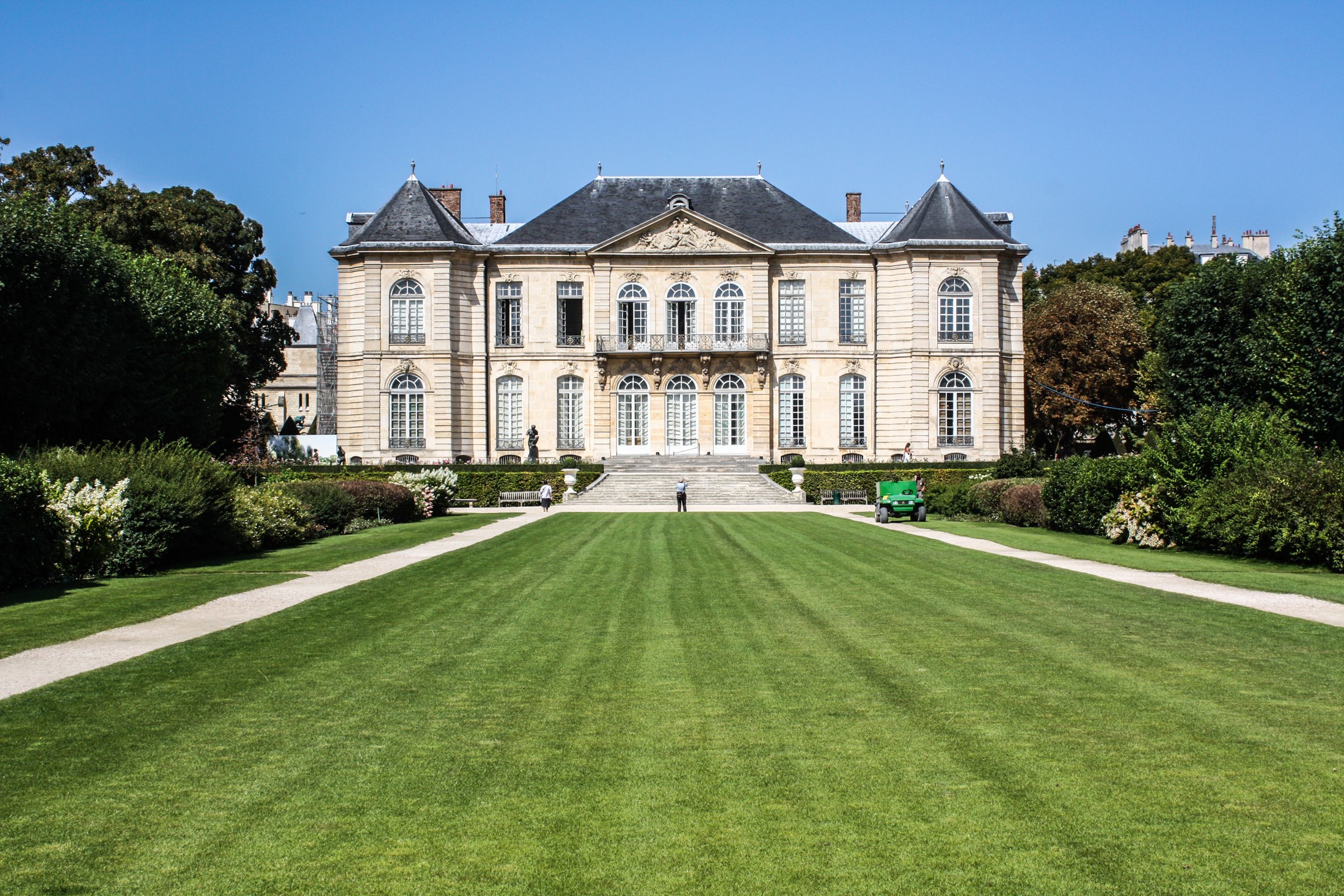
The Hôtel Biron began as an eighteenth-century mansion, later becoming a girls' boarding school. After the religious community left, artists moved in as temporary tenants.
Rodin rented four south-facing rooms in 1908 and occupied the whole building from 1911. His donations to the French state in 1916 secured its future as a museum, which opened in 1919.
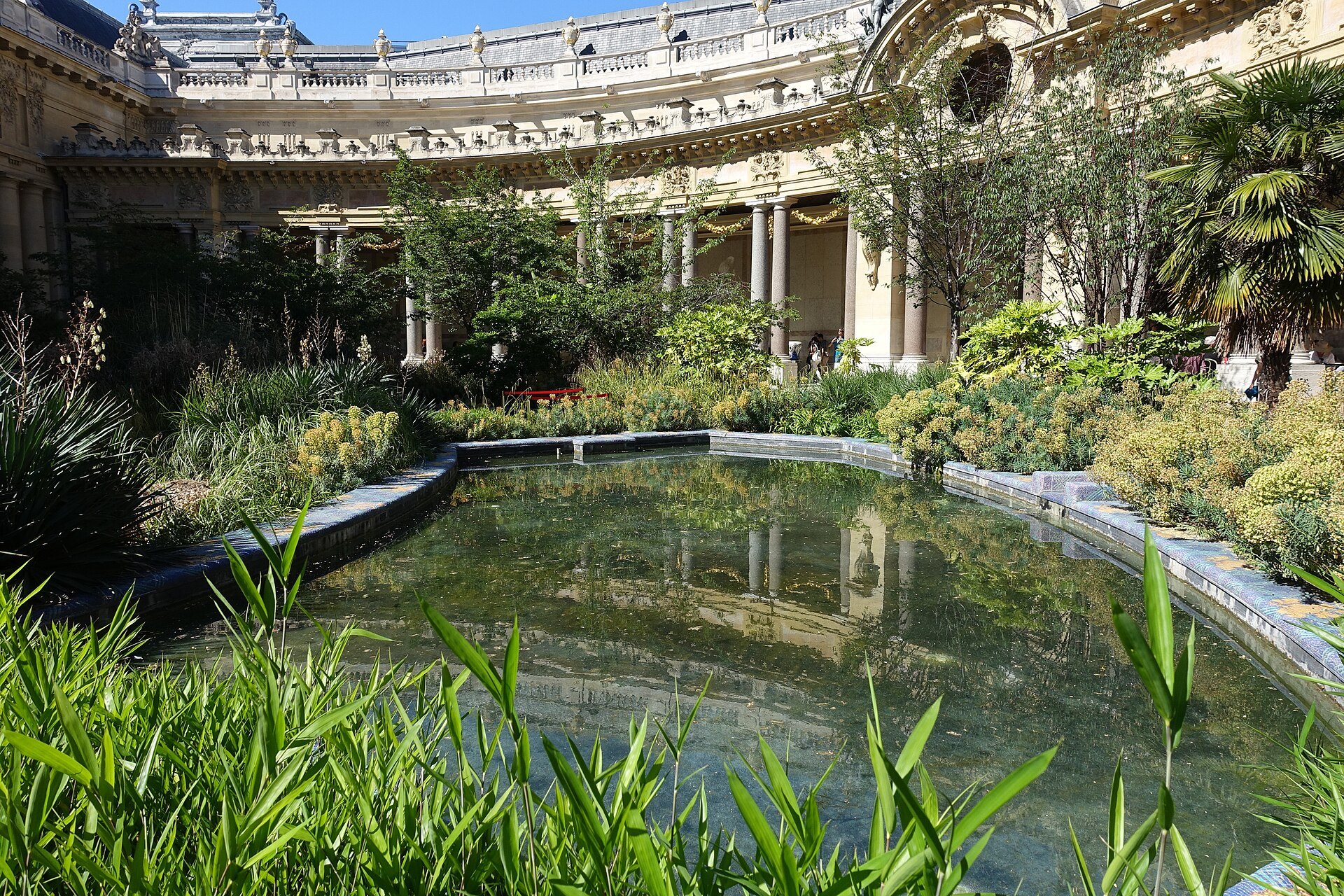
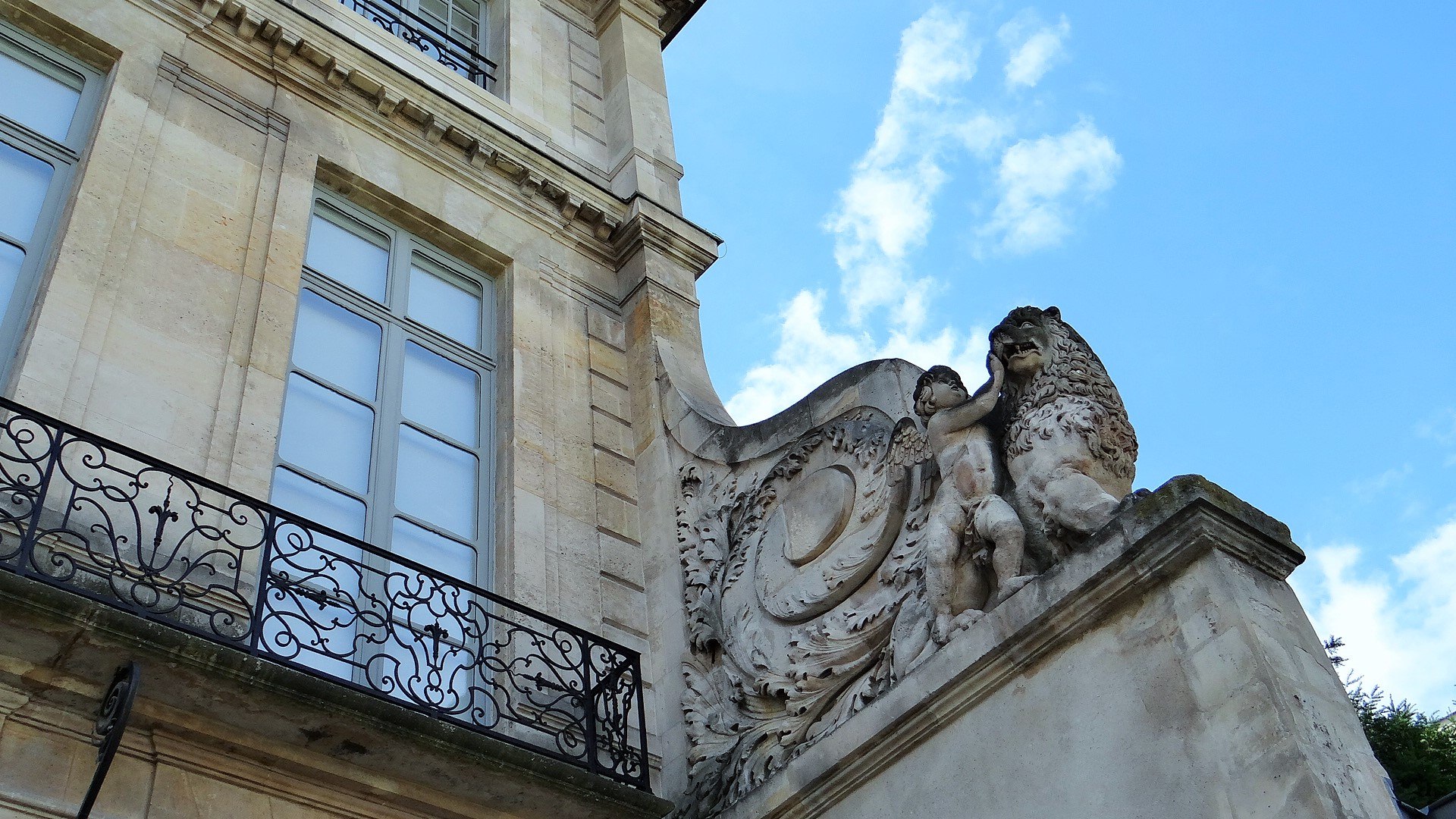
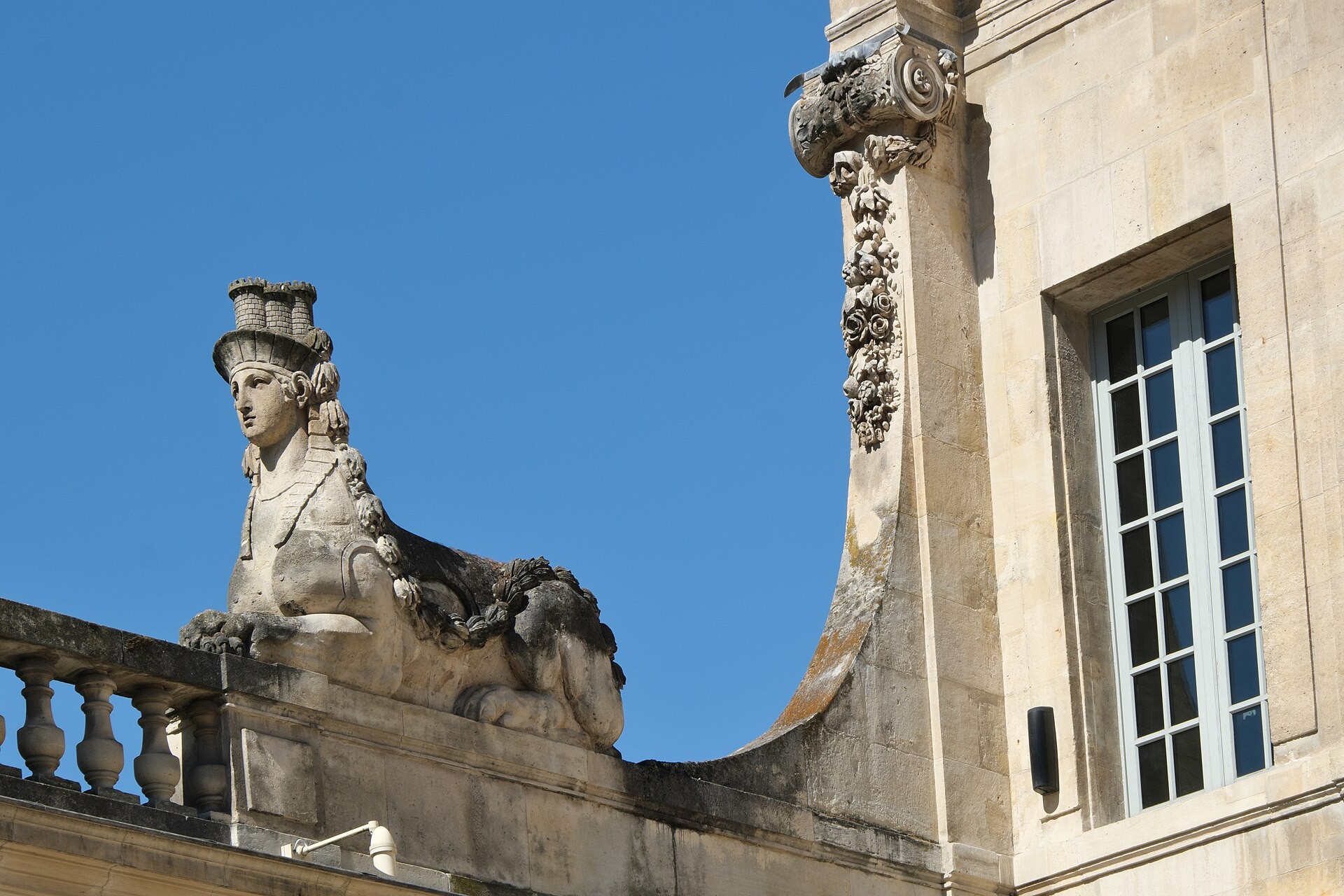
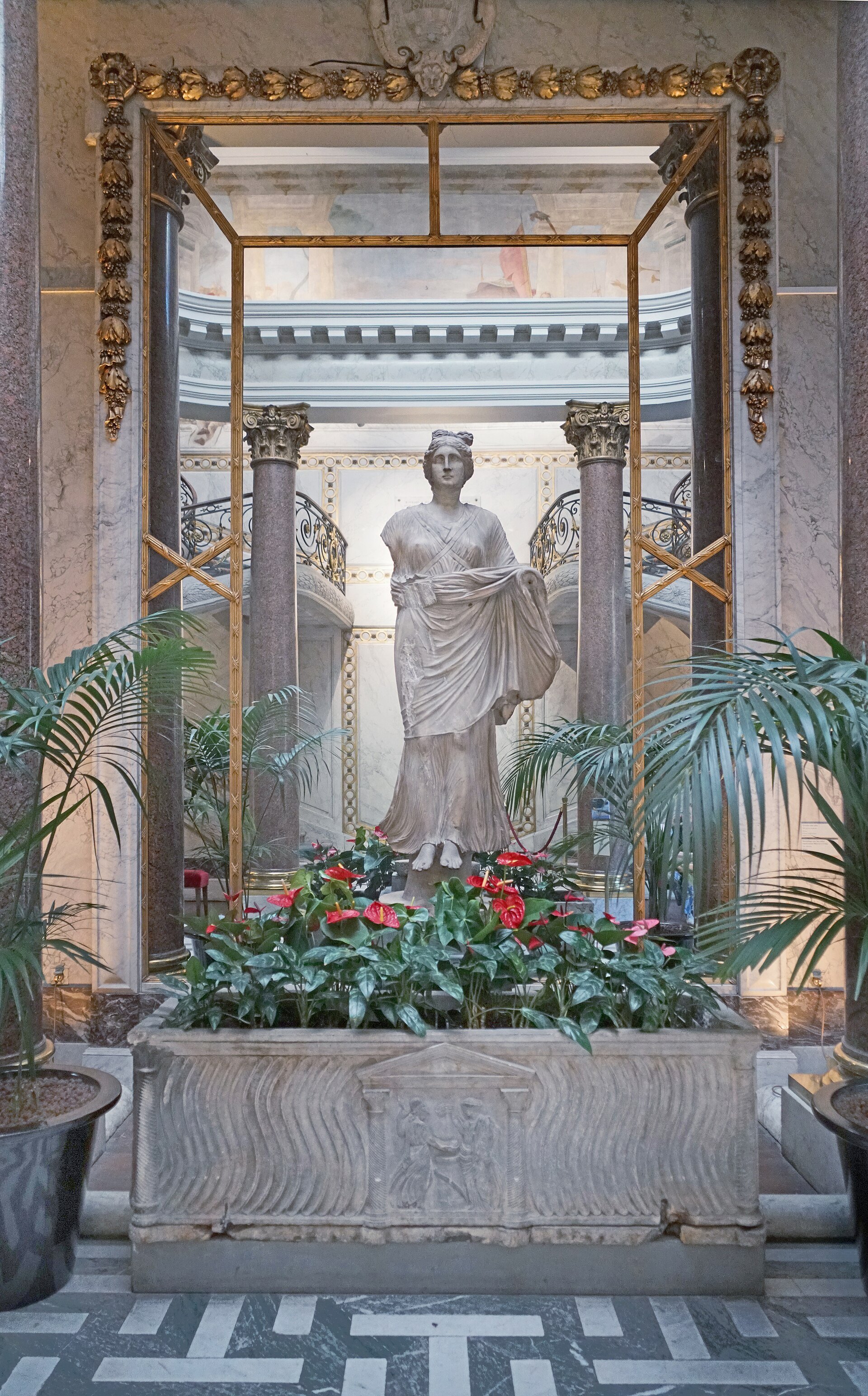
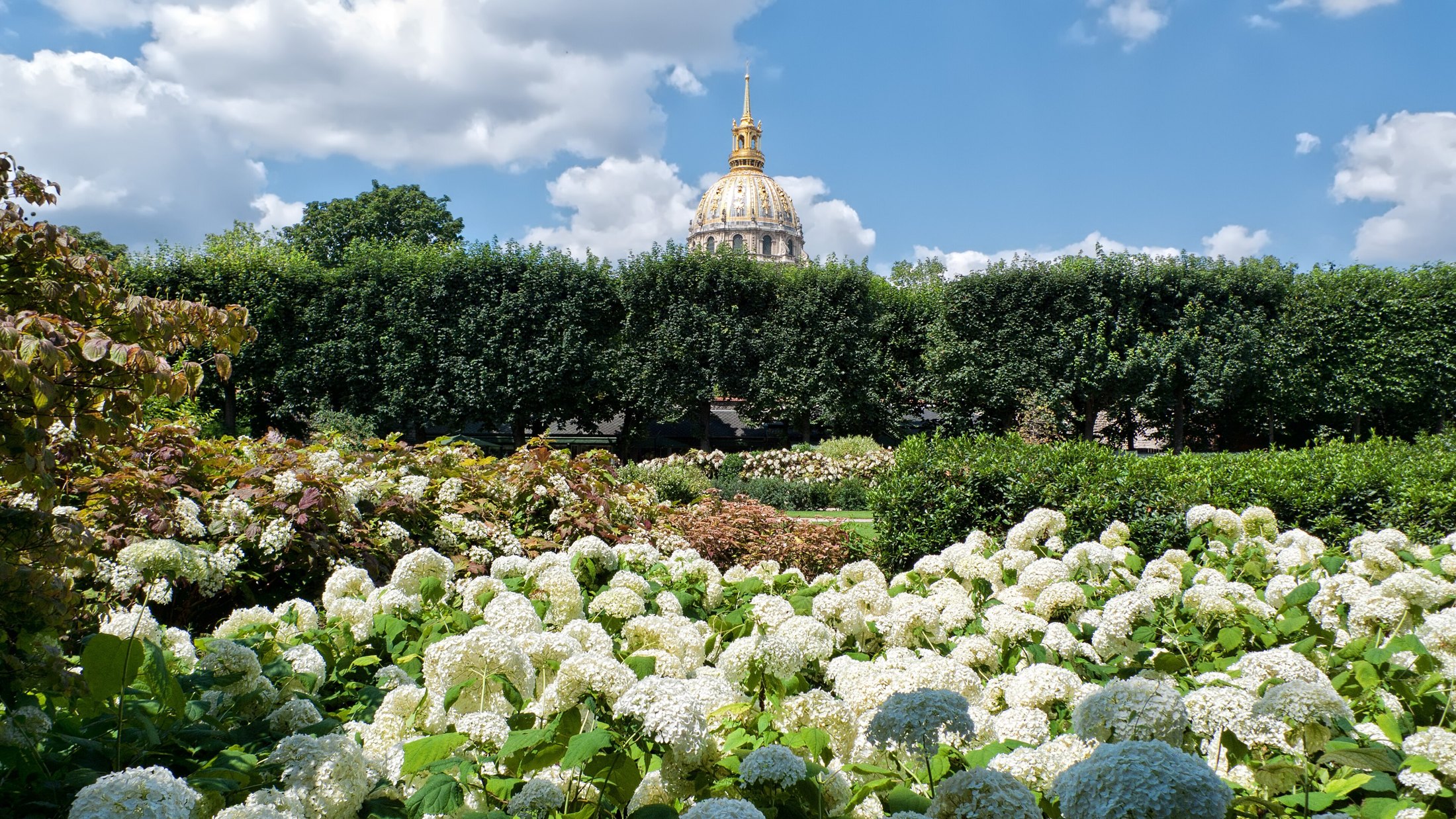
Windows and the sculptures outside make an interesting pair of things to notice as you pass between the house and garden. Rodin chose this setting and placed works among its greenery.
The museum preserves both a collection and a place its maker wanted to keep.
Three figures, one form
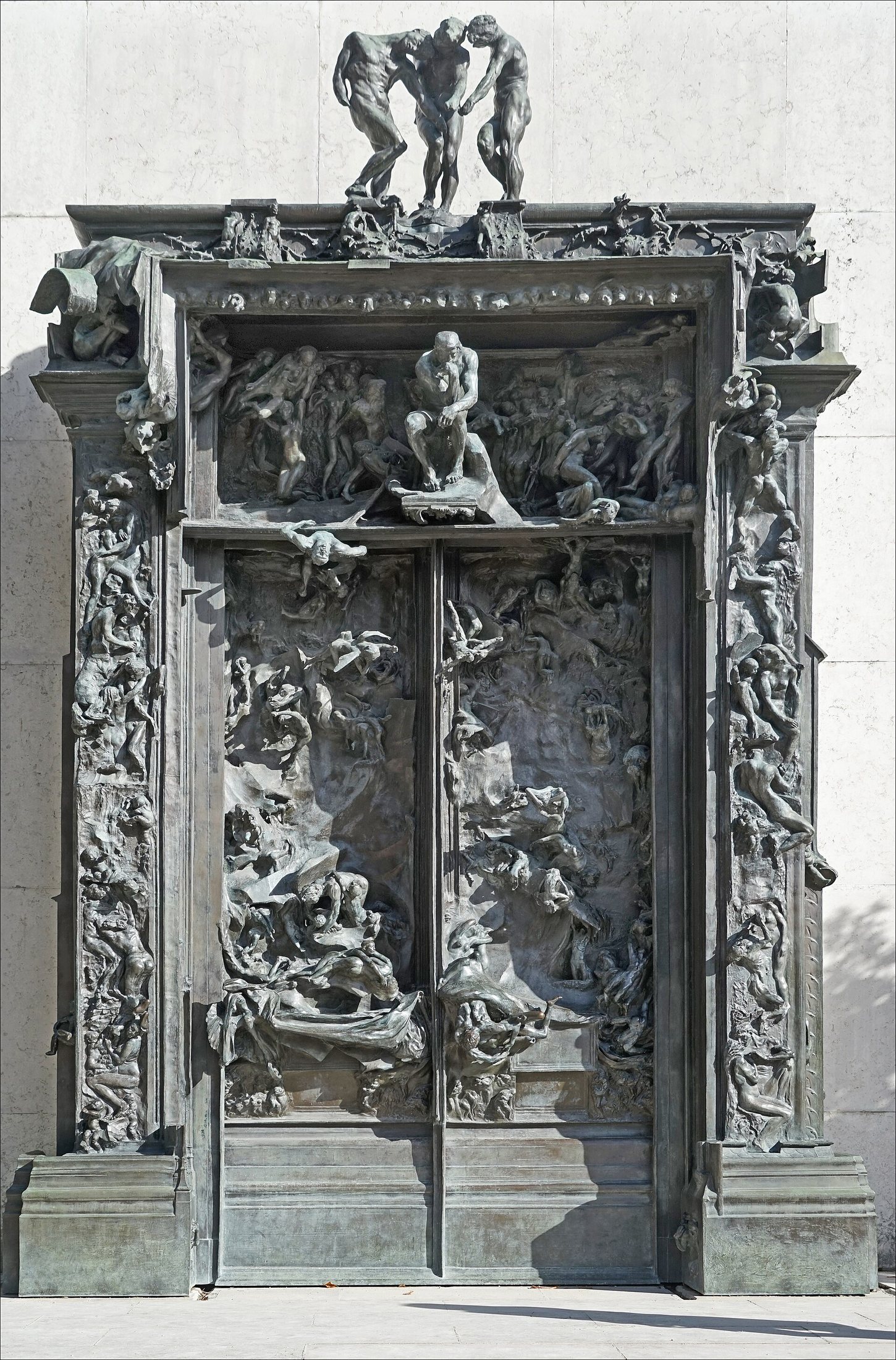
Above The Gates of Hell, three bowed figures point towards the world below. The Three Shades brings versions of the same figure together in different positions.
Their bent heads nearly continue into a single horizontal line, turning a repeated form into a collective gesture.
The silhouettes give you something to compare before separating the bodies. A different angle changes the appearance of an identical form.
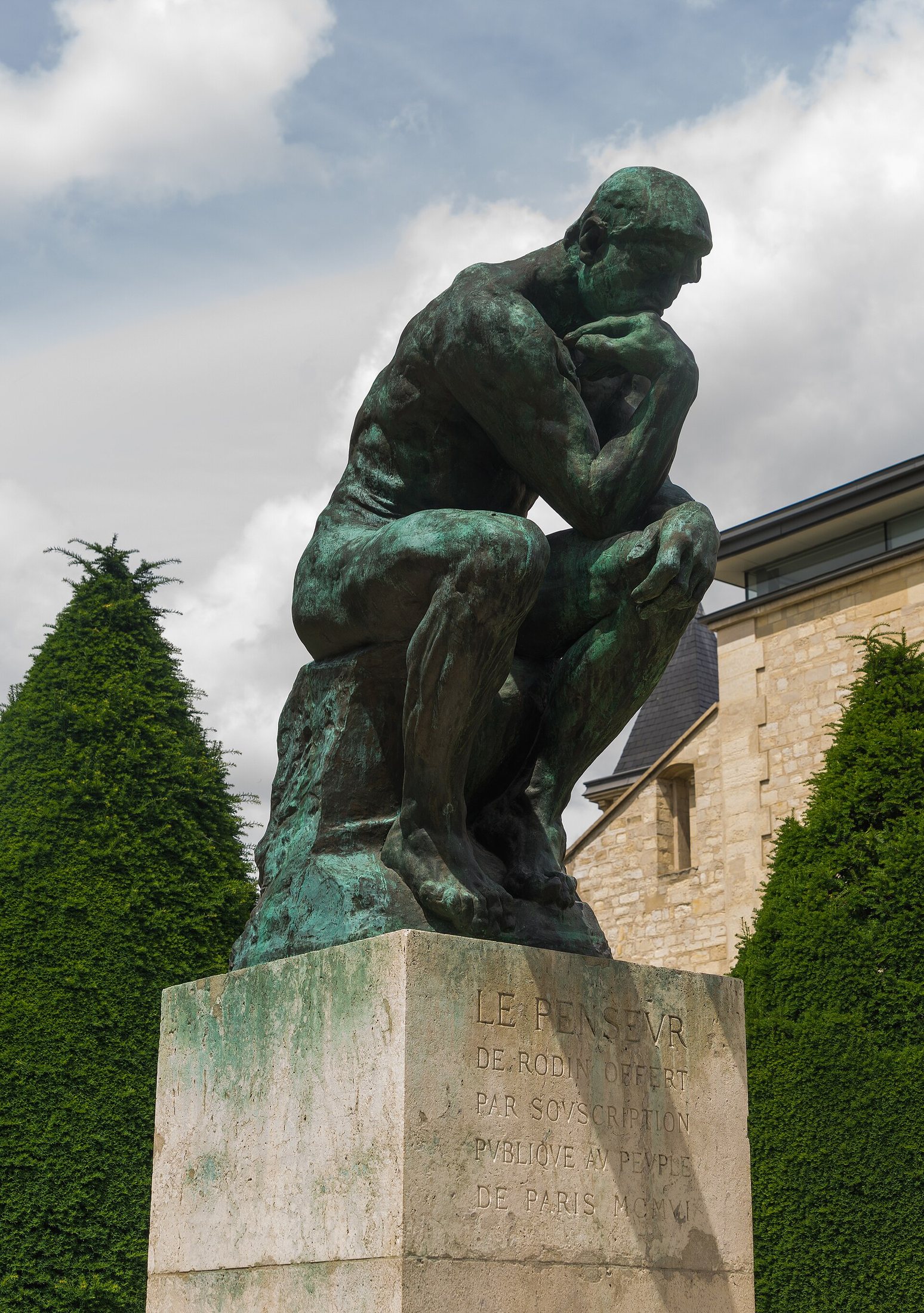
The Thinker's departure from the Gates to become an independent work offers a related story; our Paris artwork guide follows that transformation and 
The space between two right hands
The Cathedral pairs two right hands in stone. Tool marks remain on their surfaces, while the fingers enclose a space that suggests the interior of a Gothic building.
The title invites you to imagine a cathedral in the space between the fingers.
A small change of viewpoint can make the gap open or narrow. The surface and the space between the fingers are equally worth a little time.
Two right hands could not be the two hands of one person at prayer, another detail that makes the pairing interesting.
A walk made from earlier fragments
The Walking Man joins a torso and legs developed from studies for Saint John the Baptist. Rodin brought those earlier elements together years later.
The trunk leans forwards and turns slightly, with joins that leave the figure less neatly aligned than an academic model.
Try following the body's weight from the leaning torso down through the legs. With no face to draw your attention, the stride becomes easier to study.
The missing head and arms are part of Rodin's expressive choices.
Camille Claudel’s turning couple
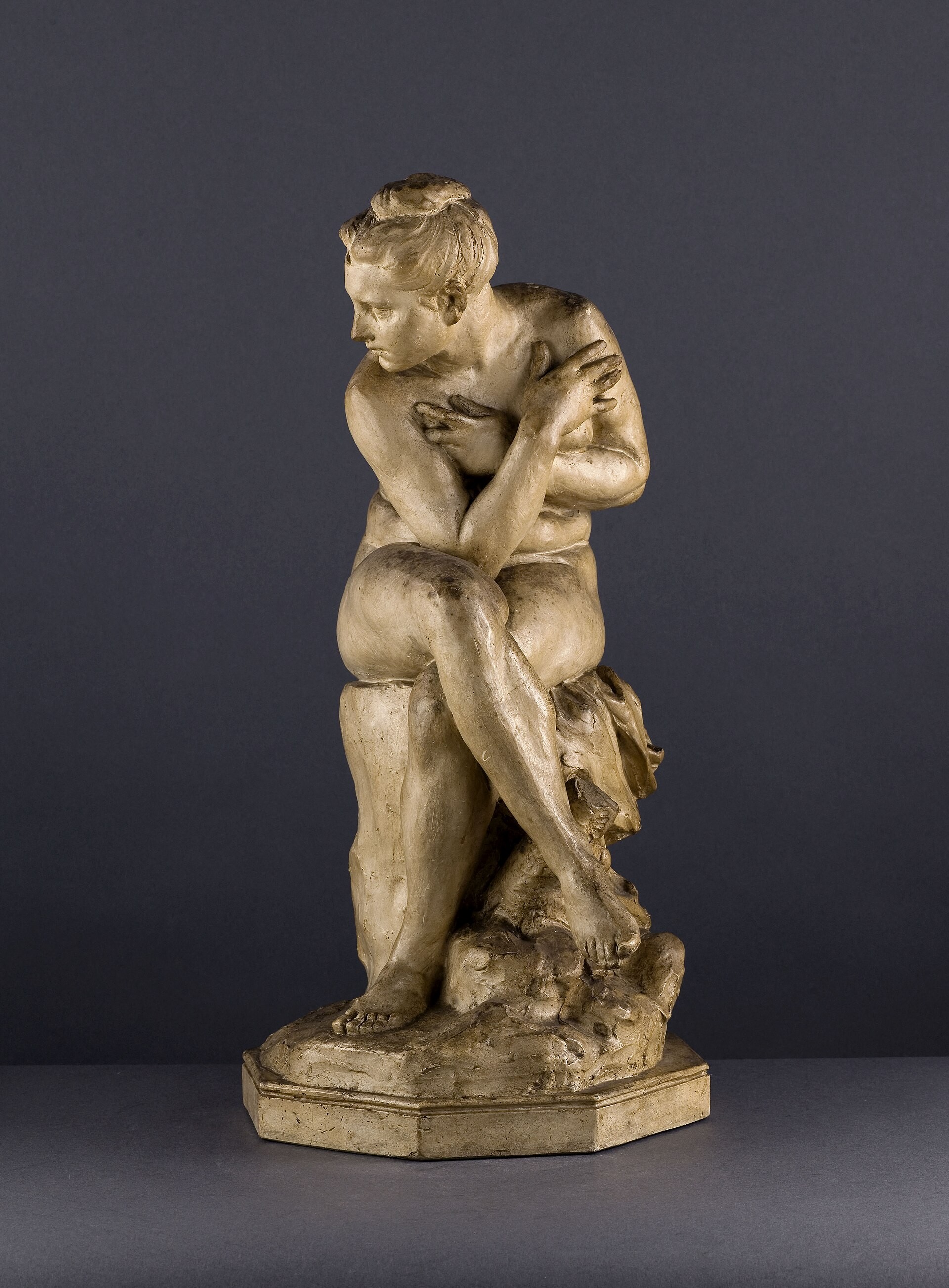
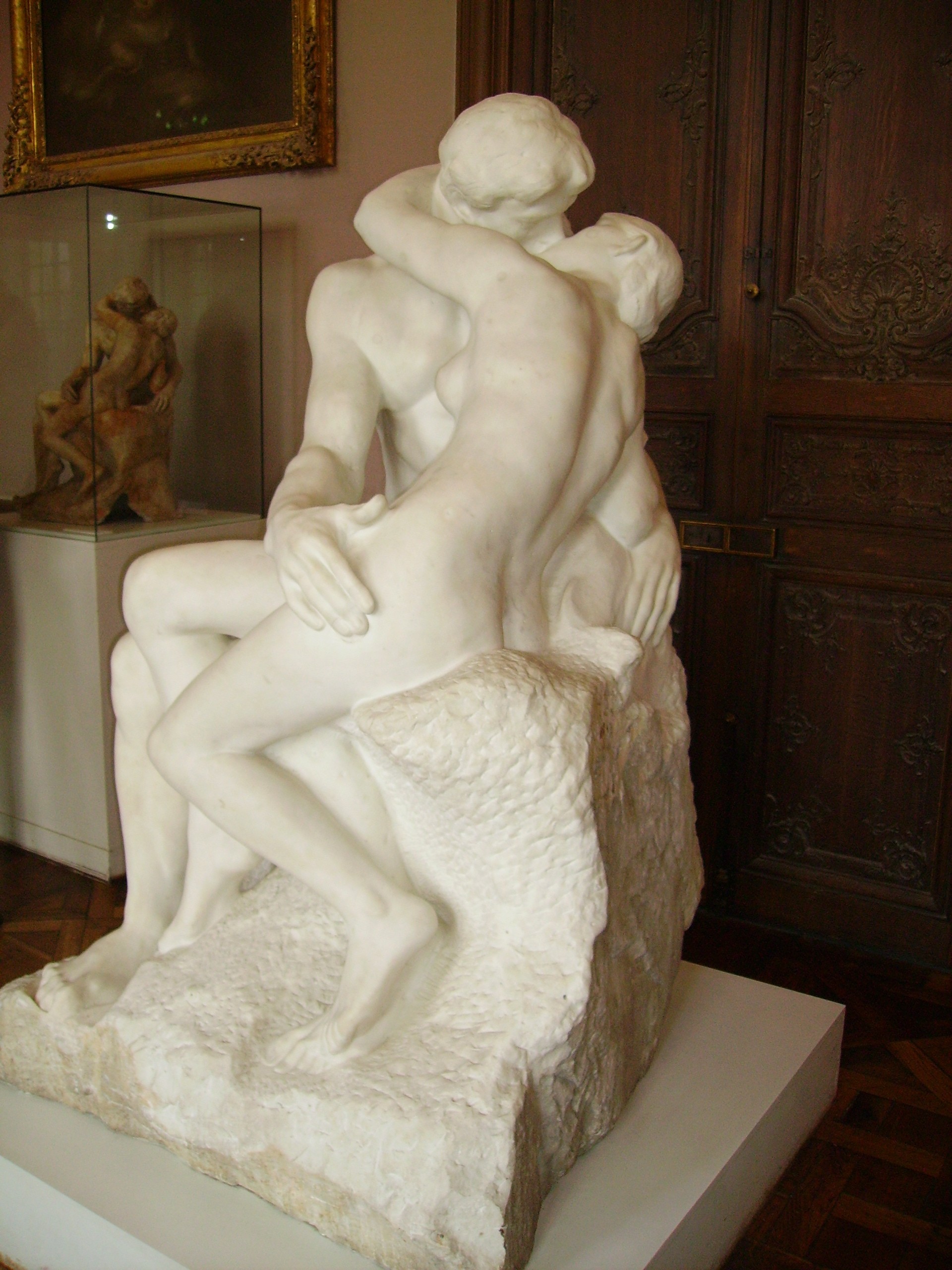
Camille Claudel's The Waltz, shown at the Salon in 1893, gives a pair of bodies a different balance. The couple lean together on a diagonal and the woman's drapery sweeps outwards.
Low down, the man's raised left foot and the small base make their position seem precarious. Above, the spiral returns to the embrace.
Claudel's own sculptural decisions are worth staying with. Compare it with The Walking Man: a figure carrying its weight forwards, and two dancers turning around a shared centre.
Choose a few works, then leave time for the garden
Two or three works give you plenty to follow: a silhouette that changes with your position, the space between limbs, or the direction a body seems to take. The current museum plan can help you choose an order and leave time for the garden.
These are thematic pairings rather than a fixed walking circuit.
Is it right for you?
Choose Rodin for sculpture and a visit with time outdoors. Check the forecast, including heat as well as rain, before planning a long garden visit.
How long to spend?
Allow around 1½–2½ hours for the house and garden, plus time for an exhibition or audioguide.
Before you go
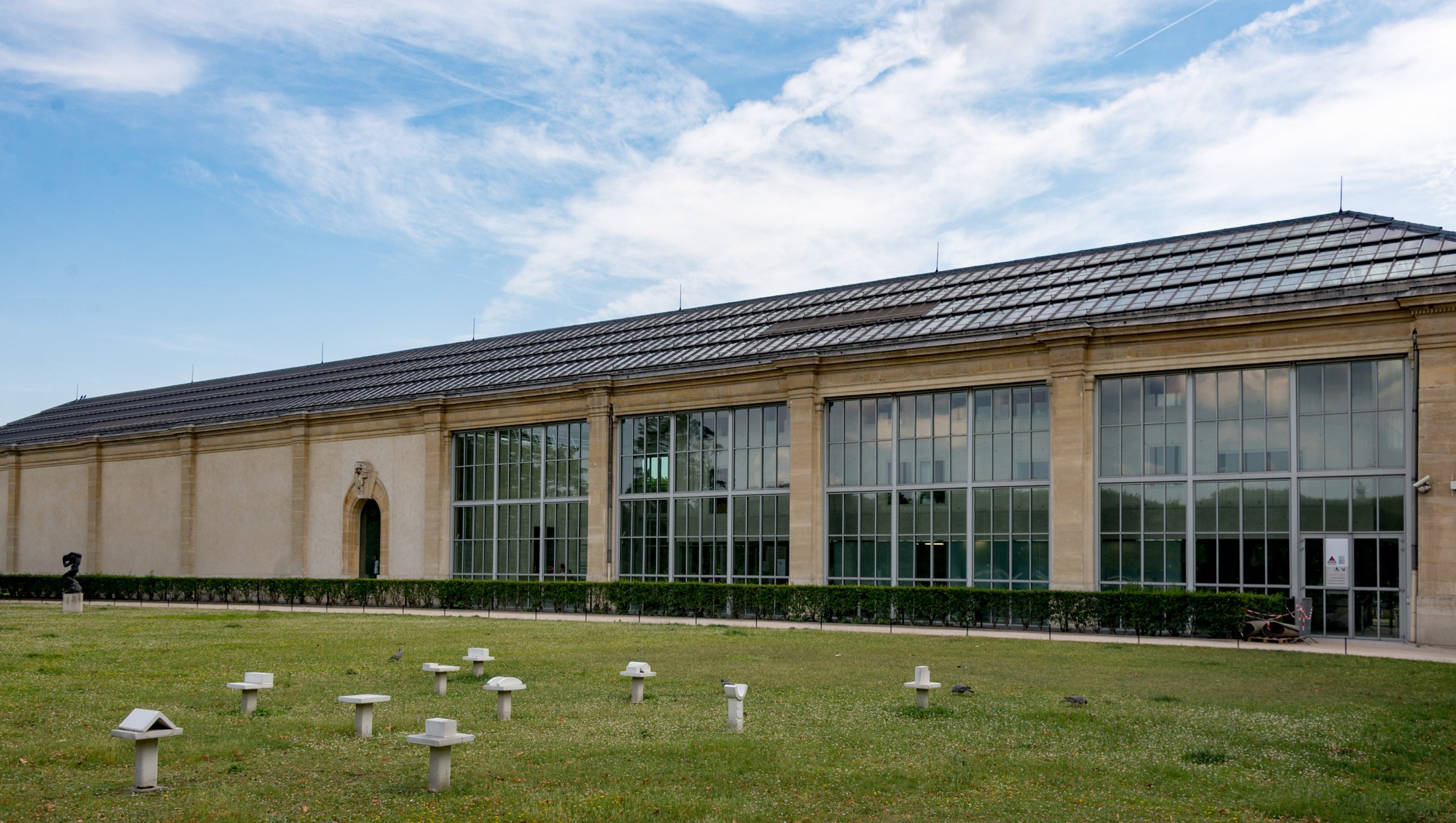
Some works may be away on loan. At review, the museum reported a structure being dismantled in the garden, with all artworks still visible; check for updated notices.
The permanent-collection galleries are not air-conditioned.
Questions before you go
What are the usual opening hours?
The museum and garden usually open Tuesday–Sunday, 10:00–18:30, with last admission at 17:45. They are closed on Monday. The ticket office closes before last admission, so buy ahead if arriving late.
How much is admission?
Confirm the total and included areas in the museum’s official checkout.
Is there a free Sunday?
Admission is free on the first Sunday of each month from October to March, without advance booking.
Last reviewed: . Check the museum’s website for current hours and ticket prices.