In this guide
A house with a collecting story
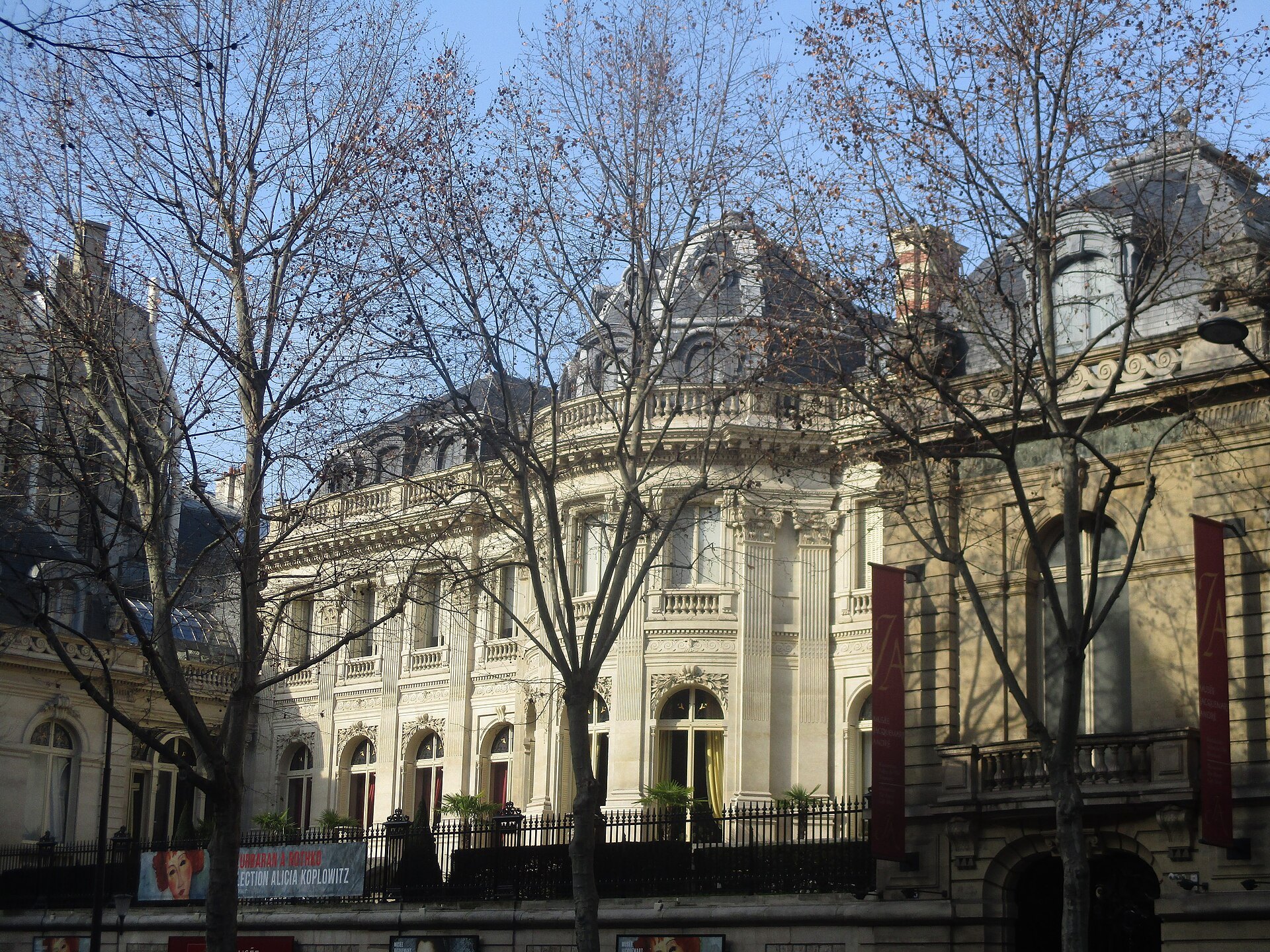
Jacquemart-André offers a way into art through the people who chose to live with it. Édouard André and Nélie Jacquemart married in 1881 and developed their collection through travel and acquisition. After Nélie’s bequest, the house opened as a museum in 1913. The rooms remain important to the experience: look at the relationships between paintings, furniture and decoration, rather than treating the house as a neutral gallery.
Look up in the winter garden
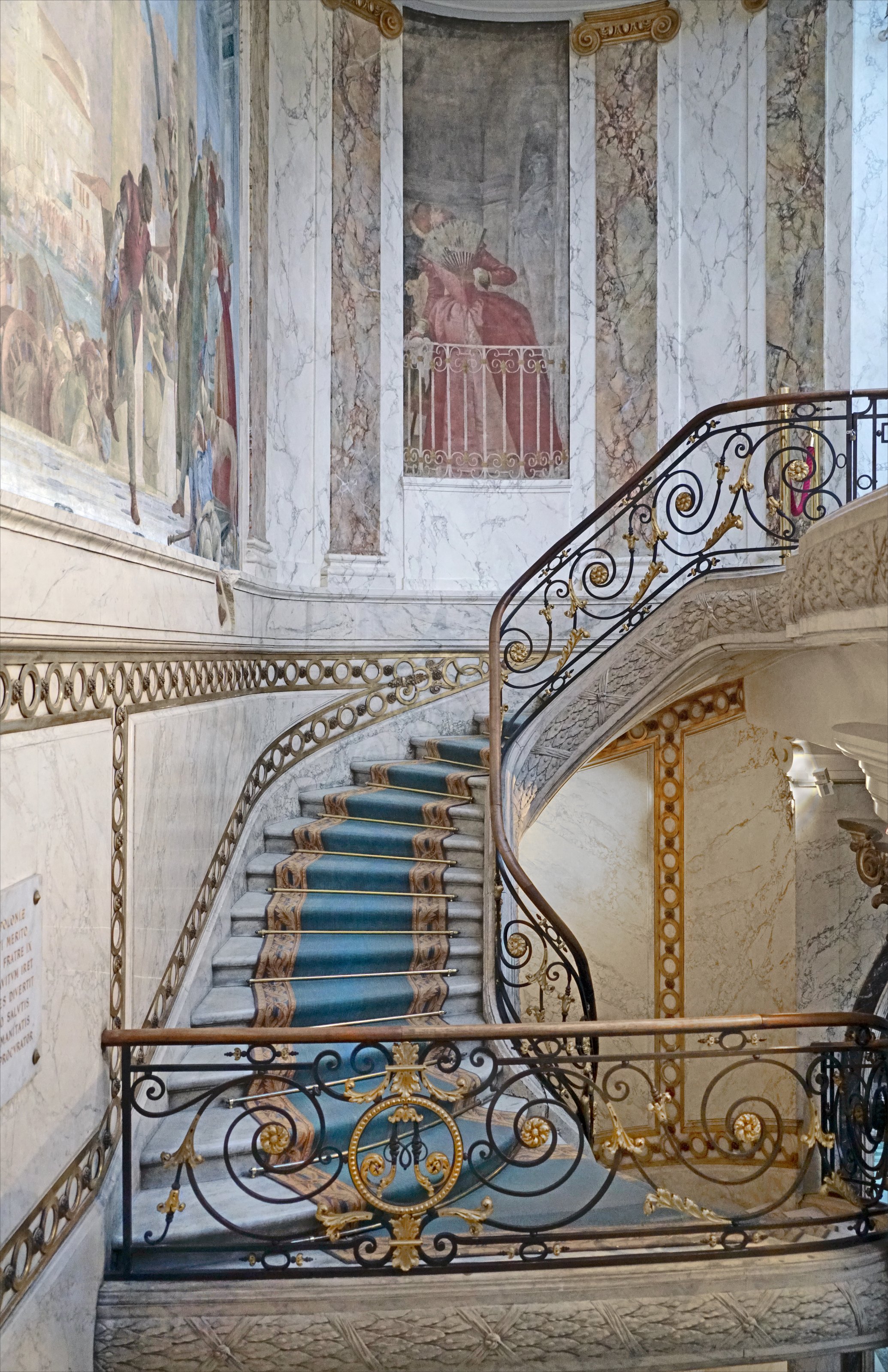
The winter garden and staircase are strong reasons to include the museum even if you do not recognise every artist. Glass, mirrors and the paired flights of stairs create a change of scale after the reception rooms. A Tiepolo fresco, acquired from a Venetian villa, adds another layer to the collectors’ enthusiasm for Italy. Pause at different viewpoints without blocking the circulation of other visitors.
Swipe or scroll to see more.
Spend time in the Italian galleries
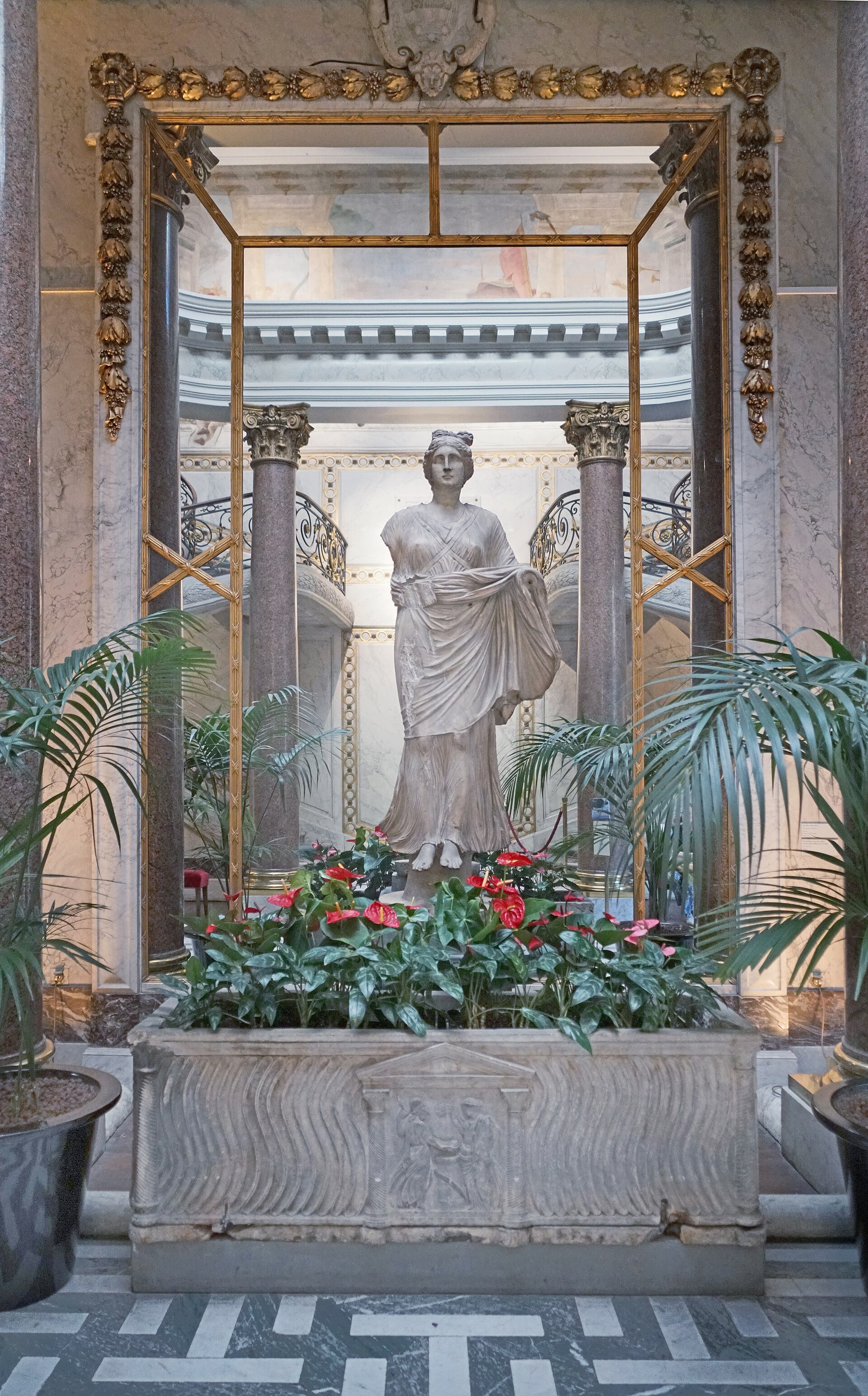
The Italian Museum brings together sculpture and paintings in spaces reflecting the collectors’ preferences. The Florentine and Venetian rooms provide useful starting points for comparing subject, colour and composition. The museum identifies artists including Botticelli, Uccello, Bellini and Mantegna in this collection. These are collection references, not promises that every work will be displayed when you visit. Choose a few pieces to examine rather than racing through a list.
Who will enjoy it most
This is a good choice for visitors interested in historic interiors, Renaissance art and the private lives behind public collections. It can also make a satisfying alternative to a much larger palace museum when you want a visit with a clear focus. The atmosphere of a domestic collection should not be confused with the promise of quiet: temporary exhibitions can concentrate visitors into a smaller set of rooms.
Balance the house and exhibition
Give the exhibition and permanent rooms separate blocks of attention. If you book chiefly for Tintoretto, make that your first priority and keep a shorter route through the house afterwards. Otherwise, begin with the interiors and Italian collection. Allow about 1½–2 hours for the house, or 2½–3 hours with an exhibition. These are editorial estimates; café time and entrance queues are additional.
Autumn 2026 programme
Timeless Tintoretto runs from 11 September 2026 to 24 January 2027. The exhibition follows the painter’s career and his later influence on French painting. The official full admission at review is €19 for the collection and exhibition together.
Practical limits to keep in mind
The current Friday schedule runs until 22:00, offering a useful evening option. Last admission is 30 minutes before closure. The museum’s FAQ describes lift access throughout; visitors with specific needs should confirm arrangements. Rely on the official schedule because third-party ticket pages can show shorter, outdated hours.
Questions before you go
Is the museum open on Monday?
Yes. Current hours are 10:00–18:00 Monday–Thursday, 10:00–22:00 Friday, and 10:00–19:00 at weekends. Holiday exceptions apply.
Do I need to book online?
Online booking is optional, but it lets you select an exhibition time slot. Onsite tickets depend on availability and may involve waiting.
Can I change an official ticket?
The museum’s current rate page says online tickets can be exchanged once, by the day before the visit, for €2. Check the terms for your exact purchase.
Last editorial review: . Opening patterns and prices are a dated snapshot. Check the official venue for your exact date.
Compare a guided visit or ticket
Ordinary, untracked booking links. No affiliate commission is currently enabled for these offers.

Includes the collection, temporary exhibitions and an English/French audio app. Check the final total and non-refundable terms; use the museum’s own page for current opening hours.