In this guide
A reason to go
Guimet widens a Paris museum itinerary beyond the familiar European painting circuit. The collection ranges from Afghanistan to Japan, with sculpture, ceramics and other works that need their own historical and religious context. A rewarding visit begins by narrowing the field. Choose one region or medium, then follow the questions it raises, rather than trying to compress the arts of many different societies into a single hurried circuit.
Spend time with Southeast Asian sculpture
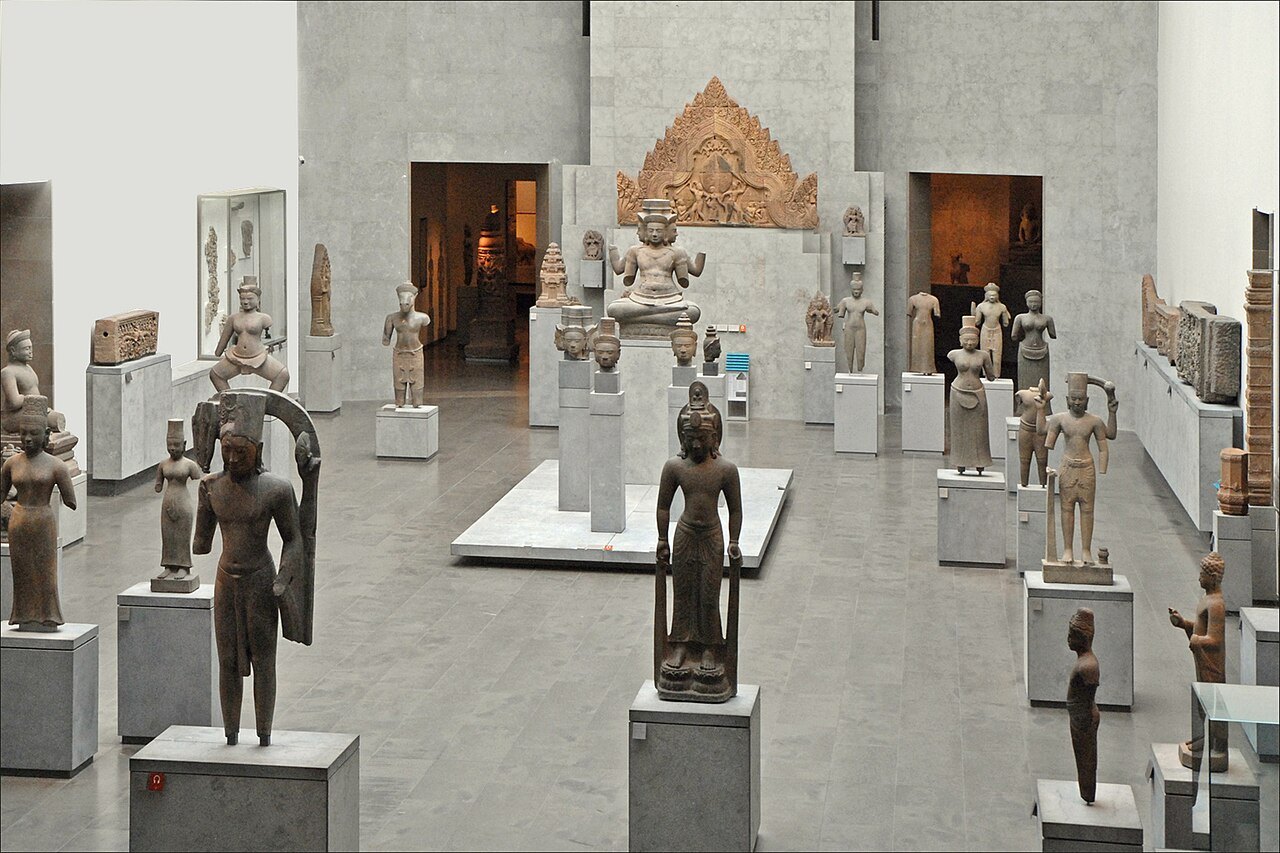
The Southeast Asian collection offers an especially clear starting point for close looking. The museum highlights Khmer, Cham, Thai and Javanese art. Compare posture, carved surfaces and the relationship between the figure and its support, while reading each work’s place and date. Similar religious subjects do not make different artistic traditions interchangeable. Let the labels complicate your first impressions instead of using them only to identify a name.
Read how objects reached the museum
Collection history is part of the visit. Guimet’s own account places its holdings alongside archaeological expeditions and Europe’s colonial expansion. Individual records can add useful detail: the Female Divinity from Bakong describes the separate histories of its head and body before their reunion. Such accounts are a reason to look closely at provenance and missing information, without assuming every object arrived through the same circumstances.
Who this museum suits
This is a strong option for visitors curious about Asian art, religious imagery or the movement of ideas between places. No specialist knowledge is required, but a willingness to read helps. If you want a compact list of instantly recognisable Western masterpieces, another museum will suit that aim better. Here, make unfamiliarity the invitation to stop.
Shape your visit
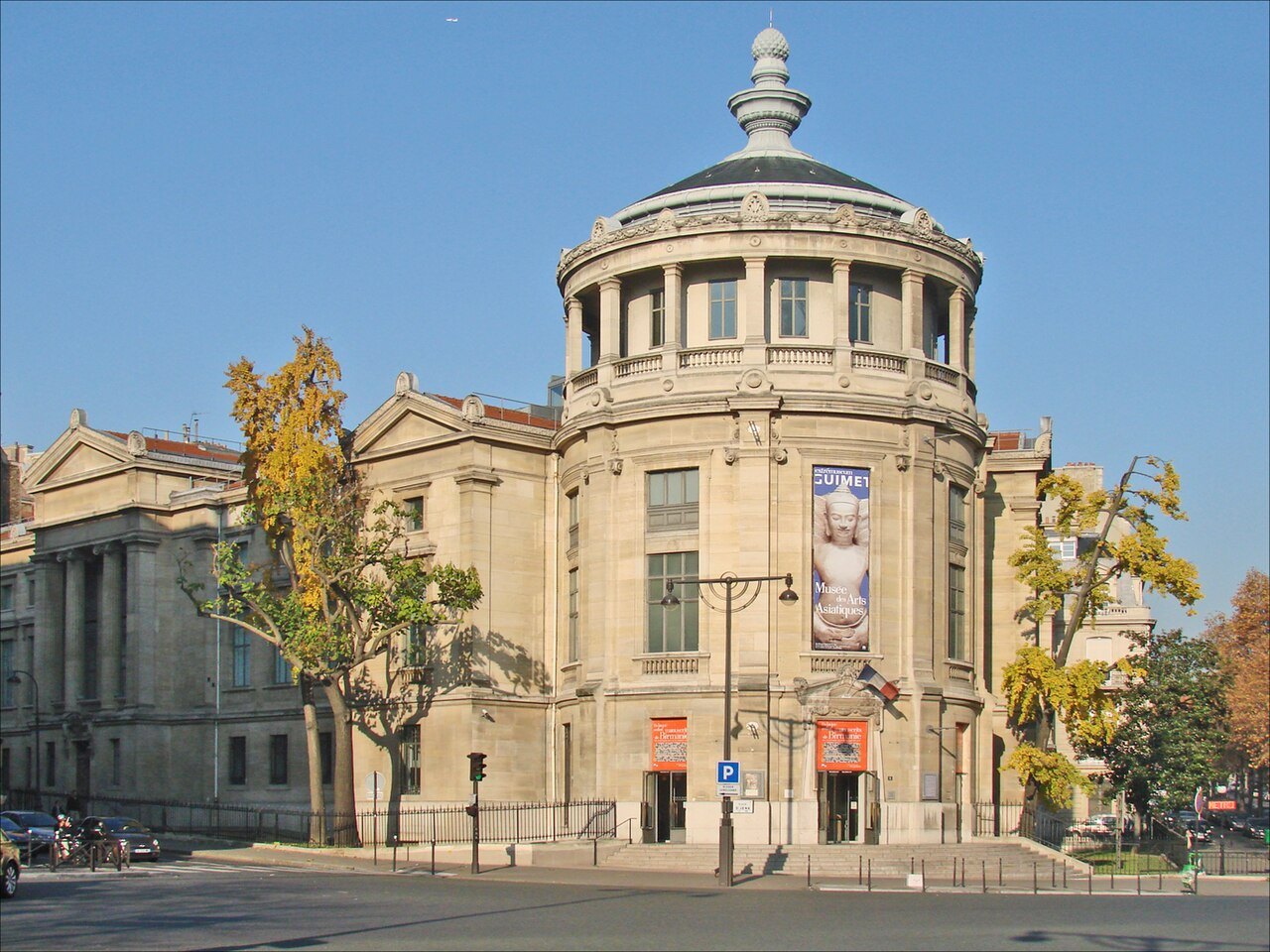
Use the current floor plan to choose a collection area and one optional second section. Give a few works sustained attention before adding the temporary exhibition. The main museum is at 6 place d’Iéna. Maison Guimet and its Japanese garden are separate, reservation-led visits; do not build them into a standard admission itinerary.
How much time to allow
Plan around 1½–2½ hours for a focused visit, plus extra time if the exhibition becomes your priority. This is an editorial estimate. Check room notices before setting out; the terrace is closed until spring 2027.
Autumn 2026 exhibition
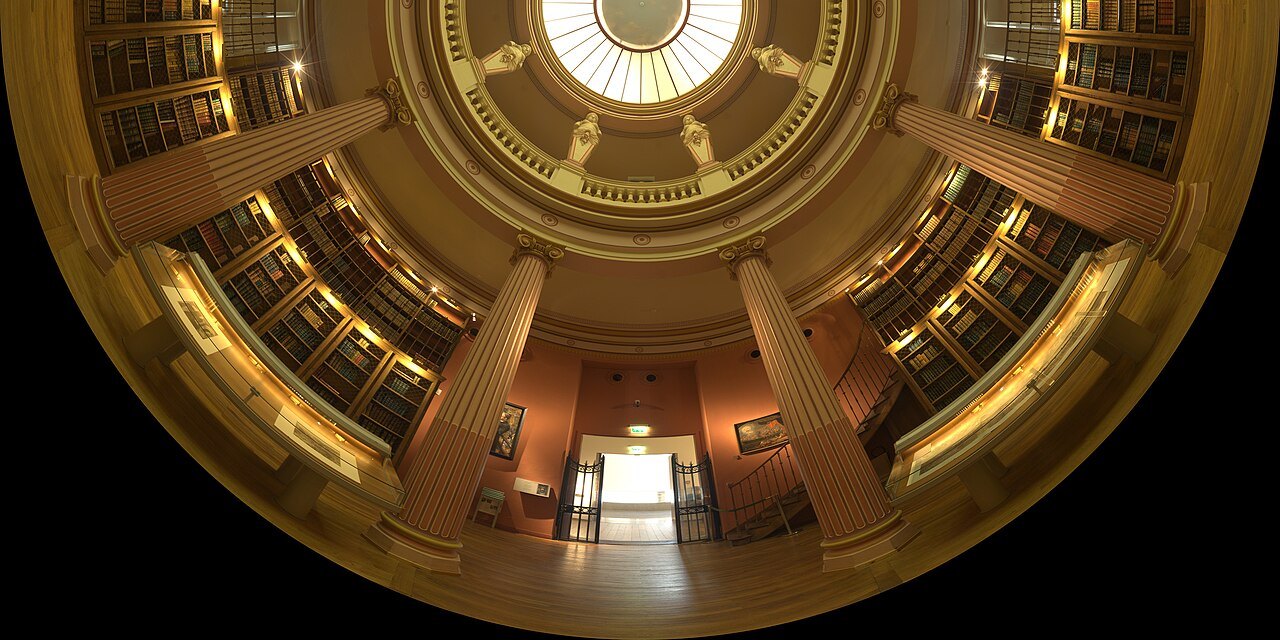
Le savoir en trompe-l’œil. Corée, 18e–20e s. runs 16 September 2026–4 January 2027 in the second-floor rotunda. Its painted libraries offer a focused way to consider how books and selected objects can represent knowledge and aspiration.
Questions before you go
What does the standard ticket include?
The listed full adult price is €15 for main-site permanent collections and temporary exhibitions. It does not include Maison Guimet. Check proof requirements for reductions and free admission.
Is there a free day?
The main museum is free on the first Sunday of each month, without booking and subject to capacity. Its usual hours are 10:00–18:00, with Tuesday closed.
How does step-free access work?
The official access page identifies a ramp beside the Place d’Iéna stairs and lifts inside. It warns that the nearby listed Métro stations are not wheelchair accessible; plan your transport separately.
Last editorial review: . Opening patterns and prices are a dated snapshot. Check the official venue for your exact date.
Compare a guided visit or ticket
Ordinary, untracked booking links. No affiliate commission is currently enabled for these offers.

An admission-only alternative. Compare the final total and cancellation terms with official booking; use the museum’s own opening hours.