In this guide
Time to find the sky in the water
It can take a little time to find your bearings in Monet's 
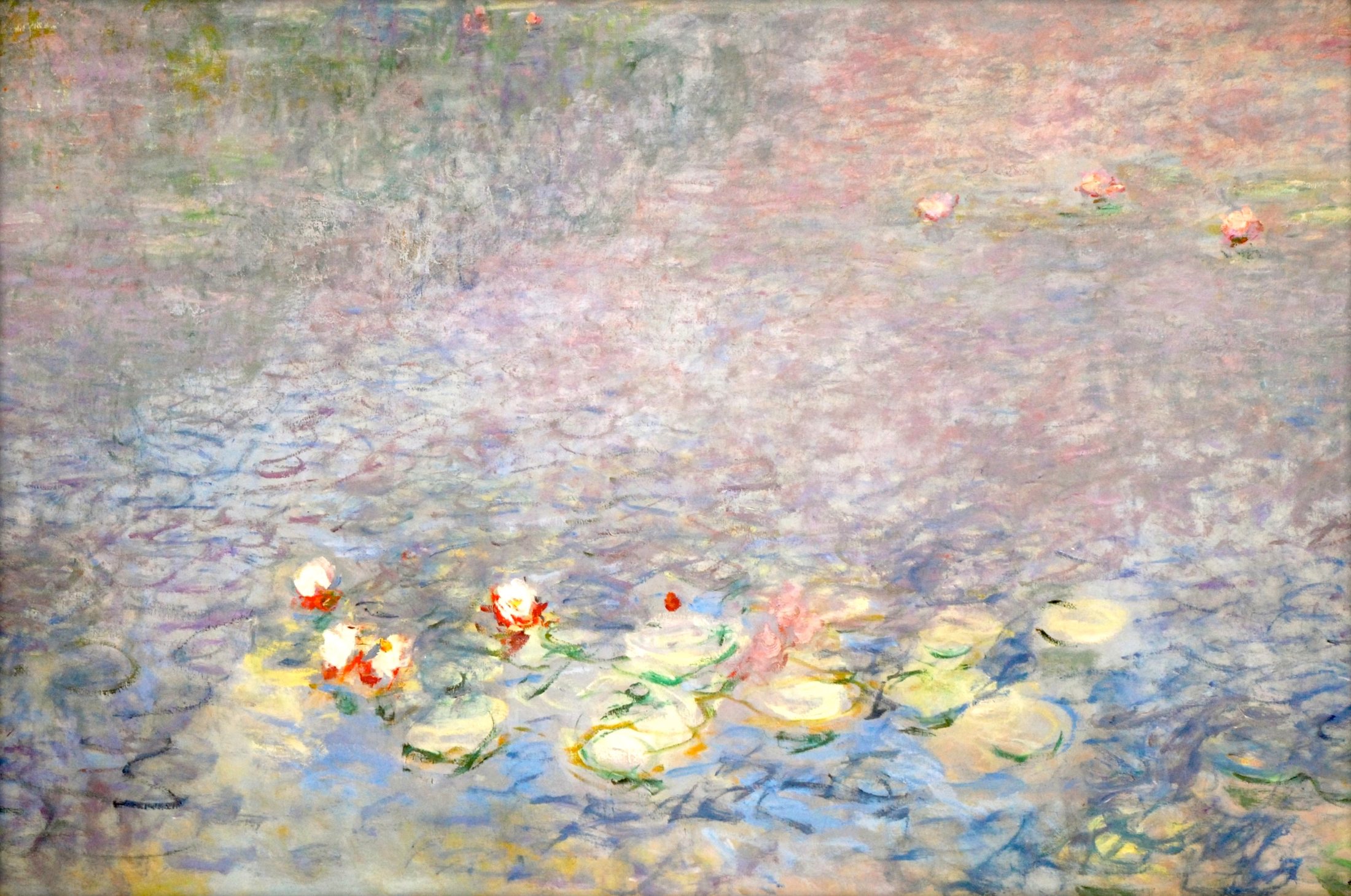
In the oval rooms, a patch of colour can keep you looking while water, sky and paint become harder to separate.
The Walter–Guillaume collection offers a different scale of pleasure afterwards. A dealer's sharply drawn face, two solemn musicians and three dogs of improbable sizes give you small things to puzzle over inside a frame.
There is room here for both an enveloping landscape and an individual painting that makes you want to stay.
Sunlight mattered before Monet
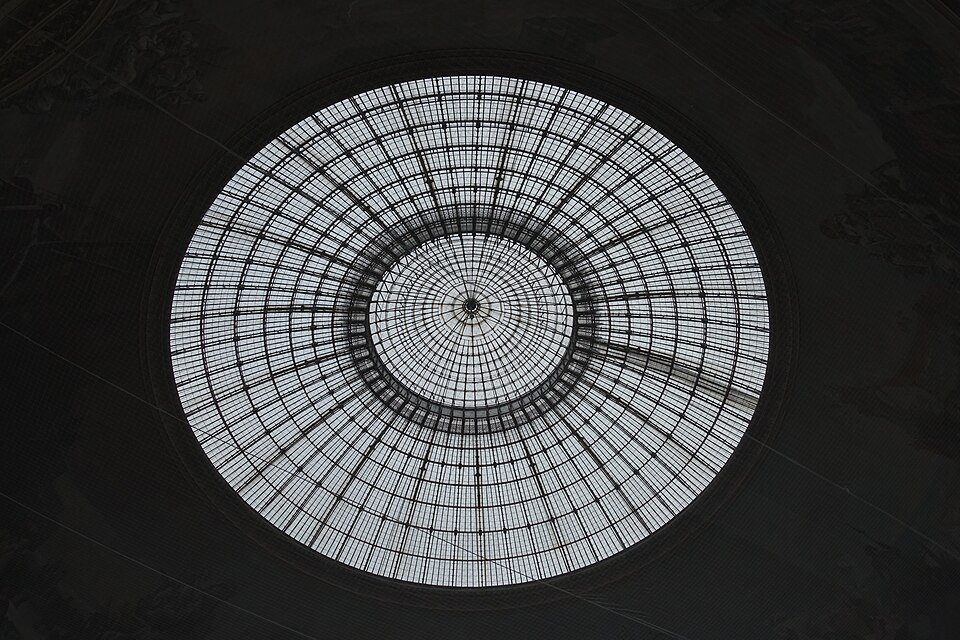
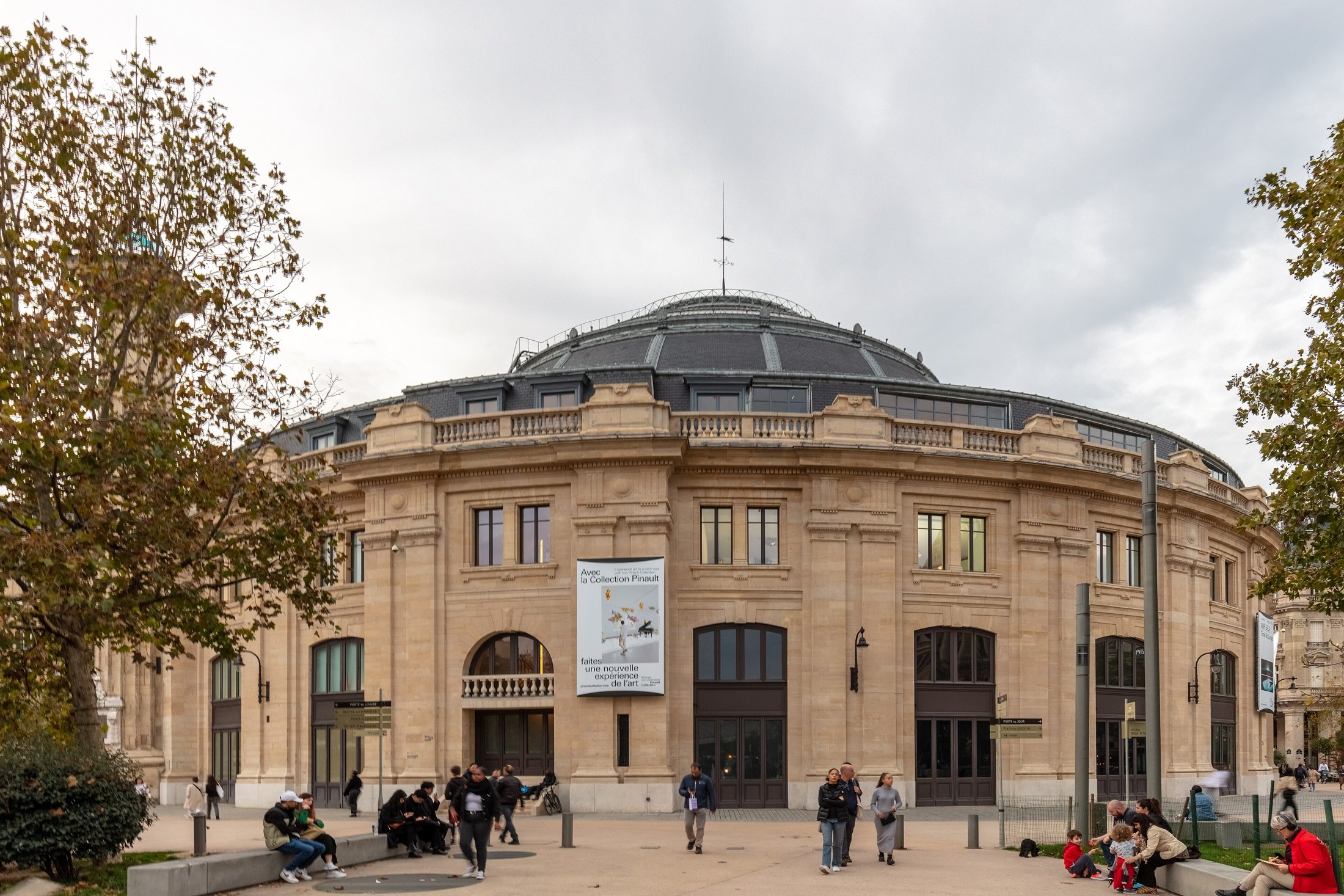
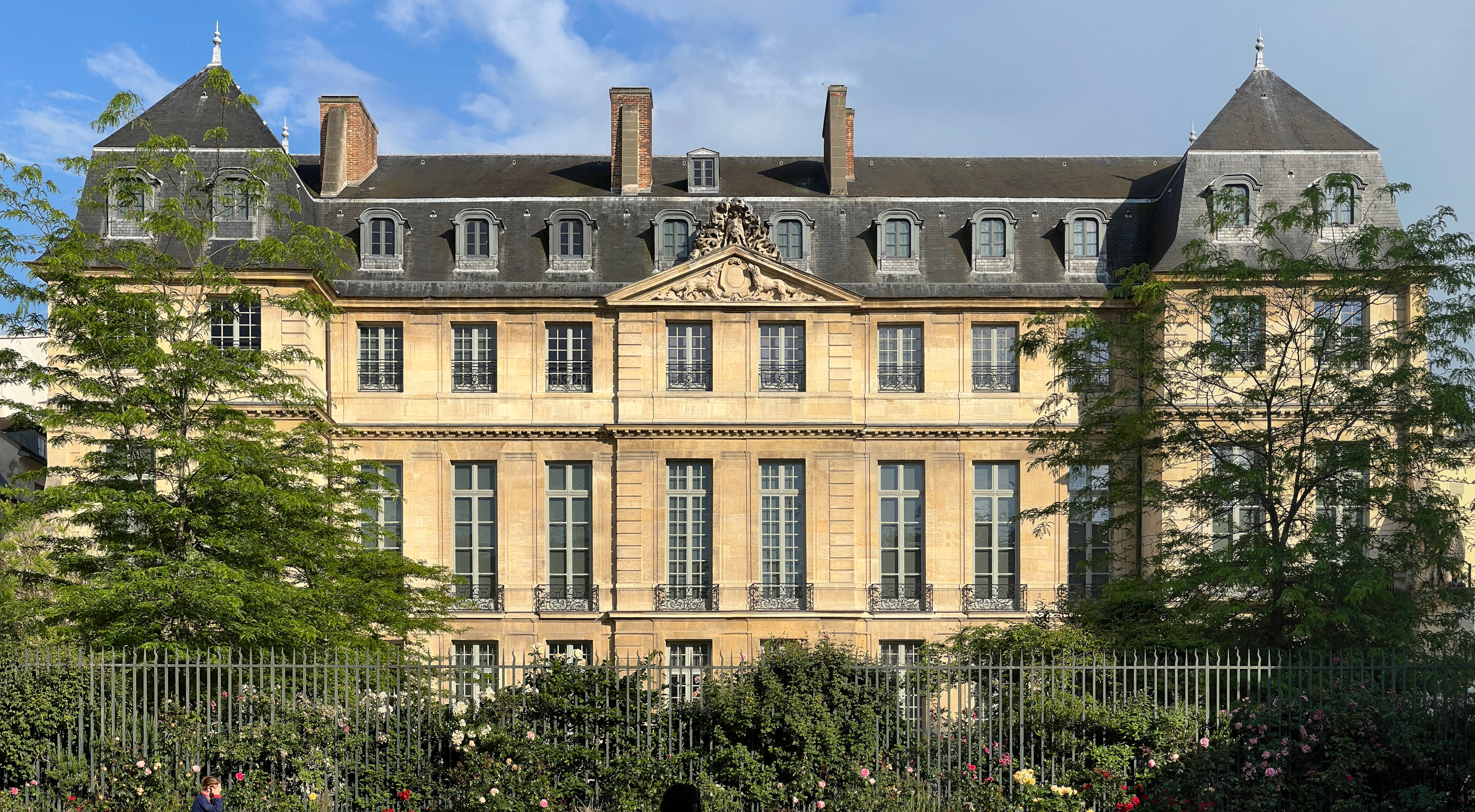
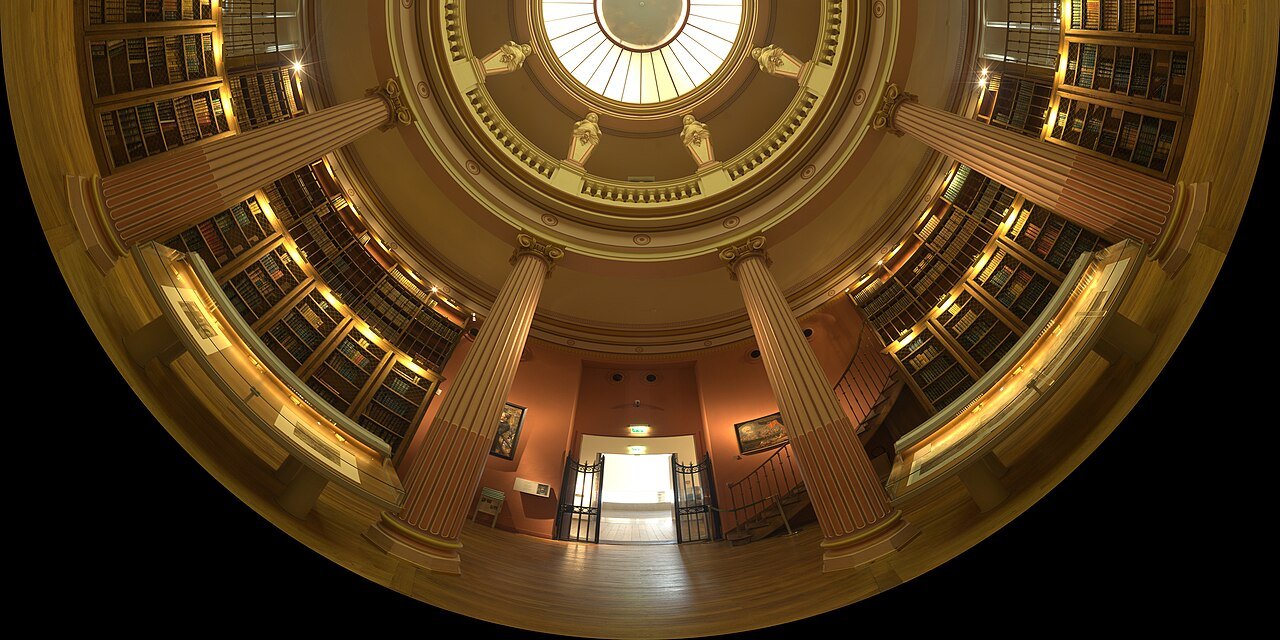
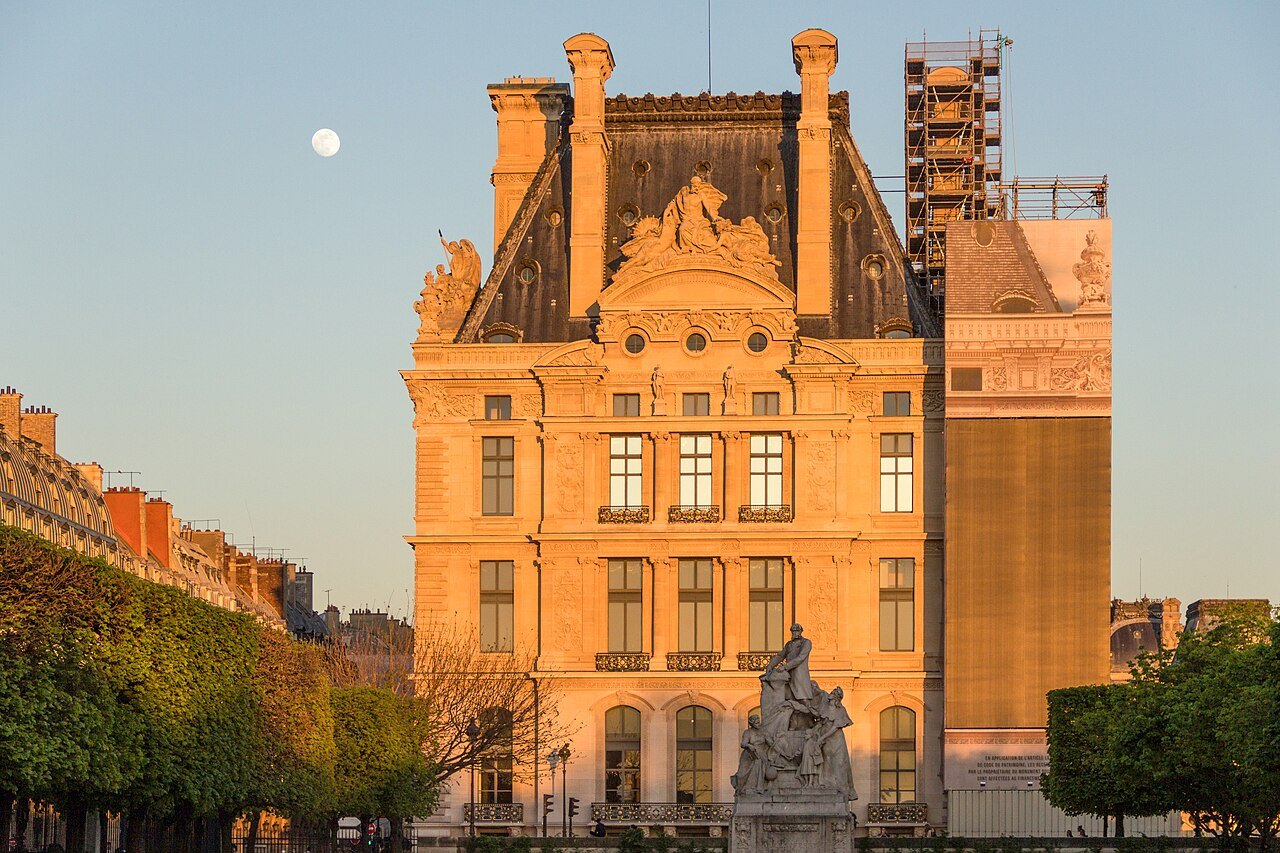
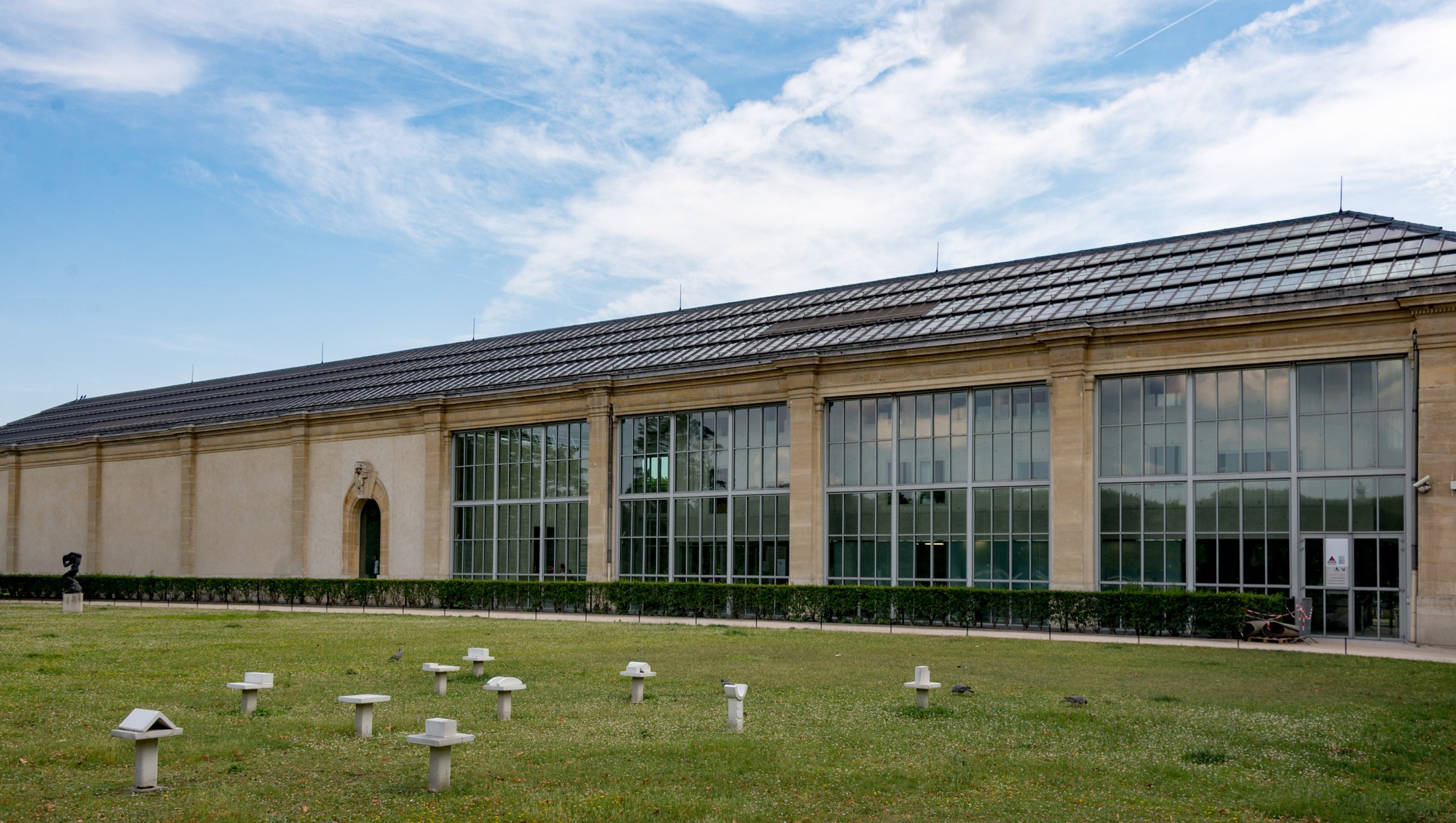
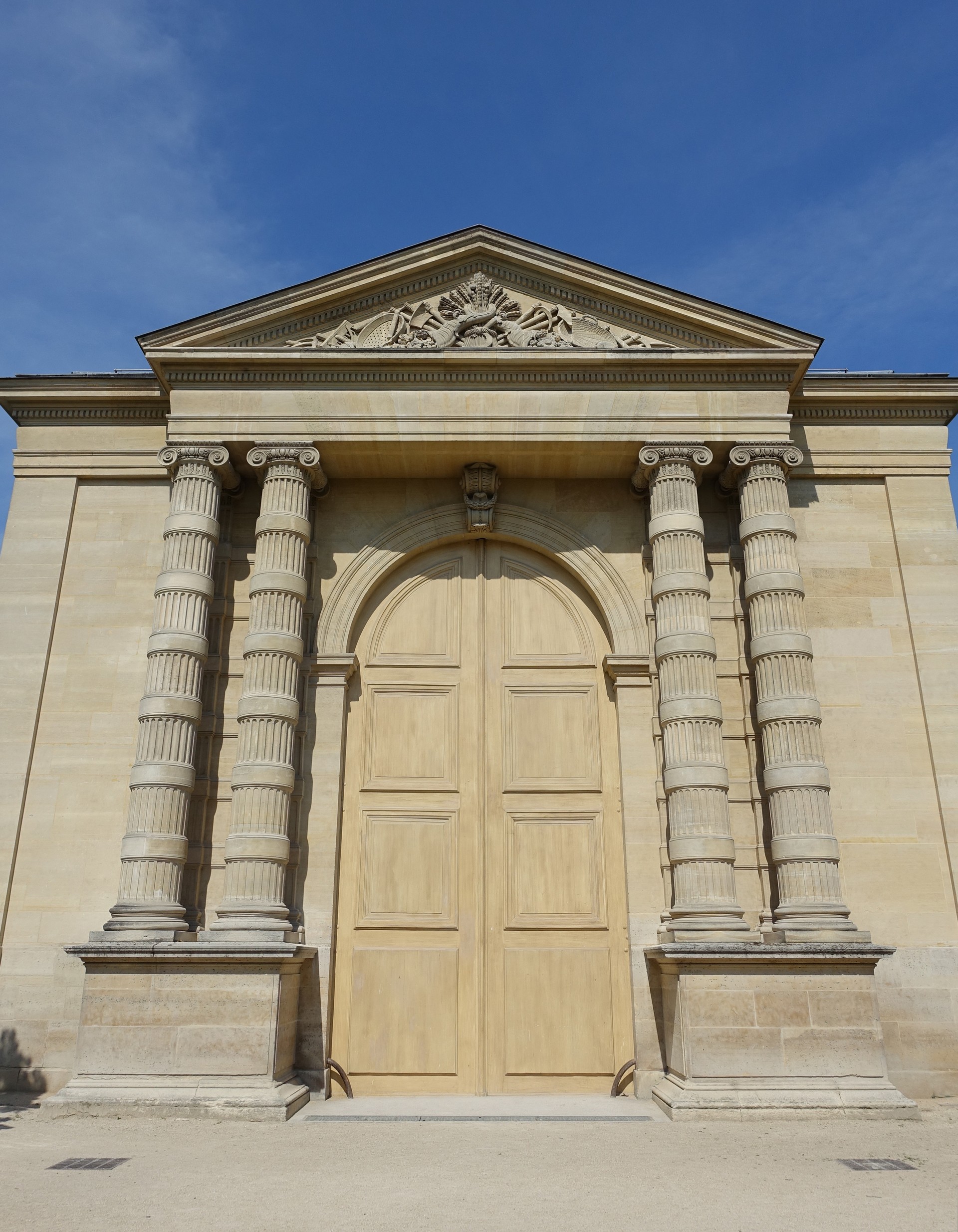
The building's first job explains its name. Built in 1852, the Orangerie sheltered the Tuileries Palace's orange trees during winter.
Glass on the river-facing southern facade admitted sunlight, while the largely closed northern side kept out cold winds.
If your approach lets you see both sides, look at where the windows are. Sunlight helped keep orange trees alive here long before it became part of the setting for Monet's paintings.
Clouds below, and a willow to change the view
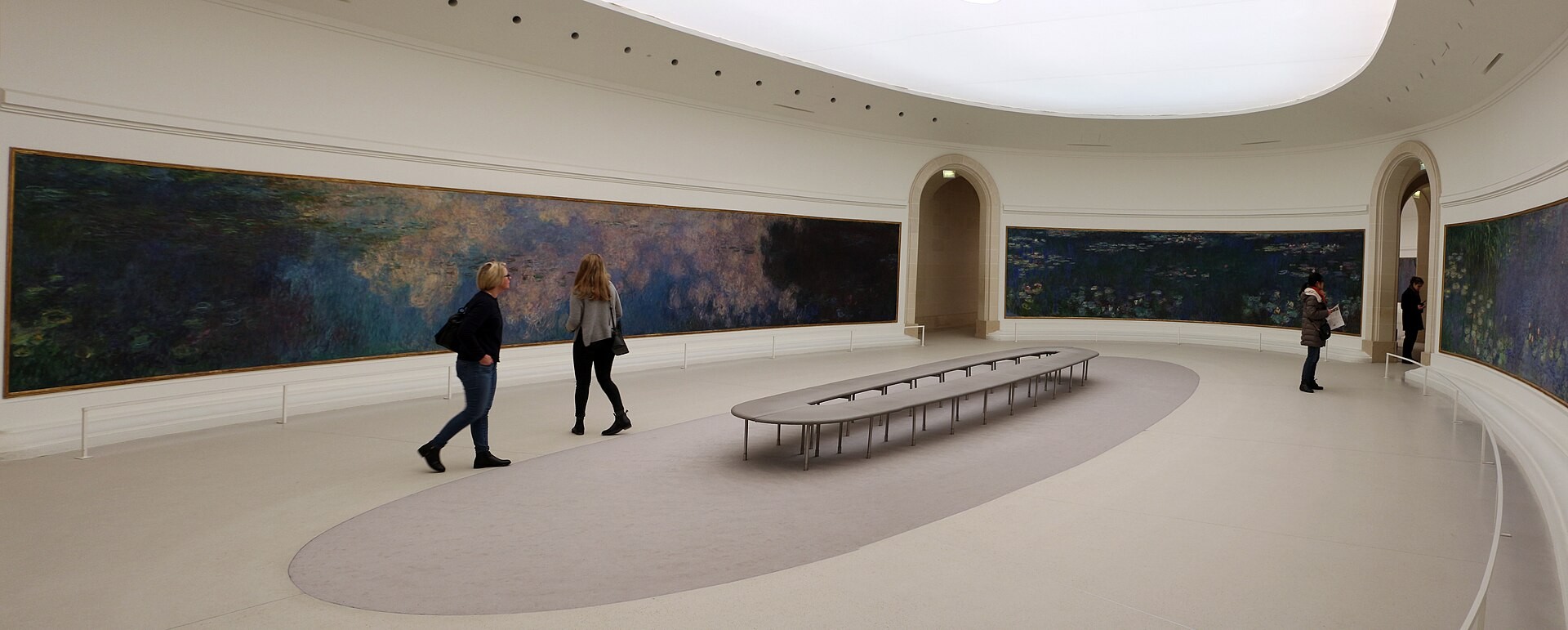
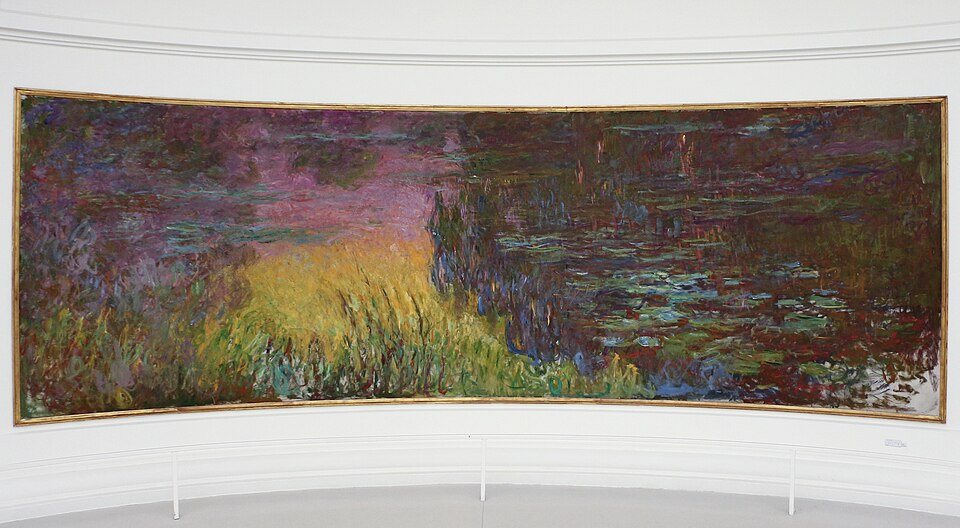
The Clouds and Setting Sun sound like invitations to look upwards. In Monet's paintings, their sky appears reflected in the pond.
The museum's teaching guide draws attention to this meeting of high and low, without a conventional horizon to separate them.
A lily pad or a wavering reflection can help a passage of paint become water. Beyond it, the sense of depth is harder to settle without a shoreline.
A willow composition adds the vertical of a trunk to the surrounding expanse. These small differences give a longer look somewhere to go, even when the usual landmarks of a landscape are missing.
The people who chose the paintings
Dealer Paul Guillaume collected artists he promoted and admired. After he died, his widow Domenica sold some works and bought others, changing the collection's character.
She later married Jean Walter, and both husbands' names remain in Walter–Guillaume.
The paintings therefore tell a more particular story than a general survey of modern art. The choices of individual collectors are part of what you encounter.
A portrait of Guillaume himself makes a good place to get acquainted with one of them.
A young dealer in Modigliani’s portrait
Guillaume was twenty-three when Modigliani painted Paul Guillaume, Novo Pilota in 1915. He had helped the artist materially, including renting him a studio.
The inscription Novo Pilota (‘new pilot’ or guide) gives the portrait something to say about that support.
The sharply described face and loosely sketched hand have different degrees of finish. Dark clothes, a pale shirt and a direct gaze make a confident public image.
The words on the canvas add the relationship behind it: a name on the collection belonged to someone helping an artist work.
Derain’s musicians look past each other
Paul Guillaume commissioned André Derain's Harlequin and Pierrot, painted around 1924. Both figures carry guitars and raise a knee, but their serious faces and disconnected gazes give the performance an uneasy mood.
Harlequin's patterned clothes and Pierrot's white outfit identify characters from Italian commedia dell'arte.
Follow the repeated angles of their arms and legs, then look for the small still life at the lower right. The two figures seem caught in a dance, but their serious faces make it hard to read the mood.
Rousseau’s three differently sized dogs
Henri Rousseau used a photograph for La Carriole du Père Junier (1908), then changed its arrangement and scale. Junier was a vegetable seller and a friend to whom he owed money.
Junier had acquired a horse he wanted painted; the museum describes the picture as an agreement between the two men.
The three dogs make the changes especially enjoyable to notice. A substantial black dog shares the scene with a tiny one in front of the horse.
Their different sizes shape the strange space around the passengers. The mare's delicate contact with the ground adds to the instability.
An ordinary outing has become a world adjusted by the painter.
A few paintings to spend time with downstairs
Two or three paintings can give this part of the visit a satisfying shape. Guillaume's relationship with artists, the musicians' poses or Rousseau's altered space each offer something to follow.
The collection deserves a little time alongside Monet. Check current collection information before travelling for one particular work; these choices do not guarantee its display on your date.
For a walk afterwards, our Monet and the Tuileries route connects the museum, garden and Petit Palais.
Is it right for you?
Choose the Orangerie for Monet’s Water Lilies and a smaller museum visit. Choose Orsay for a wider collection of Impressionist painting.
How long to spend?
Allow about 1½–2 hours for the Water Lilies and collection, plus time for a temporary exhibition.
Before you go
Book an entry slot and check whether it includes the temporary exhibition.
The Water Lilies rooms can be busy. This is the Paris museum; Monet’s house and garden at Giverny are a separate destination.
Autumn 2026 exhibition
Monet, peindre le temps runs from 30 September 2026 to 25 January 2027. It explores time and repeated motifs in Monet’s work.
Questions before you go
When is the Orangerie open?
Its usual day is 09:00–18:00, with Tuesday closed. Friday opening until 21:00 applies during exhibition periods; confirm the date-specific schedule. On a standard day the last admission is 17:15.
What does an adult ticket cost?
Standard adult admission is listed at €12.50 online or €11 onsite. Check exhibition inclusion, free-entry eligibility and reservation conditions for your ticket.
Can I combine it with Orsay?
Yes. Allow time for both collections and a break between them. If buying a combined ticket, check which days it is valid.
Last reviewed: . Check the museum’s website for current hours and ticket prices.