
In this guide
A few details worth stopping for
An extra leg gives one of the Louvre's palace guardians something unexpected to show you. The winged bulls from Khorsabad have five, making different sense from the front and the side.
Elsewhere, a candle seems to shine through a child's fingers, and a king stands before a god above a field of writing.
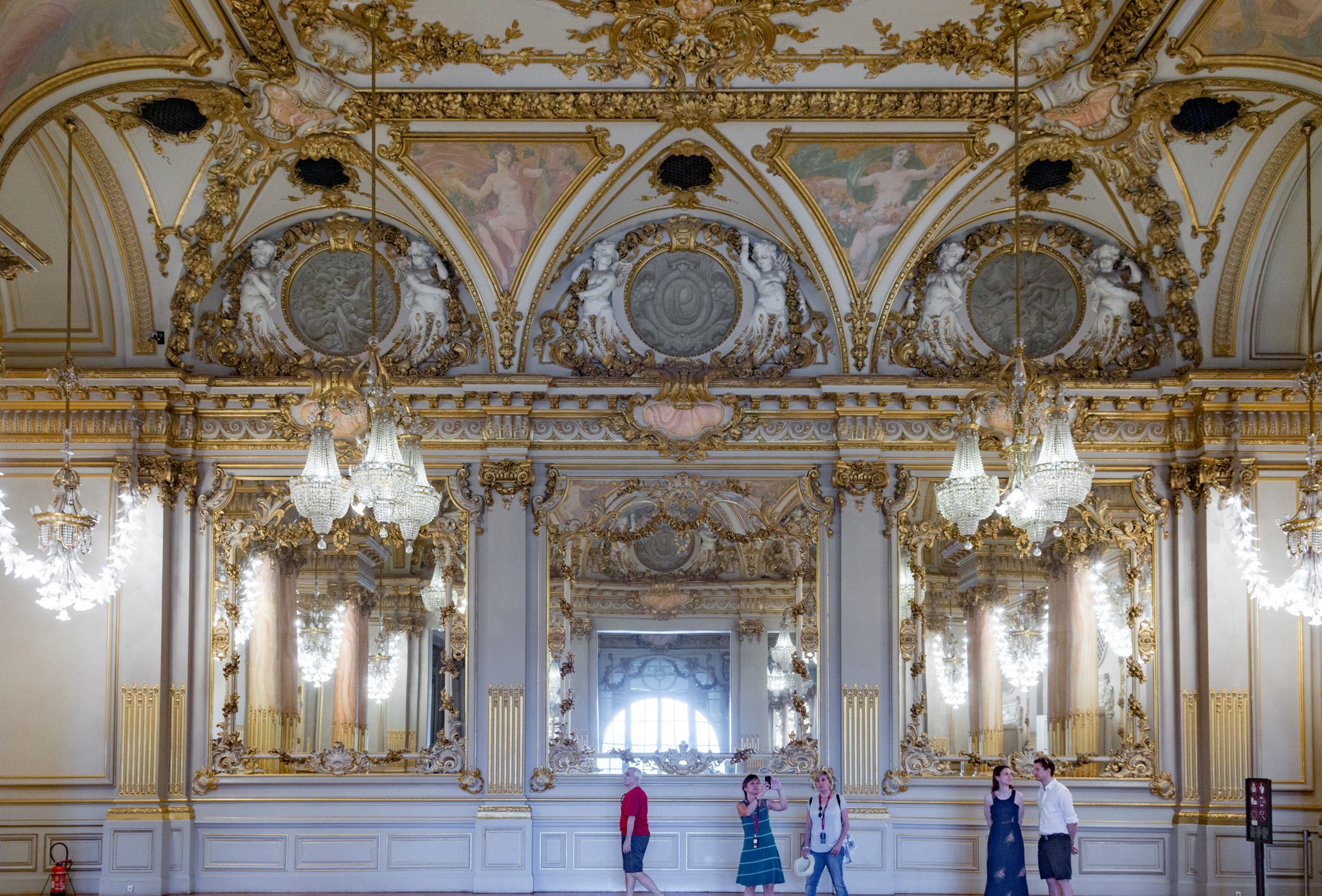
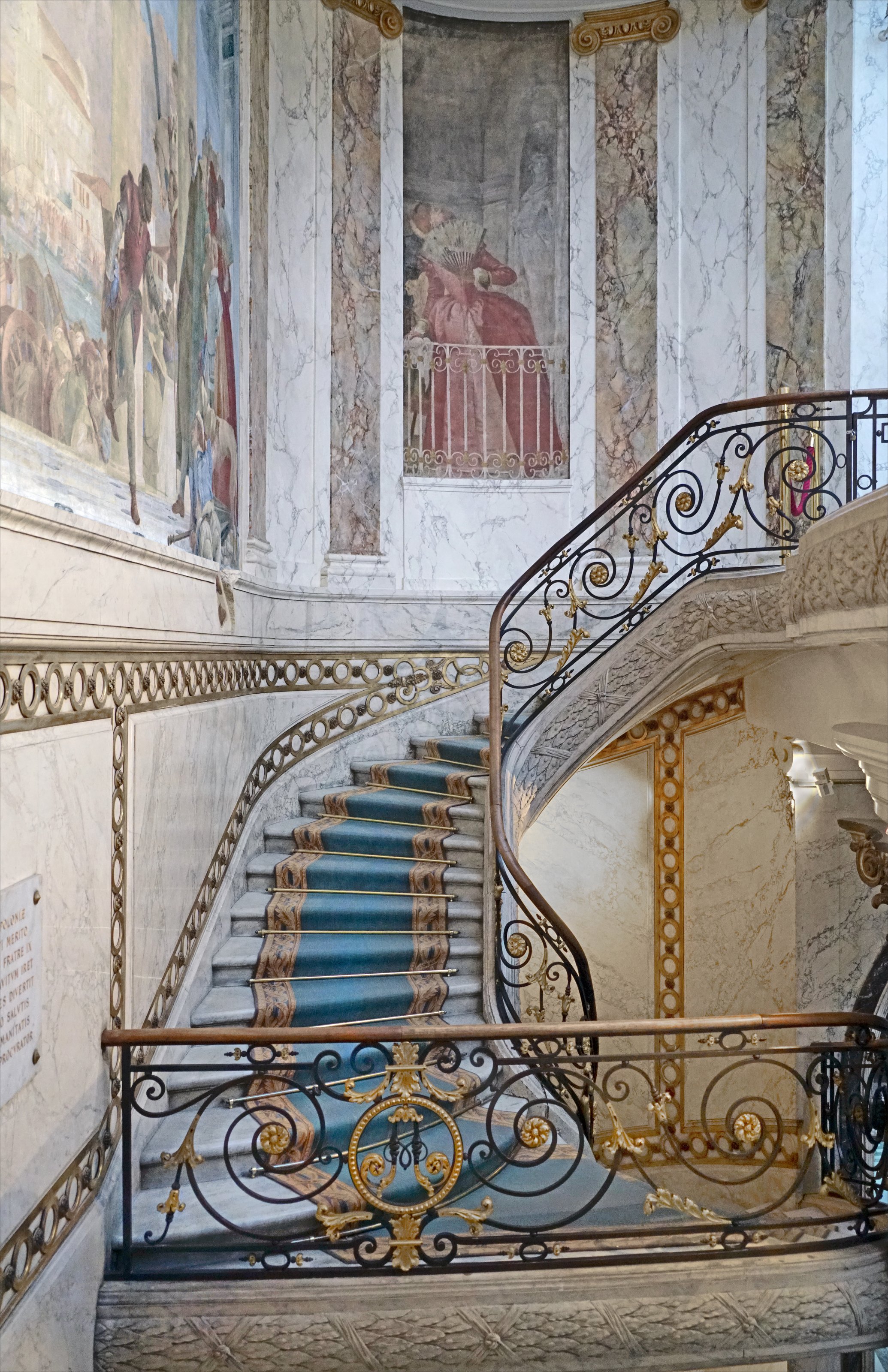
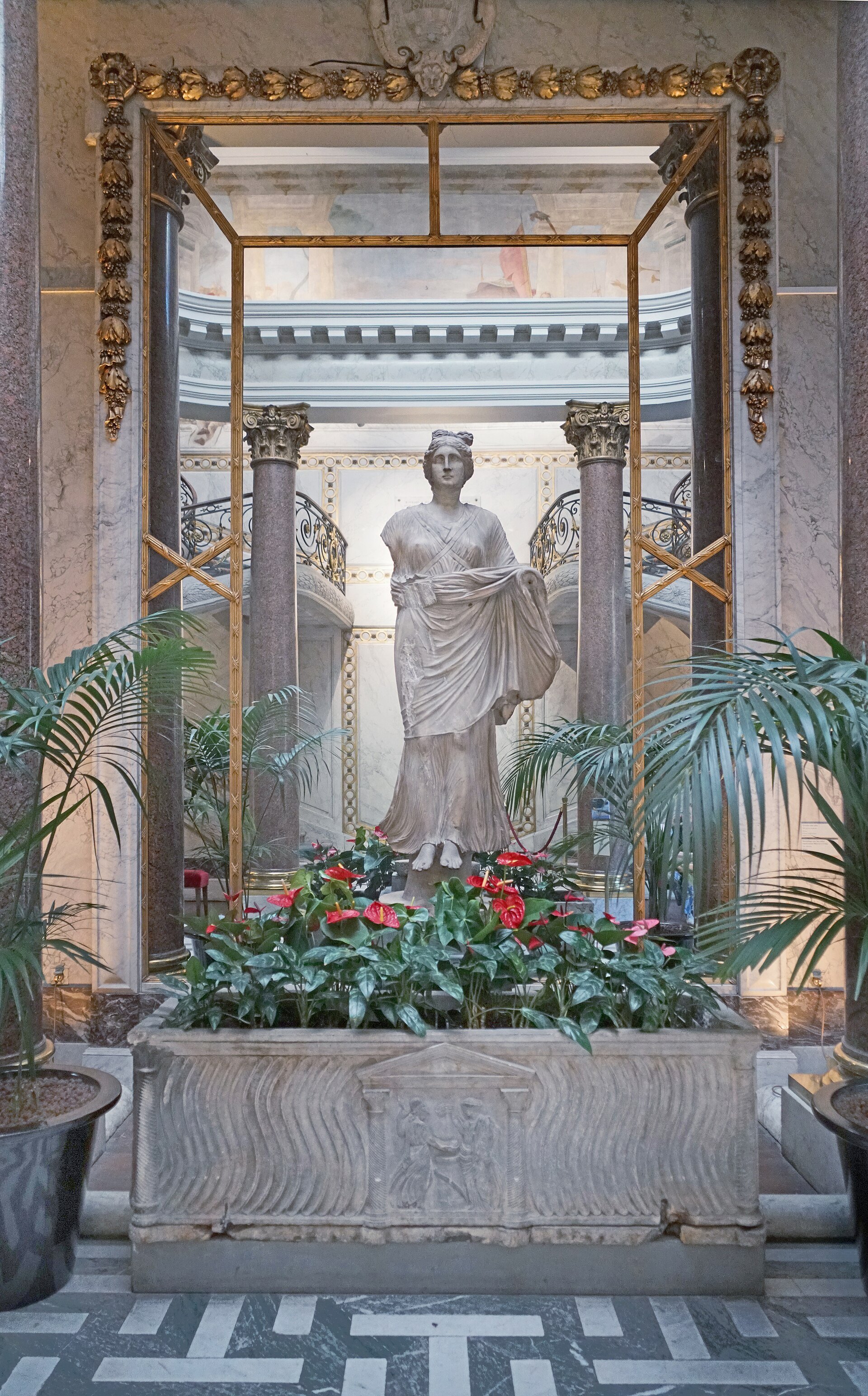
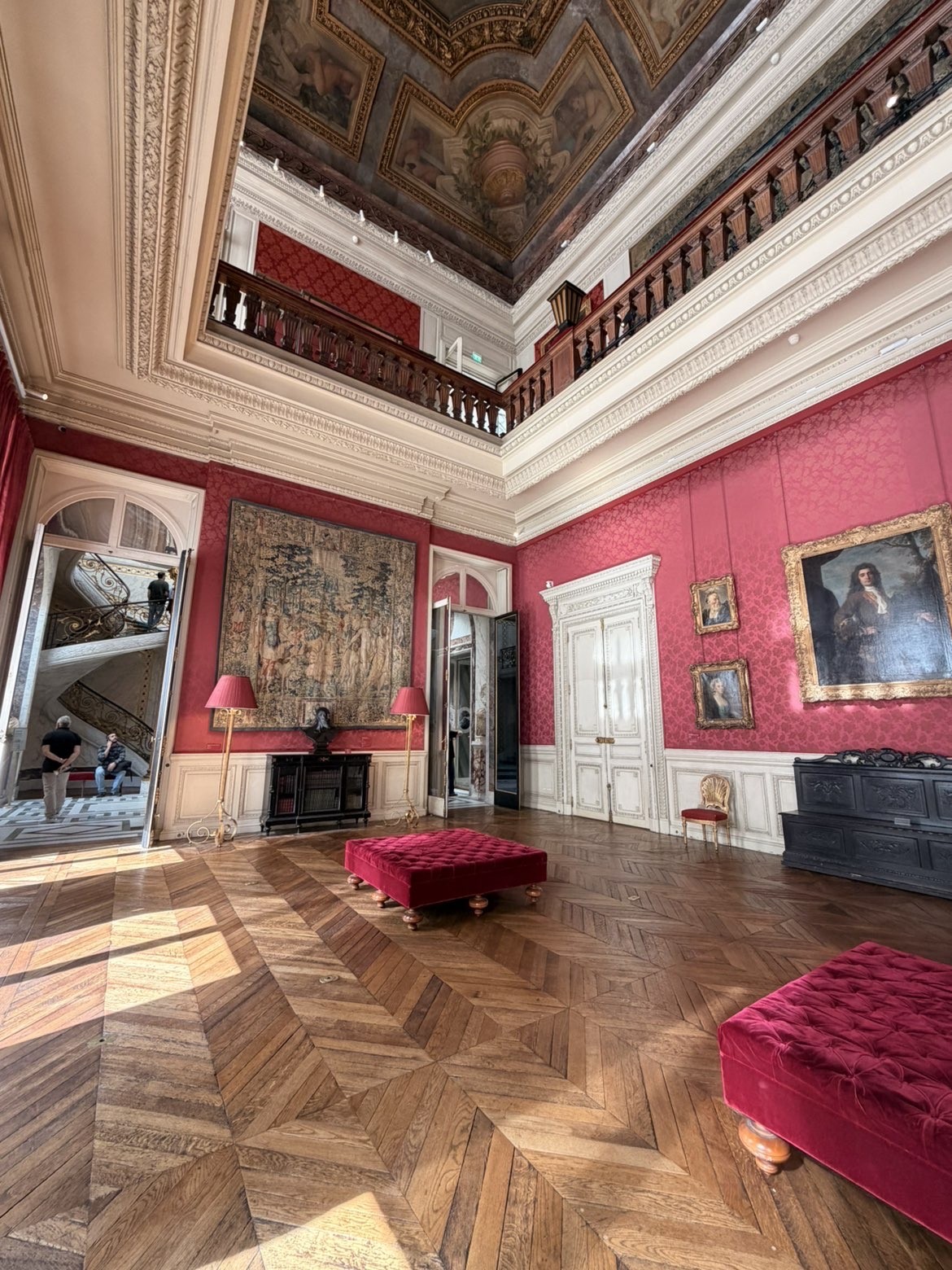
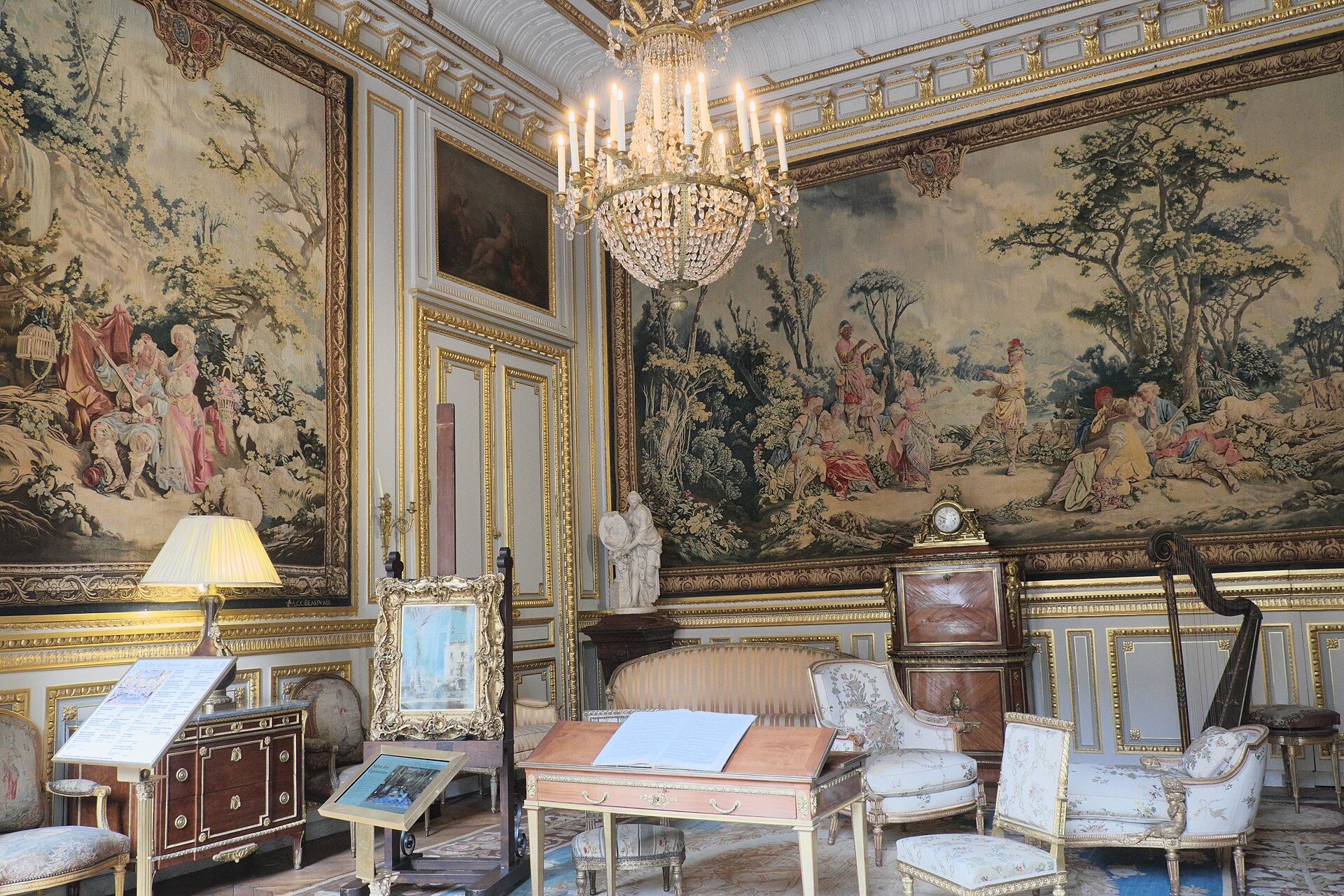
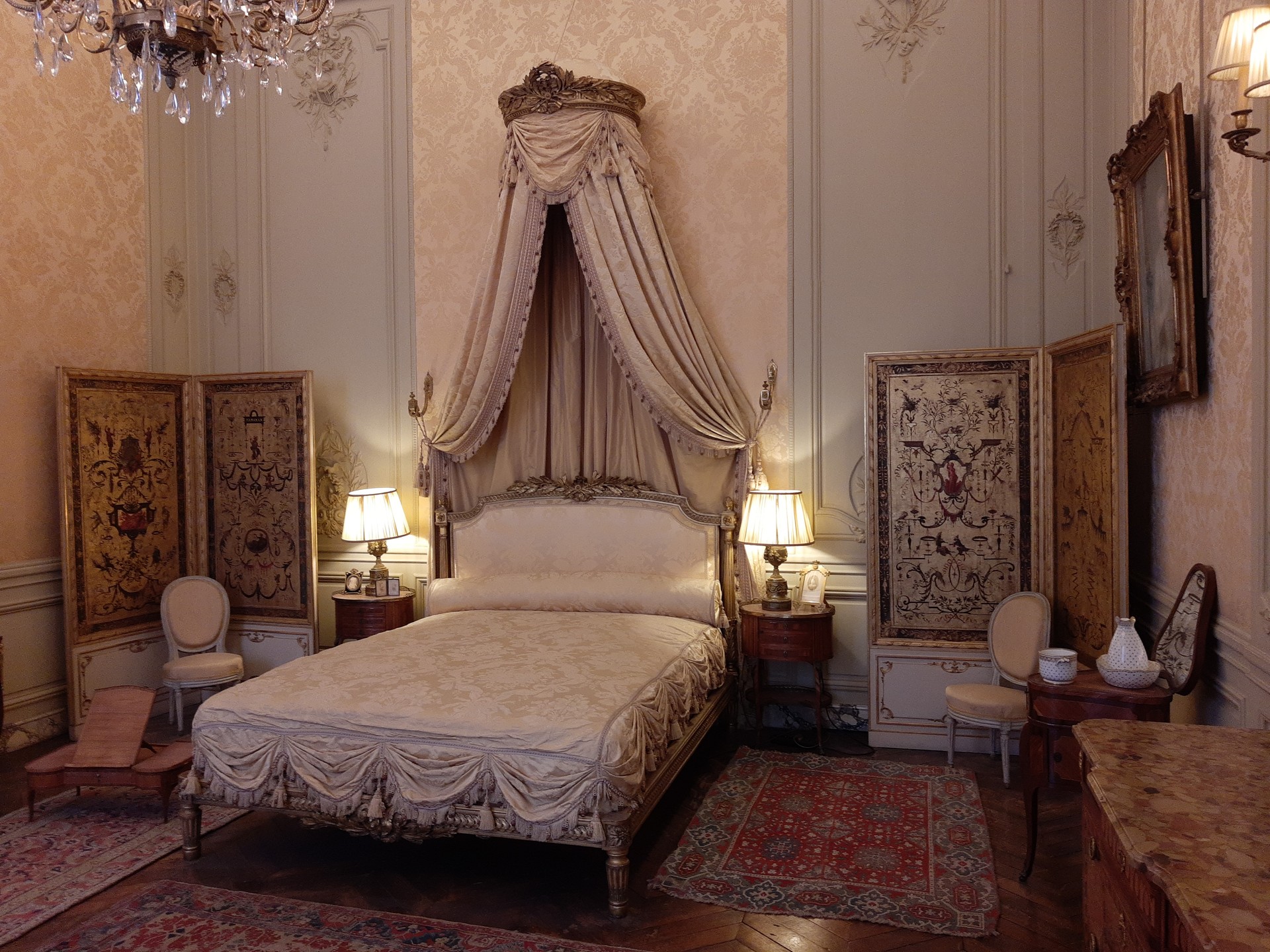
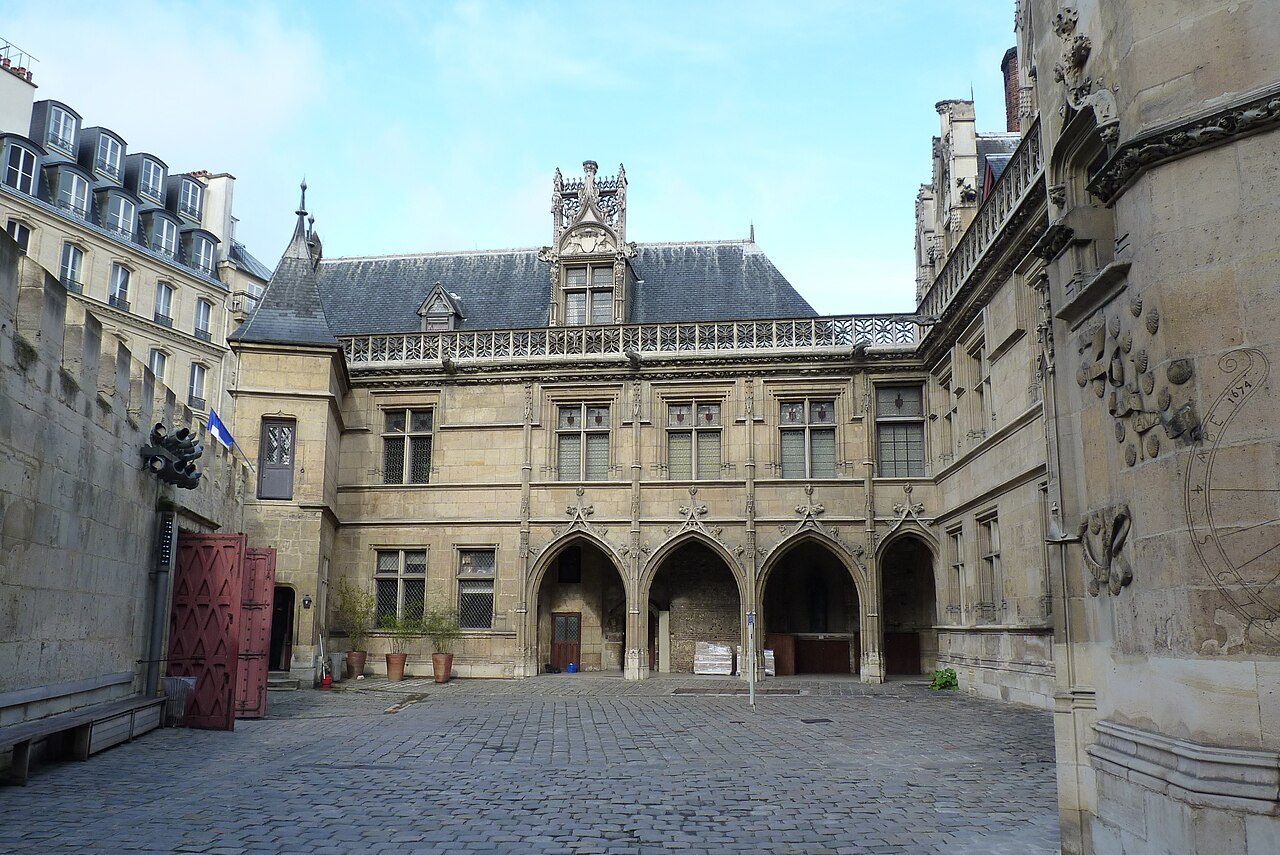
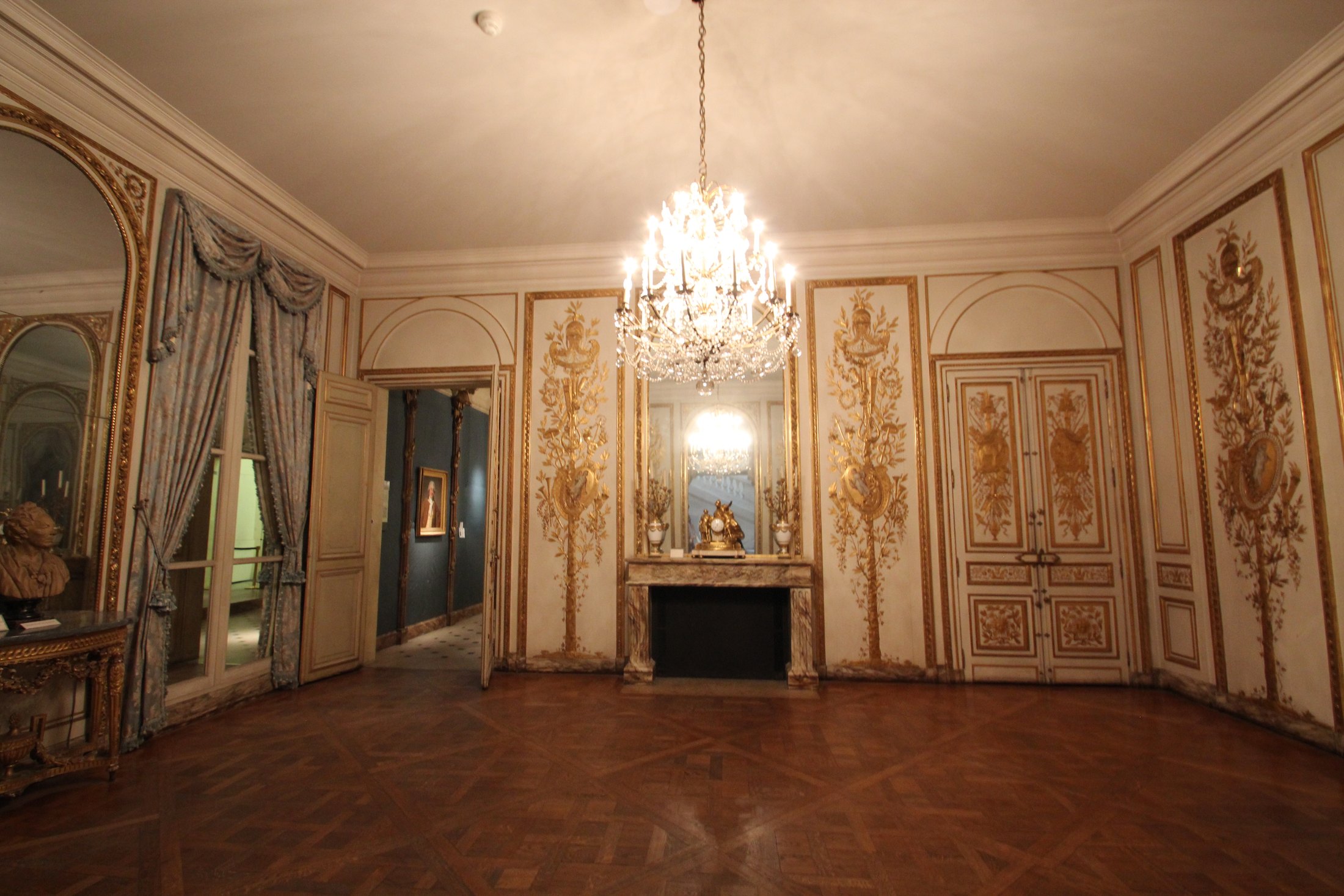
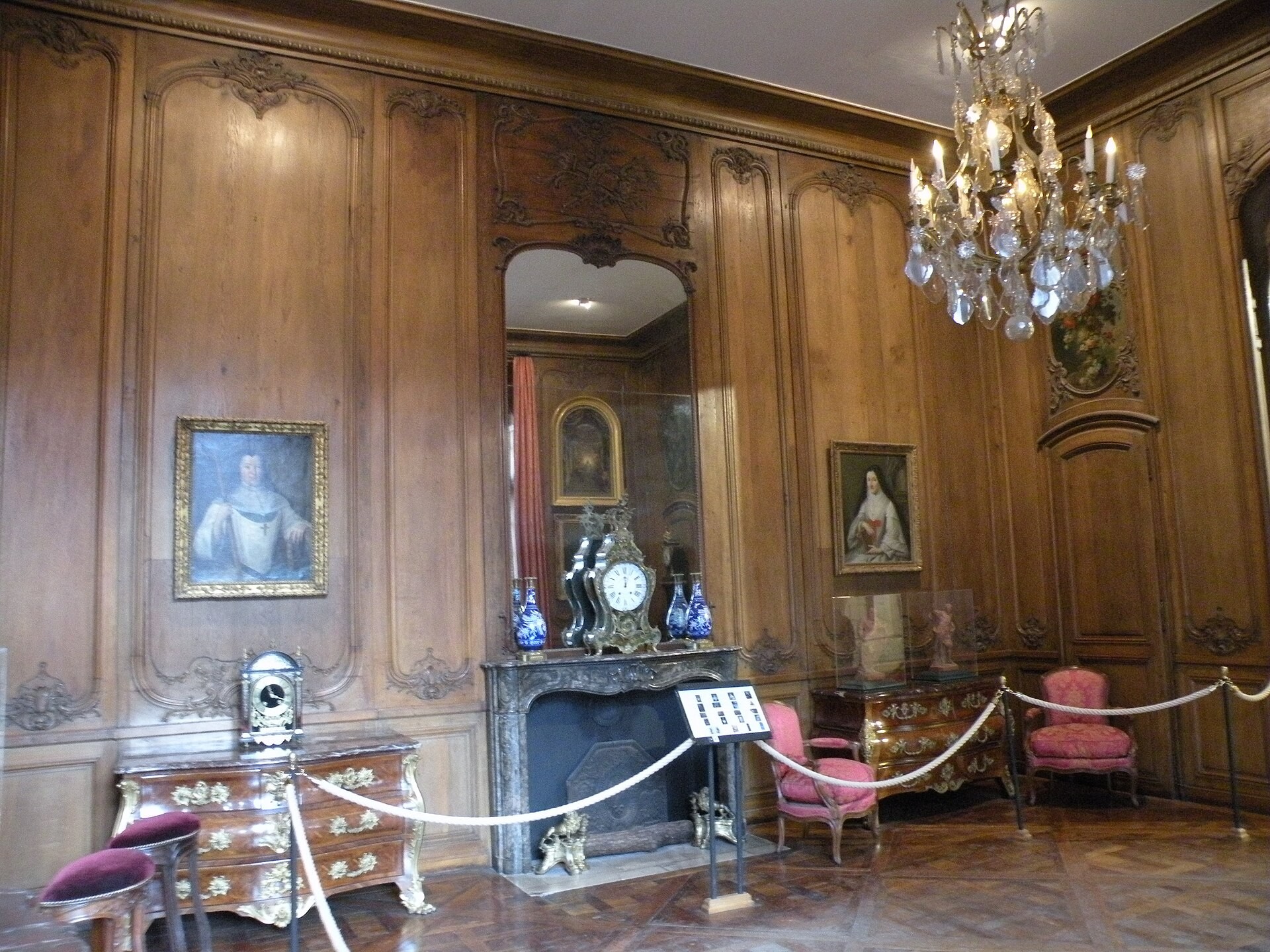
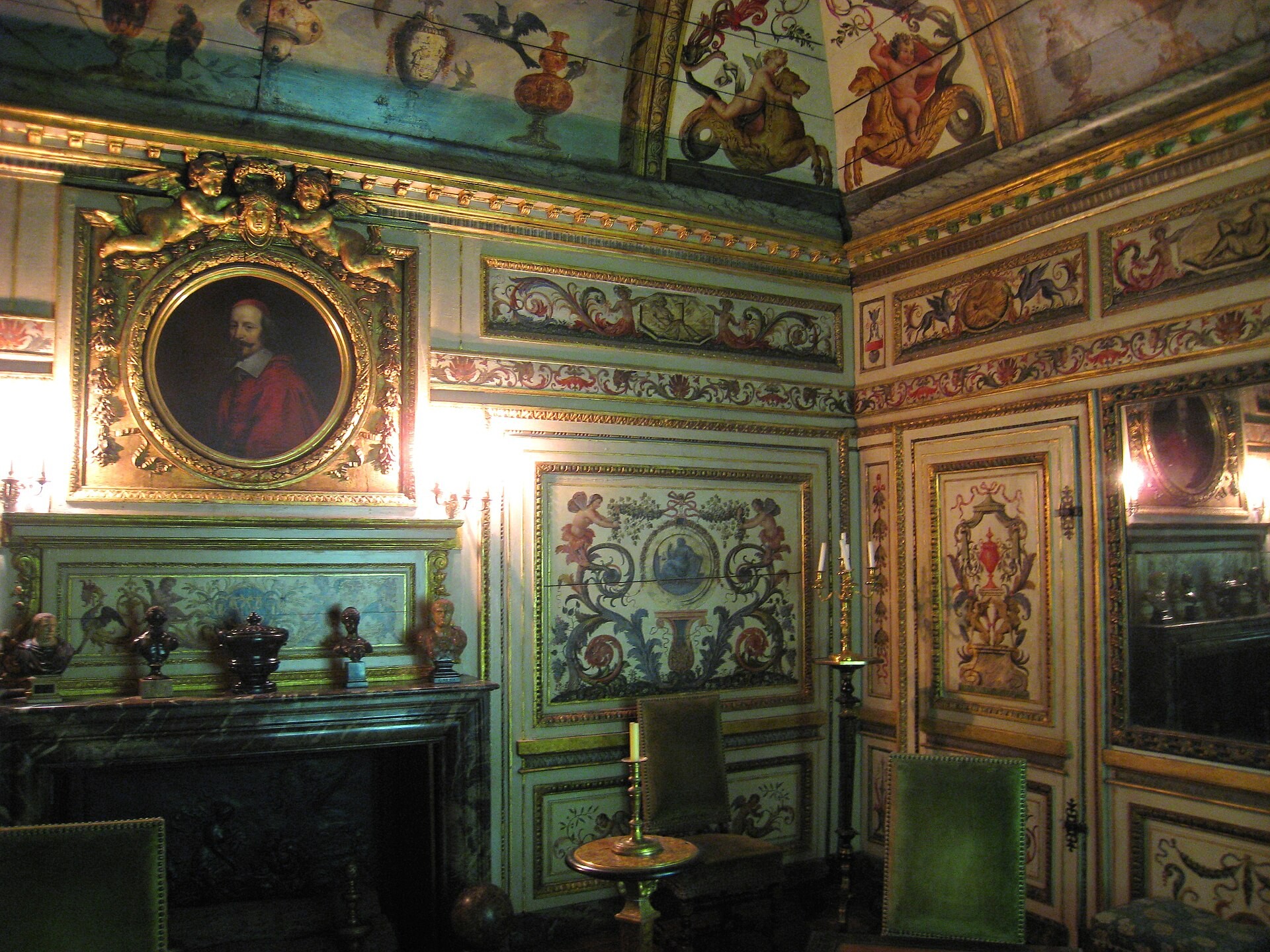
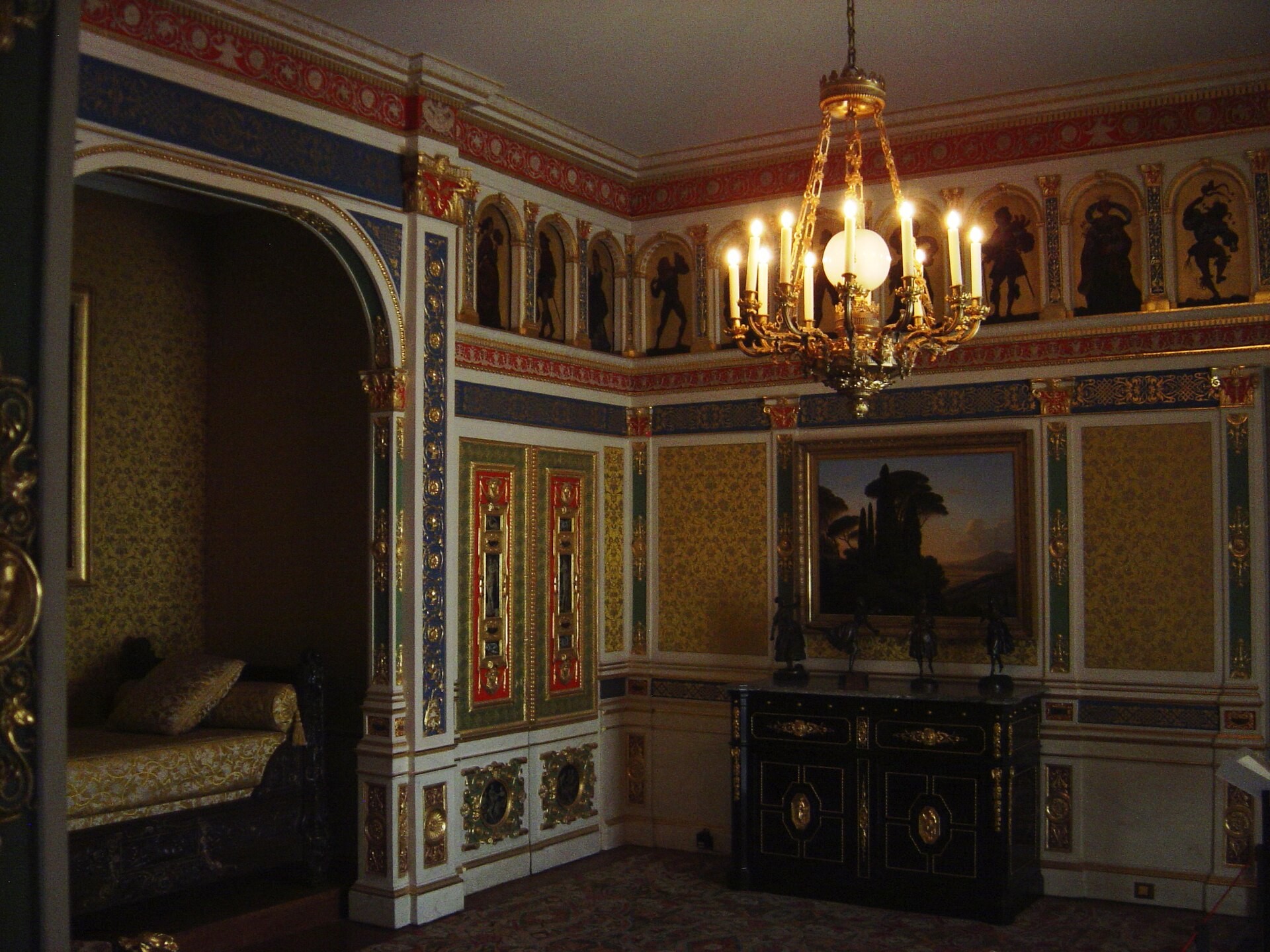
A few encounters like these can make a very large museum feel more approachable. There is plenty to enjoy in the building, too: buried fortress walls, gilded ceilings and rooms made for royal ceremony.
You can give a favourite work its time and still leave room for something you hadn't planned to find.
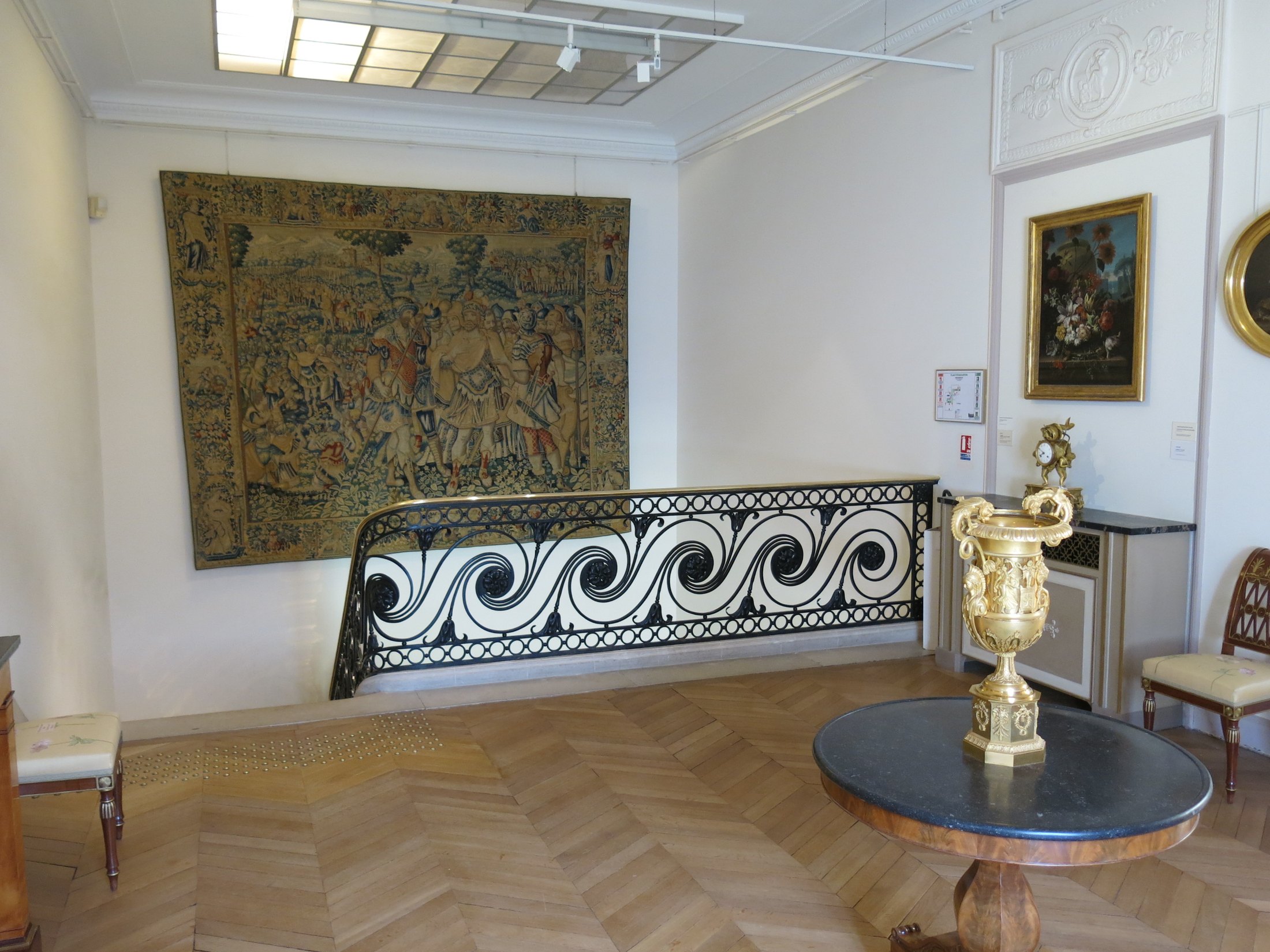
The fortress beneath the palace
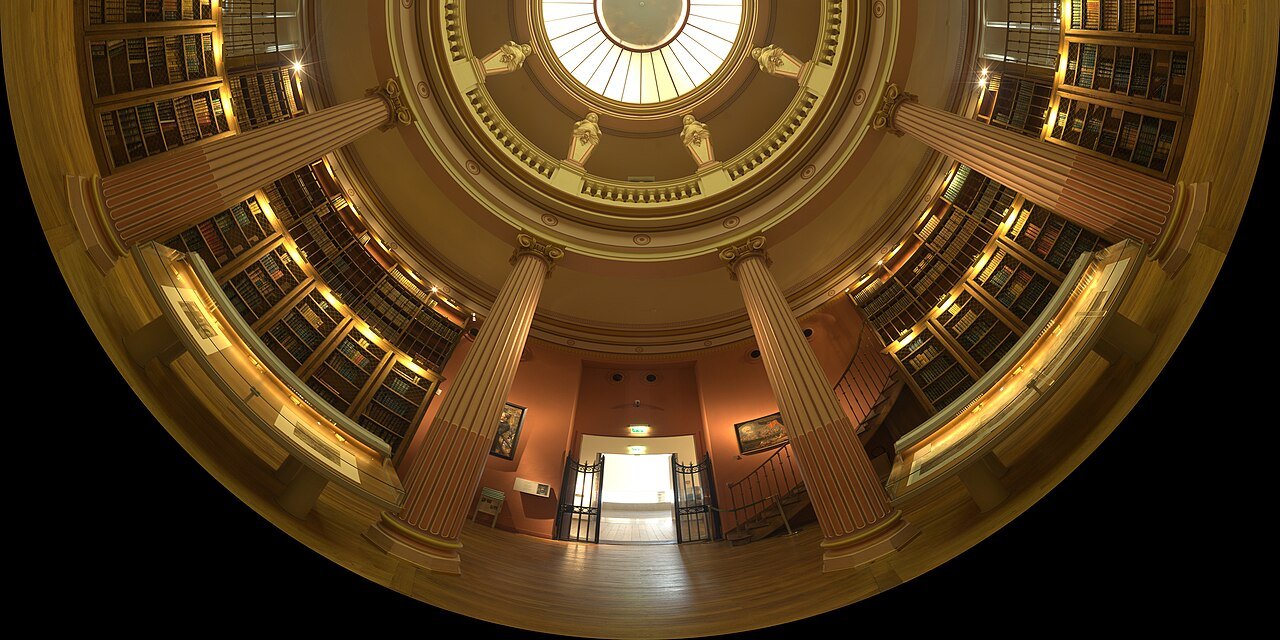
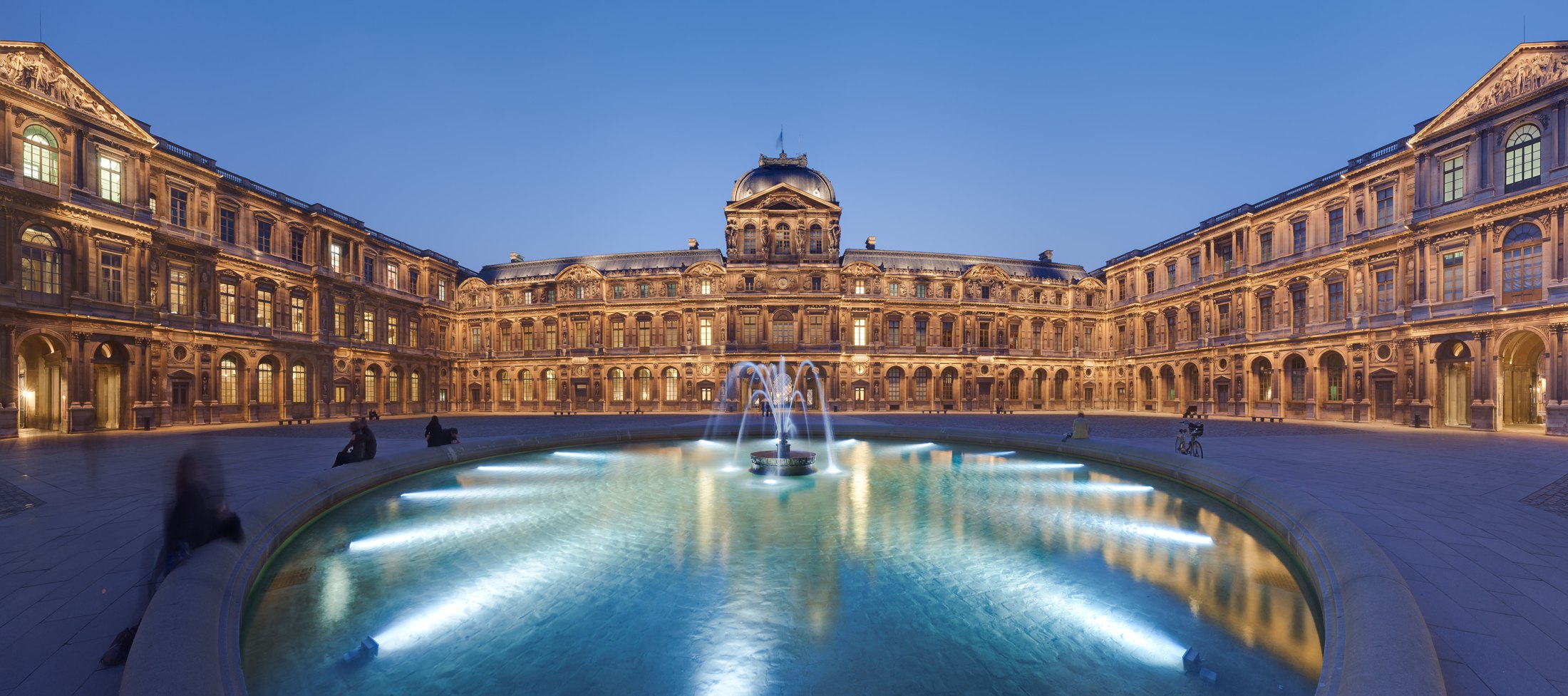
The Louvre began as a stronghold on the edge of Paris. Philippe Auguste started the fortress around 1190 to protect the city's western side.
The old moats and the base of its massive central keep survive beneath the museum, bringing that earlier boundary into the middle of today's city.
The thickness and curve of the masonry give you something tangible to imagine the vanished building around. They also make an interesting contrast with the ceremonial rooms above.
The same site went from defending a boundary to arranging the ways people approached and admired royal power.
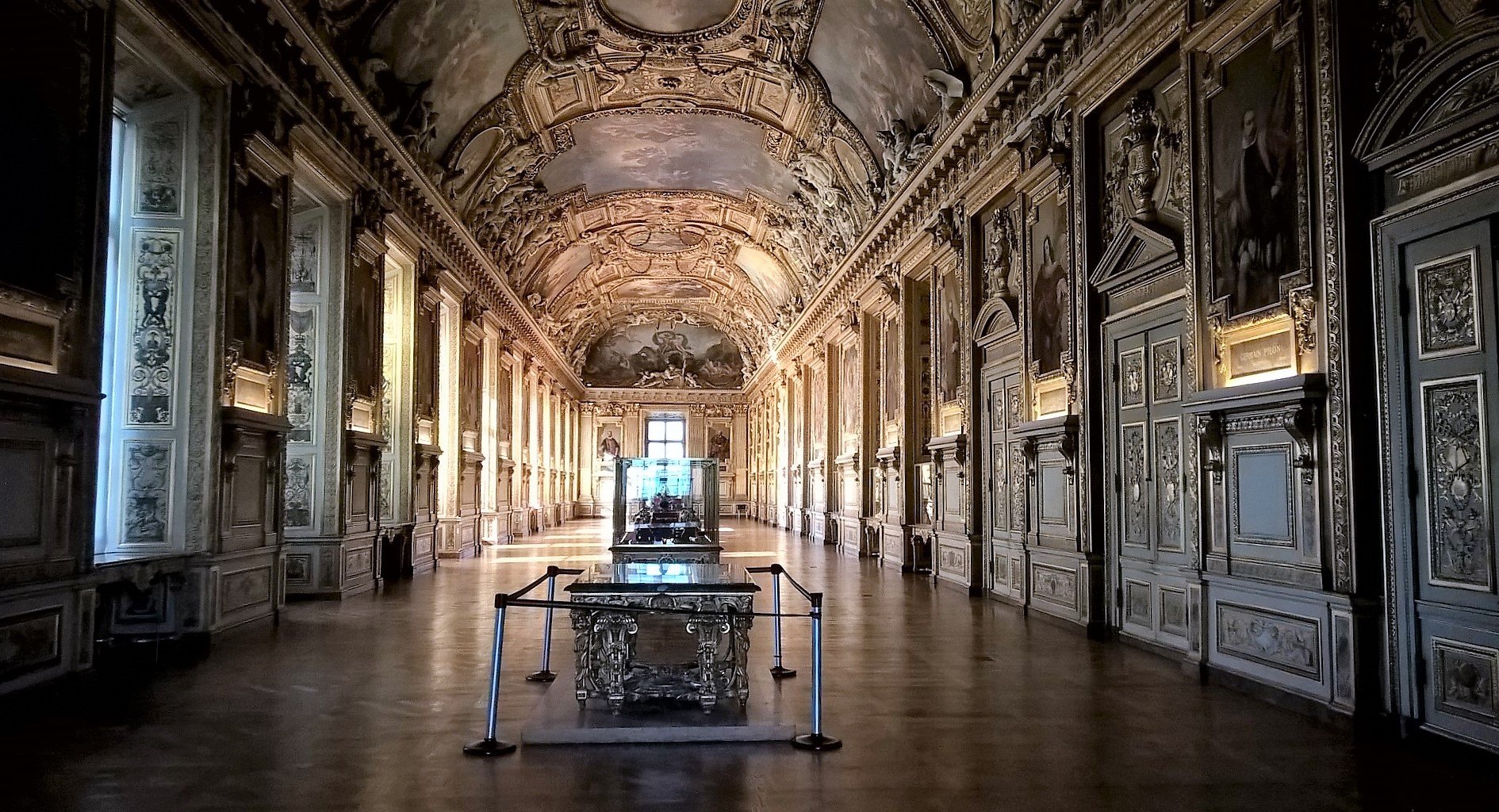
What happened in the Galerie d’Apollon?
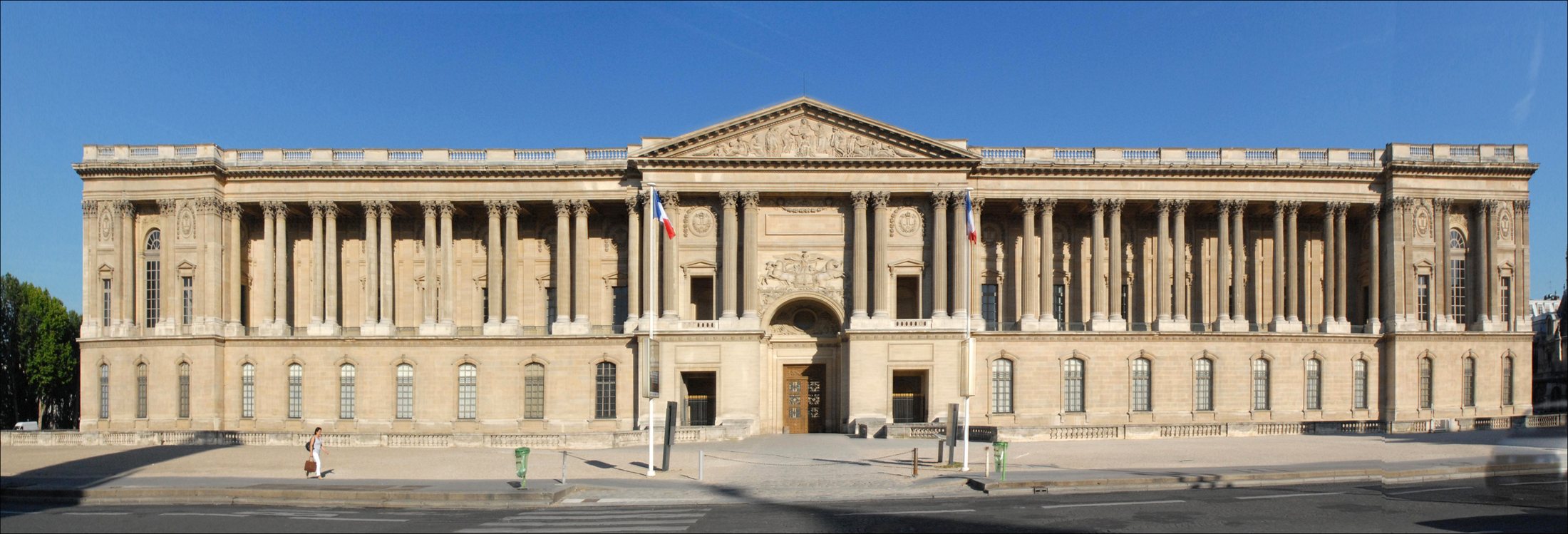
On 19 October 2025, about half an hour after opening, thieves dressed as workmen raised a truck-mounted furniture lift to a balcony on the Seine side, cut through a window and broke open the display cases. In under eight minutes they took eight pieces of the French Crown Jewels, valued at about €88 million, and escaped on scooters.
Empress Eugénie’s crown was dropped during the getaway and recovered, damaged.
The gallery reopened on 22 July 2026 without any jewels. The stolen pieces have still not been found, and the surviving jewels will return only once a new high-security room is ready elsewhere in the museum, with no date announced.
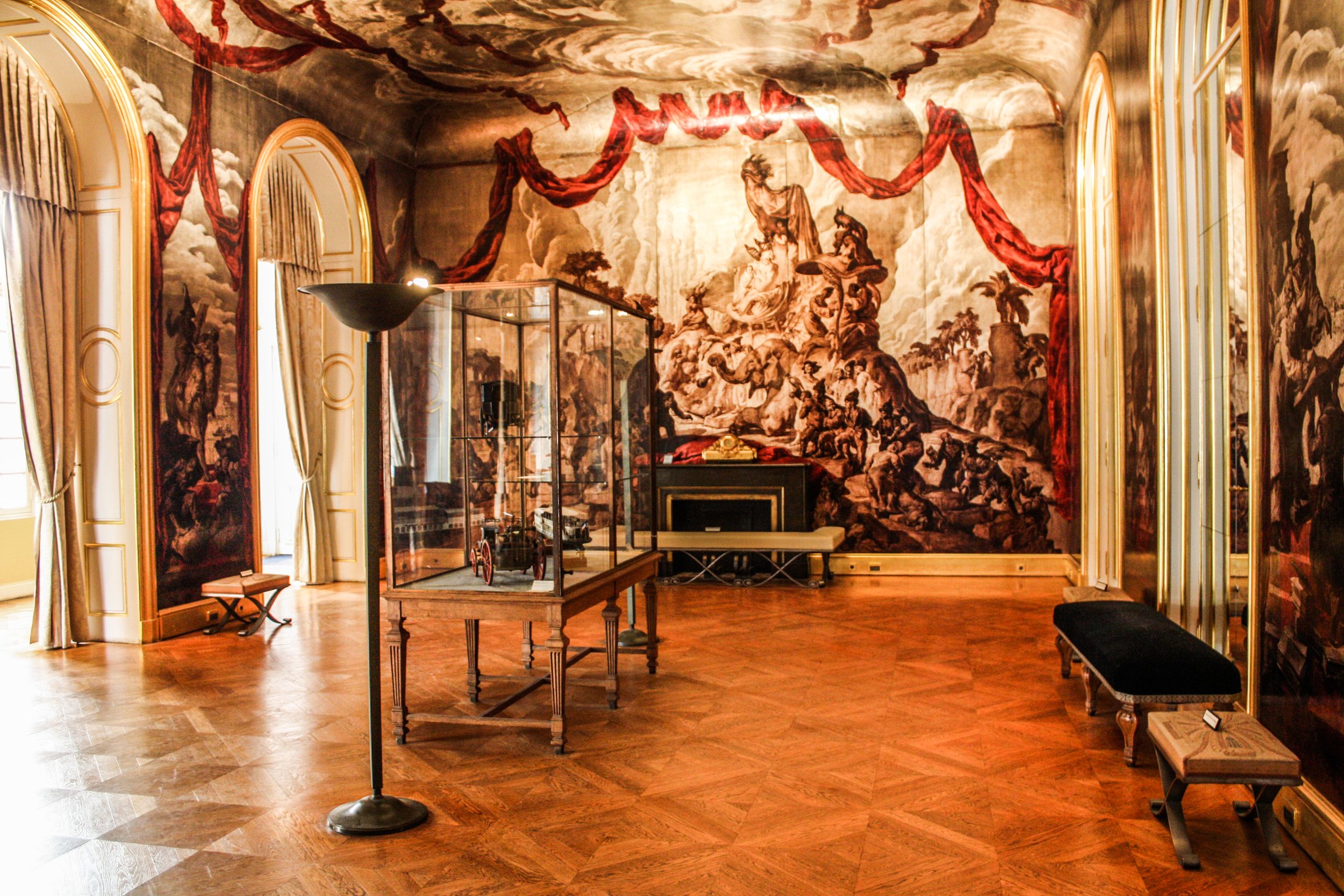
For now the room is shown as it was designed for Louis XIV: a ceremonial gallery that is a work of art in itself.
That makes it a better place to look up. Charles Le Brun planned the ceiling around Apollo, the Sun King’s emblem, and Delacroix added the central Apollo Slaying the Serpent Python almost two centuries later.
The gallery, 61 metres long and the model for the Hall of Mirrors at Versailles, is in the Denon wing, first floor, room 705.
The Louvre heist, one year on · How to plan a visit to Versailles
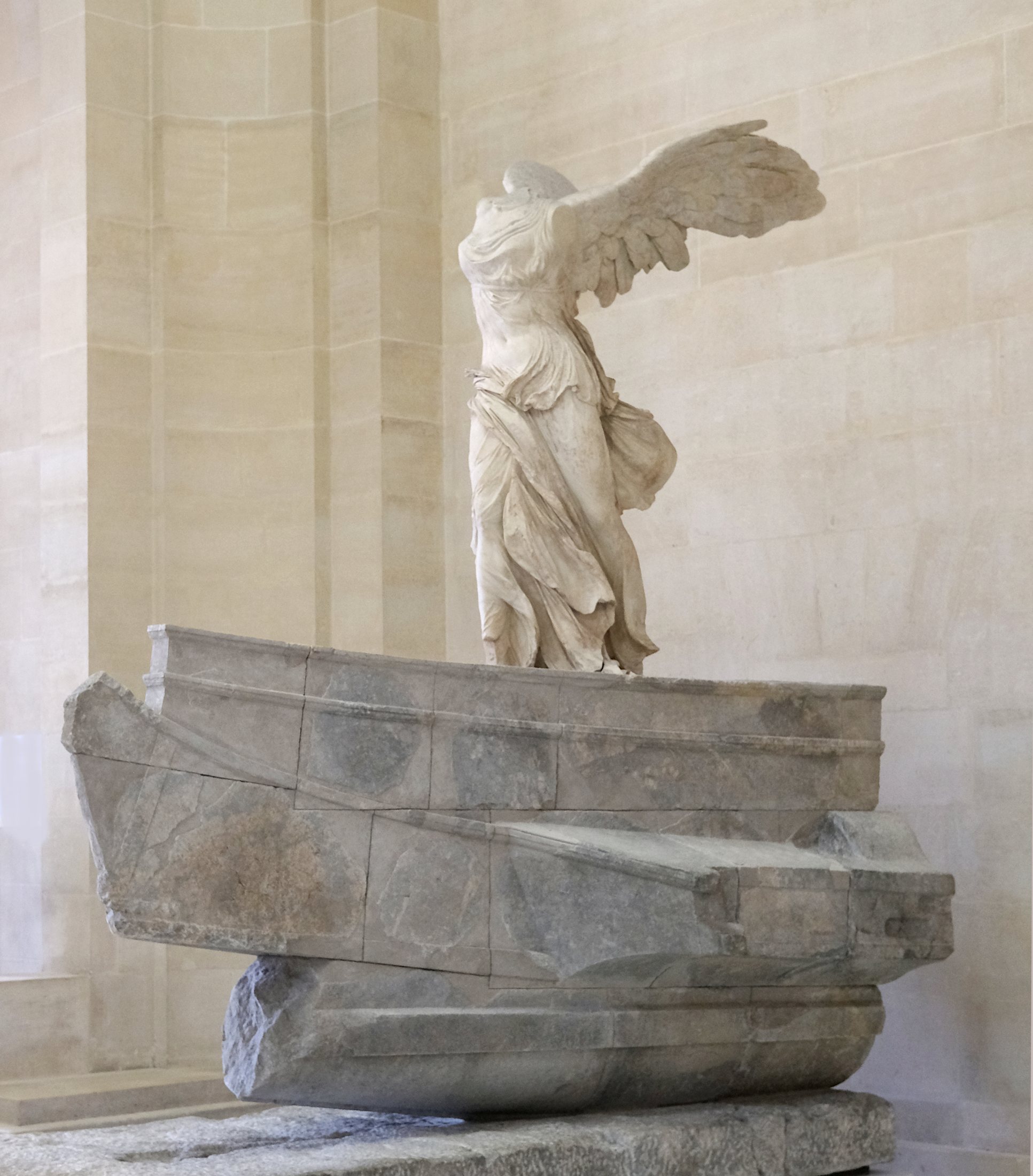
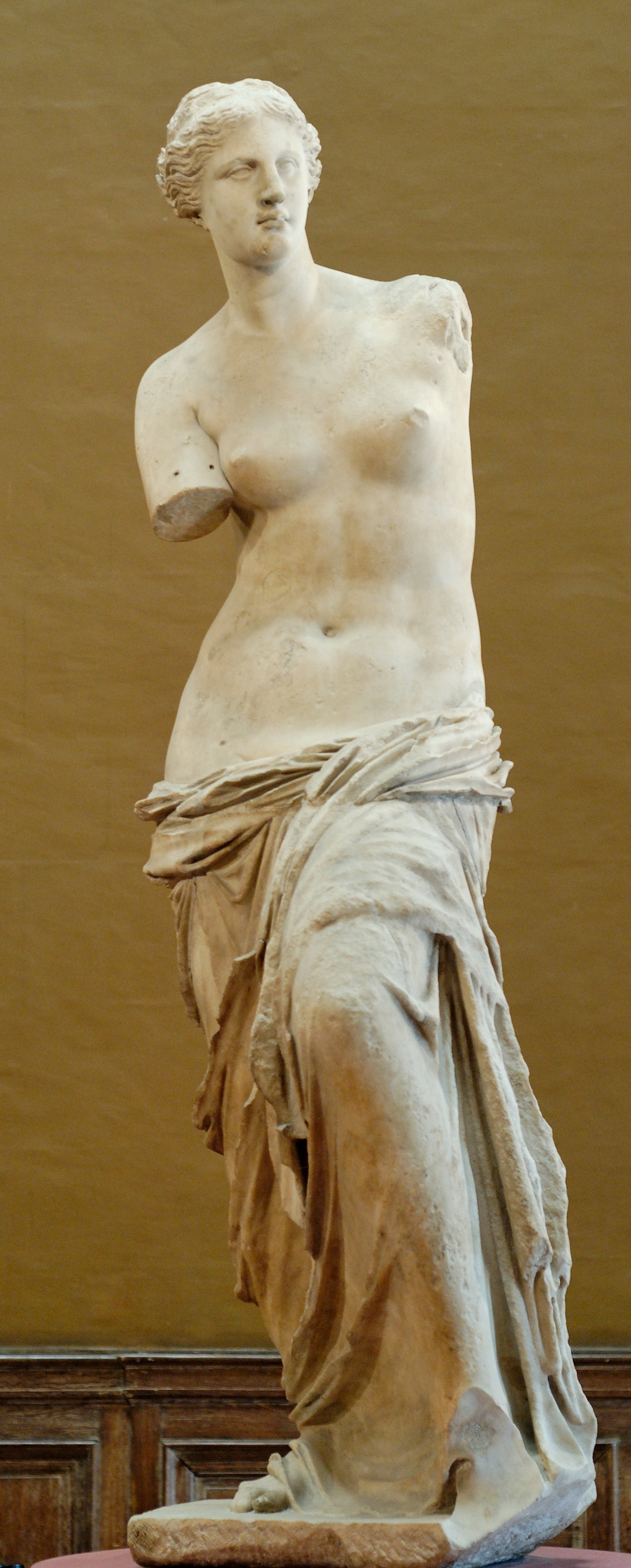
Familiar works, and a few other possibilities
Our Paris artwork guide covers the 
Hammurabi: the image above the text
The Code of Hammurabi has two very different surfaces to occupy the eye. At the top of the dark stone, the Babylonian king stands before Shamash, the sun god.
Beneath them, closely packed writing records judgements about property, family, trade and work. Engraved around 1750 BCE, it is a collection of case law rather than a legal code in today's sense.
Start with the two figures at the top, then let your eye follow the writing down the stone. You don't need to read cuneiform to notice how much space the decisions occupy, or to consider why the king appears before a god above them.
The bull’s extra leg
The winged, human-headed bulls guarded important entrances in Sargon II's palace at Khorsabad, in present-day Iraq. Their forms bring together strength, intelligence and supernatural protection.
Their five legs also solve a sculptor's problem: from the front they stand firmly, while from the side they stride.
A change of position lets you enjoy both views. The animal need not make anatomical sense from every angle to do its job at a doorway.
People originally approached it and passed alongside it; that movement is built into the carving. Its immense body now has a very different palace around it.
Candlelight in Joseph’s workshop
In Georges de La Tour's Saint Joseph the Carpenter, painted around 1642–1644, Joseph pauses over his work while the Christ child holds a candle. Near the flame, the child's fingers appear almost translucent.
Joseph's working hands and the wrinkles catching light on his face offer a very different kind of detail.
Look from Joseph's working hands to the child's fingers beside the flame. Their different ages and the simple act of holding a light for someone bring the religious subject close to everyday life.
Make a little room around your favourites
A few connected stops can give the visit a shape. Hammurabi and the Khorsabad guardians offer different images of authority.
The Galerie d'Apollon's public splendour and La Tour's candlelit workshop make another pair. These are thematic suggestions, not a marked walking route; the current map and open-room information will help you choose an order and check access to a particular work.
If the famous paintings are your priority, the Paris artwork guide is a useful place to plan around them. One unfamiliar stop alongside a favourite may be quite enough to add something unexpected to the day.
Is it right for you?
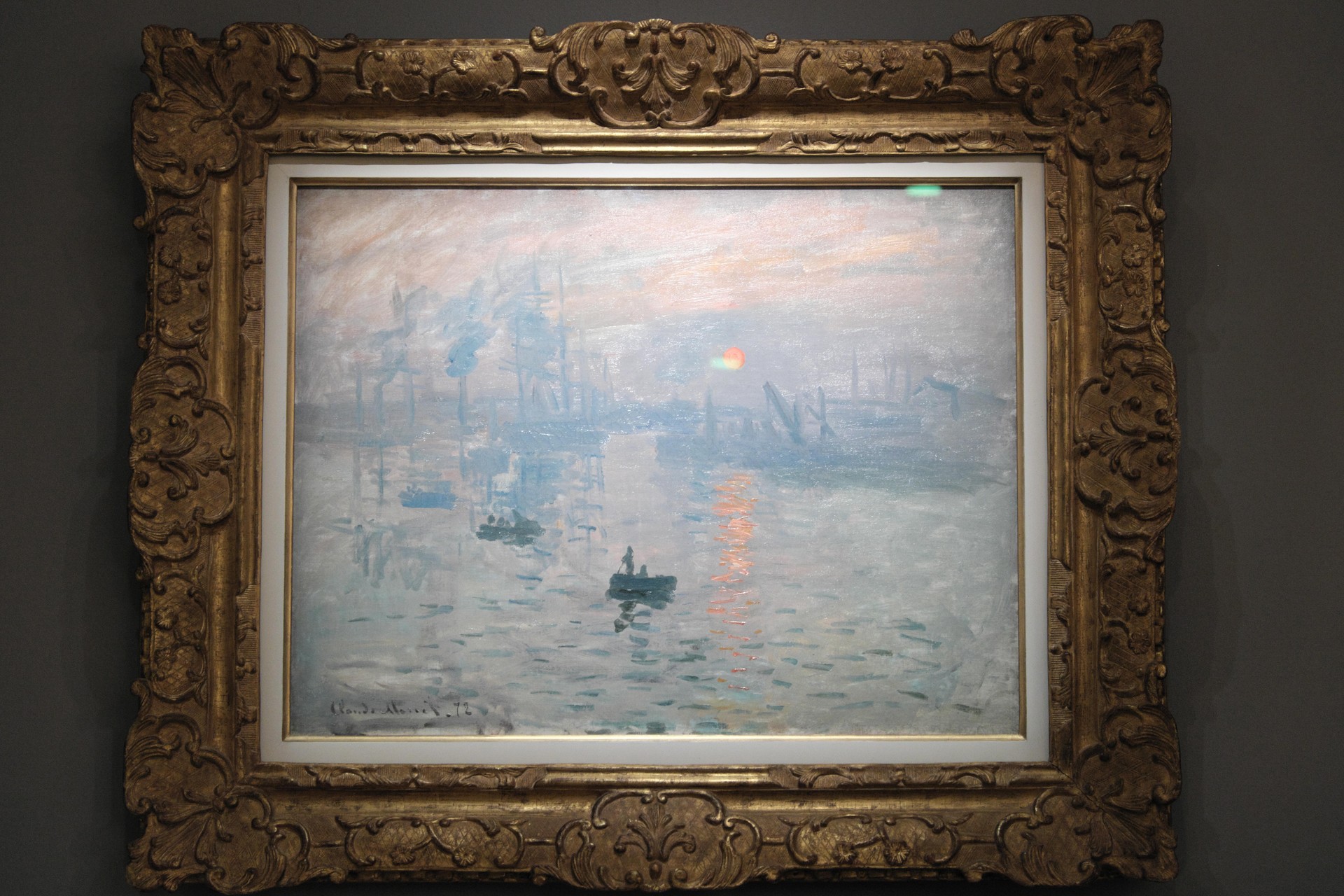
Choose the Louvre for historical collections spanning many periods and places. Orsay is a better fit if Impressionism is your main interest.
How long to spend?
Allow about 2½–4 hours for a selective first visit, plus time for queues, meals and travel.
Entry and re-entry
Famous works can draw large crowds, and timed tickets do not bypass security. Once you leave the museum, you cannot re-enter on the same ticket.
Autumn 2026 exhibition
Zurbarán runs from 7 October 2026 to 25 January 2027. Check the exhibition page for access and ticket details.
Questions before you go
Do I need to reserve?
The museum recommends booking a time slot, including for visitors eligible for free admission. Use the official ticket office or check whether admission is included in your guided tour.
Why are two adult prices shown?
At the time of checking, the listed adult rates were €22 for eligible EEA residents and/or citizens and €32 for other visitors. Check the museum’s eligibility, exemption and proof requirements before buying.
Can I visit in the evening?
The usual closing time is 21:00 on Wednesday and Friday, and 18:00 on other open days. The museum is closed on Tuesday. Last admission is one hour before closing, and rooms begin clearing 30 minutes before closing.
Last reviewed: . Check the museum’s website for current hours and ticket prices.
Compare a guided visit or ticket
A guided museum experience with admission included. Check the provider’s exact time and group size.
Key facts
- Hours
- 09:00–18:00. Wednesday and Friday until 21:00. Closed Tuesday.
- Also closed
- 1 January, 1 May and 25 December. Other holidays stay open unless they fall on Tuesday.
- Last entry
- One hour before closing. Rooms start clearing 30 minutes before closing.
- Adult price
- €22 for the European Economic Area rate, €32 for other adults. In force since 14 January 2026.
- Free
- Under 18, and European Economic Area residents under 26.
- Also included
- Permanent collections, temporary exhibitions, and the Musée Delacroix the same day or the next day.
- Audio guide
- €6, in nine languages. Up to six tickets and six guides per person.
- Leaving
- Any exit is final.
Last entry is one hour before closing, and staff start clearing the rooms 30 minutes before the building shuts. On the May 2026 plan, rooms start closing at 17:30, and at 20:30 on Wednesday and Friday. A ticket for the final slot is the end of the day, with rooms already being cleared. It does not add a full hour in front of the paintings.
The museum asks every visitor to book a time, including people who enter free. A timed ticket still goes through the security check. One person can buy up to six tickets. On the first Friday evening of the month, after 18:00, entry is free for everyone, except in July and August. Entry is also free on 14 July. Those visits are booked on the museum ticket site . From 19 December 2026 to 4 January 2027 a reservation is required for almost every visitor. The notice keeps a short list of exceptions.
On the May 2026 plan the audio-guide desks are on level -2, and you collect the guide on level -1 in the Sully and Denon wings. The palace is those three wings, Sully, Richelieu and Denon, across five levels. Any exit is final, so a coffee outside ends the ticket you are holding.
How long you have
The museum publishes one masterpiece trail of about 90 minutes, for Monday and for Wednesday to Sunday. Tuesday is the closed day, so the trail runs on the days the building is open. The times below are walking time inside the rooms, after you are through security. The queue at the door, and a meal, sit outside that 90 minutes.
One hour
Stay on Denon, level 1. Start with the 

Start while the rooms are still fully open. Last entry is one hour before closing, and the rooms begin to clear 30 minutes before the doors shut. Arriving on the last slot does not leave you an hour with the pictures. If the queue is long, this plan is the one that fits what remains, and the rest of the palace can wait for another day.
Two hours
Walk the masterpiece trail. The museum plans it for about 90 minutes, and the sheet already includes a café stop, so two hours covers the walk and that pause.
Enter by the Sully wing. On the ground floor the trail begins in the Salle des Caryatides, room 348, and continues to the 
The Mona Lisa is in room 711, with The Wedding Feast at Cana opposite. In the Salon Mollien, room 700, stop for 


The two-hour walk stays in Sully and Denon. It is the museum’s route, and it is not a promise that every room along it will be open. The May 2026 plan marks the Roman antiquities and the Islamic art rooms on Denon, level 0, as closed for renovation. Room 403, the sculpture gallery on that same level, is still the trail’s last stop.
Half a day
Walk the masterpiece trail, add one more wing, and eat before you leave. Wednesday and Friday, when the building is open until 21:00, give this a calm ending. On the other open days the museum closes at 18:00. Tuesday is closed, so there is no trail that day.
The May 2026 plan supports two clear additions. In the Richelieu wing, the French sculpture rooms include the Marly Horses in room 102, and the Northern paintings include 
Eat inside before you head for the Pyramid. Any exit is final, so a table on Rue de Rivoli is a separate plan from staying with the collection. The trail’s own pause is Café Mollien. On a half day you have time for a proper meal at one of the other rooms named below, then the second wing.
A Monday one-hour visit fits the 09:00–18:00 day. Last entry is 17:00, and the May 2026 plan starts closing rooms at 17:30, so be in room 703 with the hour still ahead of you. Queue at the Pyramid, leave the large bag in a locker first, and stay on Denon, level 1. If you are still inside at 17:30, the clearing has started and the extra wing will not happen.
A Saturday two-hour visit uses the same 18:00 close. Walk the full masterpiece trail, stop at Café Mollien, and leave by the Pyramid. Adding Richelieu on a day that closes at 18:00 is how the two-hour plan becomes a rush. Save the second wing for Wednesday or Friday.
A Wednesday half day can start after lunch. The building is open until 21:00, last entry is 20:00, and rooms on the May 2026 plan start closing at 20:30. Do the trail, eat, then take either Richelieu or the Sully rooms above. Friday works the same way. Both evenings are the long opening, not a different ticket.
Which entrance to use
The Pyramid is the main door. A time slot bought on the museum’s own site queues there. Cour Napoléon, the courtyard around the Pyramid, is open from 07:30 to 21:00. Cour Carrée is closed for now.
Visitors who already hold an admission ticket can also use the Carrousel entrance and the Porte des Lions. Those doors are open in the busy hours as well. The amenities page states that the Porte des Lions closes at 15:00. The entrance map is the page to check on the day, before you count on a particular door. Groups, and visitors with a membership card, use the Passage Richelieu.
Bags larger than 55 x 35 x 20 cm stay outside. Free lockers are under the Pyramid and at the Porte des Lions. If the one-hour plan is what you came for, leave the case before you join the gallery queue, or the hour disappears at the desk. Maps in nine languages are at the counters under the Pyramid.
The closest metro stations are Palais-Royal / Musée du Louvre, on lines 1 and 7, and Pyramides, on line 14. The museum car park is at 1 Avenue du Général Lemonnier, and cars enter through the Galerie du Carrousel. From the metro or the car park you are already under the palace, which is the usual way into the Pyramid queue.
Where to eat
Eat inside if the rest of the visit still matters. Any exit is final, and the museum prints that rule because people do step out and then find the ticket is finished.
Café Mollien is the break written into the masterpiece trail, between the French paintings in room 700 and the sculpture gallery in room 403. The May 2026 plan also names Café Richelieu and Café Colbert, both with terraces facing the Pyramid, and the Louvre bakery. The restaurants page describes a wider set of cafés, restaurants and tea rooms. Use that page for what is actually open on the day. Older maps name other counters. They are not repeated here, because they are not on the current plan or the current restaurants page.
The Tuileries and Rue de Rivoli sit against the palace, and both are drawn on the museum map. A meal out there ends the ticket, so it belongs after the last room, not between wings. If you are booking a luxury hotel within walking distance, the separate notes cover Palace and five-star hotels near the Louvre.