In this guide
A different kind of Paris art day
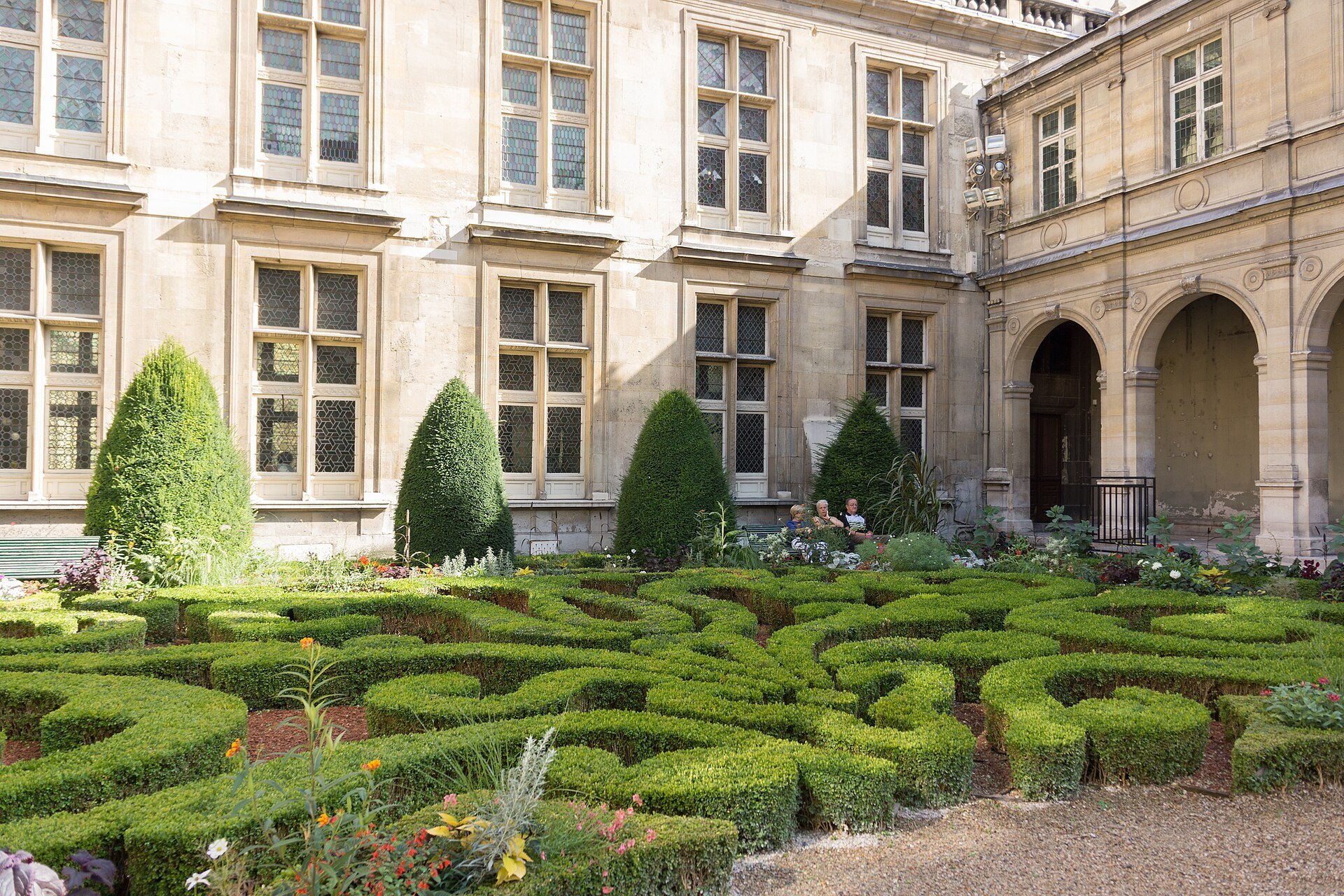
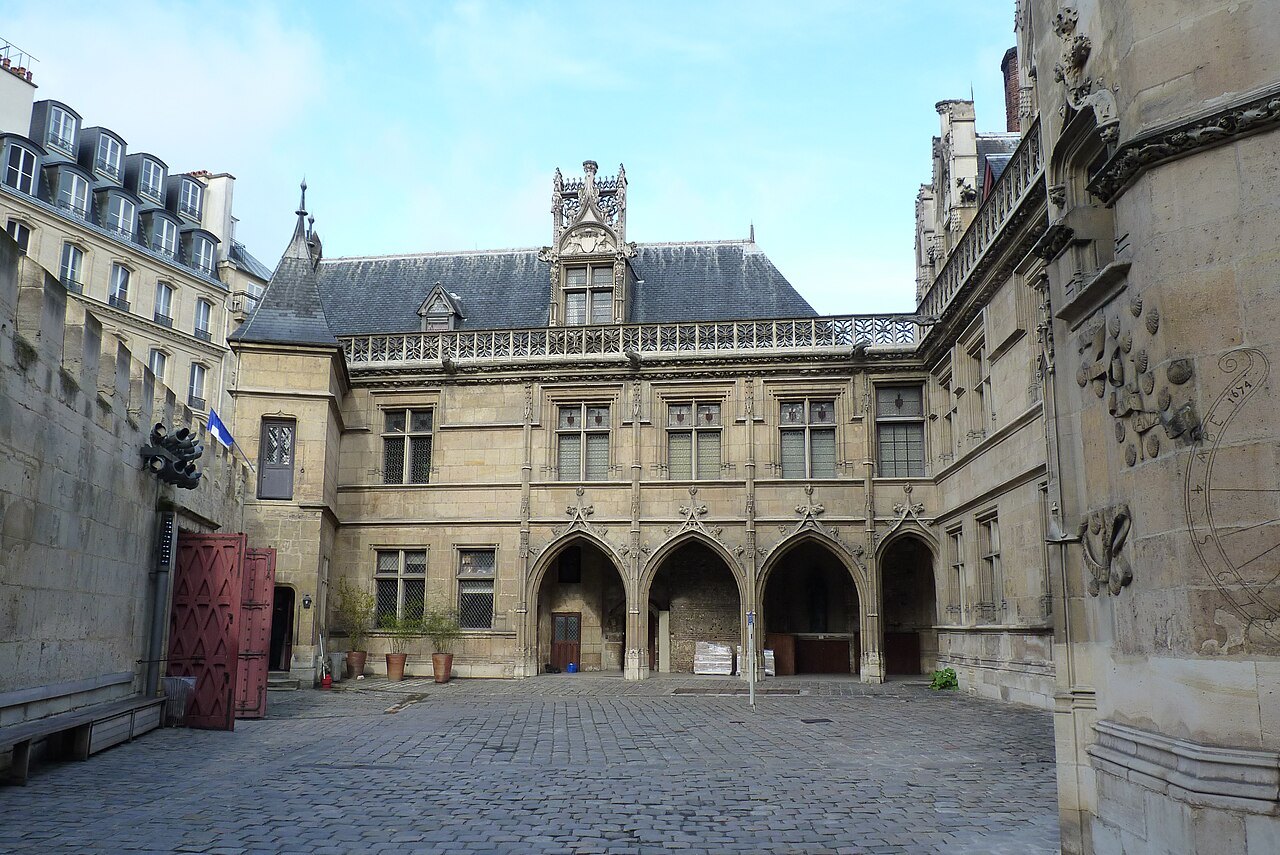
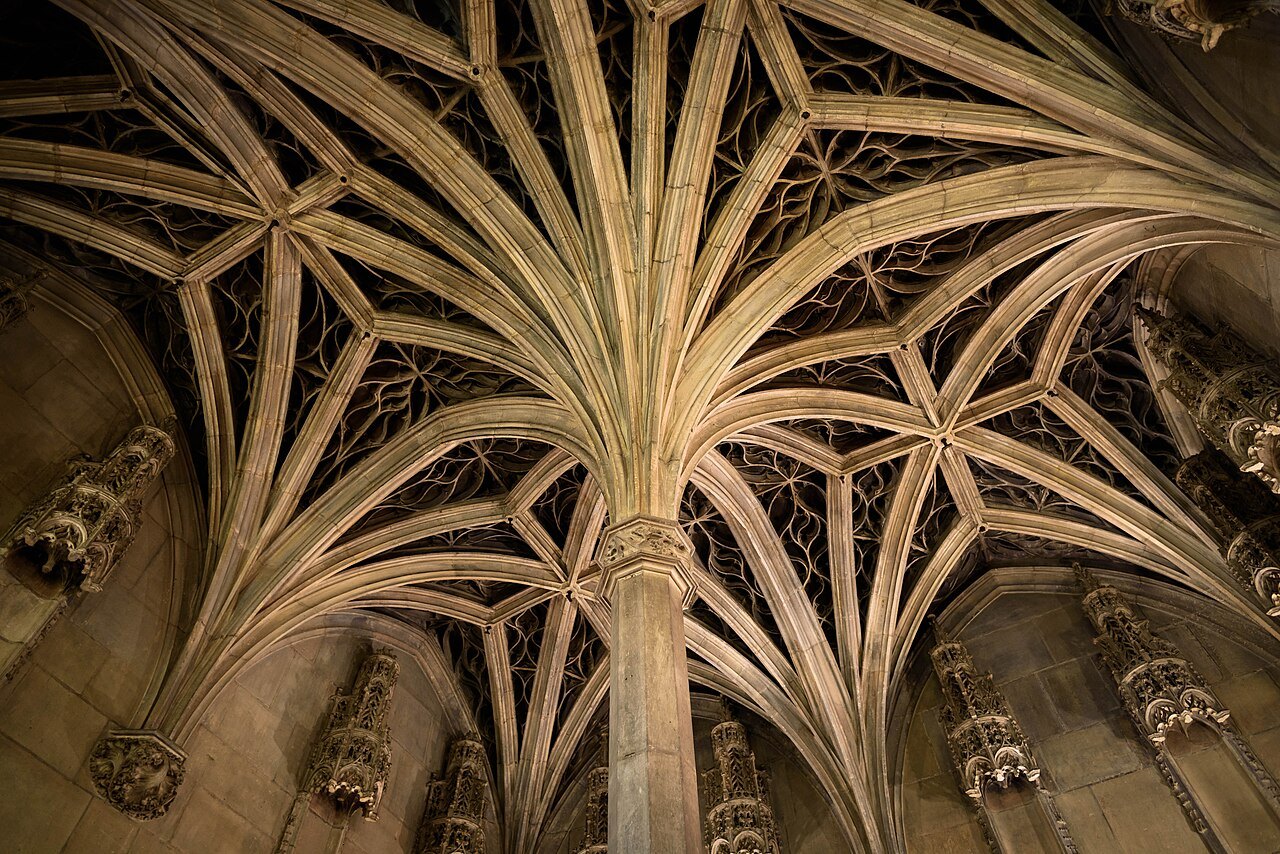
Cluny is an appealing change of period after a day of nineteenth-century paintings. Its medieval collection brings together metalwork, stained glass, sculpture, textiles and painting, with a late-medieval mansion and Roman remains as part of the setting. That variety makes it possible to follow materials and craftsmanship rather than a succession of famous artists. It is a particularly good fit for visitors who enjoy looking closely at objects.
Let the tapestries hold your attention
The Lady and the Unicorn is a group of six tapestries made around 1500. Five are generally interpreted through the senses; the sixth, carrying the words À mon seul désir, has prompted different readings. The museum’s own interpretation acknowledges that ambiguity. Begin with the whole composition, then look for repeated animals, gestures and plants. There is no need to settle the meaning before enjoying the visual details.
Look beyond the best-known room
After the tapestries, pick a contrasting medium. Stained glass encourages attention to coloured light, while sculpture makes space and surfaces central. A small metalwork object asks you to slow down again. Comparing two such encounters can make the broad period feel more concrete. Read an object’s original use and place of origin: a work made for a religious building or personal devotion was not created with a modern museum display in mind.
Include the Roman setting
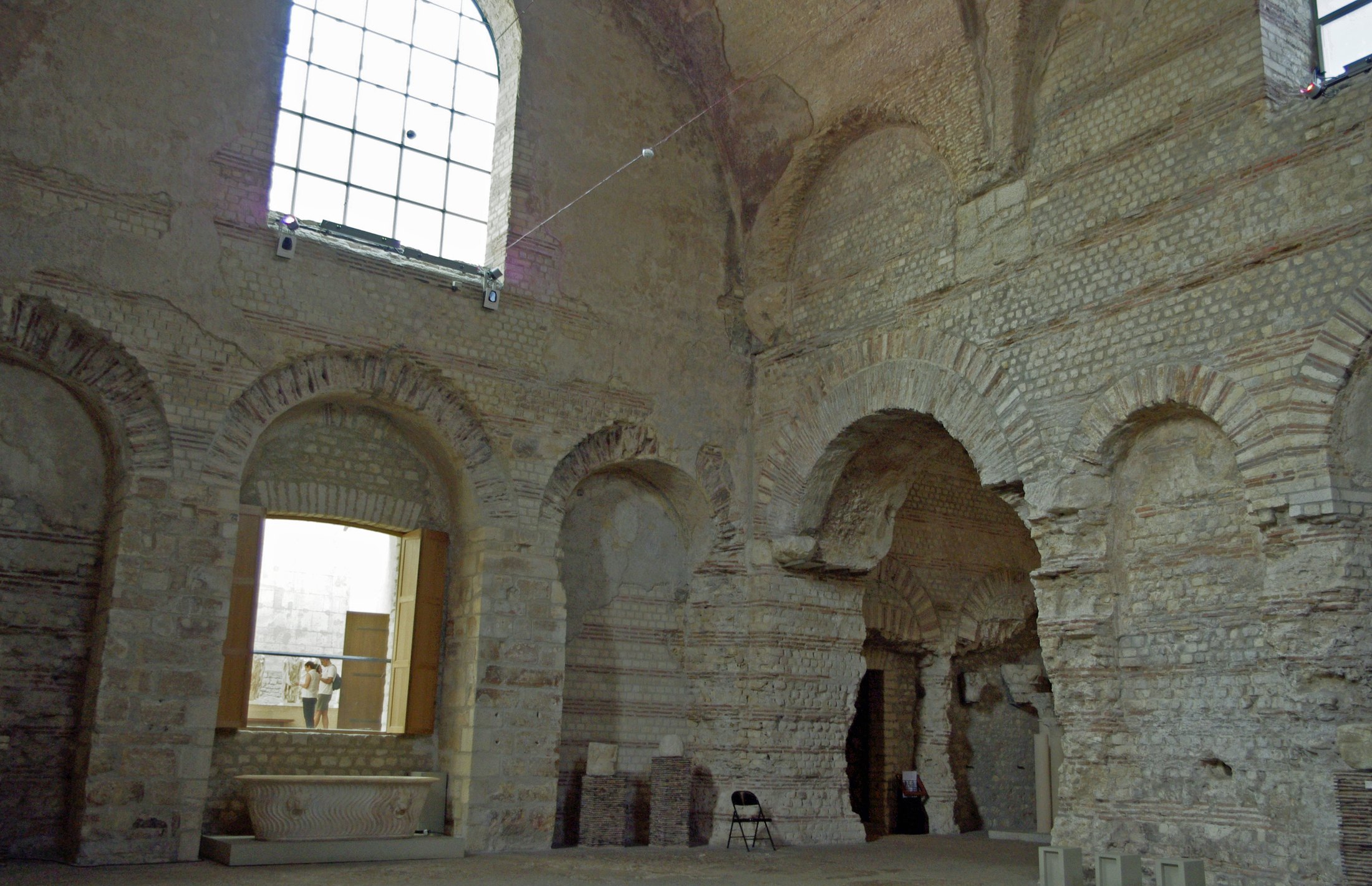
The remains of the baths of Lutetia introduce an earlier chapter in the site’s history. The frigidarium was the cold room of the bath complex, with a surviving monumental vault. Its scale offers a striking counterpoint to the smaller objects in the collection. Underground galleries have separate guided-access arrangements; do not assume that a standard admission ticket allows independent exploration of every part of the archaeological site.
Swipe or scroll to see more.
Shape a focused visit
Use the current museum plan to choose the tapestries, one or two collection sections and the architectural spaces available that day. Allow about 1½–2½ hours for a focused visit, adding time for an exhibition or guided activity. These are editorial planning estimates. Afterwards, leave your Latin Quarter walk flexible instead of attaching another timed attraction immediately to the end of the visit.
Coming next in autumn 2026
Nicolas Flamel. Alchimiste de papier is scheduled for 13 October 2026–24 January 2027. The City of Paris listing describes an exhibition using his tombstone and archival evidence to separate the historical Parisian from the later alchemist legend. It has not opened as of this guide’s 11 October review.
Plan around the entrance, not the printed time
The visitor entrance is at 28 rue Du Sommerard. A standard day ticket’s 09:30 time is technical; the museum permits arrival during that day’s opening hours. Allow for security and the earlier start of room clearance. Check current access information before relying on any outdoor space or particular gallery being available.
Questions before you go
What does a ticket cost?
The published full rate is €14, with a €12 reduced rate where eligible. The standard ticket includes current exhibitions. Check proof requirements and your date in the official booking flow.
When does Cluny open late?
The usual late openings are the first and third Thursdays of the month, until 21:00. Otherwise it opens Tuesday–Sunday, 09:30–18:15; Monday is closed.
Is there a free-entry day?
The first Sunday of each month is free for everyone. Other exemptions depend on eligibility. Free admission does not remove security checks or guarantee immediate entry.
Last editorial review: . Opening patterns and prices are a dated snapshot. Check the official venue for your exact date.