THE PARIS ART JOURNAL
A Two-Day Paris Art Itinerary, With Time to Look
Two main museum visits, generous breaks and optional second stops. Adapt the days before you book.
In this article
Make the Louvre and Musée d’Orsay the two anchors of this first-visit itinerary. Each gets a fresh morning. Smaller afternoon visits are optional, so the plan still works if a gallery absorbs your attention or you need a longer break.
The standard version works best with both days between Wednesday and Sunday. All times below are suggested planning blocks in Paris local time, not reserved slots or measured walking times. Check your actual dates, entrance instructions and access needs before buying tickets.
Day one, 09:00–12:00: a selective Louvre visit
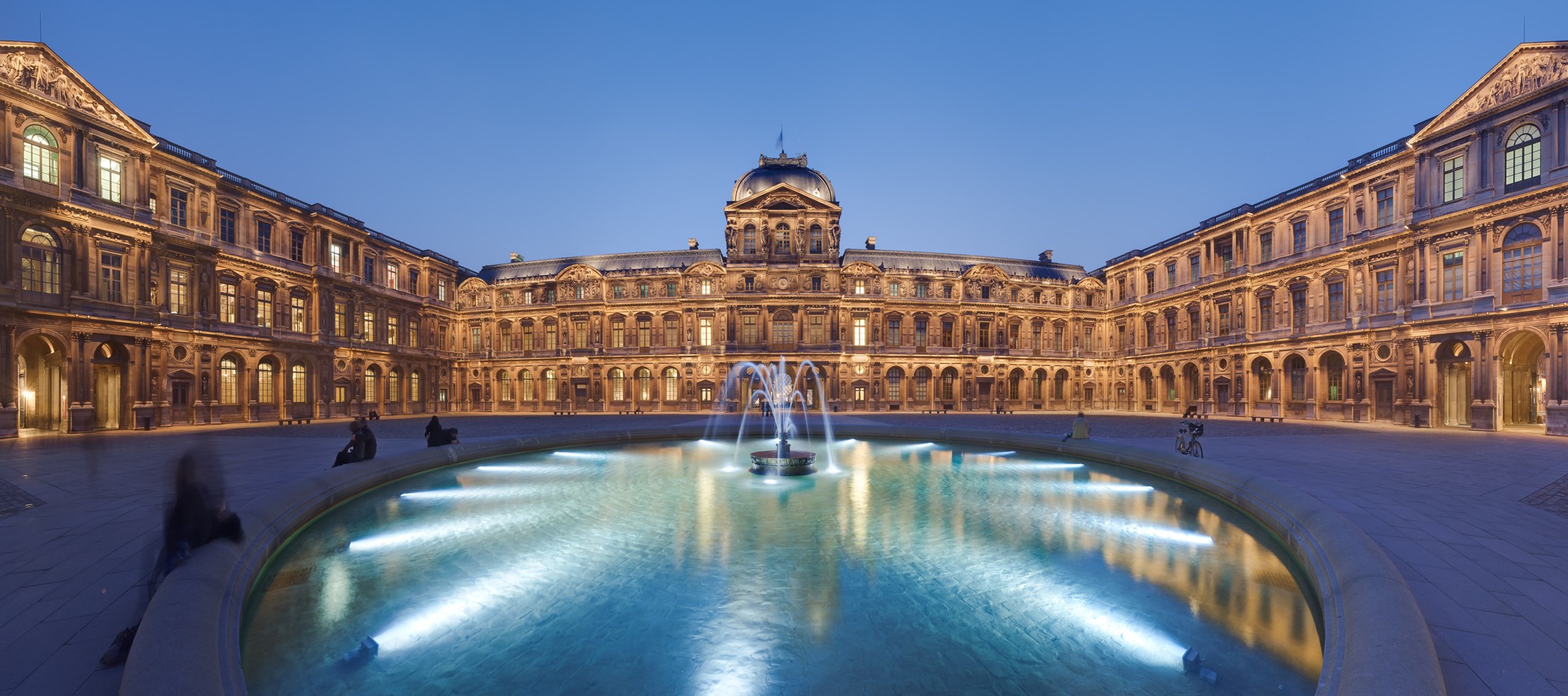
Choose one main collection and a few priority works before you arrive. The Louvre’s own visitor trails provide a useful starting structure, but shorten any route that feels ambitious for your party. A focused painting or sculpture visit is enough for a memorable morning.
Book an available entry time that fits this block and follow the ticket’s arrival instructions. Put the work you care about most early in your route, then leave space for an unexpected room. If you decide to stay longer, remove the afternoon museum rather than cutting lunch to a rushed snack.
12:00–14:30: lunch and a change of scene
Leave a generous interval for exiting, finding lunch and moving west through or around the Tuileries. The outdoor portion is flexible: shorten it in bad weather, use transport if needed, or spend longer outside when you want a break from galleries.
Do not use this interval for a third timed attraction. It is the part of the itinerary that absorbs queues, a slower meal and the simple need to sit down. Check the route independently if step-free access is important; this suggestion has not been audited as an accessible walking route.
14:30–16:30: optional Petit Palais
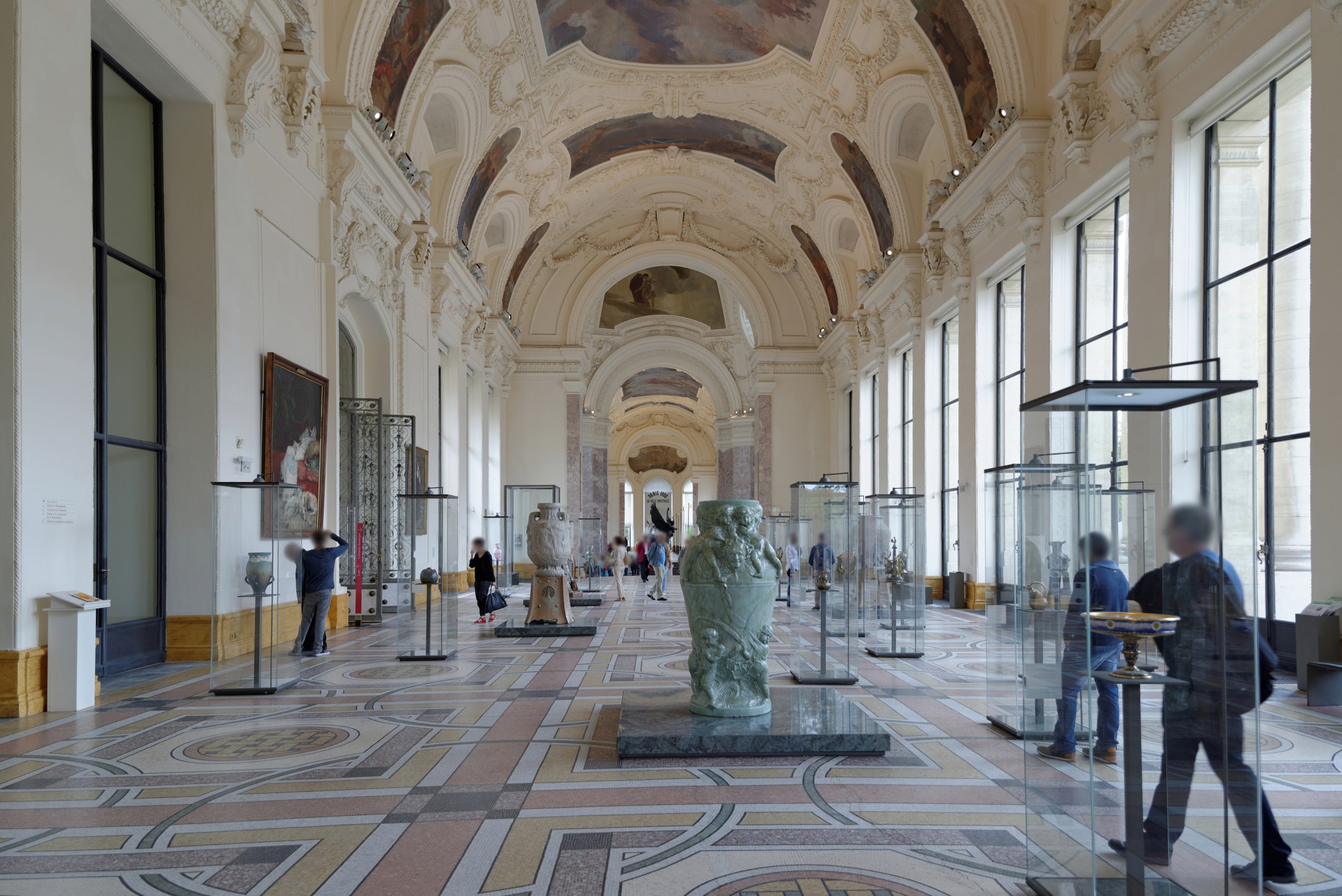
The Petit Palais offers a lighter second visit with a free permanent collection. Choose a short route through the art and allow a garden pause if access and weather permit. Individual visits to the collection need no reservation; a temporary exhibition is a separate decision.
If the Louvre used up your museum energy, skip this stop. A relaxed afternoon outside is already a complete day. Avoid buying an exhibition ticket merely to make the schedule look fuller.
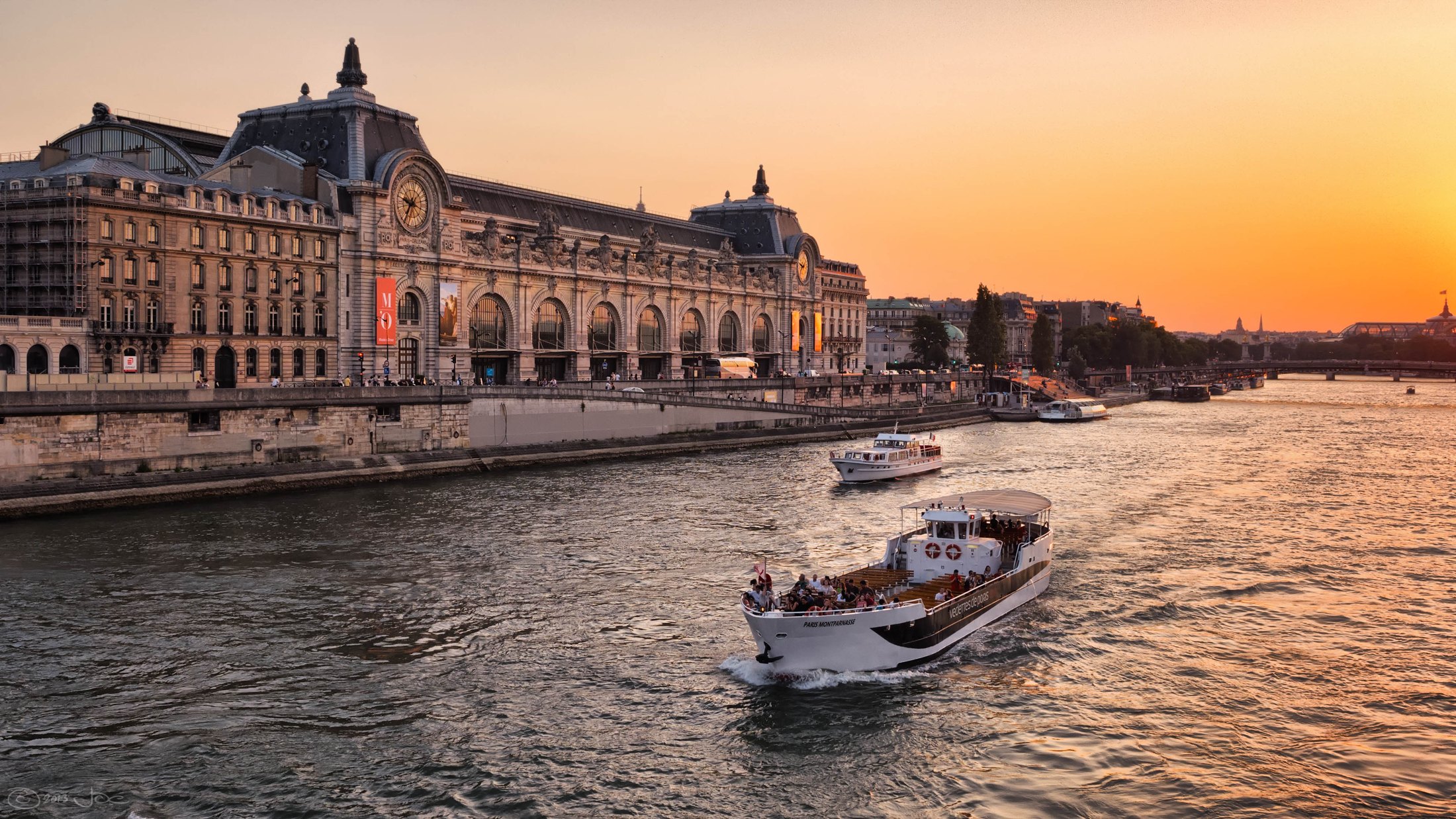
Day two, 09:30–12:30: Musée d’Orsay
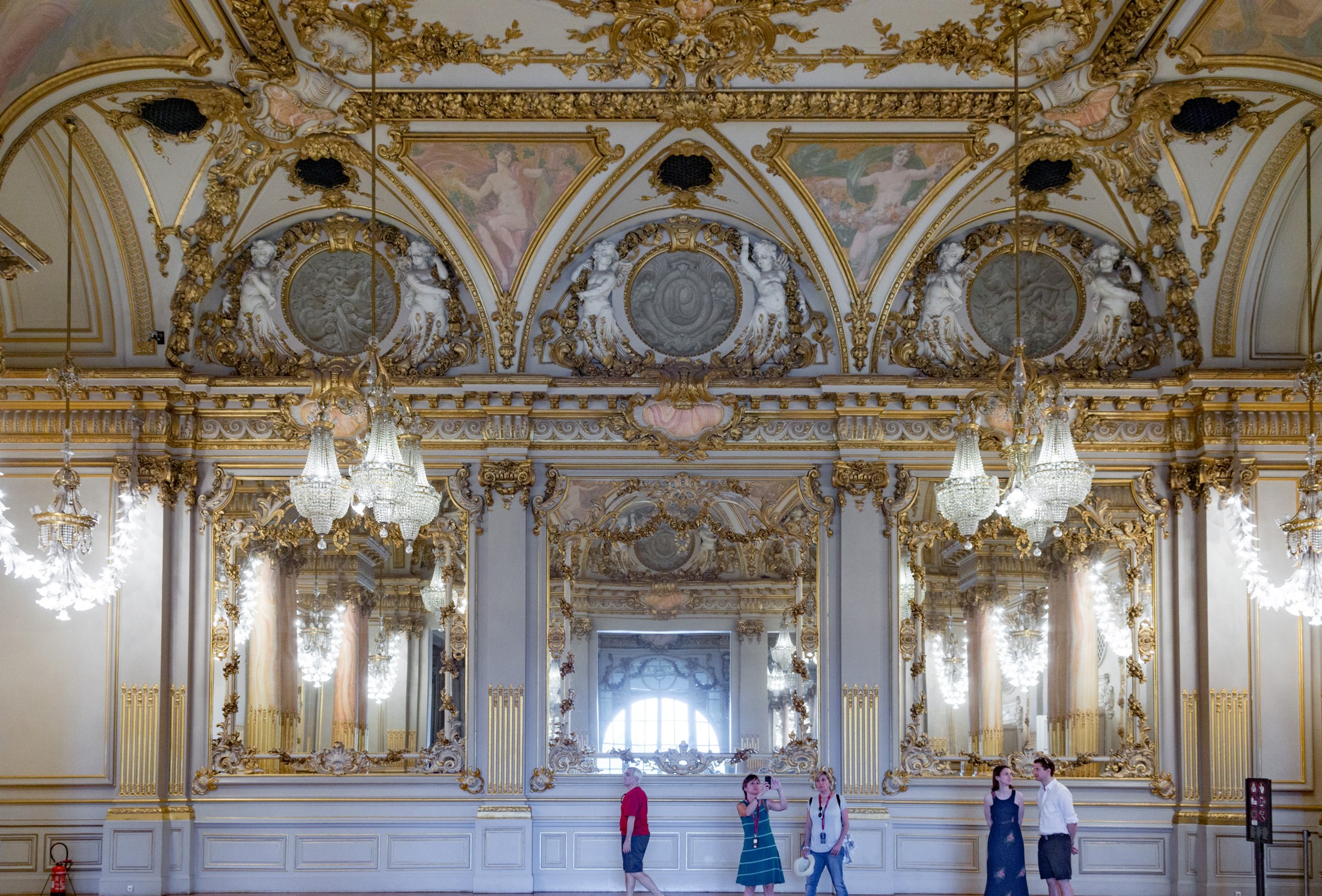
Begin with the galleries that most interest you, then change medium: add sculpture or decorative arts to a painting-led route. Aim for a few sustained encounters rather than a photograph of every familiar artist. This is a second substantial museum day, so agree on a stopping point before everyone becomes tired.
Orsay is open during its 2026–2028 renovation, with altered access arrangements. Use the entrance shown in the current official guidance and your booking. Leave an arrival margin outside the suggested gallery block rather than expecting to be looking at art at the exact ticket time.
Lunch, then an optional 14:30–16:30 Orangerie visit
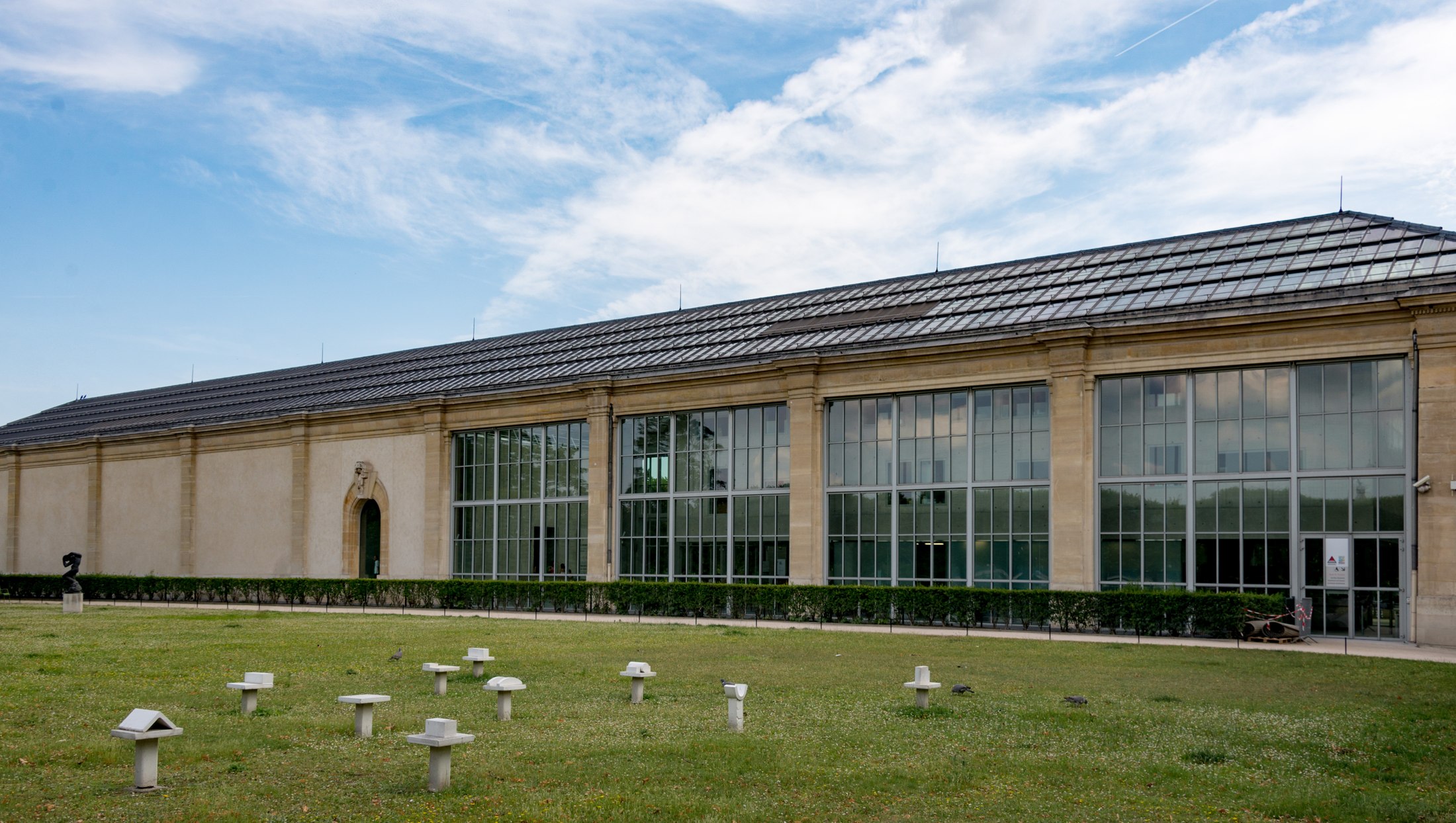
Keep about two hours between the main visit and the afternoon appointment for lunch and moving between venues. If you want more Monet, the Orangerie provides a different experience: give the Water Lilies rooms sustained attention, then decide how much of the remaining collection you want to explore.
Reserve an actual available slot before committing to the second museum. If two painting-heavy visits do not appeal, keep the afternoon outdoors instead. This itinerary works with just its two main tickets; the smaller stops are choices, not requirements.
If your trip includes Monday or Tuesday
The Louvre and Orangerie close on Tuesdays. Orsay and Petit Palais close on Mondays. Rearrange the institutions before booking, rather than shifting an entire day of the standard plan unchanged.
For Monday–Tuesday, put the Louvre on Monday morning, with the Orangerie as an optional afternoon. On Tuesday, visit Orsay in the morning and keep the Petit Palais optional later. Maintain the same long lunch breaks. This swaps the afternoon museums without adding another cross-city destination.
For Sunday–Monday, visit Orsay and, if wanted, Petit Palais on Sunday; reserve Monday for the Louvre and optional Orangerie. For Tuesday–Wednesday, use the same pairing with Tuesday for Orsay. Public-holiday exceptions and exceptional closures still take precedence over these weekly patterns.
Change the plan to match your interests
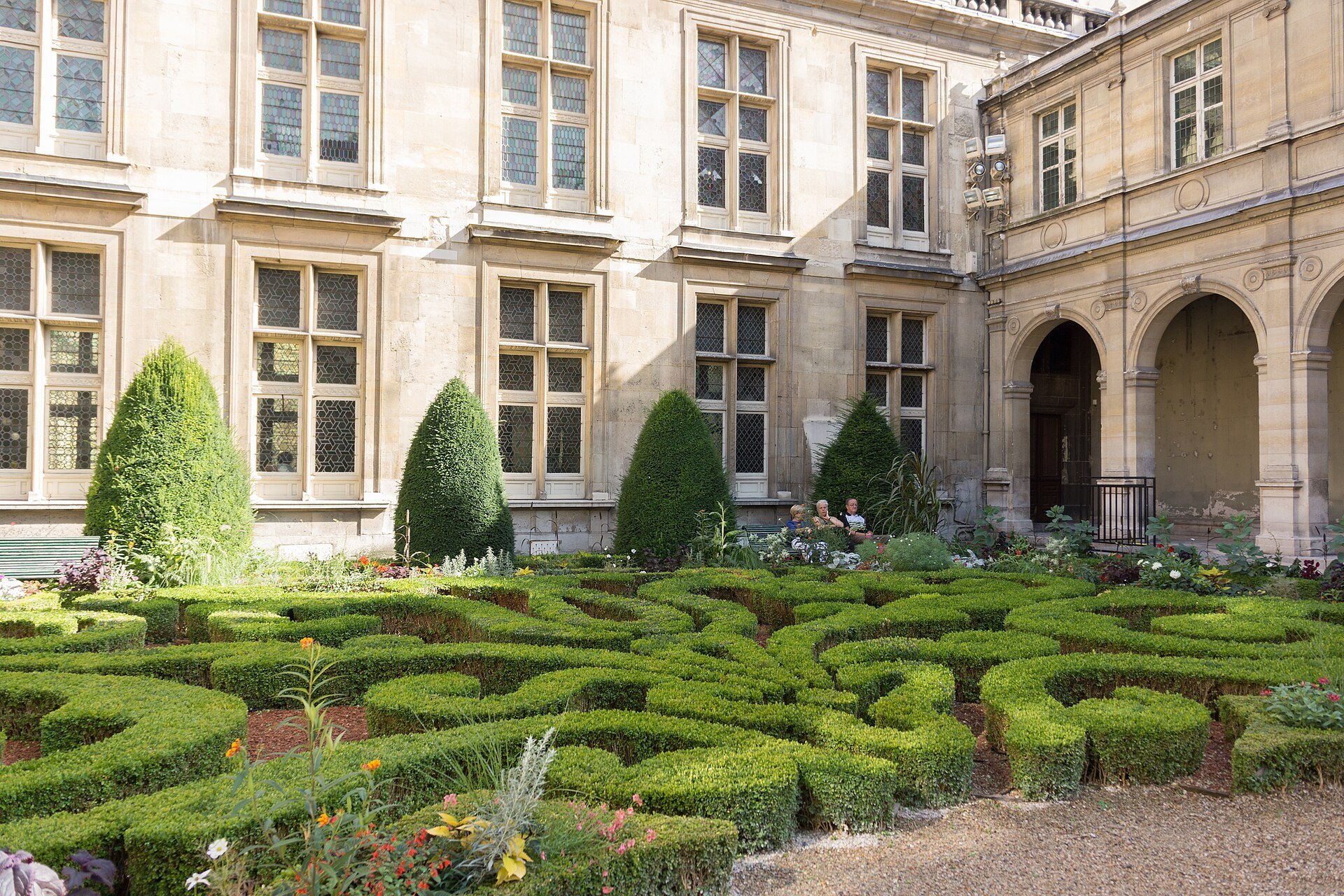
If your budget is tight, replace a paid museum day with Carnavalet and time in the Marais, on a day it is open. If you prefer a more focused subject, choose one of the smaller-museum guides instead of adding it to this route. The best adjustment usually removes a commitment.
Before departure, recheck the four practical details most likely to change your day: admission category, time slot, last entry and current closures. Save tickets for offline access and keep the official pages handy. No itinerary can guarantee clear galleries, immediate entry or that a particular artwork will be on display.
Questions before you go
Should I book every optional stop?
Only book a timed paid visit you actually intend to make. Leave the free Petit Palais collection flexible, and compare cancellation terms before committing to two paid appointments in one day.
Reviewed . Planning recommendations and suggested durations are Culture Detour editorial estimates. Hours, admission rules and availability can change; check the linked official source for your date.