

In this guide
A portrait, a clock and a room to get to know
Sarah Bernhardt reclines in flowing white, with a greyhound at her feet. Porcelain monkeys perform a miniature concert, while Guimard's furniture carries the curves of a room into a chair.
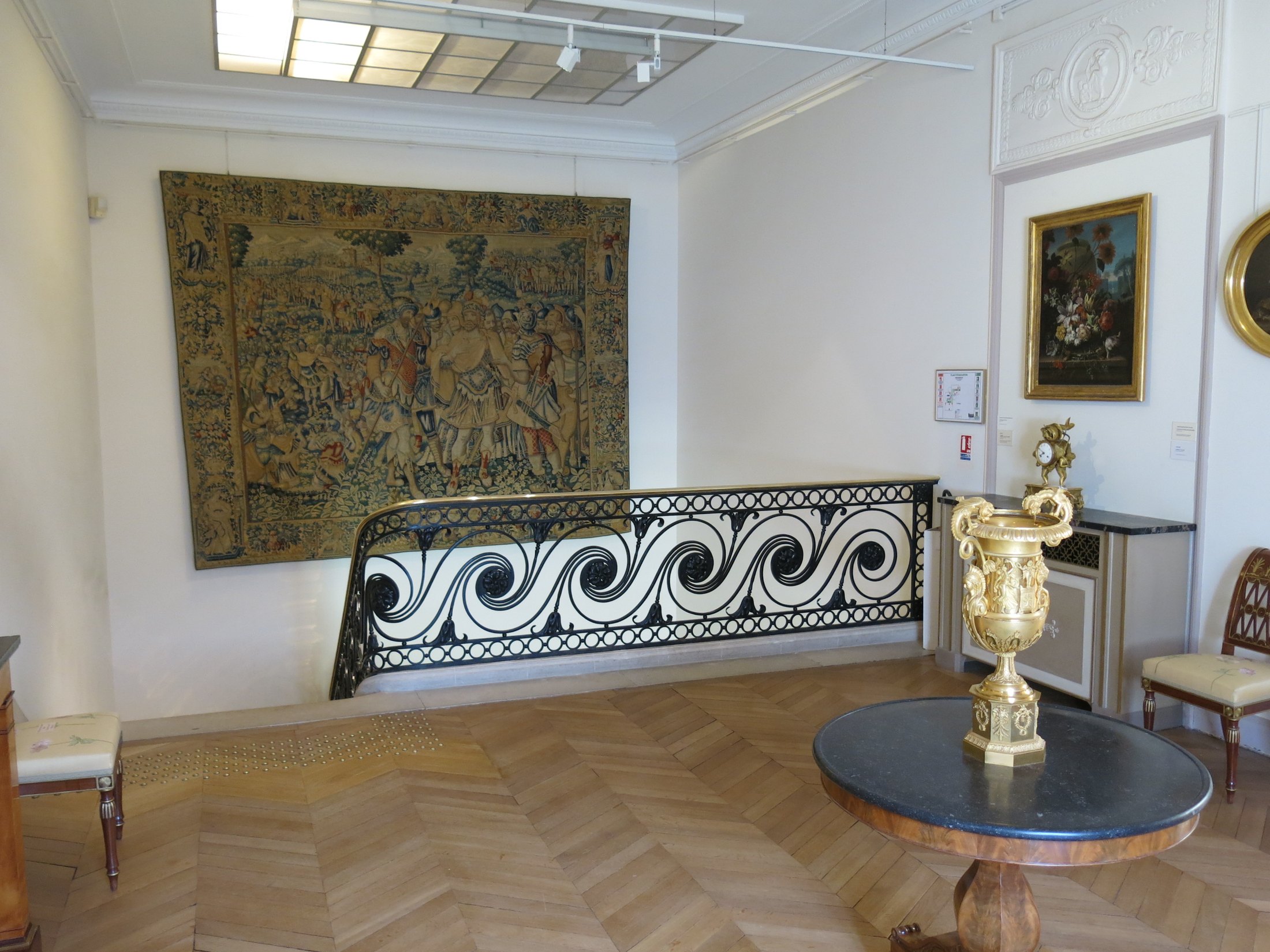
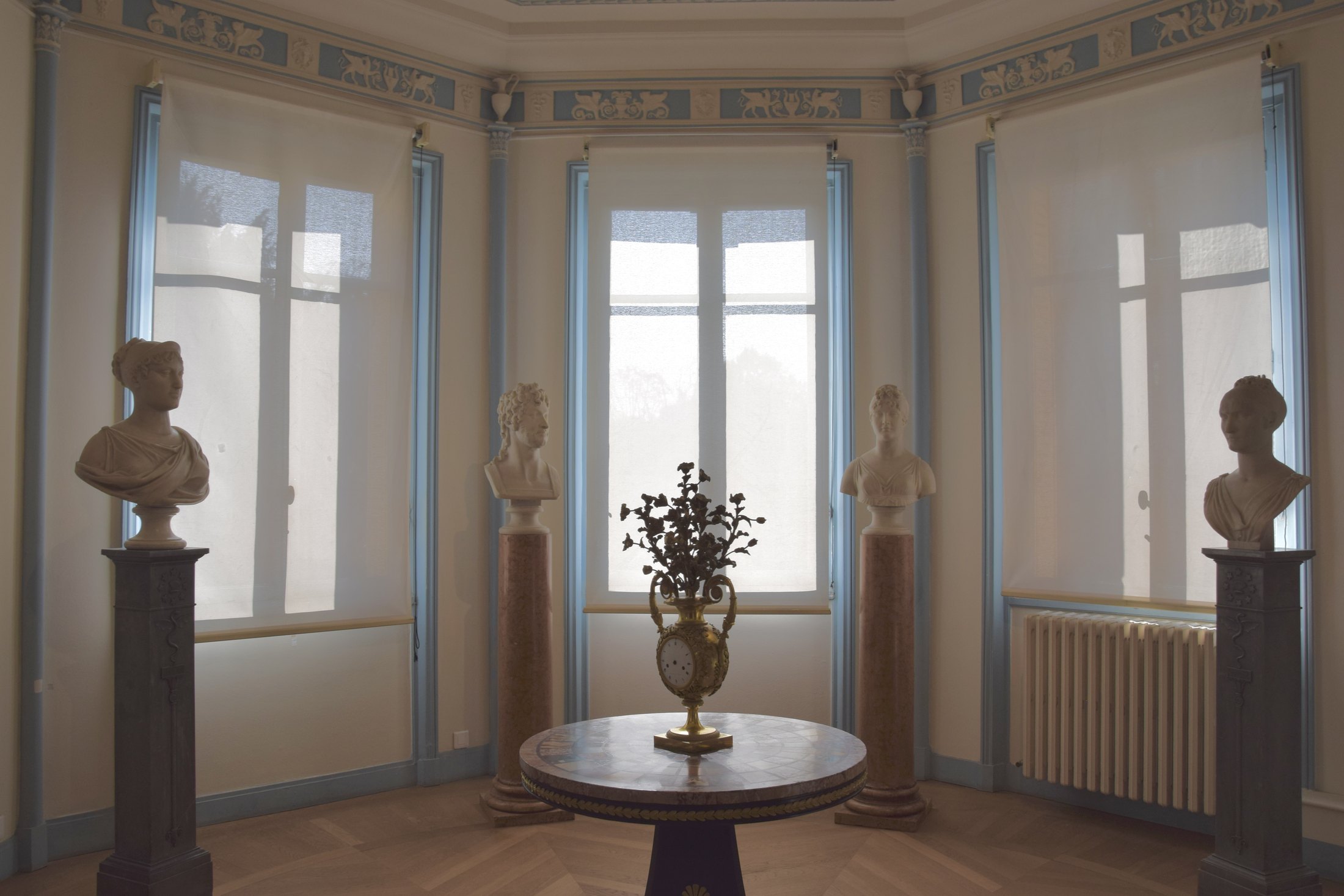
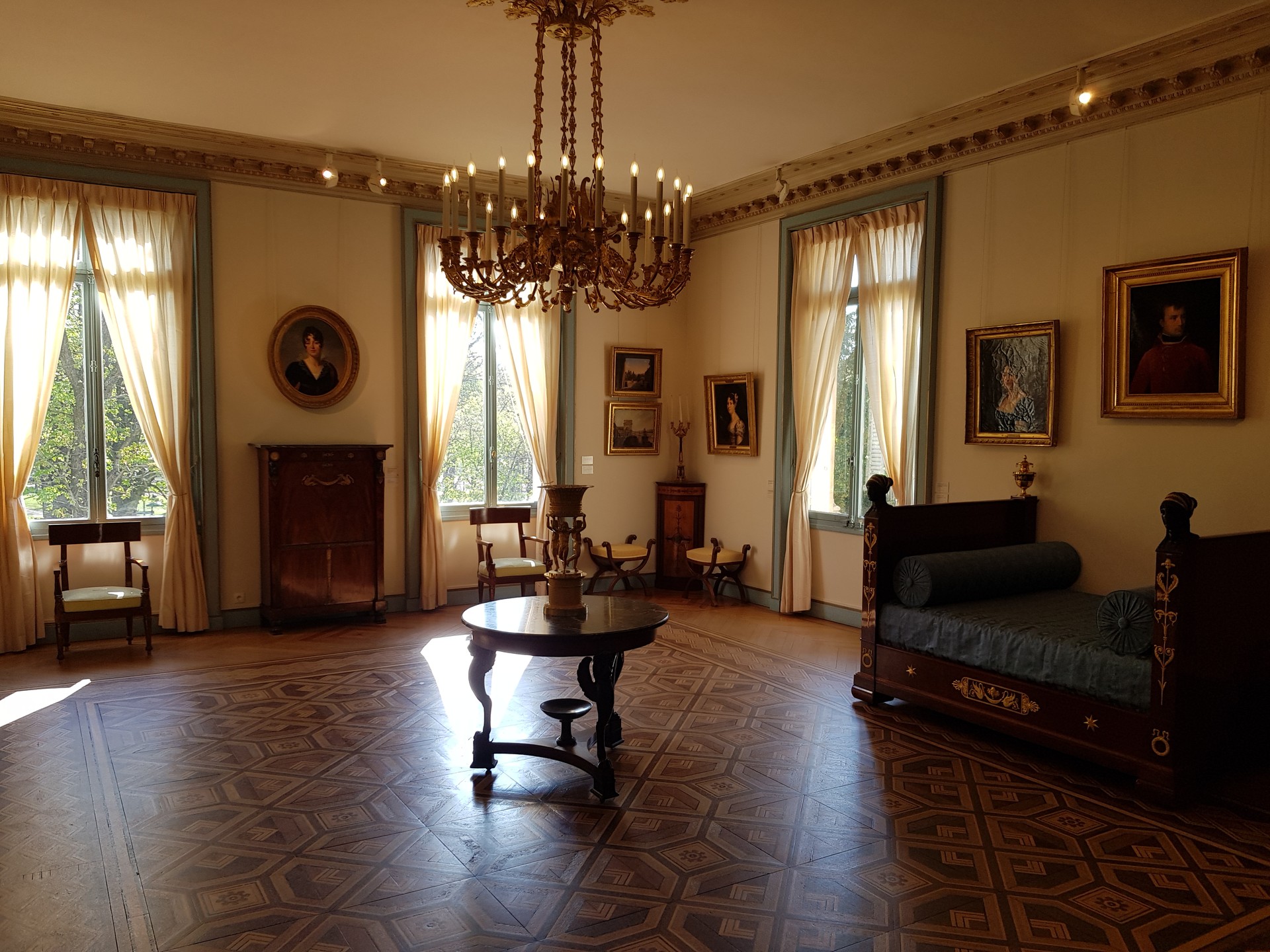
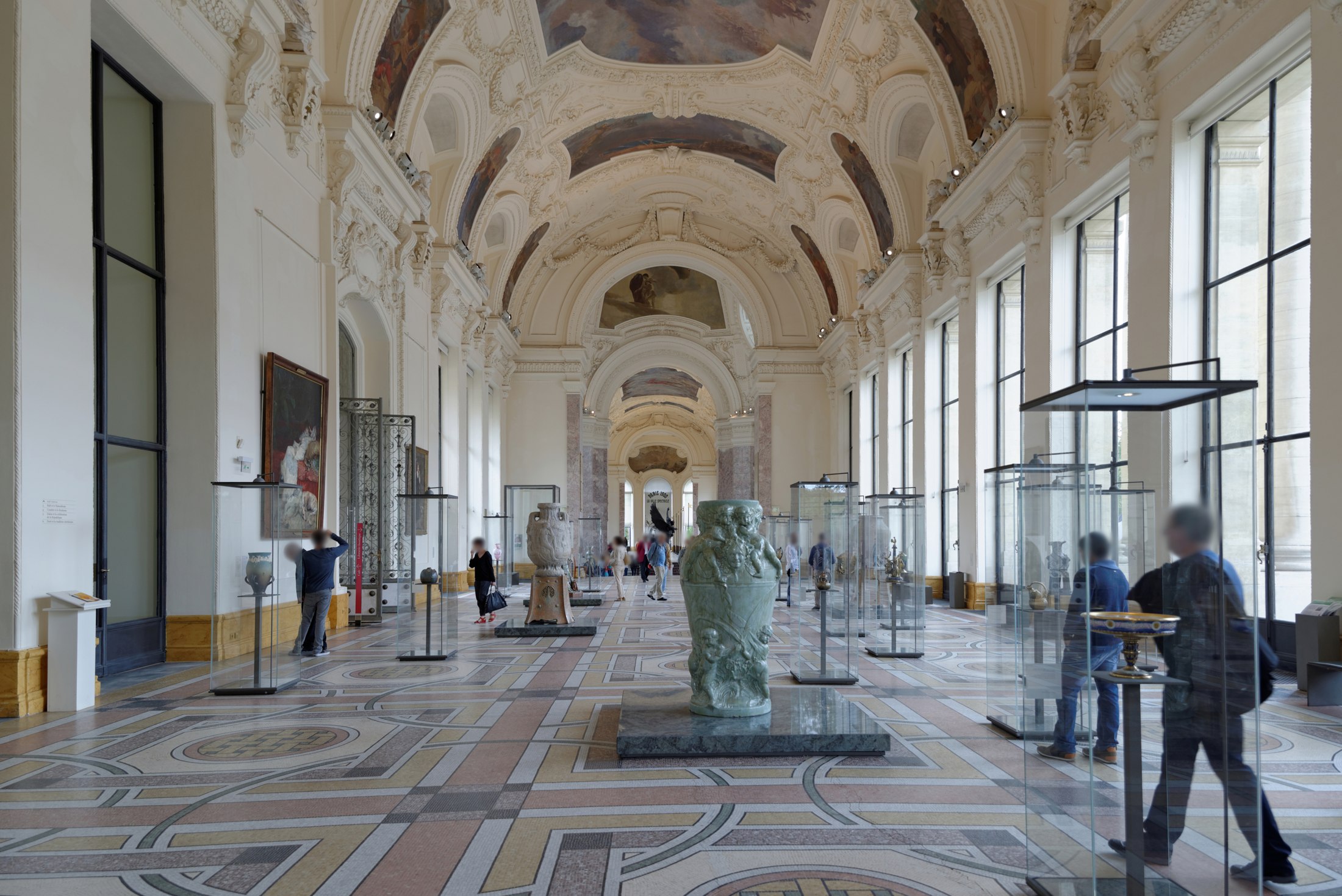
The Petit Palais gives these different kinds of objects room to be interesting together.
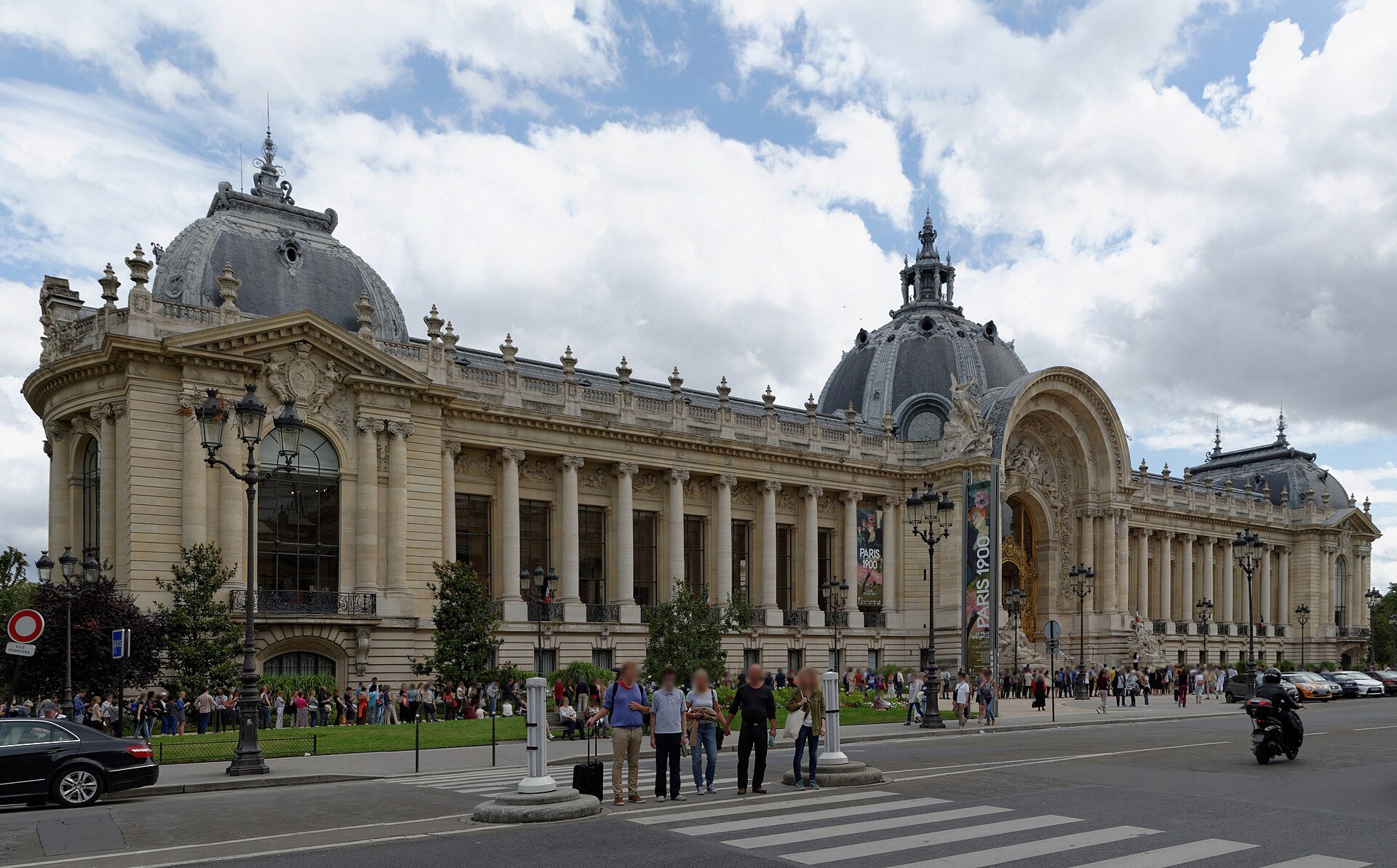
This is the City of Paris fine-arts museum. Its free permanent collection reaches from antiquity to the early twentieth century.
A few works about public image and private surroundings make an inviting selection; there is plenty to enjoy without following every period in order.
Sarah Bernhardt, with an audience in mind
Georges Clairin's Portrait of Sarah Bernhardt (1876) places the actress across a divan in her own richly furnished studio-salon. The flowing white garment and greyhound give the eye long curves to follow.
Clairin puts her above the viewer, with a direct gaze and a picture large enough to make the setting a declaration of success.
That apparent ease is enjoyable to consider beside its careful arrangement. At the 1876 Salon, Clairin exhibited the portrait while Bernhardt showed sculpture of her own.
She was an artist as well as an actress. She kept this one throughout her life, and her son gave it to the museum after her death.
Courbet’s summer scene began in the studio
In Young Ladies beside the Seine (Summer), dated 1857, two city women rest by the water. Their weight in the foreground and unguarded poses bring them close.
Pale fabric, dark foliage and small passages of river give the scene different surfaces to spend time with.
Courbet began this studio composition at Ornans in 1856. The sense of catching an immediate moment was something he constructed.
The museum describes the picture as enigmatic; the women's poses leave room for more than one reading, without requiring a settled identity or story.
Porcelain monkeys, flowers and gilded bronze
The organ clock Le Concert de singes, made around 1755–1760, brings several crafts into one playful object. Porcelain monkeys parody human performers among flowers, leaves and gilded bronze.
The figures are associated with Johann Joachim Kändler's work at Meissen, and the porcelain flowers came from Vincennes.
A monkey's gesture gives you somewhere small to begin; the change from smooth porcelain to metal gives you another detail to follow. The humour belongs to a taste for imitating human behaviour, set within an expensive display of materials and skilled work.
Guimard’s dining room in its furniture
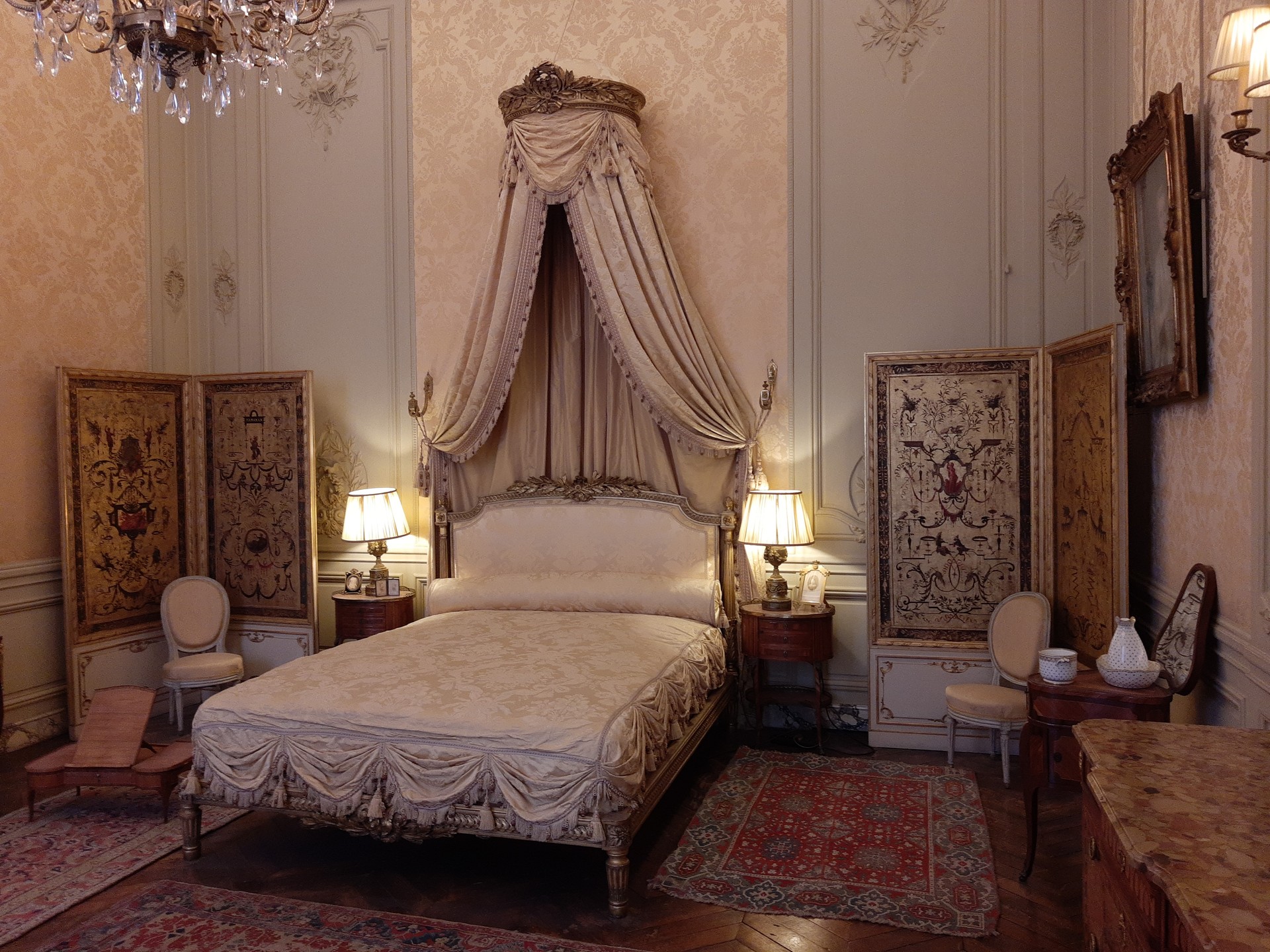
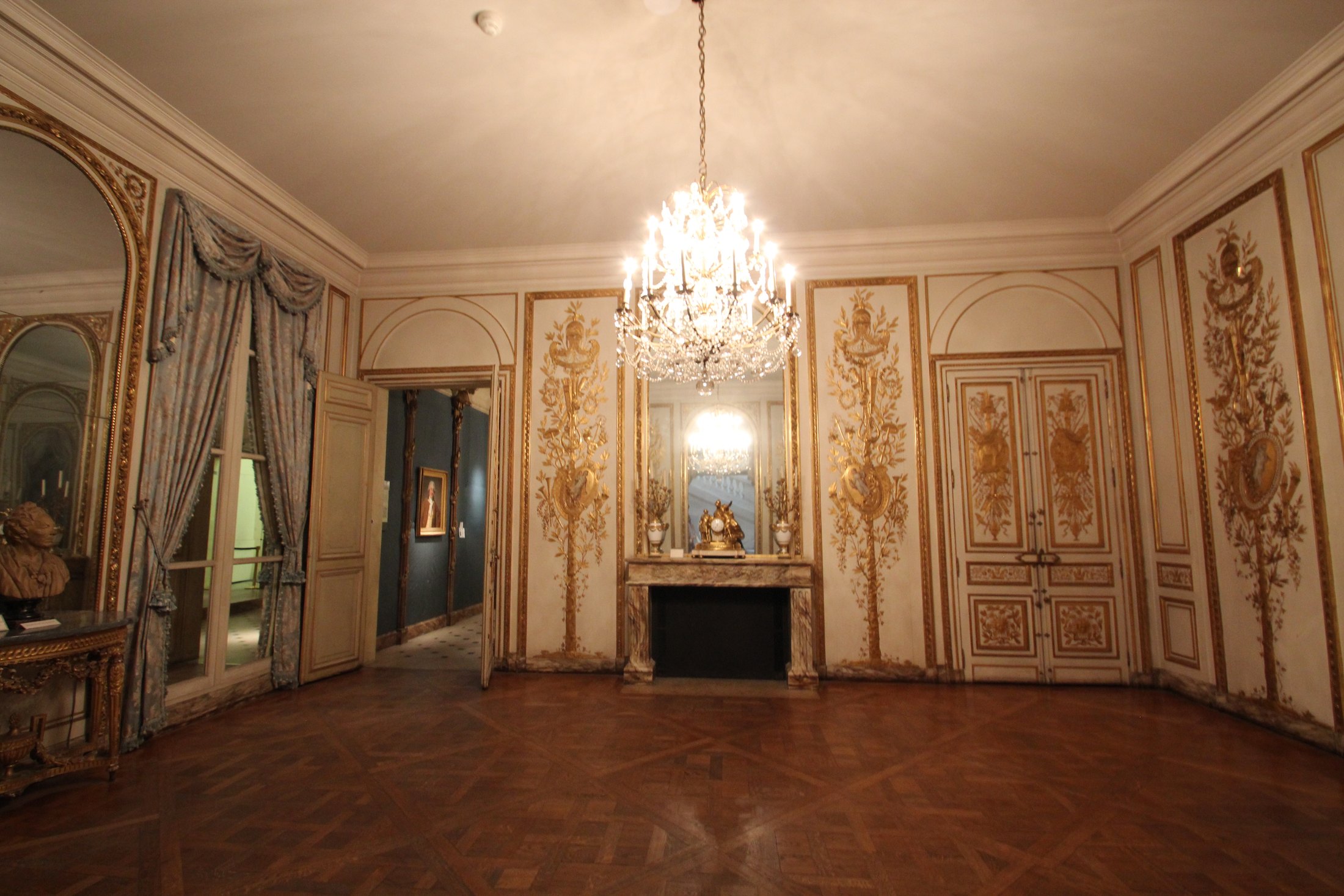
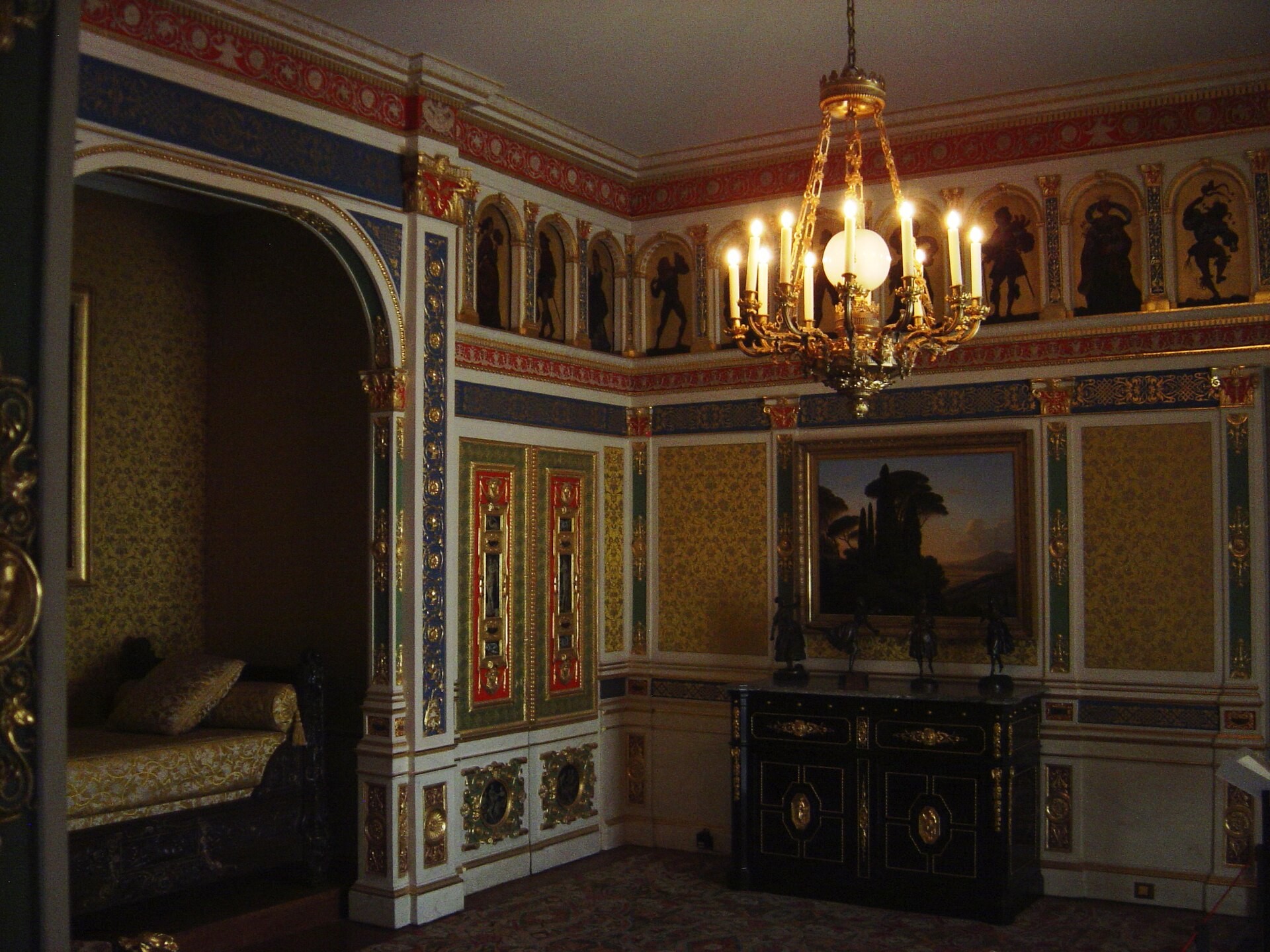
The dining-room ensemble from Hector Guimard's own Paris house dates to around 1909. He considered architecture and furnishings together, down to textiles and fittings.
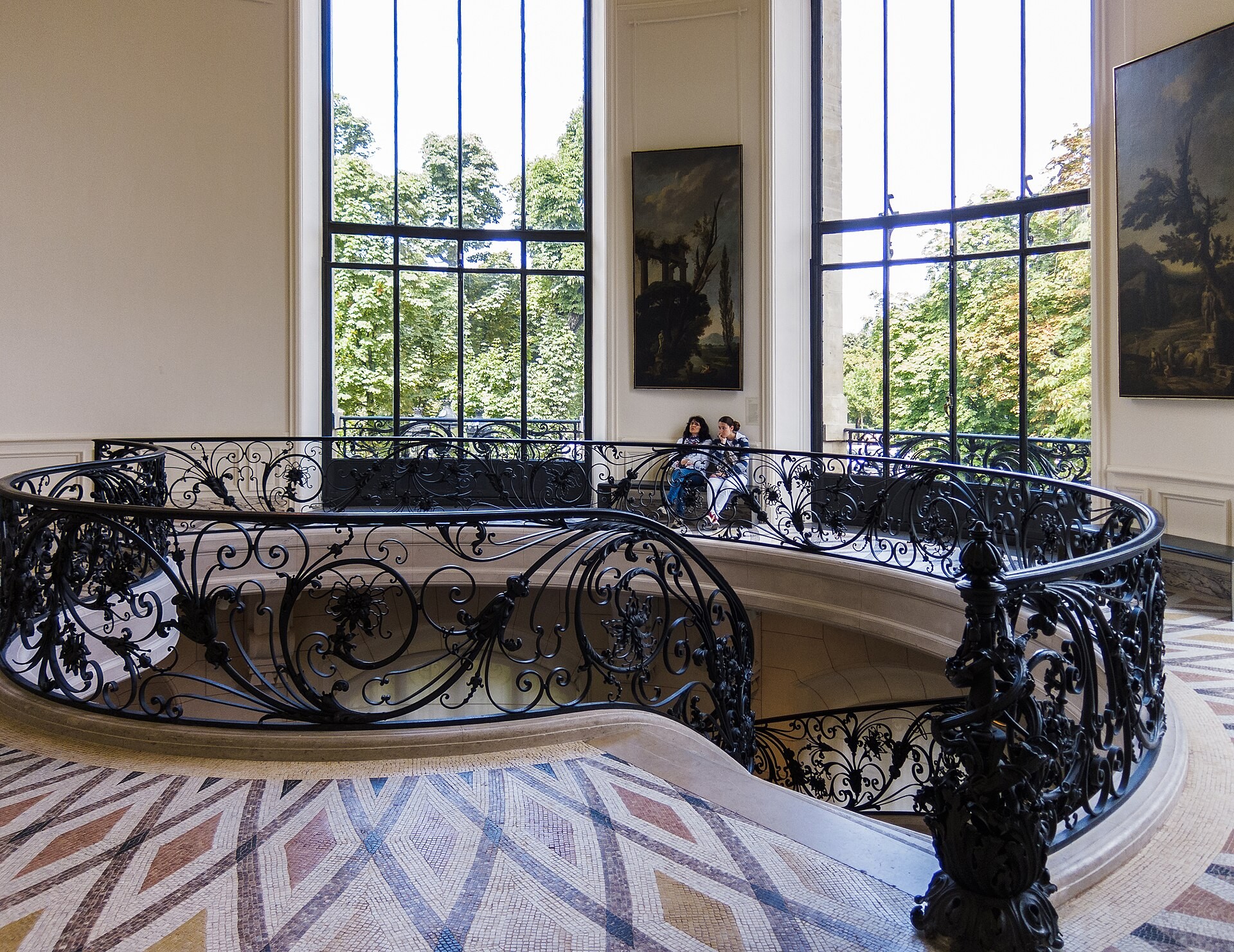
Pearwood furniture followed the panelling of the oval room. The chairs bear the initials OG, for Oppenheim and Guimard; his wife Adeline Oppenheim was a painter.
Follow the curves from one piece of furniture to another to see how Guimard designed them to work together. Even a chair contributes to the room as a whole.
You can compare his choices with the carefully arranged studio-salon in Bernhardt's portrait.
Is it right for you?
The free collection makes the Petit Palais a useful choice for a shorter visit or a lower-cost museum day. Temporary exhibitions need separate tickets.
Choose the kind of visit you want
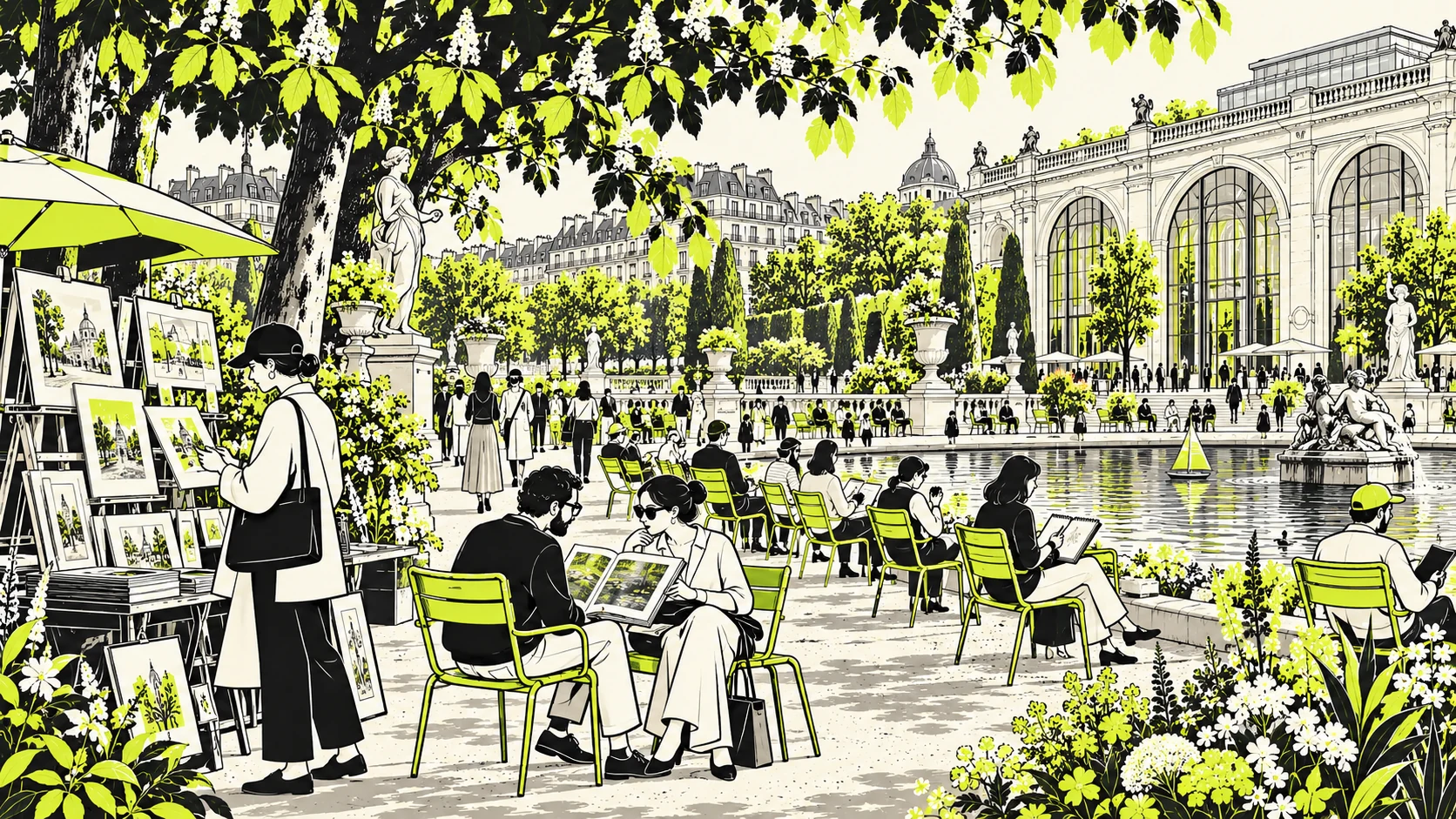
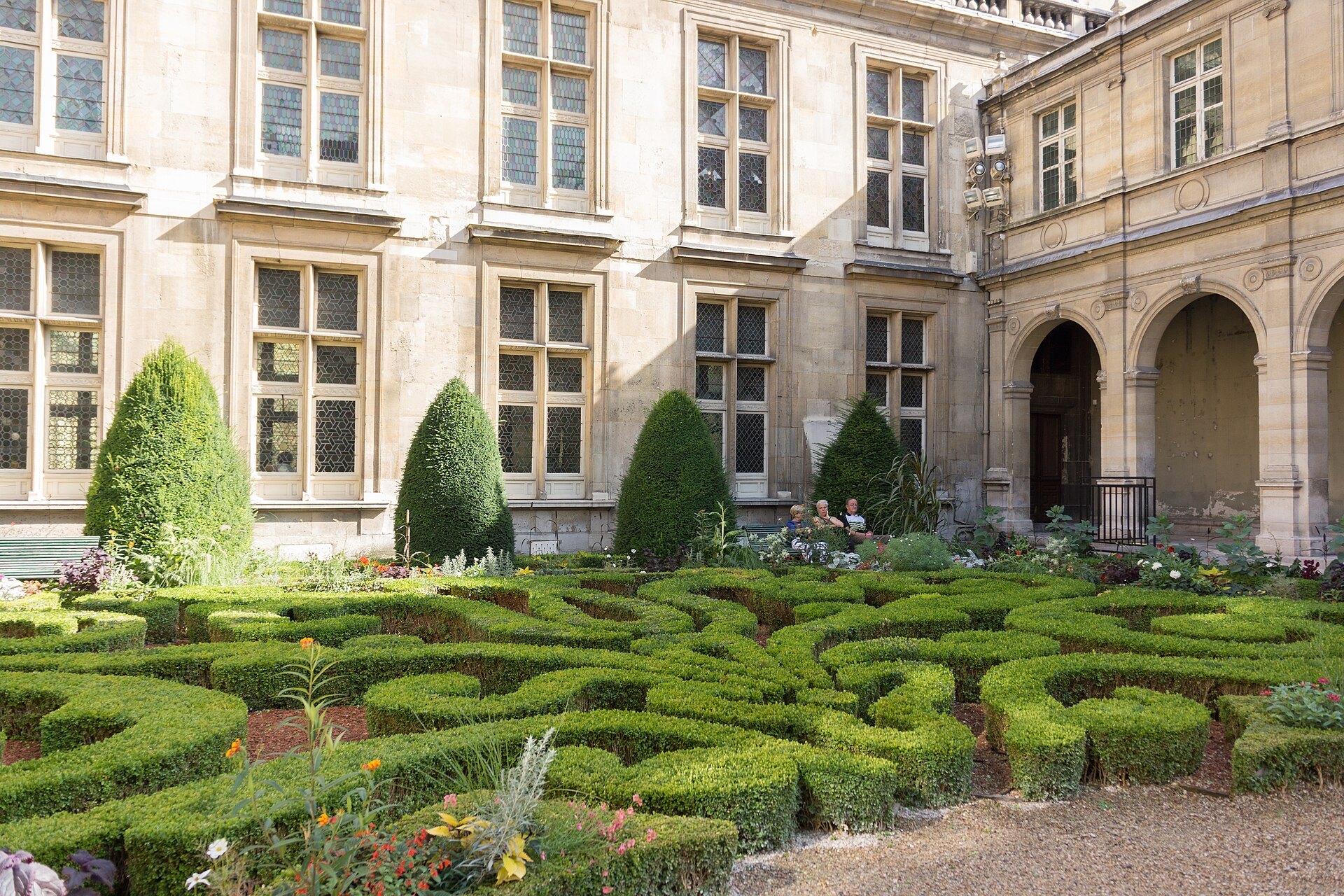
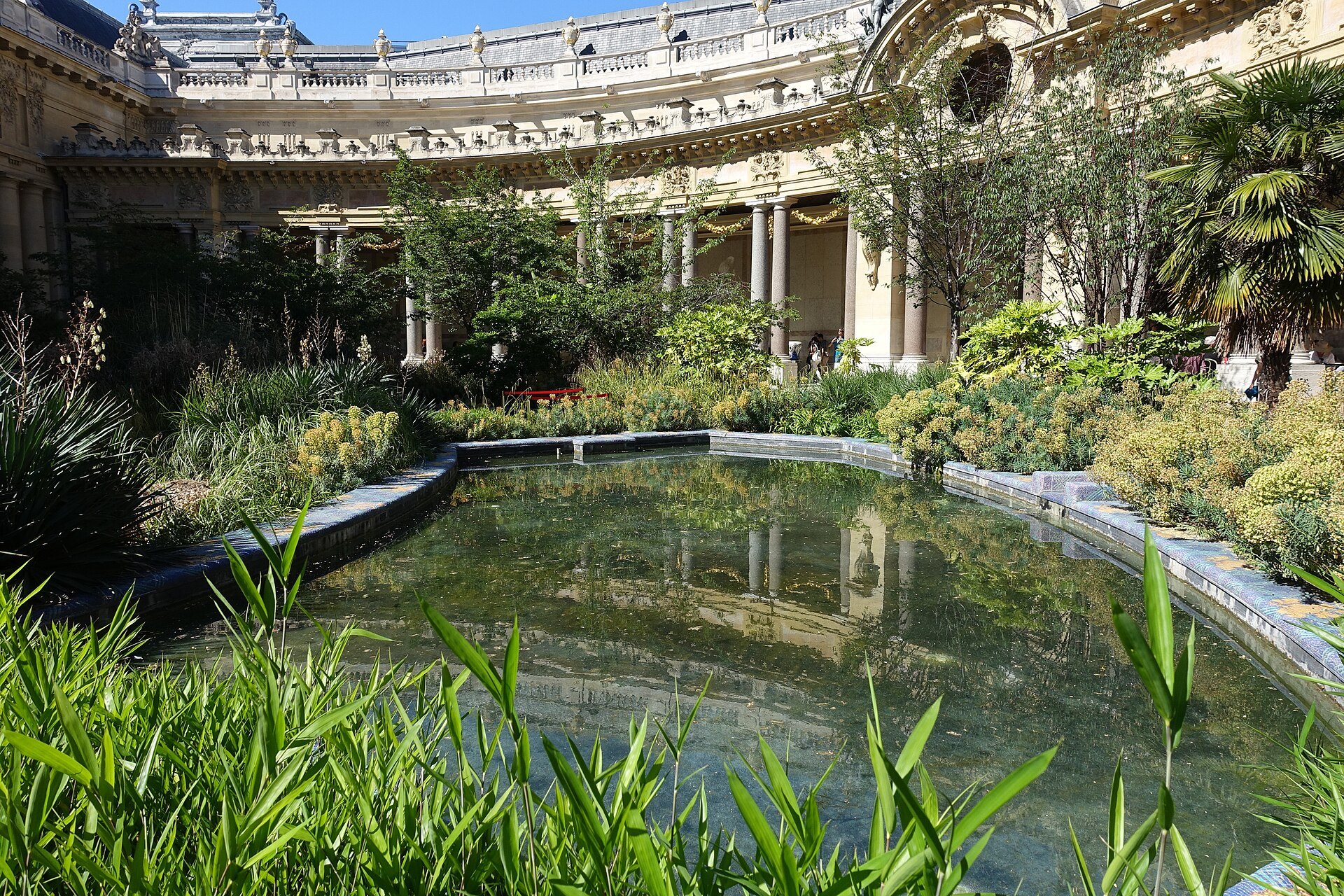
Choose the permanent collection, a temporary exhibition or both, with a garden break if weather and access allow.
If arriving after the Orangerie, note that last entry to temporary exhibitions is earlier than last entry to the collection.
For any essential work or ensemble, check current display information. The organ clock is included as an object to look at; a working demonstration is not promised.
How long to spend?
Allow about 1½–2½ hours for the collection and garden. Add time for a temporary exhibition.
Before you go
Security checks apply, and some rooms or works may be unavailable. Check holiday closures and note that Friday and Saturday late openings are for temporary exhibitions only.
Autumn 2026 exhibition
Eva Gonzalès: Parcours d’une artiste libre runs from 15 September 2026 to 24 January 2027. The full exhibition ticket is listed at €14; timed booking is strongly recommended.
Questions before you go
What is free at the Petit Palais?
The permanent collection and garden are free, and the collection requires no reservation. Temporary exhibitions have separate tickets and eligibility rules.
When should I arrive?
Usual hours are Tuesday–Sunday, 10:00–18:00, with Monday closed. Standard last admission is 17:15 for the permanent collection and 16:45 for temporary exhibitions. Check exceptional dates before setting out.
Is it the same place as the Grand Palais?
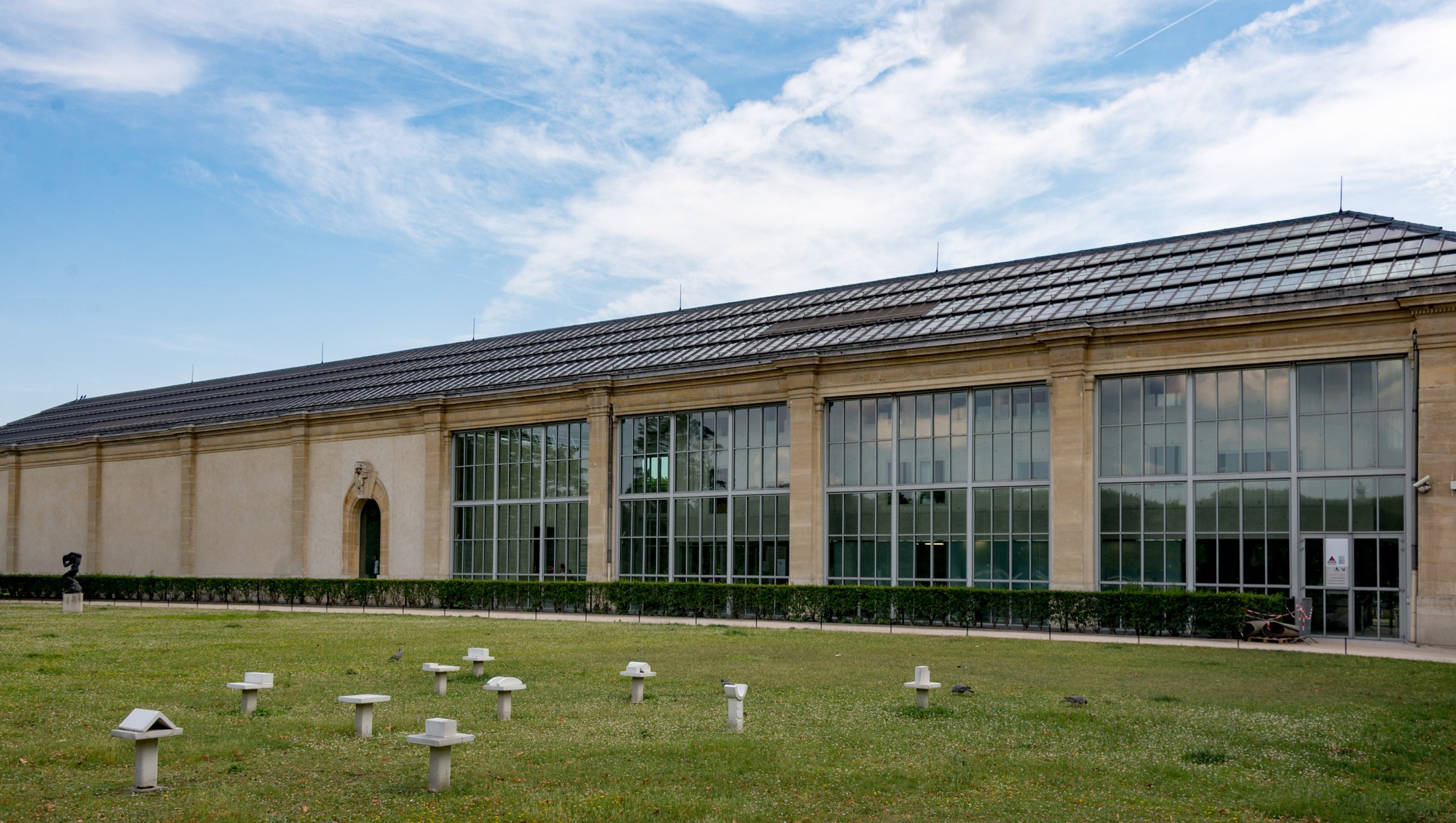
No. The Petit Palais and Grand Palais are separate venues. The Petit Palais entrance is on Avenue Winston Churchill; check the venue named on your exhibition ticket.
Last reviewed: . Check the museum’s website for current hours and ticket prices.