In this guide
Why make the detour
Marmottan is a focused choice for someone whose interest in Monet extends beyond a single famous picture. Its collection grew through major gifts, including the inheritance from the artist’s son Michel in 1966. Paintings retained by the family give the museum a particular character: a chance to think about an artist across different periods, rather than moving quickly through a broad survey of nineteenth-century painting.
Start with Monet, then change distance
Impression, Sunrise belongs to the collection, alongside paintings of the garden at Giverny and other subjects. Check loans and display notices before making one canvas the condition of a successful visit. In the late paintings, try moving between an overall view and a close look at the painted surface. The change of distance can make the relationship between recognisable landscape and energetic colour feel quite different.
Give Berthe Morisot equal attention
The museum also holds an important group of Morisot paintings, watercolours, pastels and drawings, shaped by gifts from her descendants. Her gardens, figures and landscapes offer another way to think about Impressionism. Instead of asking which painter you prefer, compare how each gives a scene movement or light. A short list of two or three works is enough for this self-guided exercise.
The house adds another layer
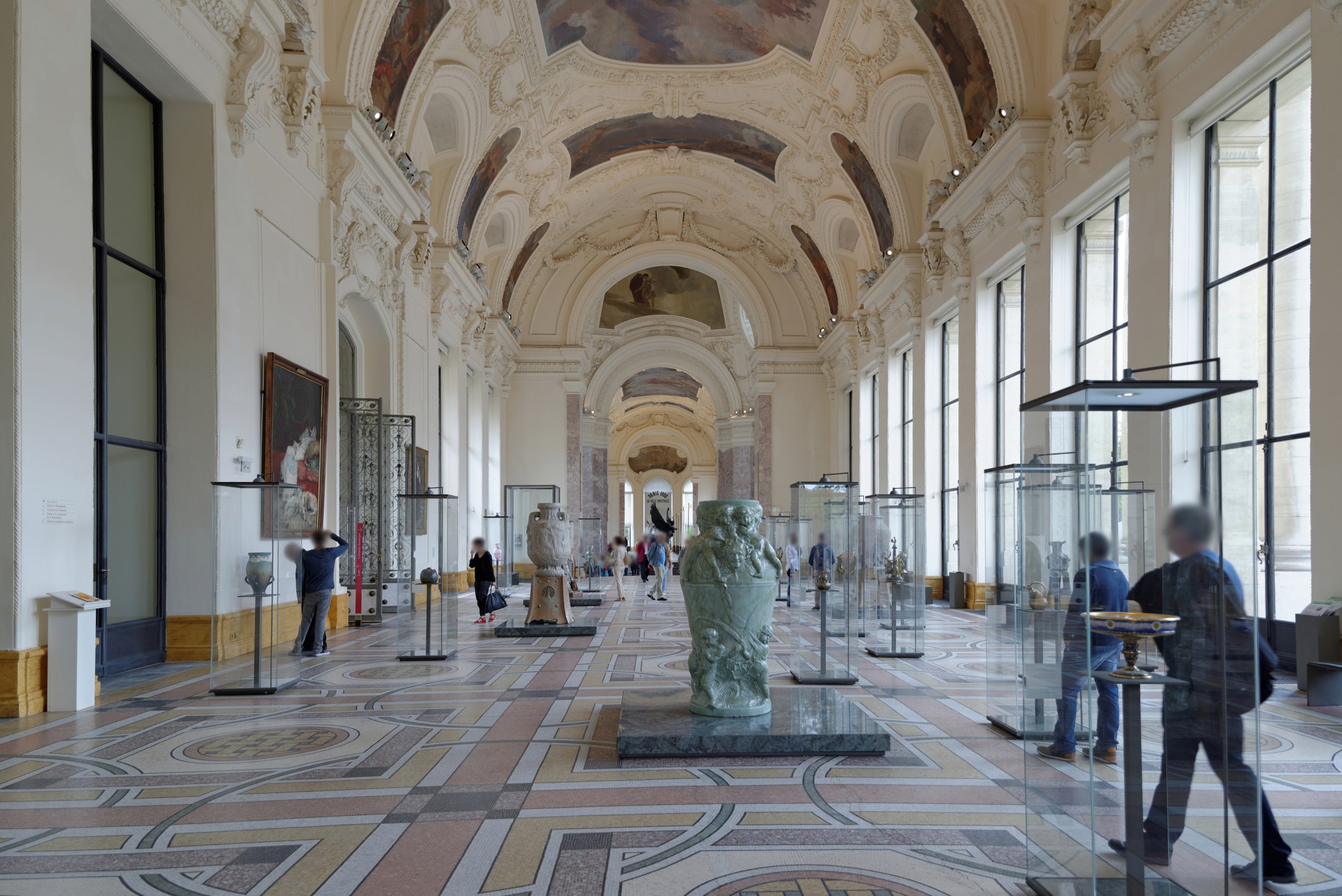
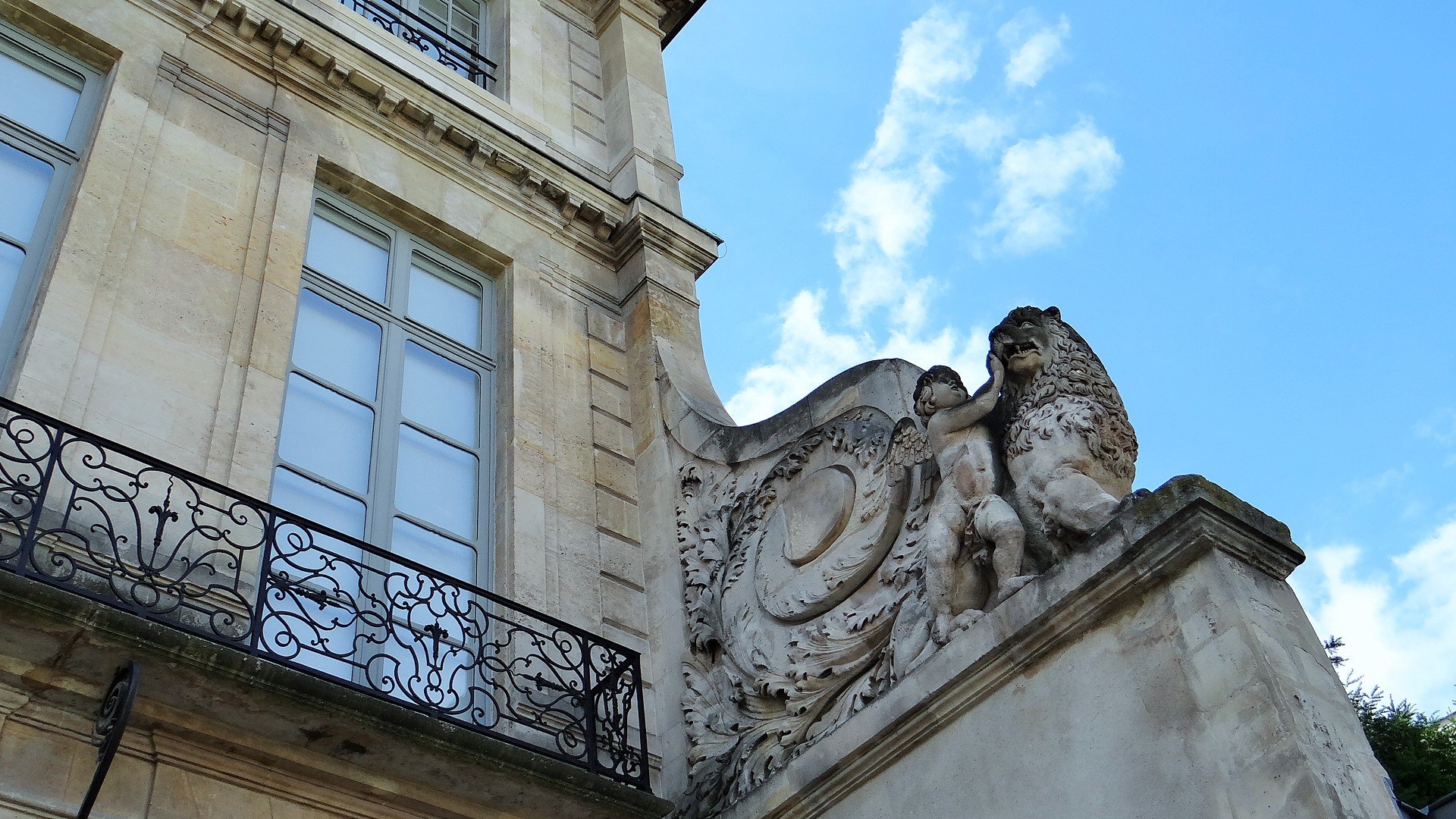
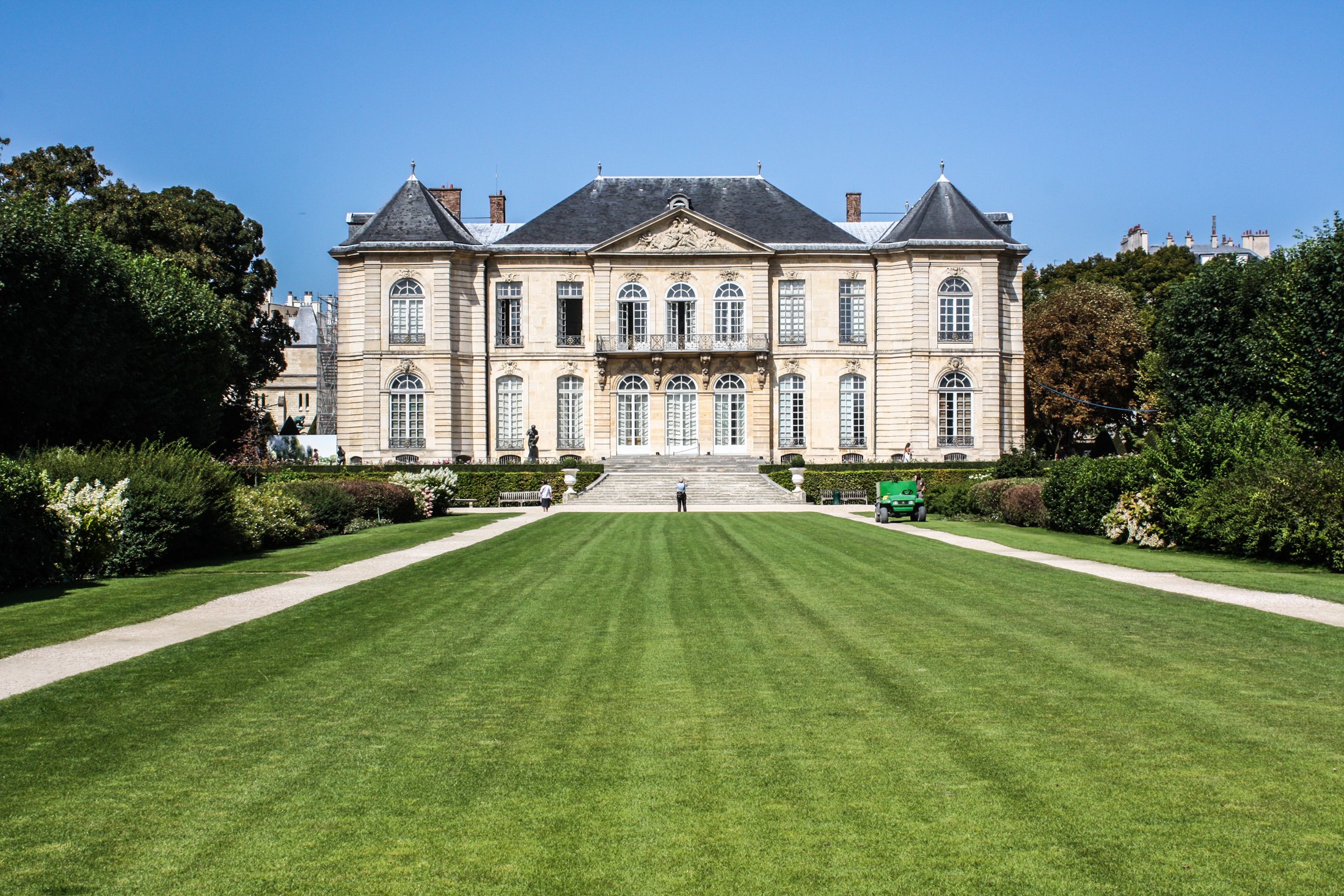
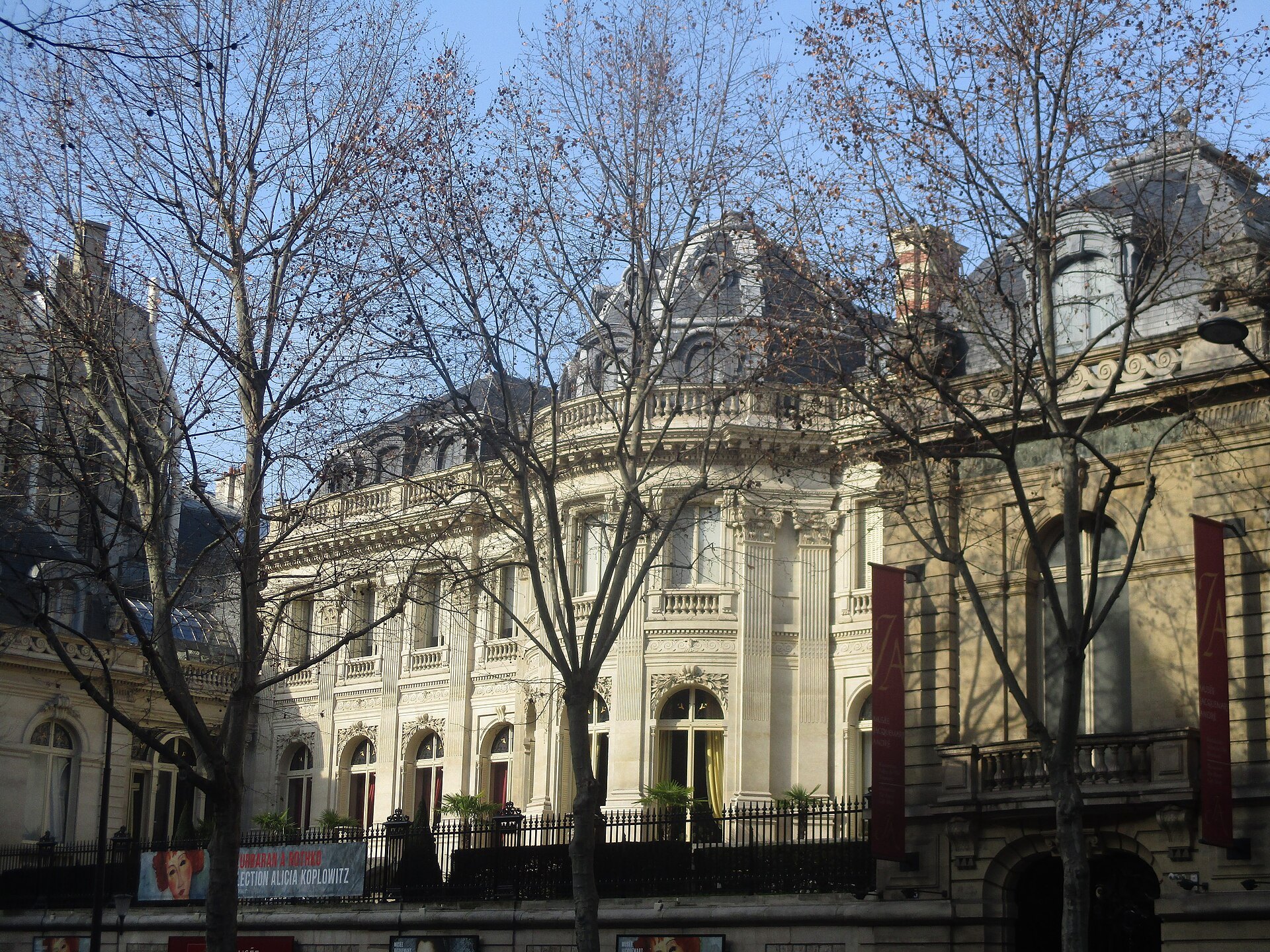
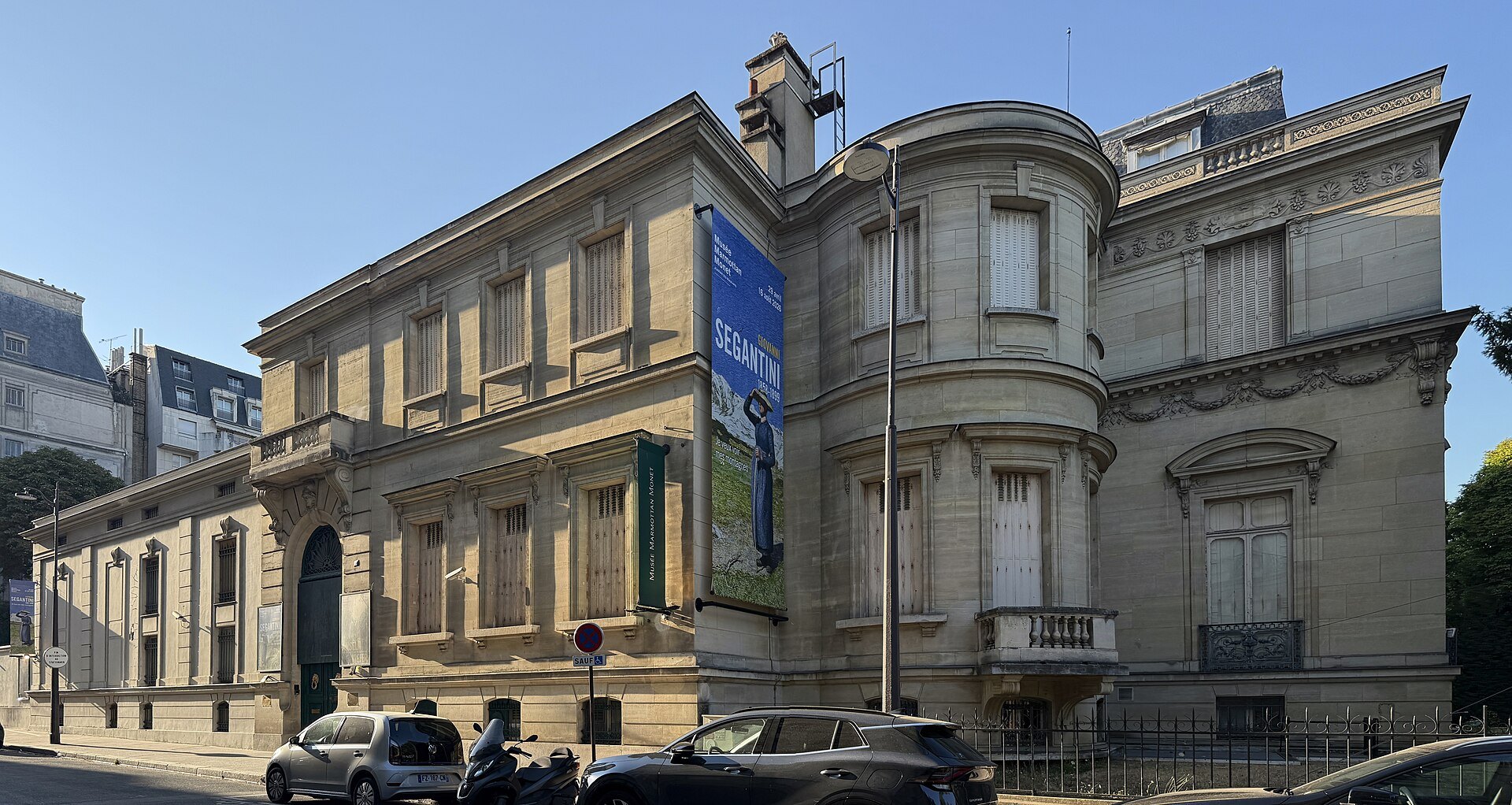
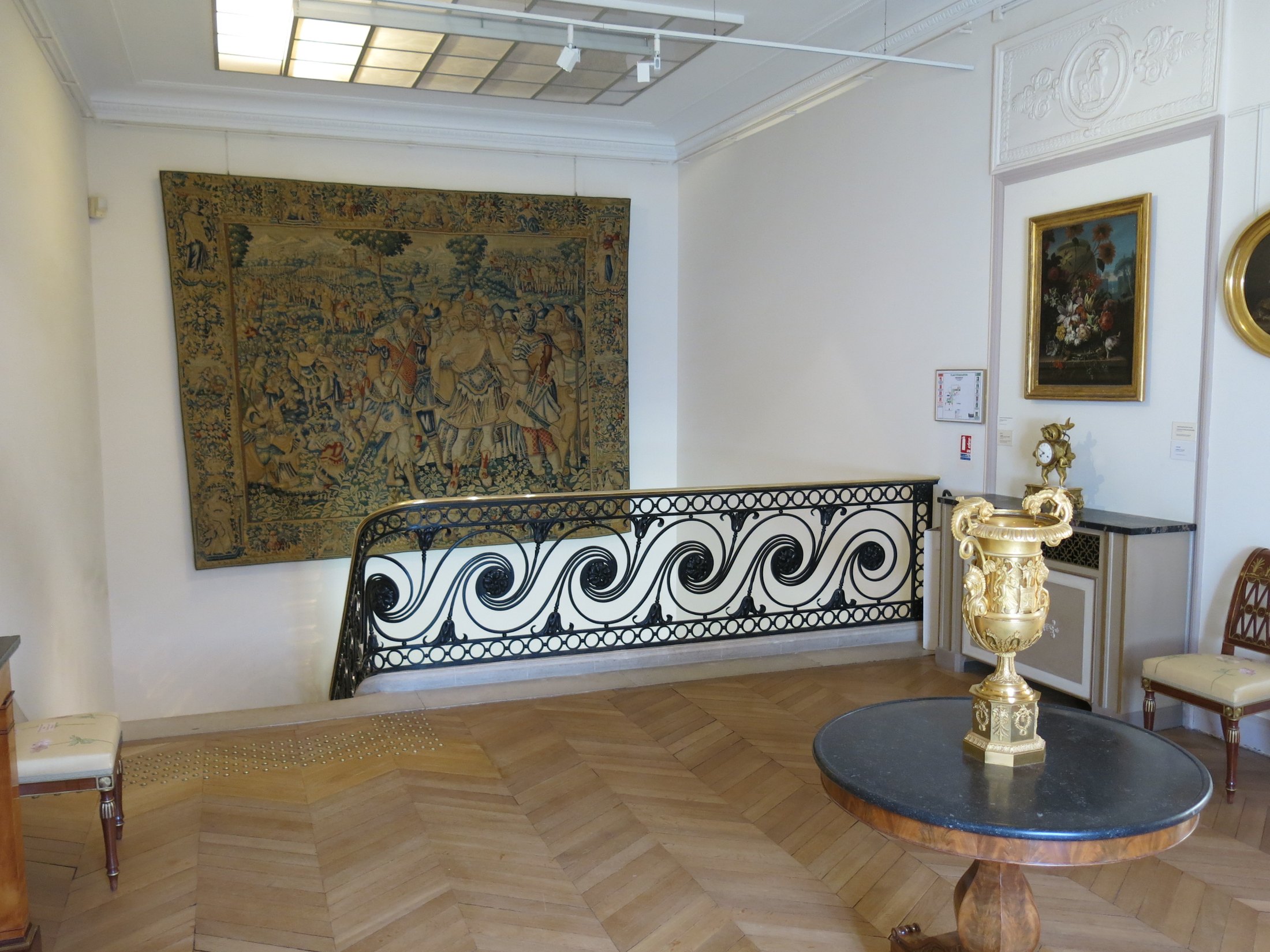
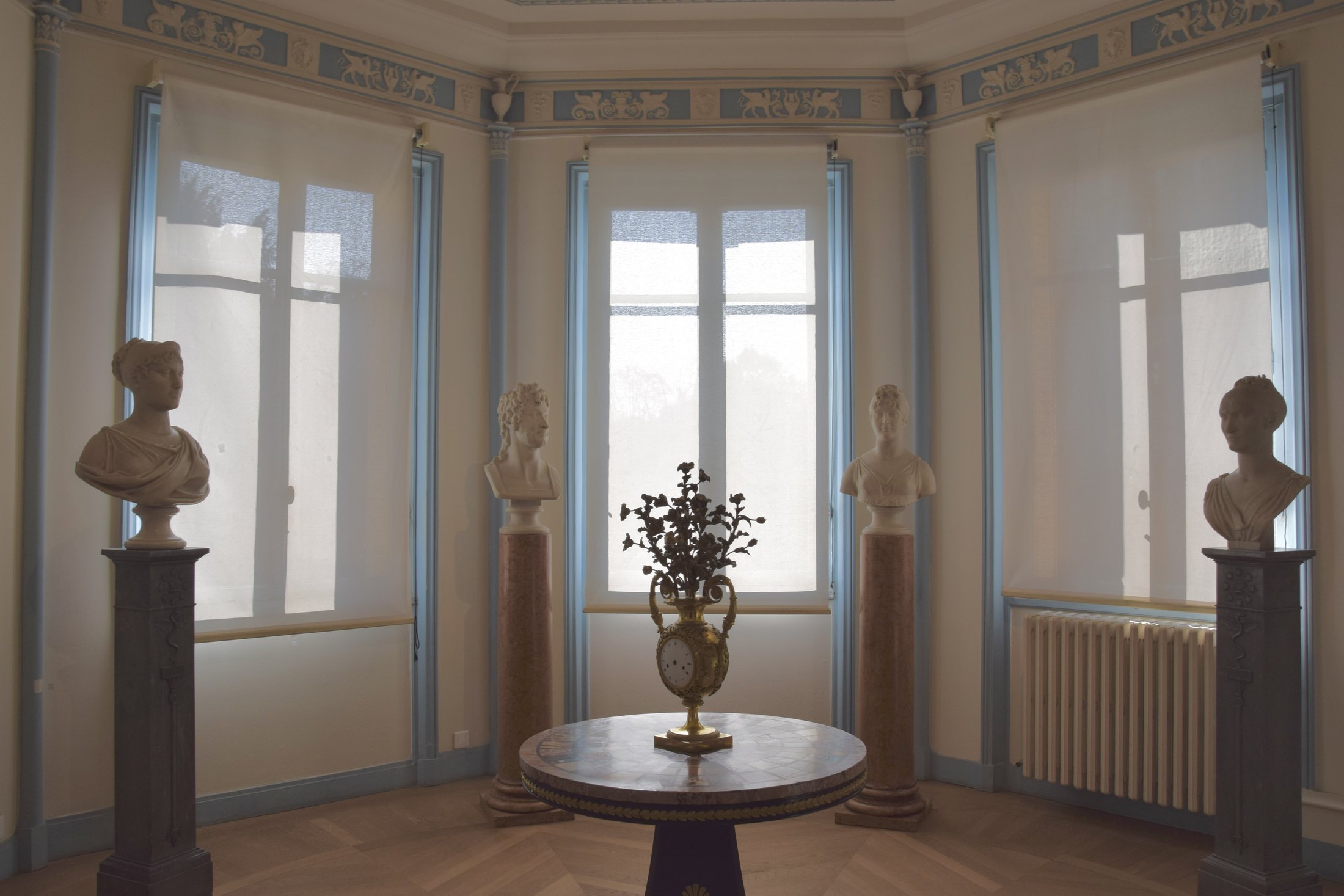
The mansion and the Ranelagh setting help distinguish this visit from the large central museums. The museum’s earlier collecting history also includes material outside Impressionism. Leave room for a few objects or rooms that do not match your original reason for coming; they explain why this is a collection assembled over time, rather than a purpose-built monument to one artist.
Swipe or scroll to see more.
A manageable afternoon
Begin with the collection that matters most to you, then choose between the temporary exhibition and a slower return through favourite rooms. Allow about 1½–2½ hours, or longer with an exhibition. This is an editorial estimate, excluding travel and queues. Marmottan suits a repeat Paris visitor or a first-timer with a strong interest in painting; it is less convenient as an impulsive stop between central sights.
Autumn 2026 programme
Histoires de paysages. De Monet à Hockney (1890–2026) runs from 24 September 2026 to 31 January 2027. The exhibition connects Monet with later approaches to landscape. Check the museum’s current programme before booking, especially if a particular artist is your main reason to go.
Practical details worth checking
Thursday opening extends to 21:00, but last entry is an hour earlier. Most rooms offer wheelchair access; the first-floor arrangement needs particular checking because the museum specifies a standing lift. Review your route with the museum if that affects your visit. A quieter-looking residential setting does not guarantee uncrowded galleries.
Questions before you go
How much is admission?
The official full onsite rate is €14, including permanent collections and temporary exhibitions. Reduced and free categories require proof. Confirm the online total before paying.
Must I reserve a time slot?
No. The museum says reservations are optional and tickets can be bought onsite. Online tickets use a selected time; check the conditions attached to your purchase.
Is this Monet’s house at Giverny?
No. This is the Paris museum at 2 rue Louis-Boilly. Giverny is a separate destination outside Paris, requiring its own travel planning.
Last editorial review: . Opening patterns and prices are a dated snapshot. Check the official venue for your exact date.
Compare a guided visit or ticket
Ordinary, untracked booking links. No affiliate commission is currently enabled for these offers.

Includes the permanent collection and temporary exhibitions. Compare the final price and cancellation terms with official admission; an audioguide is an optional extra.