In this guide
Light, glass and a circle of concrete
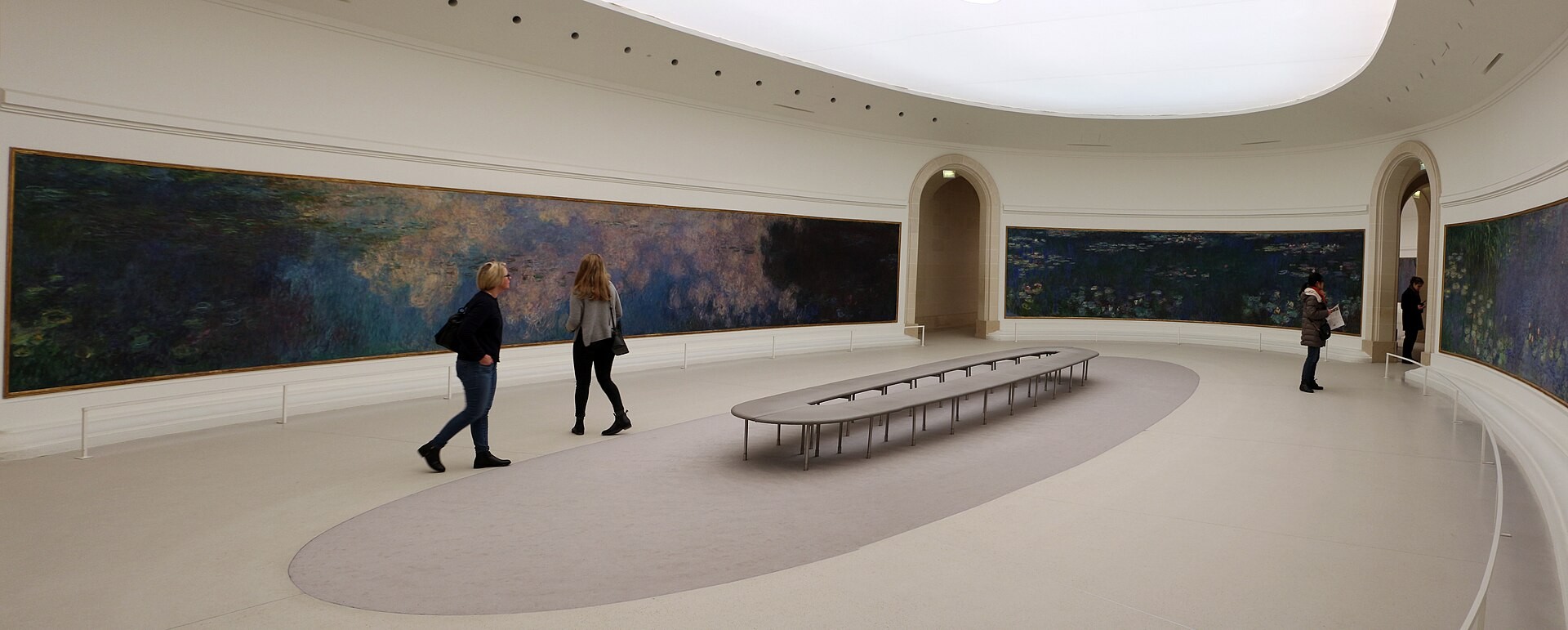
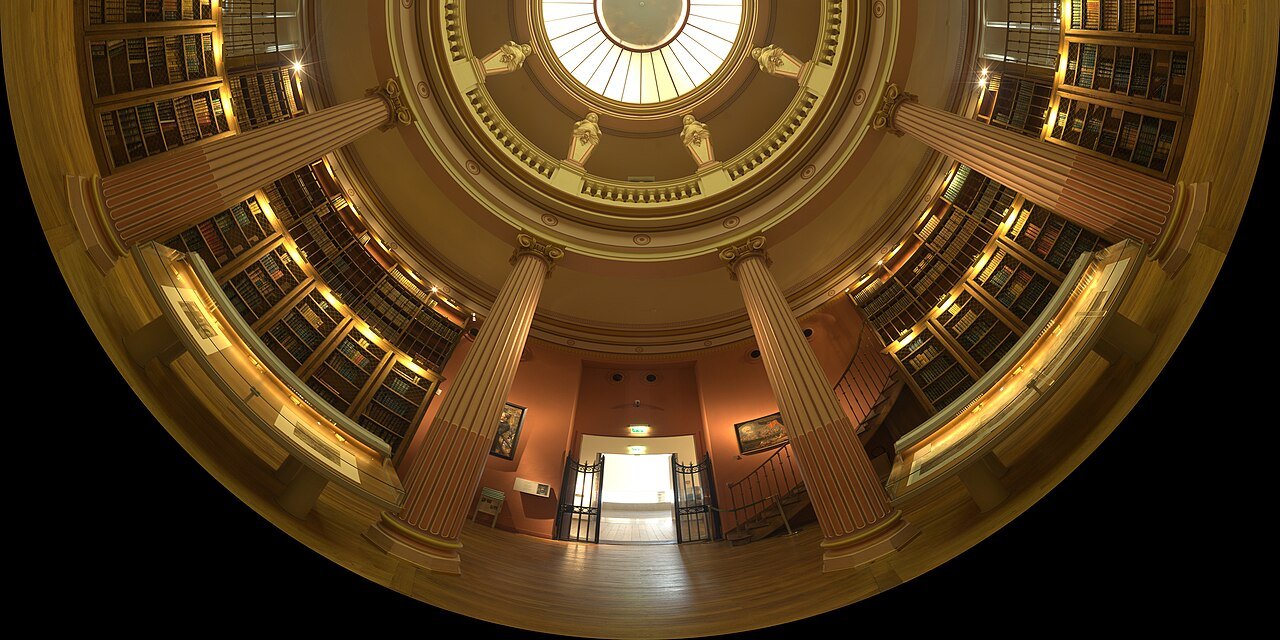
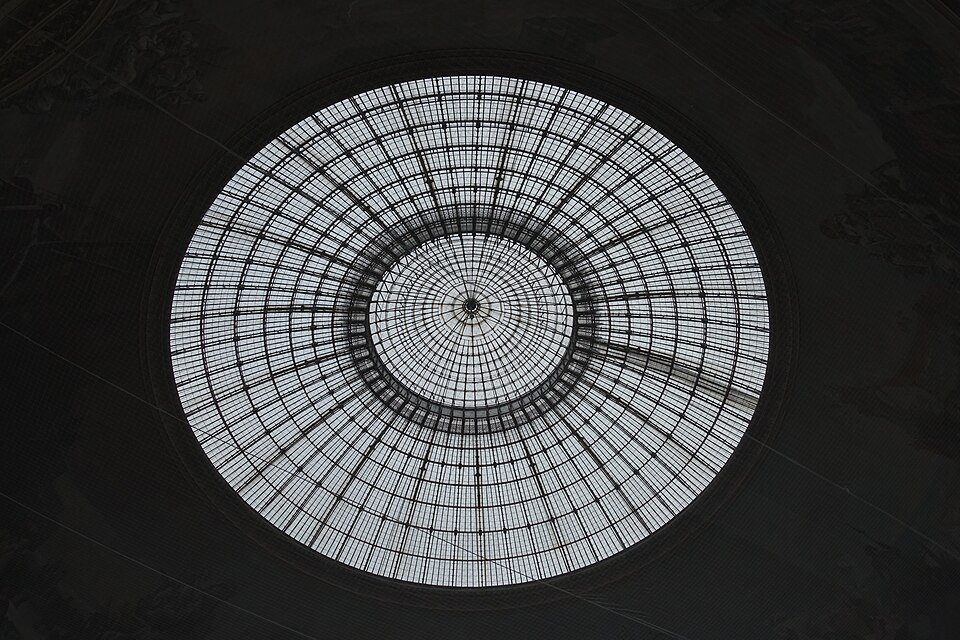
Light arriving through iron and glass meets a plain curve of concrete. The Bourse de Commerce offers two scales to spend time with: the dome overhead and the circle around you.
The old trading building and Tadao Ando's intervention make their different moments visible in the same space.
It's worth leaving time for both the building and the current show. A photograph may hold you longer than expected; so may a room full of words and sound.
A new room inside an old one
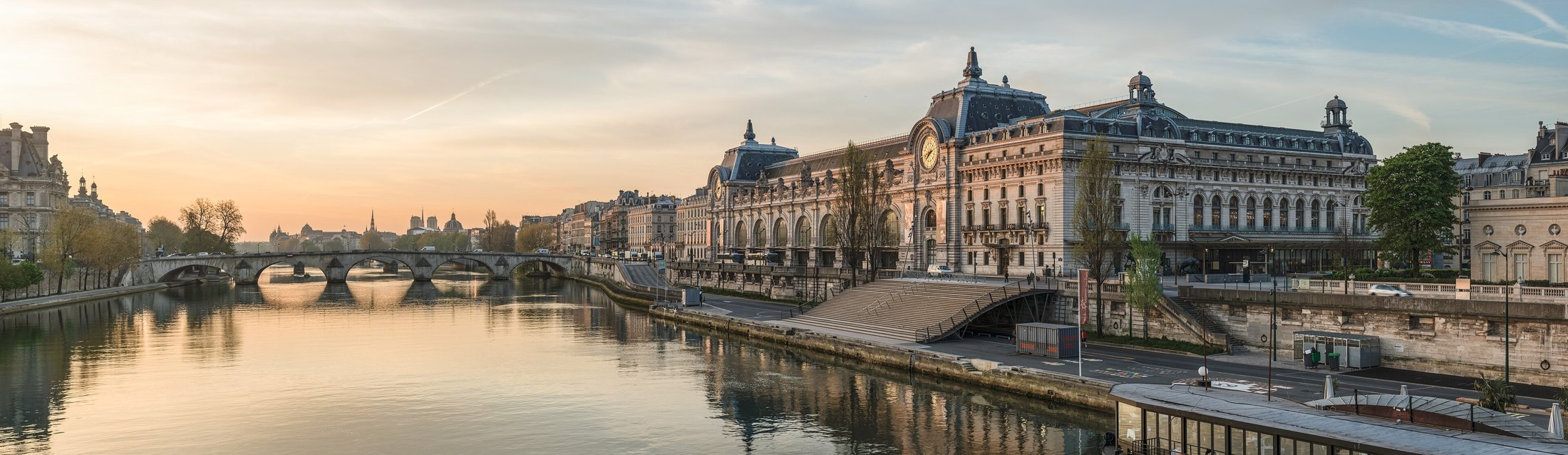
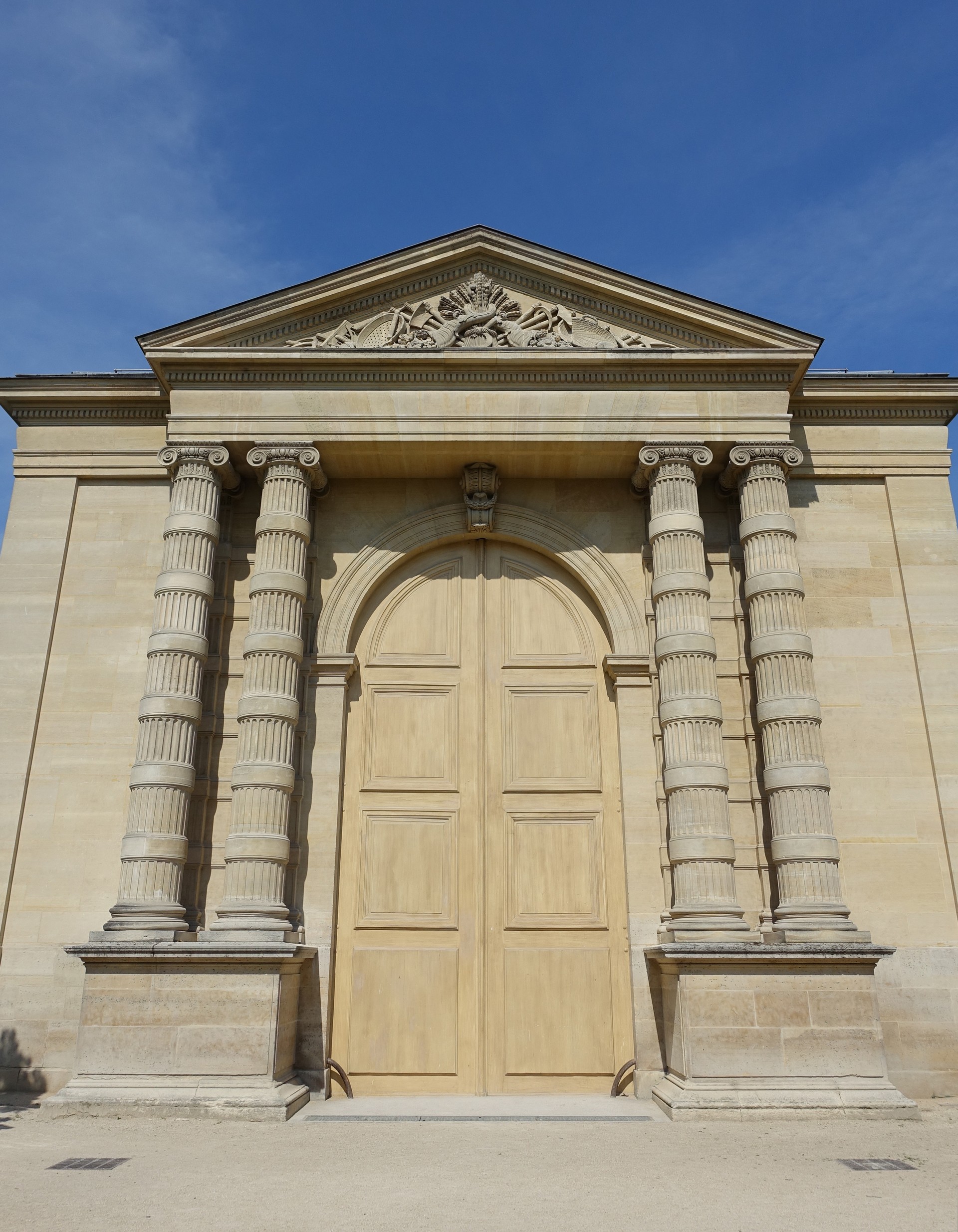
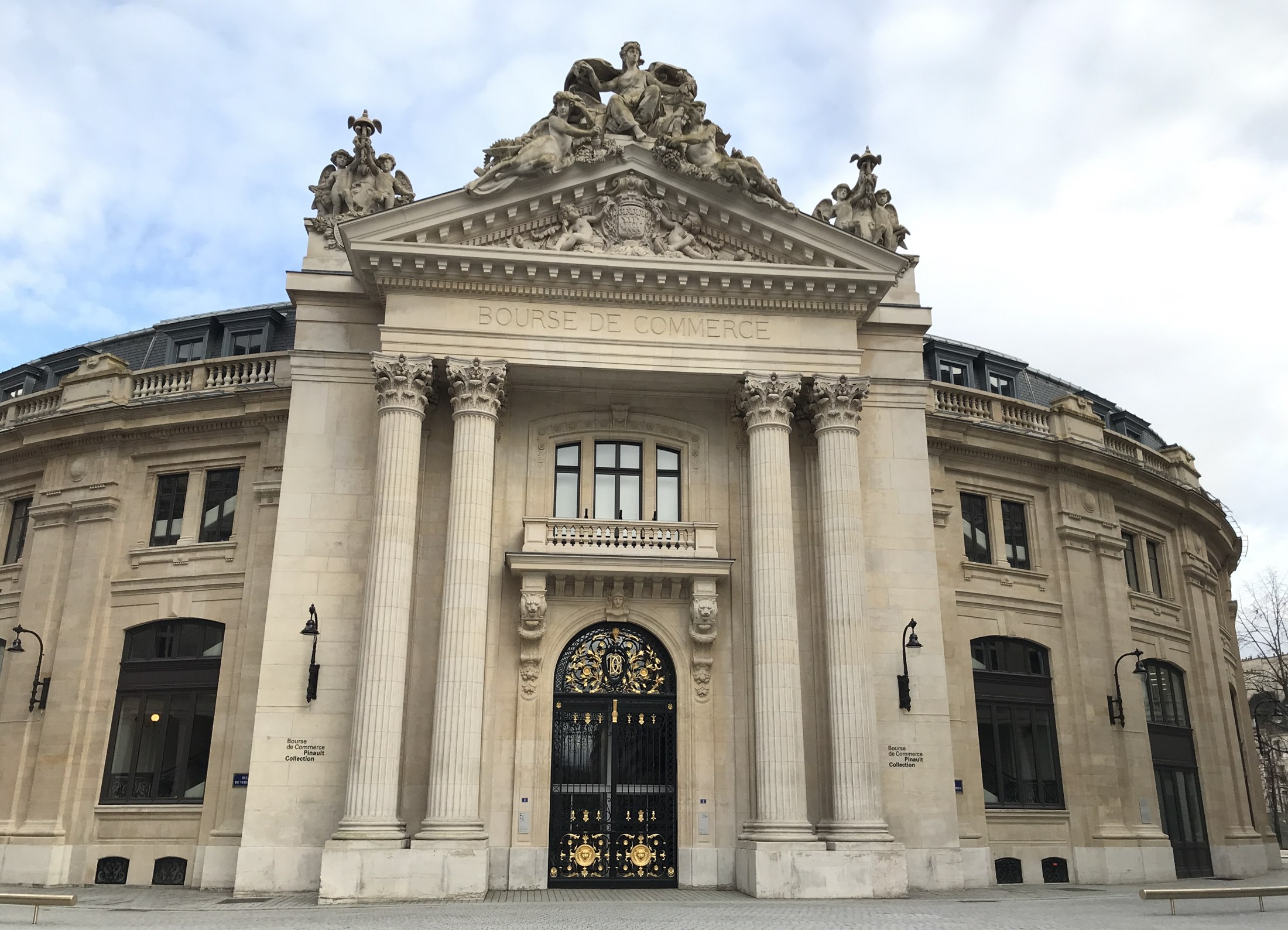
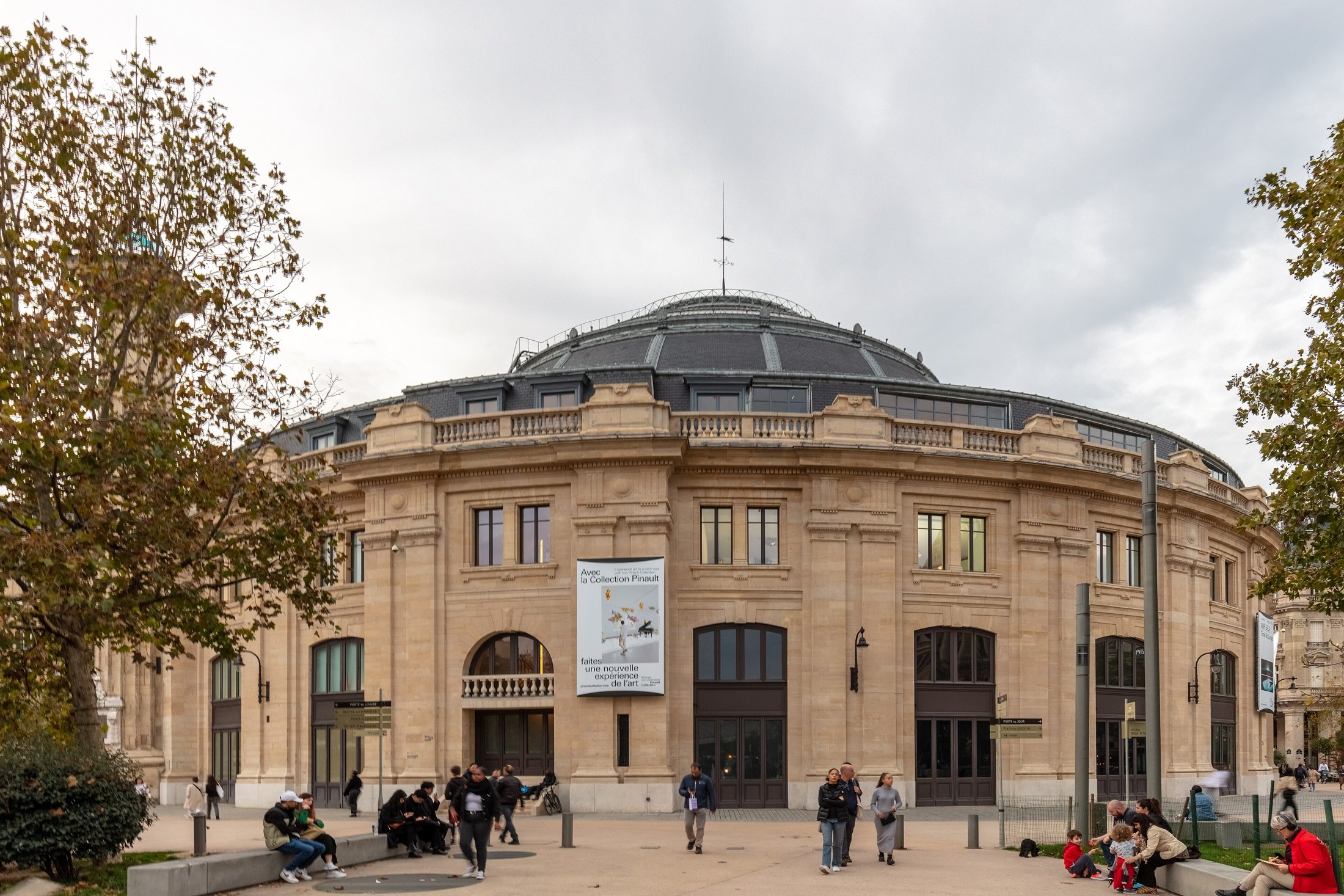
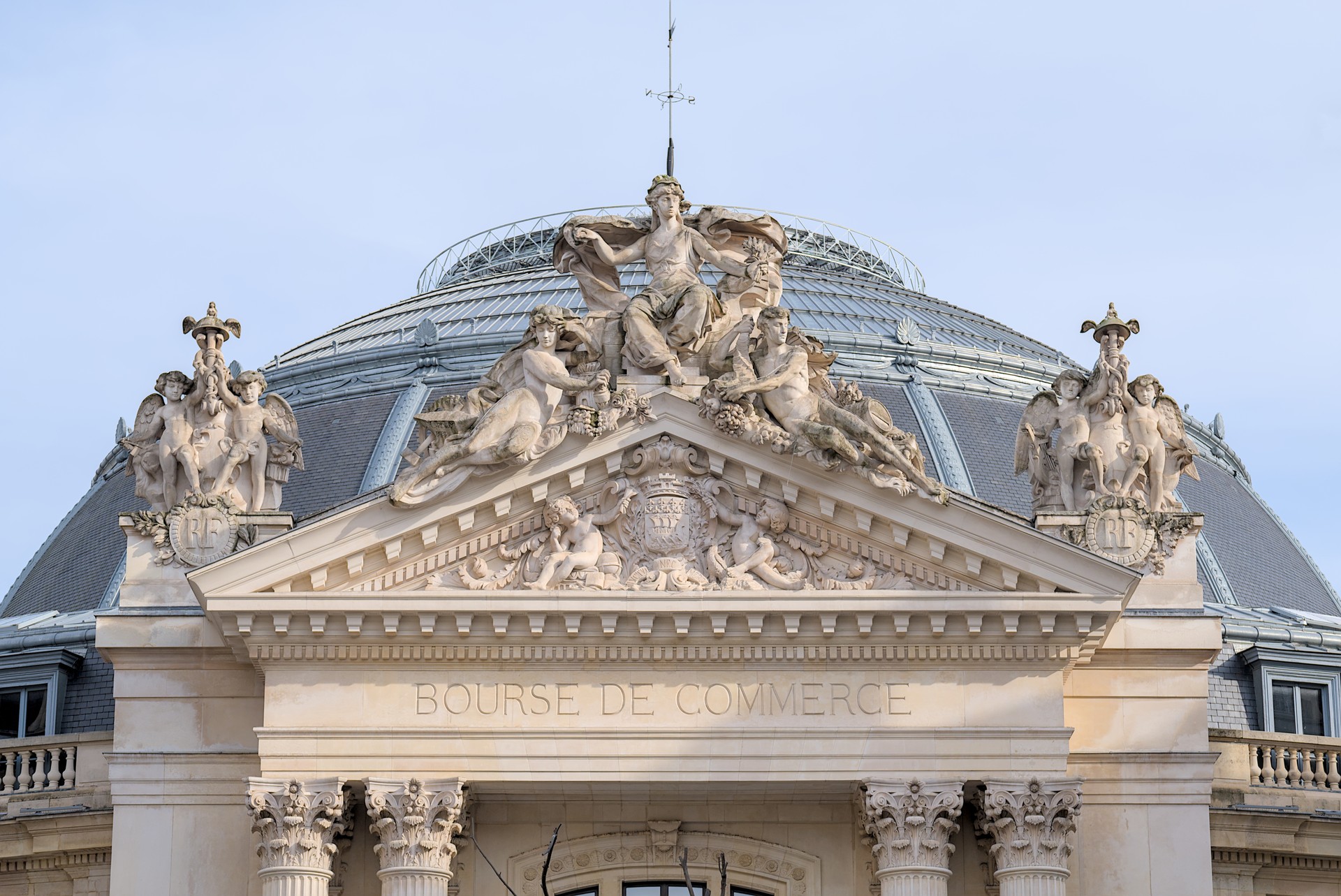
The circular plan began with an eighteenth-century grain market. An iron-and-glass dome covered the centre in 1812, and the building became a commodity exchange in 1889.
The museum opened in 2021 after a project combining Tadao Ando's concrete circle with work by NeM / Niney et Marca Architectes and Pierre-Antoine Gatier.
Glass lets light in from above, iron describes the dome's structure, and concrete gives a new edge at ground level. In his published account, Ando describes preserving the existing building while creating another world within it.
The gap between the two architectures gives that intention a physical form to look at.
What restoration brought back into view
The dome needed more than a cleaned surface. Gatier's published account describes reinforcement of its cast-iron structure to meet contemporary demands while keeping its character.
The team also found fragments of 1889 world and trade maps behind later technical installations.
Another discovery lay inside the Medici Column. Marks in its stairwell ranged from eighteenth-century graffiti to traces of the Occupation and Liberation of Paris.
These are documented restoration discoveries, not places promised on a public visit. They add a smaller scale to the building's history: individual marks left within monumental architecture.
Leave time for the art, too
The Pinault Collection appears through temporary selections, with no fixed permanent-collection circuit. Painting, sculpture, photography, video, sound and installation can all shape a visit.
The current exhibition is worth choosing your date around, with running time added for films, performances or other work you want to stay with.
Autumn 2026: Penn’s unlikely comparisons
The World According to Penn, listed through 10 January 2027, brings portraits and fashion photographs into the company of tradespeople, cigarette ends and flowers. Its arrangement is neither straightforwardly chronological nor thematic.
Subjects that seem to have little in common offer a useful pair to spend time with.
Penn often used a simple canvas or paper backdrop. With surroundings removed, a stance, a worn surface or the curve of a stem becomes more noticeable.
A prestigious sitter and an overlooked object can each occupy the picture with surprising force. The repeated discipline of composition gives different subjects something to share.
Autumn 2026: a room of words with Barbara Kruger
Barbara Kruger's The History of Tears, listed through 25 January 2027, was conceived for the Rotunda and its surrounding display cases. Filmed words appear across the curved walls, accompanied by sound; the cases become lightboxes.
Two videos bring faces, looks and language into the same environment.
You might start by following one sentence, then notice the other words, voices and faces around it. The room can make it hard to take in every message at once.
That pressure on your attention is part of the encounter with Kruger's work.
Is it right for you?
Choose the Bourse for a visit that gives contemporary art and the architecture around it equal attention.
Choose what you want to spend time with
The rotunda is a useful beginning. From there, the current exhibition map can help you choose the works that interest you most.
Talks, performances and other events may need separate booking.
Les Halles and the Palais-Royal offer nearby possibilities for a walk afterwards.
How long to spend?
Allow roughly 1½–2½ hours for the building and exhibition, or longer if you want to watch video works in full. Meals and scheduled events take additional time.
Before you go
Rooms and installations change between exhibitions. Consult the current programme for works involving darkness, sound or challenging subject matter.
Autumn 2026 exhibition
Remember Me is listed through 18 January 2027. The photography exhibition includes work by Dorothea Lange, Man Ray, Cindy Sherman and Wolfgang Tillmans.
Questions before you go
Is there a permanent collection route?
The museum presents rotating exhibitions from the Pinault Collection. Check the programme for your date.
What are the usual hours and price?
The usual hours are 11:00–19:00, with Friday opening until 21:00 and Tuesday closed. At the time of checking, standard admission was listed at €15; check whether you qualify for a reduction.
Are there free opening periods?
The museum lists a free late opening on the first Saturday of each month, 17:00–21:00. Check booking and capacity conditions for your date.
Last reviewed: . Check the museum’s website for current hours and ticket prices.