
1 / 5
04 / AMERICAN ART
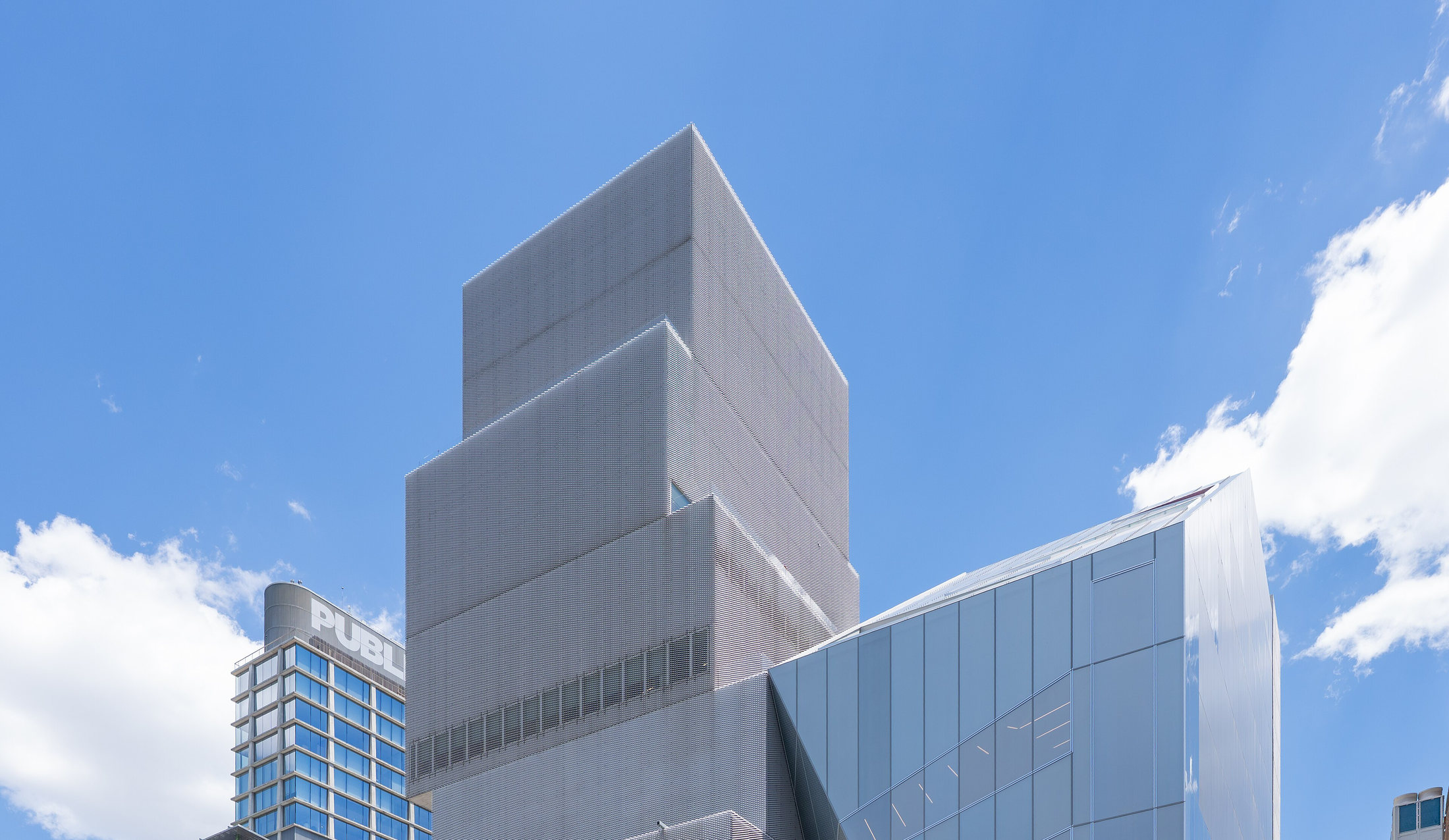
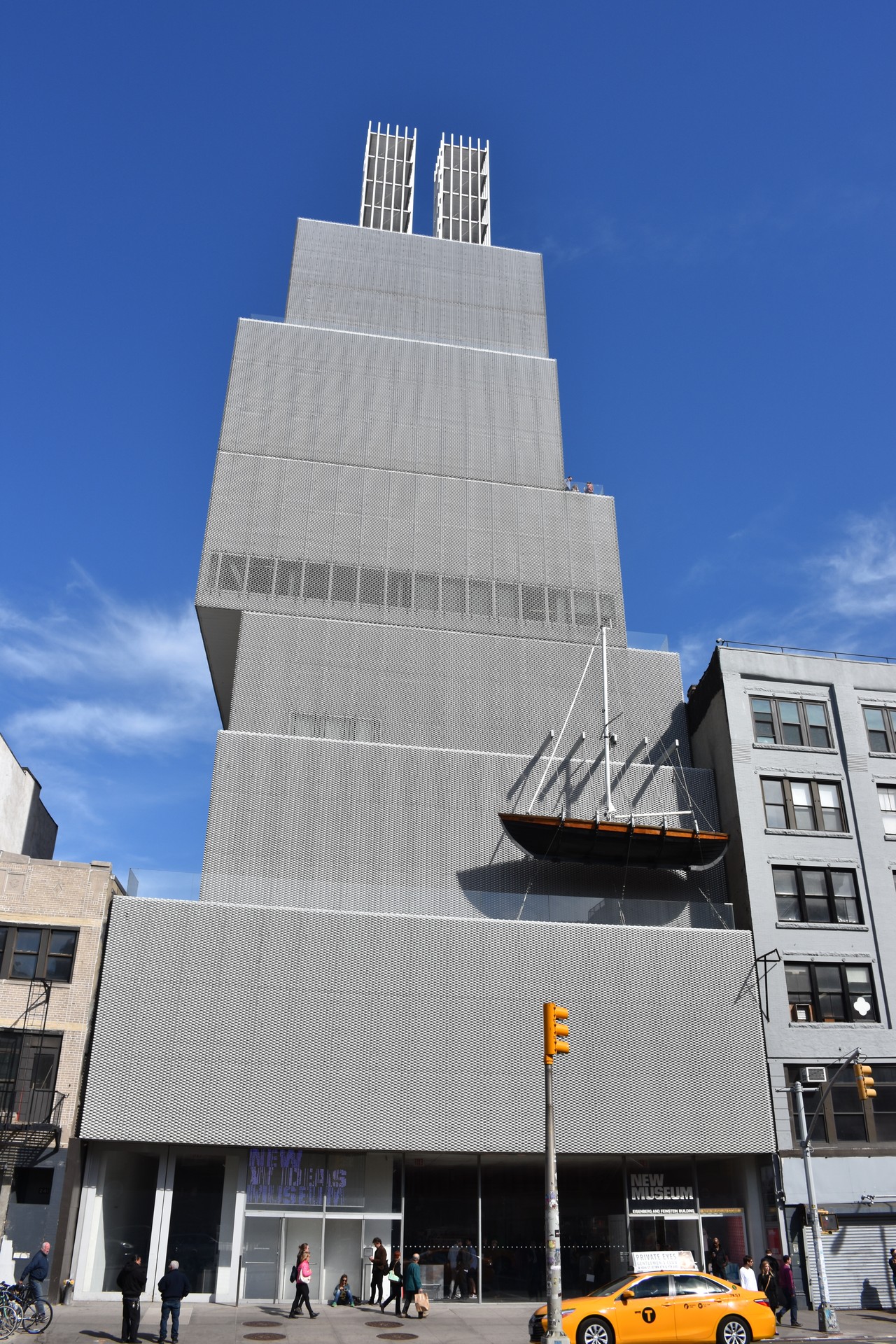
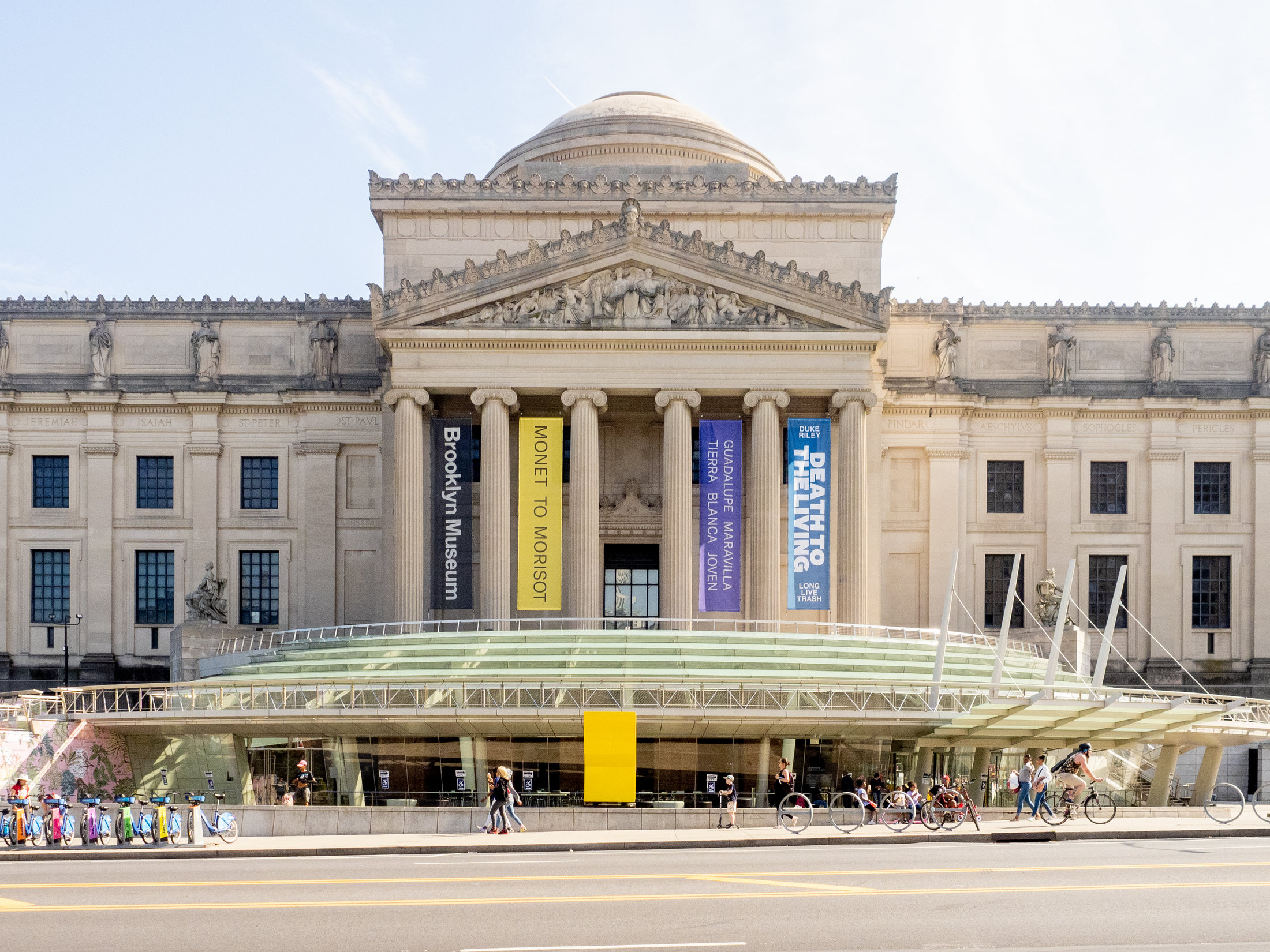
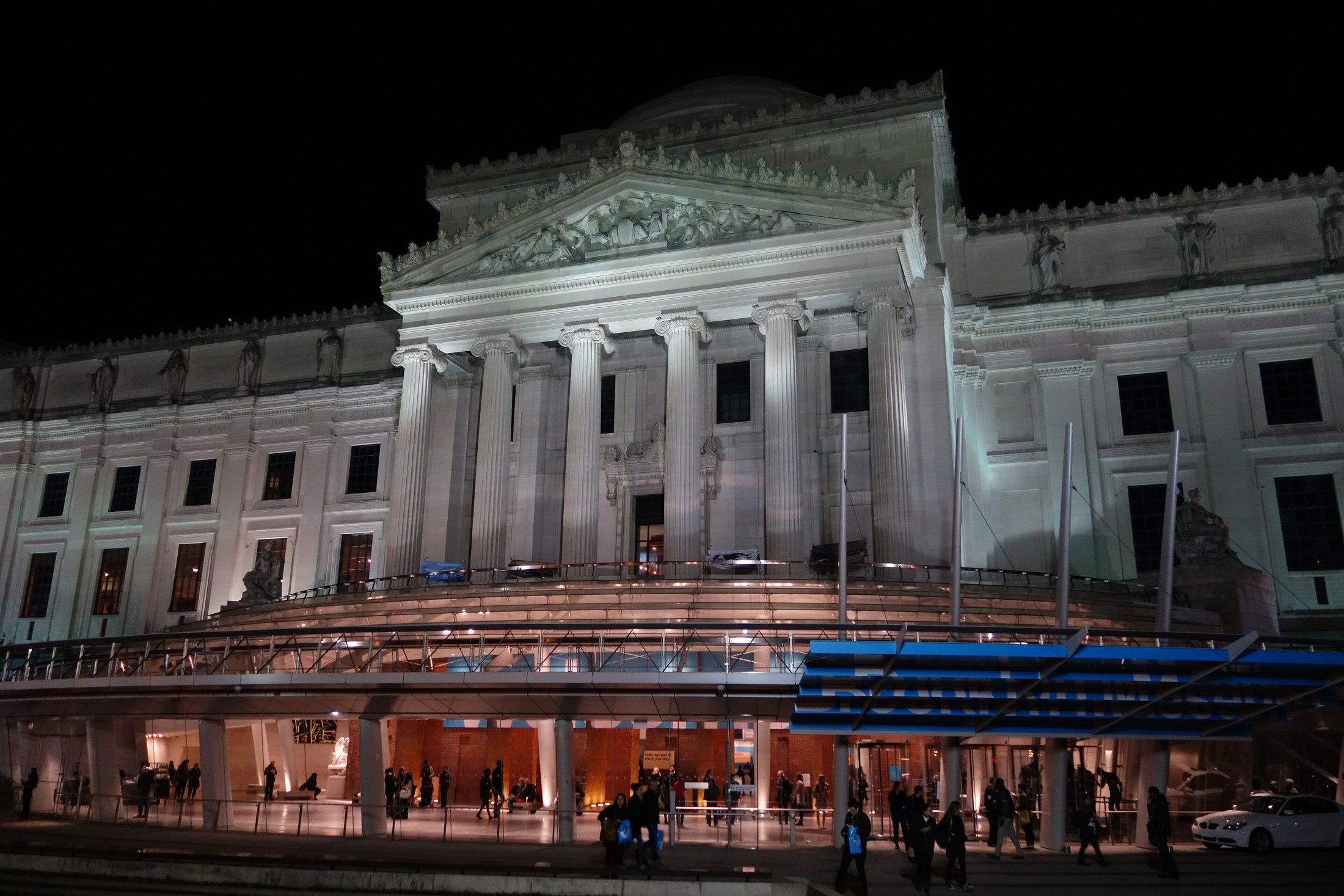
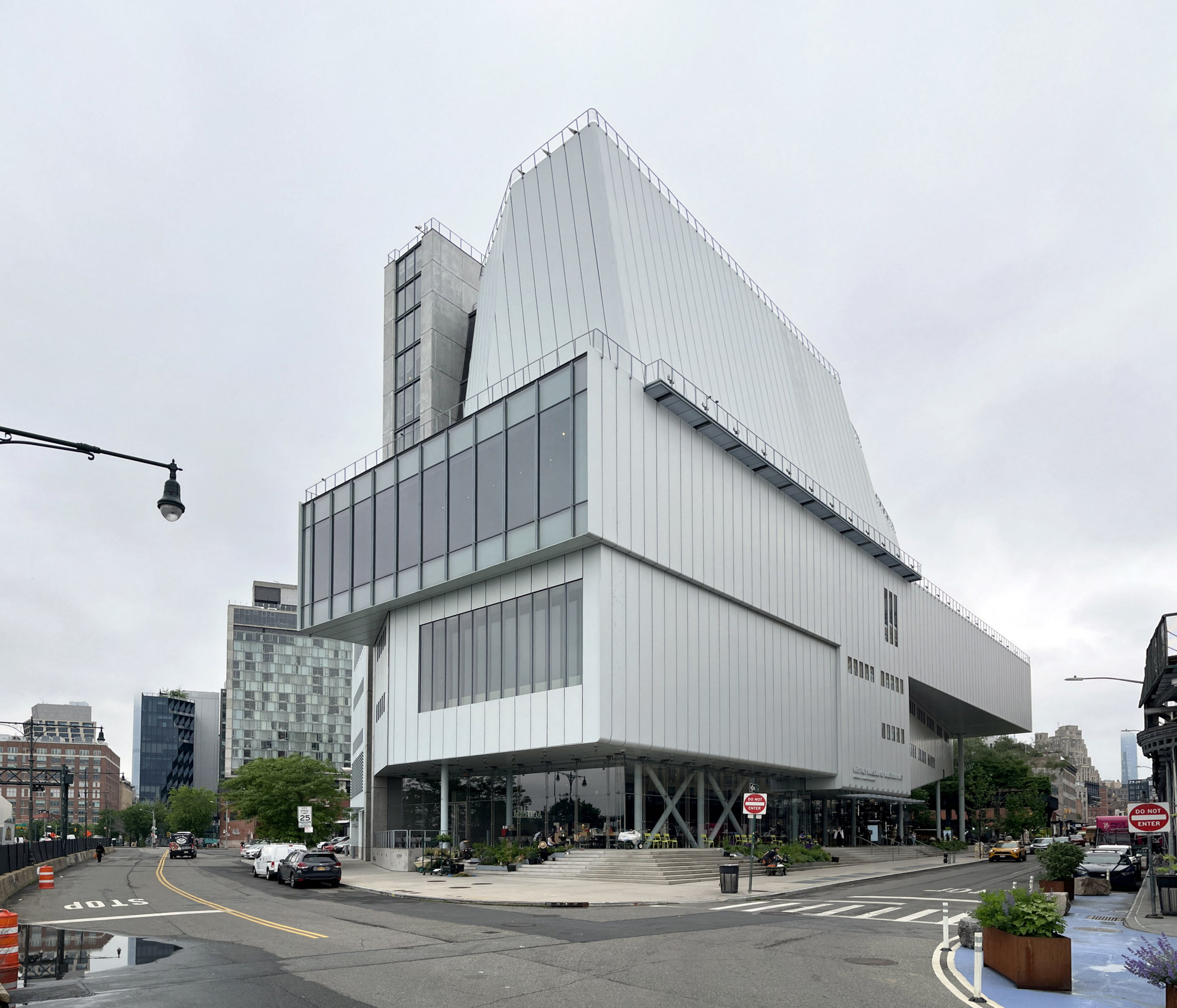
American art of the twentieth century and today in Renzo Piano’s waterfront building. When the terraces are open, the view becomes part of the visit.
Museum entry options. Affiliate link. We may earn a commission.
Gertrude Vanderbilt Whitney looks wonderfully comfortable in the portrait Robert Henri painted for her in 1916. Reclining on a sofa in a richly coloured outfit, she stretches her left arm along the cushions and looks out towards the viewer.
The pose takes up its space without much hesitation.
Her husband was less comfortable with the picture. Harry Payne Whitney refused to have it in their Fifth Avenue home because she was wearing trousers, so it went to her Greenwich Village studio instead.
It is a memorable way to meet the woman whose name is on the museum: an artist and patron with a life beyond the rooms in which her husband expected to see her.
Whitney was a sculptor herself. In 1914 she opened the Whitney Studio to show living American artists who struggled for recognition.
Her museum followed in 1931, after the Metropolitan Museum of Art declined her proposed gift of a collection. Buying work mattered; giving it a place where people could see it mattered, too.
Juliana Force helped turn that support into a working community. The Whitney Studio Club, established in 1918, offered exhibitions, lectures and classes, as well as financial help, food and drink.
Edward Hopper's surviving figure studies record his participation in the life-drawing sessions. Before his paintings became famous, he came here as an artist with work to do.
That history is a useful companion in the galleries. There may be a familiar painting you have come to see, but an unfamiliar name could be just as good a reason to stay a little longer.
Early Sunday Morning (1930) seems to offer a quiet stretch of New York: shops underneath apartments, a fire hydrant, a barber's pole. Hopper drew on Seventh Avenue, yet the long shadows do not fit the orientation of that north–south street.
He adjusted the city to make the picture. It entered the collection with funds from Gertrude Vanderbilt Whitney.
There is plenty to occupy the eye without a person in sight. Upstairs, blinds sit at different heights and small pieces of curtain suggest separate homes.
Downstairs, the shop signs seem almost readable, until the blurred lettering defeats the attempt. The street remains familiar without becoming an address you can pin down.
A dark shape rises above the roof at the upper right. It is a small interruption to the low row of shops, but imagining the skyline without it shows how much weight it carries.
The longer you look, the less this apparently simple street feels like an unedited view.
Archibald Motley's Gettin’ Religion (1948) fills a street with activity under a vivid blue night. Inspired by Chicago's Bronzeville, it brings together musicians, passers-by and people watching from windows.
A woman in green walks a small white dog; a child sits on the steps behind. Small encounters give the crowd its separate lives.
Red keeps appearing in different places: a tie, a skirt, a hat, a pair of shoes. Those flashes draw the eye between figures.
Then the oversized man on a platform becomes hard to ignore, pulling attention away from the house and back towards the street.
His exaggerated features invoke racist minstrel caricature, complicating the scene's exuberance. In a 2016 interview published by the Whitney, historian Davarian Baldwin considers Motley's use of stereotypes and unsettled identities, with religious devotion and worldly pleasure sharing the street.
His reading offers possibilities for thinking about that tension, rather than one answer that explains every figure.
The Whitney acquired the painting in 2016, its first work by Motley. Its arrival is another part of the museum's continuing decisions about which artists and experiences its collection represents.
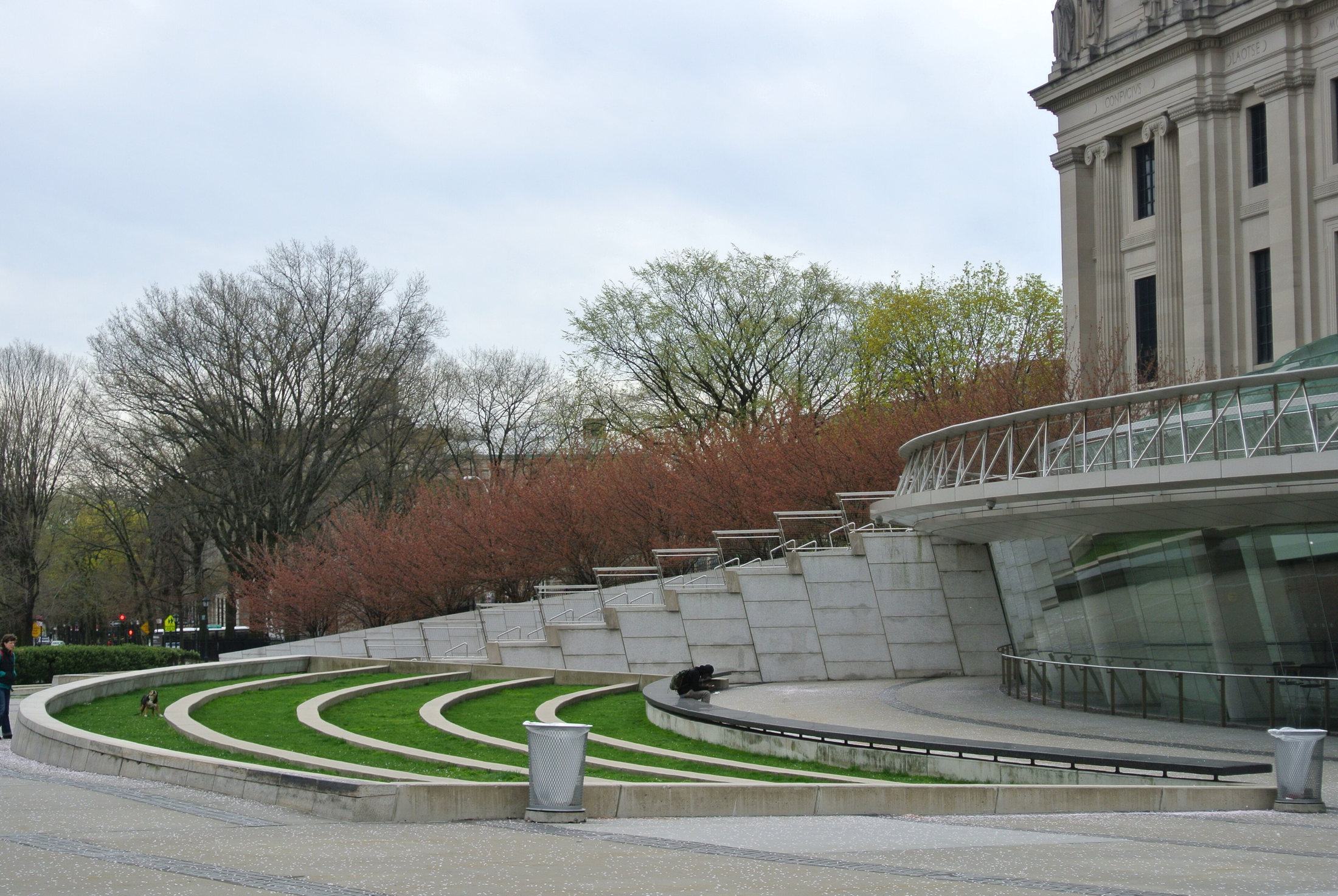
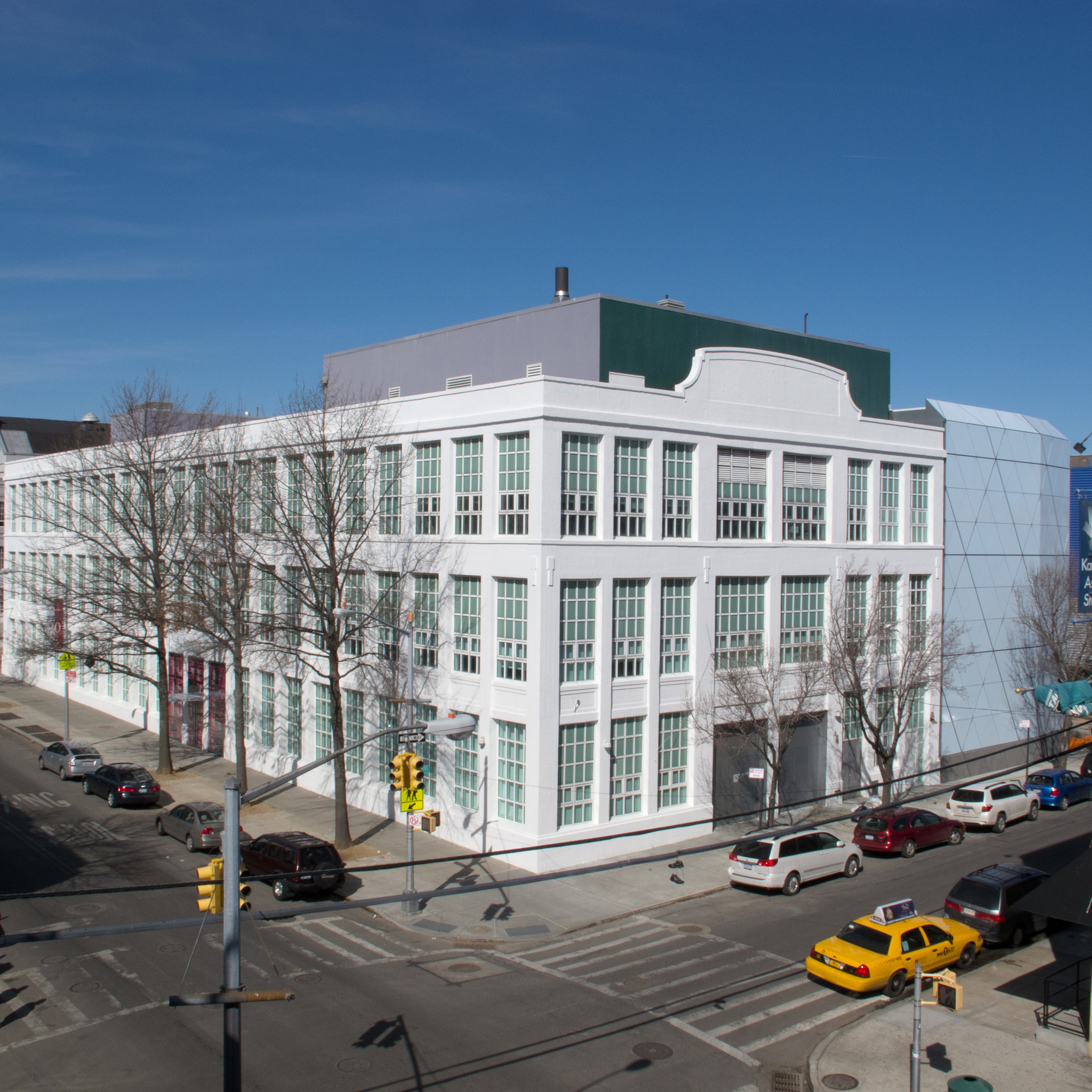
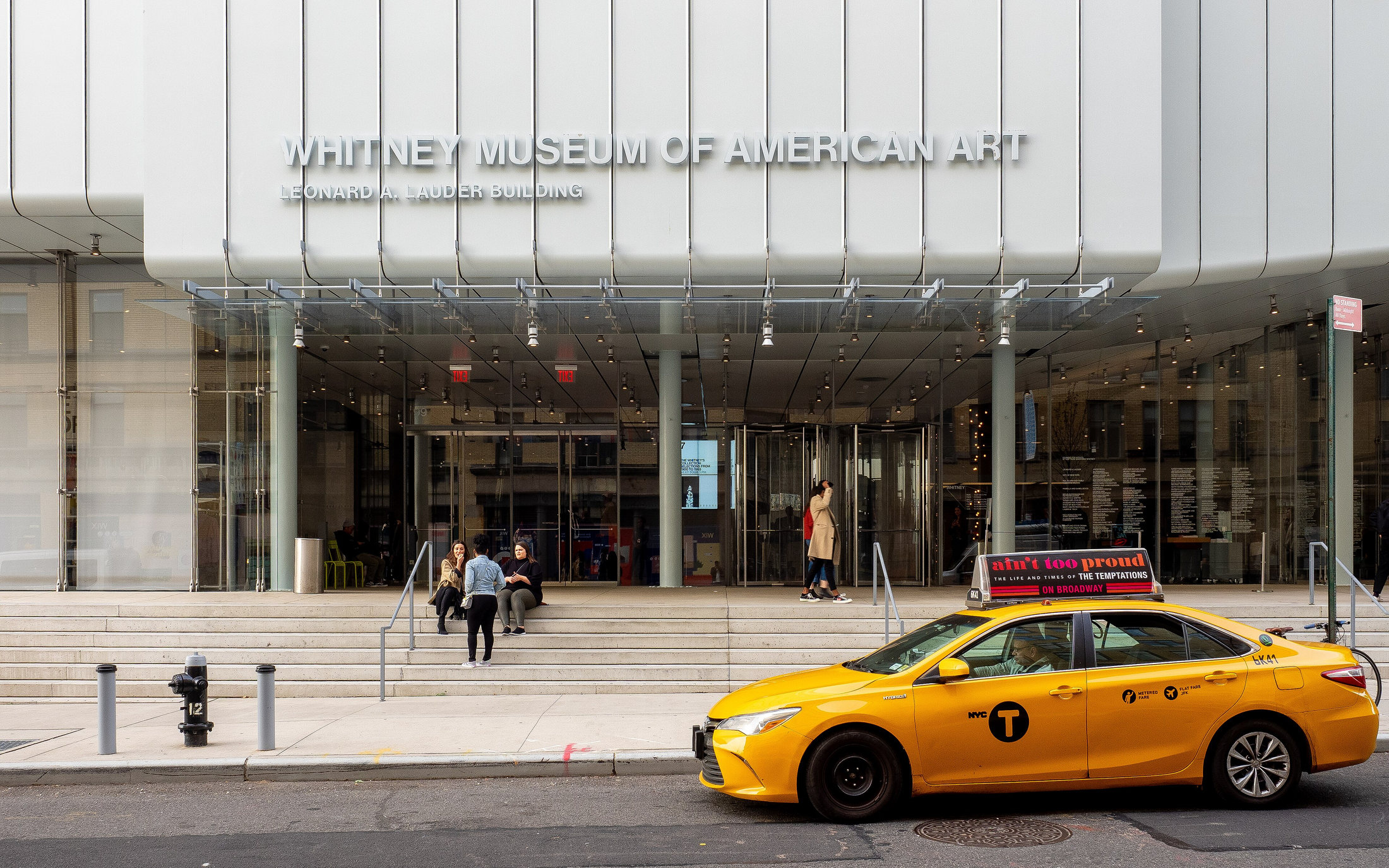
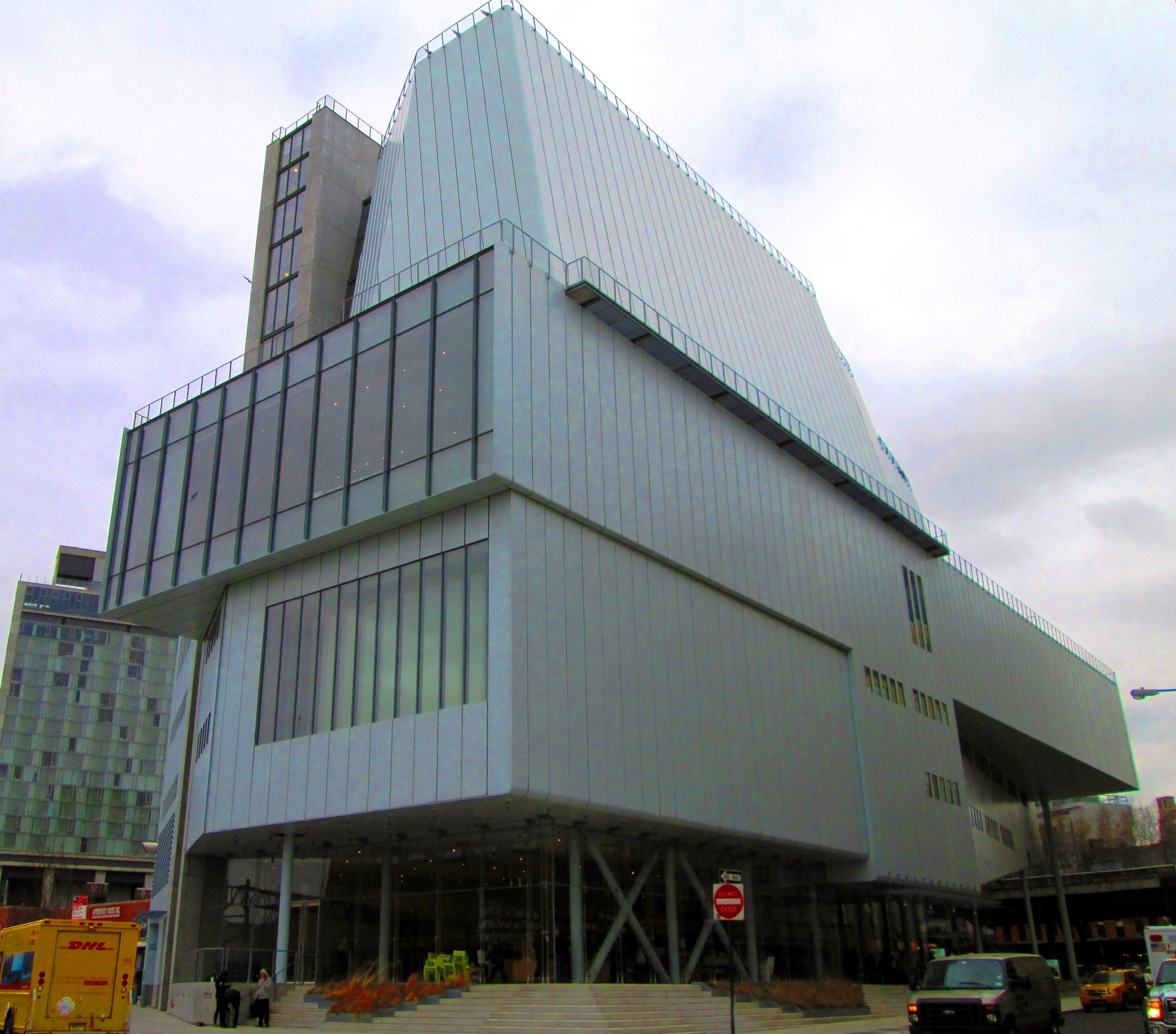
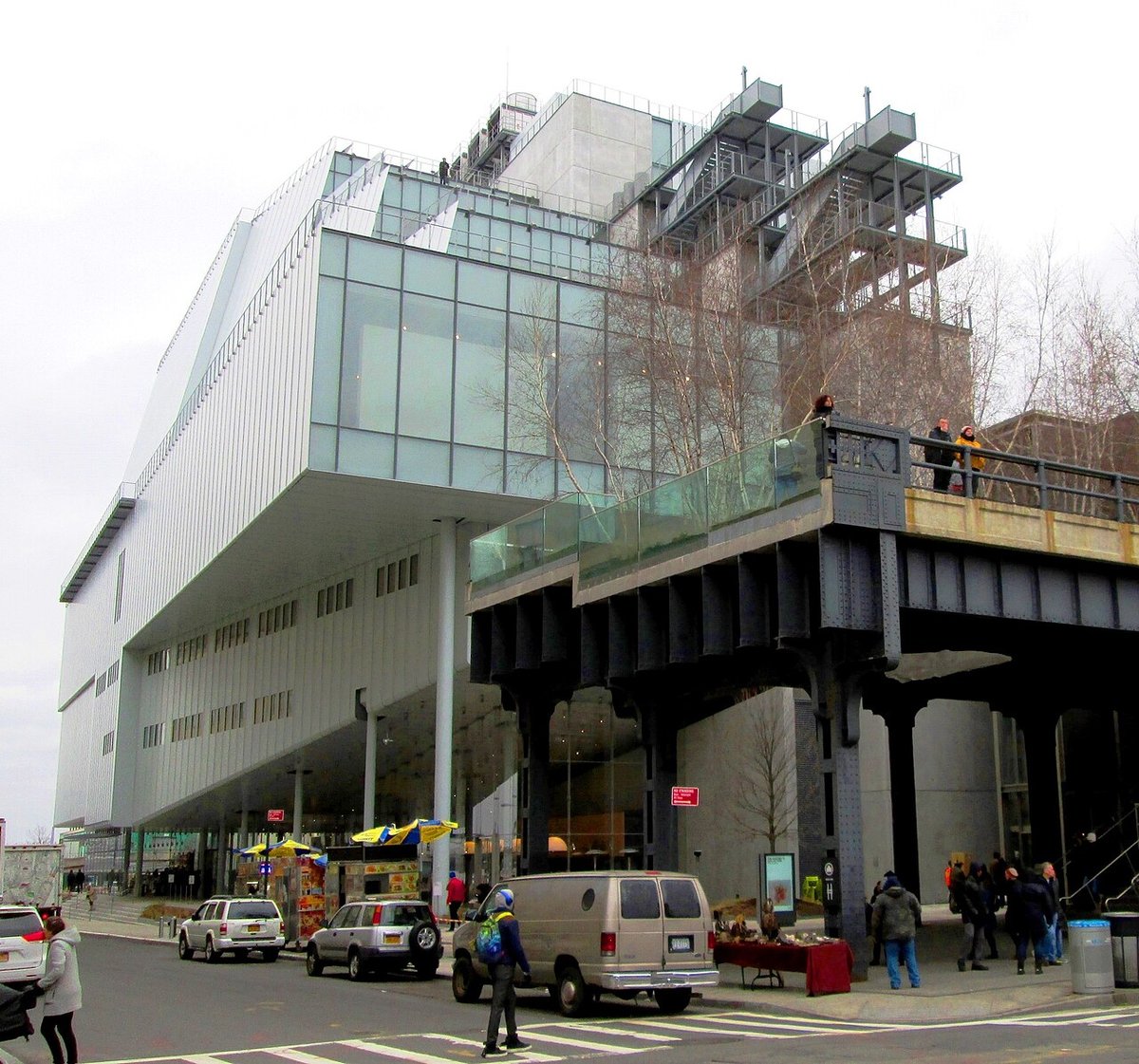
Renzo Piano's building on Gansevoort Street opened in 2015 between the Hudson River and the High Line. Its upper floors step back on the park side to create terraces.
Below, the projecting entrance shelters a public gathering place. The uneven outline responds to the neighbourhood's industrial buildings and railway.
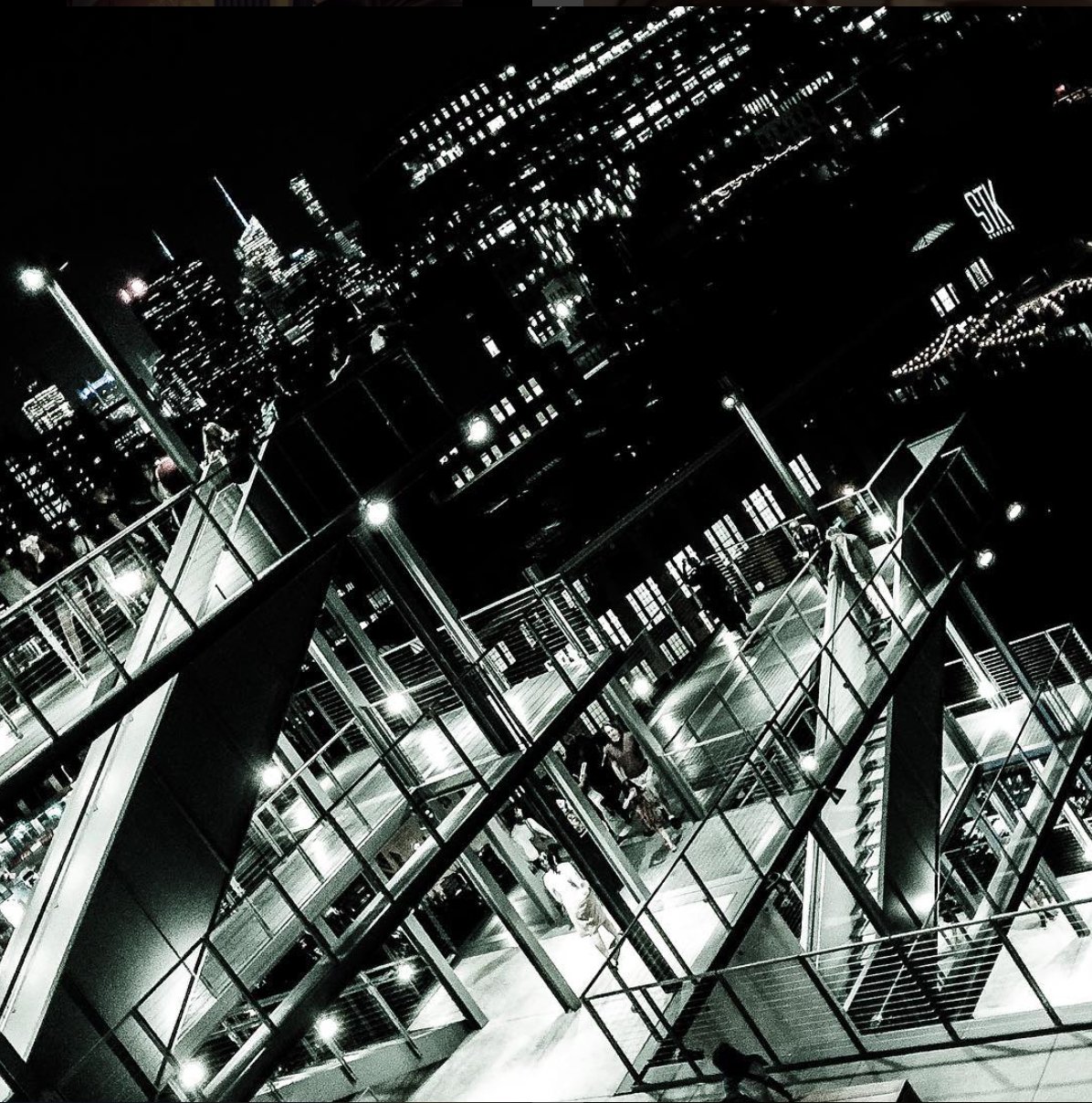
When the terraces are open, they offer a welcome change of view between galleries. After the windows in Hopper or the crowd in Motley, an ordinary detail outside (a rooftop shadow, a window, someone moving along a street) may hold your attention for a moment.
There is time for the skyline photograph as well.
Two to three hours gives a selective visit some breathing room: a few collection works, an exhibition that interests you, and time for whatever catches your eye along the way. The three paintings here are starting points.
Their collection pages and the current museum map help with planning; ownership does not guarantee display. Our Whitney, waterfront and High Line guide offers a walk afterwards.
Free admission is worth checking before you buy. Visitors aged 25 and under currently enter free.
Everyone can visit free on Fridays from 5–10 pm and on the second Sunday of each month; tickets are required for those Friday and Sunday sessions, and capacity is limited.
Luggage needs a plan of its own, especially between hotels: the museum does not allow luggage of any size, including at coat check. Headphones are useful for the free audio guides.
Check the hours and admission details for your date, then choose an audio stop when you want another perspective on a work.
The Floor 1 gallery is free during museum hours without a ticket.
Use the museum's current access information and observe any closures on the day.
Reserve a free timed ticket or use the eligible Free 25 and Under Anytime Pass. The booking process distinguishes visitors under 19 from those aged 19–25.
Seniors 65+ and students pay US$24. Visitors with disabilities receive a discounted rate, with one care partner free. Confirm the current disability rate in the official ticket flow.
Last reviewed: . Check the museum’s website for current hours and ticket prices.
Check official free-entry eligibility before buying. Confirm the selected option, entry time and final price with the provider.
Museum admission
Admission for visitors who need a paid ticket. Check age 25-and-under eligibility and scheduled free periods first. Recorded audio is not a live guided visit.
Affiliate link. We may earn a commission.Use two fingers to move or pinch the map on a touch screen; one finger scrolls the page. In full screen, drag to move. Use plus and minus to zoom. Arrow keys move the map; zero fits all stops. Escape closes the preview or full screen.
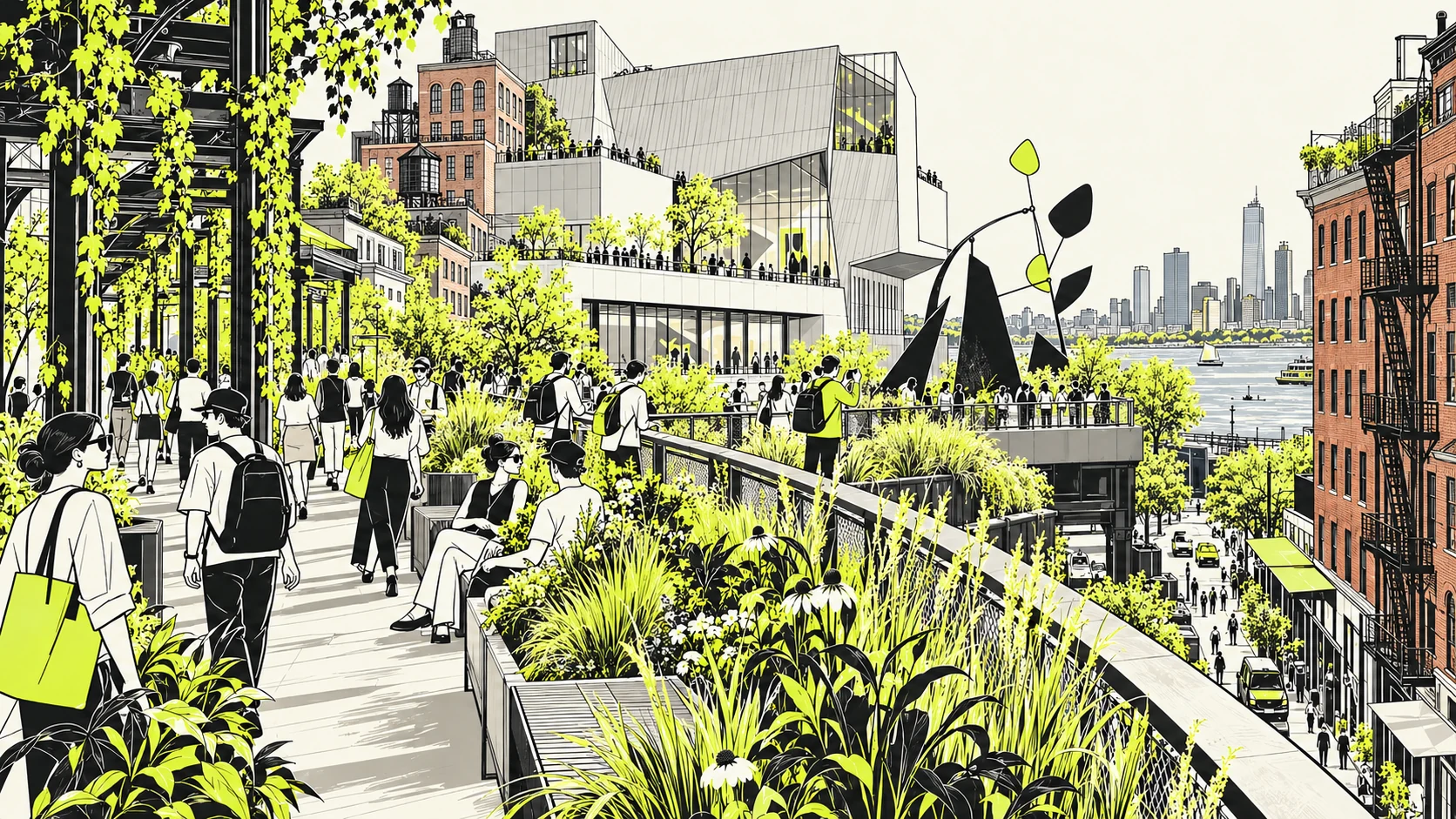
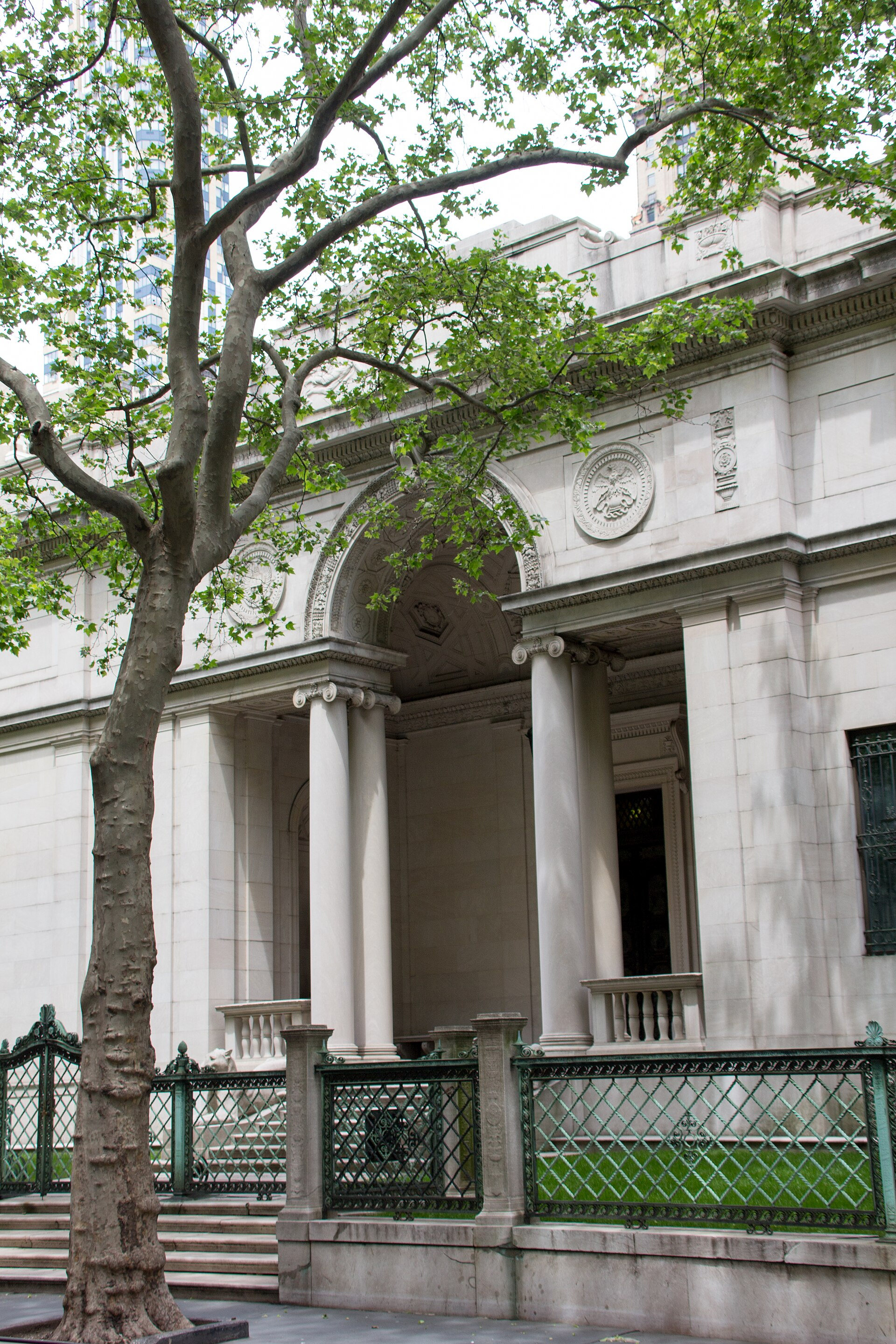
An illustrated introduction to a related guide, not a depiction of this museum.