1 / 5
02 / MODERN & CONTEMPORARY ART
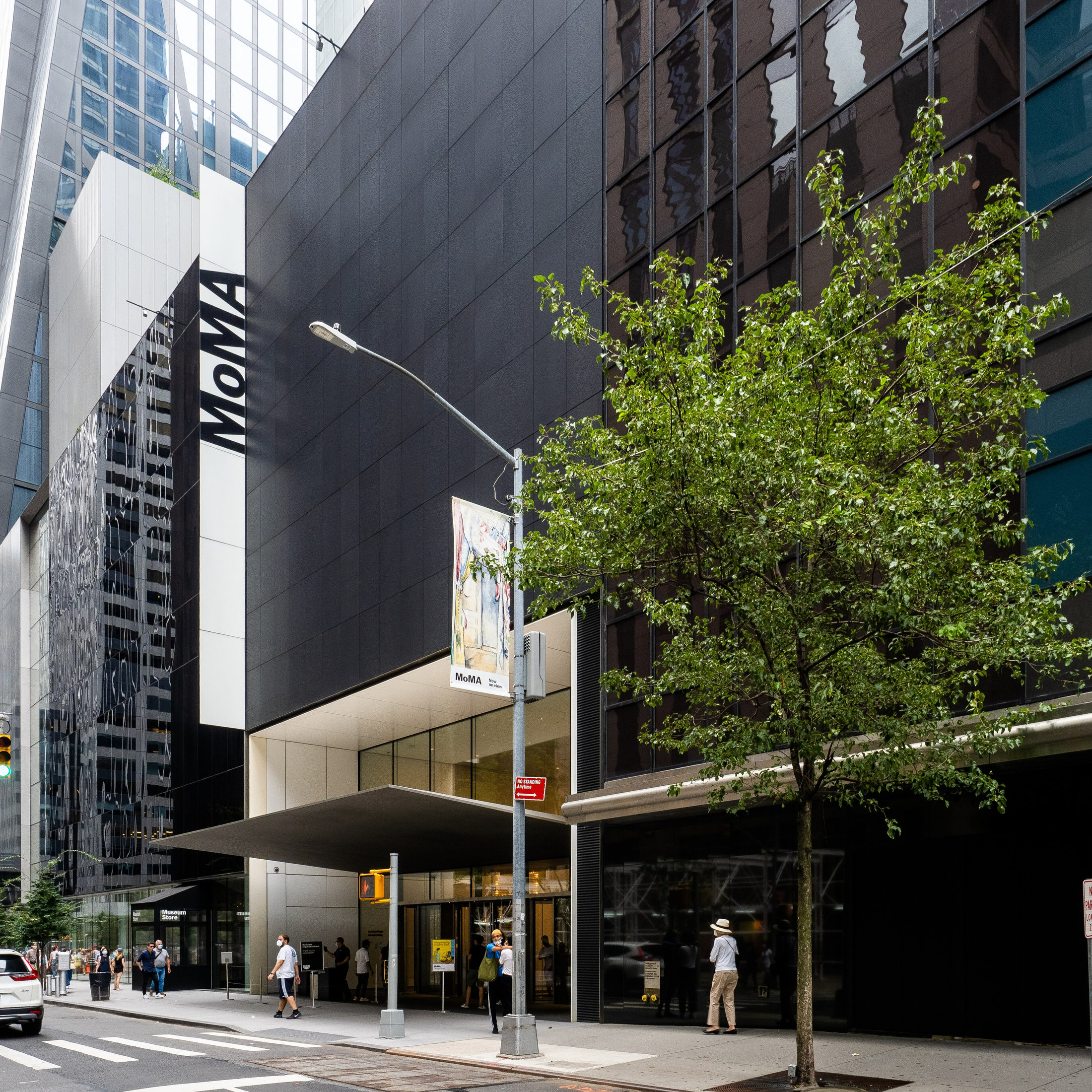
Modern and contemporary art in Midtown, including painting, photography and design.
Check official free-entry eligibility
Official information checked 2026-10-31
You don’t need to tackle every floor to have a good afternoon at MoMA. Pick a few works you’re curious about and take your time with them.
The three below offer very different ways in: a familiar night sky, a teacup you probably wouldn’t want to drink from, and a painting that brings the violence of its time uncomfortably close. Van Gogh, Meret Oppenheim and Faith Ringgold give you three places to begin; you can follow whichever catches your interest.
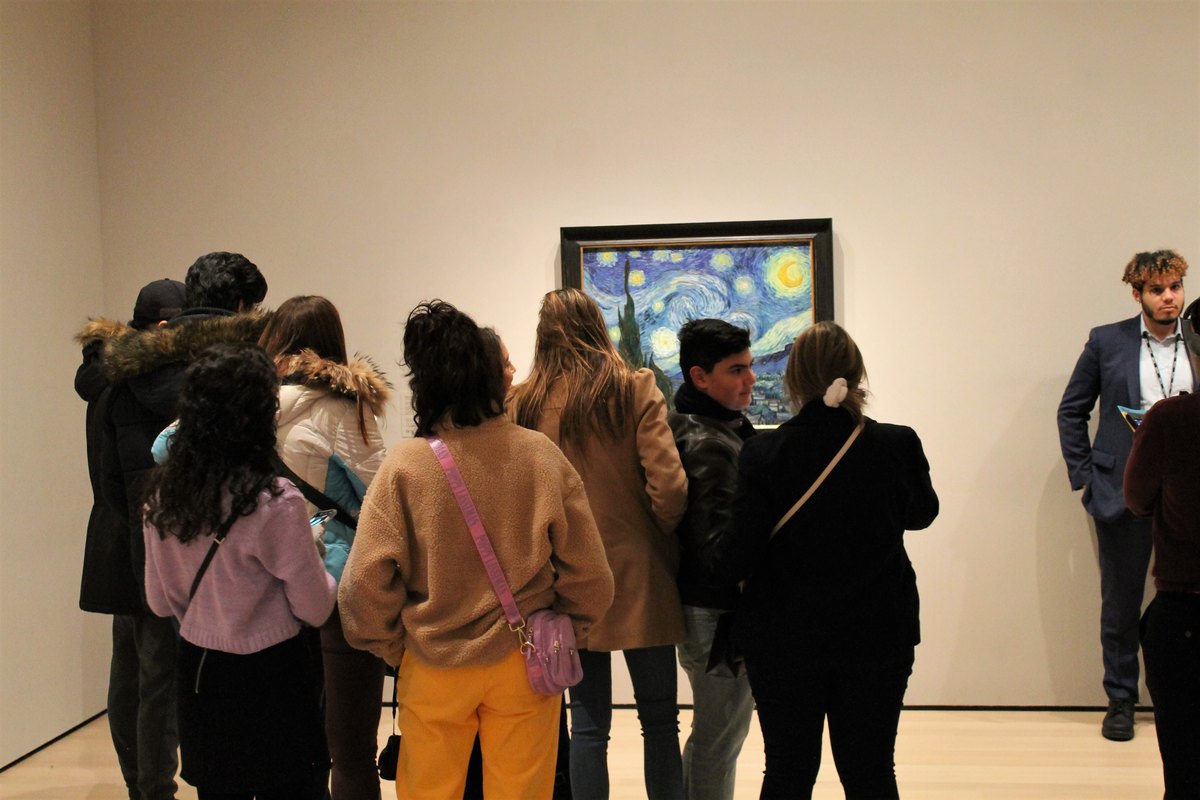
The village beneath The Starry Night is an easy place to begin. Its small roofs lead towards the church steeple and the dark cypress, then up into the sky.
Van Gogh painted it in June 1889 while receiving care at the Saint-Paul-de-Mausole asylum in Saint-Rémy. The view from his window gave him a starting point.
He brought in the village from other views and moved the cypress closer. He also painted this night scene in several daytime sessions, combining observation with things he chose to rearrange.
A single brushstroke is worth a closer look. The marks head in different directions, yet together they make the sky seem to move.
It’s a way to notice Van Gogh’s deliberate choices as a painter alongside his experience of illness.
The spoon in Meret Oppenheim’s Object (1936) deserves as much attention as the cup. Fur covers the whole set, cup, saucer and spoon, while leaving the familiar shapes easy to recognise.
Imagine lifting the spoon towards your mouth. Thinking about that ordinary action helps explain the unsettling effect of the fur, and gives you a straightforward way into Surrealism.
MoMA traces the idea to a conversation in a Paris café with Dora Maar and Pablo Picasso about Oppenheim’s fur-trimmed bracelet. She then bought the tableware and made the piece herself.
The work appeared in MoMA’s Fantastic Art, Dada, Surrealism exhibition in 1936–37.
American People Series #20: Die (1967) shows well-dressed Black and white adults fighting and fleeing, with two children huddled among them. The children offer a place to begin before your eye follows the arms, legs and diagonals through the scene.
Ringgold made it during the civil unrest of the summer of 1967. The two panels together are about 3.66 metres wide, bringing the scale of history painting to a crisis of her own time.
A little distance, if space allows, makes the contrast clearer between the orderly grey background and the bodies caught in motion across it.
Her reference point was Picasso’s Guernica, which she studied while it was on long-term loan at MoMA. The size and arrangement of Ringgold’s figures make that connection worth exploring after your first look.
Her relationship with MoMA also included activism: she later worked with the Art Workers Coalition, challenging exclusion at the museum. You can read the museum’s archive account alongside the painting’s history.
Make room for one unfamiliar work along the way, too. The three examples above are a starting point; their current display status can change, so use MoMA’s collection records and map before settling on your stops.
With an unfamiliar work, a material or a line that catches your eye is enough to begin with. A little distance can help you see how the parts fit together.
Ringgold’s painting includes explicit violence. Choose a different stop if that does not suit your group.
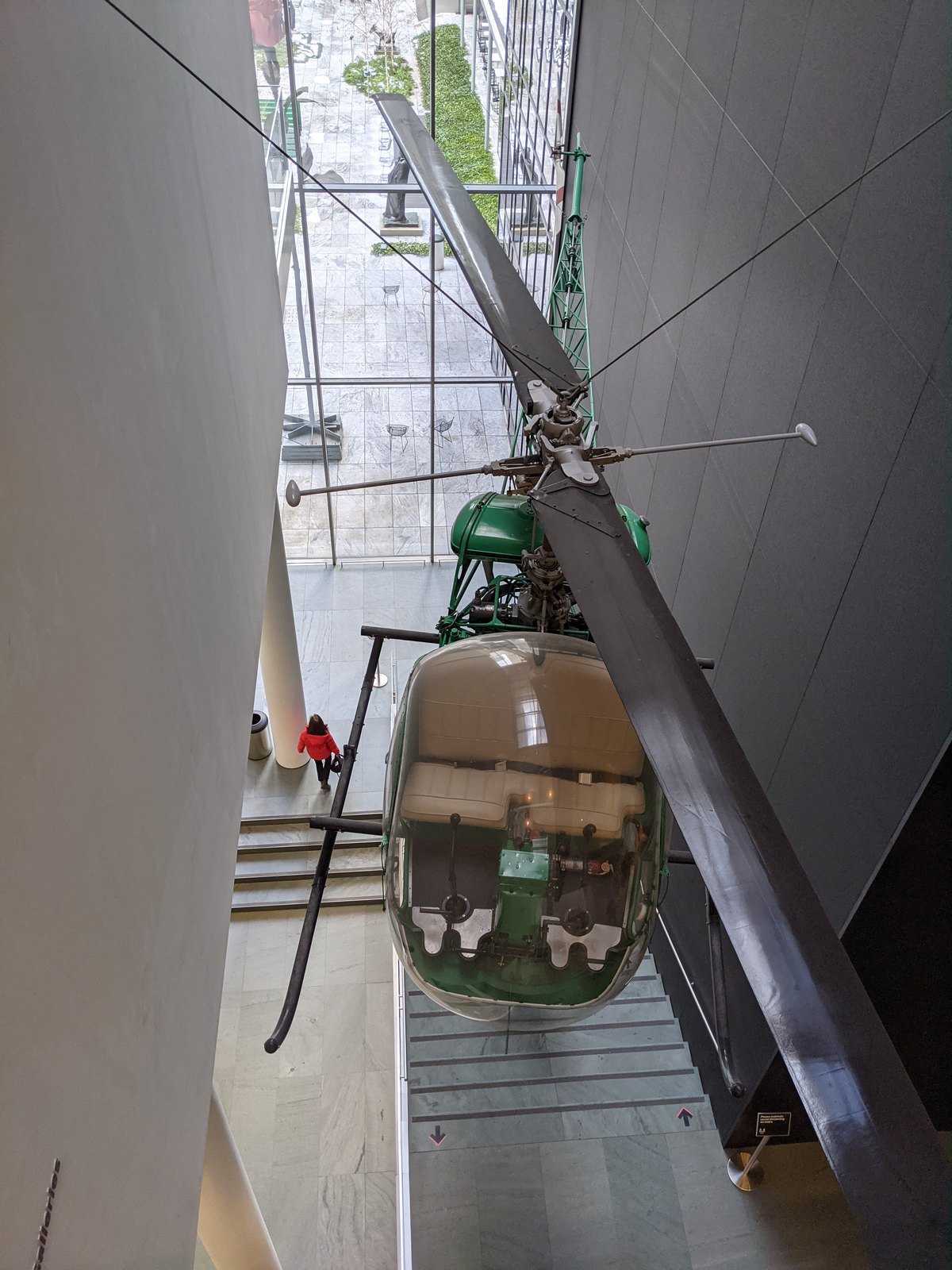
Two to three hours gives you room for a selective visit. For an exhibition and a break too, three to four hours is a more generous allowance.
If your energy dips, that one work you’re still curious about can be a good final stop. You can leave the rest for another visit.
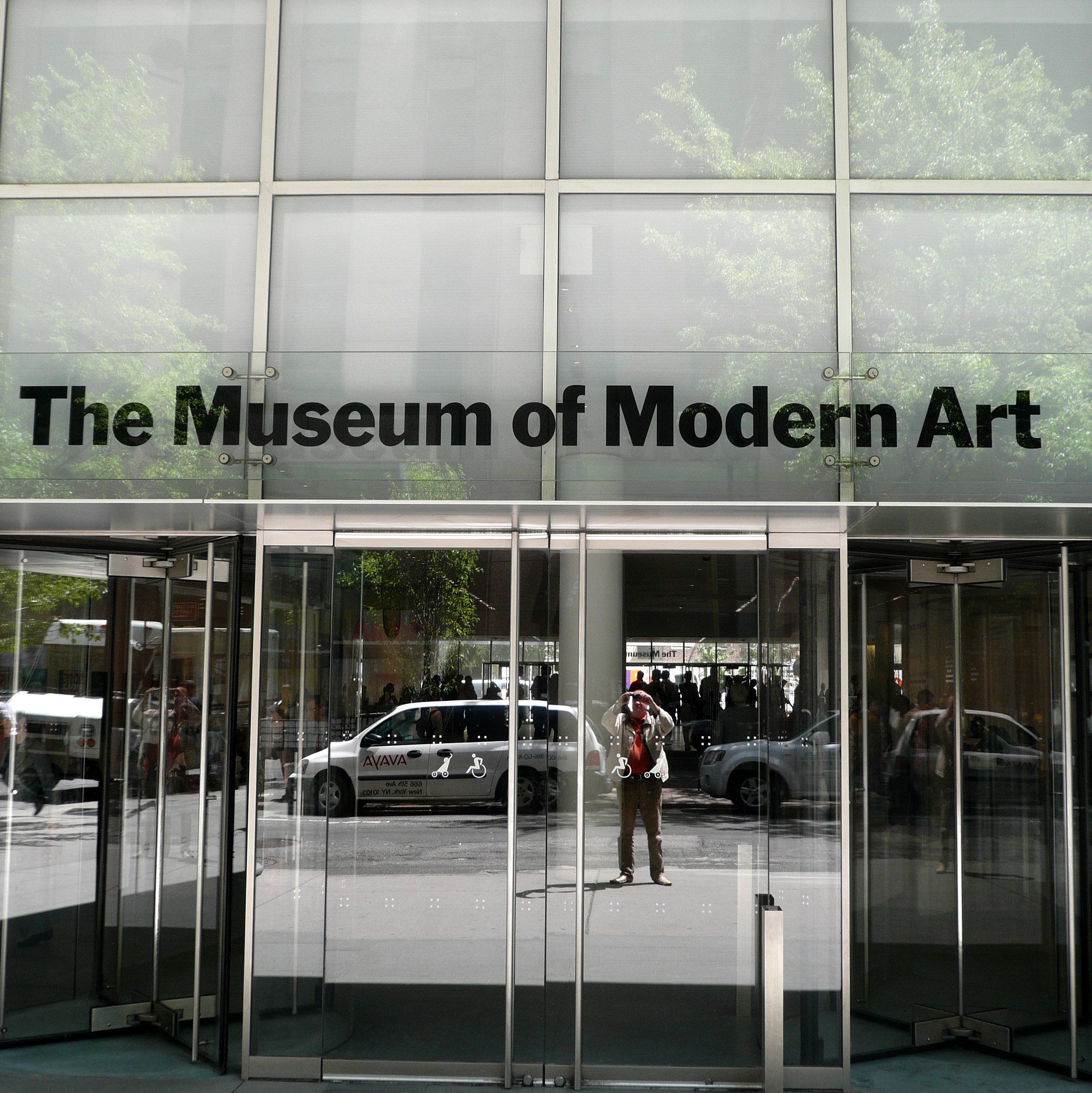
Book ahead to guarantee entry. General admission covers the galleries and special exhibitions.
Keep your ticket if you plan to come back later the same day. All bags are inspected on arrival.
Visitors aged 16 and under need a free ticket.
New York State residents can reserve free Friday-evening admission from 17:30 to 20:30. Reserve the free ticket in advance and check the current eligibility rules.
Bring headphones for the free digital guide.
If the guide has audio for a work that interests you, listen and then look again.
Seniors 65+ with ID and visitors with disabilities pay US$22; an accompanying care partner enters free. Full-time students with ID, including international students, pay US$17.
Galleries usually close about 15 minutes before the building. MoMA is closed on Thanksgiving and Christmas.
Last reviewed: . Check the museum’s website for current hours and ticket prices.
MoMA’s digital audio guide is free; bring your own phone and headphones. MoMA PS1 in Queens is currently free for everyone, so it does not require a paid Manhattan admission ticket. Compare the visit date, final price and included admission or extras before choosing a booking option.
Check official free-entry eligibility. Confirm the ticket option, date and final total with the seller.
Museum admission
Entry options
Affiliate link. We may earn a commission.Museum admission
Museum admission
Affiliate link. We may earn a commission.Admission + audio
All-day entry and re-entry, galleries, special exhibitions, audio and films; product also lists MoMA PS1 within 14 days. Security still applies. Cancel up to 24 hours before. Listed audio languages do not include Thai. Check official free-entry eligibility.
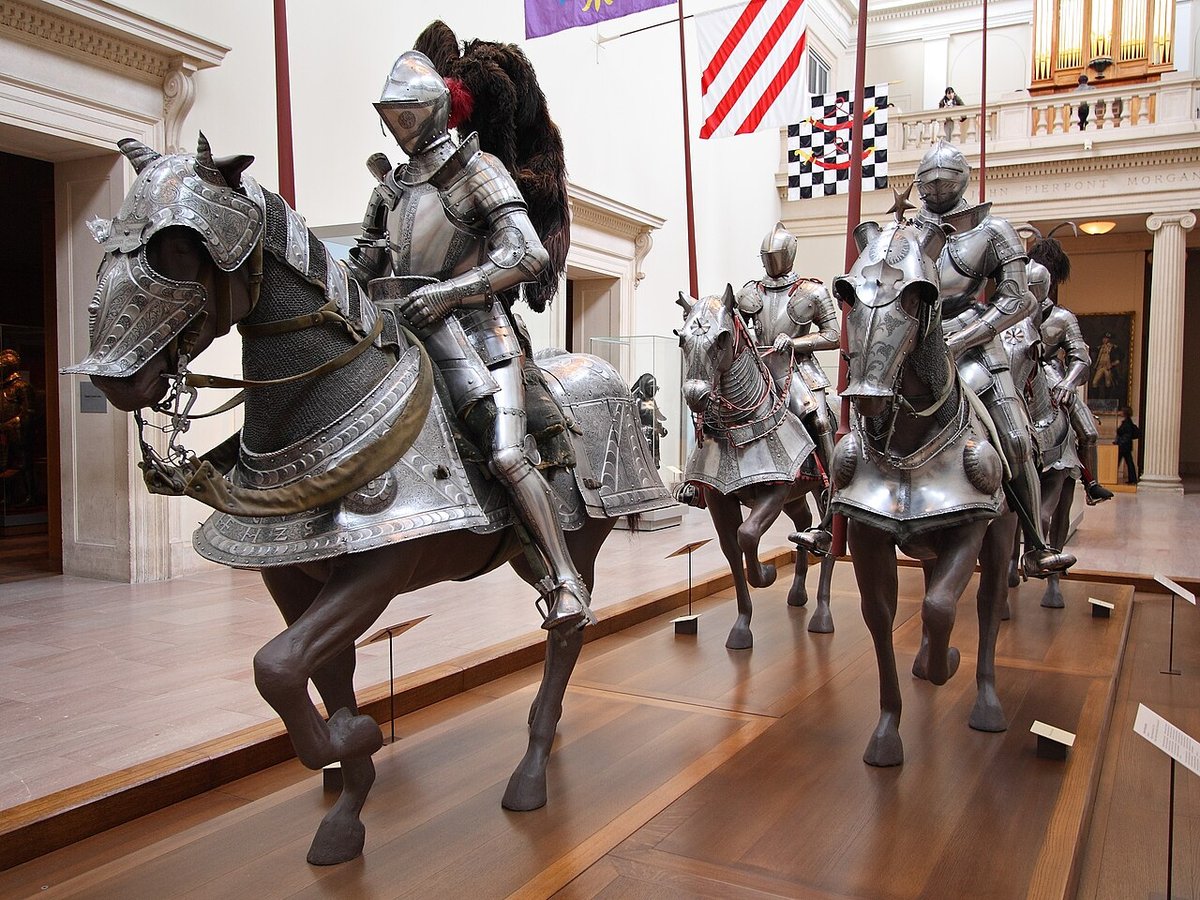
Affiliate link. We may earn a commission if you book.An illustrated introduction to a related guide, not a depiction of this museum.
Use two fingers to move or pinch the map on a touch screen; one finger scrolls the page. In full screen, drag to move. Use plus and minus to zoom. Arrow keys move the map; zero fits all stops. Escape closes the preview or full screen.
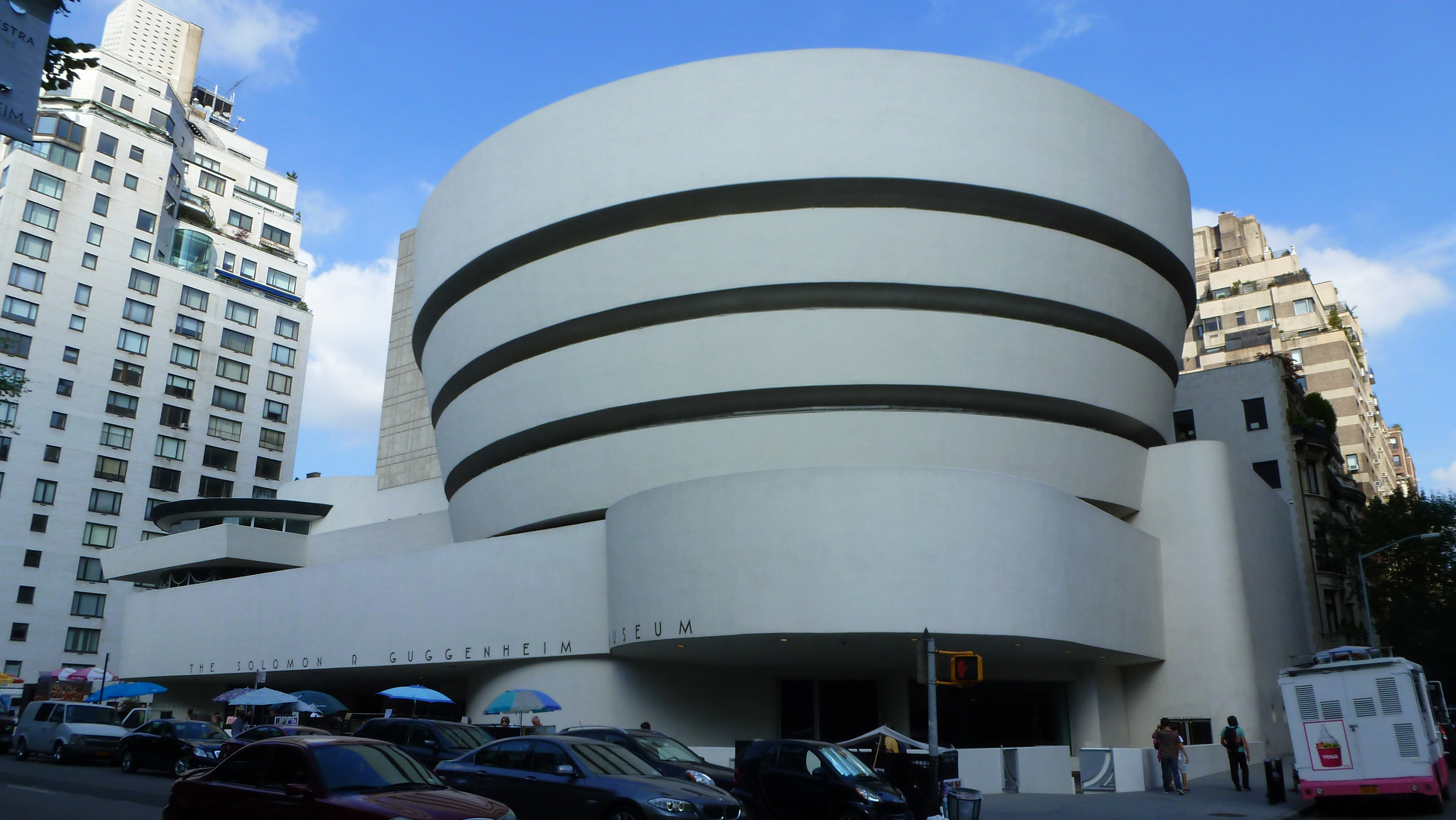
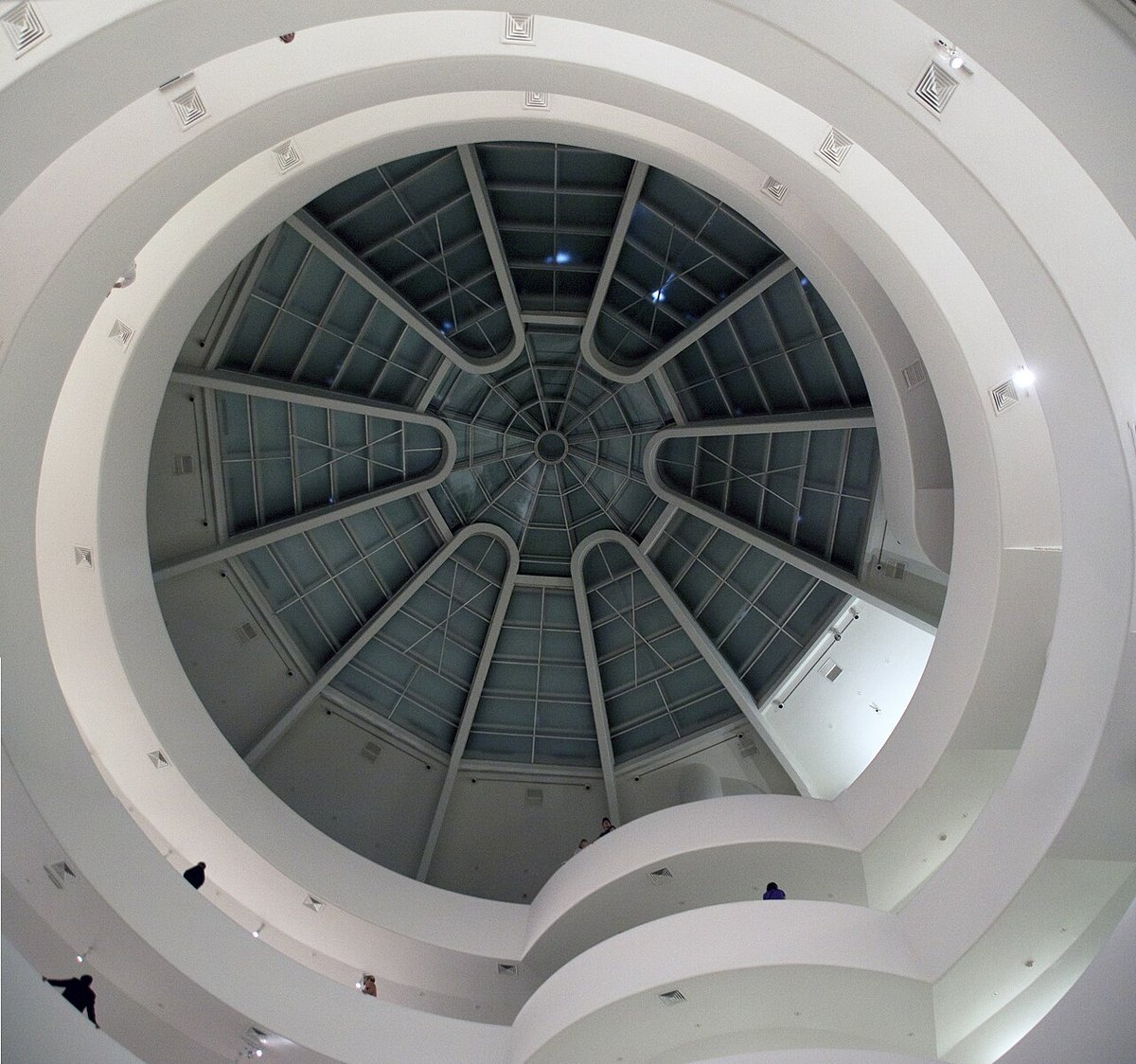
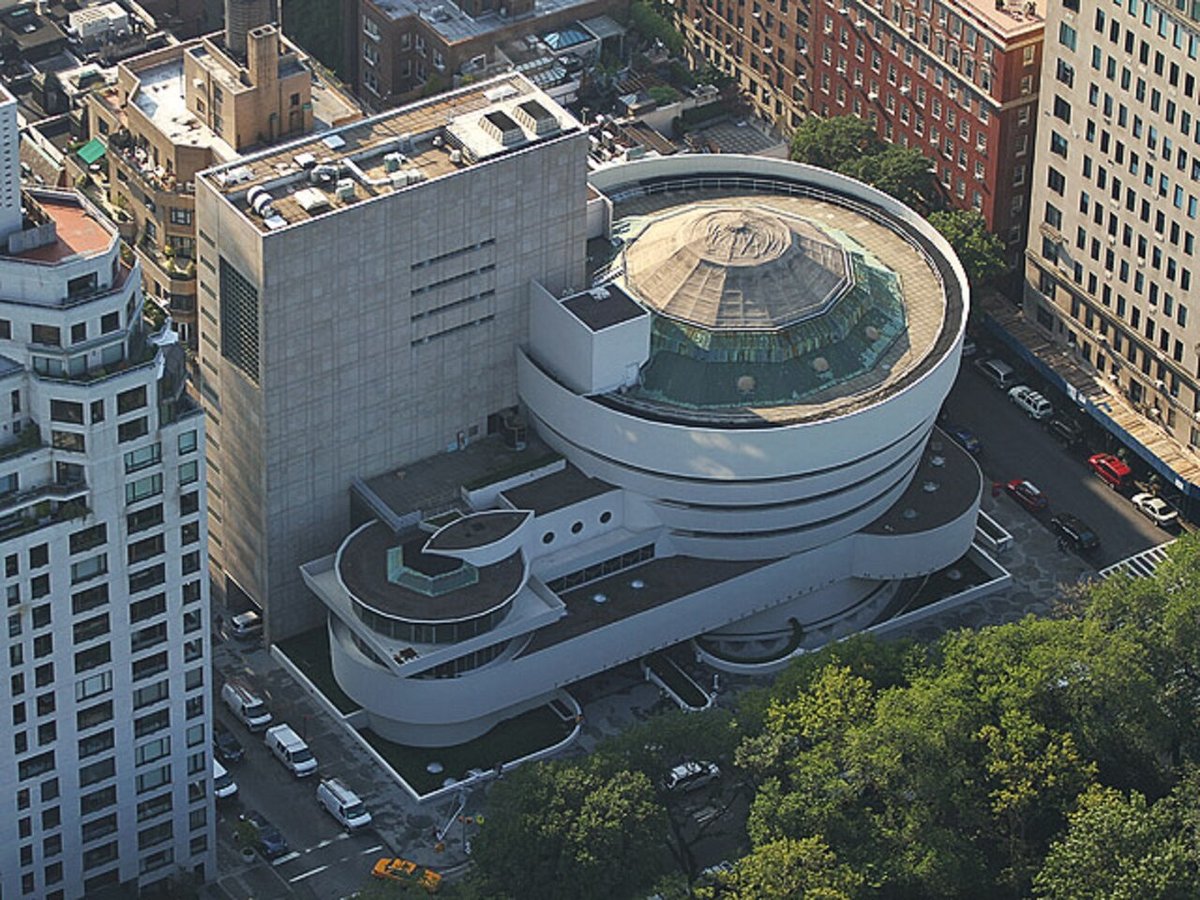
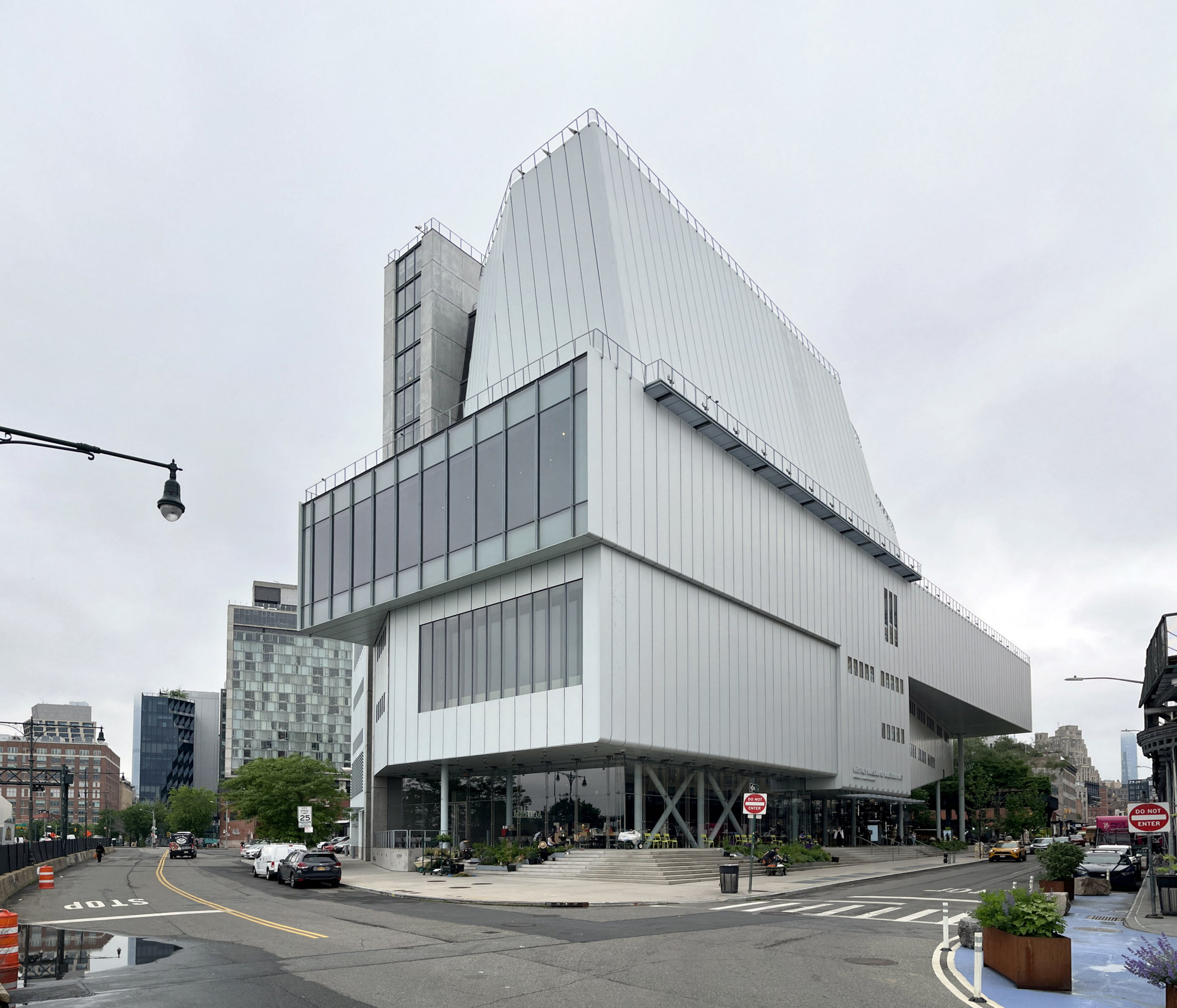
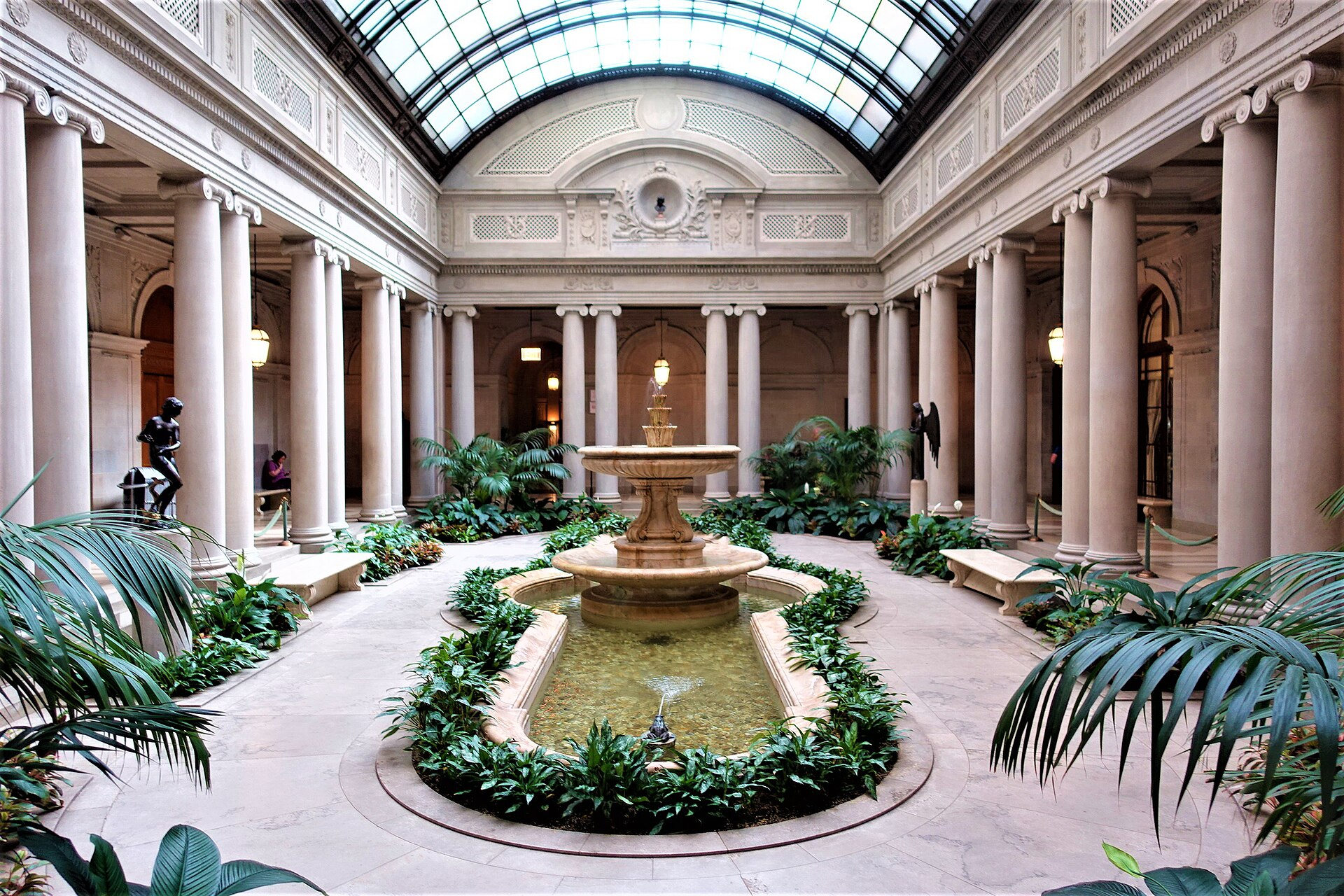
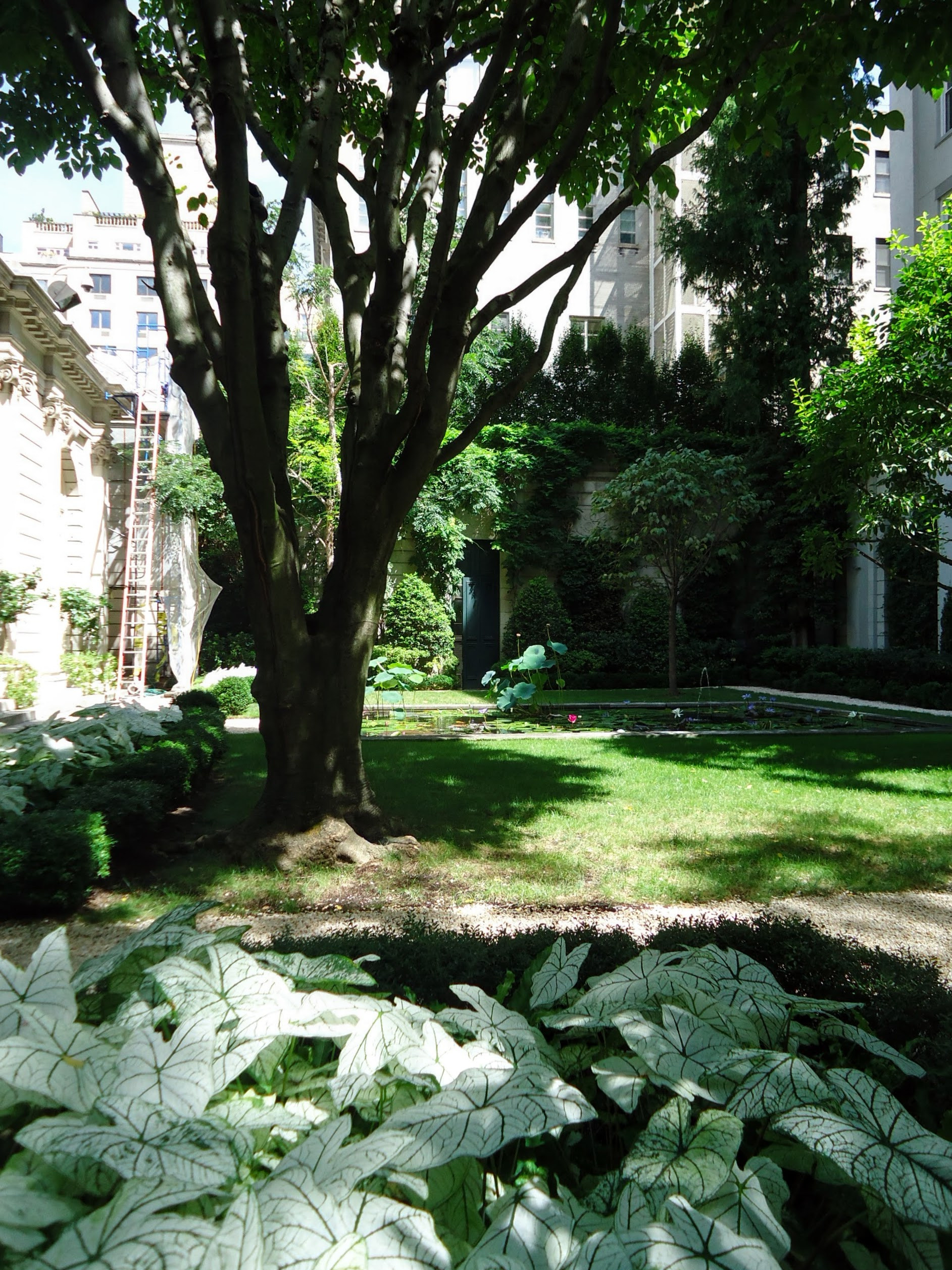
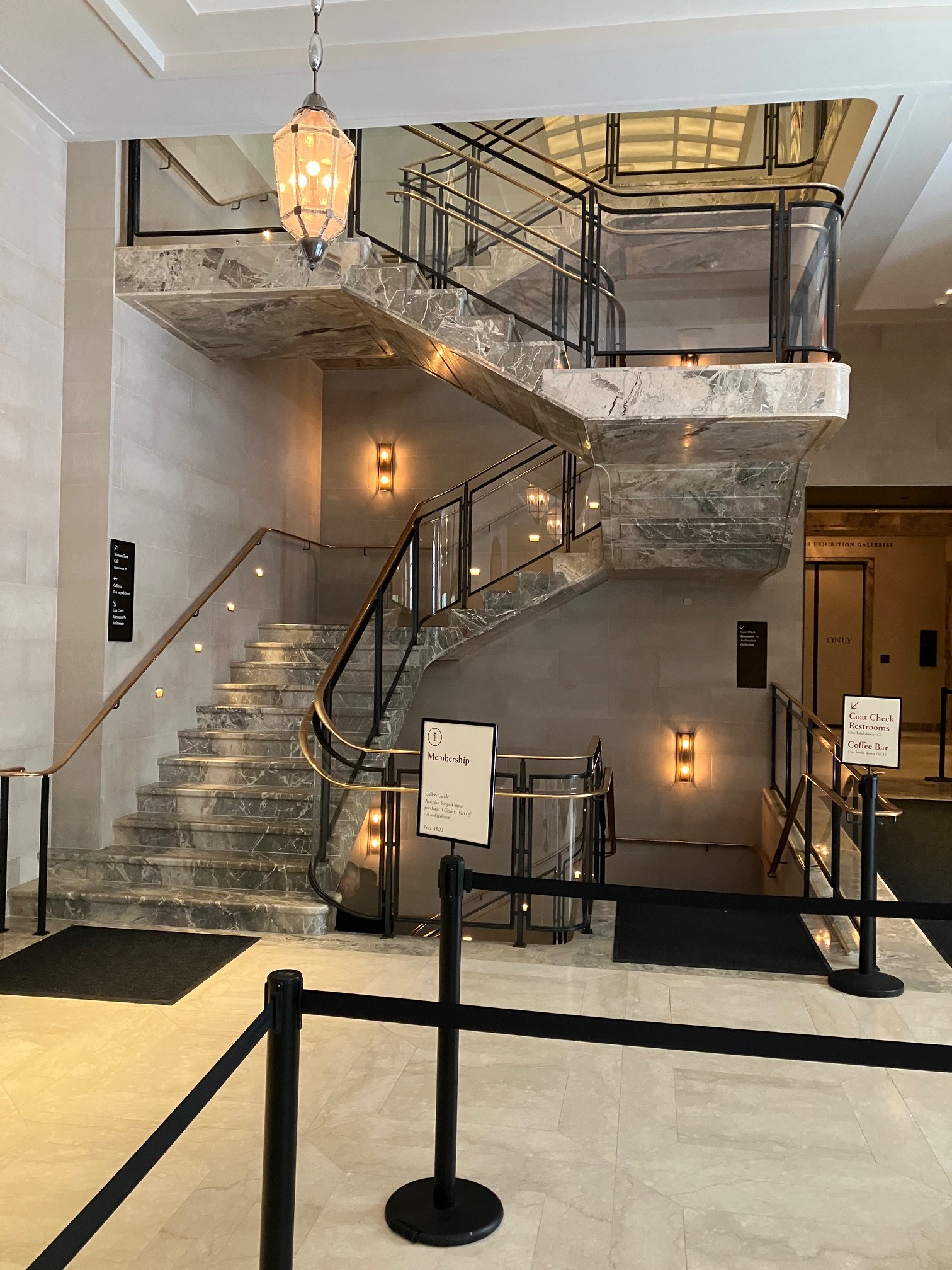
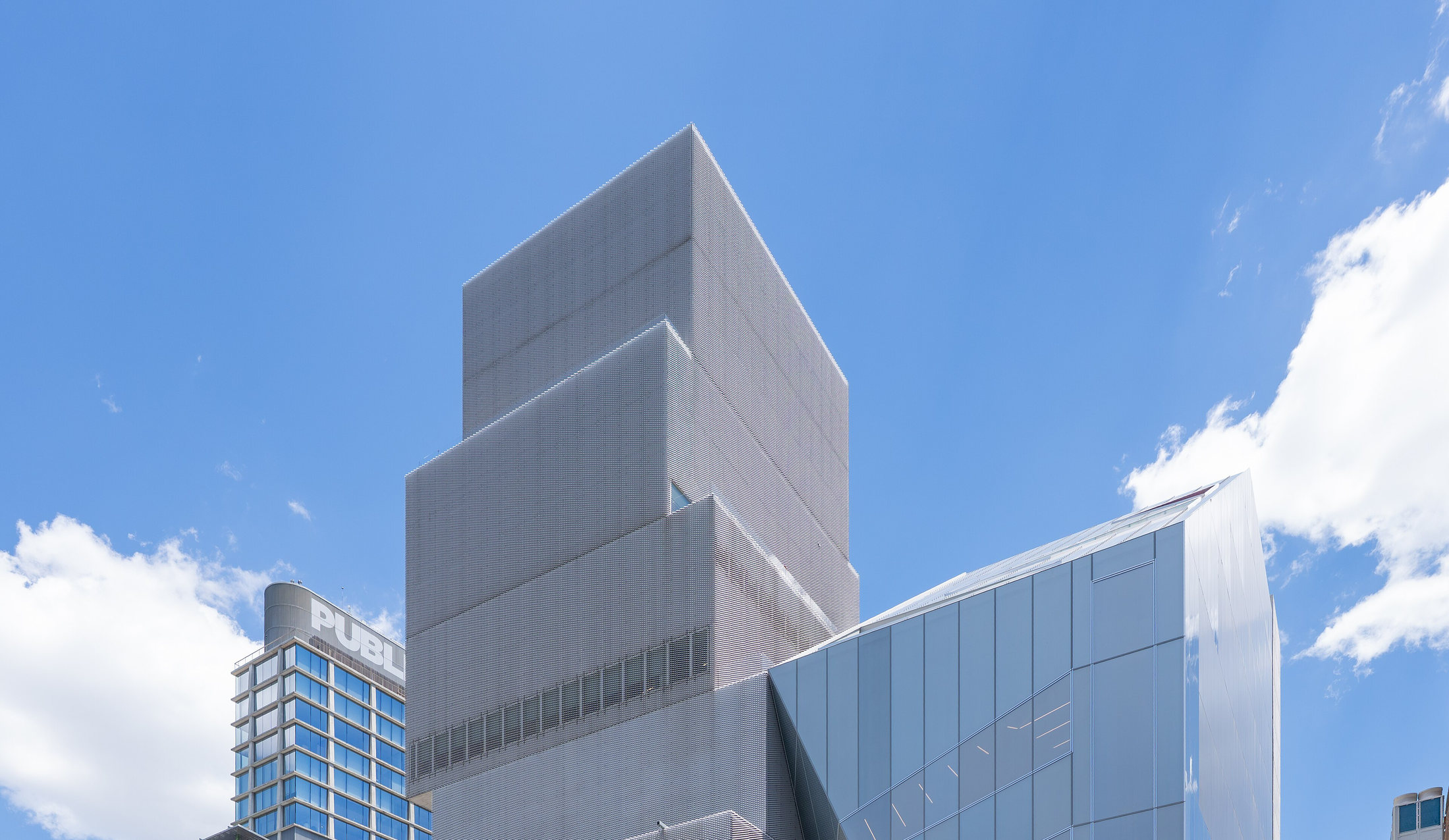
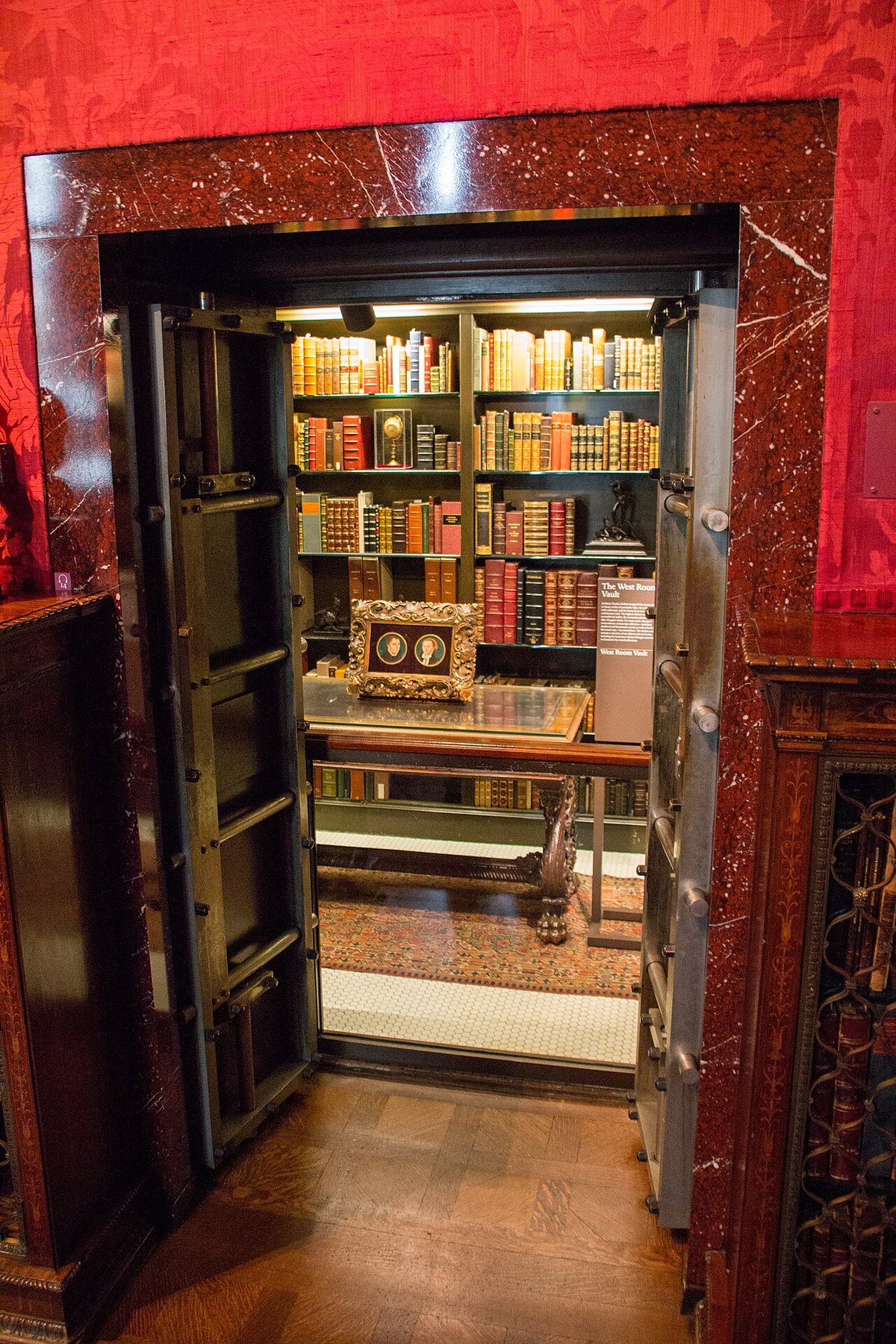
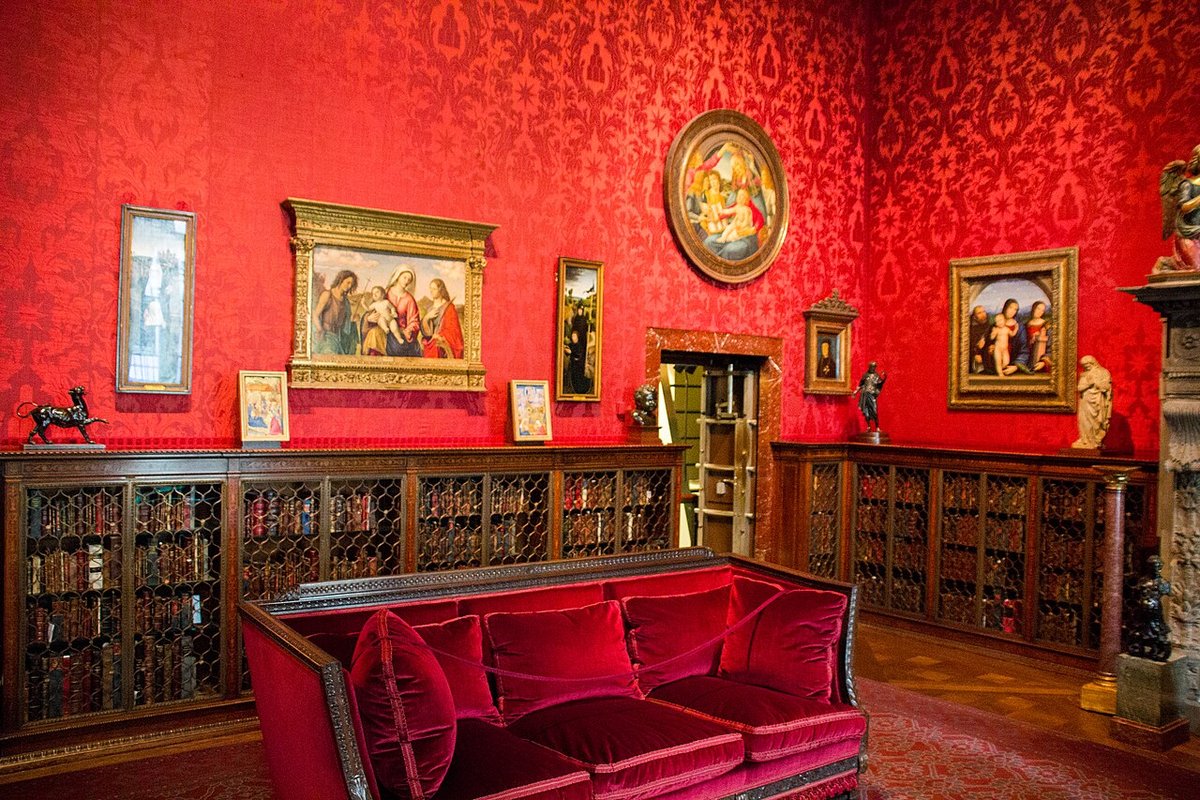
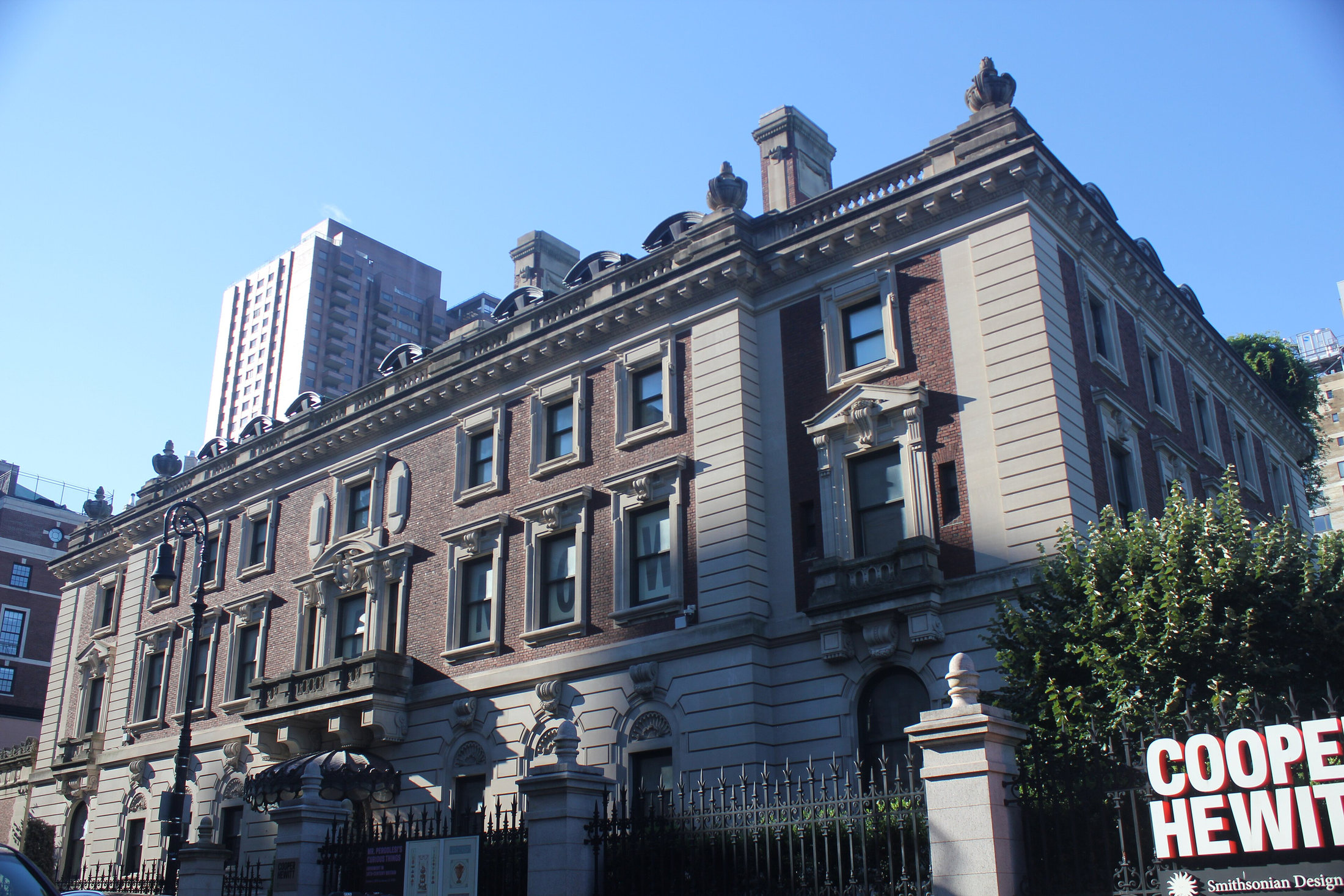
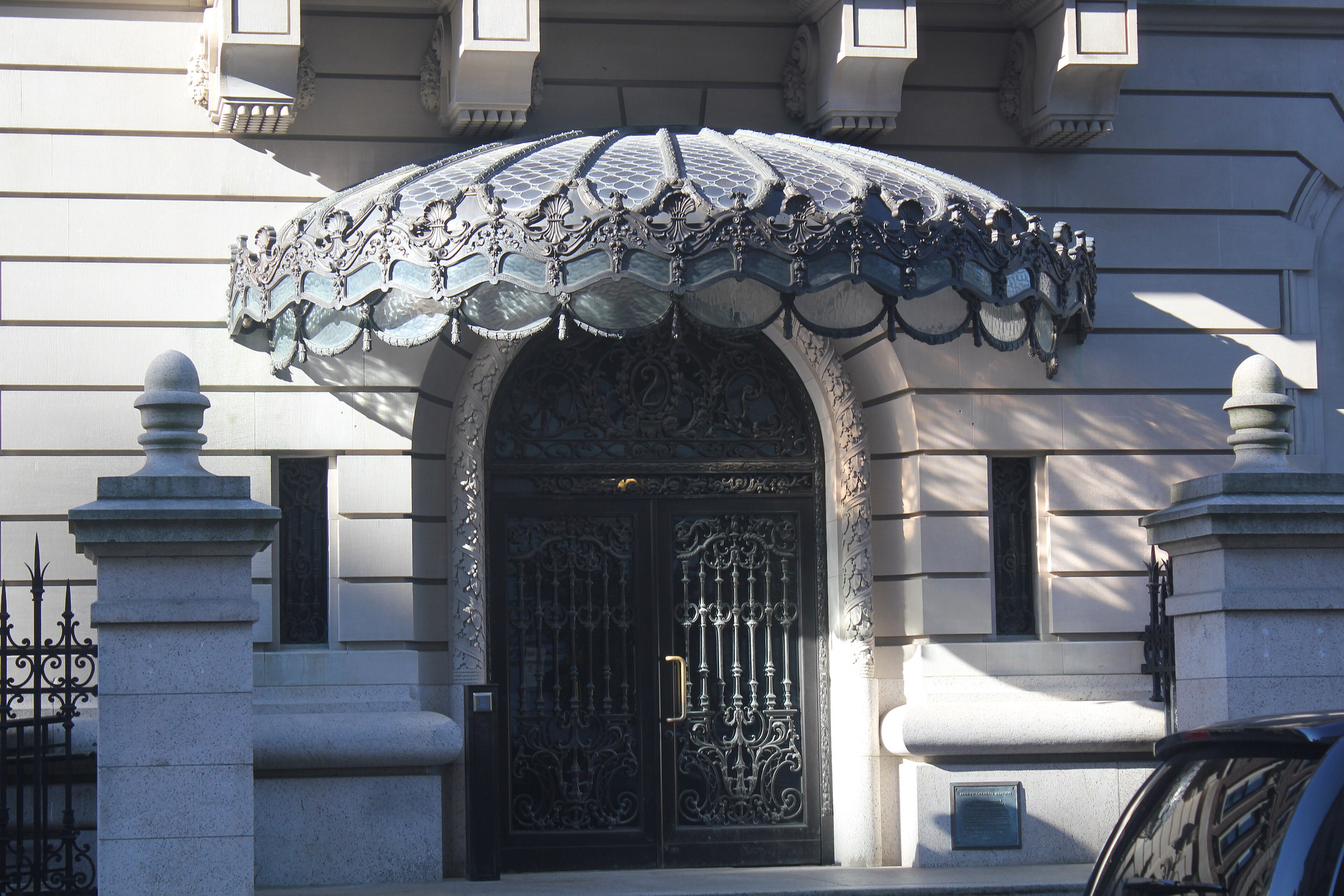
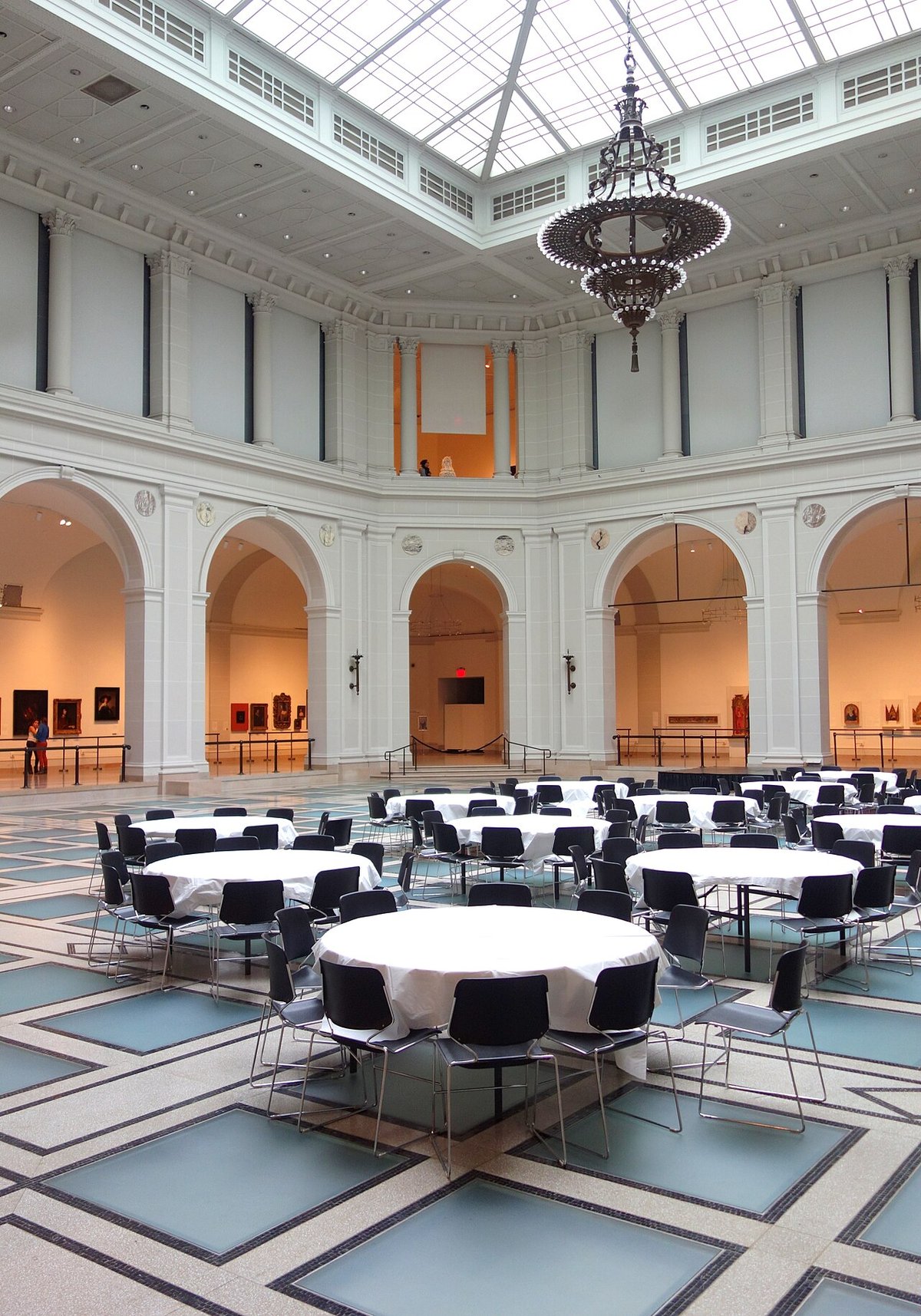
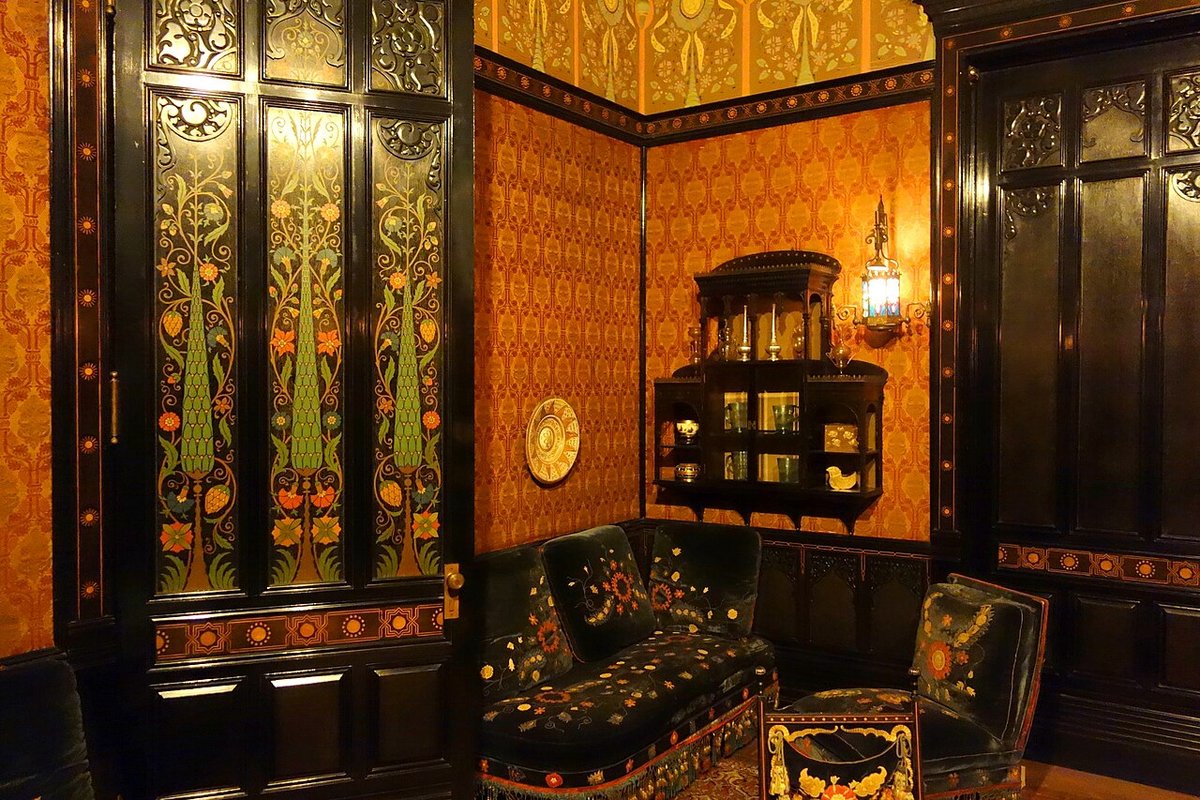
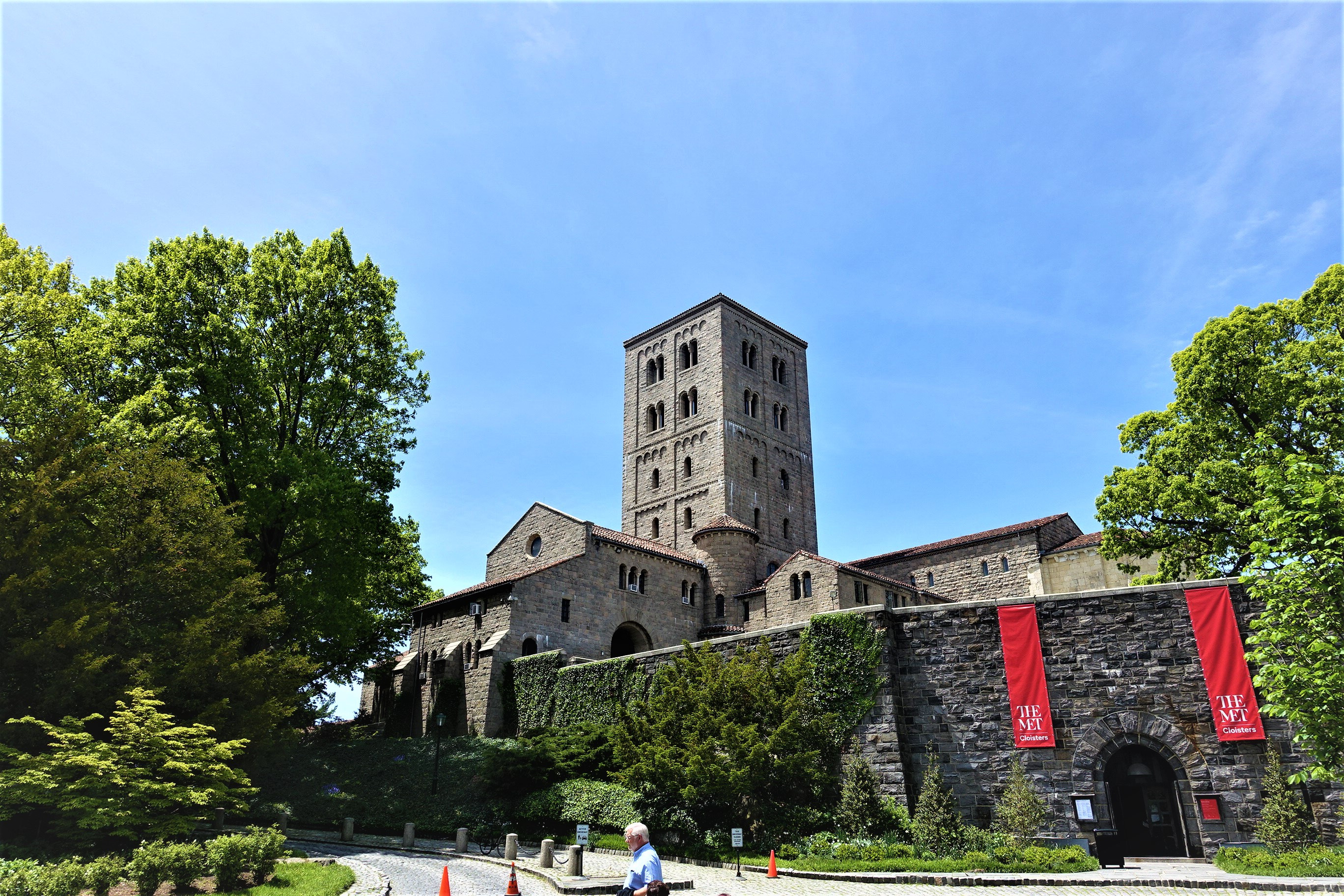
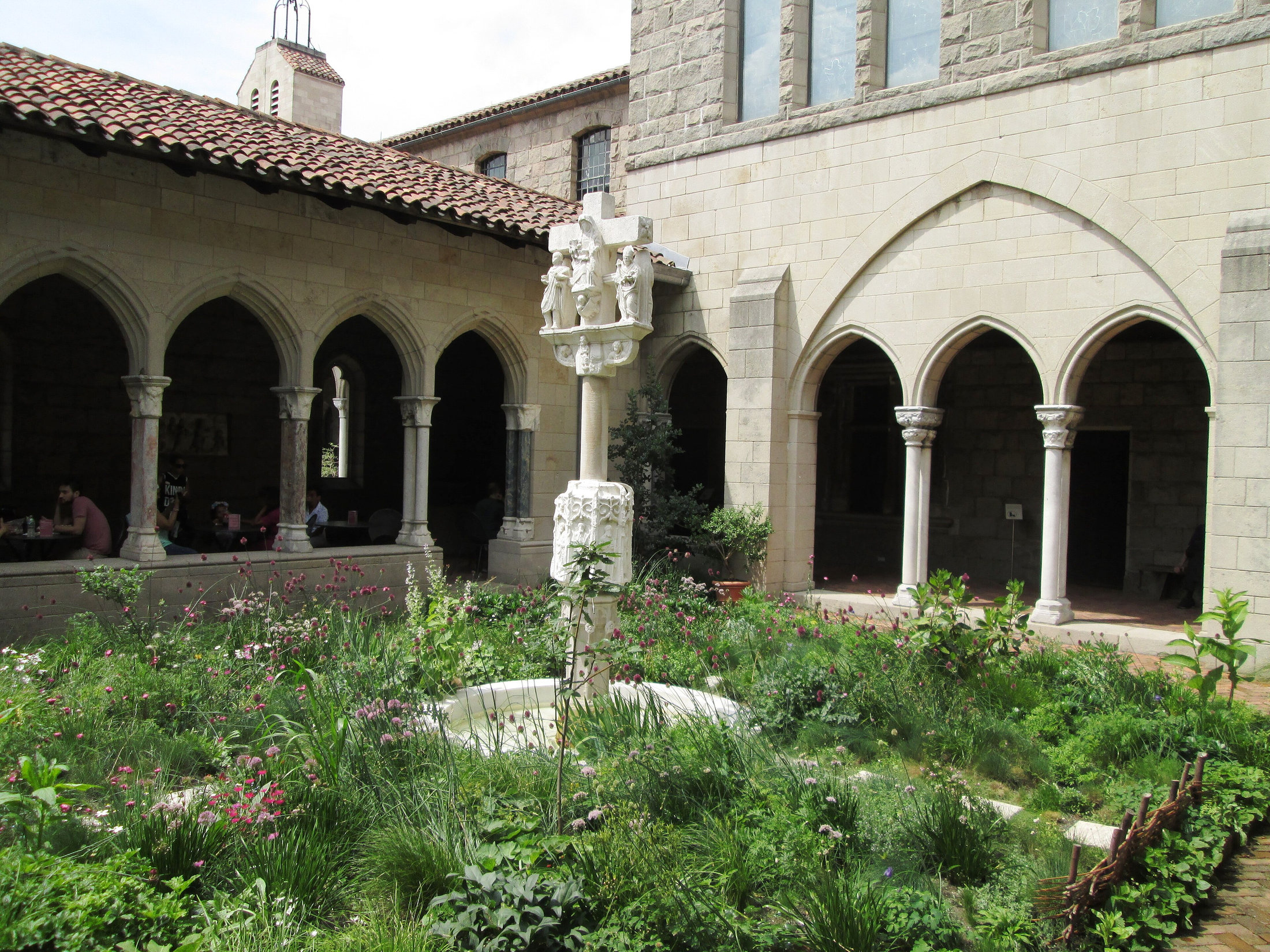
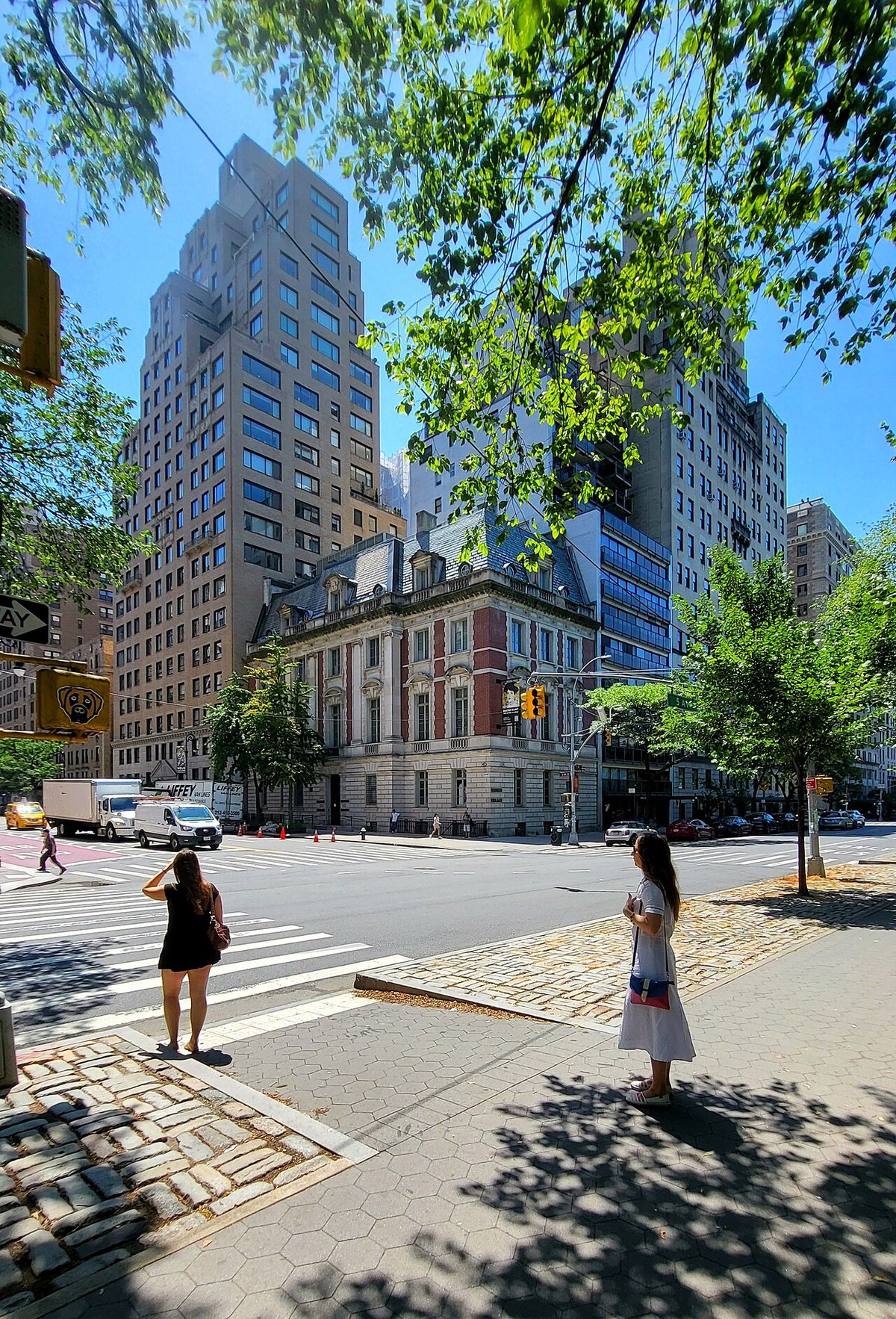
Five Midtown stays, from Bryant Park to West 57th Street. Compare the addresses to choose a base for your museum day.

Midtown
Guest score 9.4/10 · Booking.com
At 18 West 56th Street in Midtown.
18 West 56th Street, New York, NY 10019, USA
Official hotel website
Midtown / Bryant Park
Guest score 9.0/10 · Booking.com
At 40 West 40th Street, by Bryant Park.
40 West 40th Street, New York, NY 10018, USA
Official hotel website
Midtown East / Fifth Avenue
Guest score 9.3/10 · Booking.com
At 12 East 48th Street in Midtown East.
12 East 48th Street, New York, NY 10017, USA
Official hotel website
Midtown East
Guest score 9.1/10 · Booking.com
At 150 East 50th Street in Midtown East.
150 East 50th Street, New York, NY 10022, USA
Official hotel website
Midtown / West 57th Street
Guest score 9.0/10 · Booking.com
At 101 West 57th Street in Midtown.
101 West 57th Street, New York, NY 10019, USA
Official hotel website