1 / 5
07 / MANUSCRIPTS, DRAWINGS & BOOKS
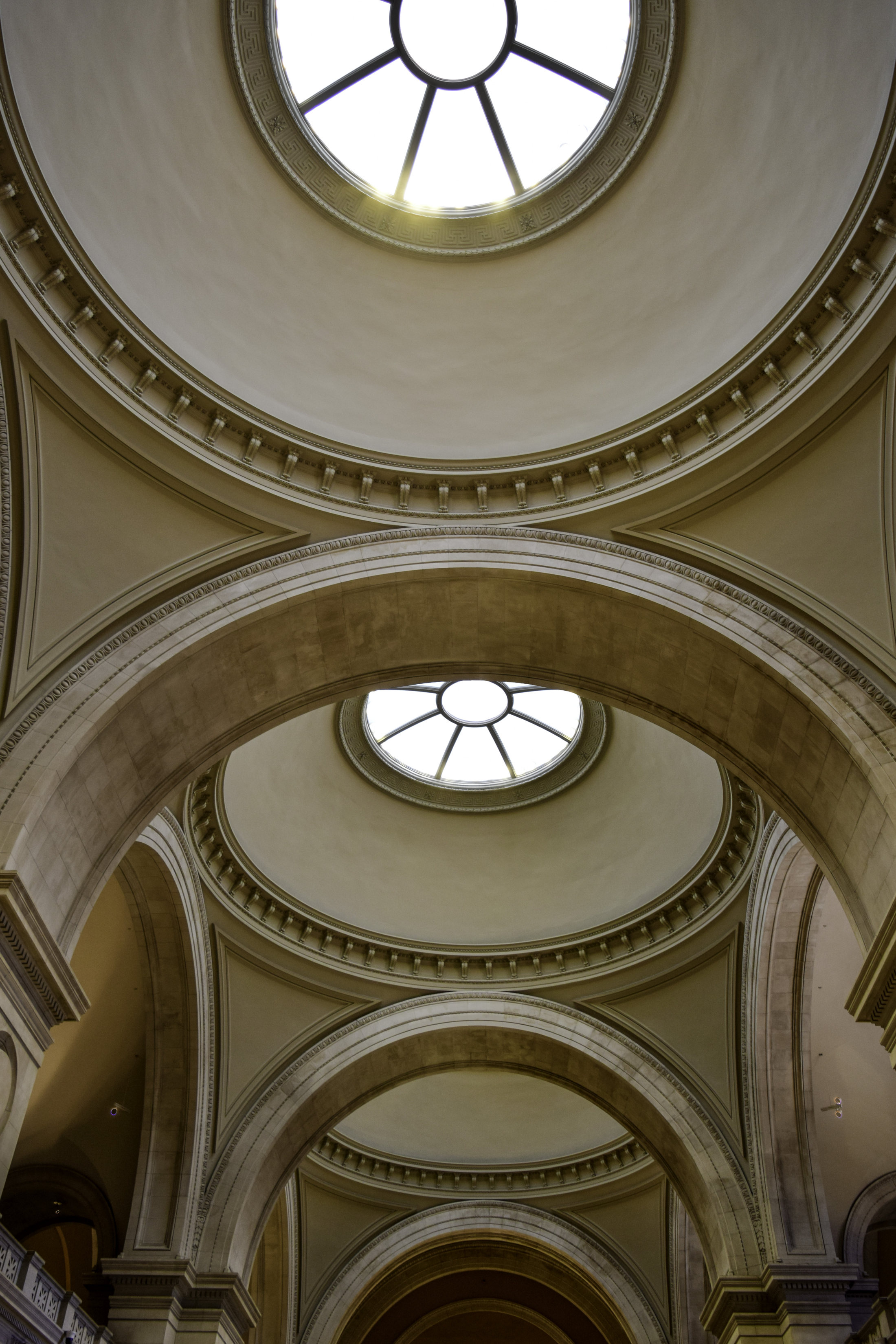
Manuscripts, drawings and historic library rooms meet Renzo Piano’s 2006 expansion. Come for the books and images, and look up at the rooms around them.
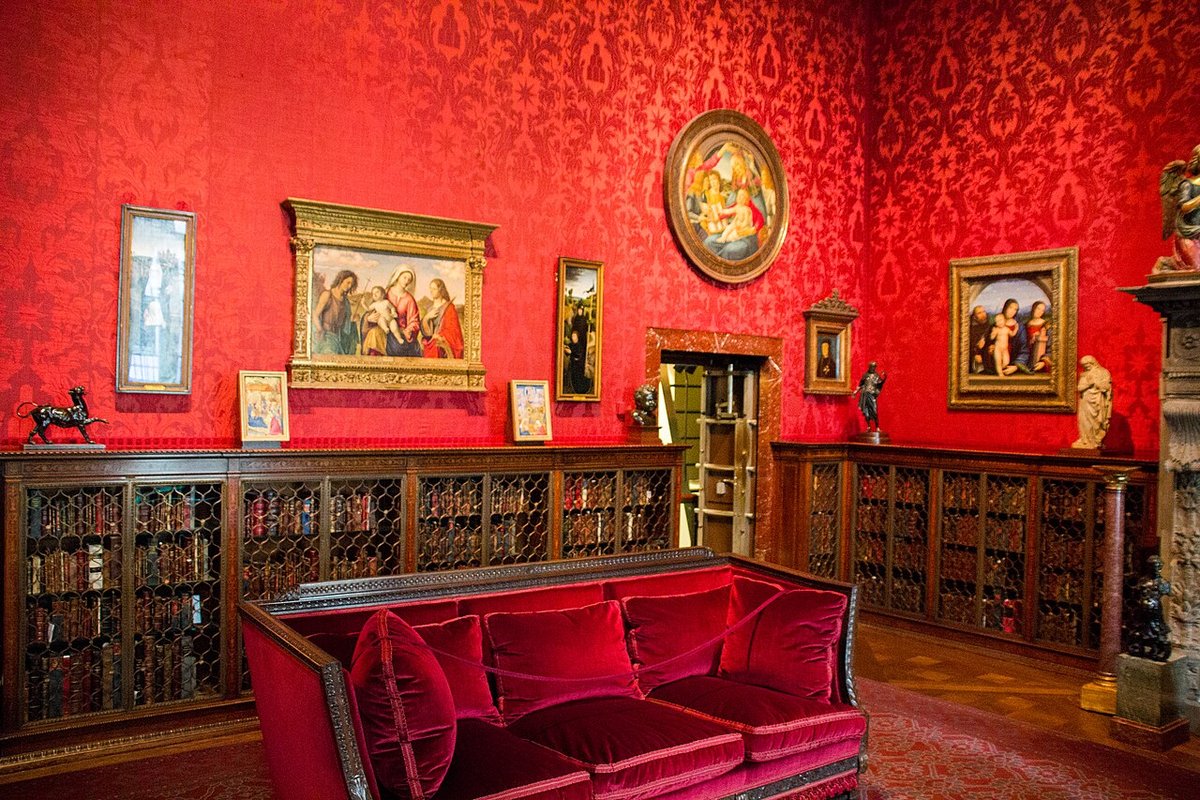
Among the splendid things in Pierpont Morgan's library is a rider with donkey's ears. He is King Midas, in the tapestry above the East Room fireplace.
The Triumph of Avarice is a sixteenth-century warning about greed, from a set that belonged to Henry VIII. It is quite a subject to find above a financier's collection of expensive books.
That little discovery gives you a way into rooms that can be dazzling at first. Beyond the grand impression are smaller things to spend time with: a hand-decorated initial, a crossed-out sentence, or the history of how a particular book arrived here.
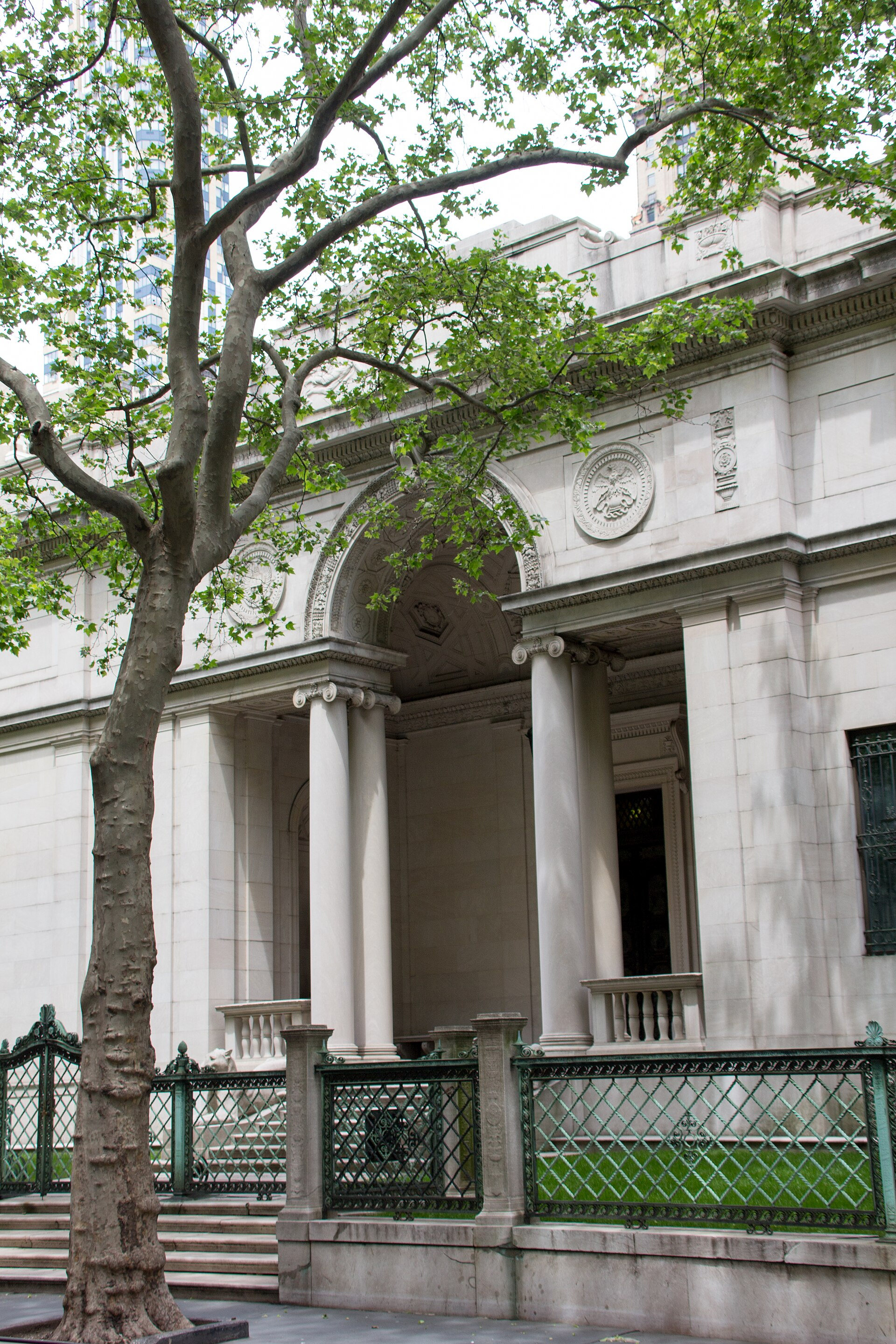
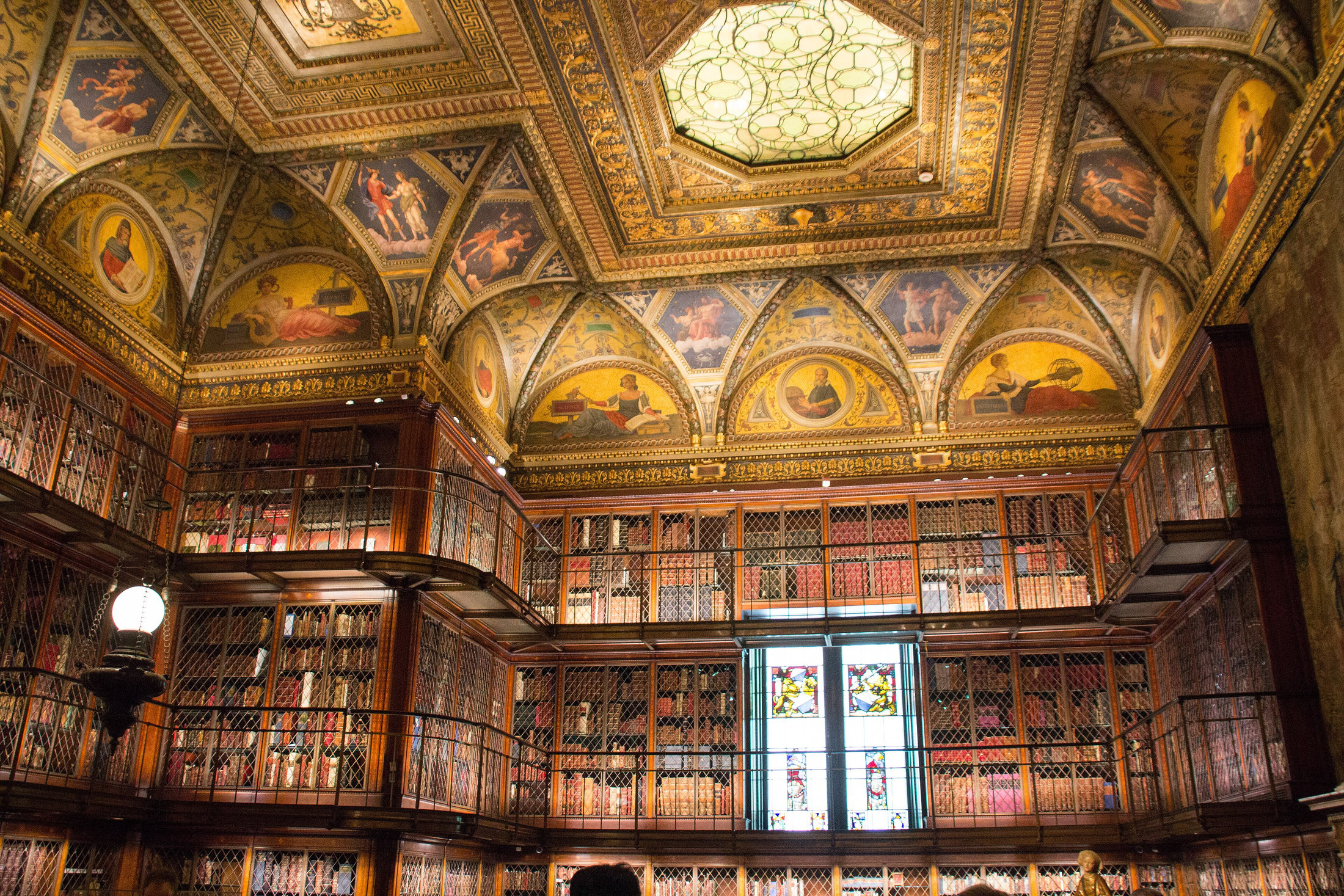
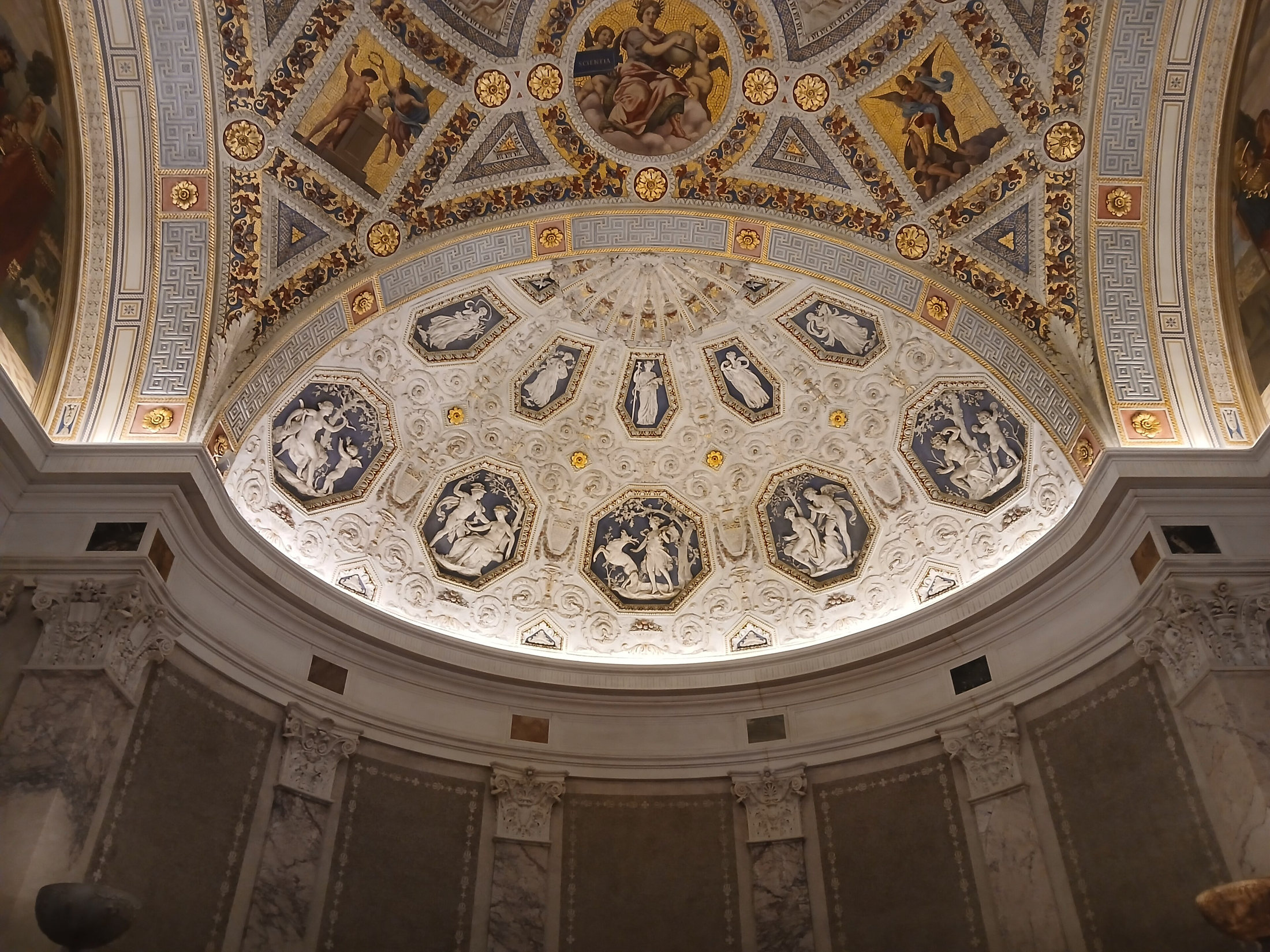
Charles Follen McKim's Renaissance-inspired library was completed in 1906. In the East Room, inlaid walnut bookcases rise through three tiers.
Two hidden staircases behind the cases were designed to reach the upper balconies. Above the shelves, H.
Siddons Mowbray's decoration brings together arts and sciences, with figures including Socrates and Michelangelo.
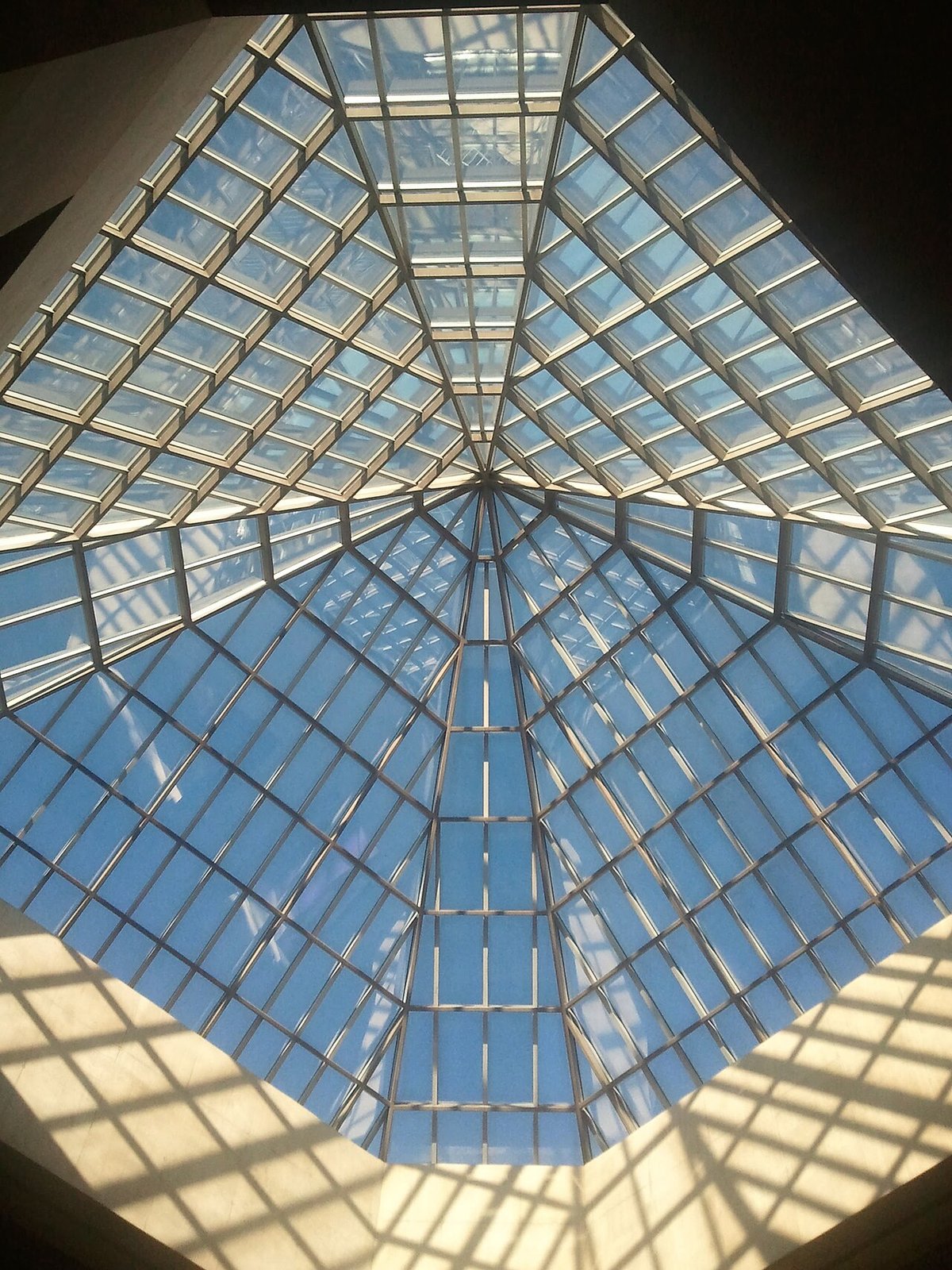
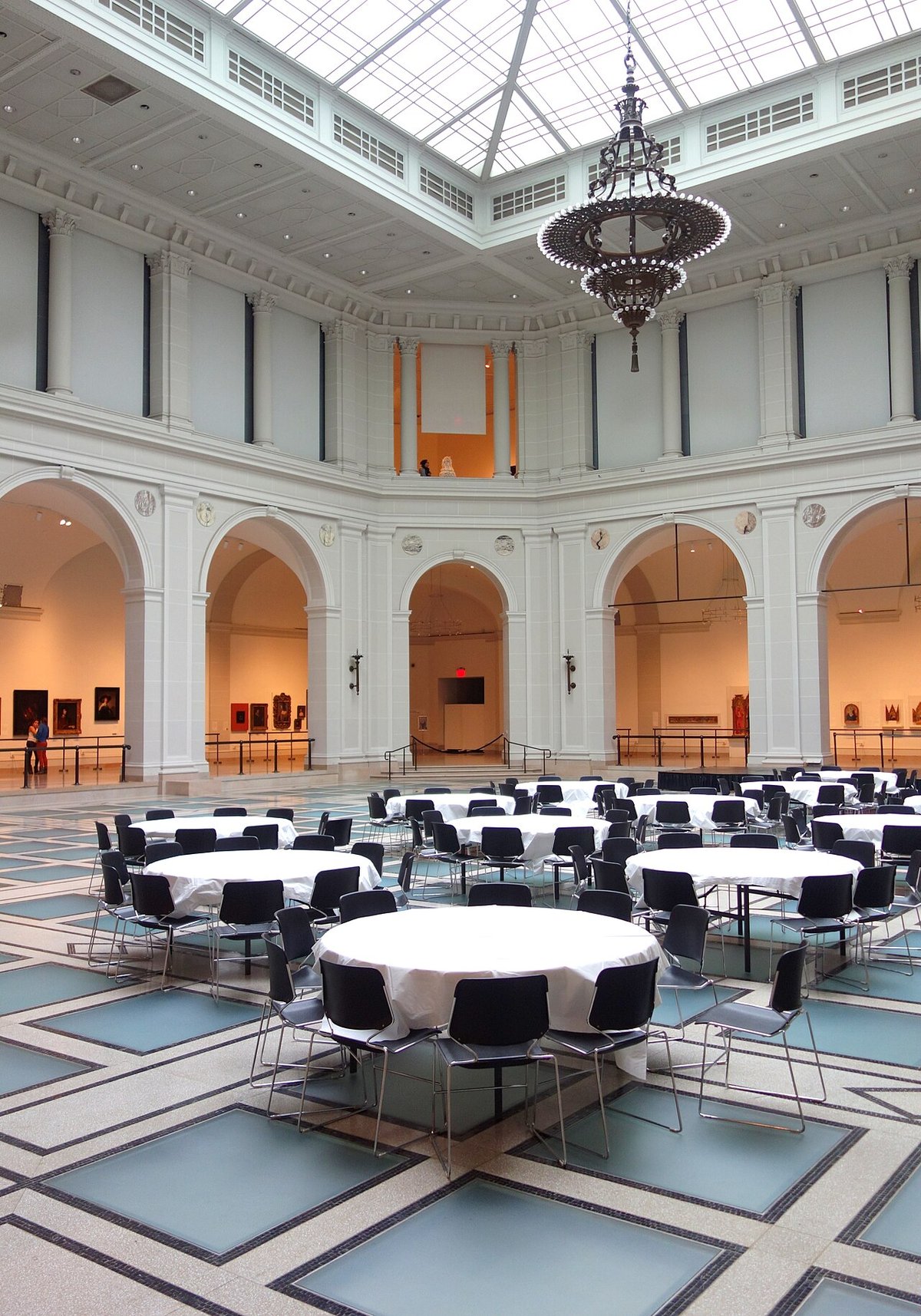
The bookcases and ceiling can easily occupy a while. They make an interesting contrast with the glass-enclosed court in Renzo Piano's 2006 expansion, which links the older buildings.
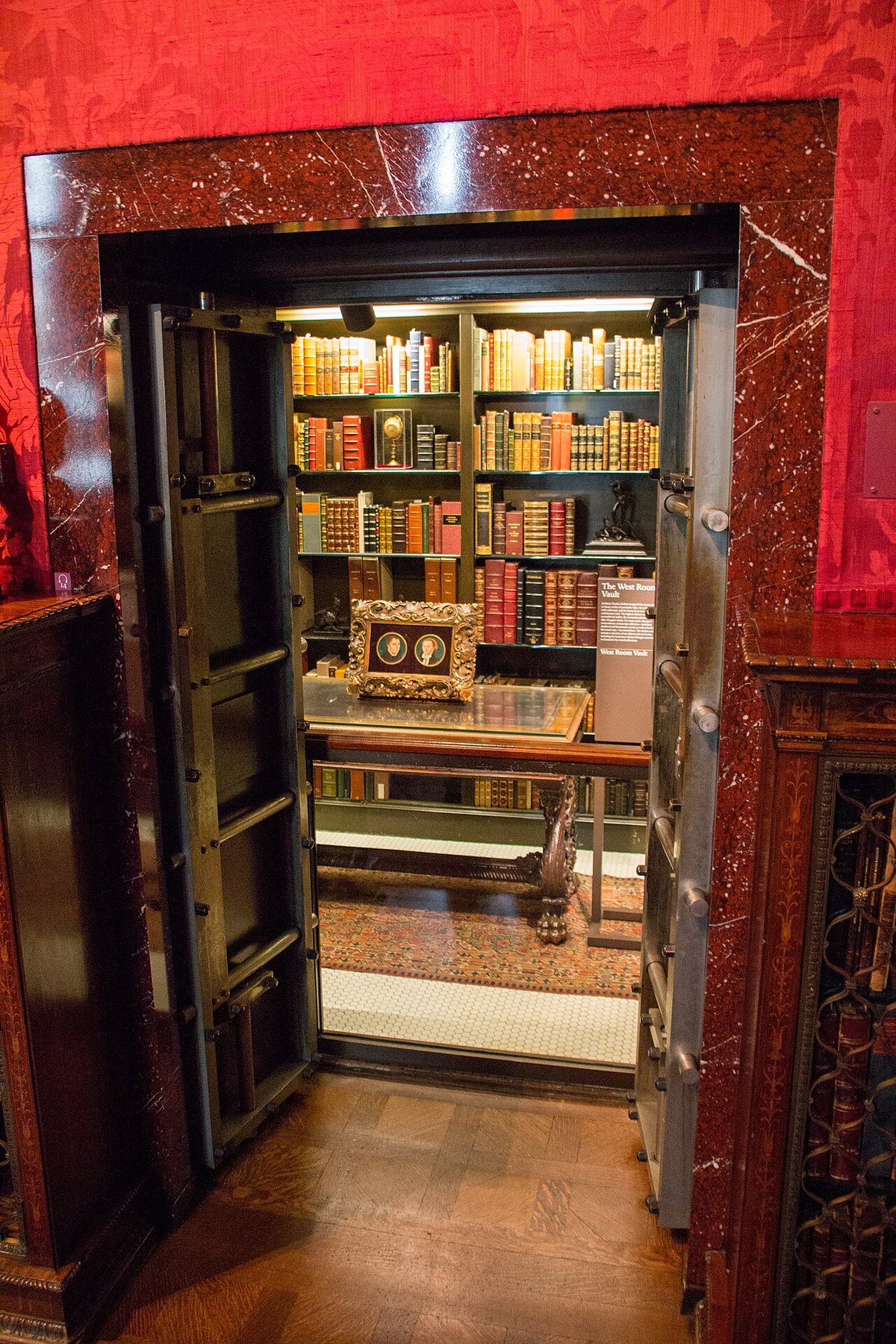
The modern spaces also provide galleries, research facilities and collection storage. The library has continued to need room for work as well as for visitors.
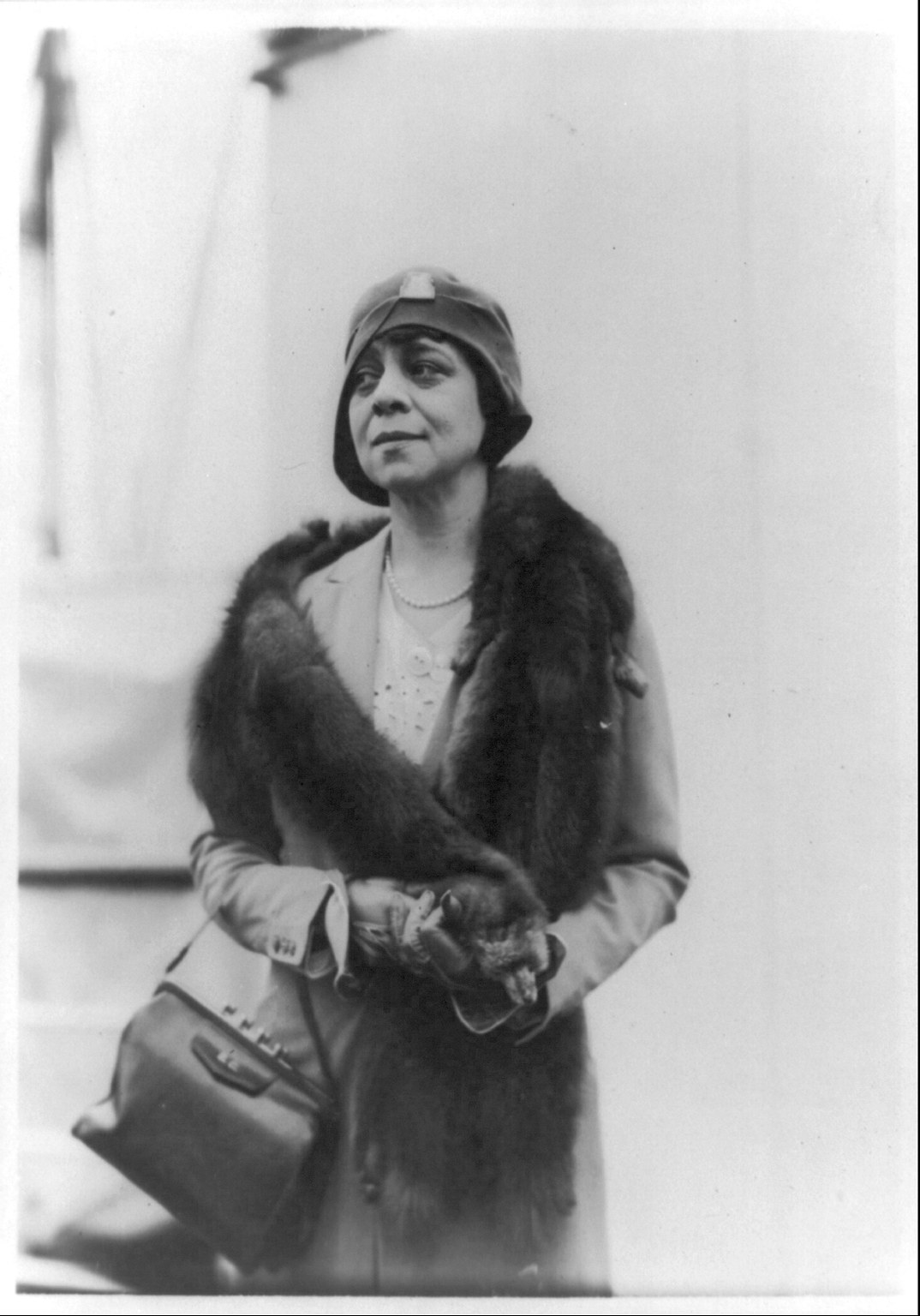
Belle da Costa Greene helped make this collection what it is. She joined Morgan in 1905 after working at Princeton University Library, and her responsibilities included cataloguing, acquisitions and relationships with dealers and scholars.
She came from a distinguished Black family. From her teenage years she passed as white in a segregated and deeply racist society, a history of exclusion that belongs alongside her professional achievements.
In 1911, she successfully bid for the only complete surviving copy of William Caxton's 1485 printing of Thomas Malory's Le Morte d’Arthur. Behind the famous Arthurian stories was a very rare physical book, and behind its acquisition was someone able to recognise its importance and secure it for the library.
When J. P.
Morgan Jr. made the library a public institution in 1924, Greene became its first director. Exhibitions, teaching and access for researchers were central to her work.
She helped shape both the collection and the opportunities people had to encounter it.
The Morgan owns three Gutenberg Bibles, printed in Mainz around 1454–55. They differ in materials, decoration and completeness.
Even when books share a printed text, their physical histories can take different paths.
The relationship between print and handwork is particularly rewarding to look at. The dense printed columns left spaces for decoration to be added by hand.
In the complete paper copy, red and blue penwork marks divisions and helps a reader find a way through the text. Those small interventions are part of how the page works, alongside the printed letters.
Antoine de Saint-Exupéry wrote The Little Prince in 1942 while working in New York and on Long Island during the Second World War. Its first publication, in French and English, was in New York in April 1943.
A book so closely associated with France has an important beginning in the city outside.
His surviving draft pages have crossings-out, coffee stains and cigarette burns. Chapters were revised repeatedly and whole passages removed; even these manuscripts do not preserve every stage.
In the digital facsimile, a correction or a sketch beside its published illustration lets you spend a moment with a decision that could have gone another way.
The manuscript and drawings came from Silvia Hamilton in 1968, long after Pierpont Morgan died. They are one example of the collection growing beyond its founder's lifetime and tastes.
The online facsimile gives the pages a generous scale for looking closely.
Roughly 1½–2½ hours allows for the historic rooms and an exhibition, with more or less time according to your interests. After enjoying the East Room's architecture, a single book, drawing or manuscript can give the visit a more intimate focus.
A label's detail about its maker, material or history may reveal something you would otherwise pass by.
Fragile works rotate, so check current exhibitions before planning around an object in these collection stories. If a Gutenberg Bible is displayed, check the label before applying the history of one copy to another.
Online collection material and The Little Prince facsimile are useful companions when the original is resting out of view.
Friday admission from 17:00–20:00 is free, with reservations released a week ahead. On Tuesdays and Sundays, 15:00–17:00, free access covers the historic library rooms only; special exhibitions are excluded.
Friday free admission requires a reservation. The Tuesday and Sunday historic-library-only windows need no reservation.
For ordinary paid admission, advance timed tickets are suggested rather than required.
The published 2026 garden season runs from 1 May to 1 November, Fridays–Sundays. Check access for your date and the weather.
Seniors 65+ pay US$17, students with current ID US$13, and disabled visitors US$13. An accompanying caregiver enters free. Children 12 and under enter free with an adult.
Yes. An online service fee is added to admission.
Last reviewed: . Check the museum’s website for current hours and ticket prices.
Bookable options on GetYourGuide. Check what is included, the entry time and the final price before you book.
Tours and tickets · compare options
Morgan Library tickets are sold by the museum. Compare other New York tours and tickets on GetYourGuide.
Affiliate link. We may earn a commission.Use two fingers to move or pinch the map on a touch screen; one finger scrolls the page. In full screen, drag to move. Use plus and minus to zoom. Arrow keys move the map; zero fits all stops. Escape closes the preview or full screen.
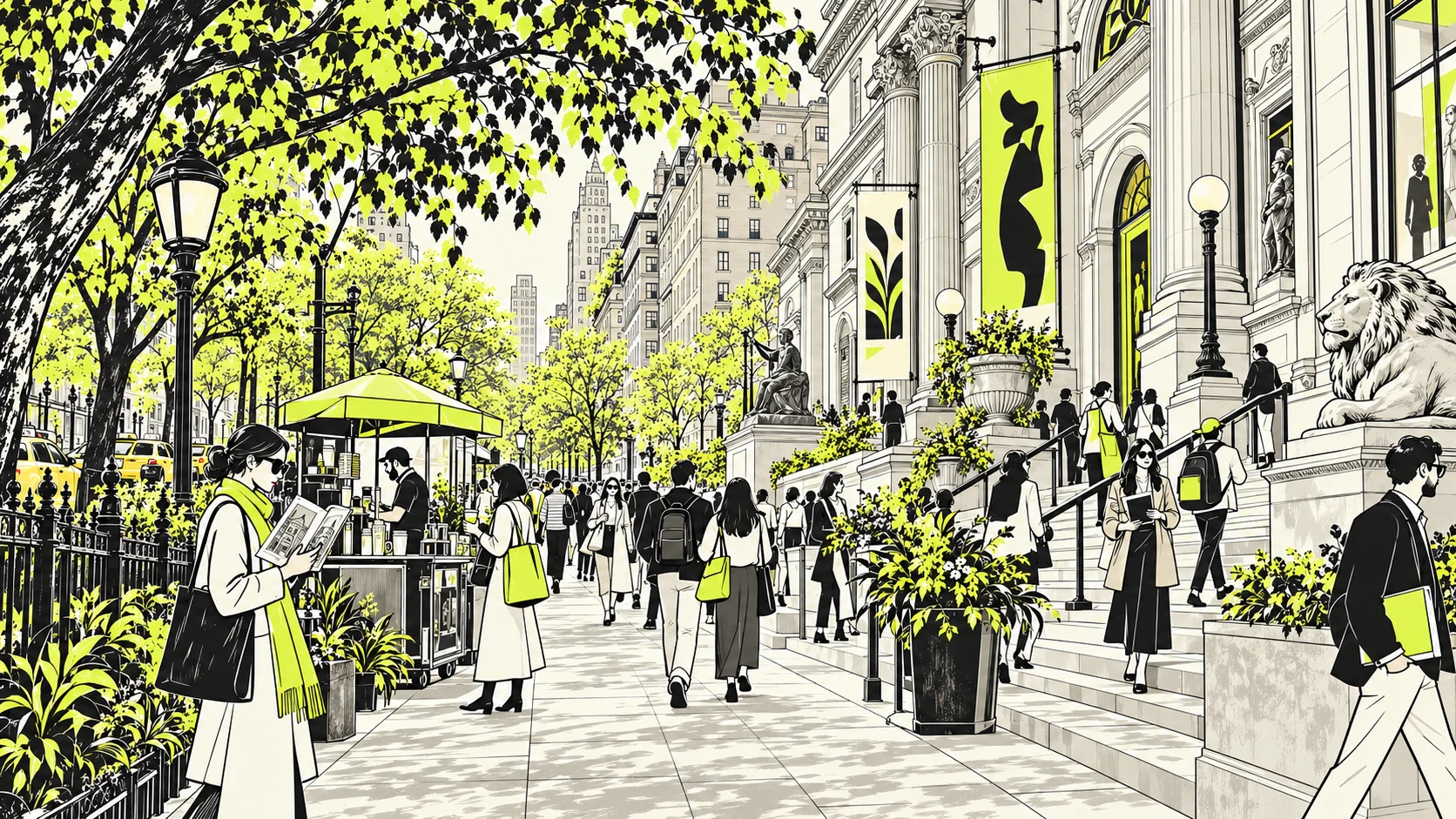
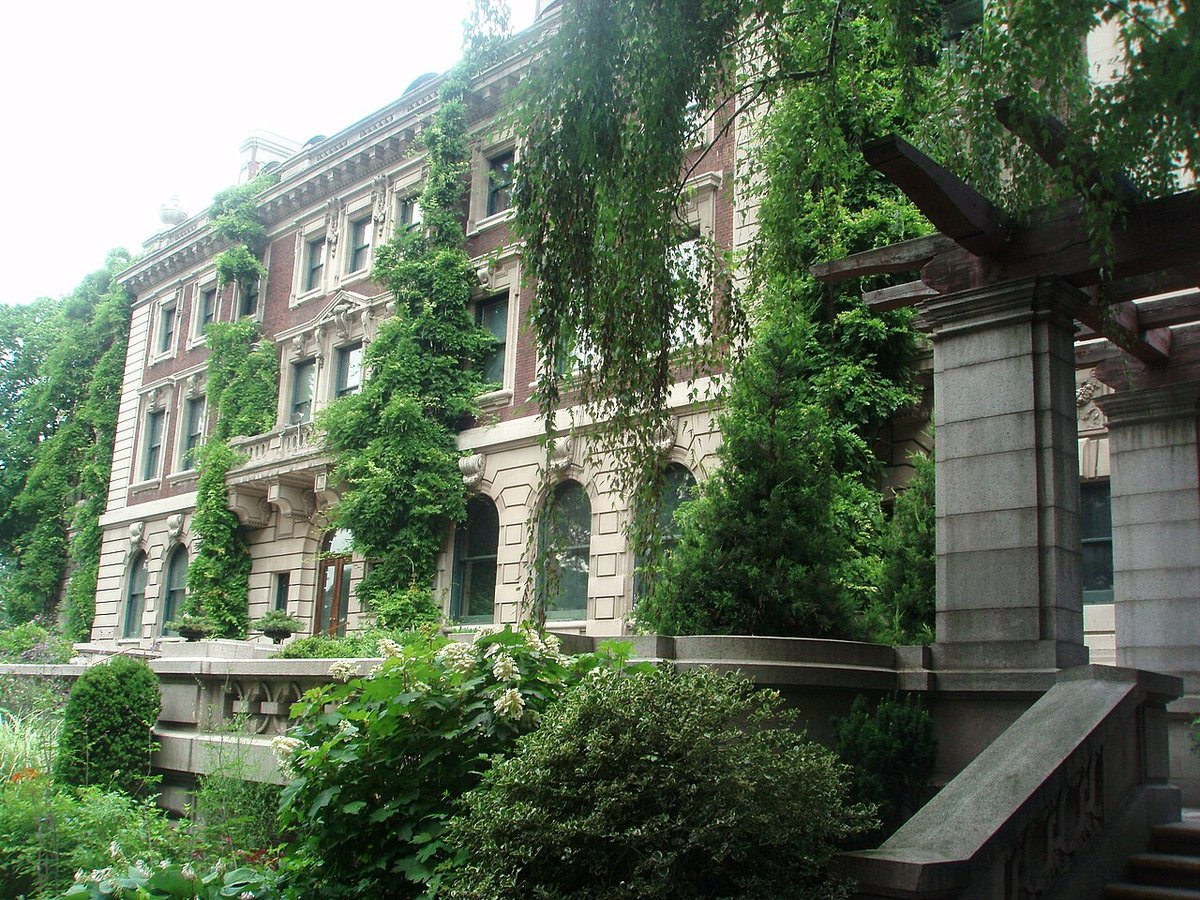
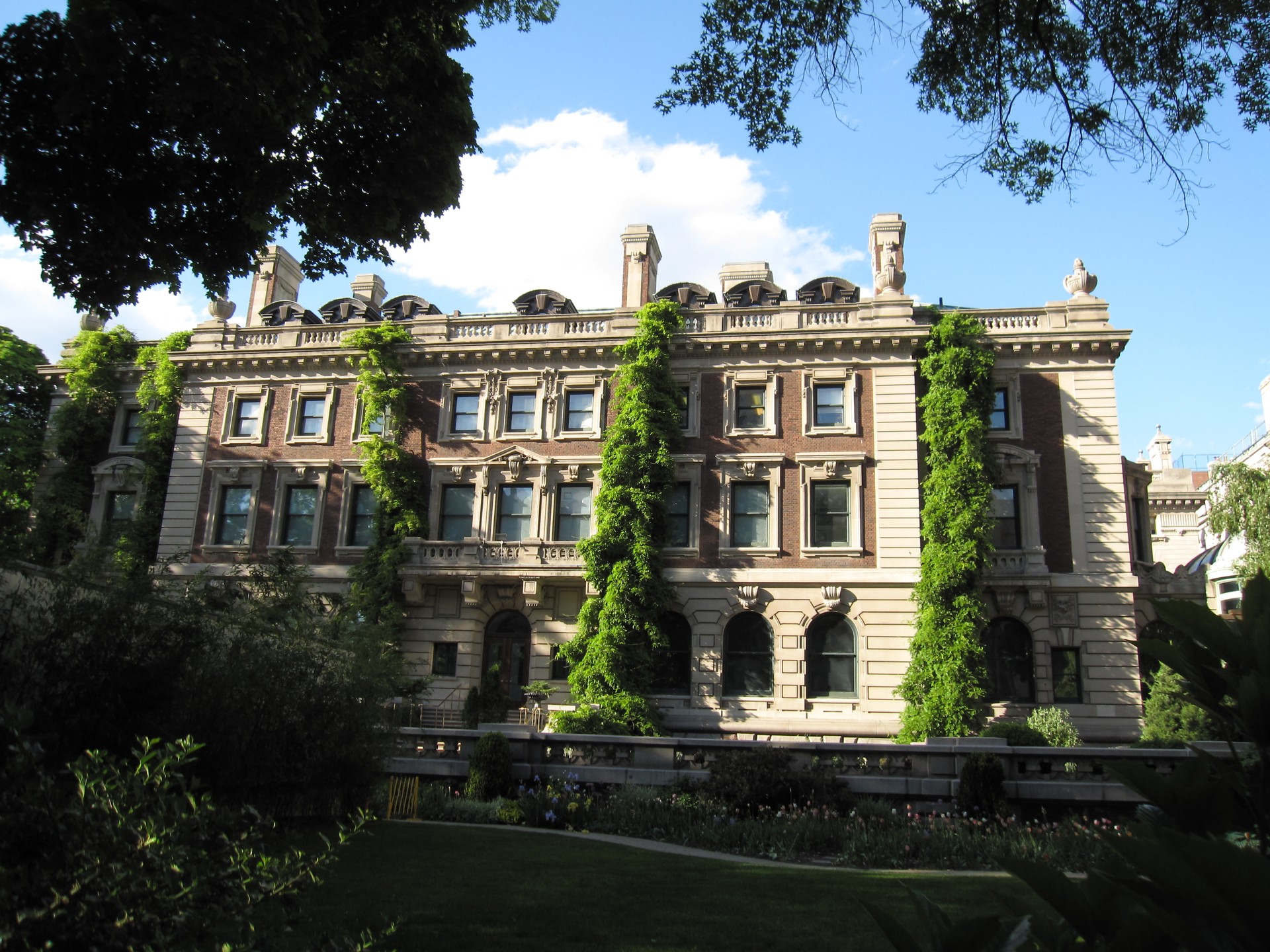
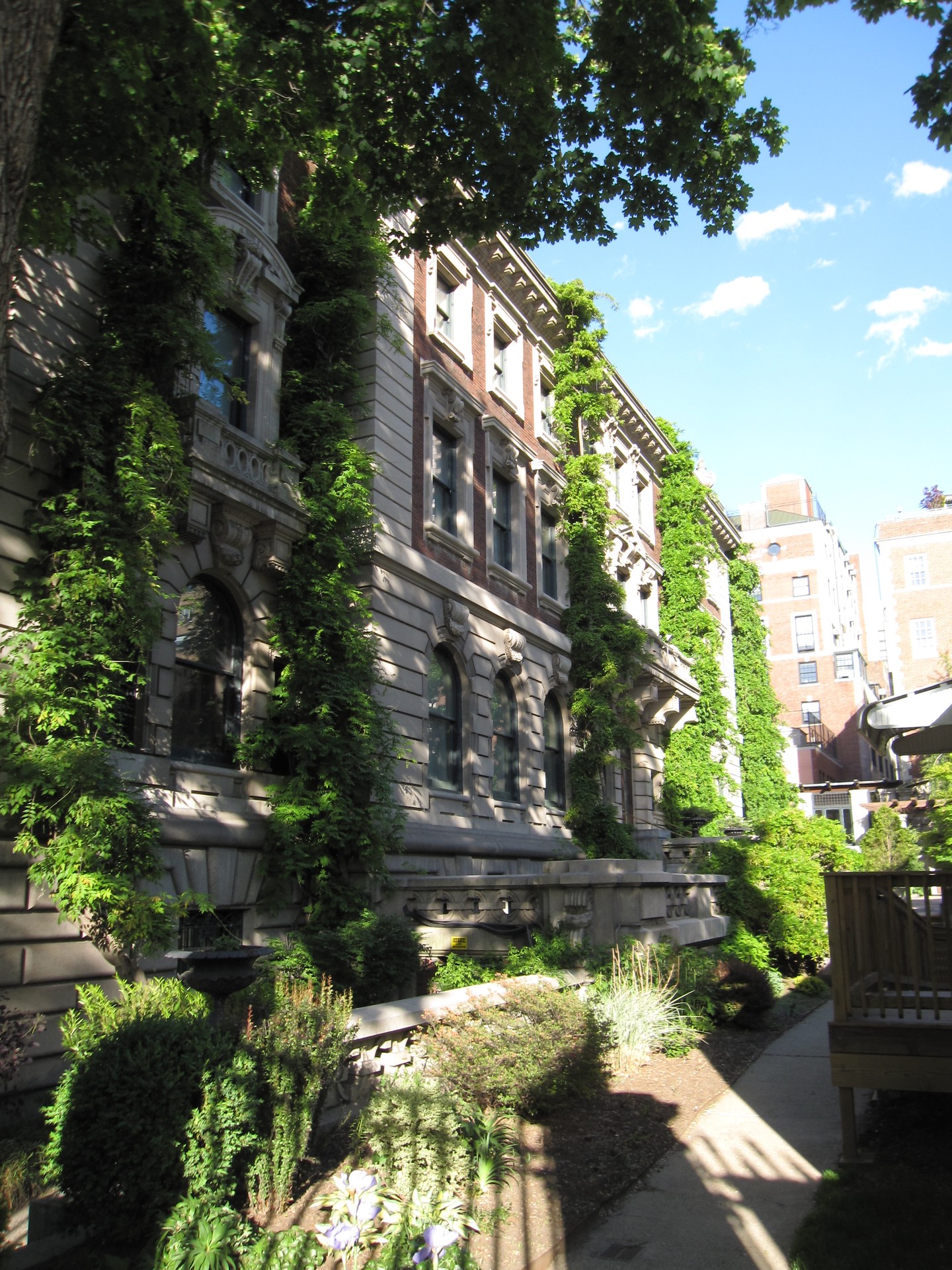
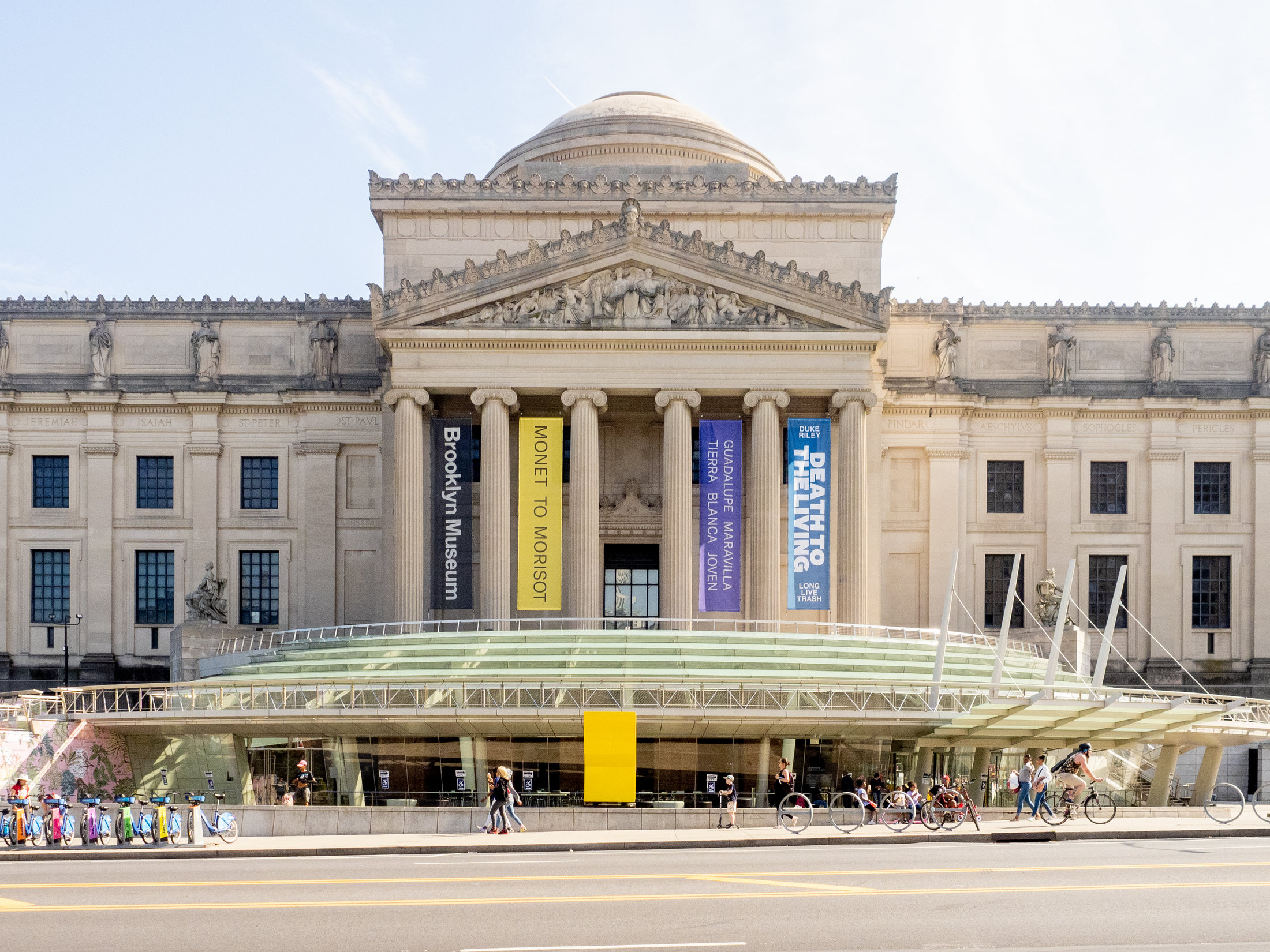
An illustrated introduction to a related guide, not a depiction of this museum.
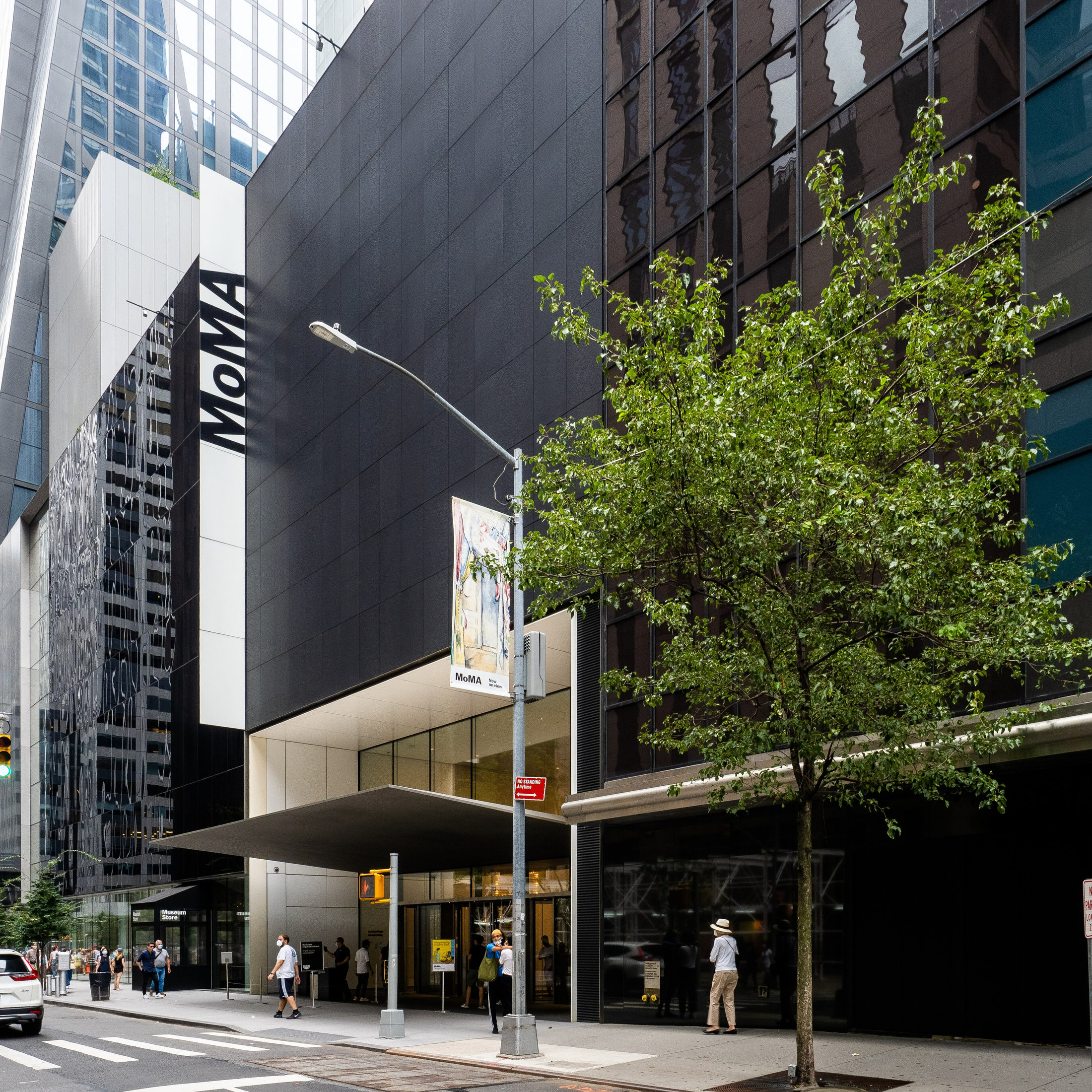
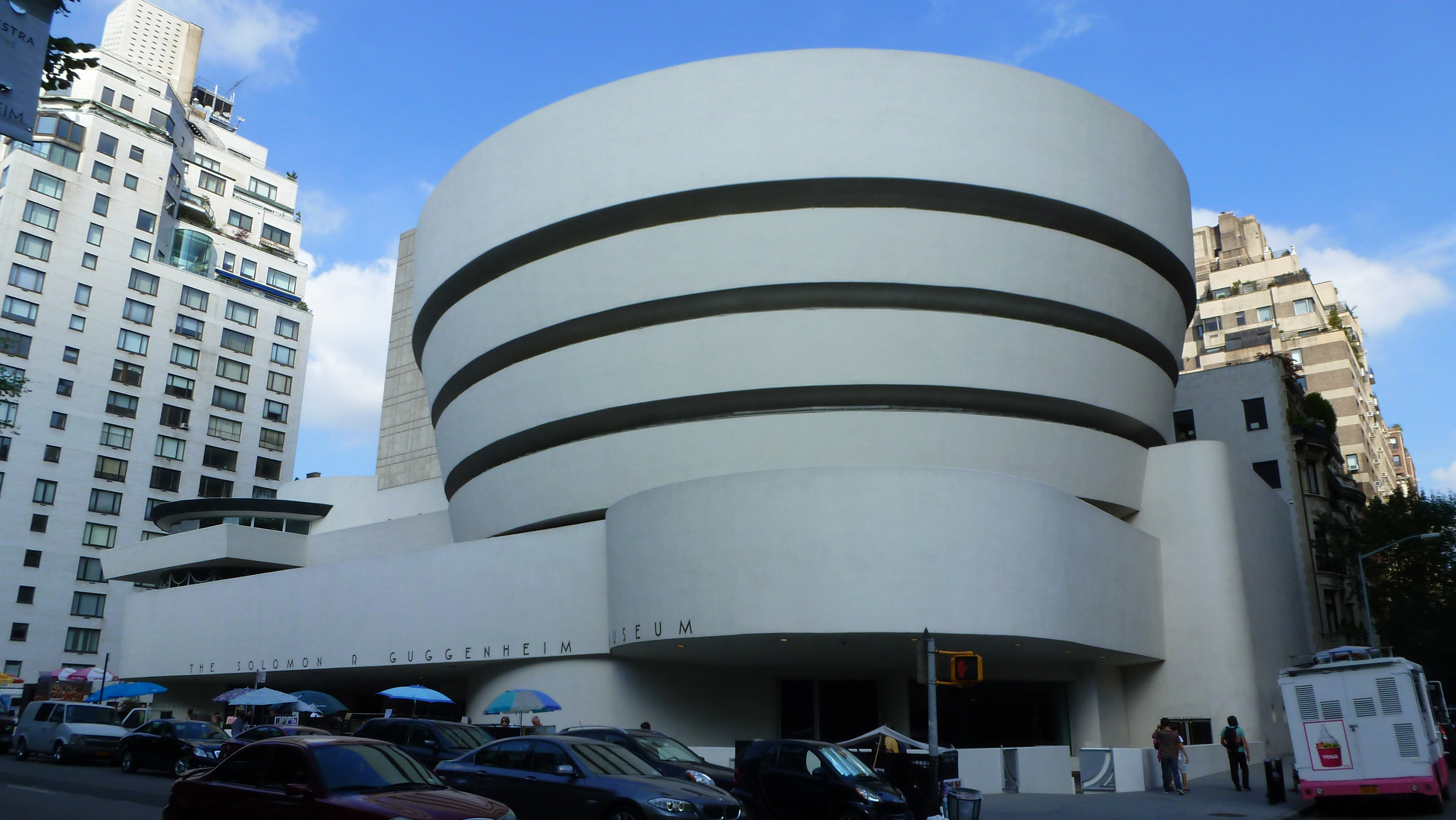
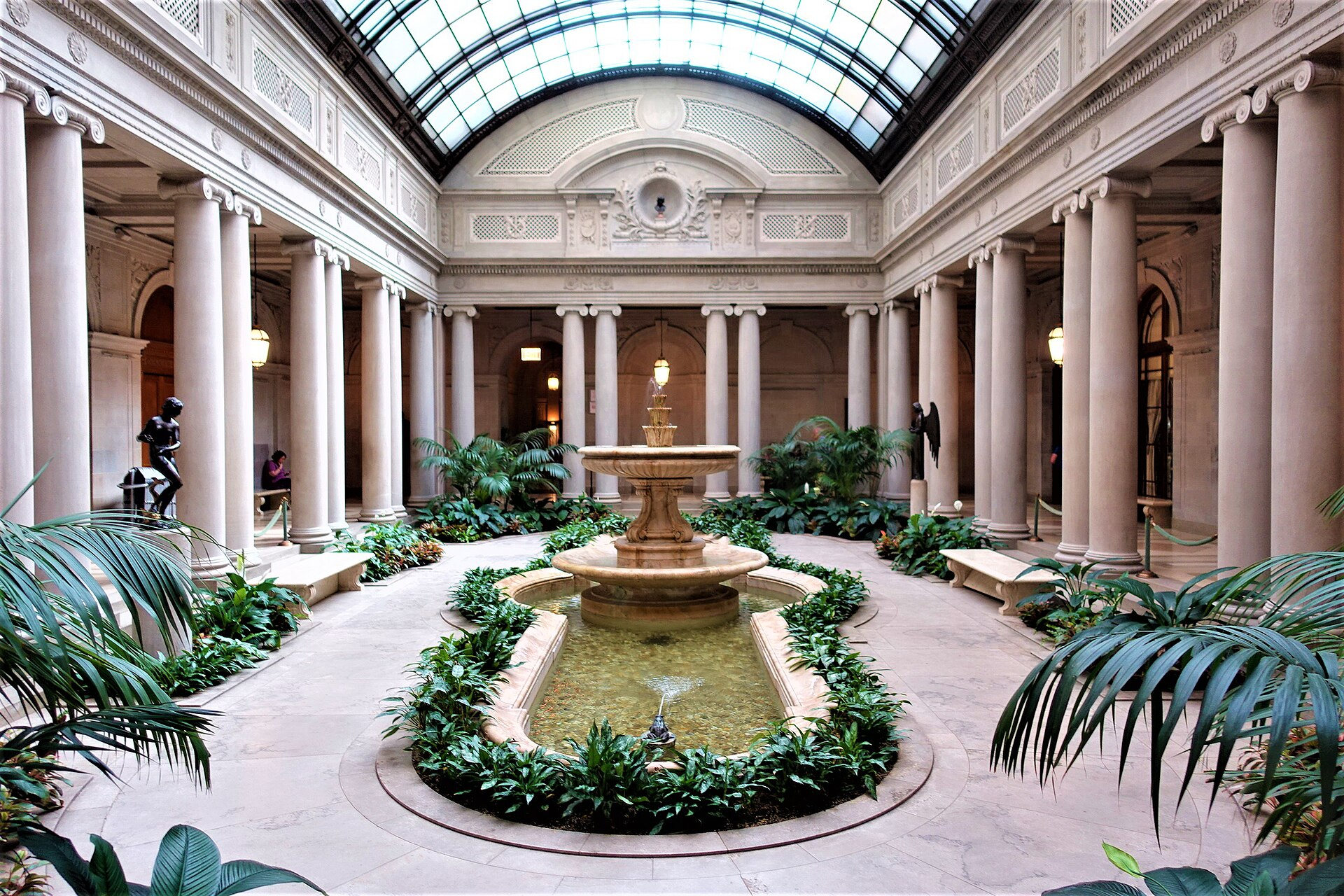
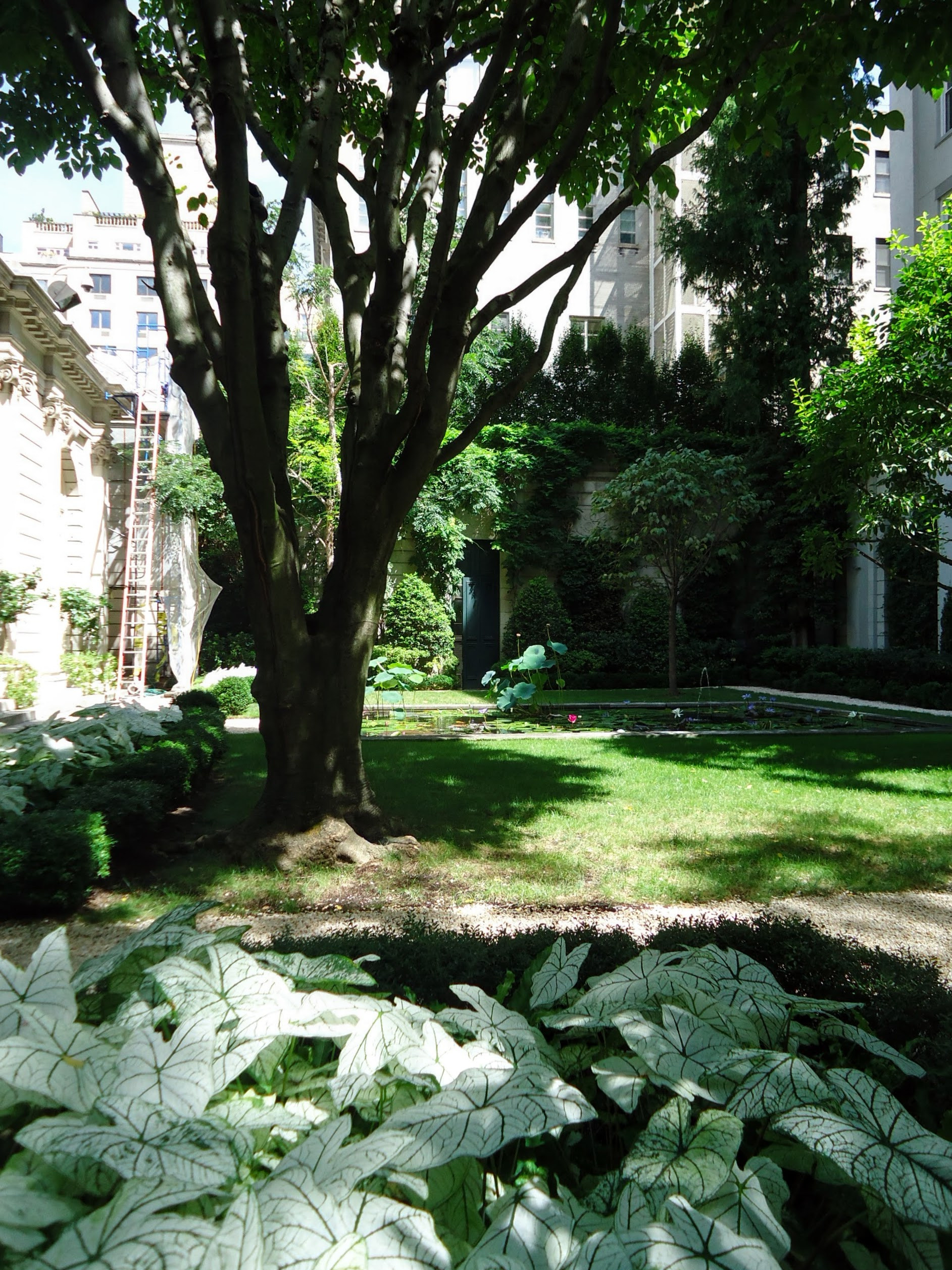
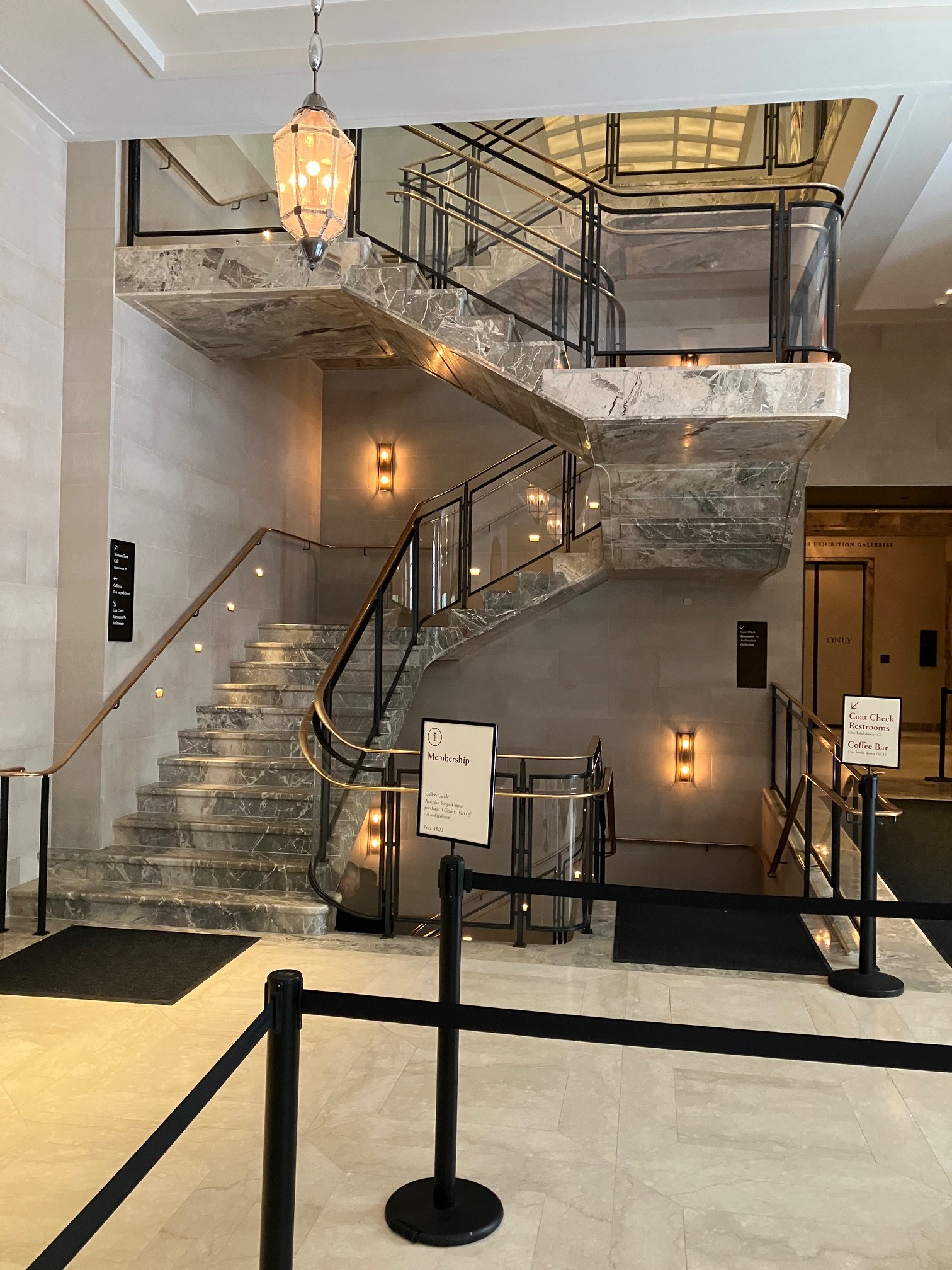

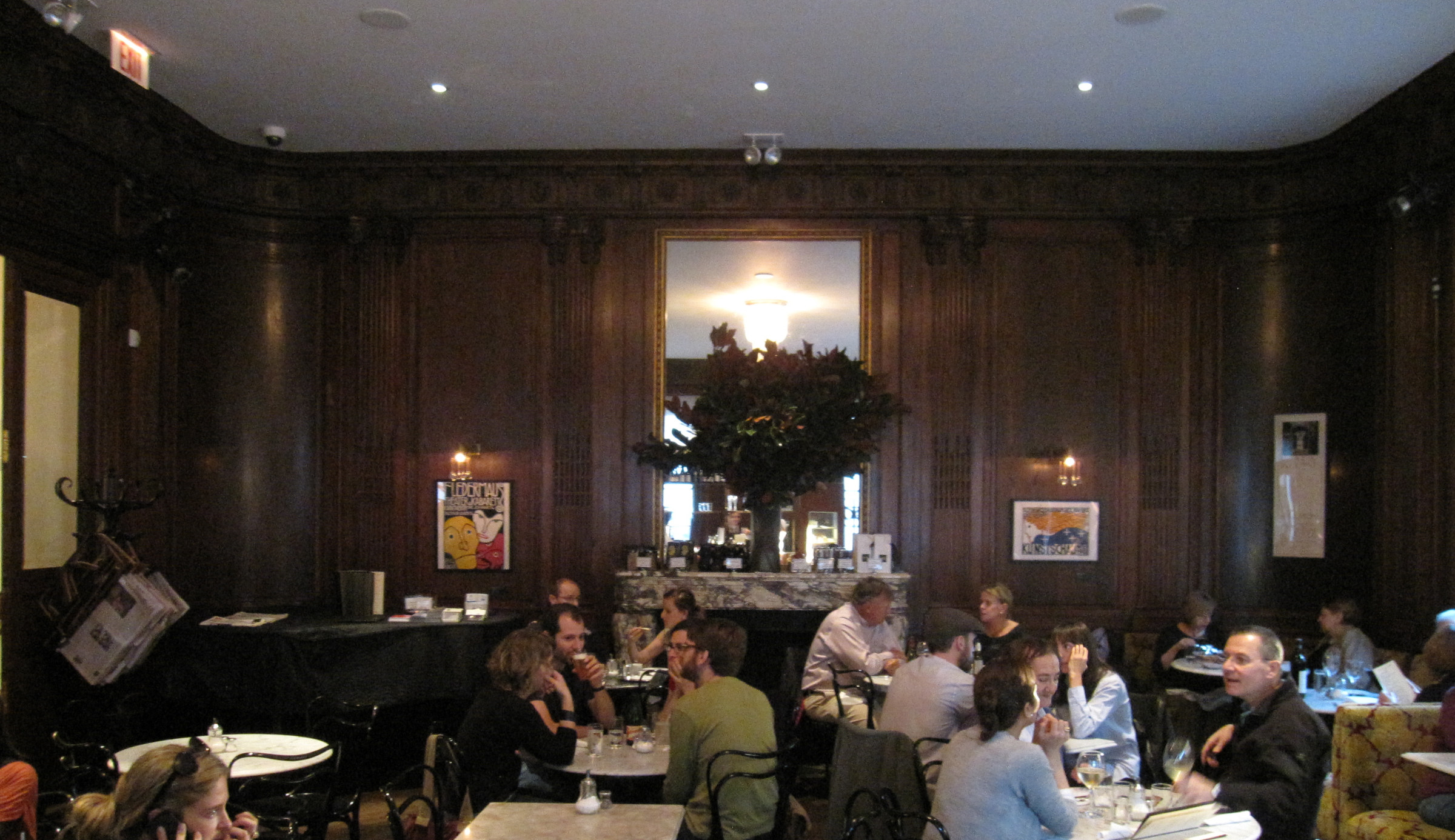
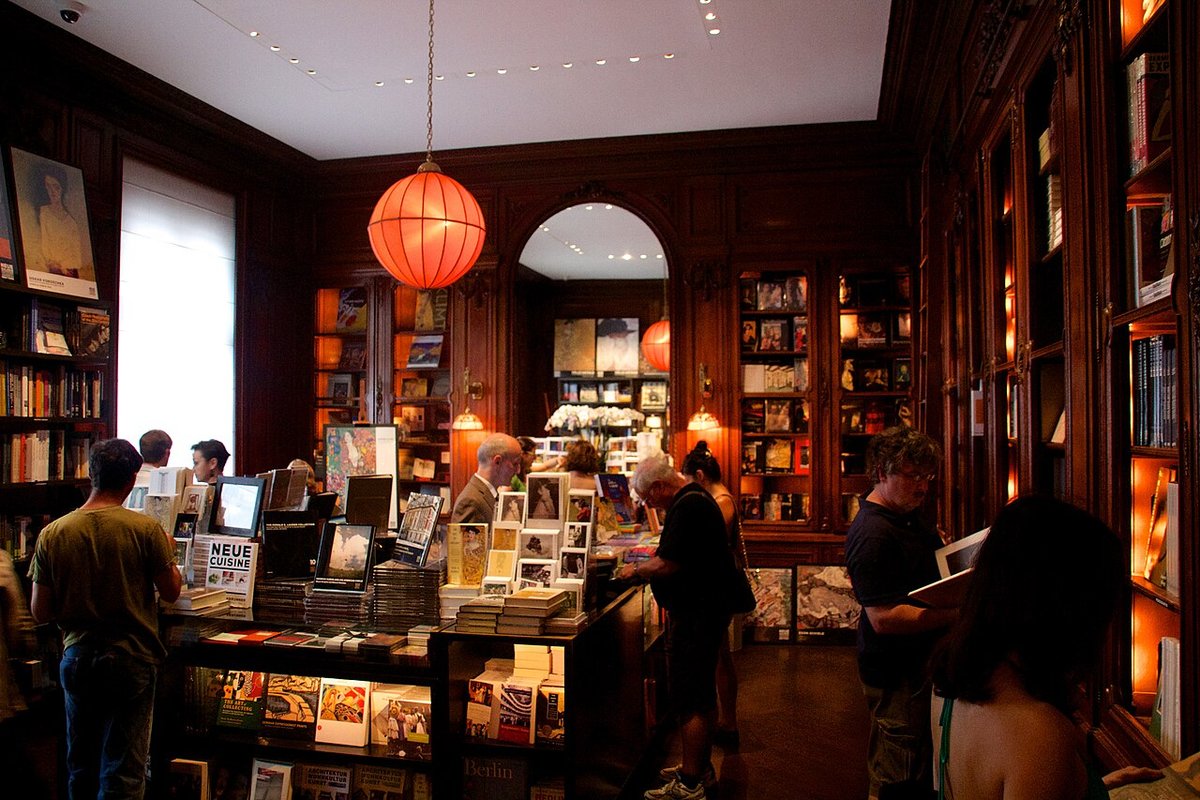
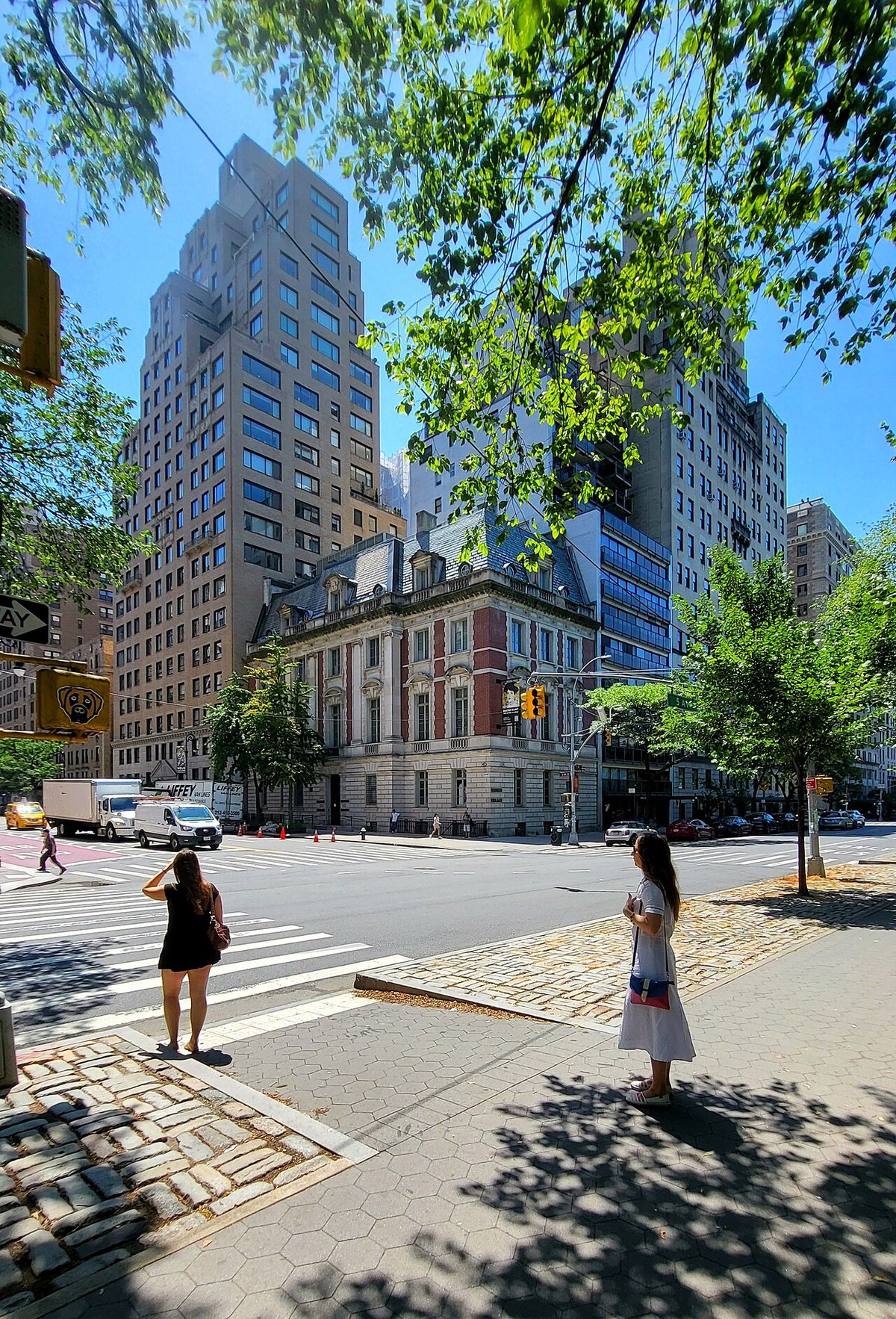
Five Midtown stays, from Bryant Park to West 57th Street. Compare the addresses to choose a base for your museum day.

Midtown
Guest score 9.4/10 · Booking.com
At 18 West 56th Street in Midtown.
18 West 56th Street, New York, NY 10019, USA
Official hotel website
Midtown / Bryant Park
Guest score 9.0/10 · Booking.com
At 40 West 40th Street, by Bryant Park.
40 West 40th Street, New York, NY 10018, USA
Official hotel website
Midtown East / Fifth Avenue
Guest score 9.3/10 · Booking.com
At 12 East 48th Street in Midtown East.
12 East 48th Street, New York, NY 10017, USA
Official hotel website
Midtown East
Guest score 9.1/10 · Booking.com
At 150 East 50th Street in Midtown East.
150 East 50th Street, New York, NY 10022, USA
Official hotel website
Midtown / West 57th Street
Guest score 9.0/10 · Booking.com
At 101 West 57th Street in Midtown.
101 West 57th Street, New York, NY 10019, USA
Official hotel website