
1 / 5
03 / ART & ARCHITECTURE
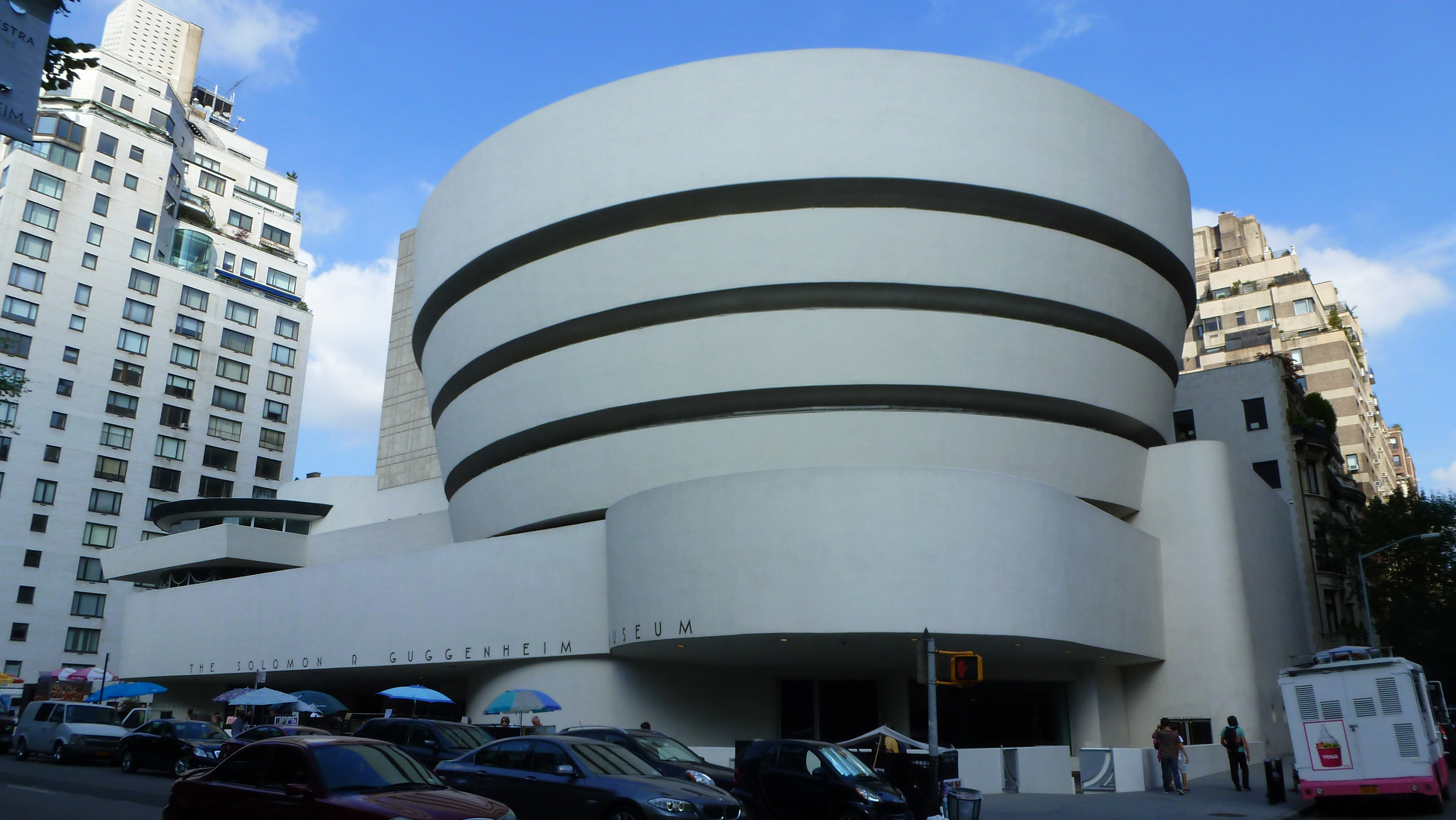
Frank Lloyd Wright’s spiral gives modern and contemporary art an unusual setting. Choose by the exhibitions, but leave time to look at the building itself.
Museum entry options. Affiliate link. We may earn a commission.
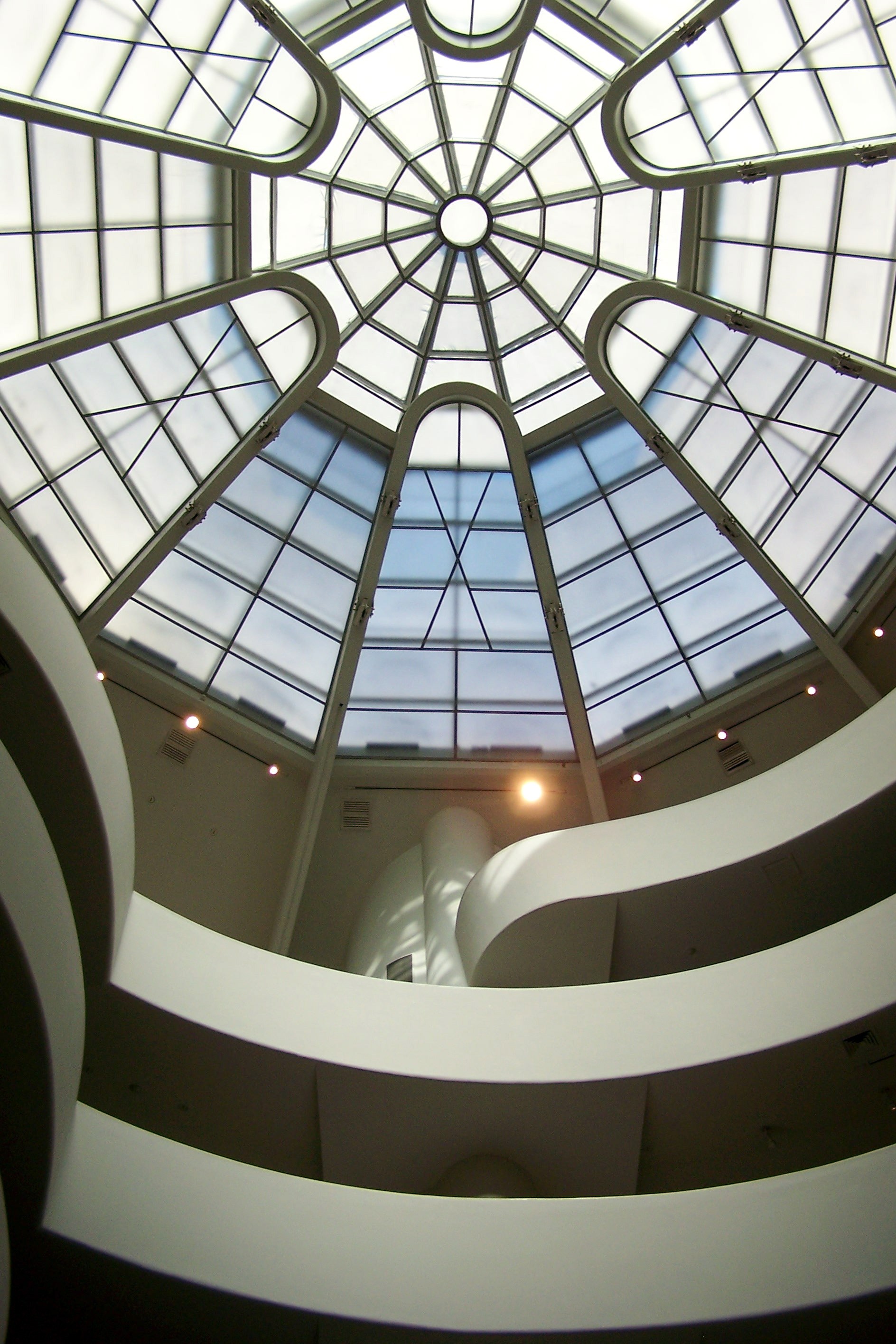
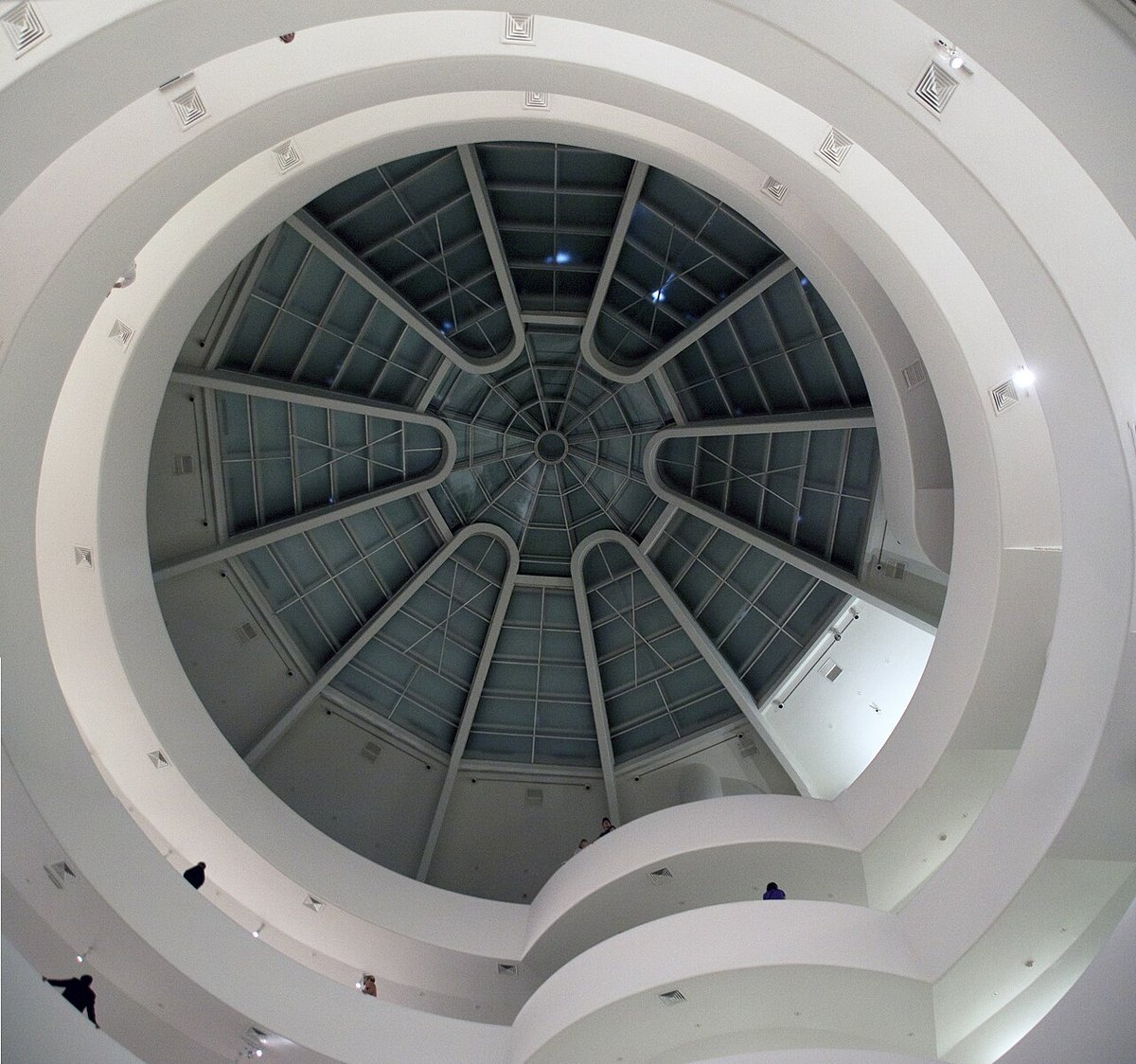
The Guggenheim gives you plenty to look at before you reach a painting. Across the rotunda, the ramp curls upwards beneath the skylight.
Smaller semicircular projections interrupt that sweep. They are a clue to something Frank Lloyd Wright wanted to build here.
His Quick Ramp would have provided a second, steeper route between levels, winding around the elevator shaft. A staircase took its place, but those projections preserve its intended path.
Once you notice them, the familiar spiral has another story to tell.
There are people behind its curves, too: the artist who encouraged Solomon R. Guggenheim's interest in unfamiliar paintings, the architect who imagined a different way to show them, and the exhibition makers who found ways to work with his building.
Hilla Rebay was a painter and collage artist before becoming the museum's founding director. While painting Guggenheim's portrait in the late 1920s, she introduced him to nonobjective art.
Colours, lines and forms could be the subject, without a recognisable person or landscape to hold them together. Vasily Kandinsky, Robert Delaunay and László Moholy-Nagy became part of the collection she helped him build.
An archival photograph brings that relationship down to the scale of a small gathering. In 1930, Rebay and the Guggenheims visited Kandinsky at the Bauhaus in Dessau, where he taught.
Nina Kandinsky photographed Irene and Solomon Guggenheim with Rebay and the artist. The collection grew through conversations and encounters as well as purchases.
Its first public home was the Museum of Non-Objective Painting, which opened in rented rooms on East 54th Street in 1939. Rebay commissioned Wright to design a permanent building in 1943.
By the time the spiral opened in October 1959, both Solomon Guggenheim and Wright had died. The collection’s first public museum opened twenty years before the spiral.
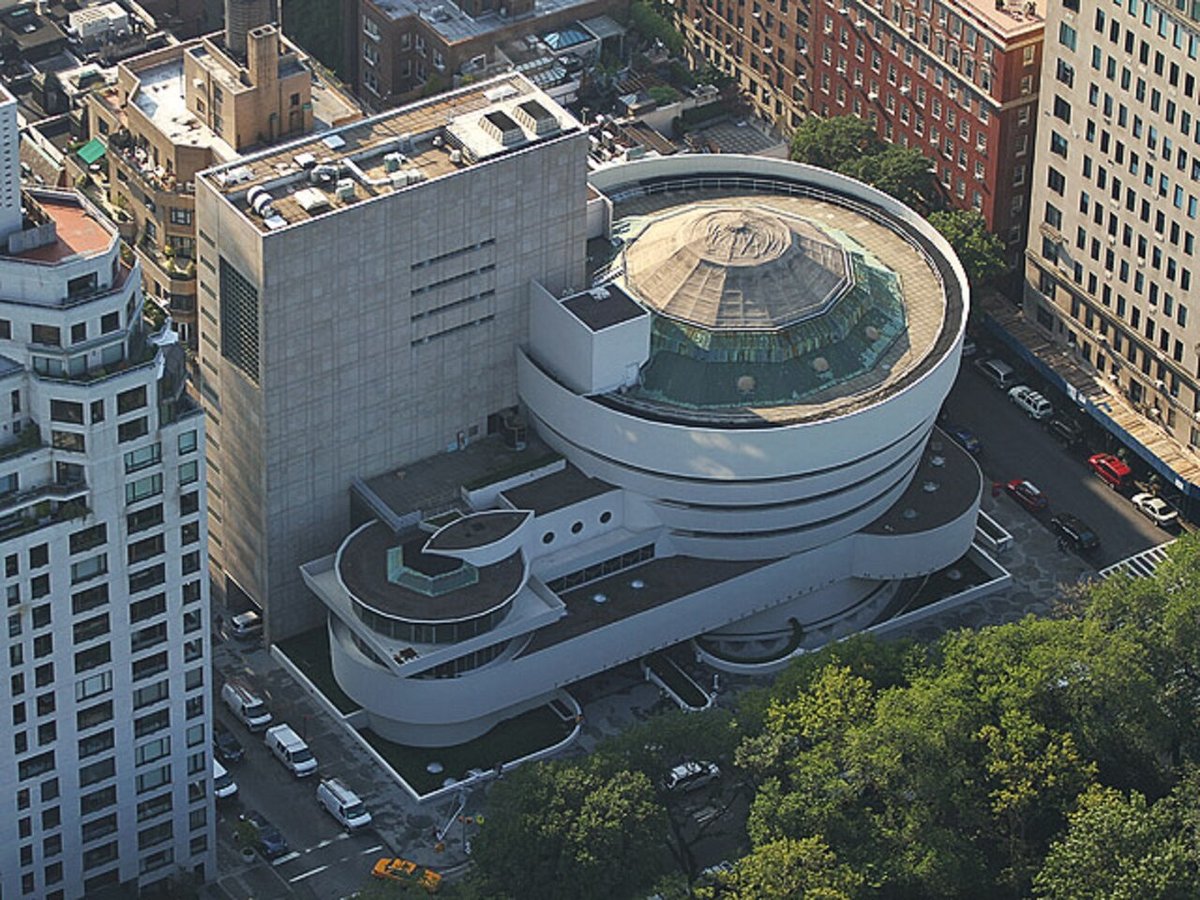
Wright imagined visitors riding an elevator to the top and descending along a ramp about a quarter of a mile long. From across the rotunda, the open space lets you see several levels at once.
An individual painting occupies a much smaller world within that view.
The walls made hanging those paintings a practical puzzle. Wright envisaged them resting against backward-leaning walls, rather like pictures on easels, with daylight entering above.
Exhibition makers developed other arrangements, including mounts that held pictures away from the wall so they could hang vertically.
The contrast is worth a little time: a wide view across the building, then a painting in its own bay. Details that disappear into the great sweep of the ramp can become absorbing when the work has your attention to itself.
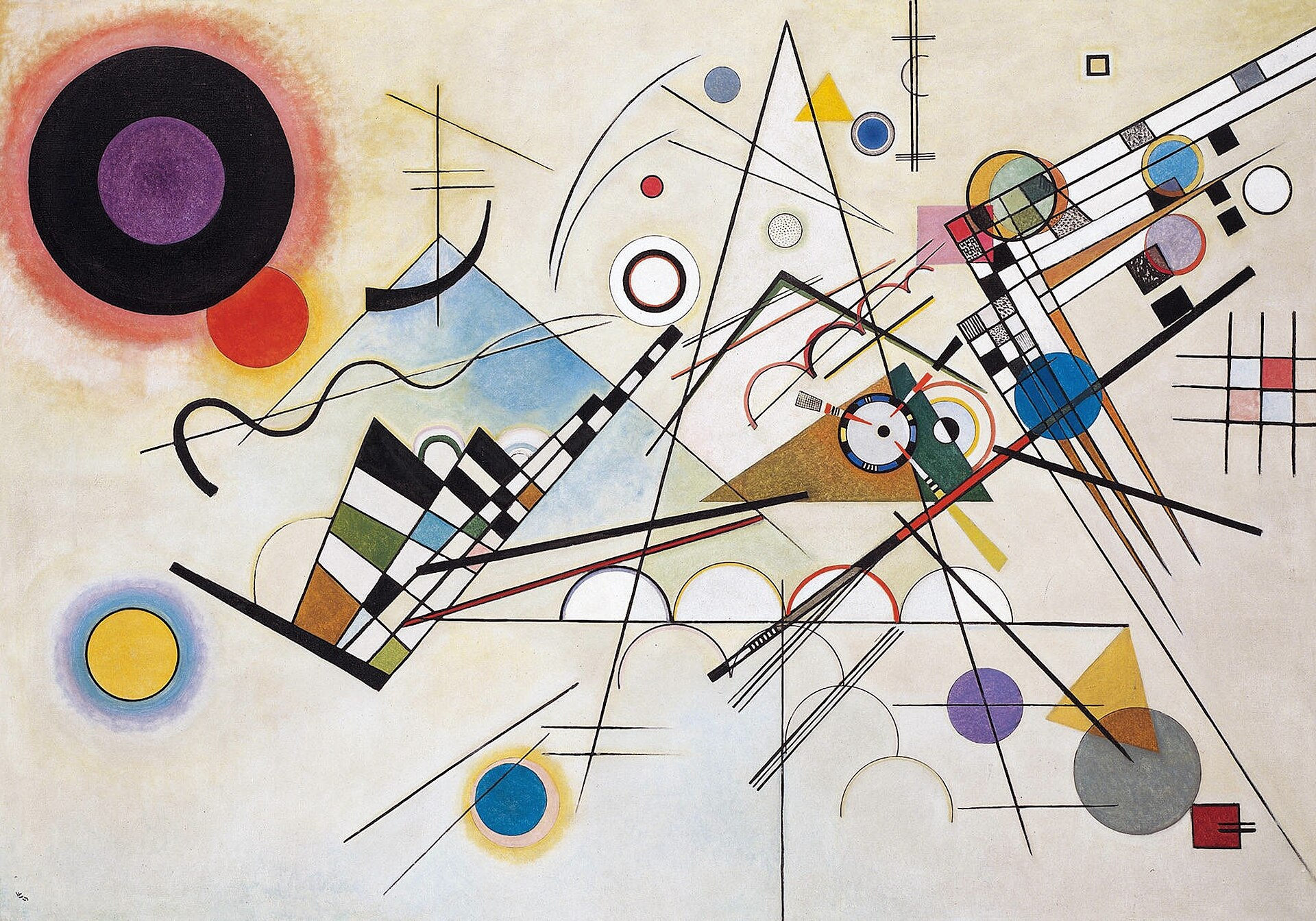
In Kandinsky's Composition 8 (1923), circles, diagonals, triangles and small grids spread over a pale background. A large dark circle at the upper left has a different weight from the fine lines around it.
Some shapes seem to crowd together; elsewhere the ground opens out.
The museum describes his Compositions as explorations of colour and form and their psychological and spiritual effects. That ambition can sound daunting until you spend a moment with a particular shape.
A long diagonal leads the eye differently from a circle. A busy passage feels different from an open patch.
You can enjoy those differences without assigning every mark a hidden meaning. The collection image offers plenty to return to, especially if abstraction has previously left you wondering where to begin.
The museum's story eventually widened beyond the nonobjective art that interested Rebay. Justin K.
Thannhauser's promised gift, announced in 1963 and formally entering the collection in 1978, brought a broader account of Impressionism, Post-Impressionism and modern French art.
Picasso's Woman Ironing (1904) offers a very different kind of looking from Kandinsky. The thin woman bends towards her iron, her arms stretching out above an almost empty background.
Painted near the end of his Blue Period, when hardship recurred in his subjects, it concentrates attention on the effort of her body.
Another person lies beneath that surface. Examination in 1989 detected a male portrait, which later imaging revealed more clearly, upside down relative to the woman.
Microscopic analysis identified rosy flesh and a red cravat. The monochrome infrared images cannot show those colours as they were.
The visible painting has needed care, too. Conservator Julie Barten removed discoloured glue from repairs following an attempted theft in 1952, bringing back distinctions within its restrained palette.
Both discoveries belong to the same canvas: an earlier portrait beneath it, and damage and repair above.
The hidden figure is an intriguing reason to read the conservation account. The woman's posture is a reason to linger with the painting itself.
Each has something to add to the other.
Around ninety minutes to two hours allows a selective first visit; a substantial exhibition may deserve longer. A few works that hold your interest can make a satisfying afternoon alongside the building itself.
Before booking, read the current programme and route information. Installations and changeovers can affect access to the rotunda, and an exhibition may arrange its sequence differently from Wright's proposed descent.
Follow its introduction and staff directions. Composition 8 and Woman Ironing are collection stories here, with no promise of display on your date.
There is often another view to enjoy on the way out. After looking closely at individual works, the paintings across the rotunda may catch your attention as readily as the curve around them.
All visitors pass through security.
Items larger than 22 × 14 × 9 inches, including handles and wheels, cannot enter or be checked.
Students and seniors 65+ with ID pay US$19. Visitors with disabilities also pay US$19, with an accompanying care partner free. Children under 12 enter free.
Usually Tuesdays and Sundays, 16:00–17:30. The minimum is US$1, with a suggested contribution of US$10. Reserve ahead; only limited tickets are offered onsite. Check holiday changes.
Last reviewed: . Check the museum’s website for current hours and ticket prices.
Check official free-entry eligibility before buying. Confirm your date, availability and final total with the provider.
Admission + third-party audio app
Museum entry and temporary exhibitions with an English-only WeGoTrip museum/Carnegie Hill audio route. The WeGoTrip app is required for the ticket barcode and audio; bring headphones. Non-refundable. No human guide.
Affiliate link. We may earn a commission if you book.Admission + digital audio
Museum and exhibition admission with downloadable audio; this is not a live tour. Bring your phone and headphones and confirm the audio language.
Affiliate link. We may earn a commission if you book.Use two fingers to move or pinch the map on a touch screen; one finger scrolls the page. In full screen, drag to move. Use plus and minus to zoom. Arrow keys move the map; zero fits all stops. Escape closes the preview or full screen.
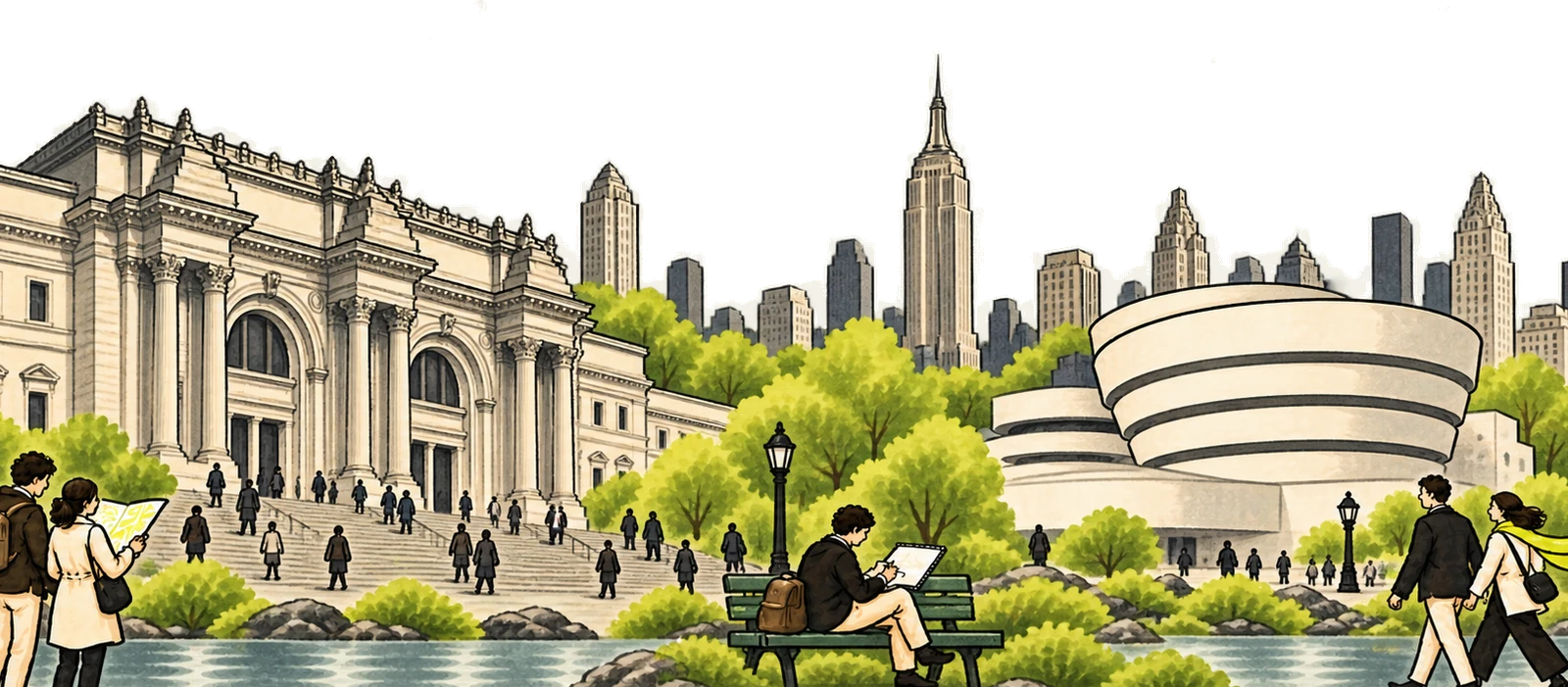
An illustrated introduction to a related guide, not a depiction of this museum.
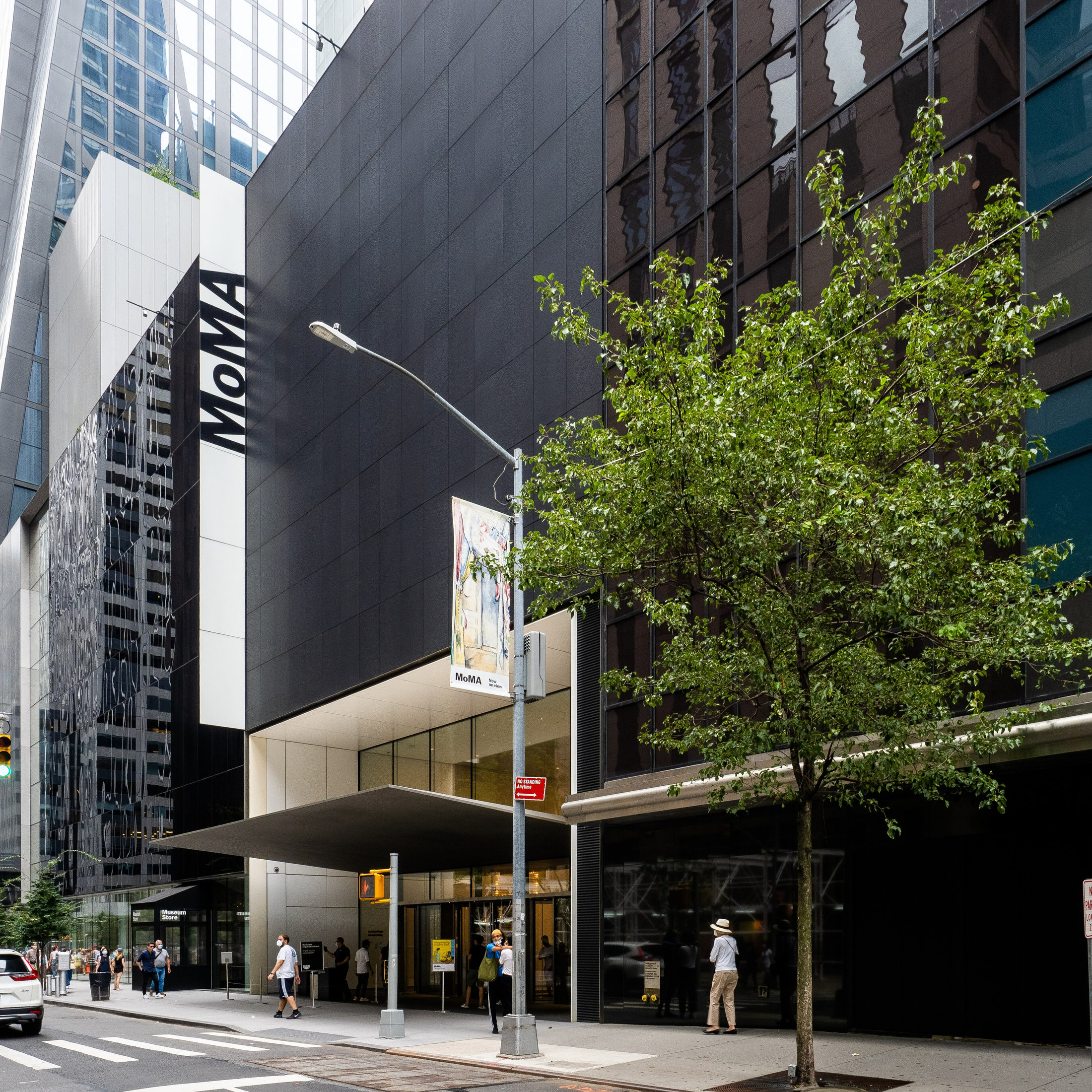
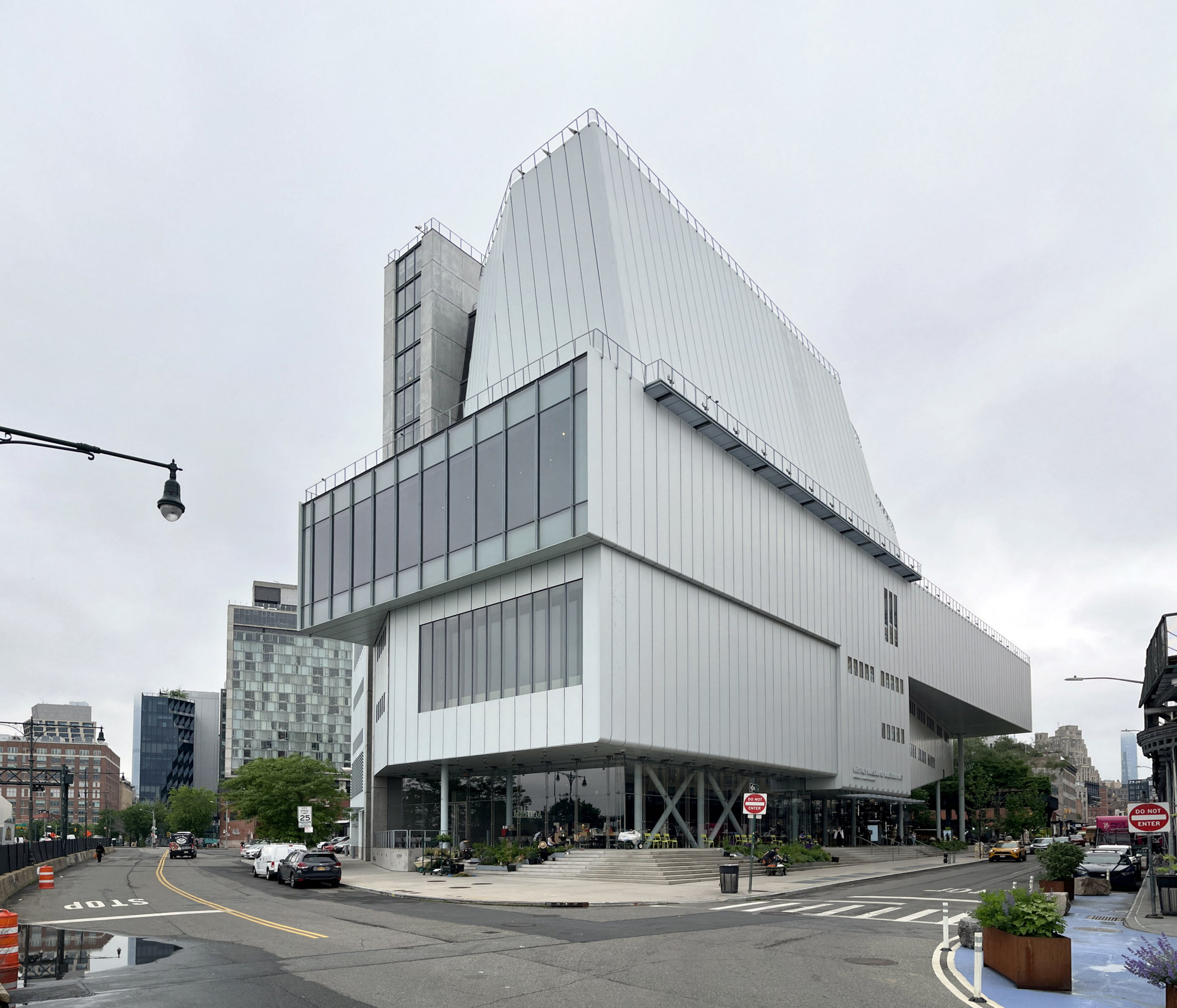
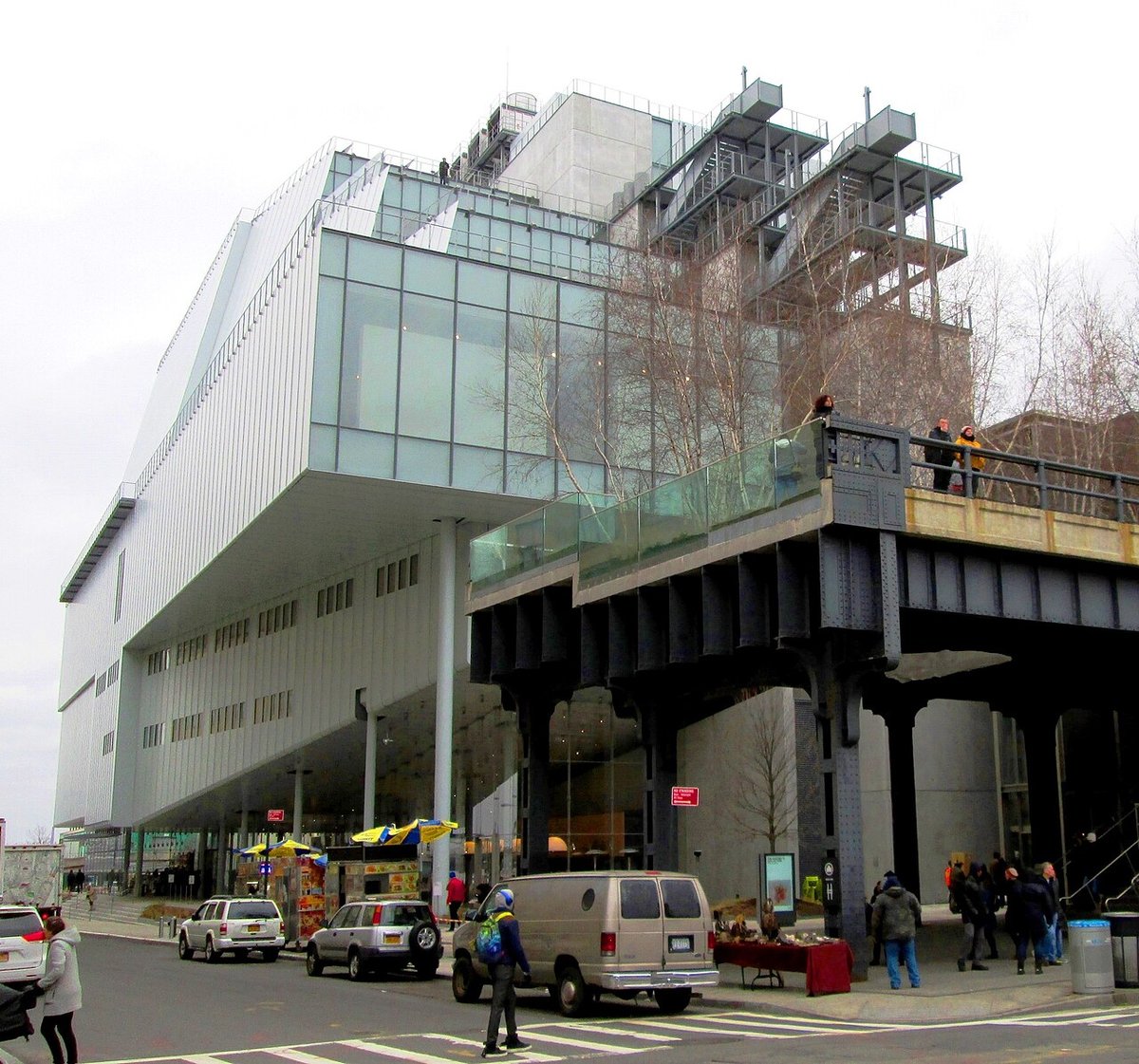
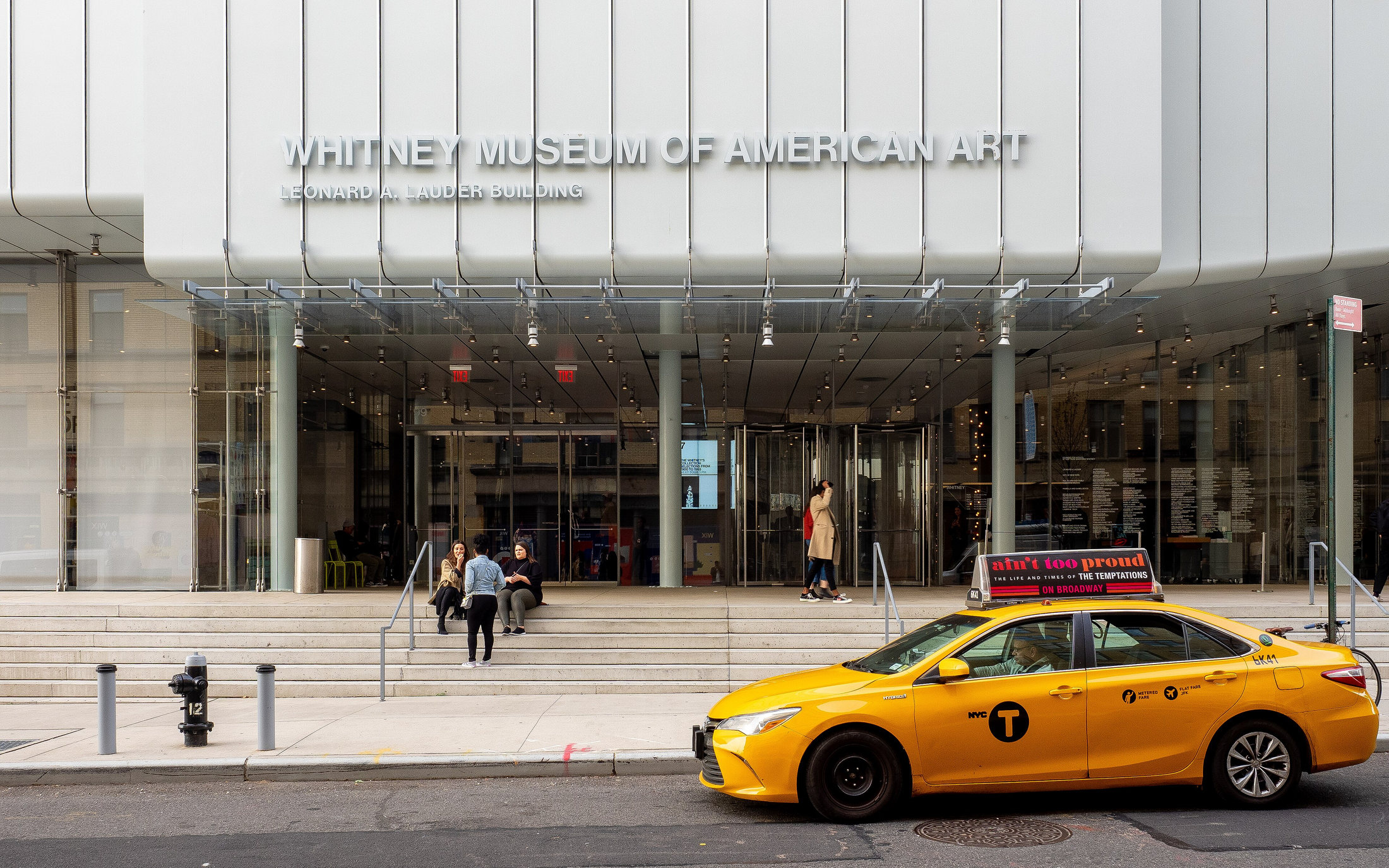
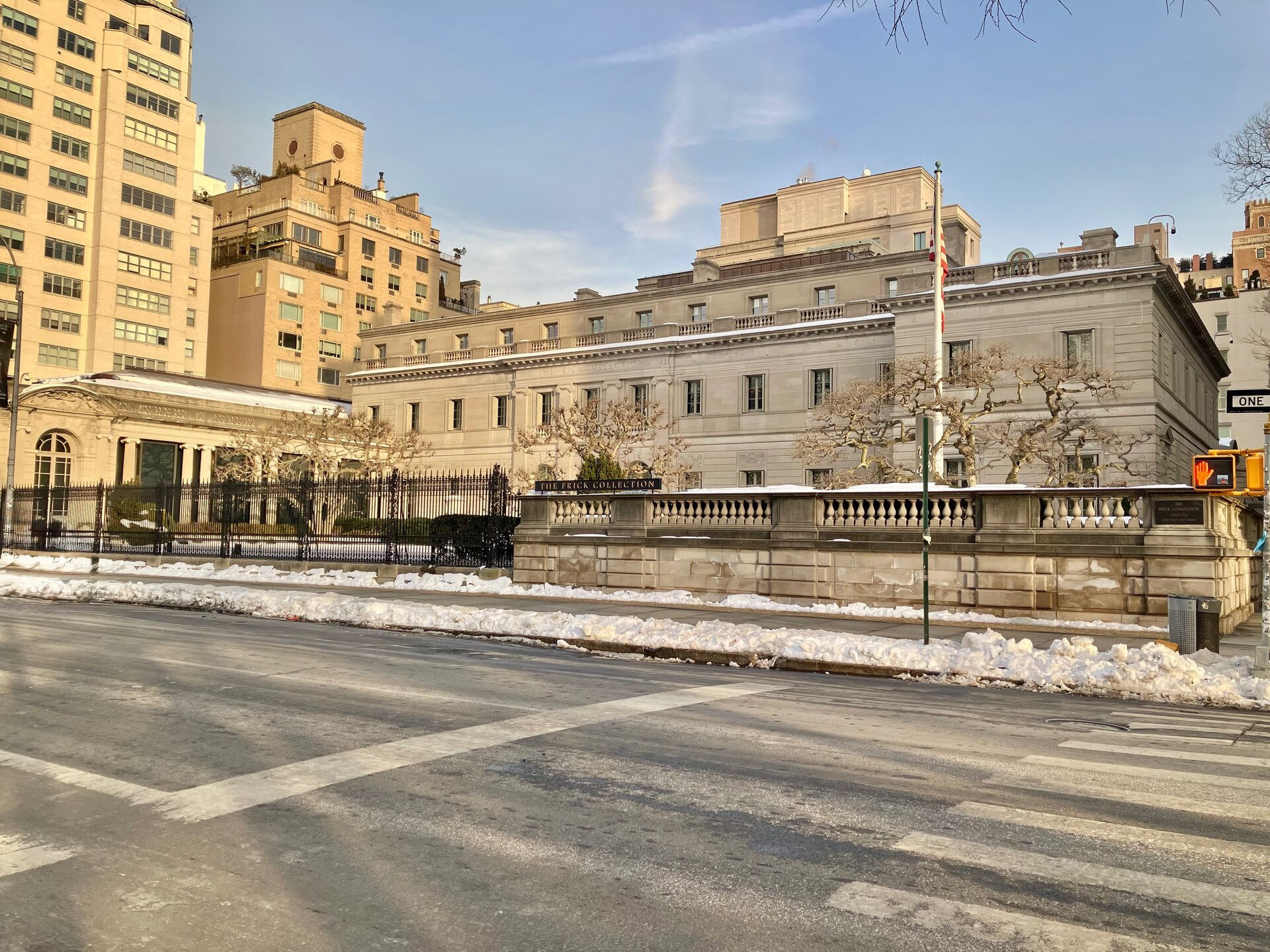
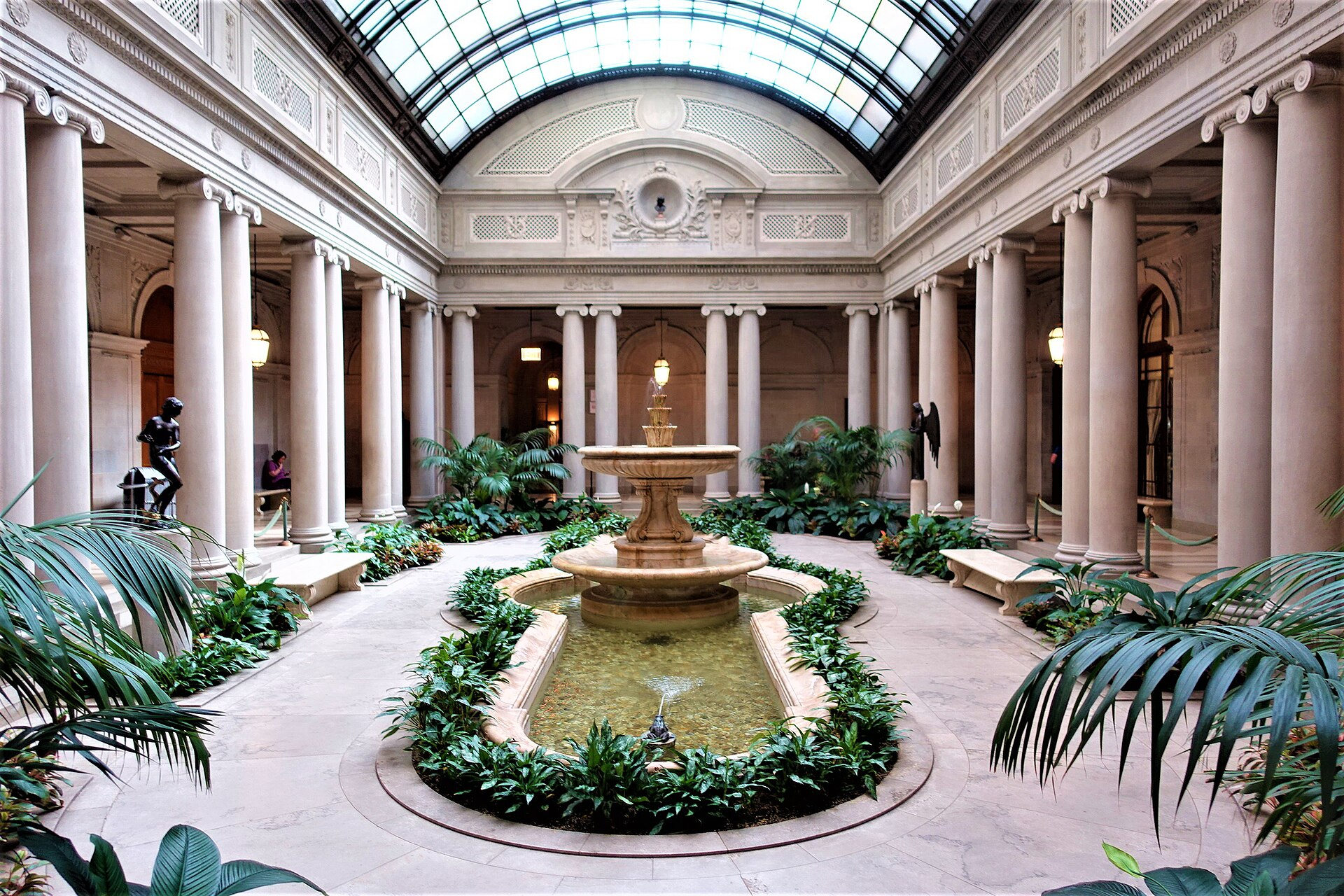
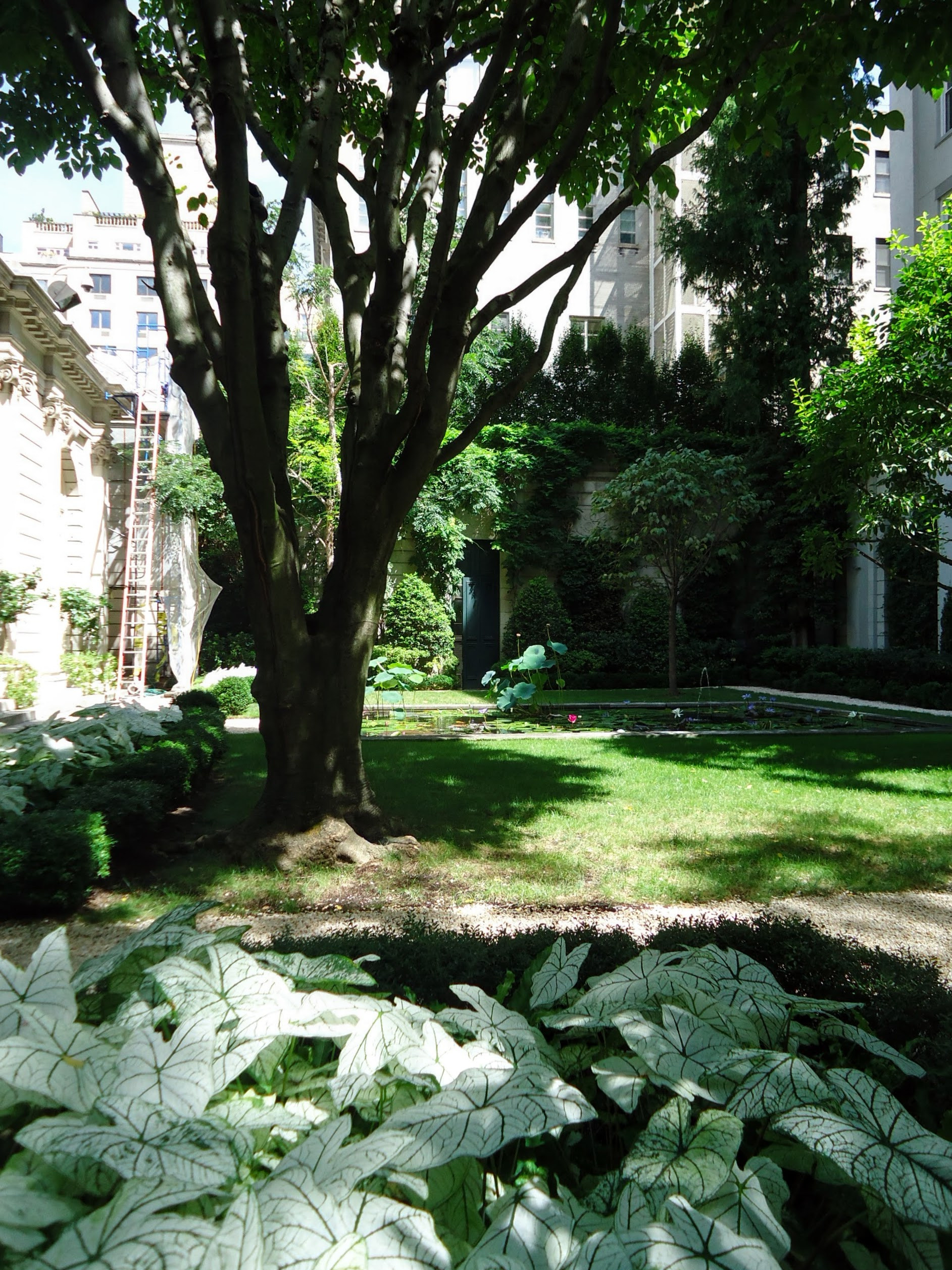
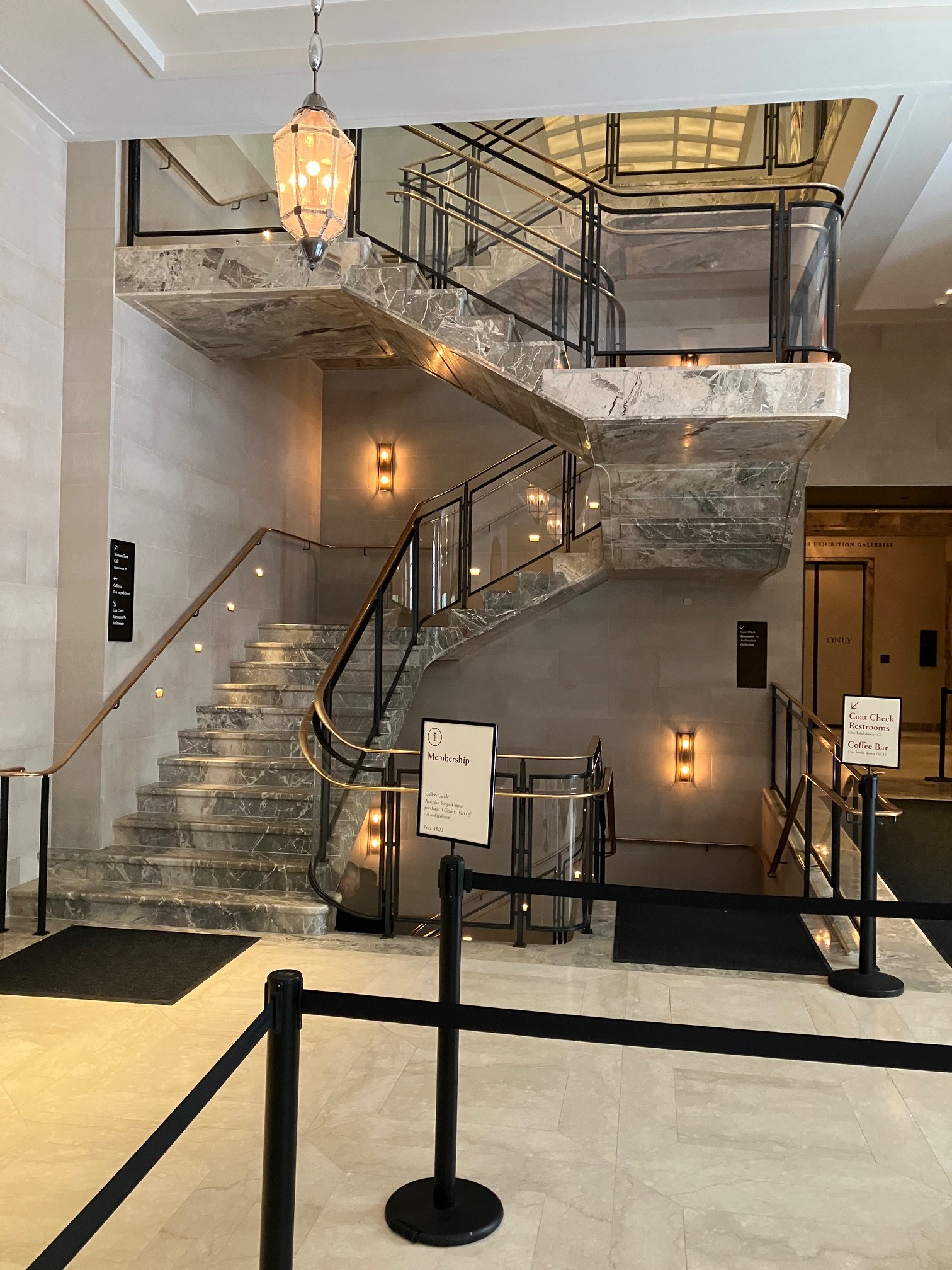
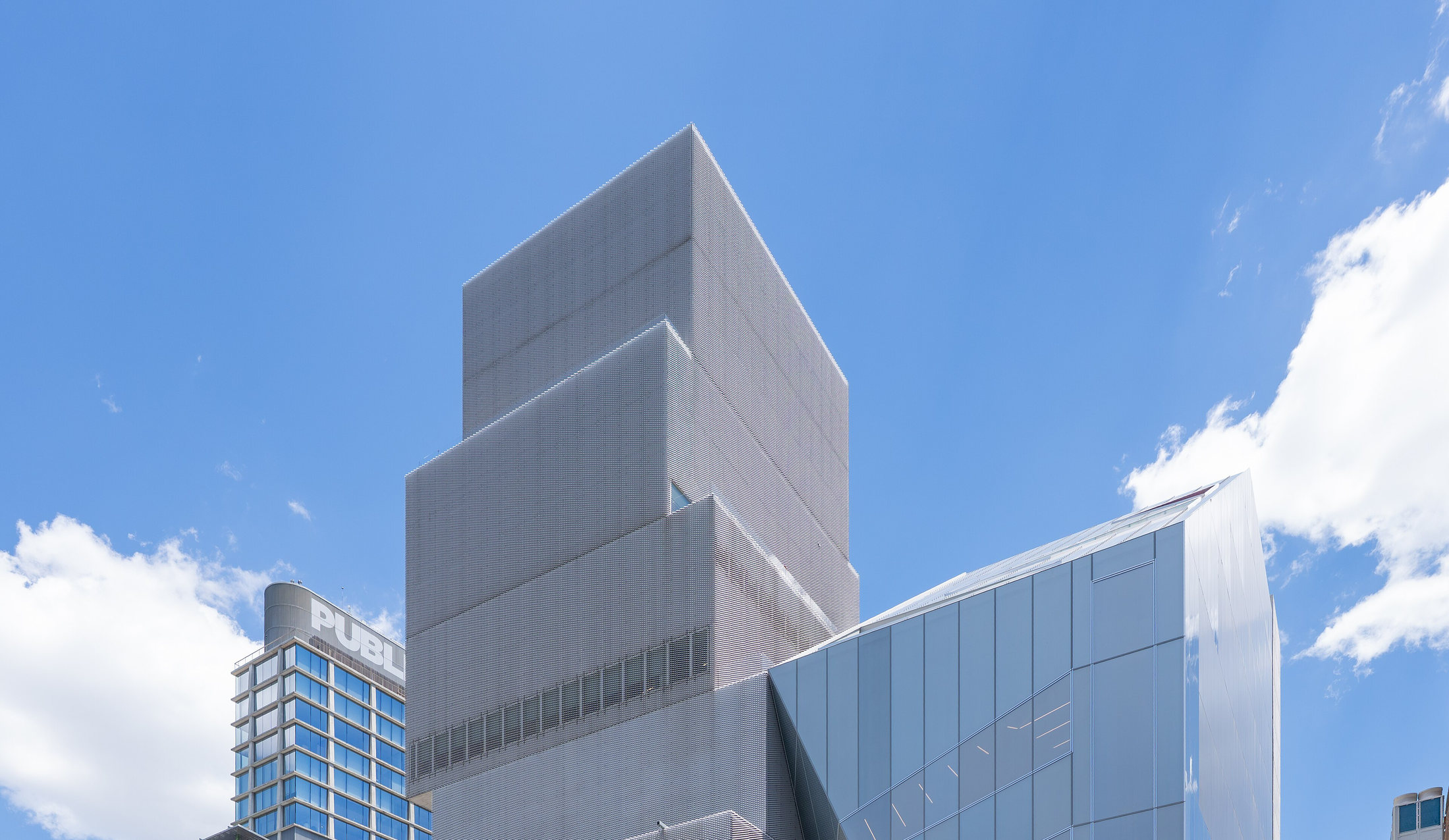
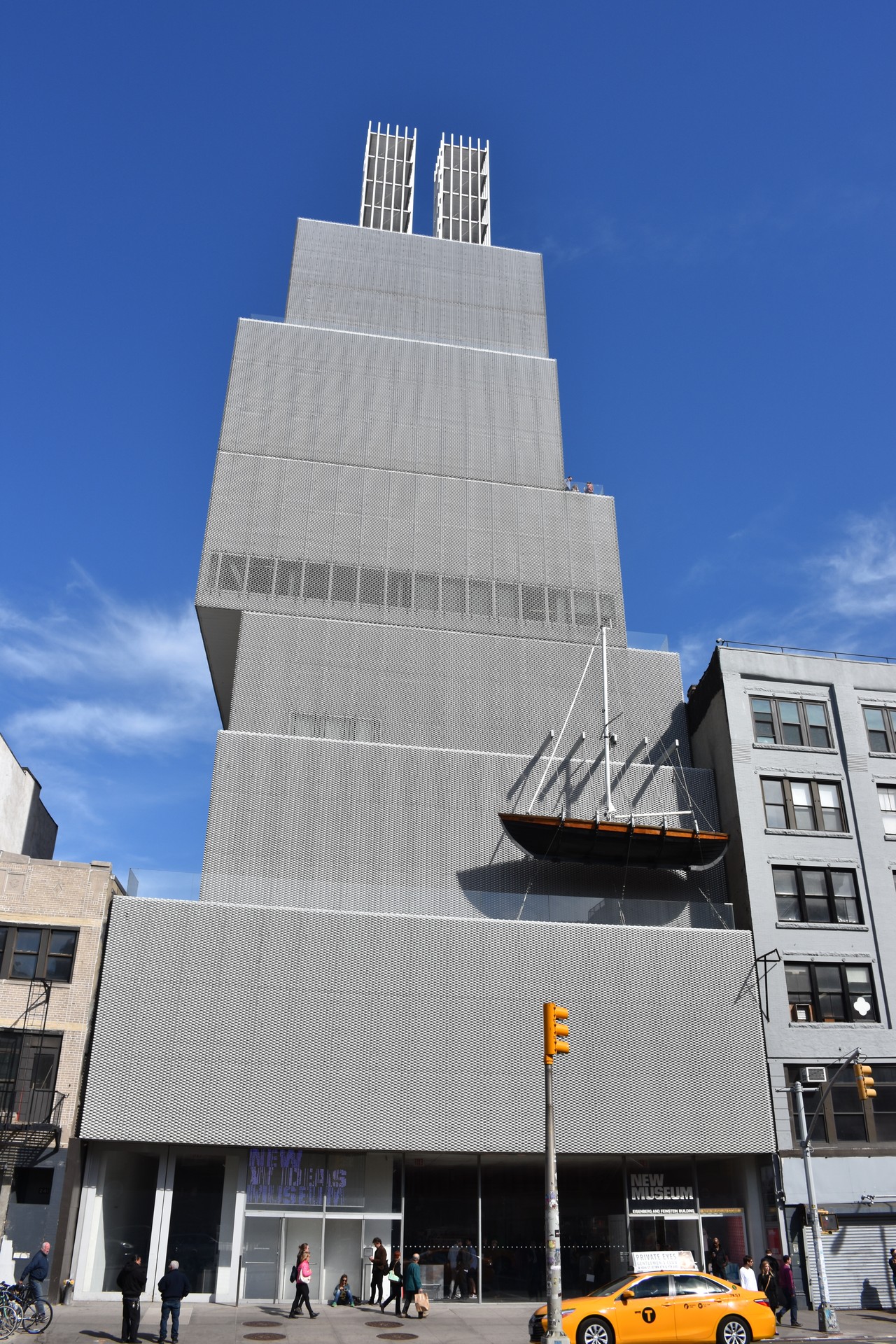
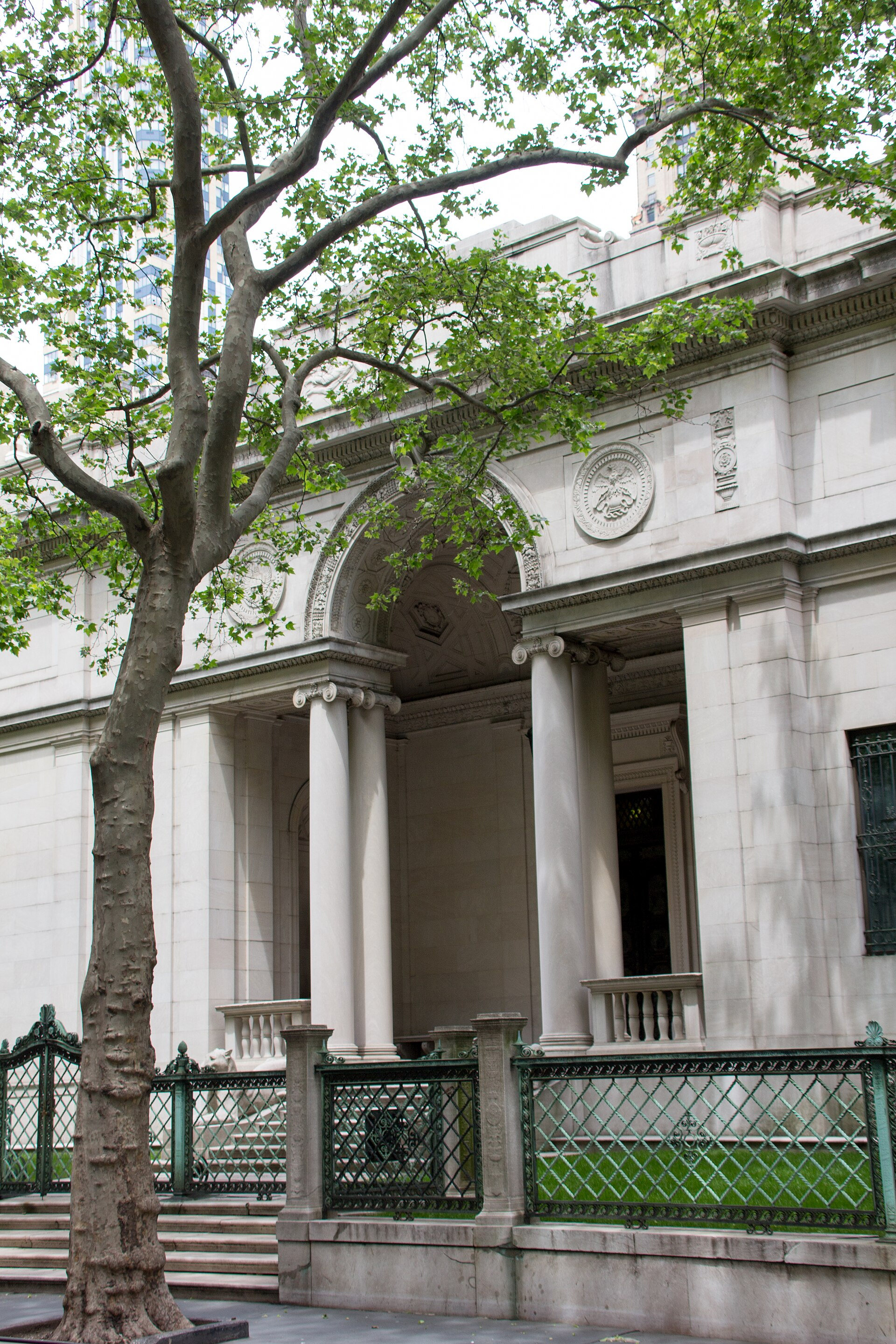
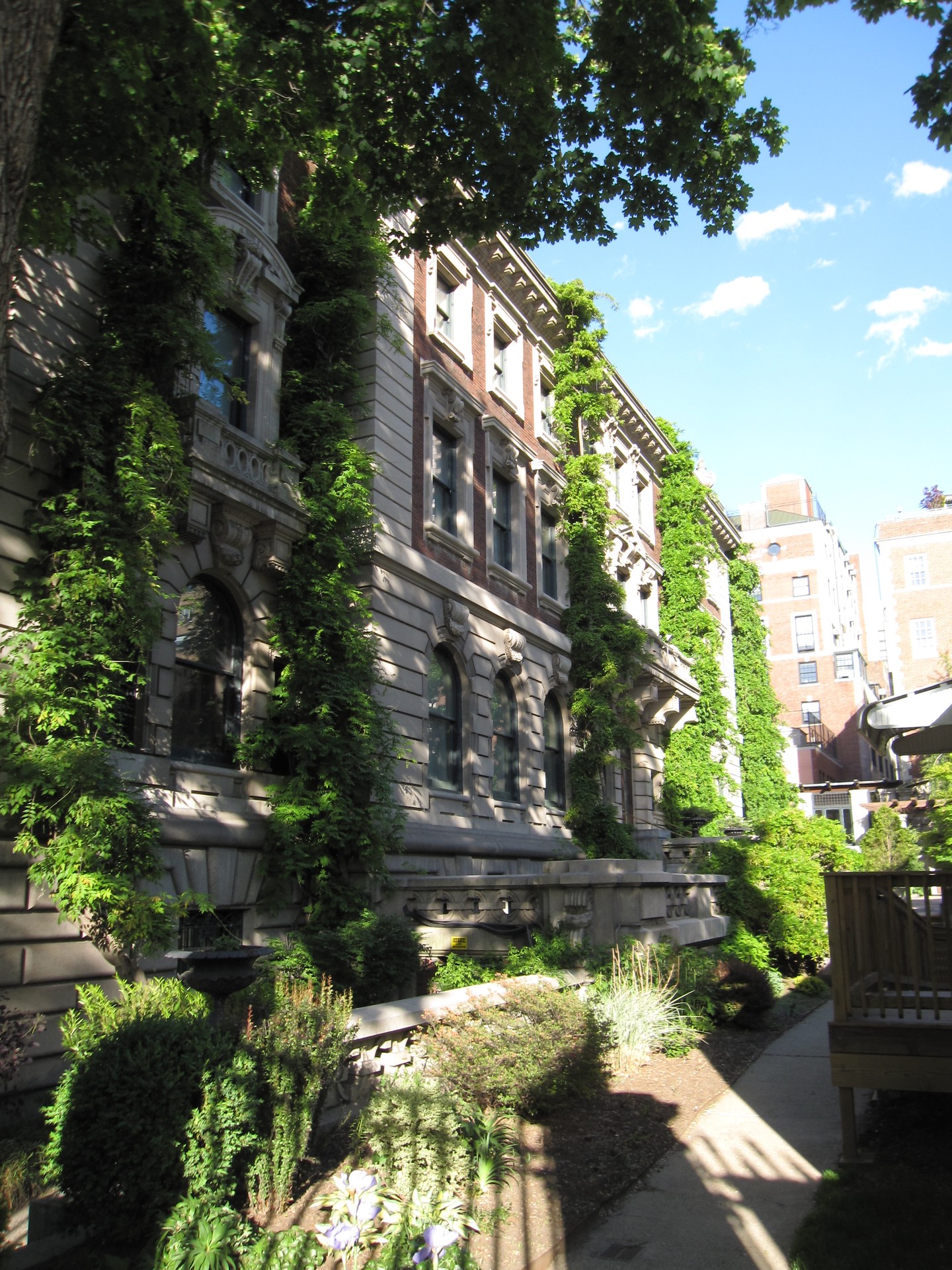
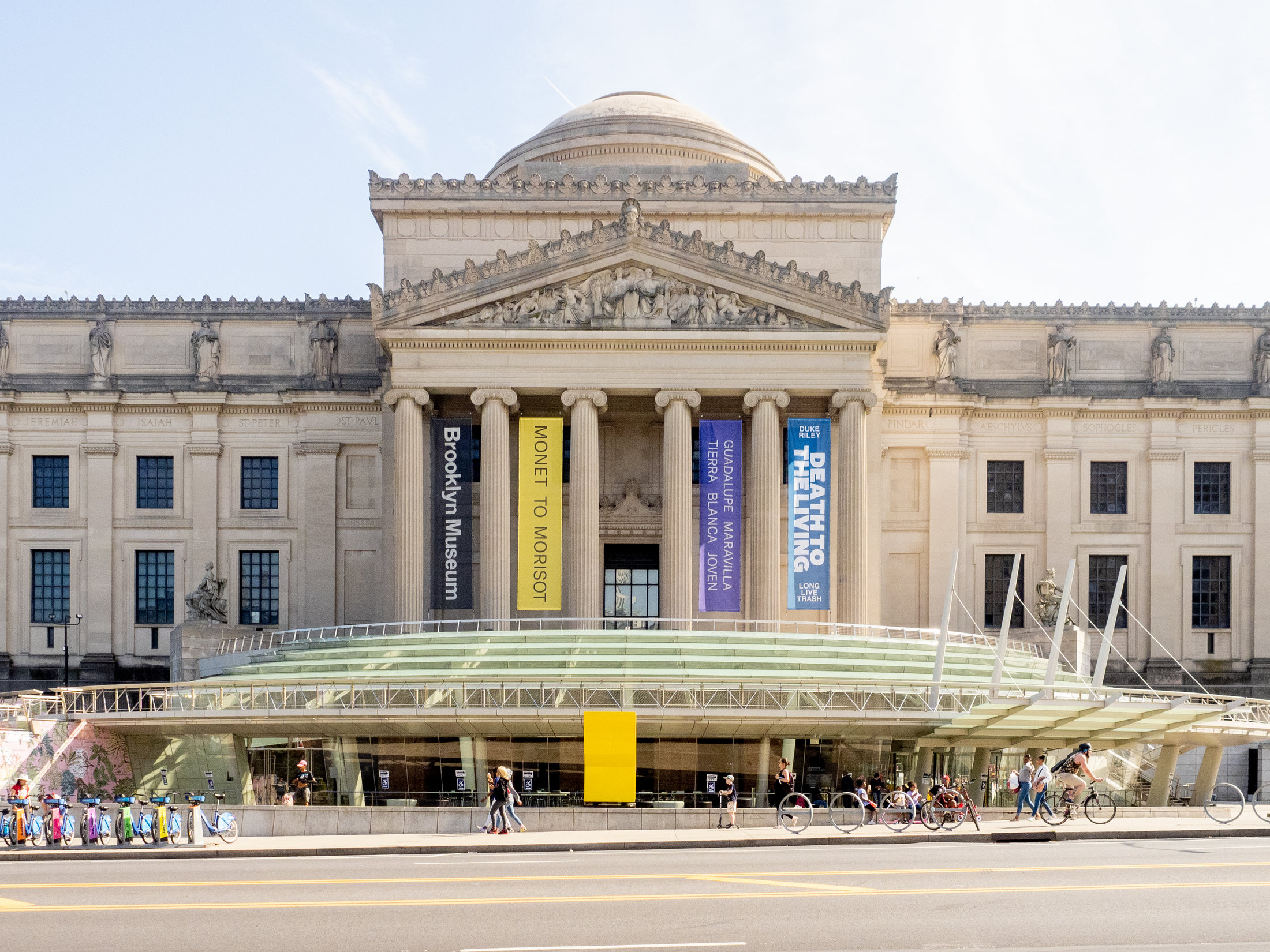
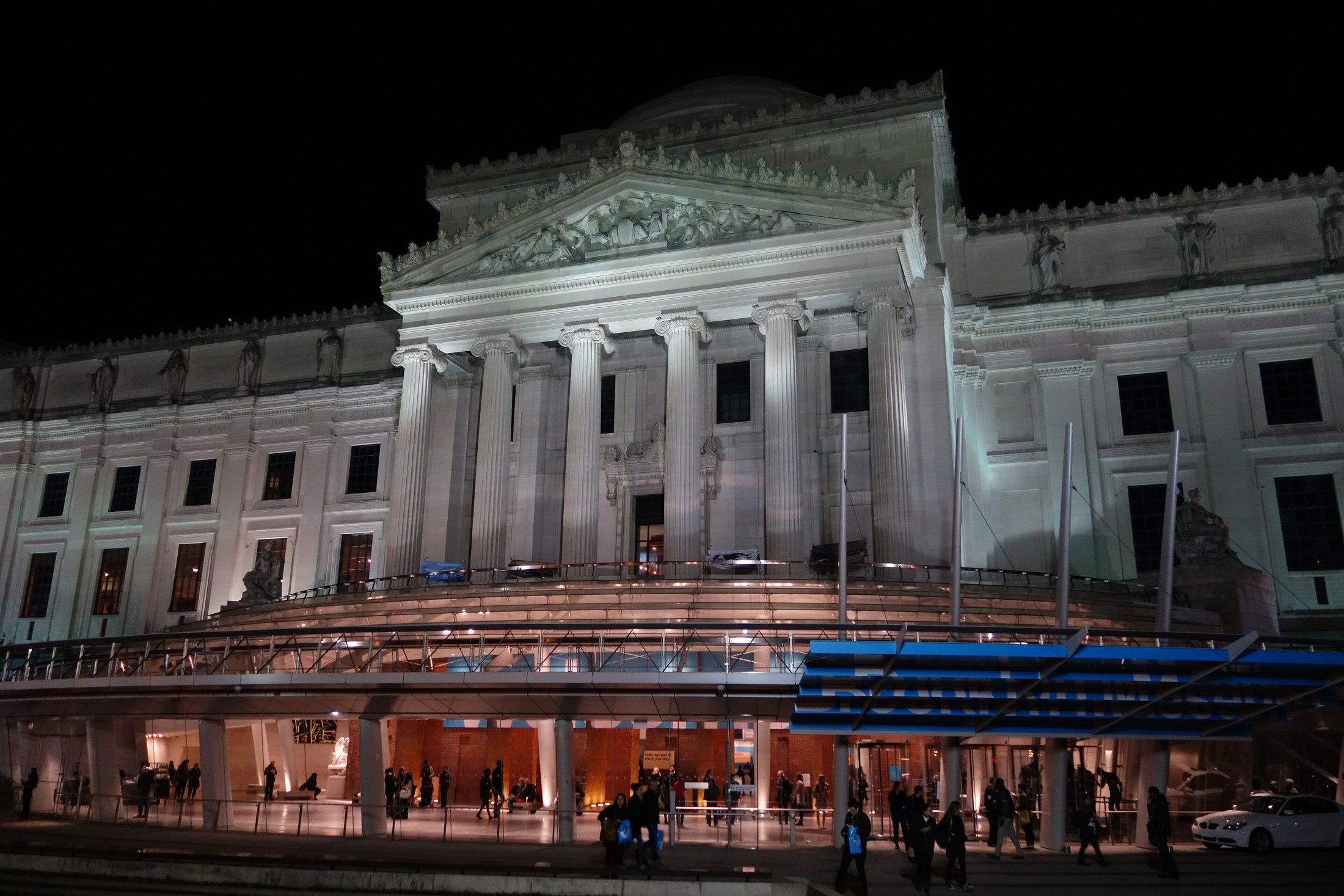
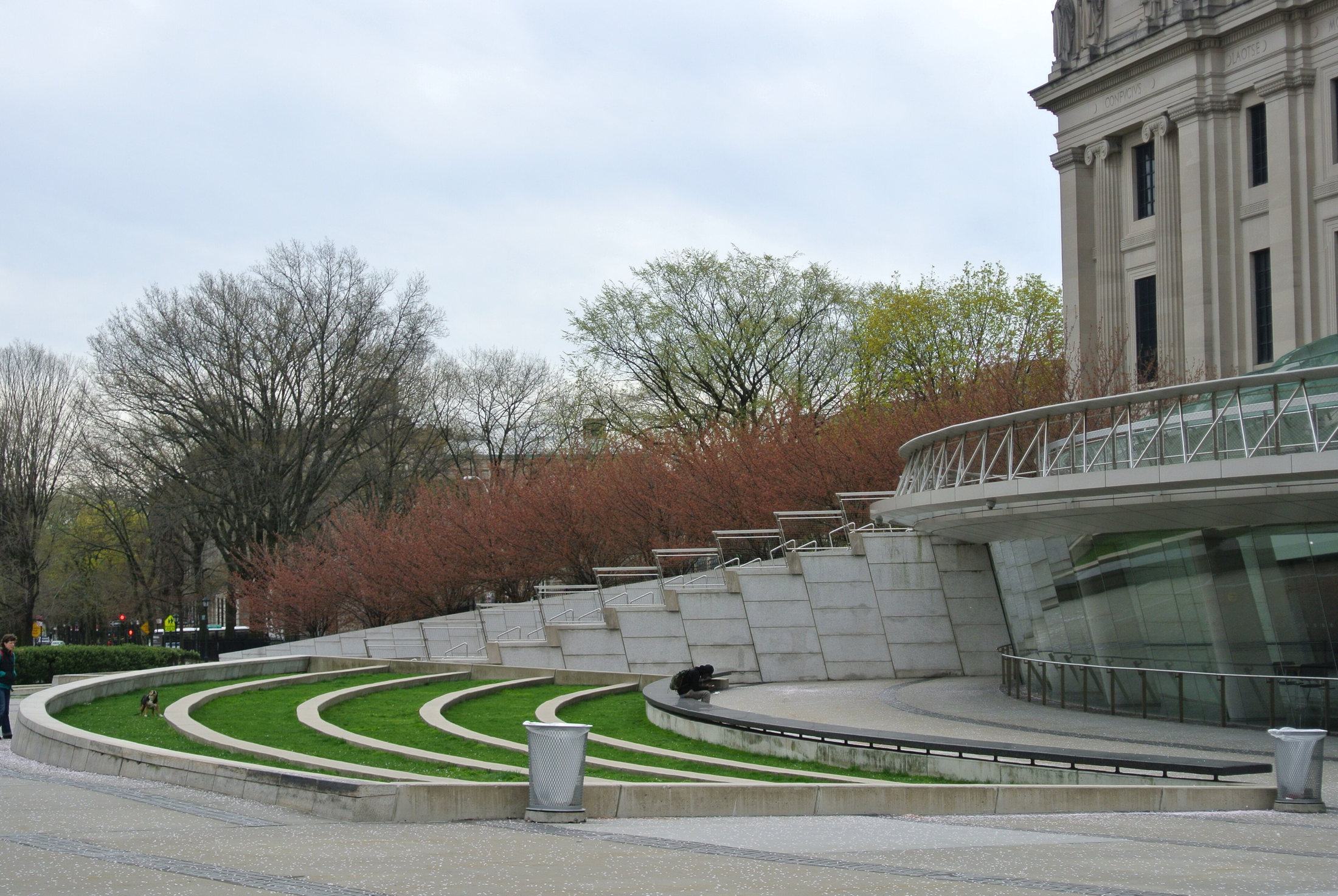
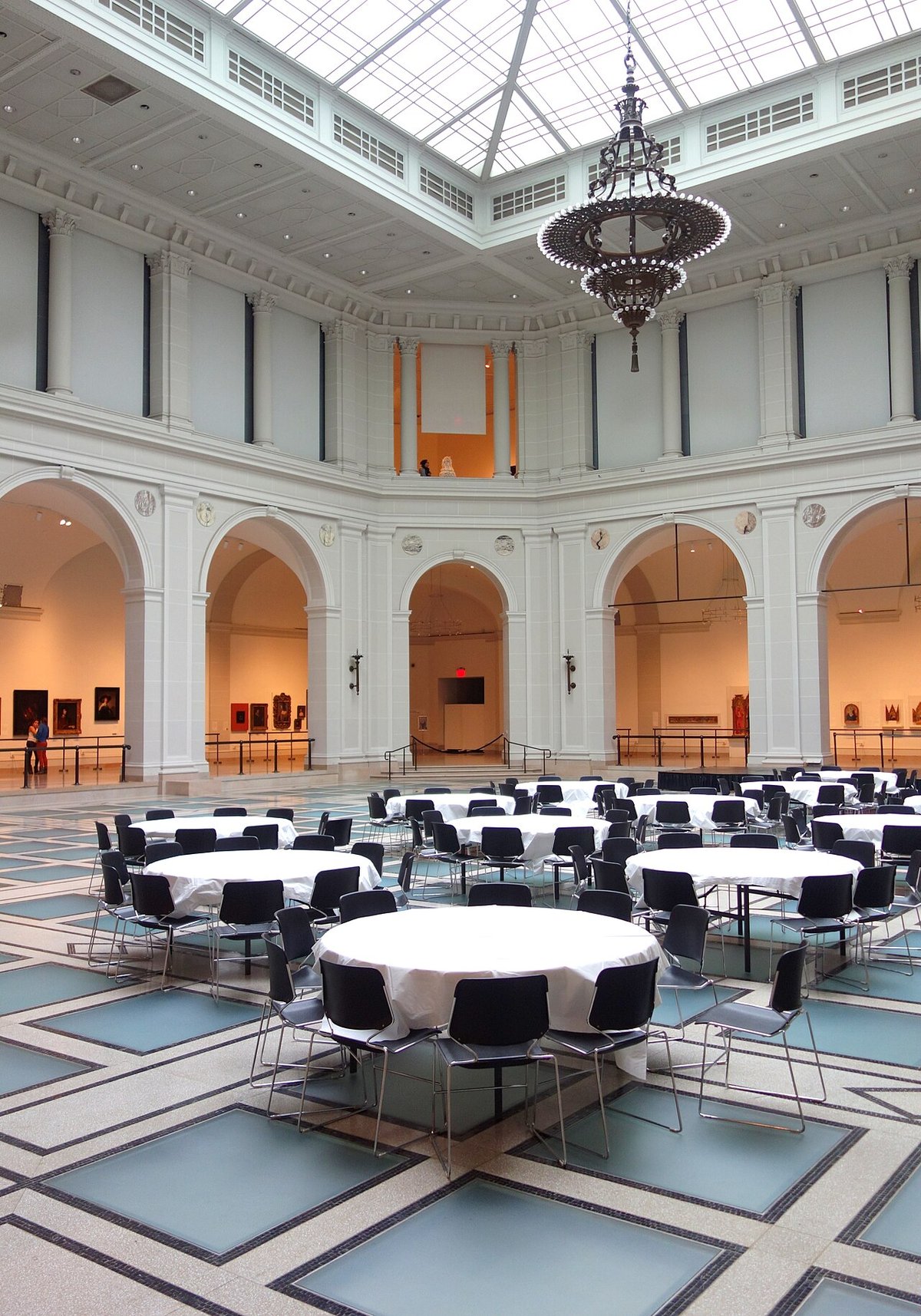
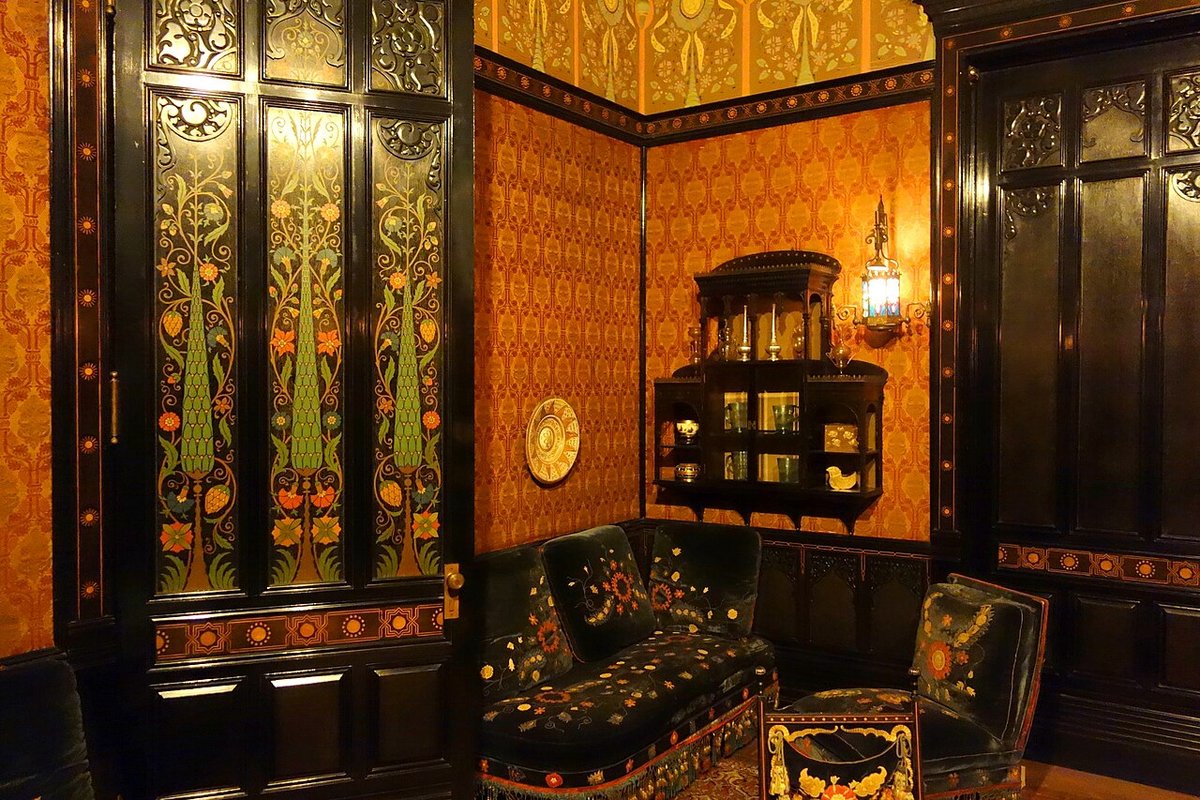
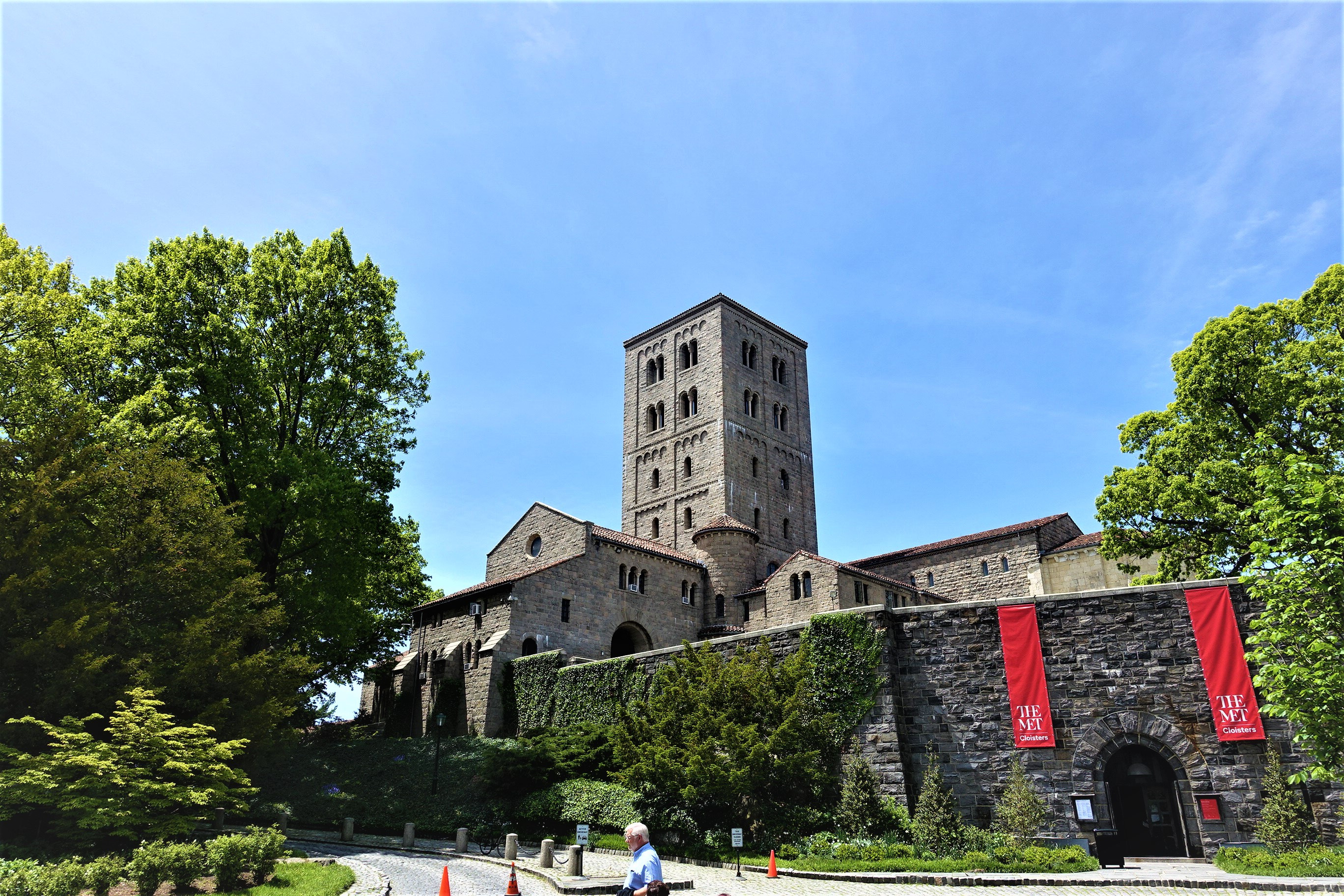
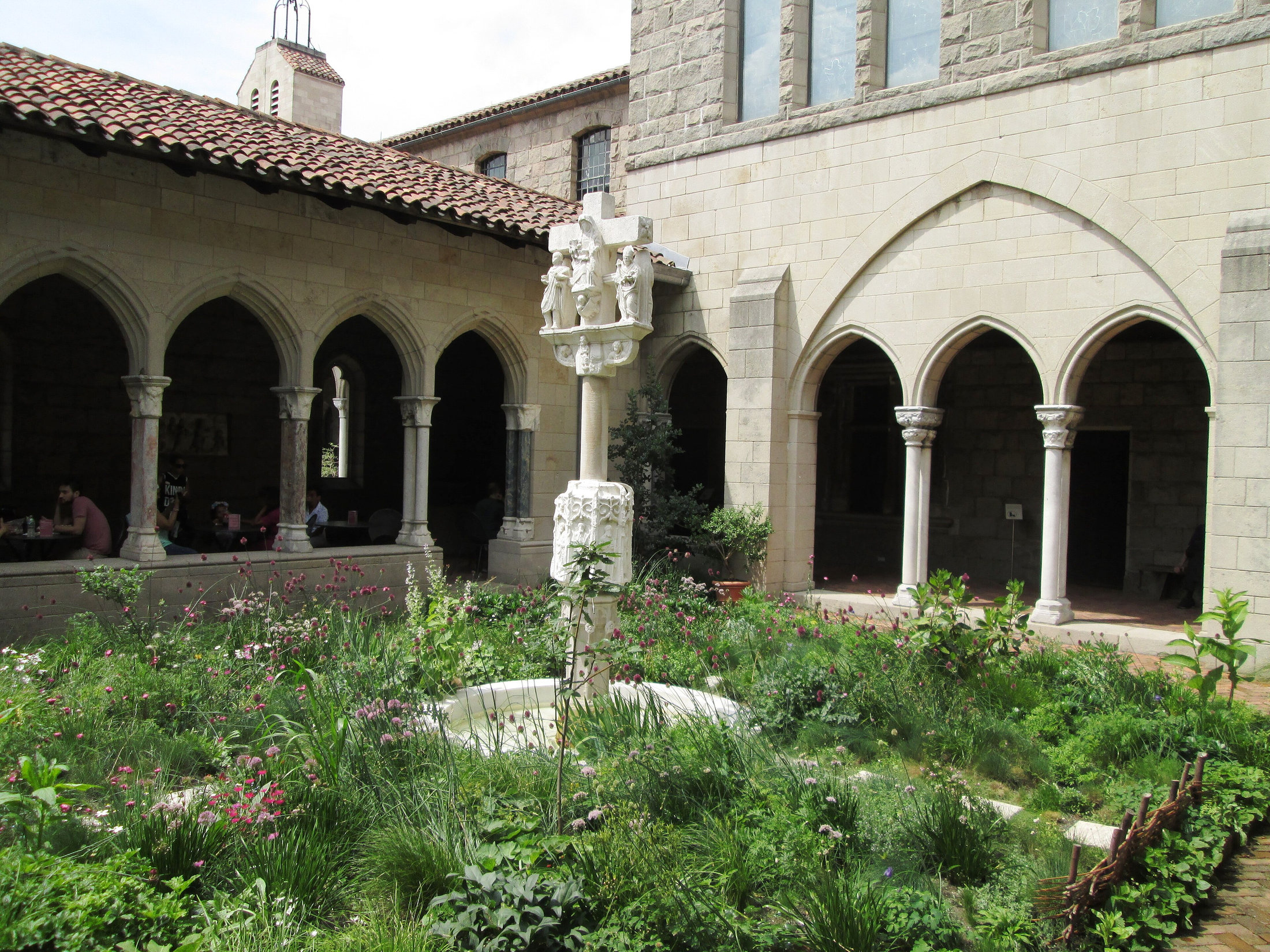
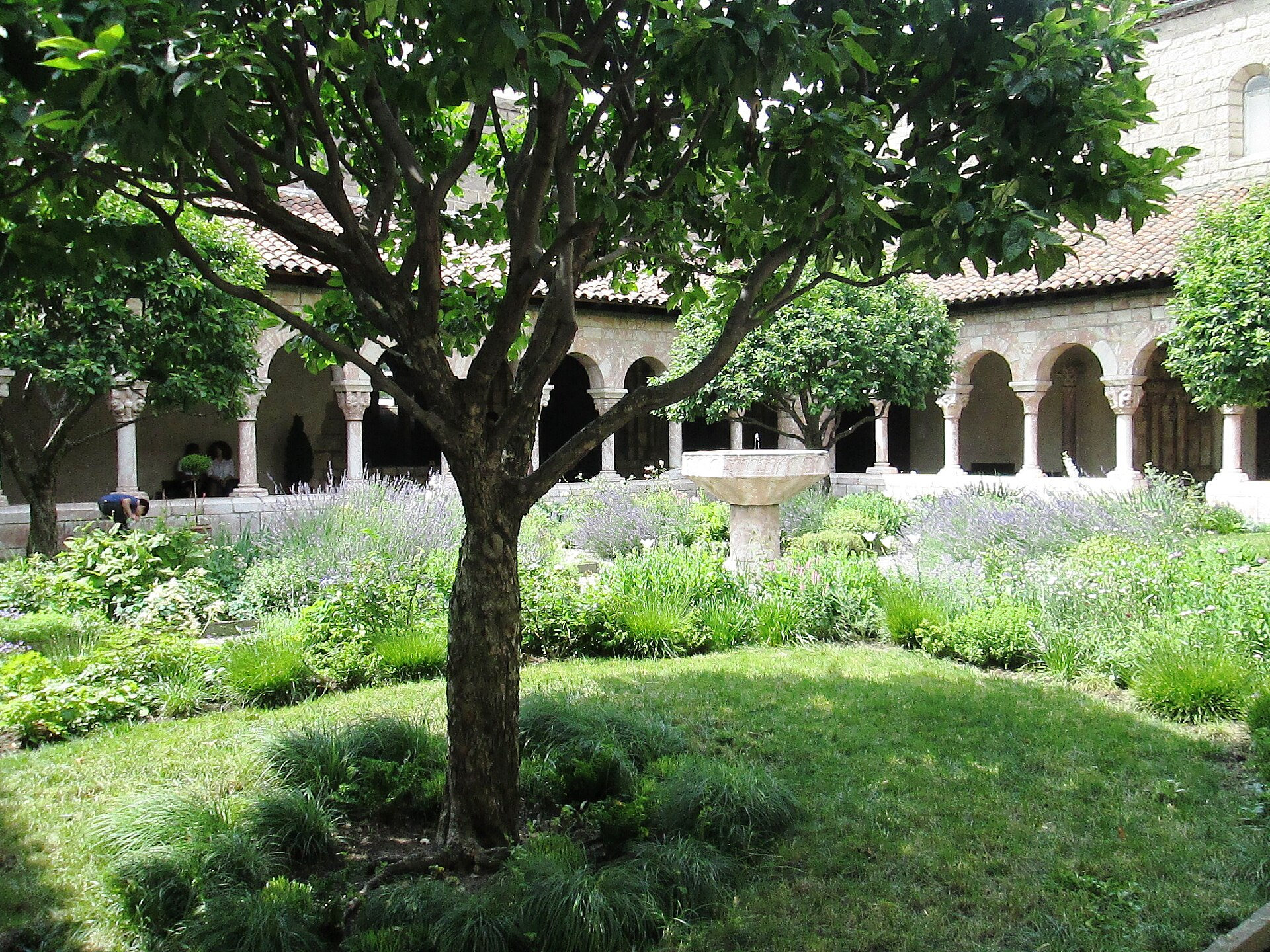
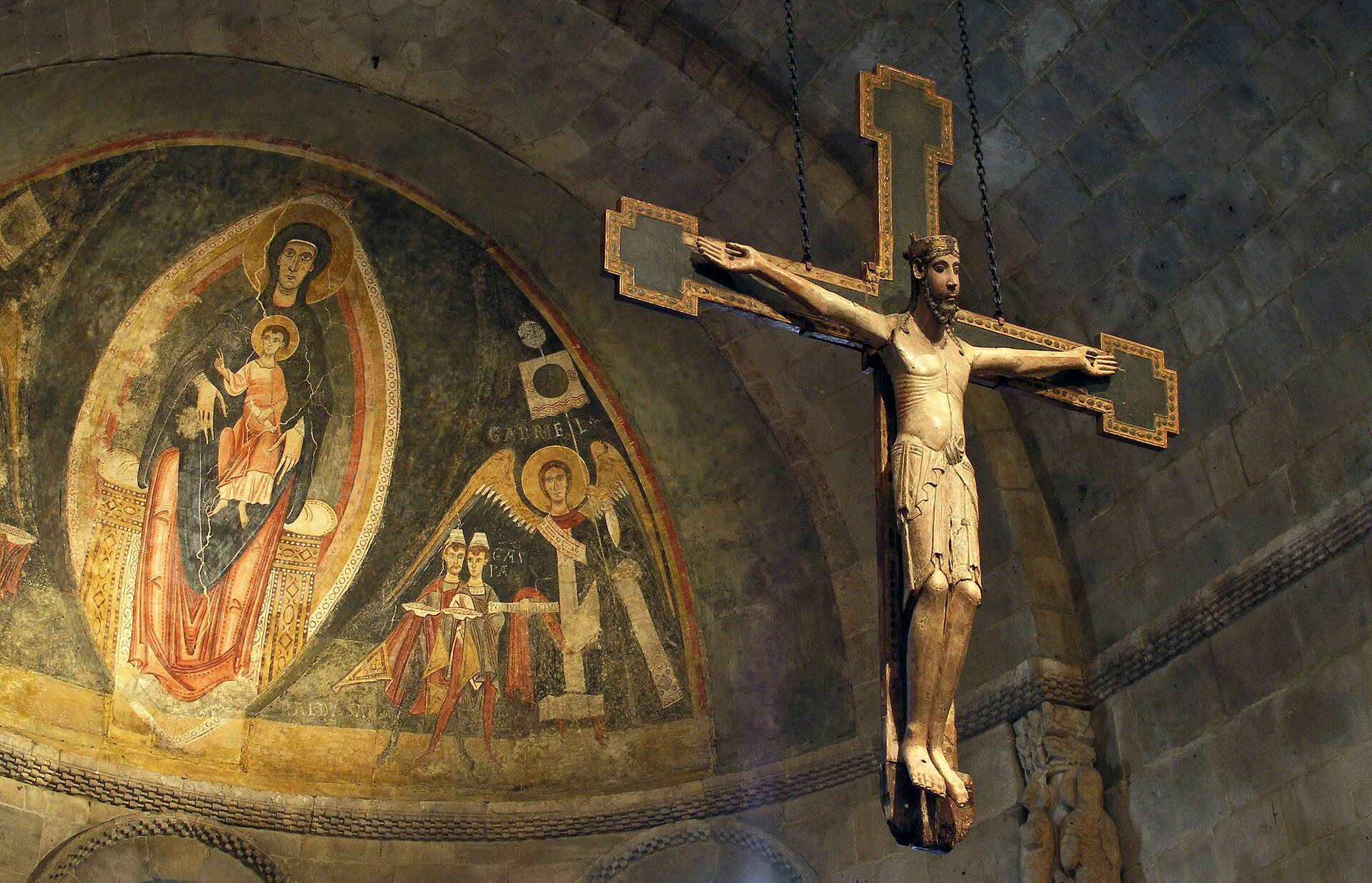
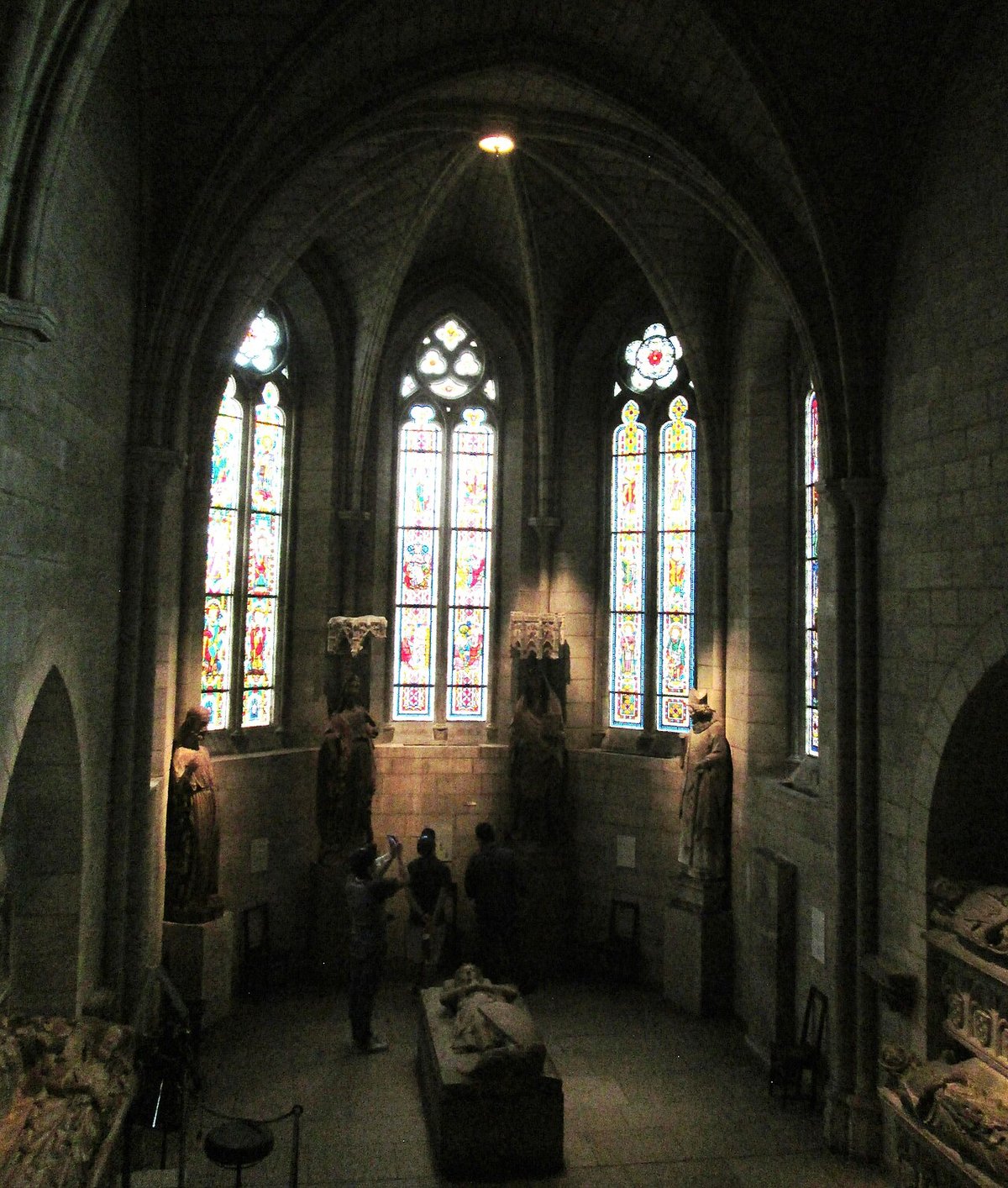
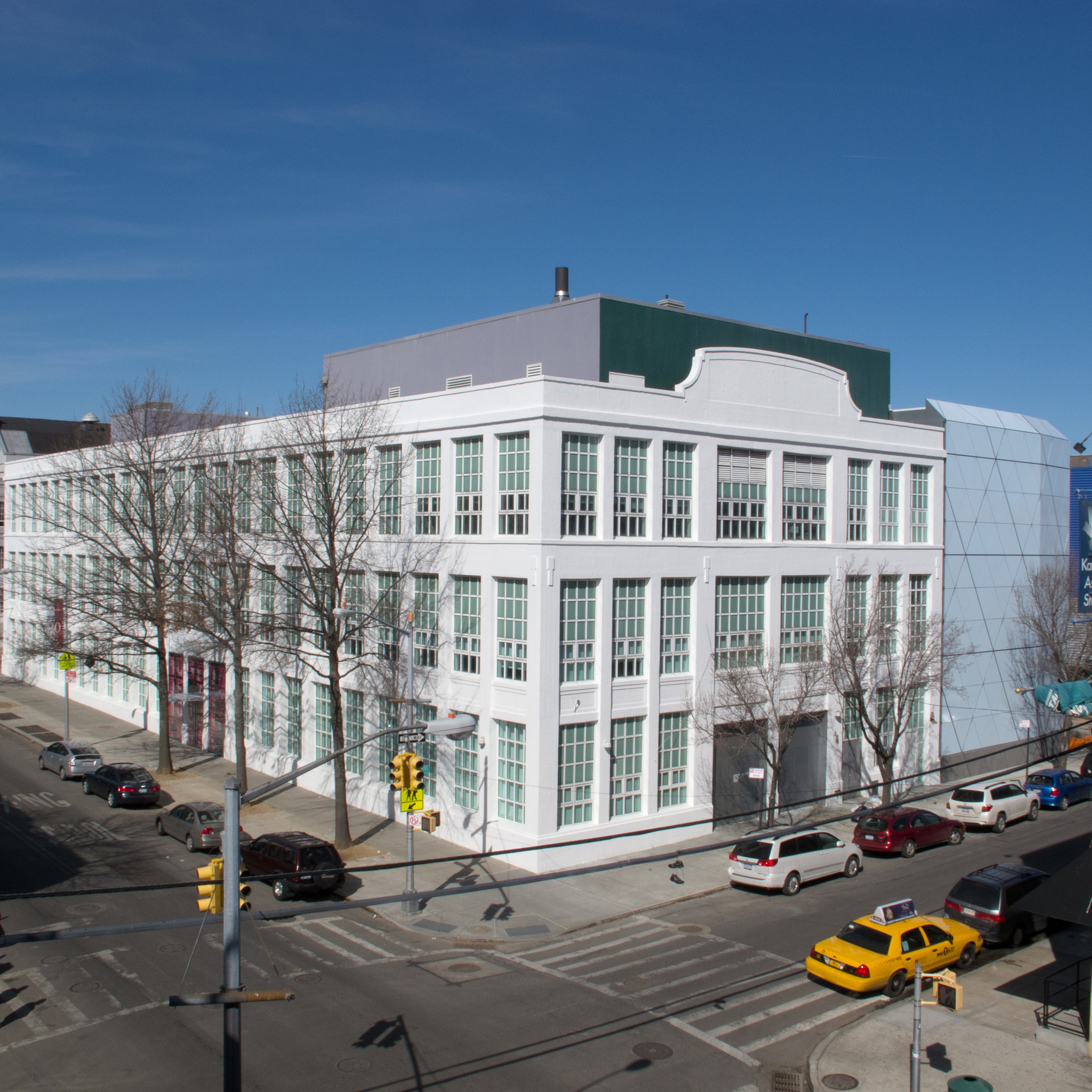
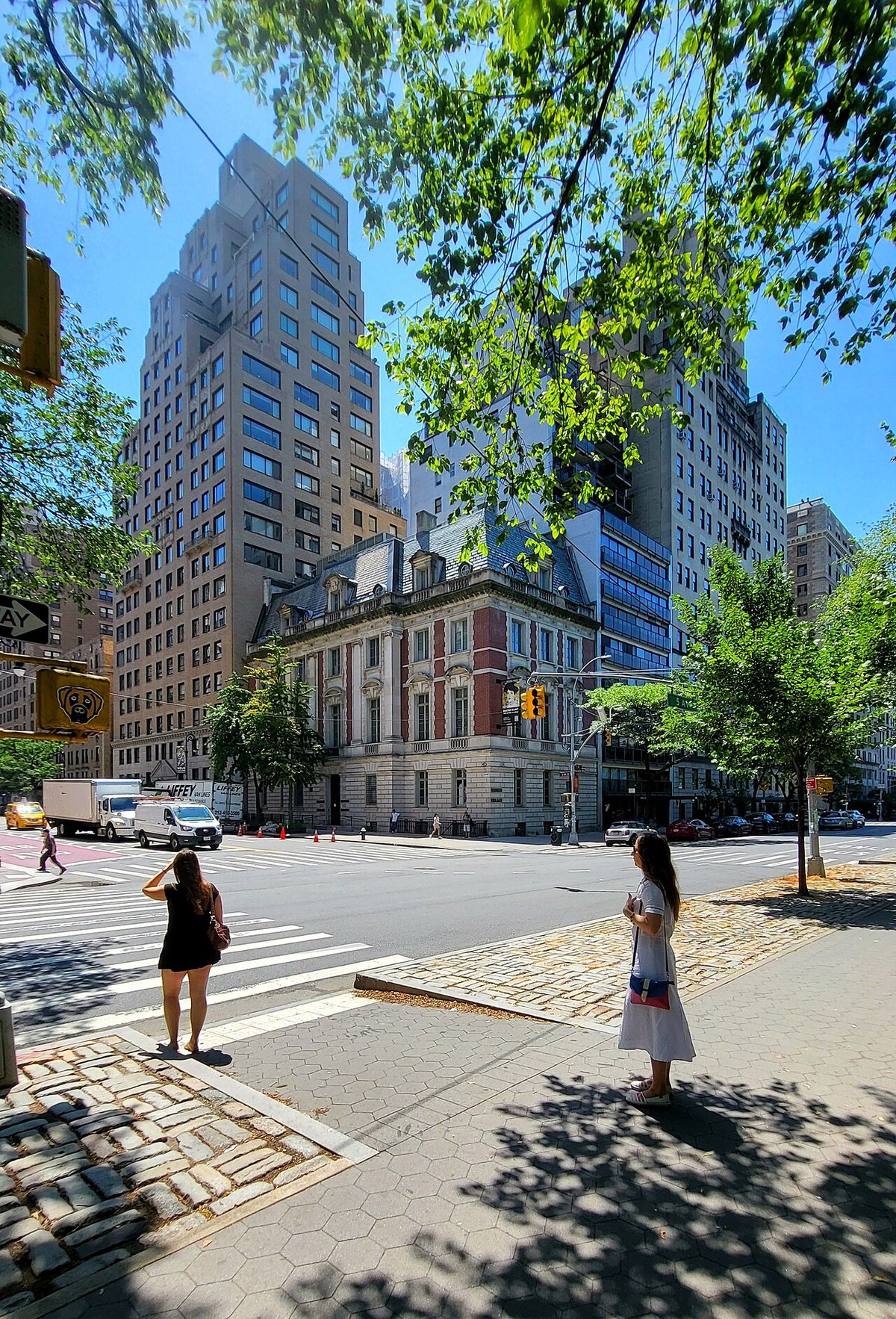
The Mark is on the Upper East Side. The other four stays are Midtown alternatives; plan an onward trip to the museum.

Upper East Side
Guest score 9.1/10 · Booking.com
On Madison Avenue at 77th Street.
Madison Avenue at 77th Street, New York, NY 10075, United States
Official hotel website
Midtown
Guest score 9.4/10 · Booking.com
A Midtown alternative at 18 West 56th Street.
18 West 56th Street, New York, NY 10019, USA
Official hotel website
Midtown / West 57th Street
Guest score 9.0/10 · Booking.com
A Midtown alternative at 101 West 57th Street.
101 West 57th Street, New York, NY 10019, USA
Official hotel website
Midtown East
Guest score 9.1/10 · Booking.com
A Midtown alternative at 150 East 50th Street.
150 East 50th Street, New York, NY 10022, USA
Official hotel website
Midtown East / Fifth Avenue
Guest score 9.3/10 · Booking.com
A Midtown alternative at 12 East 48th Street.
12 East 48th Street, New York, NY 10017, USA
Official hotel website