1 / 5
05 / PAINTINGS & DECORATIVE ARTS
Paintings and decorative arts in a historic Fifth Avenue mansion. The domestic setting changes how you see the collection: these were rooms to live in as well as places to hang art.
Recheck dated notice: East Gallery and Oval Room installation closures through October 12, 2026. Its stated period ended on 2026-10-12; current room access is unverified. Expiry does not establish reopening.
Check the Frick’s admission and age rules
Official information checked 2026-10-31
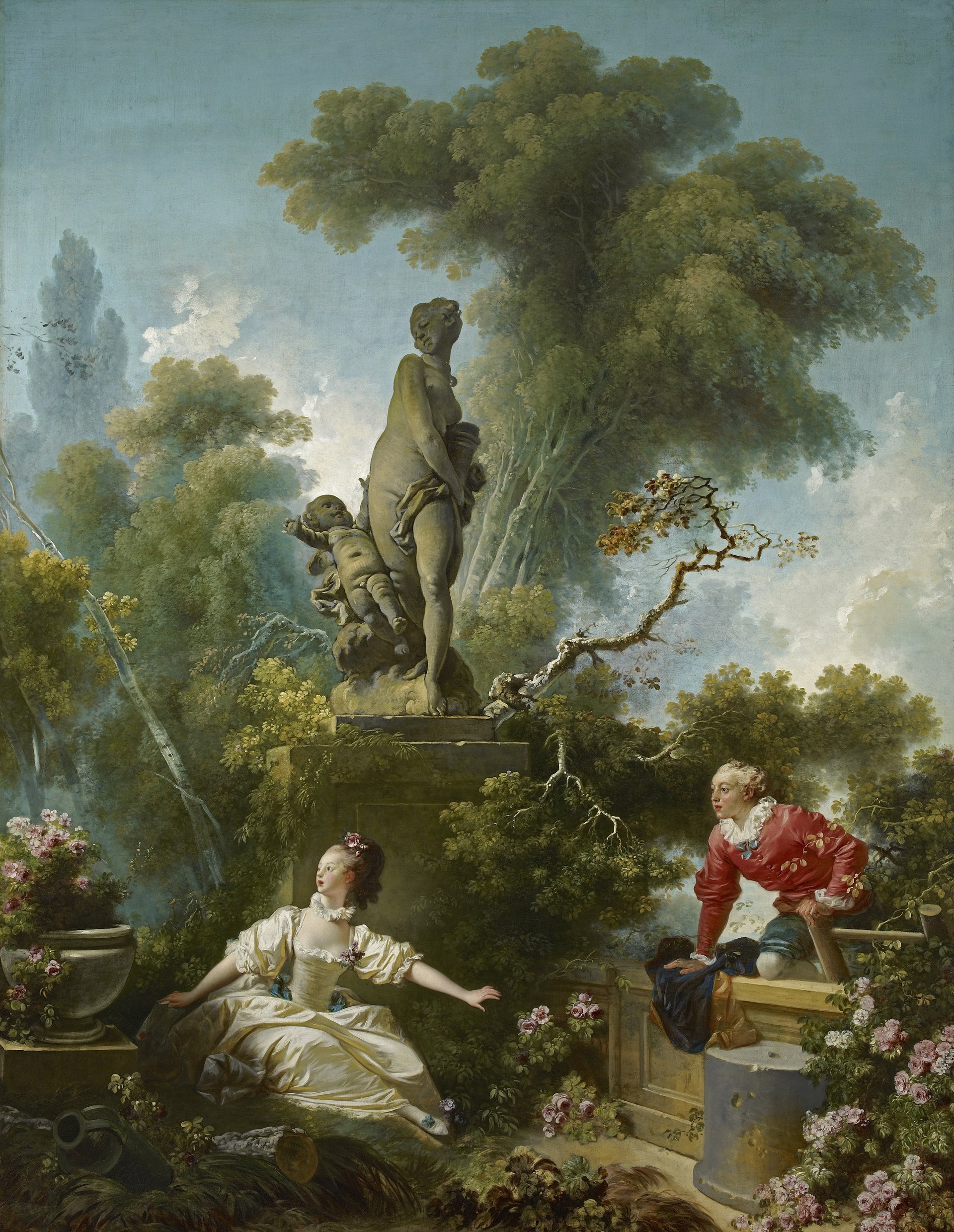
A painting can make a room feel as though it has always belonged there. Fragonard's The Progress of Love has a less settled history.
Madame du Barry commissioned its four original canvases for her pavilion outside Paris, then returned them to the artist. Much later, Henry Clay Frick altered his New York drawing room to accommodate them.
That journey is a lovely way into the Frick. Pictures here have neighbours; a doorway brings one view into another, and a room gives you a particular distance from a face or a landscape.
There is pleasure in taking your time with those relationships as well as with a favourite painting.
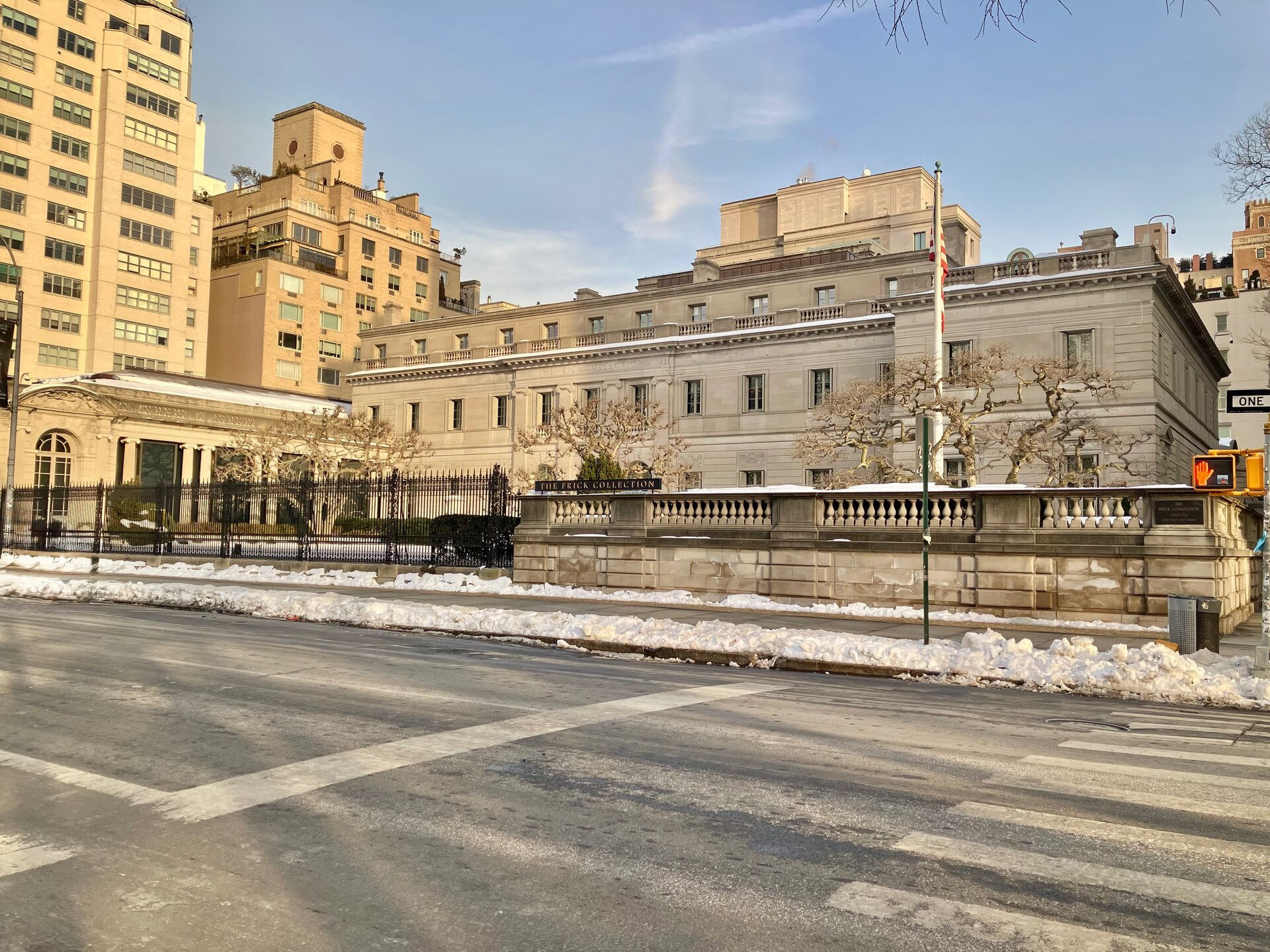
Frick commissioned Carrère and Hastings to design his Fifth Avenue mansion around his collection. Built in 1913–14, it became the family home in 1914.
When he died in 1919, he left the house and art for a public gallery, while his wife Adelaide retained the right to live there for the rest of her life.
His fortune came from coke and steel. The museum's biography also records his determined opposition to organized labour and his role in the violent Homestead conflict of 1892.
That history is part of what made these rooms possible, alongside the acquisitions and the building work.
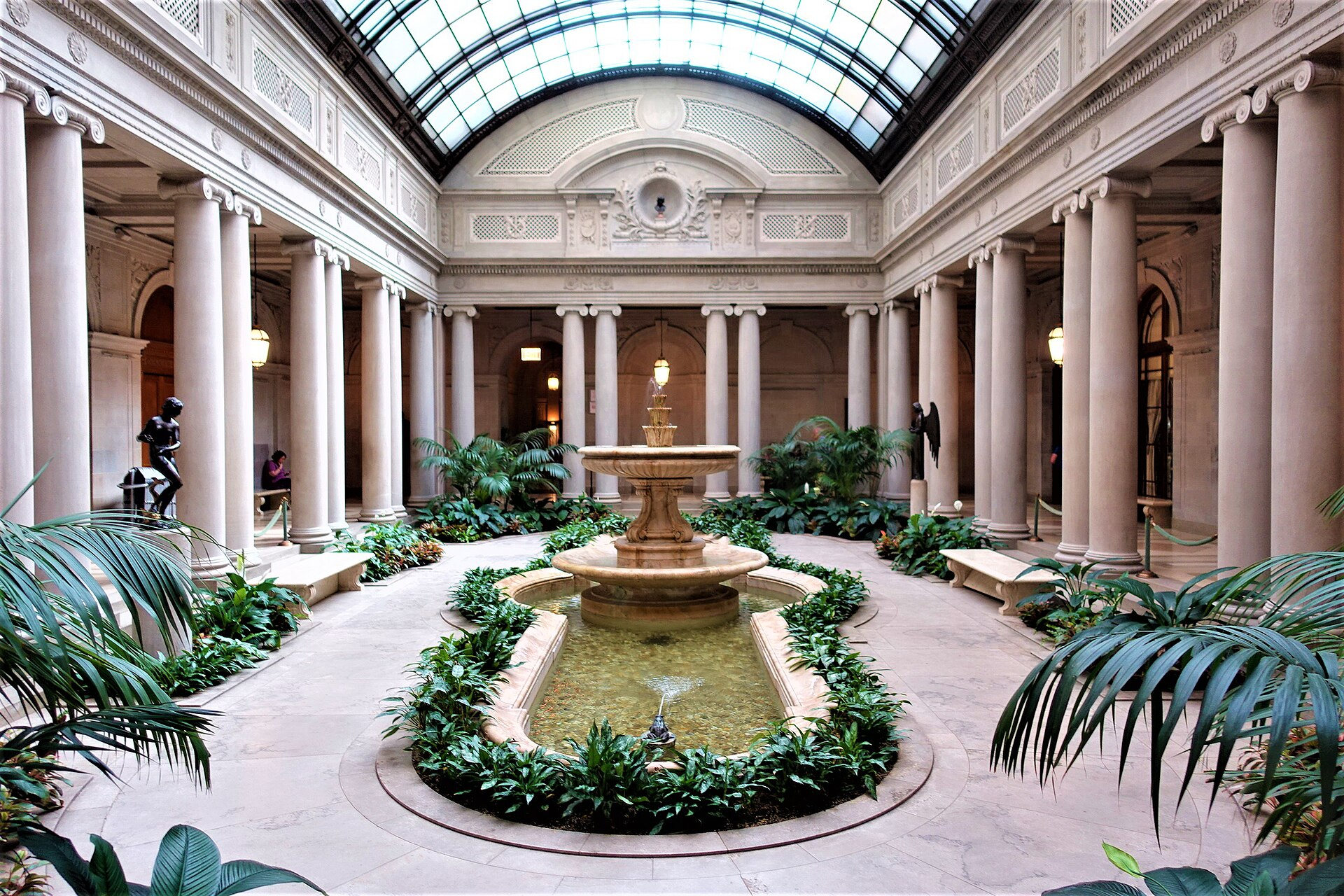
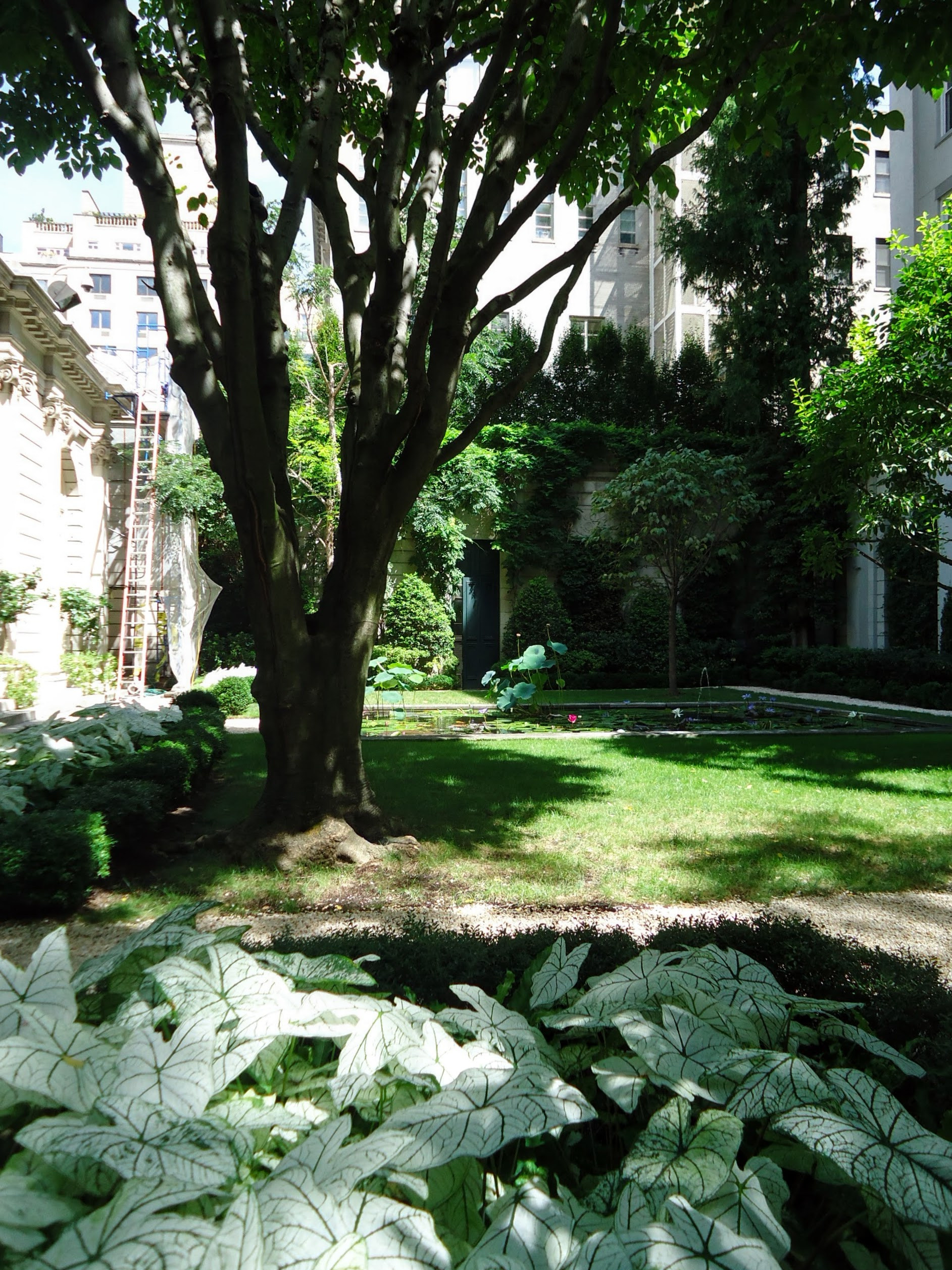
After Adelaide died in 1931, John Russell Pope adapted and enlarged the house for the museum, which opened in December 1935. The enclosed Garden Court was one of his additions: a space created for public visitors to the former home.
The April 2025 reopening added another chapter. A renovation designed by Selldorf Architects with Beyer Blinder Belle brought the family's former second-floor rooms into public use as galleries.
Places once reserved for private life became part of the visit.
Fragonard painted the four principal Progress of Love canvases in 1771–72 for Du Barry, Louis XV's last mistress, for her pavilion at Louveciennes. She replaced them with works by Joseph-Marie Vien.
Why she rejected Fragonard's pictures remains unknown; the documented change of mind is intriguing enough without supplying a scandal.
Around 1790–91, he installed them in his cousin's house in Grasse, adding ten more canvases to the ensemble. They later belonged to J.
P. Morgan before Frick acquired them in 1915.
Each new home offered a different setting for the same painted gardens.
The Pursuit, The Meeting, The Lover Crowned and Love Letters suggest a relationship unfolding. Hands reach, bodies turn, and foliage surrounds the figures.
The titles help with the story, while the garden architecture gives the encounters their scale and setting. It can be enjoyable to spend time with one scene before fitting it into the sequence.
In Giovanni Bellini's St. Francis in the Desert, painted around 1475–80, Francis stands with his arms open outside a simple shelter. He occupies only a small part of a landscape shared with animals and a distant town.
The Frick identifies its probable first purpose as private devotion for the Venetian nobleman Giovanni Michiel.
Light enters from the upper left. At the much smaller scale of Francis's hands, technical examination established that Bellini himself painted the subtle wounds.
Traces of a wound on the left foot also survive, although they are no longer visible to the naked eye. Researchers found that the picture probably never included the winged seraph familiar from conventional scenes of Francis receiving the stigmata.
Exactly what Bellini intended has long been debated.
Those findings give you details to look for, but they leave room for the pleasure of the whole landscape: rock, plants, sky, and the small figure within it. Francis's association with renouncing possessions adds another thought to carry through a house built with exceptional wealth.
The Boucher Room brings the house's changes into focus. The Arts and Sciences panels decorated Adelaide Frick's private sitting room upstairs.
For the museum's opening in 1935, the room moved downstairs so visitors could see it. The 2025 renovation returned it to its original second-floor setting.
The eight canvases are attributed to François Boucher's workshop. Children take on adult activities, including painting, sculpture, astronomy and music.
Their equipment gives you clues to each pursuit, sometimes before you consult a title. The scenes also belong to a larger decoration, each occupying its own part of the wall.
There is something appealing about moving between the small activity in a painting and the room that holds the whole set.
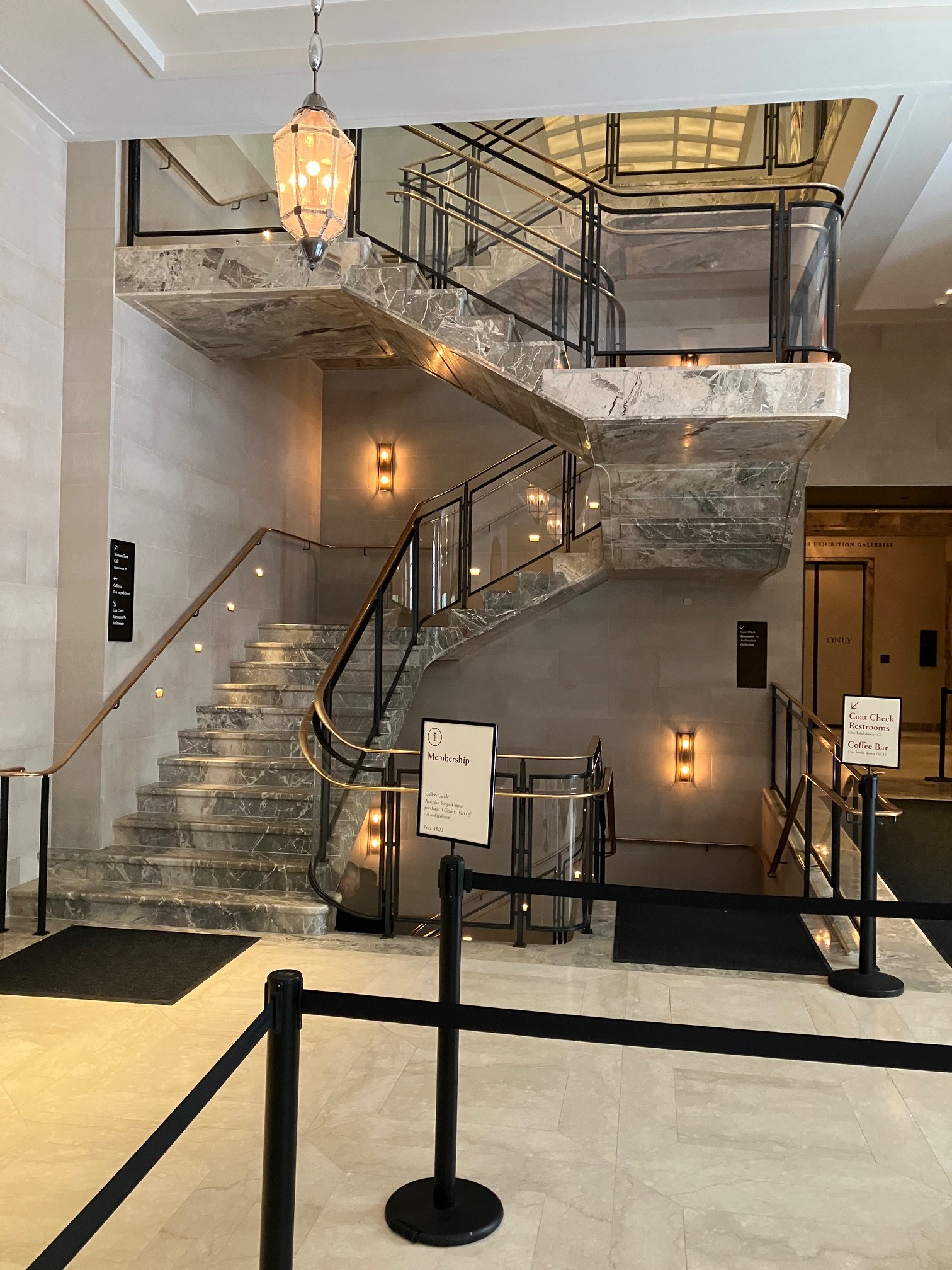
About two hours is a flexible starting point. A handful of works can fill that time quite happily; you can let one room or painting lead to another.
These examples are also available to explore online. If a particular work or room is essential to your visit, check its current status before travelling.
The free Bloomberg Connects guide adds the curators' commentary when you want to know more; bring headphones. Most permanent-collection labels are deliberately brief to encourage close looking, while temporary exhibitions generally have more explanatory text.
A glance back through a doorway can be rewarding before you leave a room. A picture may share the view with furniture or a patch of light you had barely noticed on the way in.
The house offers these small discoveries alongside its famous works.
Timed tickets are recommended. Entry is not guaranteed if you arrive more than 15 minutes late, and the museum does not accommodate rebooking requests.
Photography is prohibited in the galleries. The museum cannot accept luggage, so leave travel bags elsewhere.
Wednesday 13:30–17:30 is pay-what-you-wish. Online bookings require at least US$5; lower contributions are possible onsite, subject to availability. Selected First Fridays offer free evening entry; check the event date, hours and reservation requirements before planning.
Check with the museum before booking if you want to see a particular work. Loans and changing displays can affect what is on view.
Last reviewed: . Check the museum’s website for current hours and ticket prices.
Check official free-entry eligibility before buying. Confirm your option, date, language and final total with the provider.
Museum admission
Admission to the Frick Collection. Children under 10 are not admitted. Check official reduced prices and free periods before buying.
Affiliate link. We may earn a commission if you book.Use two fingers to move or pinch the map on a touch screen; one finger scrolls the page. In full screen, drag to move. Use plus and minus to zoom. Arrow keys move the map; zero fits all stops. Escape closes the preview or full screen.
An illustrated introduction to a related guide, not a depiction of this museum.
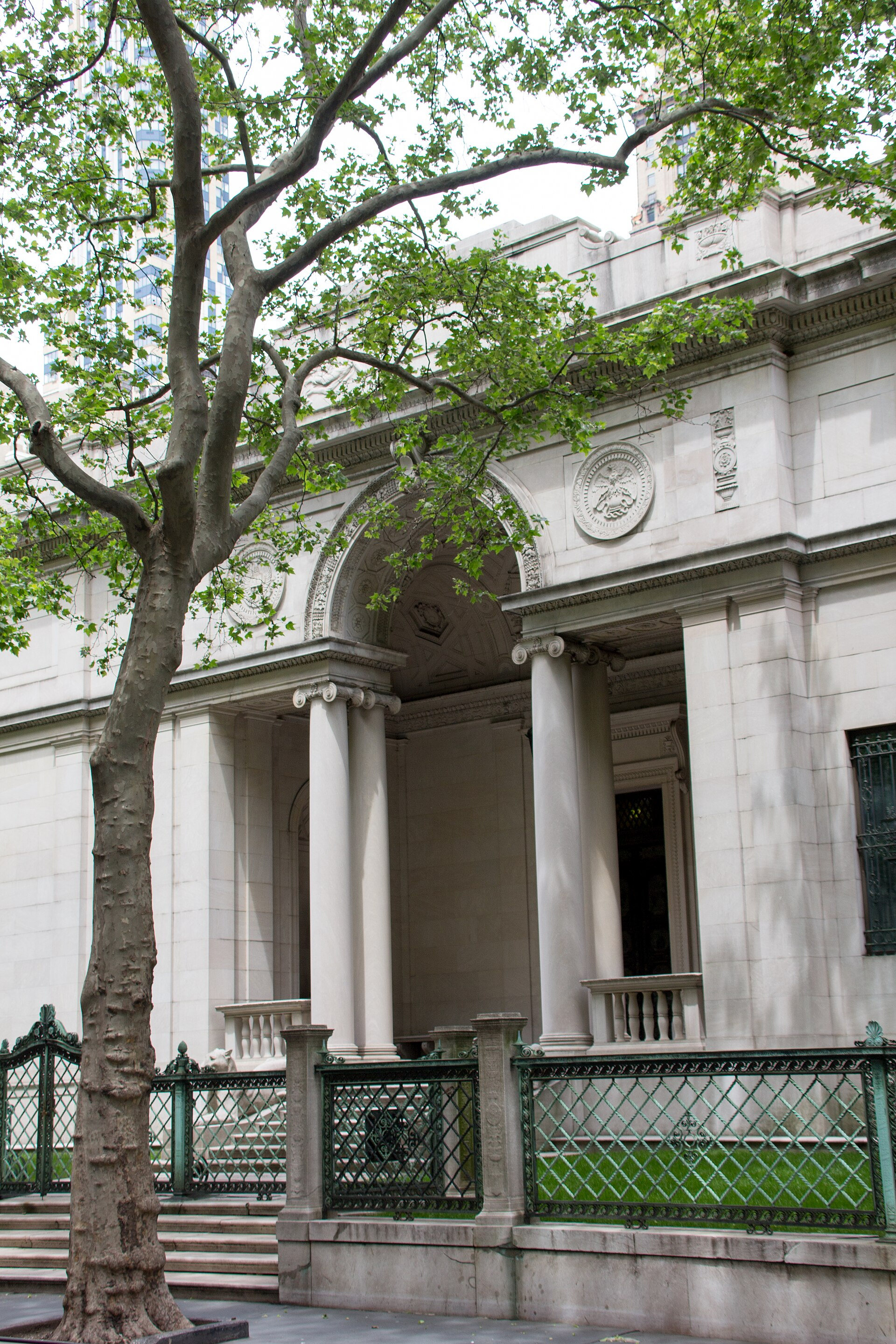
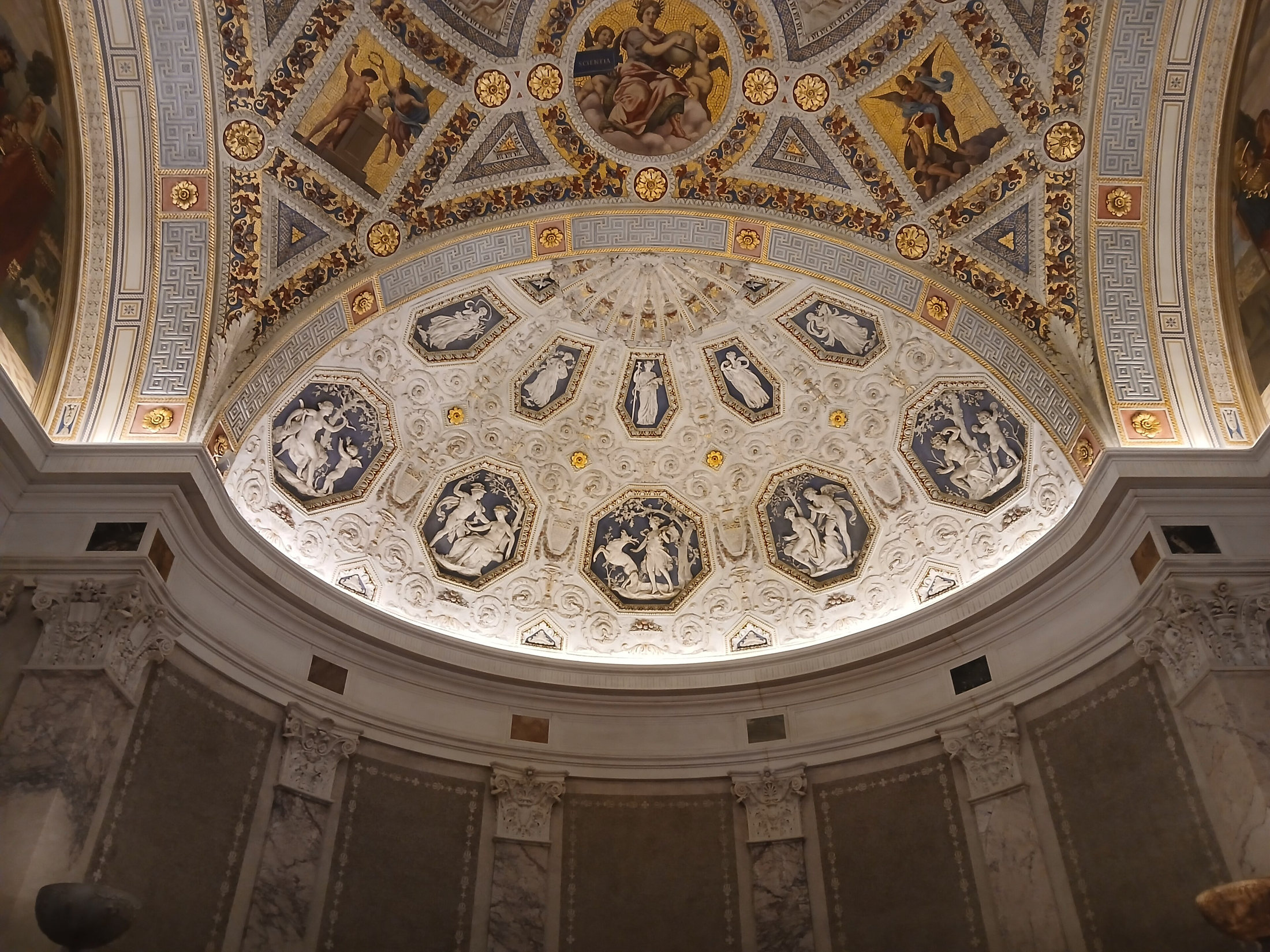
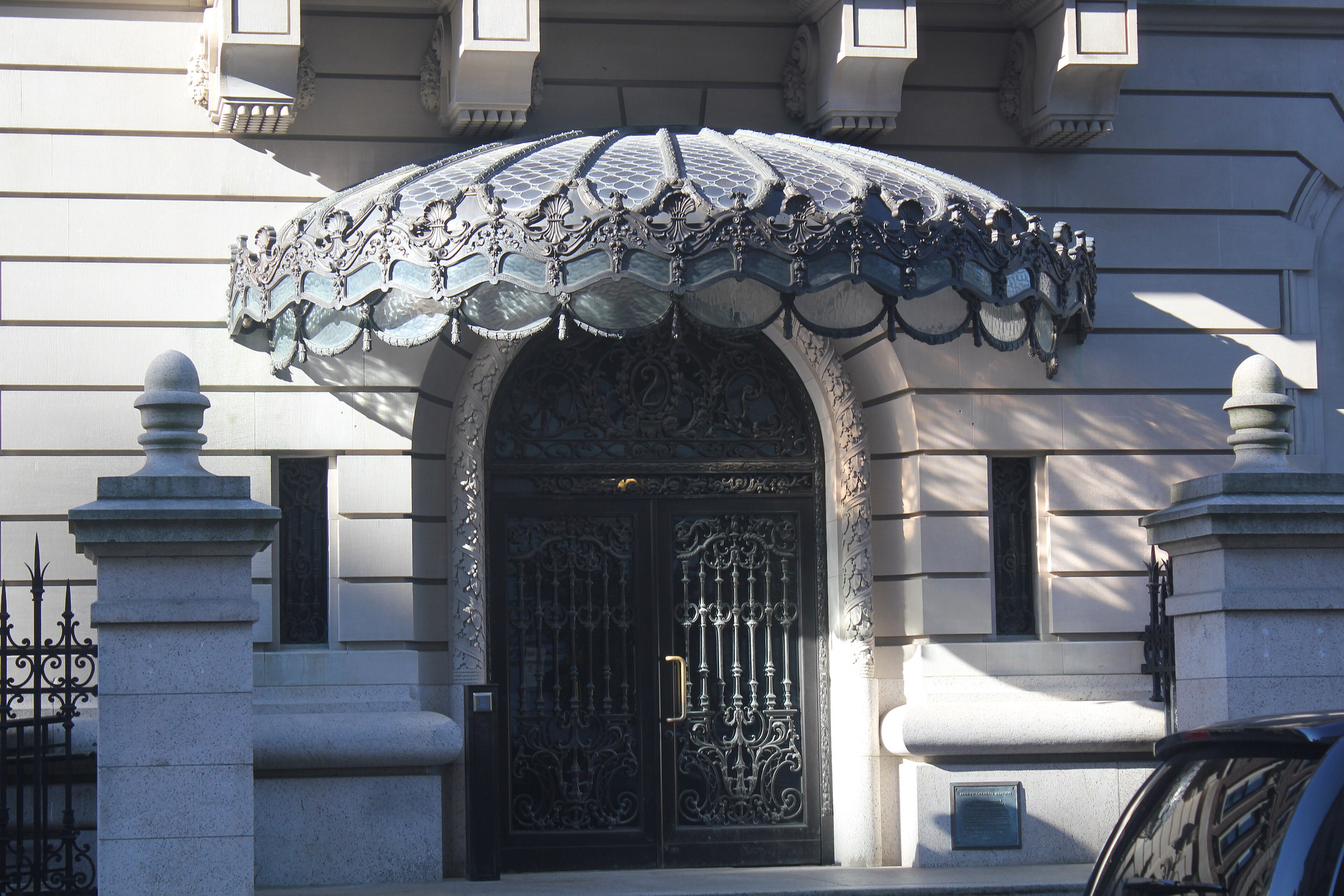
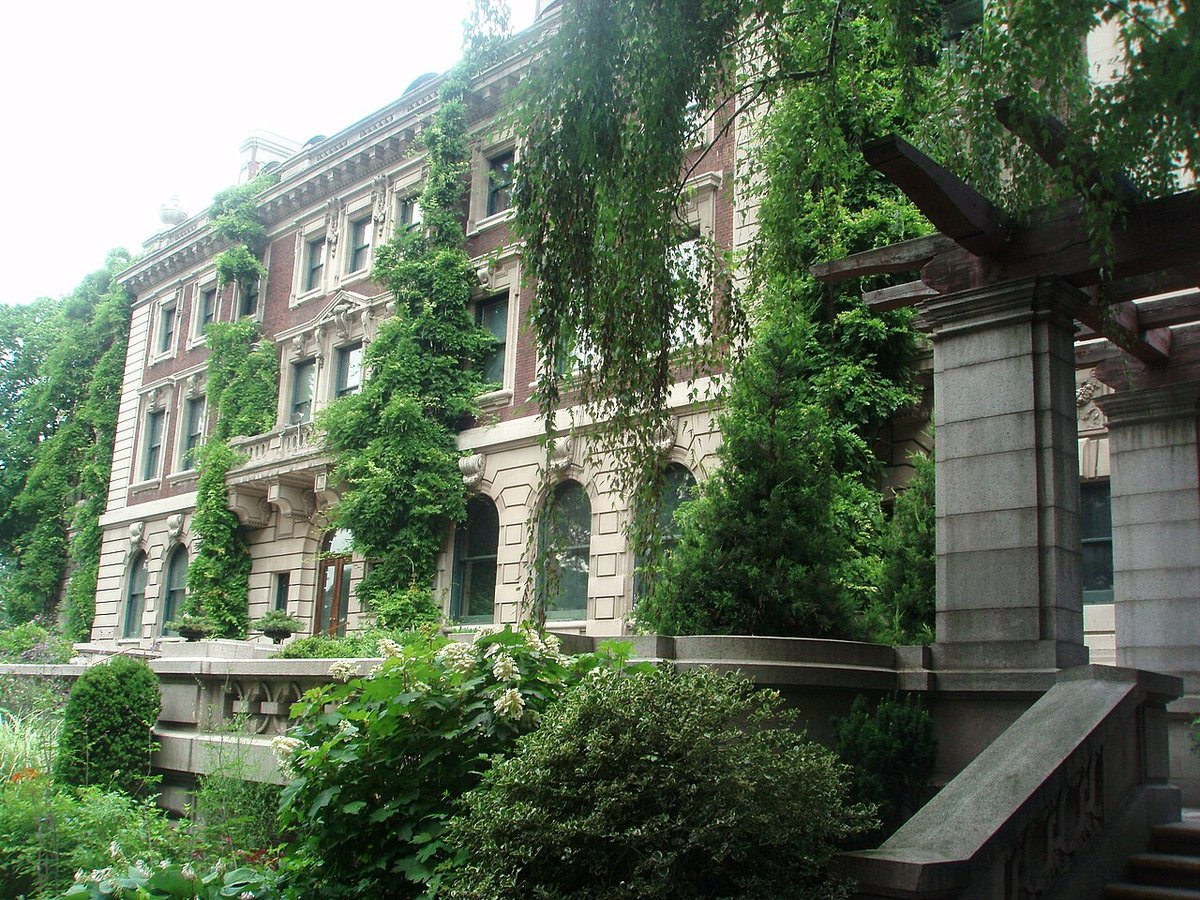
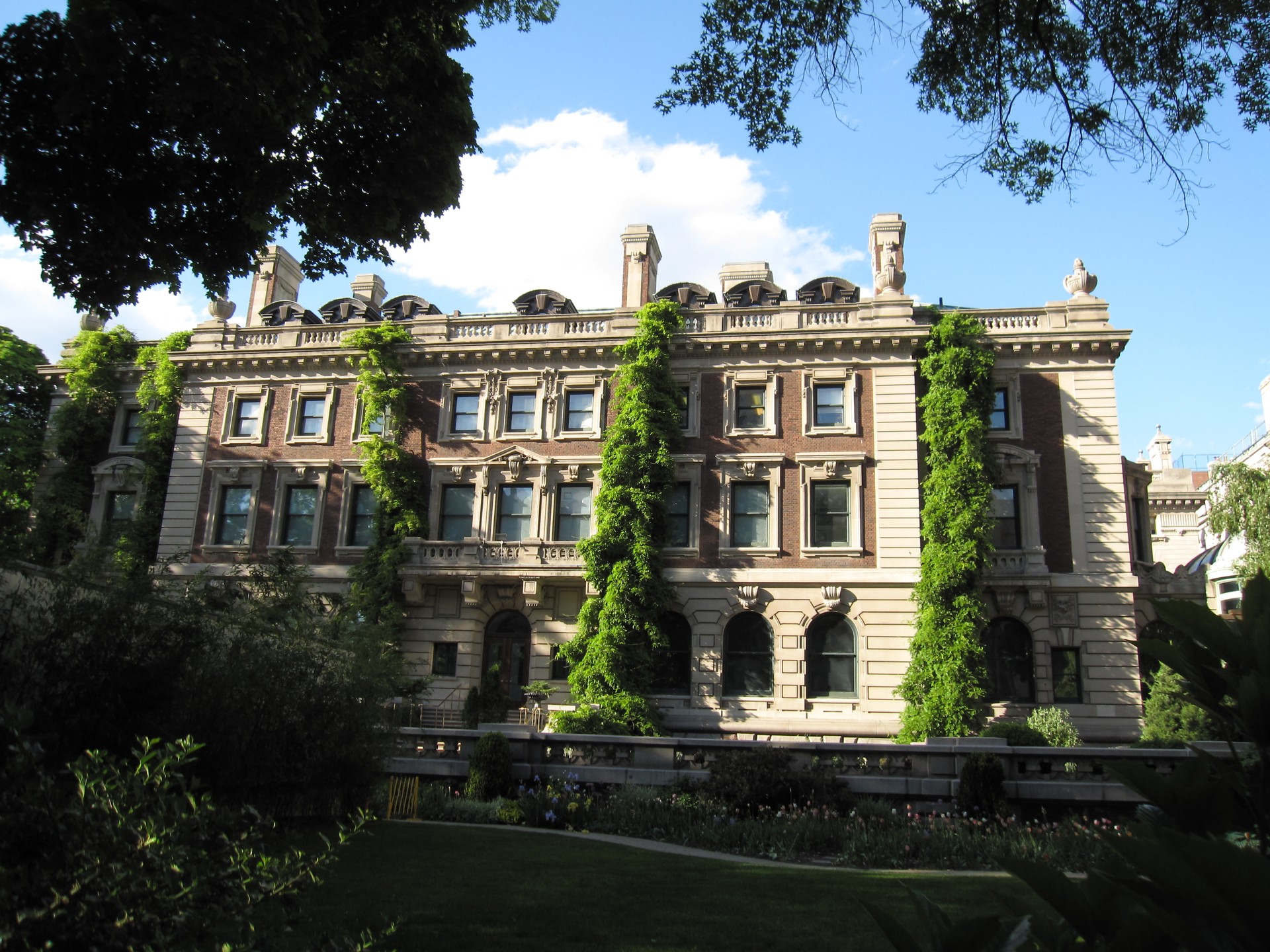
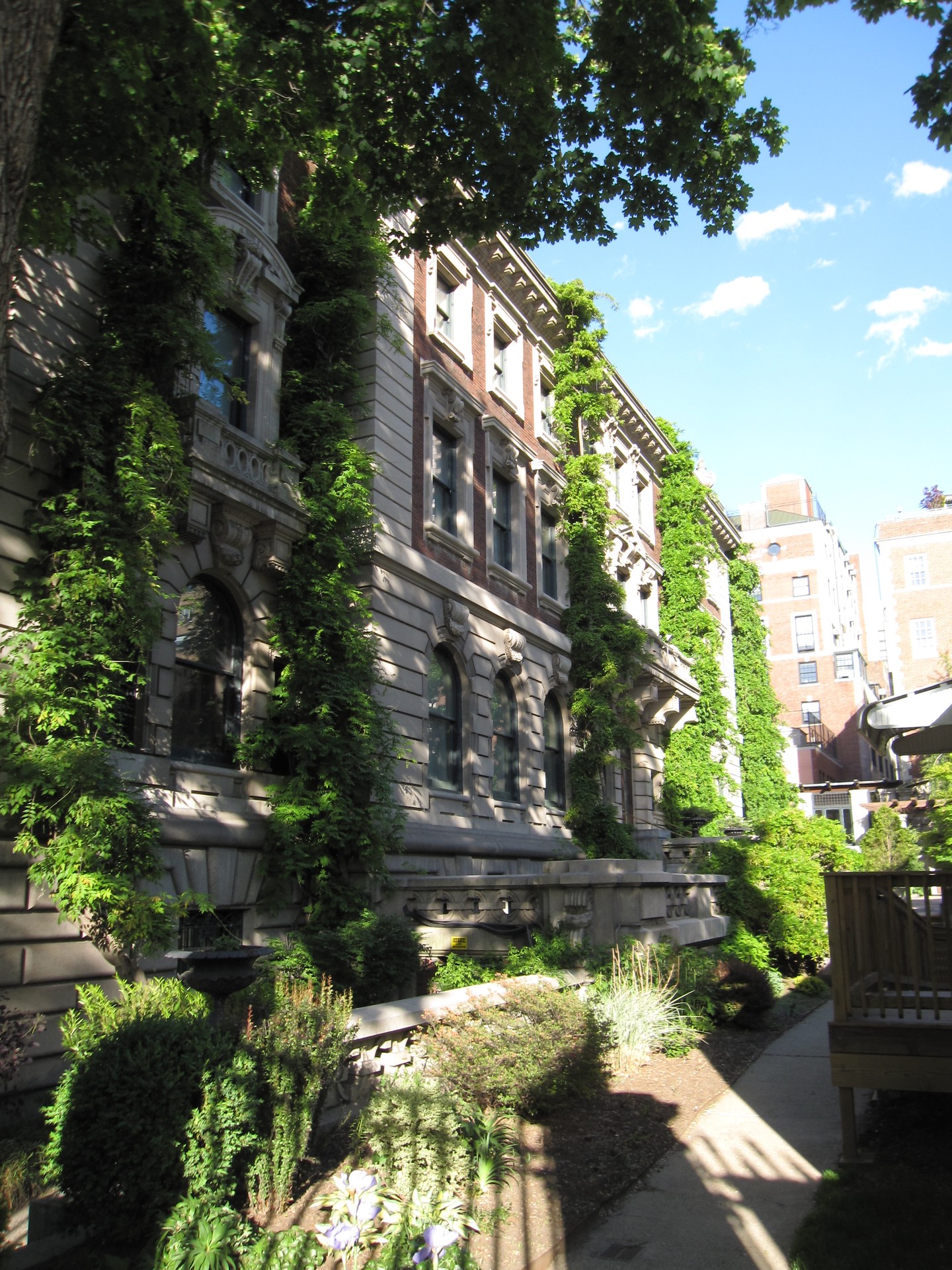
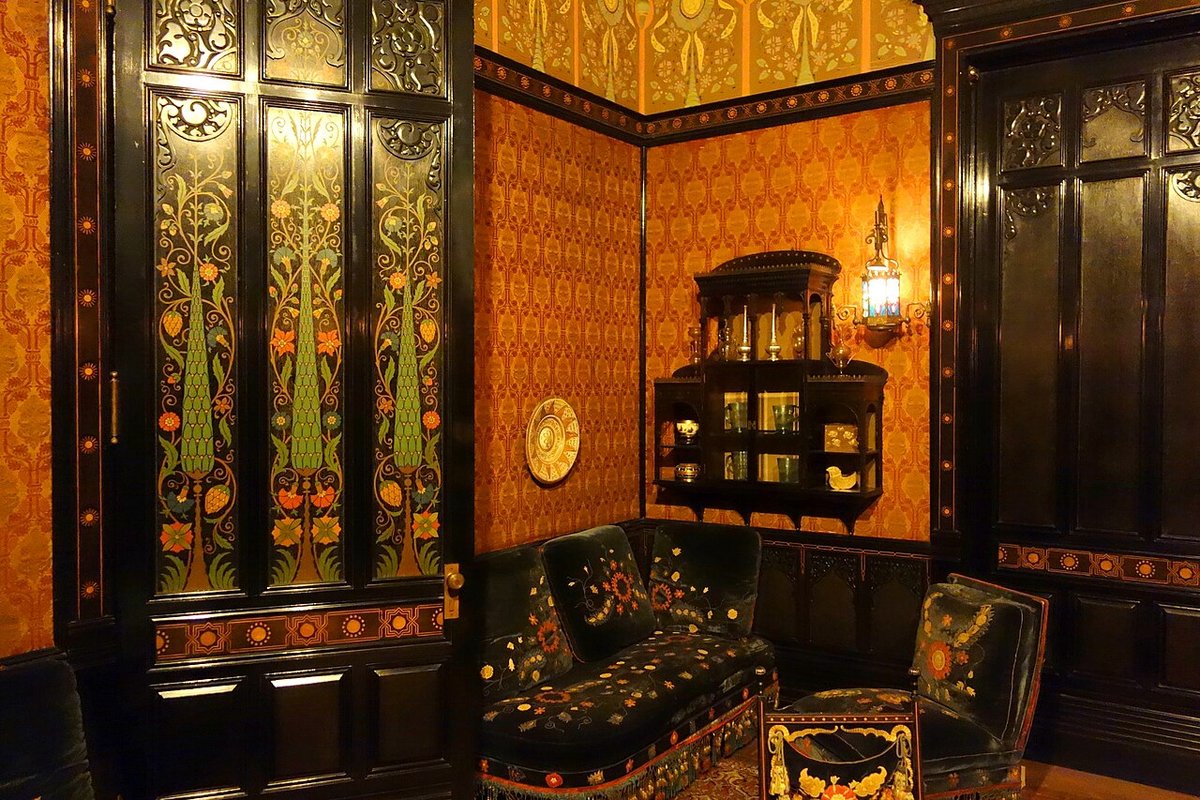
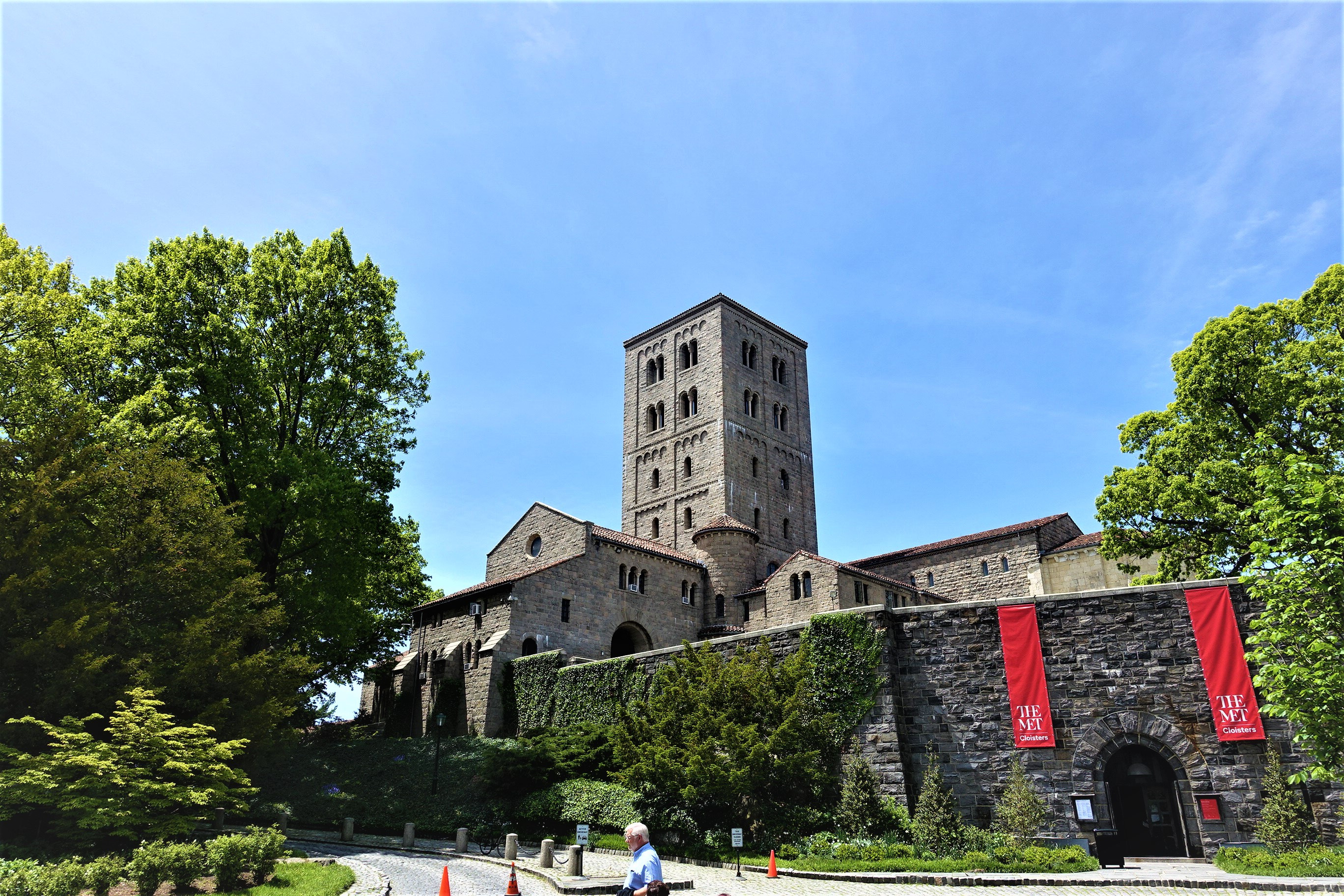
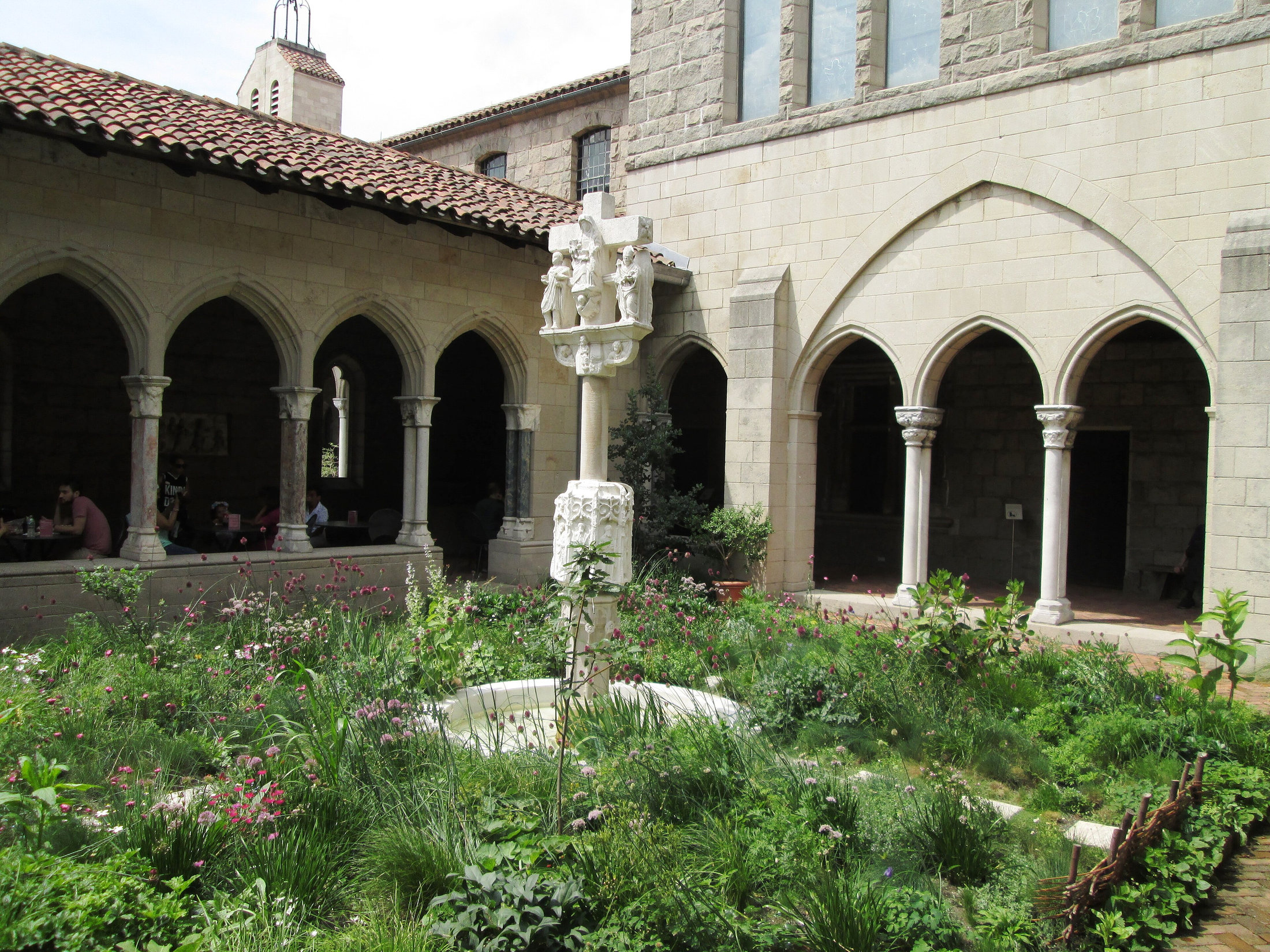
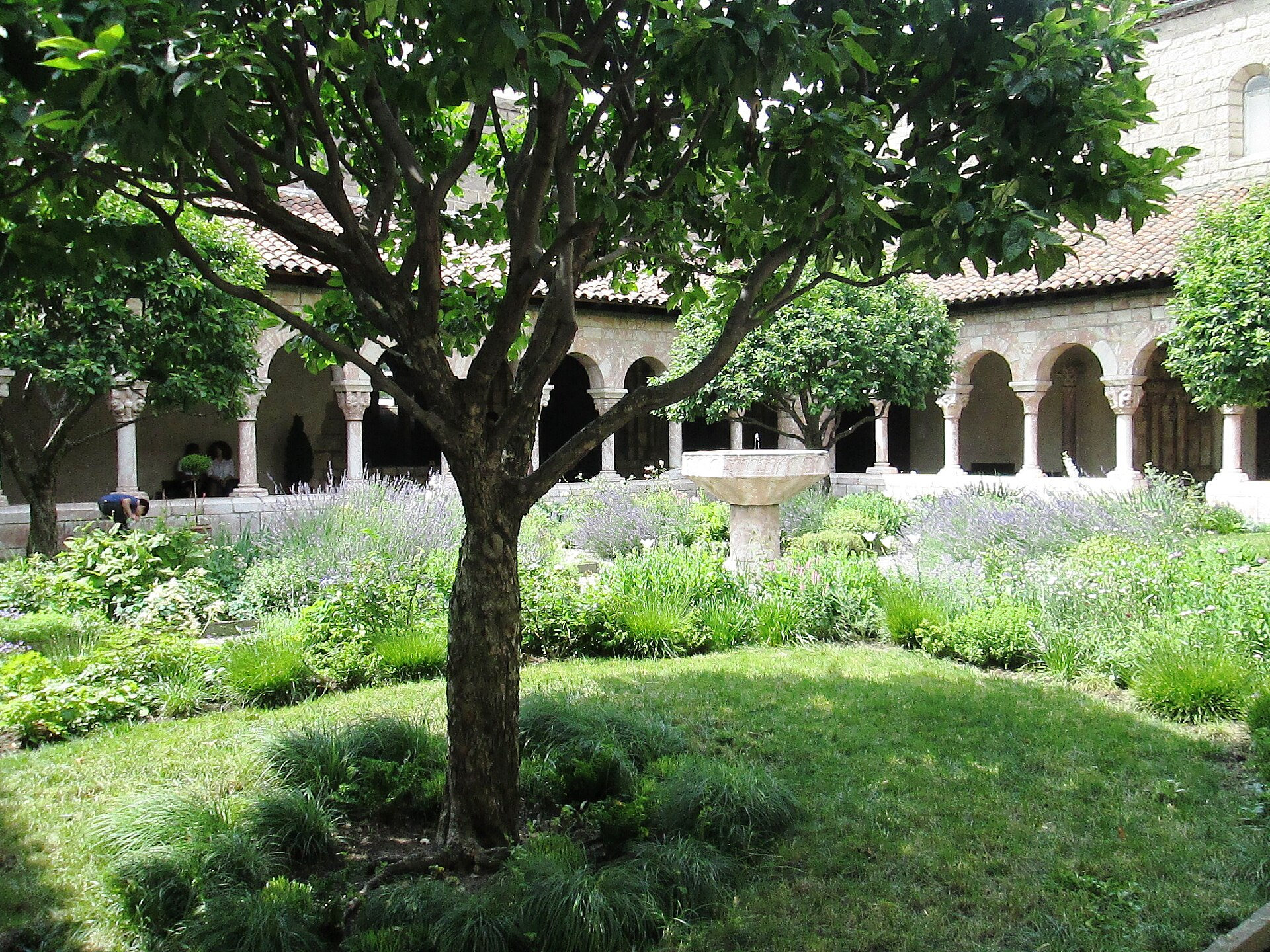
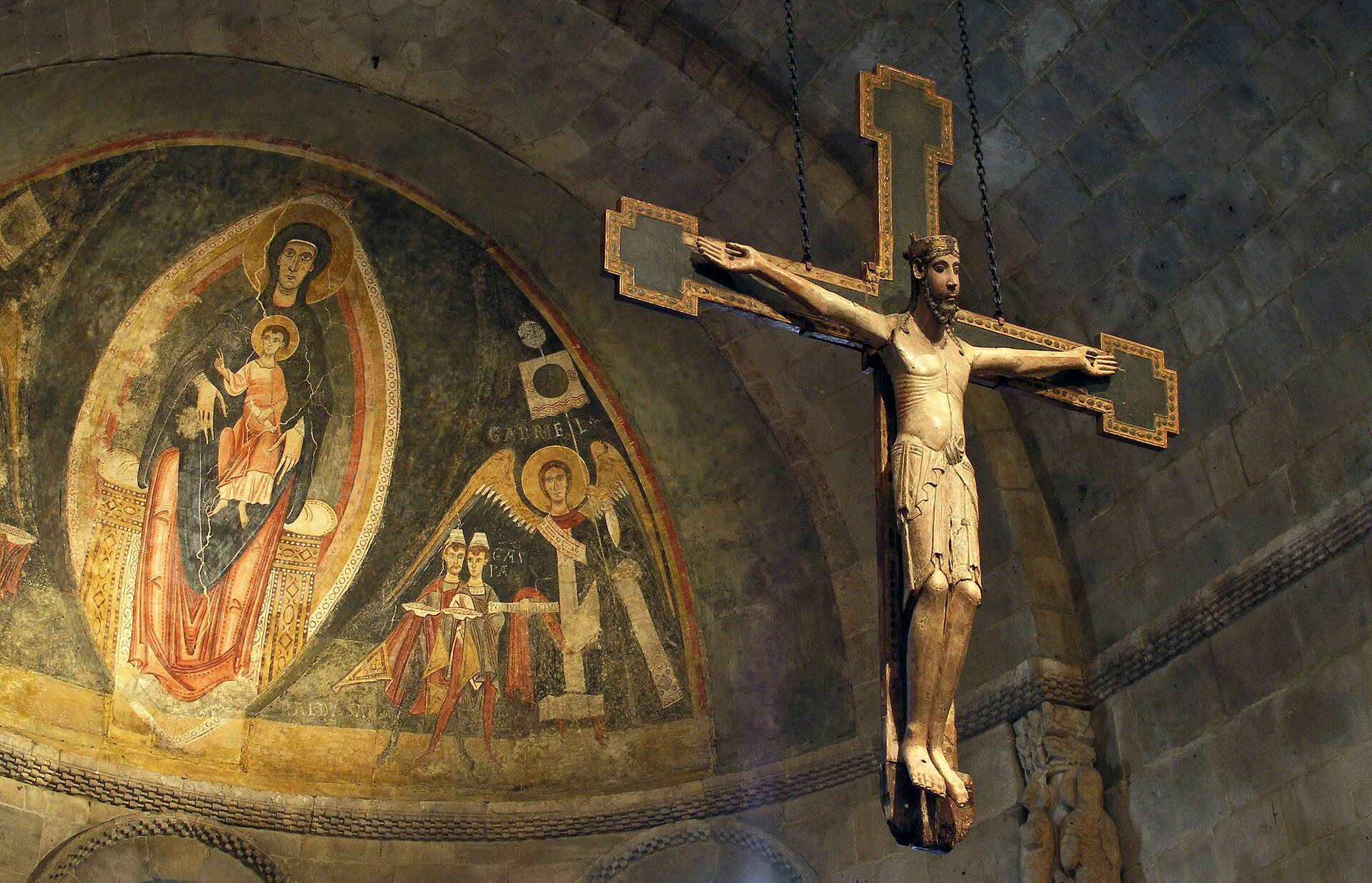
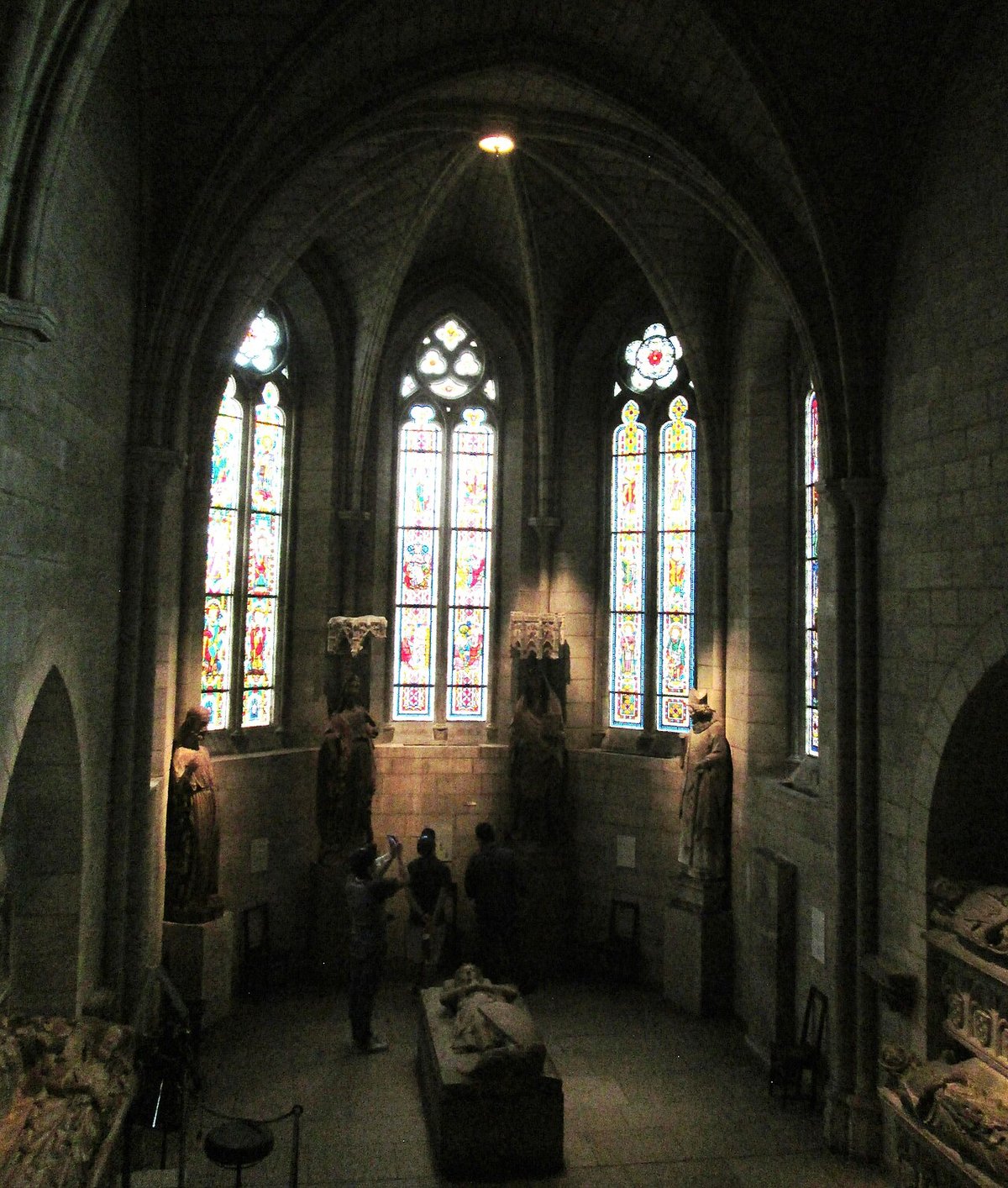
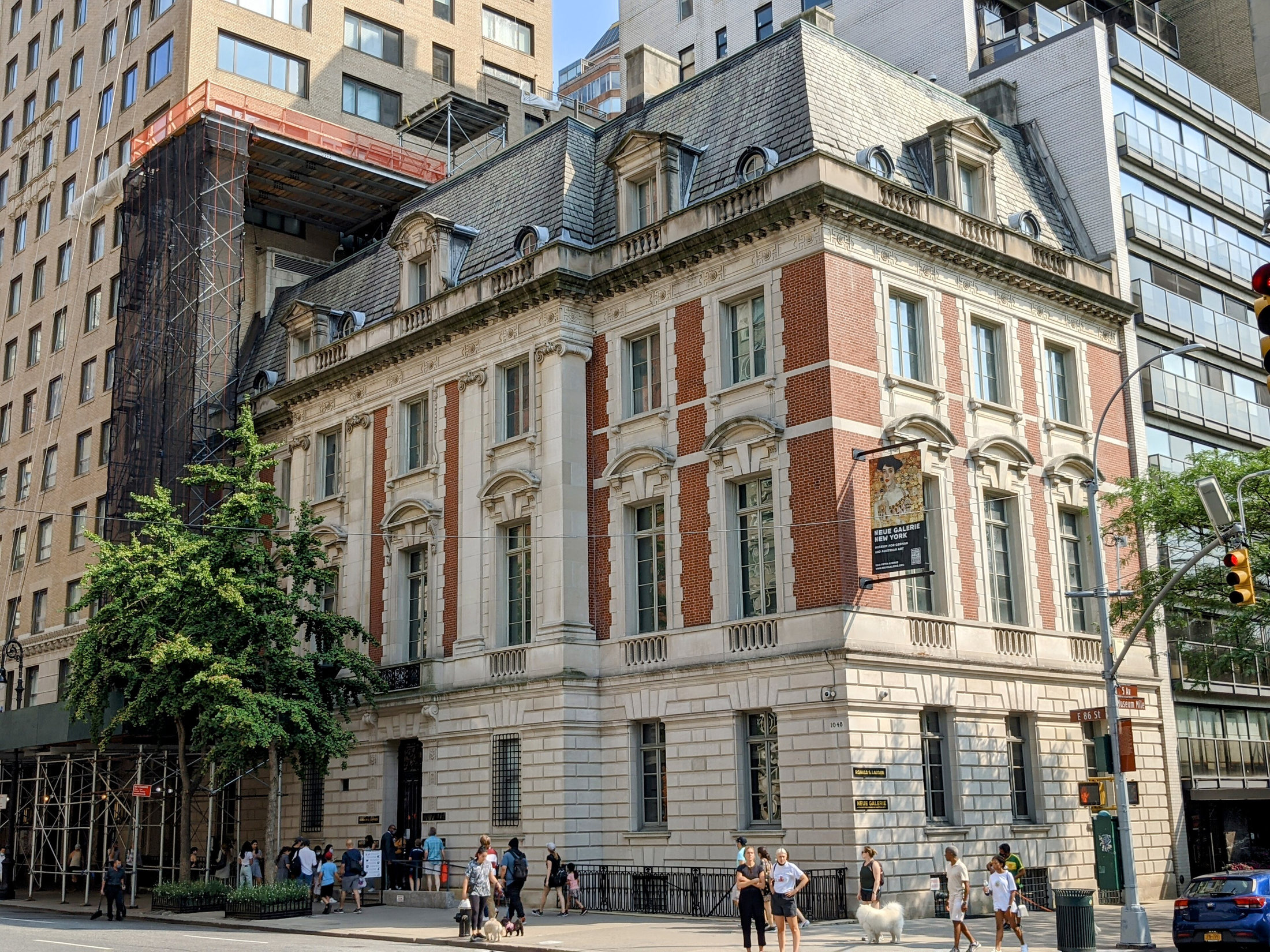
The Mark is on the Upper East Side. The other four stays are Midtown alternatives; plan an onward trip to the museum.

Upper East Side
Guest score 9.1/10 · Booking.com
On Madison Avenue at 77th Street.
Madison Avenue at 77th Street, New York, NY 10075, United States
Official hotel website
Midtown
Guest score 9.4/10 · Booking.com
A Midtown alternative at 18 West 56th Street.
18 West 56th Street, New York, NY 10019, USA
Official hotel website
Midtown / West 57th Street
Guest score 9.0/10 · Booking.com
A Midtown alternative at 101 West 57th Street.
101 West 57th Street, New York, NY 10019, USA
Official hotel website
Midtown East
Guest score 9.1/10 · Booking.com
A Midtown alternative at 150 East 50th Street.
150 East 50th Street, New York, NY 10022, USA
Official hotel website
Midtown East / Fifth Avenue
Guest score 9.3/10 · Booking.com
A Midtown alternative at 12 East 48th Street.
12 East 48th Street, New York, NY 10017, USA
Official hotel website