1 / 5
11 / FILM, TV & DIGITAL MEDIA
Film, television and digital media in Astoria, with interactive exhibitions and a cinema programme. Check the screenings if you want to add a film to the visit.
A familiar yellow bird can become even more interesting when you learn what happens inside him. Big Bird's performer uses a monitor strapped to the body to see.
One arm reaches overhead to operate the mouth and eyes, while the other works a wing. The opposite wing is connected by fishing line, and script pages are attached inside the puppet.
Caroll Spinney performed the role for nearly fifty years. The museum's account of the puppet and its 1970s monitor harness gives that familiar character a new dimension: someone was coordinating all these things to make him seem alive.
Museum of the Moving Image in Astoria has plenty of ways into that pleasure. A puppet, an editing machine or a projector can lead to the work of a person whose contribution usually disappears into the finished scene.
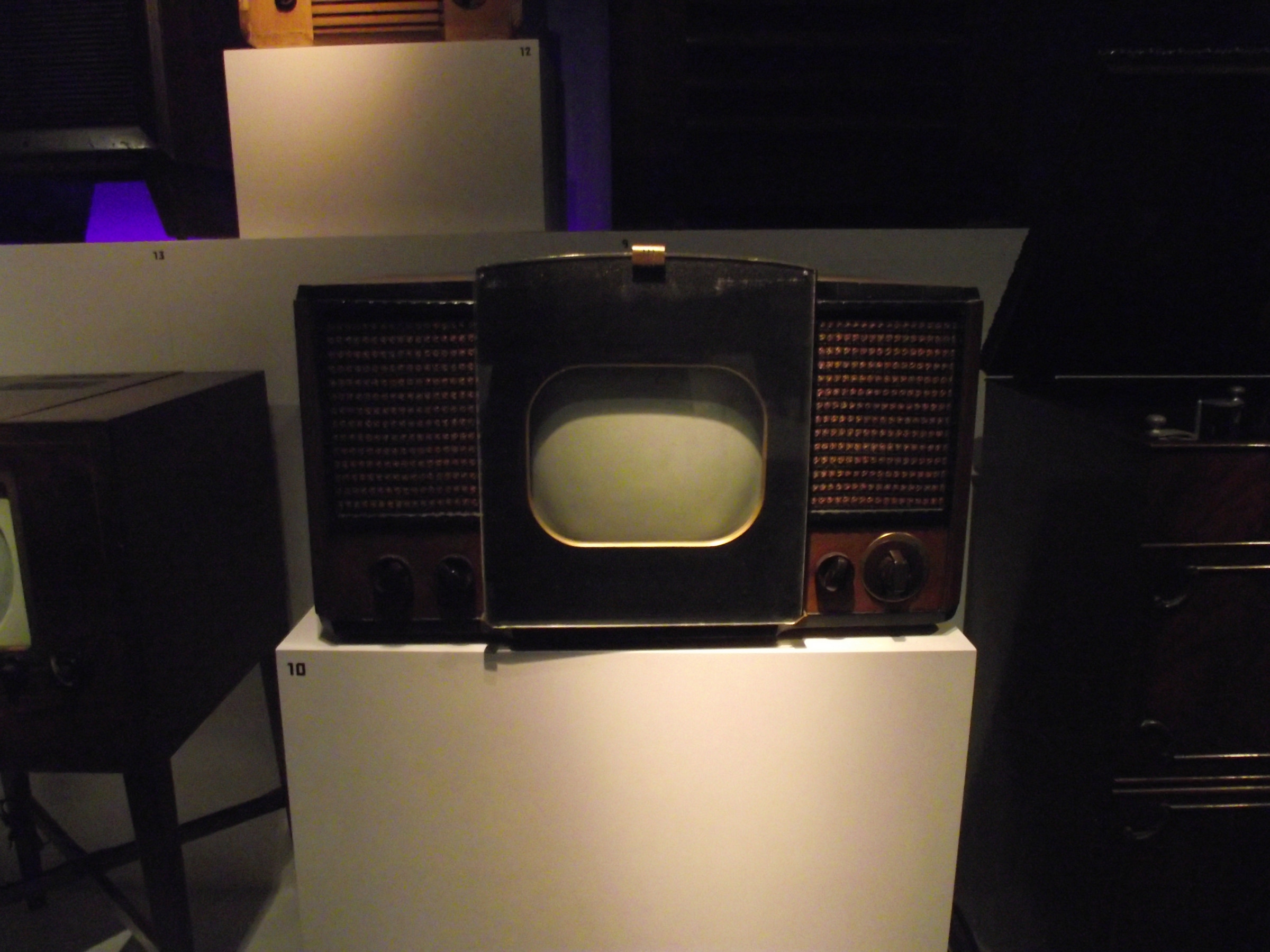
In 1955, Jim Henson and Jane Nebel, later Jane Henson, created Sam and Friends for Washington, D.C.'s WRC-TV. The five-minute show treated the television screen itself as the stage.
Performers watched a monitor and adjusted their movements to the broadcast image.
That arrangement gives a puppeteer two places to be at once: physically outside the picture, while judging the performance from the audience's point of view. A turn, a hesitation or a moment of seeming to listen depends on someone's timing as much as the character's face.
The museum's Henson exhibition brings designers, builders, writers and performers into the story through puppets, drawings, scripts and moving images. A sketch or a piece of supporting equipment can be as absorbing as a favourite character once you begin making those connections.
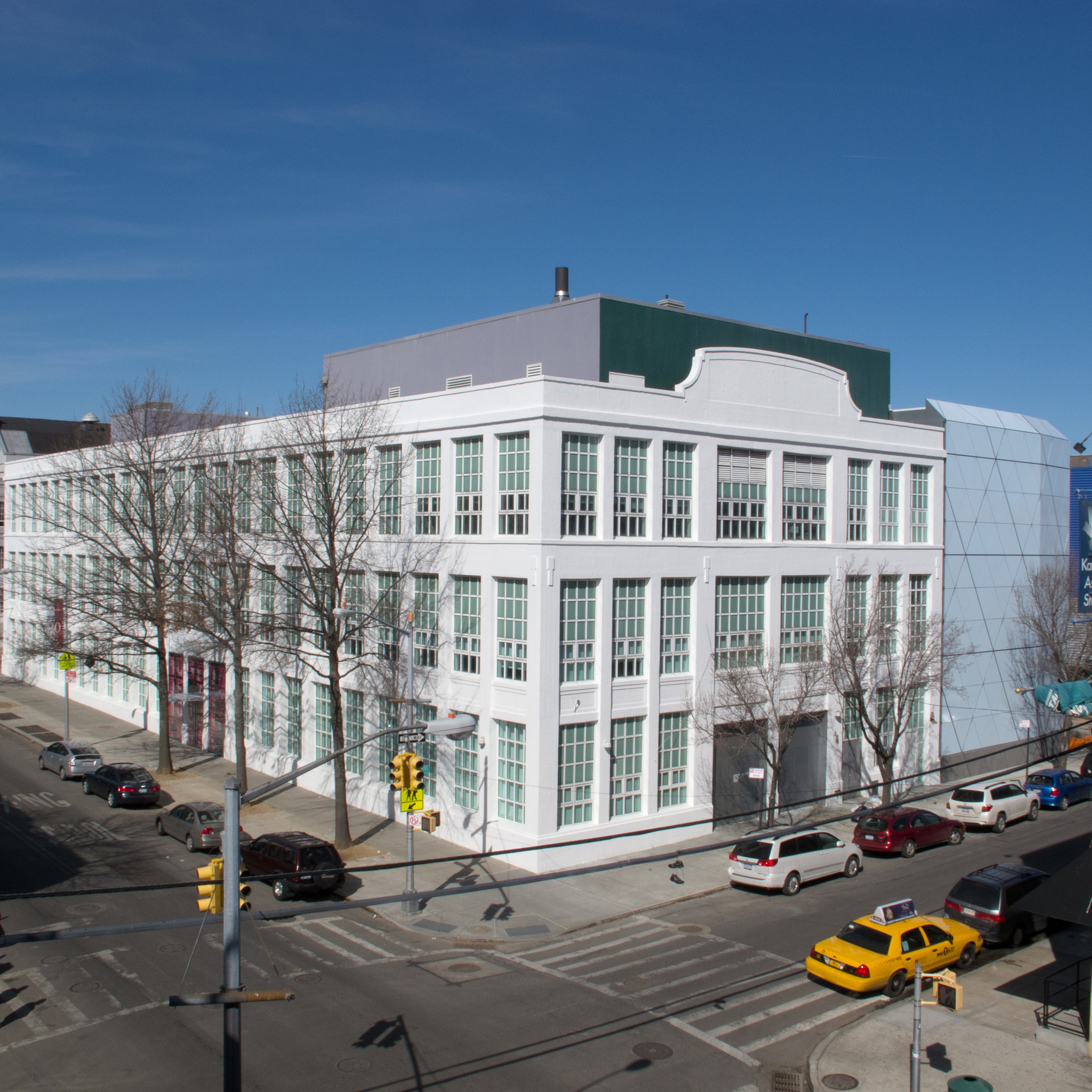
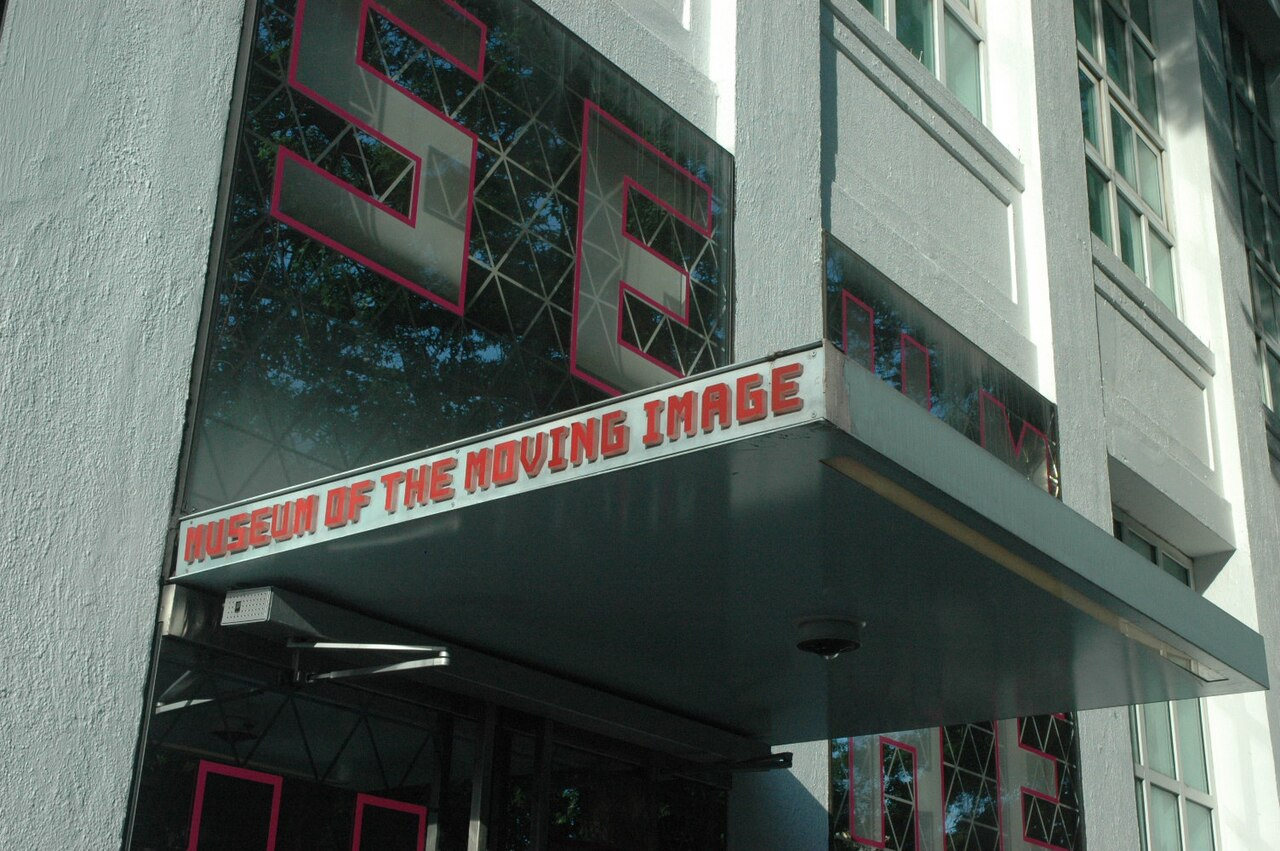
The museum occupies a building in the former Astoria studio complex, established in 1920 by Famous Players-Lasky as an East Coast production centre. The company later became Paramount.
The U.S. Army took over the site for film production in 1942, and the buildings deteriorated after the Army left in 1970. A campaign to bring the complex back into use helped make room for both a revived commercial studio and the museum, which opened in 1988.
The photographic collection offers a view of work behind the scenes: editing rooms, costume fittings, props and empty sets photographed for continuity, alongside stars and finished scenes. Some stills are the only surviving visual records of films that have been lost.
A practical production photograph can have a surprisingly long afterlife.
The edges of these photographs are worth a little attention. Equipment, a worker or part of a room outside the intended shot can bring the workplace back into view.
The museum's Astoria history identifies camera operators, editors, script supervisors and other craftspeople whose work rarely received screen credit in the silent era.
A 1927 Moviola Model D in the collection was used to make Little Fugitive (1953), directed by Morris Engel, Ruth Orkin and Ray Ashley. Engel later donated it.
The machine was already about a quarter-century old when it helped shape this independent New York film.
The story follows a seven-year-old who runs away to Coney Island after being tricked into thinking he has killed his brother. The filmmakers took a portable camera into New York's streets instead of relying on a large studio production.
Knowing the film's wandering subject gives the compact editing machine a more particular life than its model number alone.
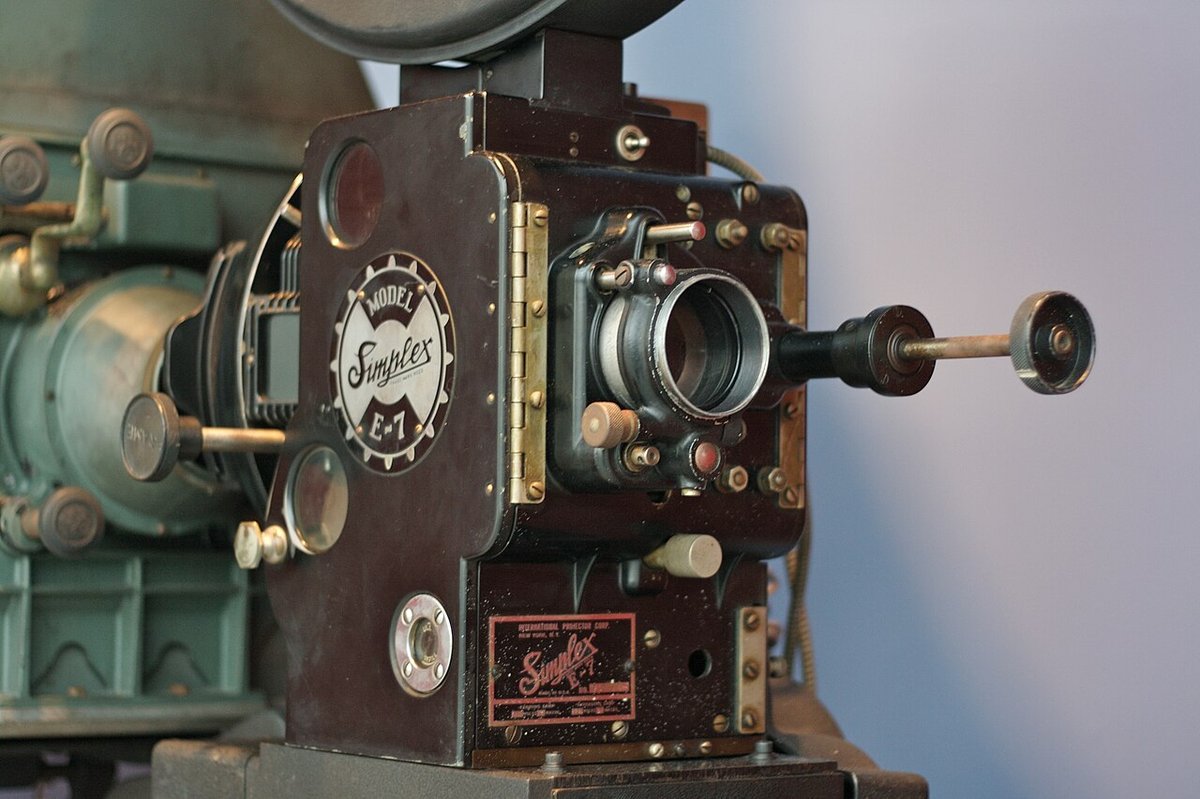
A Simplex E-7 projector has another specific job in its history. Former Radio City Music Hall head projectionist Robert Endres says this example served rear projection in a preview room there.
Radio City gave it to the museum. A projector can be an object with a workplace and a history, as well as a familiar symbol of going to the movies.
Behind the Screen explores film work through artifacts, clips and interactive experiences. The museum describes activities involving animation, dialogue replacement, sound effects and music.
If a sound or music station is available, two versions of the same scene can be a good experiment. A changed footstep, a pause or a different musical cue may alter what you expect from the image.
There is pleasure in hearing the effect of one small choice, then watching again to see how the picture feels.
Two to three hours is a flexible allowance for a selective gallery visit. Add the full running time of a screening separately.
The exhibition programme and operating activities change, so check before planning around a character, machine or interactive station. The Moviola is a collection story, with material to explore online even when it is in storage.
If a film is the reason for coming, book that screening. A film ticket has a same-day gallery add-on for US$2.50.
General admission's screening benefit depends on eligibility and availability, with no guaranteed seat; published museum pages give different screening-value limits. Check the conditions for your admission type and request any included screening ticket on arrival.
Thursday gallery admission is free from 2–6pm; screenings still need their own tickets. Each film listing has its own language information.
For families, strollers must remain outside the galleries, with parking in the lobby. Backpacks and large bags also need to be checked.
If the visit ends in a cinema seat, there is time to let the equipment slip from your thoughts again. A little knowledge of the work behind a scene can add to the pleasure of simply watching it.
Popular screenings may sell out. Sales are final, and online purchases add US$1.50 per ticket.
Check each film listing for language and age suitability.
The lobby, café and courtyard offer free access during opening hours; this does not establish free gallery admission or a screening seat.
Adults aged 18+ pay US$20; seniors 65+ and students 18+ pay US$12; ages 3–17 pay US$10; under-3s enter free.
The published access page lists US$3 disability admission and one free accompanying care-partner ticket. It is marked under construction, so confirm the arrangement before booking.
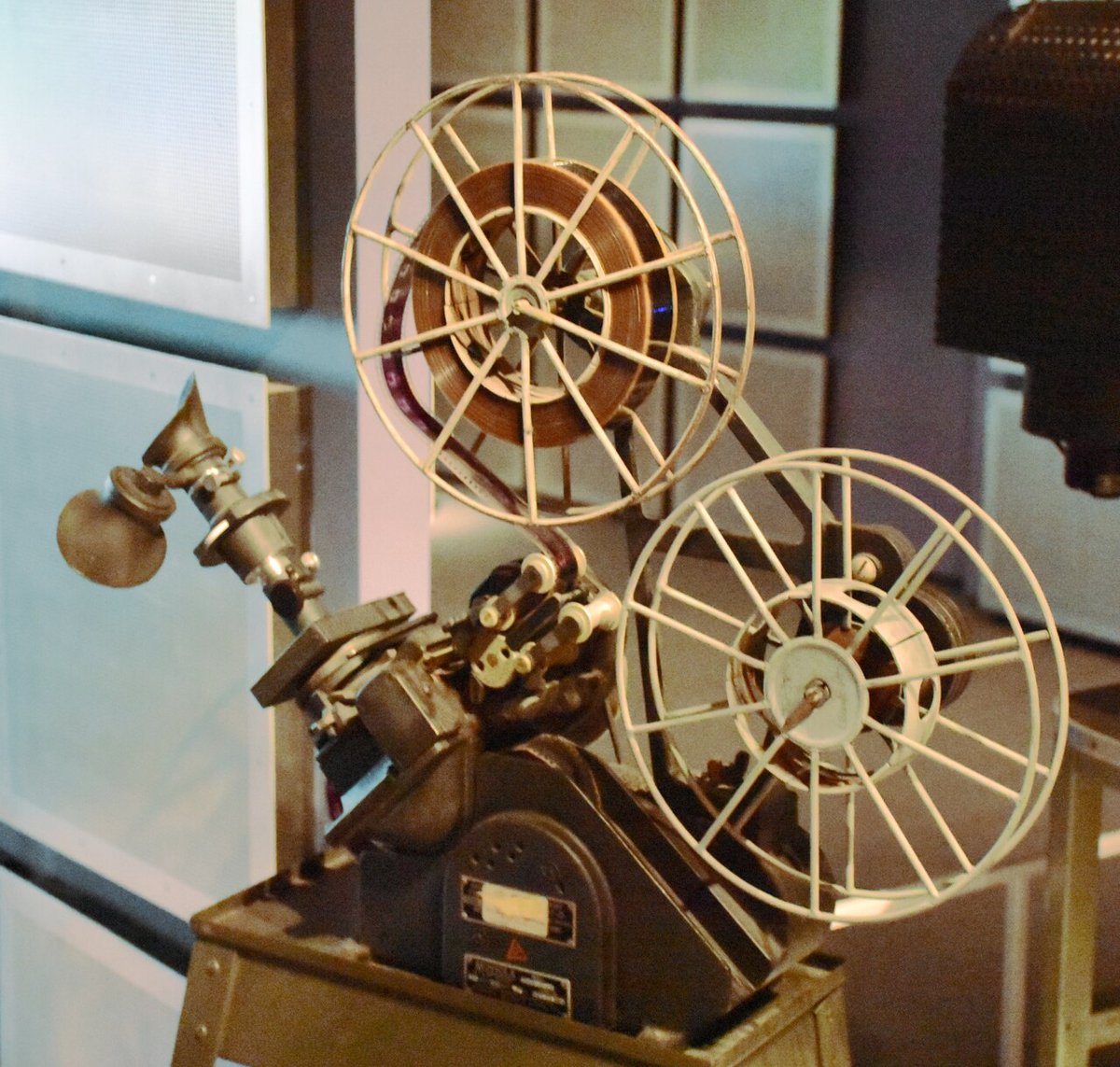
Their accession identities have not been established. The photographs illustrate the models; they do not identify Morris Engel’s Moviola or the projector donated by Radio City. The Little Fugitive machine is a collection story, not a promised gallery stop.
Last reviewed: . Check the museum’s website for current hours and ticket prices.
Bookable options on GetYourGuide. Check what is included, the entry time and the final price before you book.
Admission
Flexible-date entry to the museum of film, television and digital media in Astoria.
Affiliate link. We may earn a commission.Use two fingers to move or pinch the map on a touch screen; one finger scrolls the page. In full screen, drag to move. Use plus and minus to zoom. Arrow keys move the map; zero fits all stops. Escape closes the preview or full screen.
An illustrated introduction to a related guide, not a depiction of this museum.