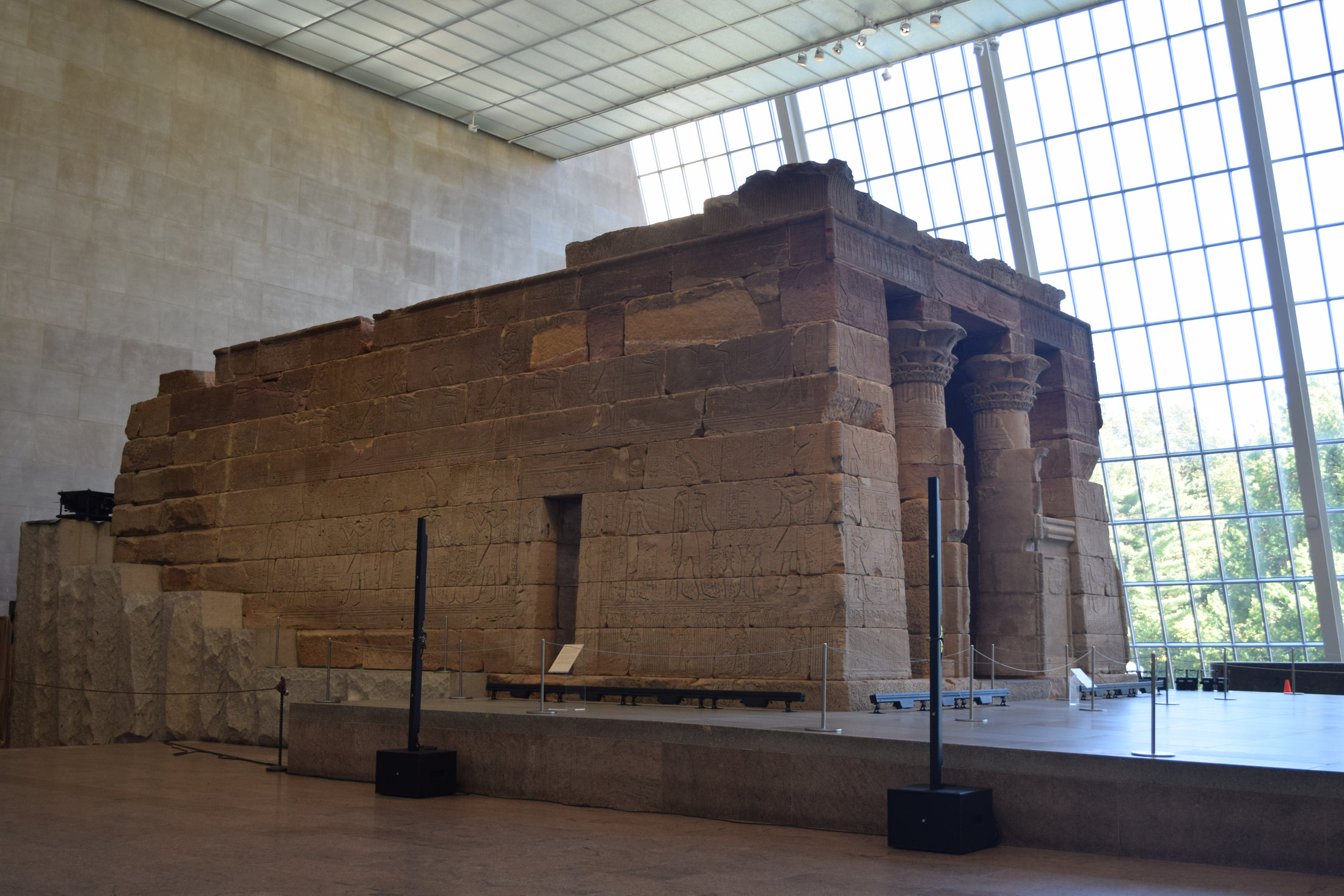
The Met Fifth Avenue
CHOOSE YOUR OWN CENTURIES
10 / A MEDIEVAL DAY UPTOWN
Medieval art and architectural fragments form an absorbing setting in Fort Tryon Park. Make the northern-Manhattan journey part of a slower day, with time to notice carved details and changing light.
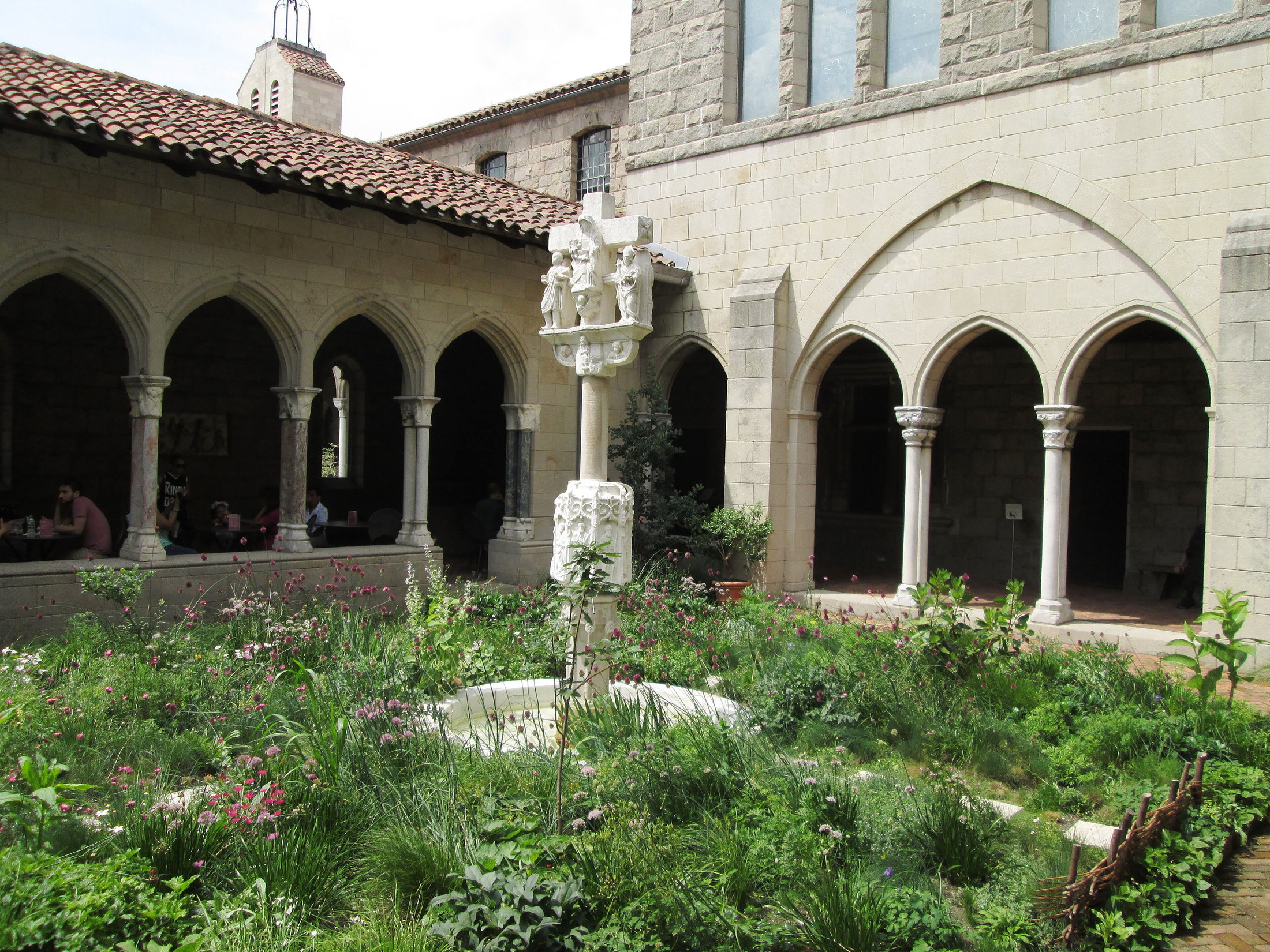
The Cloisters suits a day when you want the setting to matter as much as individual objects. Medieval art, architectural fragments and planted courtyards invite you to move between close detail and the shape of an entire space. Culture Detour’s suggested approach is to notice one recurring motif, perhaps leaves, animals or folds of cloth, and follow it across different materials. You do not need a catalogue of medieval saints to begin looking closely.
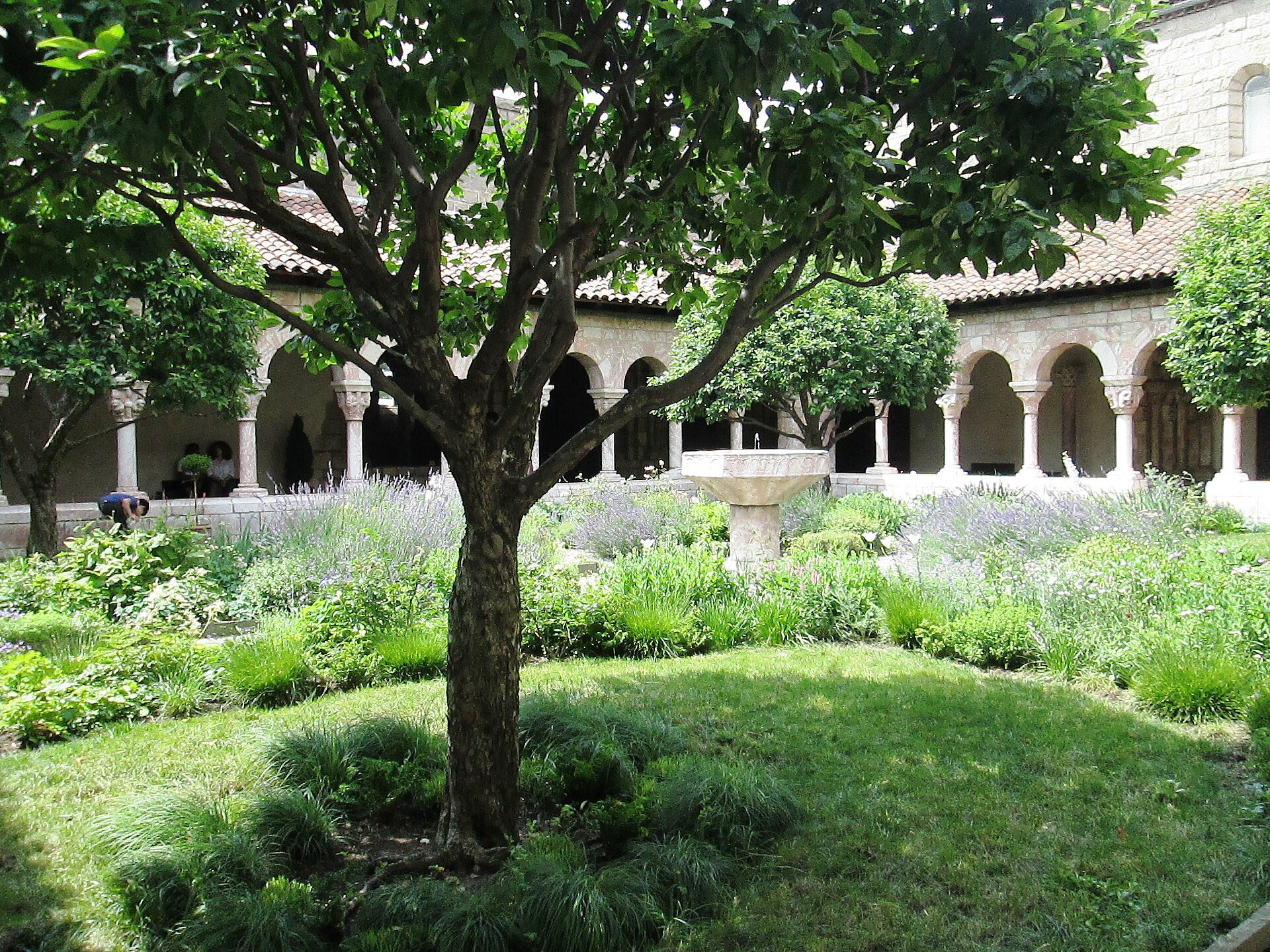
The museum opened in 1938. Its architecture brings medieval elements from different European sites into a modern ensemble; it is not a single abbey preserved in its original setting. Keep that distinction in mind when moving between rooms. Ask what a doorway or carved capital once did, then consider what changes when it becomes part of a museum. Architecture can be a collected object as well as a container for other objects.
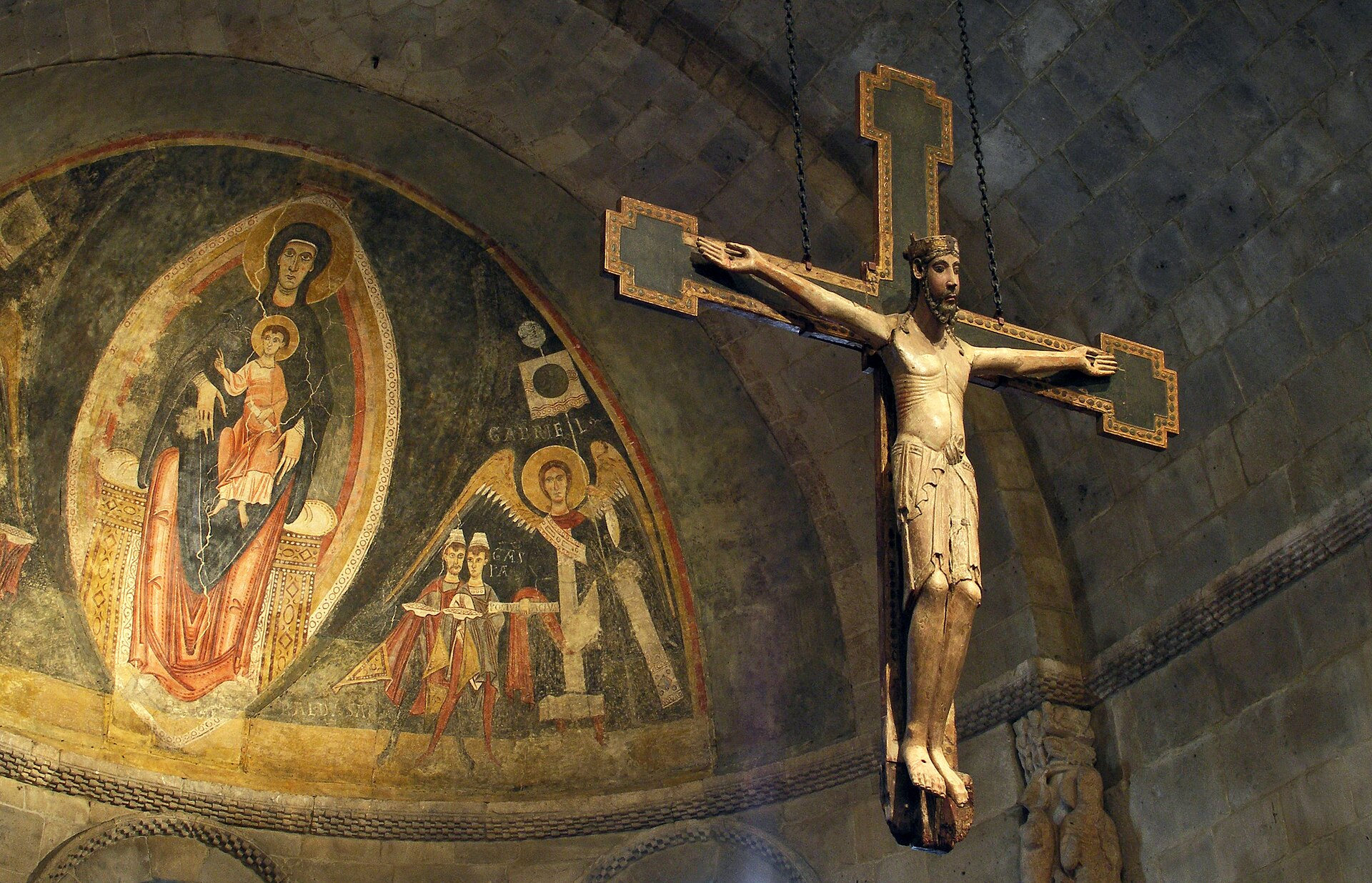
Alternate an architectural space with an object that demands a closer look. Compare a carved surface with a textile or a painted scene if those media are represented in the rooms open that day. Look for repetitions, borders and materials before working through the written interpretation. Rather than promising a particular famous work, use the current collection information to check anything you especially hope to see; display arrangements and loans can change.
The museum is in Fort Tryon Park, well north of the Fifth Avenue Met. Allow roughly two hours inside, plus travel and any park walk; that is an editorial estimate. The museum suggests the A train to 190th Street and a walk through the park, or an M4 connection. Check current transit service before leaving. A combined Met day is possible, but the travel between branches is substantial, and this setting benefits from unhurried attention.
Access is more complicated than at Fifth Avenue. Cobblestones and approximately 60 stairs affect the standard approach and entrance route. A free shuttle serves visitors needing step-free entry, and car drop-off is possible at the courtyard entrance. The museum describes internal step-free accessibility as limited. If that affects your plans, consult the dedicated access page and contact the museum about your route before travelling; a generic accessibility badge is not enough detail.
An ordinary Met ticket includes the Cloisters and Fifth Avenue on the same date, and the admission concessions are shared. Decide whether using both locations actually improves your day. Staying for a park walk, returning to a room that interested you, or taking a longer break may be worth more than extracting every possible use from a ticket. Check the weather and allow for outdoor walking before making the gardens a fixed part of your plan.
The published schedule is Thursday–Tuesday, 10:00–17:00, closed Wednesdays and specified holidays. Standard adult admission is US$30; consult the dated official page for future seasonal changes.
NY State residents and NY/NJ/CT students can pay what they wish with proof. Seniors 65+ pay US$22; other students US$17; ages 12 and under are free. Disability admission is US$22 in person, with free care-partner entry.
Advance tickets are optional for individual visitors. Groups of ten or more and third-party guided tours of any size must register beforehand.
Last editorial review: . Opening patterns and prices are a dated snapshot. Check the official venue for your exact date.
Swipe or scroll to see more.
CHOOSE YOUR OWN CENTURIES
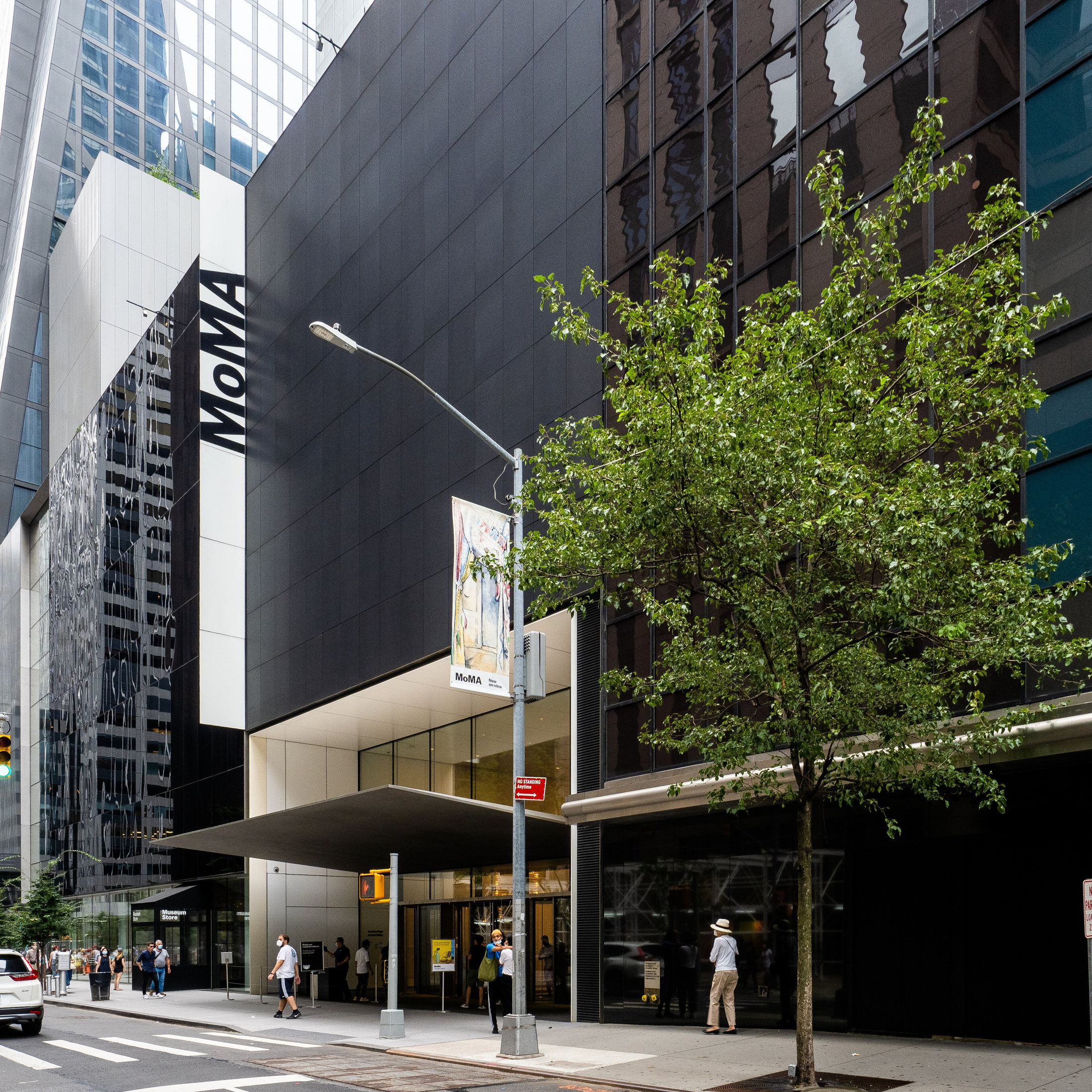
MODERN ART, MANY WAYS
ART ALONG A SPIRAL
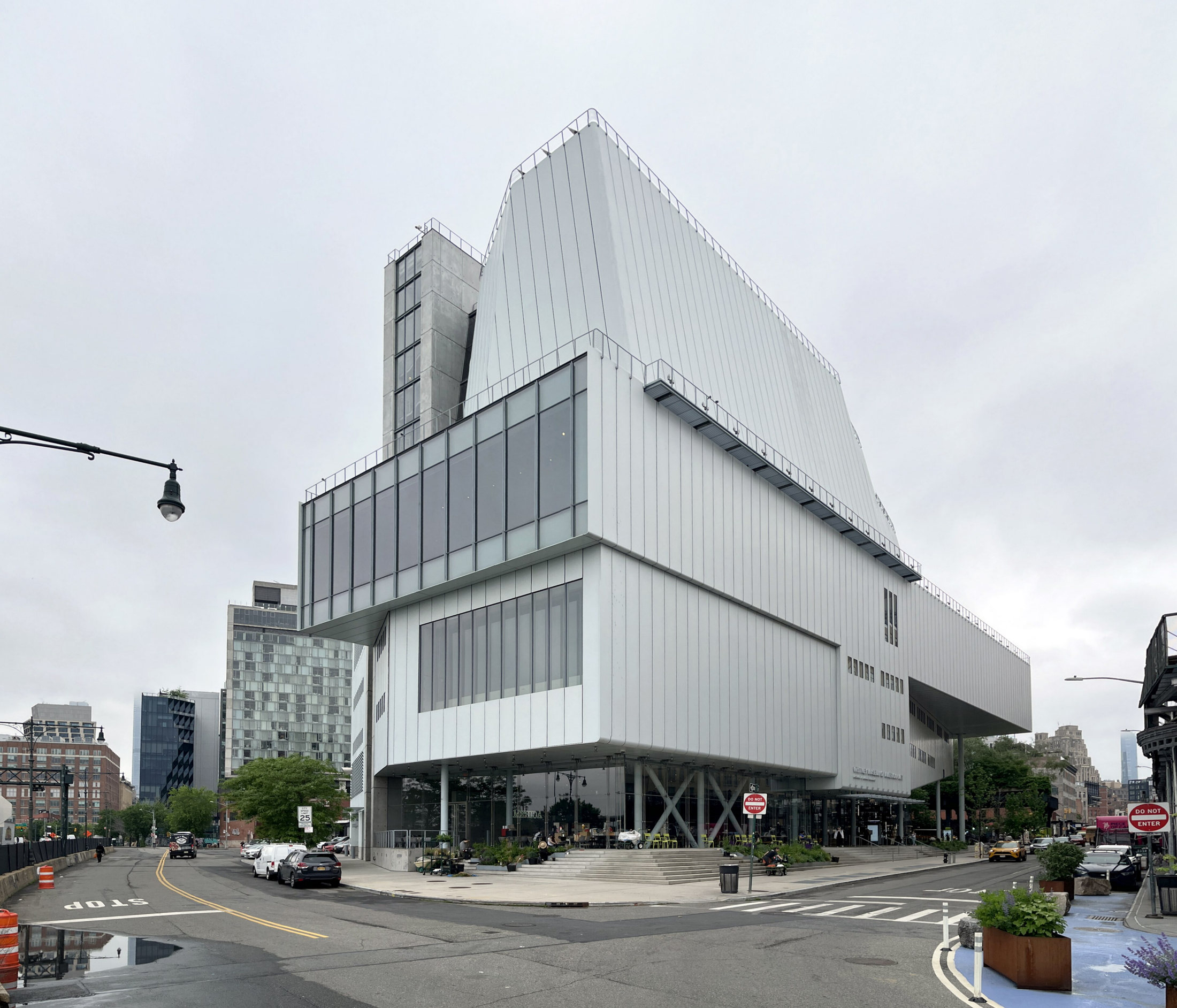
AMERICAN ART, OPEN TO THE CITY
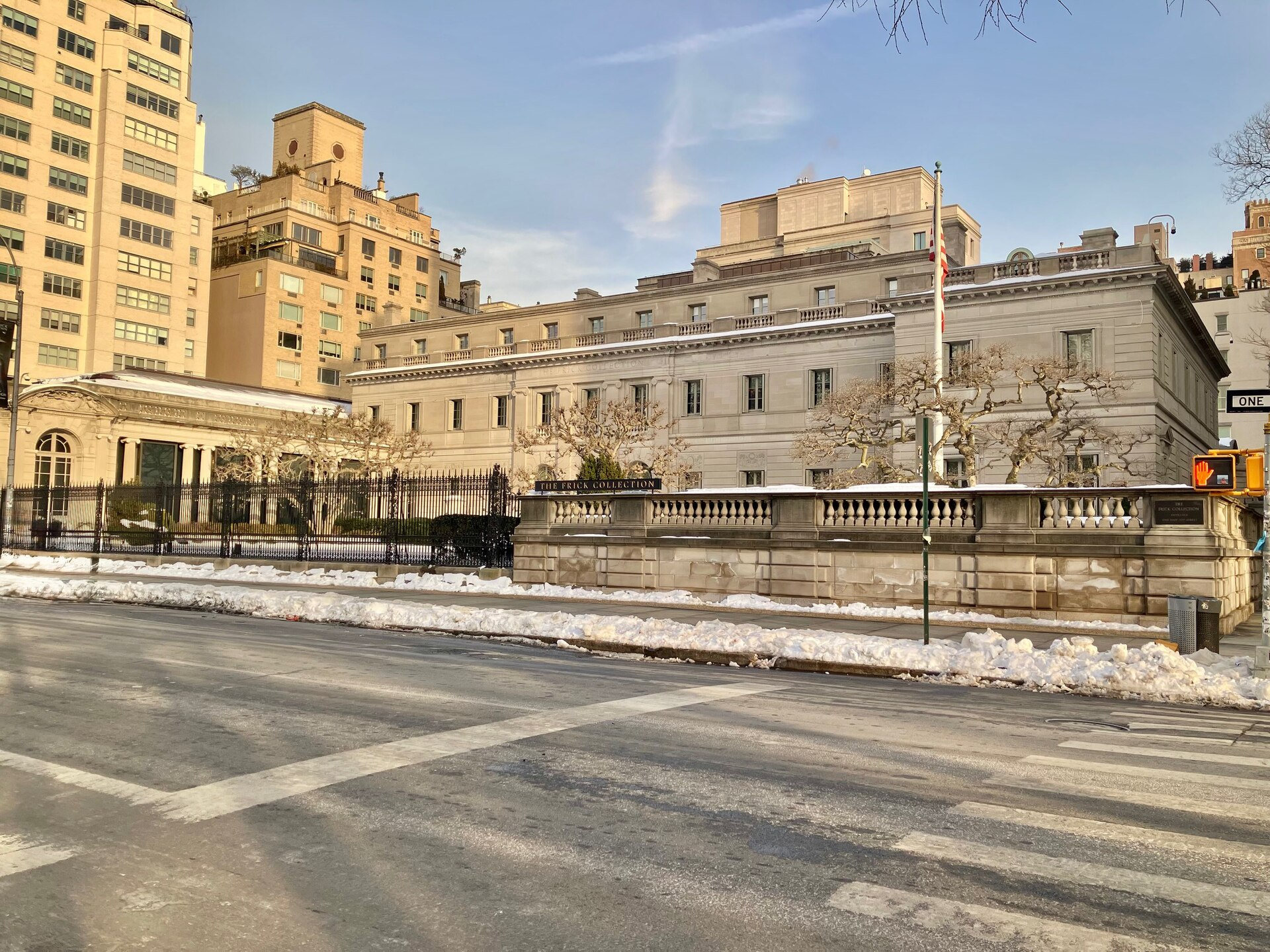
PAINTING AT A HUMAN SCALE
East Gallery and Oval Room installation closures through October 12, 2026. Check official access before travel.

A NEW CHAPTER ON THE BOWERY
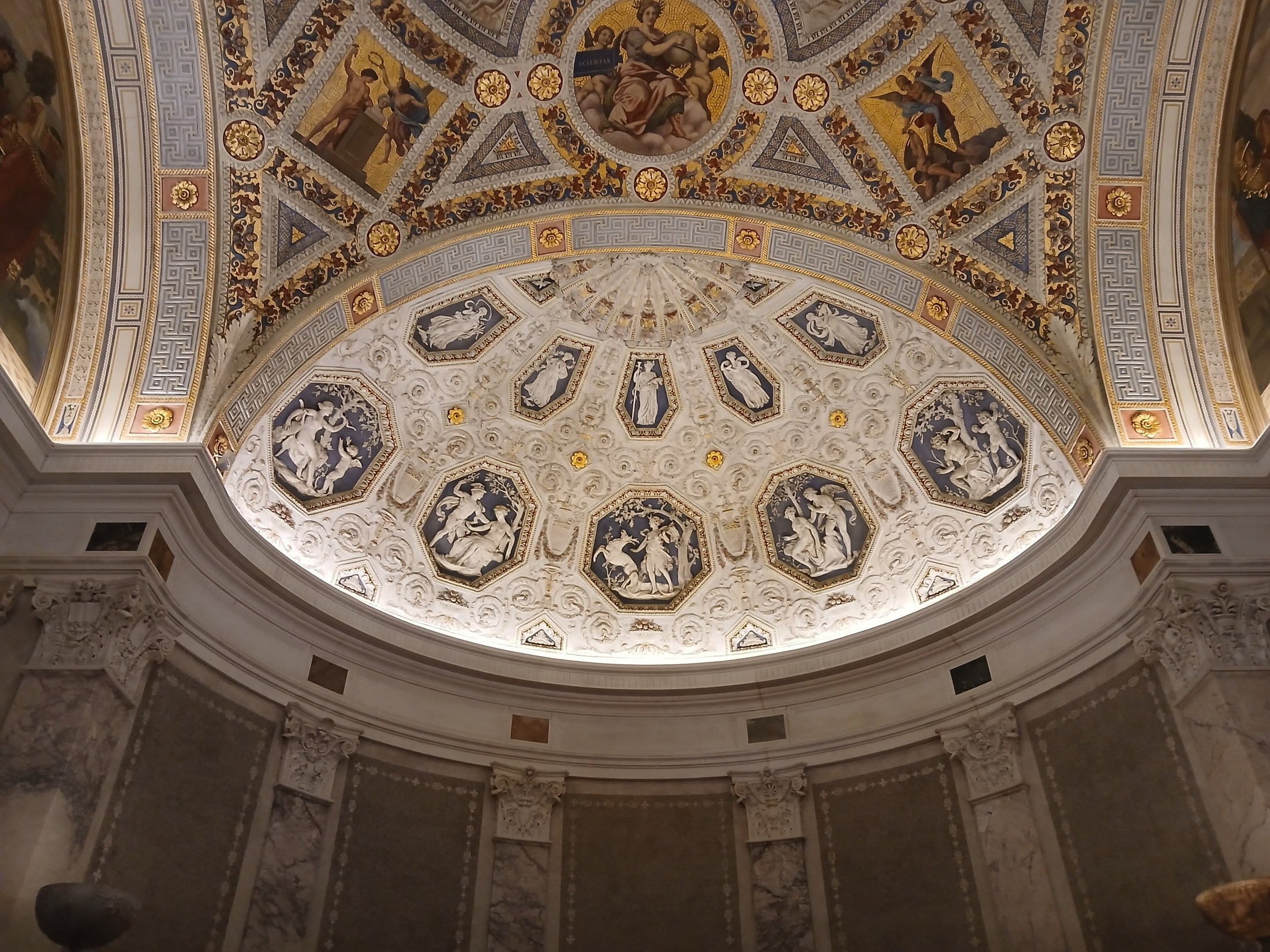
THE LIBRARY-SIZED DETOUR
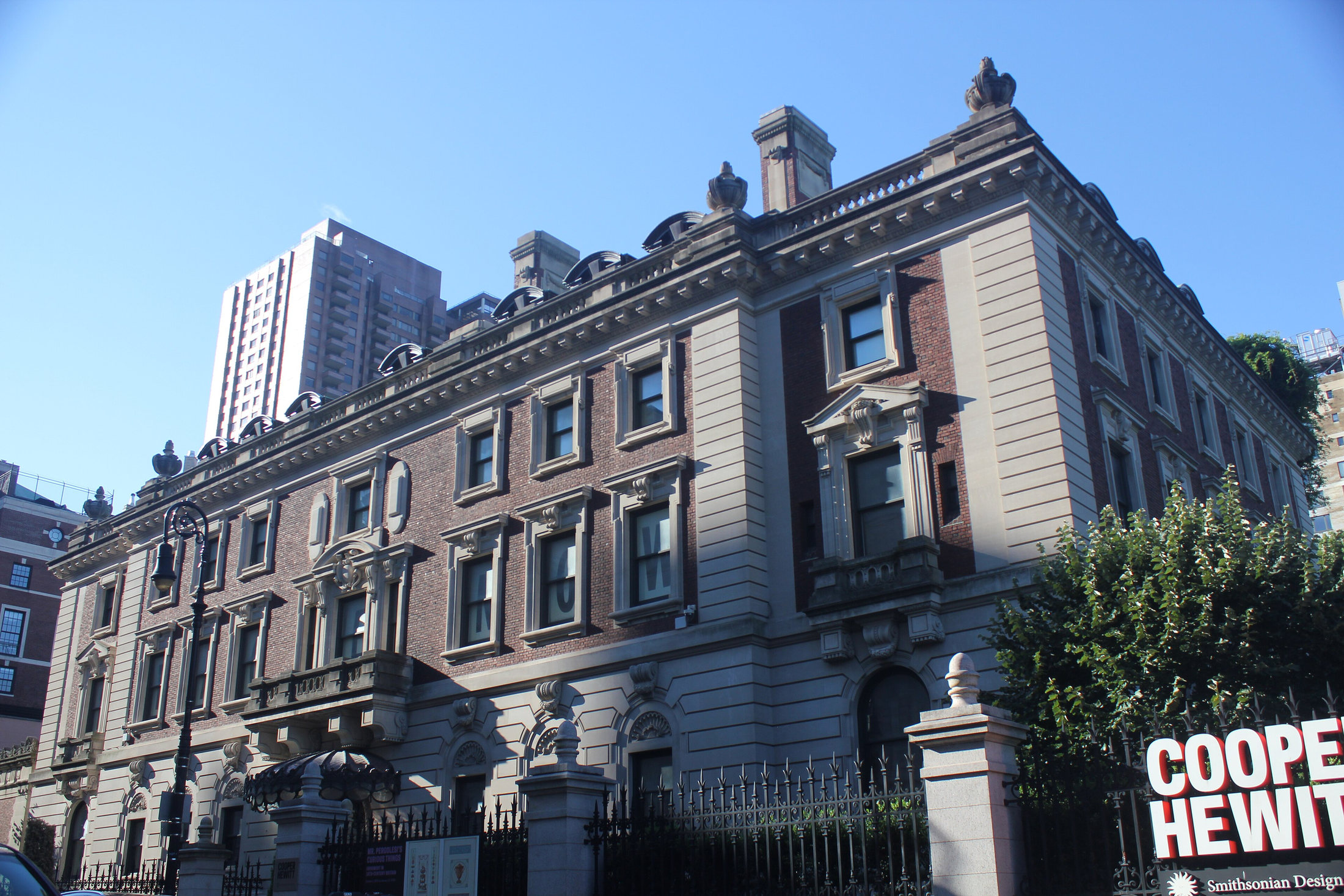
A DESIGNER’S CHANGE OF PACE
Second and third floor galleries closed for exhibition changeover; reduced admission. Check official access before travel.
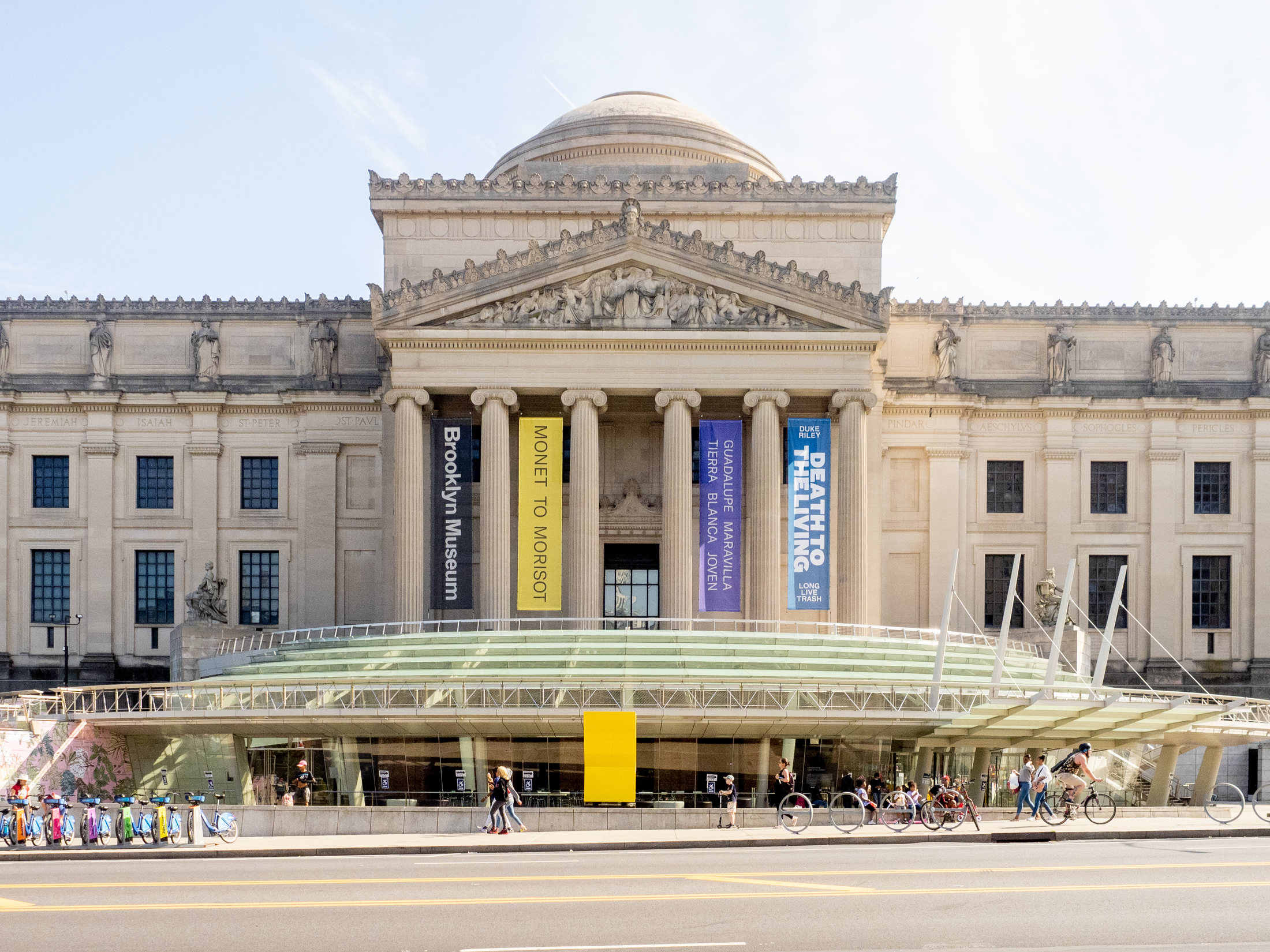
MAKE A DAY OF BROOKLYN
Check official hours. The current weekly schedule is unverified; this museum is excluded from weekday/date-filter matches.
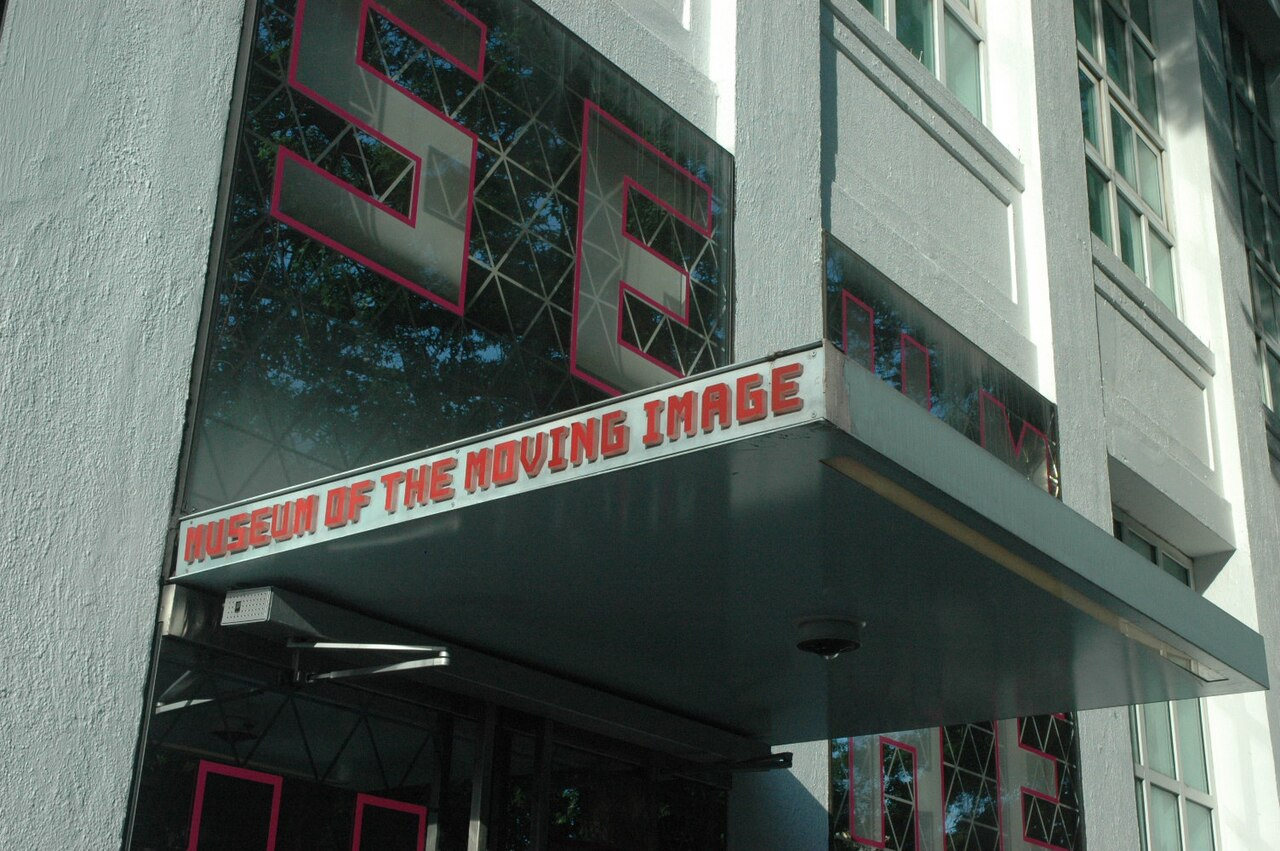
BEHIND THE SCREEN IN QUEENS
Published date exception: 2026-10-12, 12:00–18:00. Confirm the museum calendar before visiting.
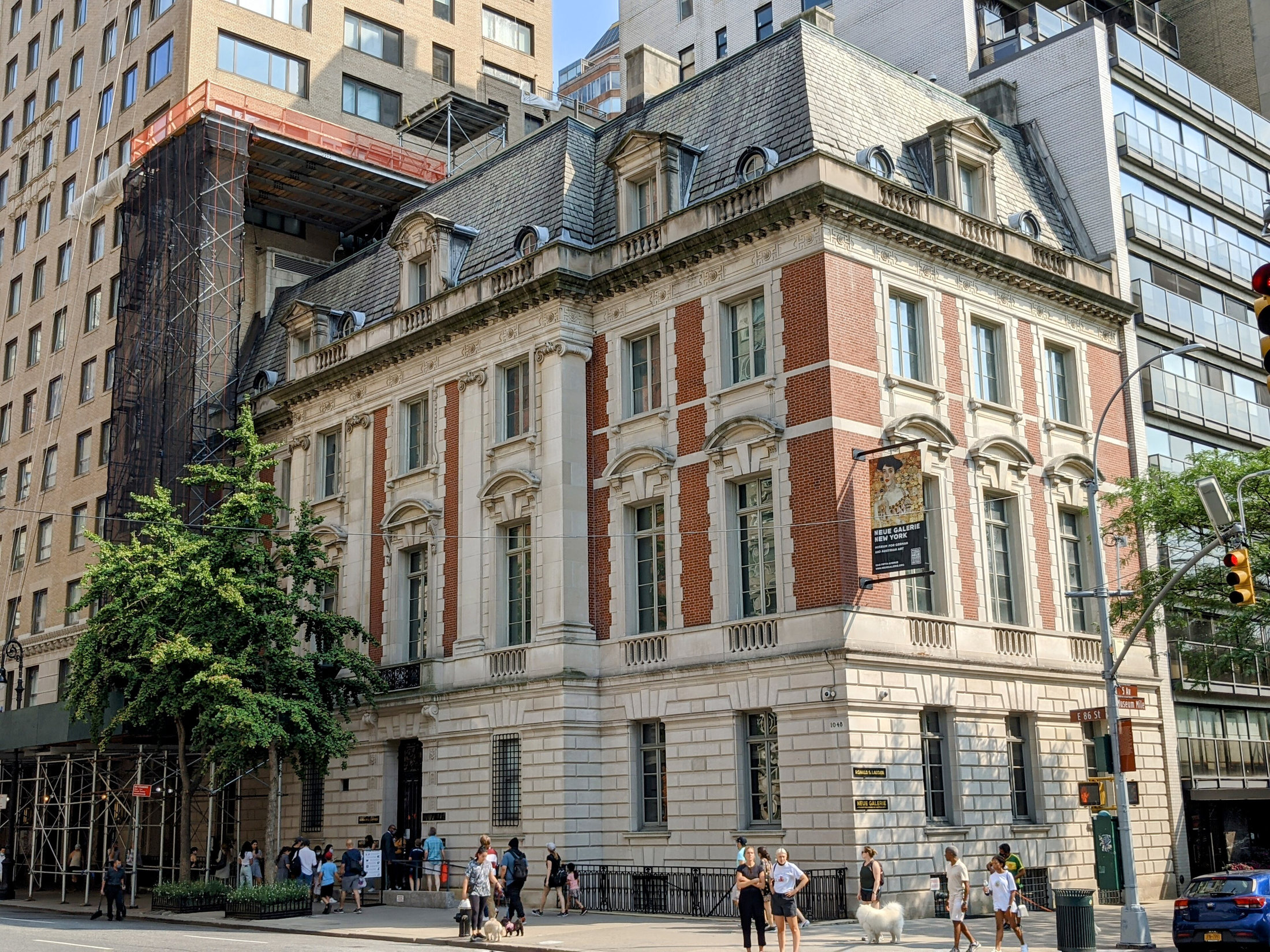
GERMAN AND AUSTRIAN MODERNISM
Galleries temporarily closed. Announced reopening: 2026-11-12. Gallery admission is not currently offered here.