1 / 5
12 / GERMAN & AUSTRIAN ART
German and Austrian art and design from the early twentieth century in a Fifth Avenue mansion. A focused alternative to the larger collections along Museum Mile.
Galleries temporarily closed. Check Opening details.
Announced reopening: 2026-11-12. The announced date has arrived; reopening still needs an official recheck. Gallery admission is not currently offered here.
Gustav Klimt's Portrait of Adele Bloch-Bauer I began with a rather ordinary problem: a missed deadline. Intended as an anniversary present for Adele's parents, the painting he started in 1903 was not finished until 1907.
The famous gold belongs to a portrait of a particular woman, commissioned for a particular family.
That makes an inviting beginning for Neue Galerie. Alongside the beautiful surfaces are people who made these things, lived with them or fought to recover them.
A hand in a portrait, the pattern of a chair or the name of a café can be a way to get to know their stories.
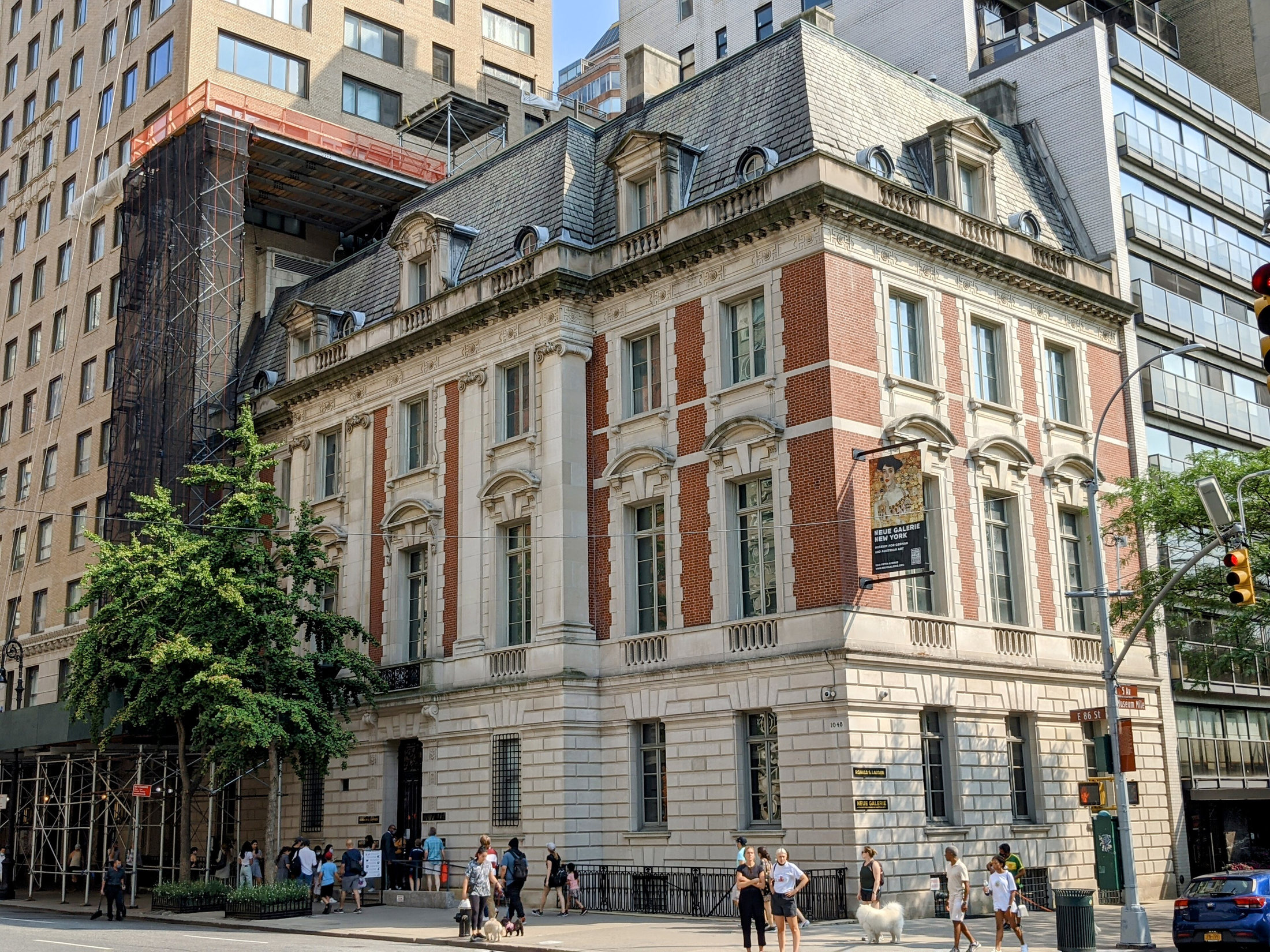
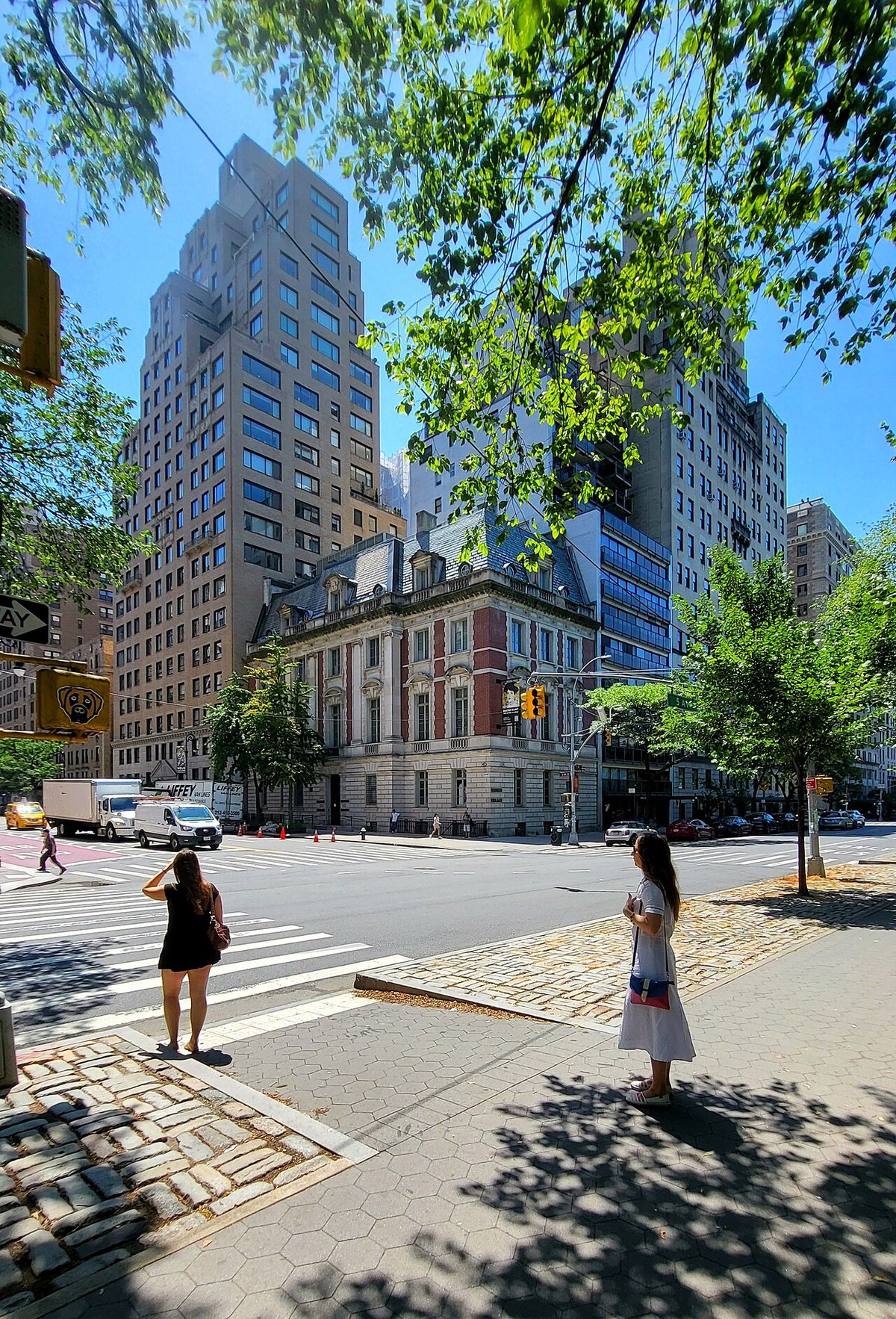
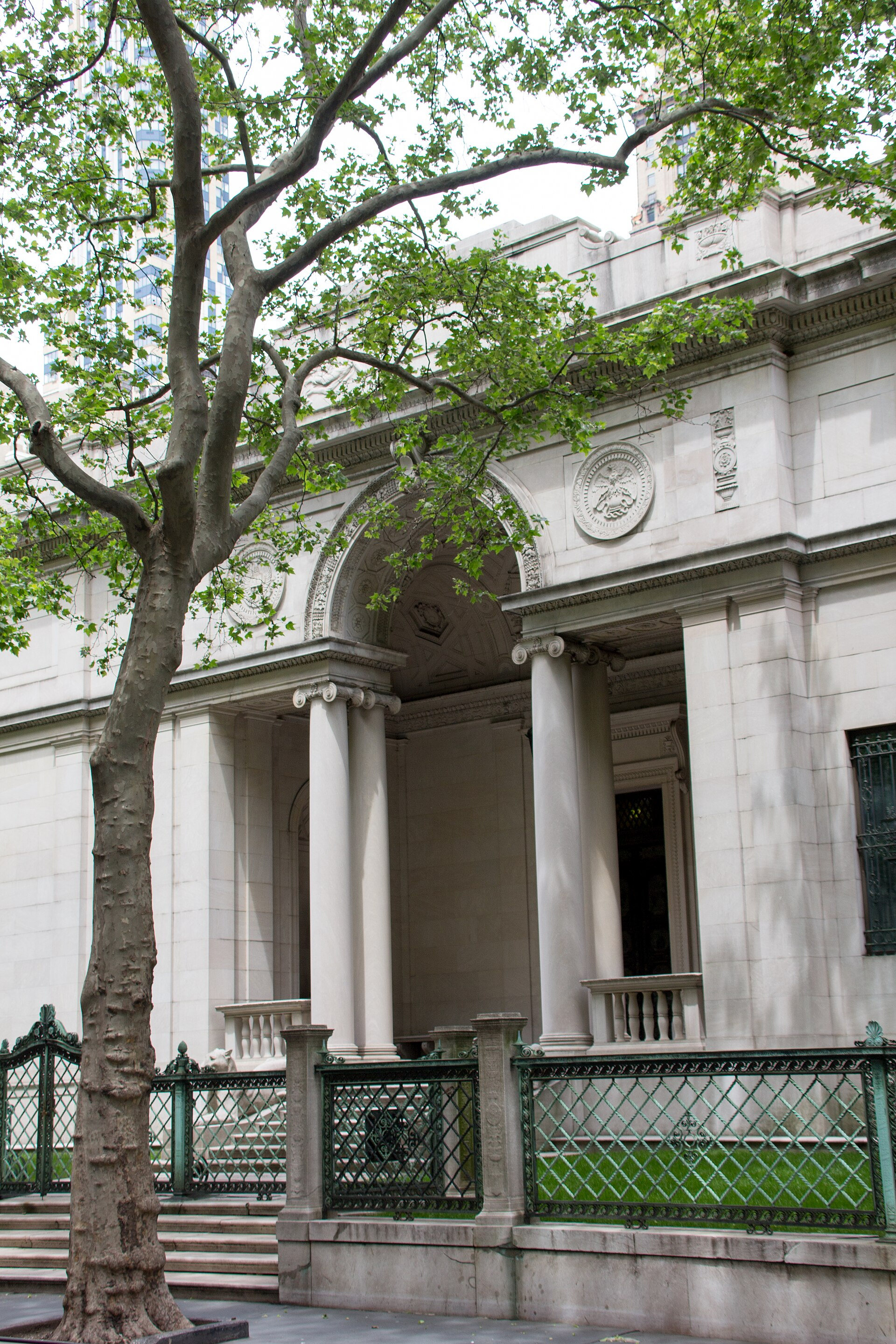
The mansion began as a home for industrialist William Starr Miller. Carrère & Hastings completed it in 1914, drawing inspiration from the Place des Vosges in Paris.
It later housed Grace Vanderbilt, Mrs. Cornelius Vanderbilt III, and the YIVO Institute for Jewish Research.
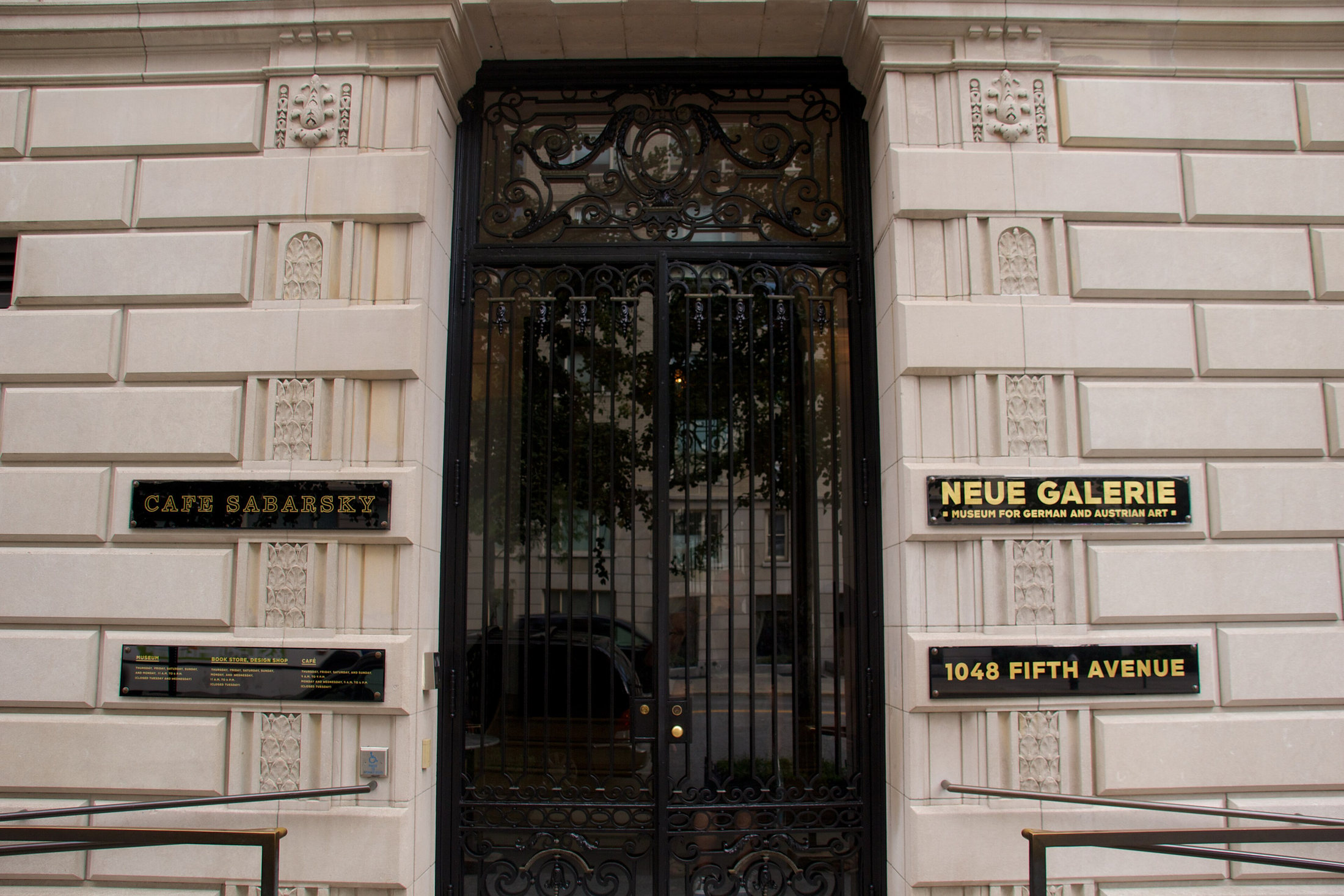
Ronald S. Lauder and Serge Sabarsky bought the building in 1994.
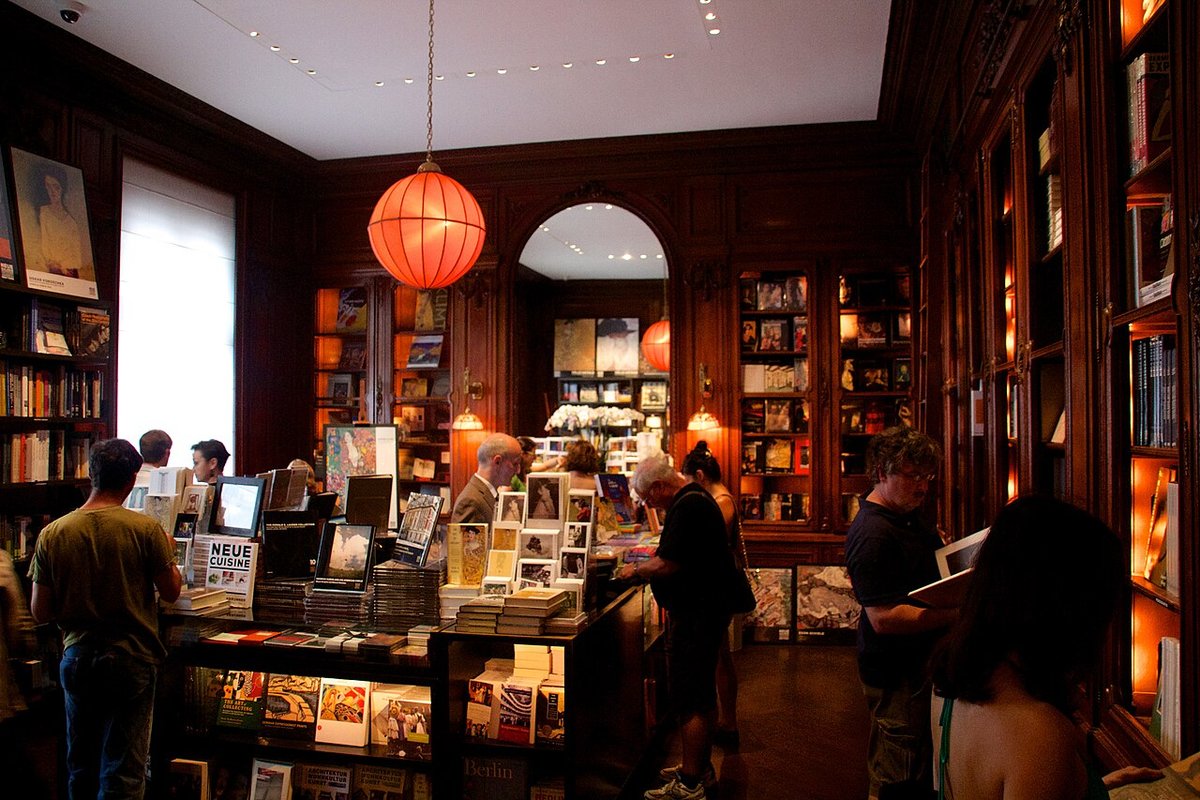
Annabelle Selldorf adapted it for the museum, which opened in 2001 with German and Austrian art. A New York house with a Parisian reference had found another role.
The proportions still make it interesting to pause between objects. A chair needs a place in a room; a portrait meets the eye from a particular distance.
Those relationships are easier to notice in a building with a domestic history of its own.
Adele and Ferdinand Bloch-Bauer collected paintings, sculpture and Viennese porcelain. Klimt's pictures hung in Adele's private apartment within their home.
The portrait began as part of that domestic world, long before it became a museum destination.
In the picture, small areas of skin stand out against the surrounding pattern. The hands and the triangles below them seem to occupy different kinds of space.
Spirals make the boundary between clothes and furniture harder to follow, while a small green patch at the lower left offers a quieter place for the eye. There is more to spend time with here than the familiar impression of gold.
After Nazi Germany annexed Austria in 1938, Ferdinand Bloch-Bauer was persecuted as a Jew, fled the country and lost his collection. He died in Switzerland in 1945 without recovering his property.
His niece Maria Altmann, one of his heirs, later pursued the return of the paintings.
That effort passed through two distinct legal moments. In 2004, the U.S. Supreme Court held that the Foreign Sovereign Immunities Act could apply to conduct predating its enactment.
The ruling concerned sovereign-immunity law in the American proceedings; it did not award the paintings to Altmann. The parties later agreed to arbitration in Austria.
The award dated 15 January 2006 determined that the five Klimt paintings should return to Ferdinand's heirs.
Neue Galerie acquired Adele Bloch-Bauer I in 2006. Its arrival in New York belongs to that longer history of persecution, exile and restitution, and to Altmann's efforts alongside the other heirs' claim.
Knowing that route adds something essential to looking at the portrait.
Koloman Moser's white-painted armchair offers a different pleasure in pattern. The museum's exhibition account dates it to 1903.
Vertical slats surround a black-and-white woven seat; in the museum photograph, the checkerboard carries over the front edge. The gaps between the slats have as much to do with its appearance as the wood.
Moser founded the Wiener Werkstätte in 1903 with architect Josef Hoffmann and patron Fritz Waerndorfer. Their ambitions reached across everyday things, bringing designers, craftspeople and customers into a closer relationship.
Furniture, clothes, glass and ceramics could all be considered together.
The chair and Klimt's portrait make an interesting pair to explore, including through their collection images. Repeated shapes can organise a seat or dissolve the edge of a figure into ornament.
Something as familiar as a place to sit offers plenty to be curious about.
Serge Sabarsky's name also opens a less expected story. Born in Vienna, he worked as a clown and set designer at the Simplicissimus cabaret.
He fled the city in 1938, later making a life in New York as a dealer and collector of German and Austrian art. He died in 1996, before the museum he planned with Lauder opened.
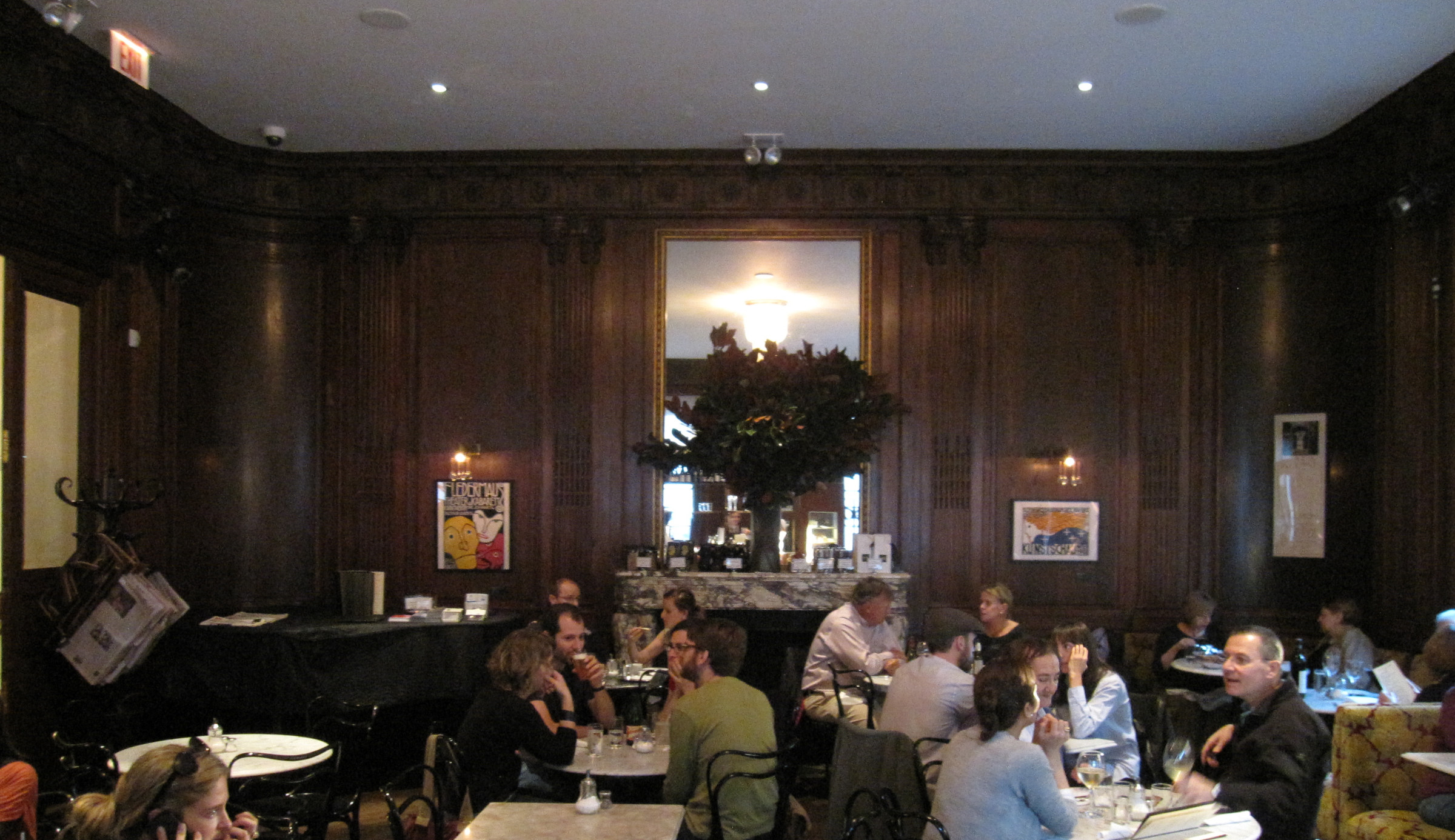
The café named after him continues the design story. The museum identifies lighting by Hoffmann, furniture by Adolf Loos and banquette upholstery using a 1912 Otto Wagner fabric.
A lamp, a table and a repeated fabric motif bring design into the scale of a meal and a conversation.
A named sitter, a carefully considered chair and a café with a biography give you a few connections to enjoy here. They may also make the next portrait, chair or café you encounter a little more interesting.
After the galleries reopen, about 90 minutes to two hours is a flexible allowance. The chair and other collection stories here are not guarantees of display; check current exhibition and gallery information before making an object essential to your visit.
Headphones are useful for the free audio guide.
Walk-ins are welcome when the galleries are open. Advance timed tickets are available but do not give priority entry.
Groups of eight or more need group tickets. The announced 12 November reopening is not confirmation that the galleries have reopened.
Children under 12 are normally not admitted to the galleries, except infants in front-worn carriers or slings. Visitors aged 12–16 need an accompanying adult.
Check dedicated family programmes for younger children. Photography is prohibited, and strollers must stay outside the galleries.
Breakfast and lunch are first-come, first-served; dinner reservations are separate. The café has its own opening hours while the galleries are closed.
The museum has also announced a private-event closure for the café and shops on 26 October 2026; recheck the current notice before travelling.
The next listed free evening is 13 November 2026, 17:00–20:00, moved from 6 November. Entry is first come; queues are possible. Check the calendar for later dates, and confirm the galleries have reopened before travelling.
No shared-ticket admission is currently offered. Use Neue Galerie’s own ticket information.
Adult admission is US$28; seniors 65+ pay US$18; students, educators and disabled visitors pay US$15. These are the announced prices for reopening, not confirmation that the galleries are open.
Last reviewed: . Check the museum’s website for current hours and ticket prices.
Bookable options on GetYourGuide. Check what is included, the entry time and the final price before you book.
Tours and tickets · compare options
The Neue Galerie is closed for now. Compare other New York art tours and tickets on GetYourGuide.
Affiliate link. We may earn a commission.Use two fingers to move or pinch the map on a touch screen; one finger scrolls the page. In full screen, drag to move. Use plus and minus to zoom. Arrow keys move the map; zero fits all stops. Escape closes the preview or full screen.
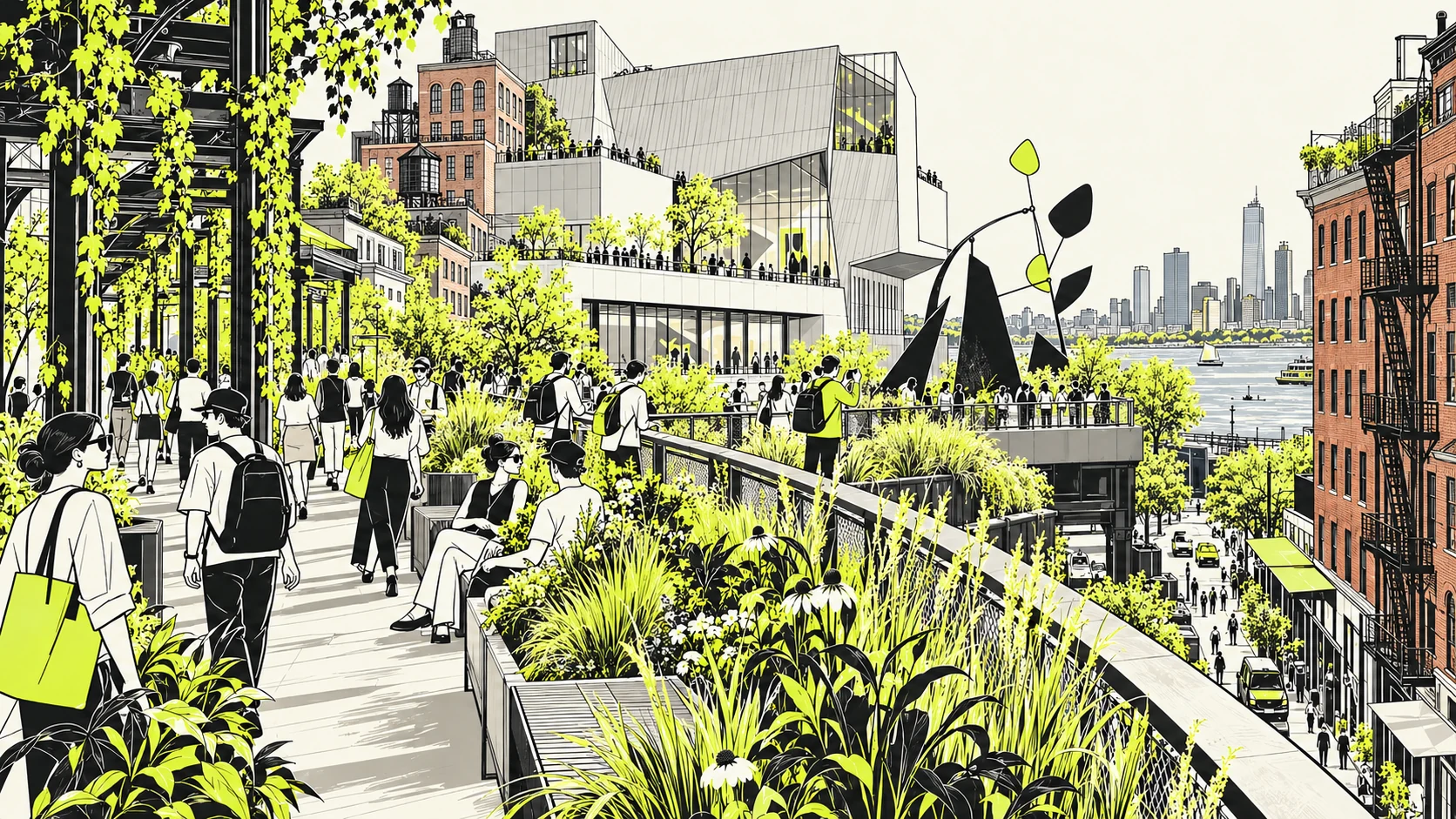
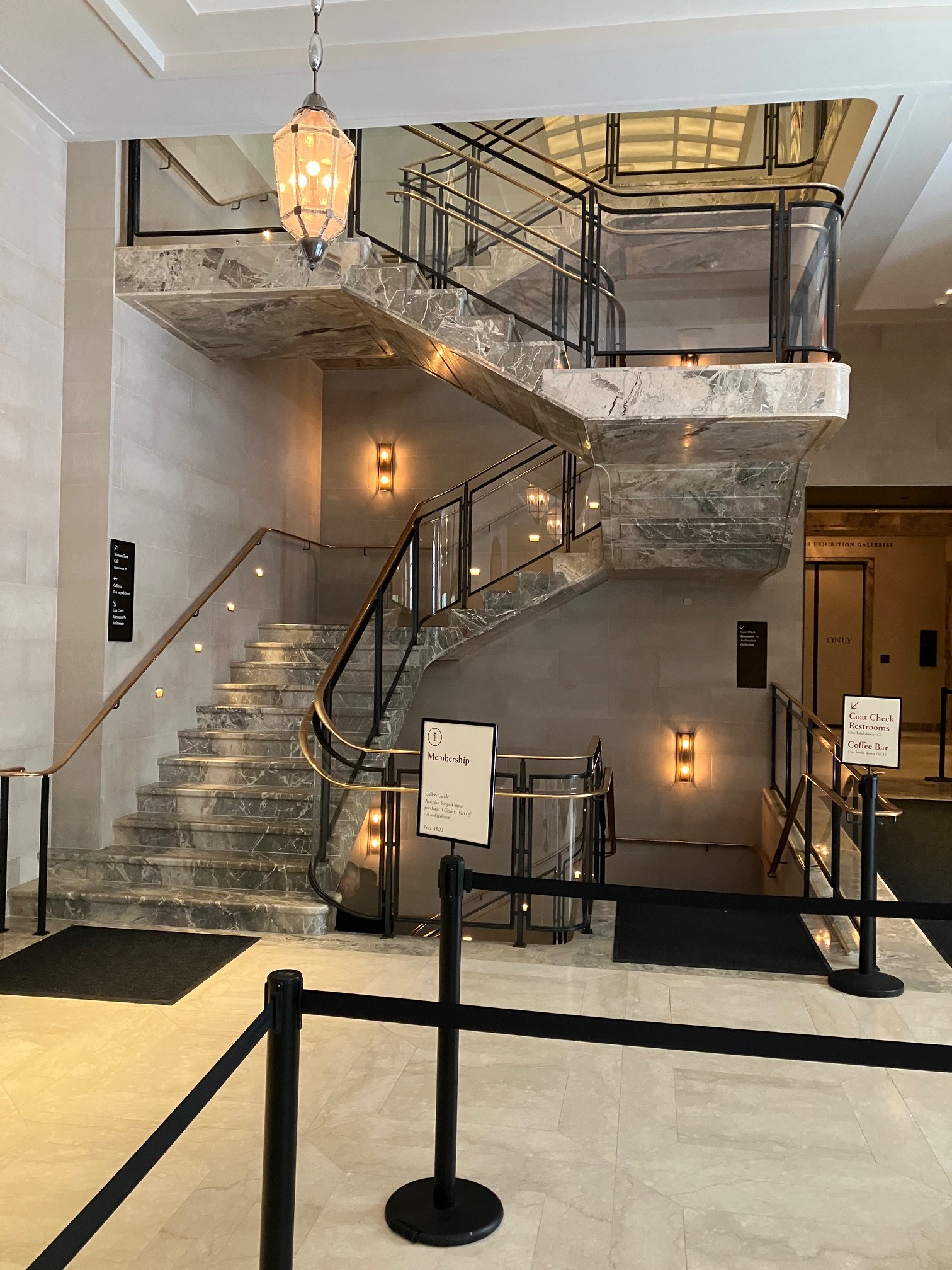
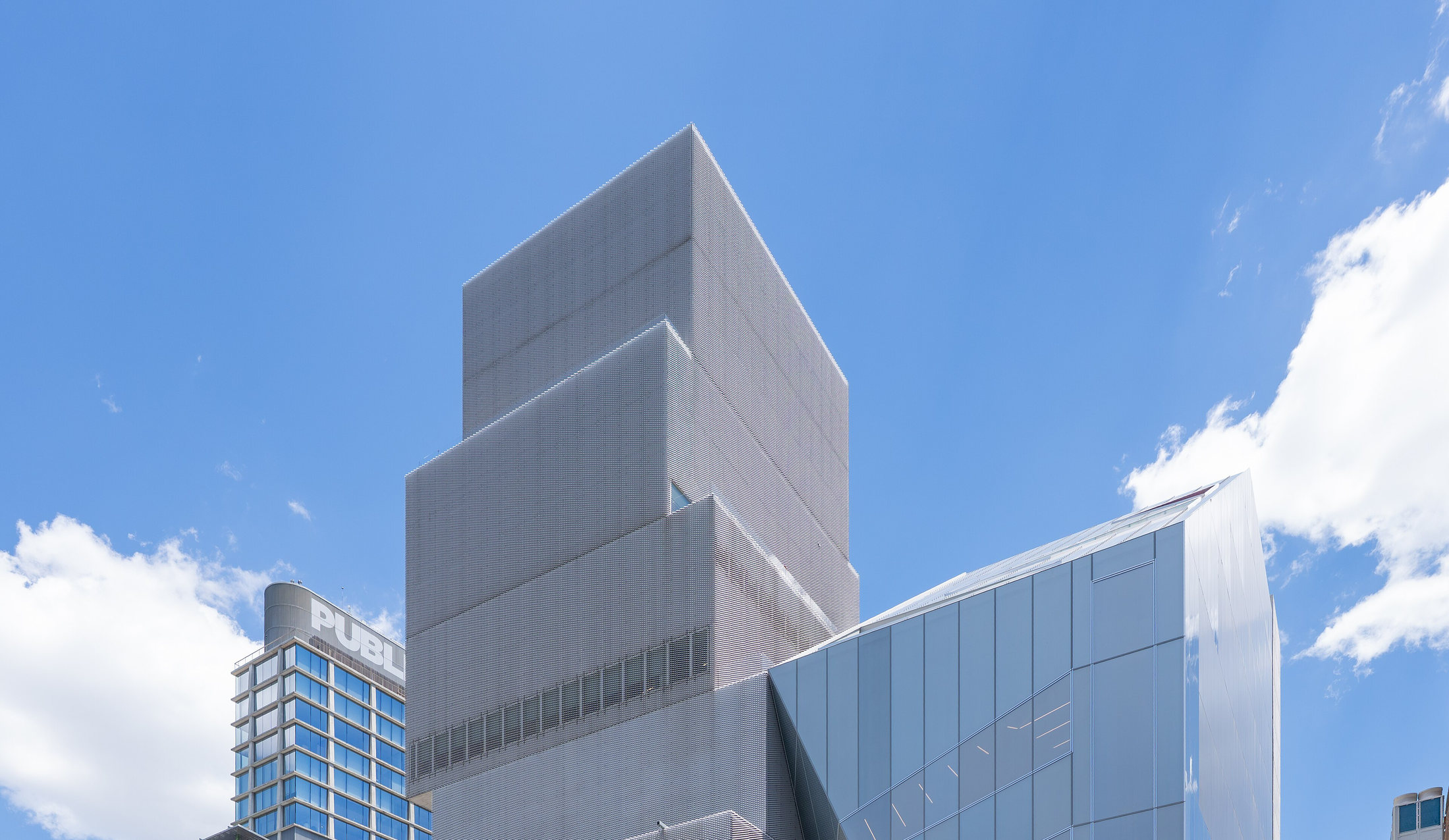
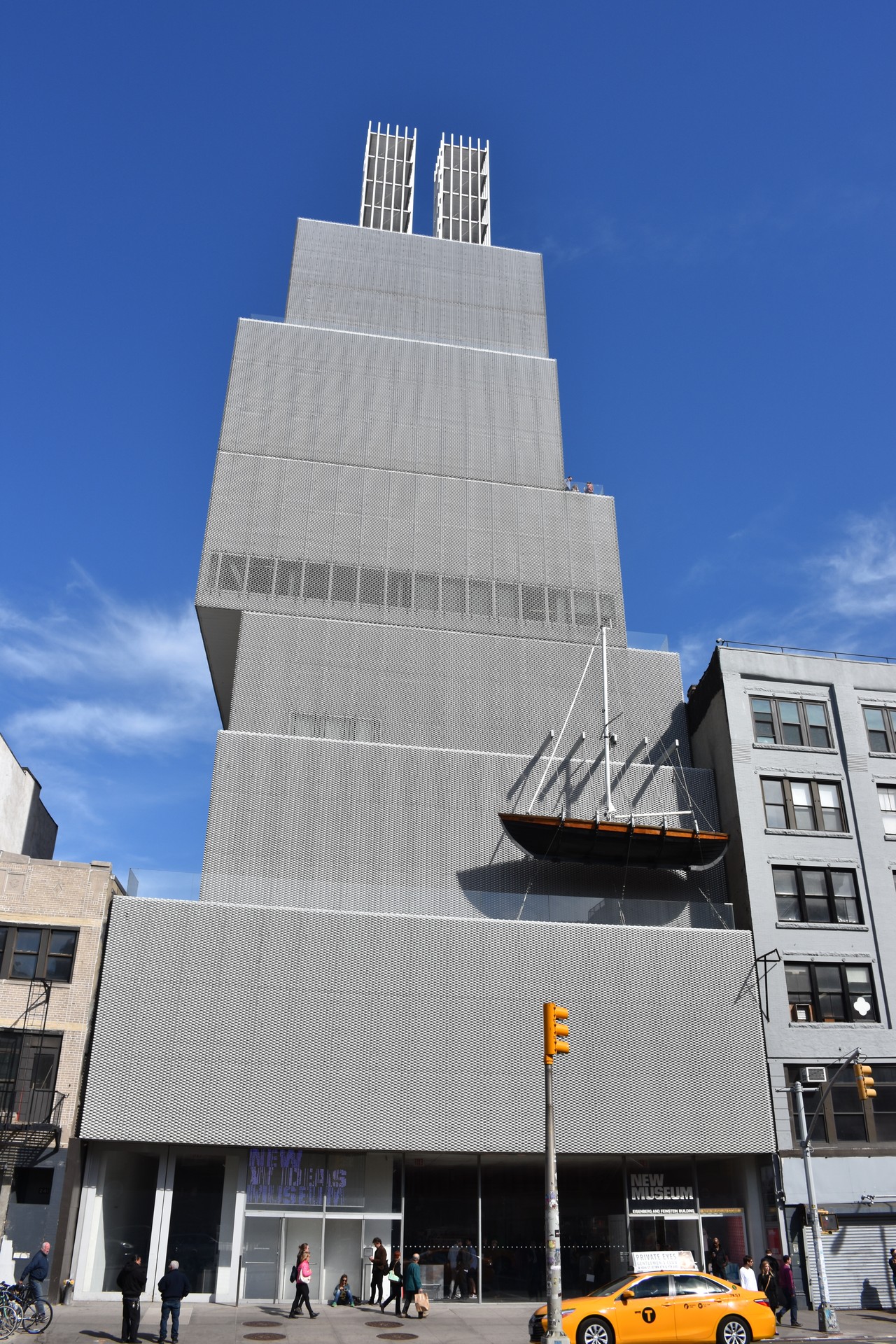
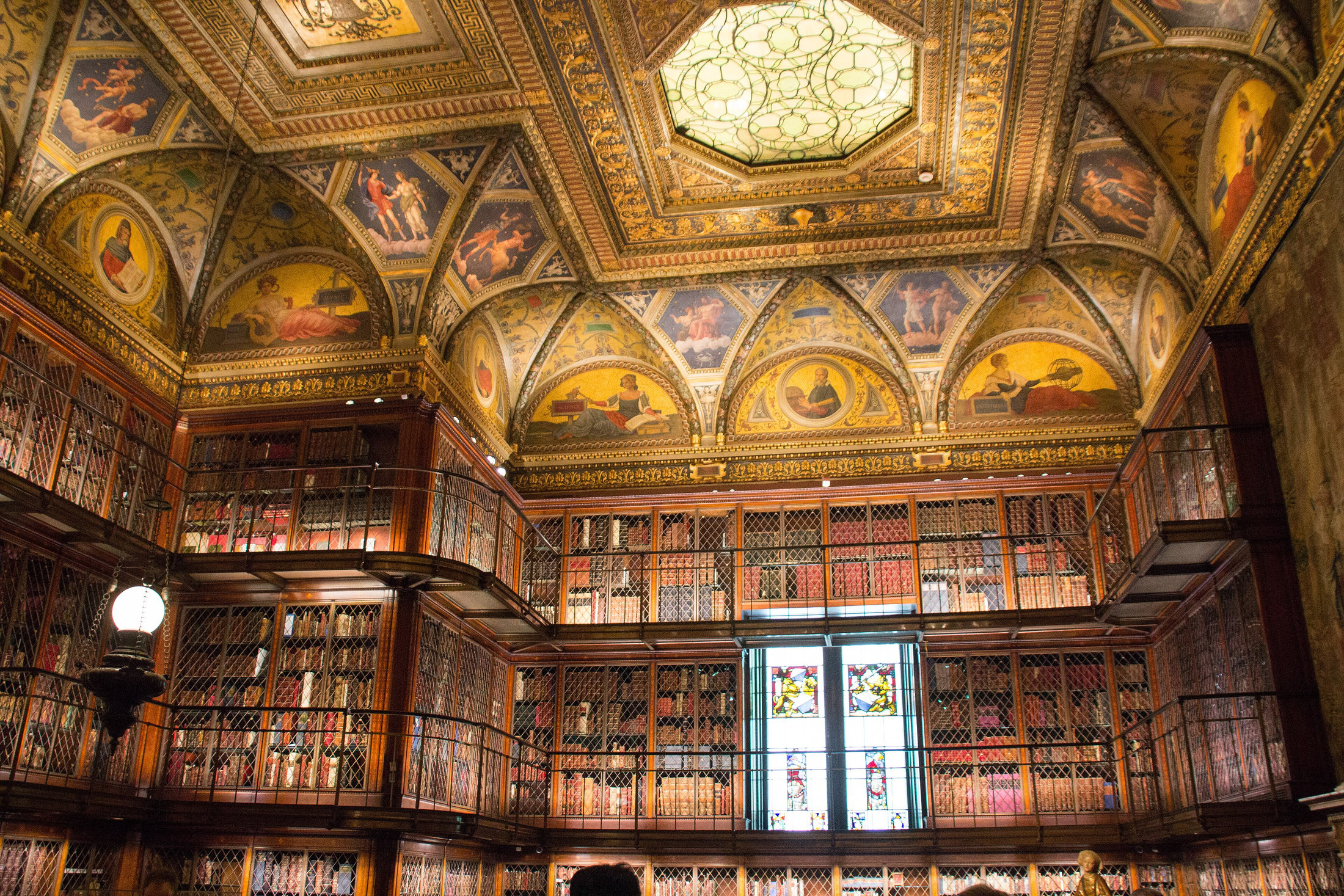
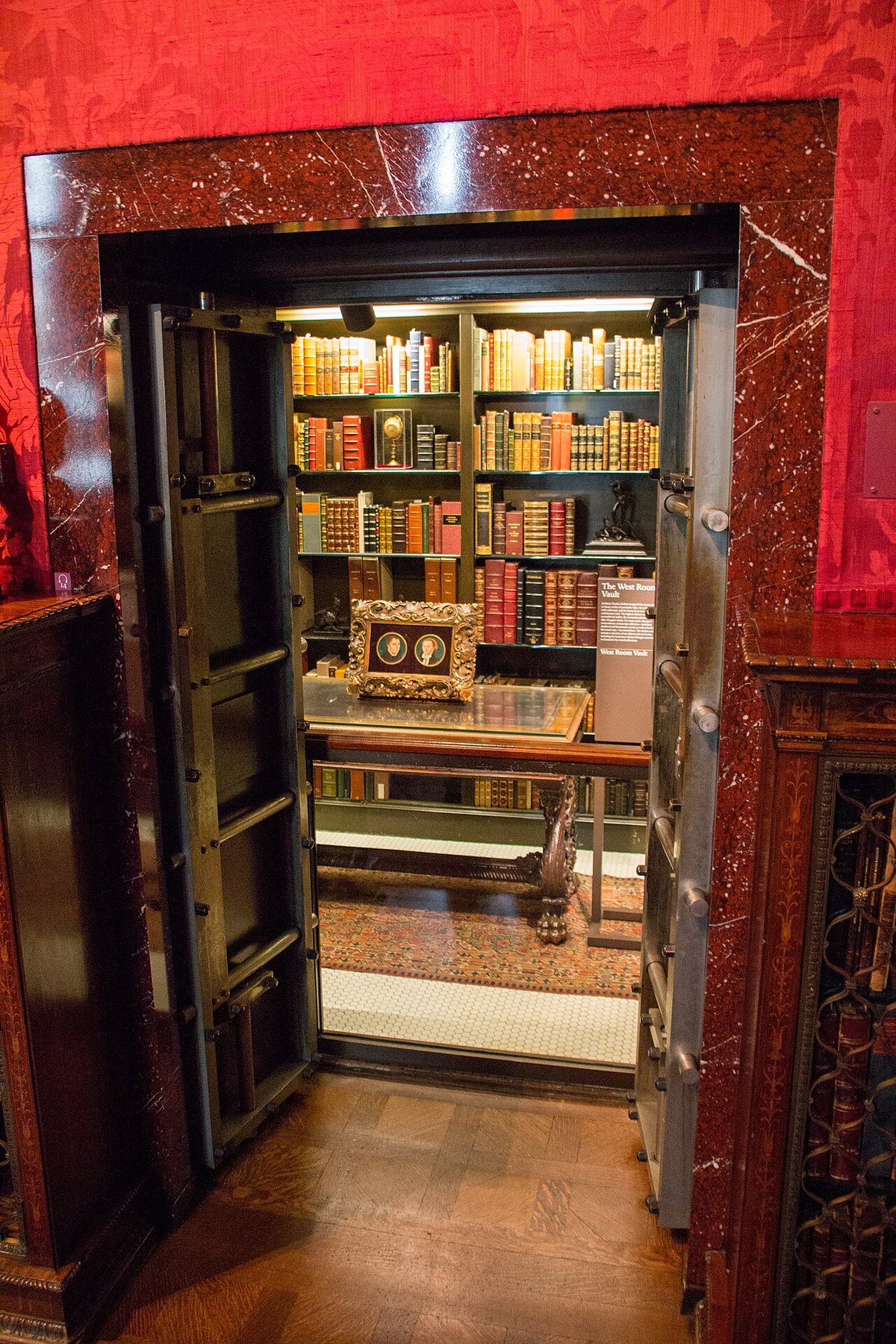
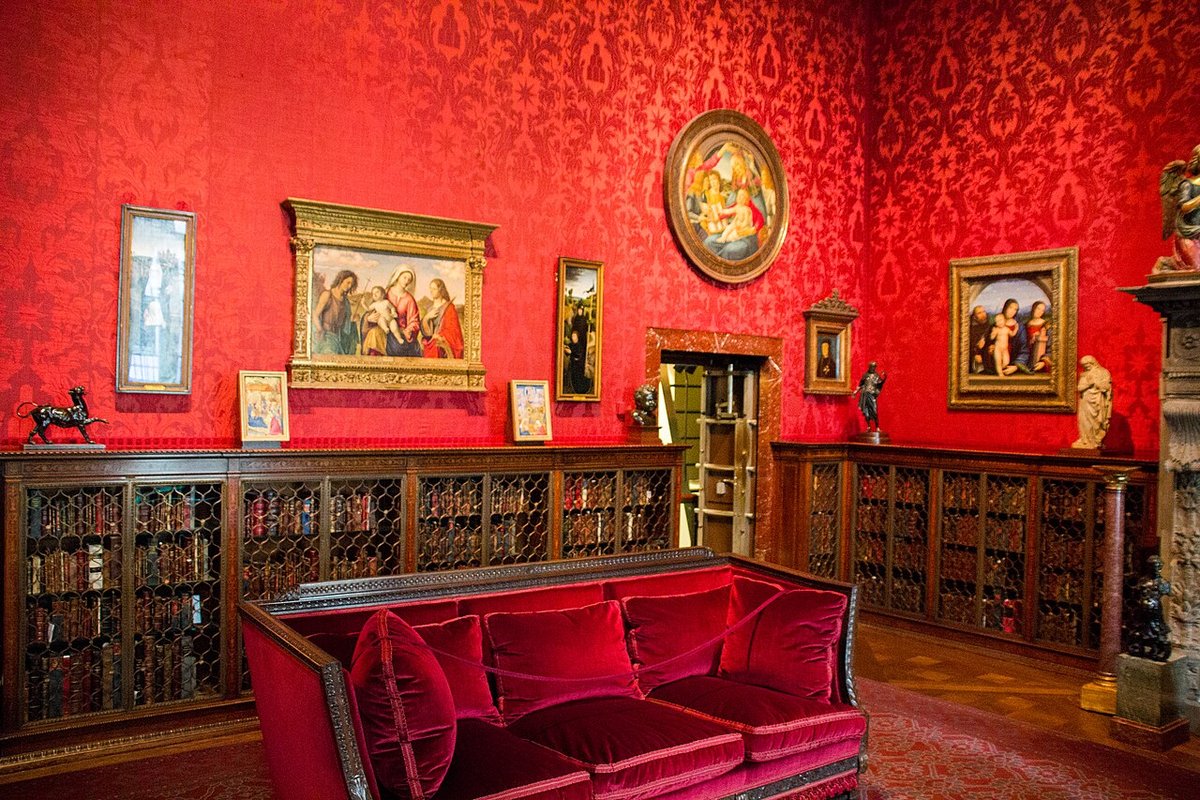
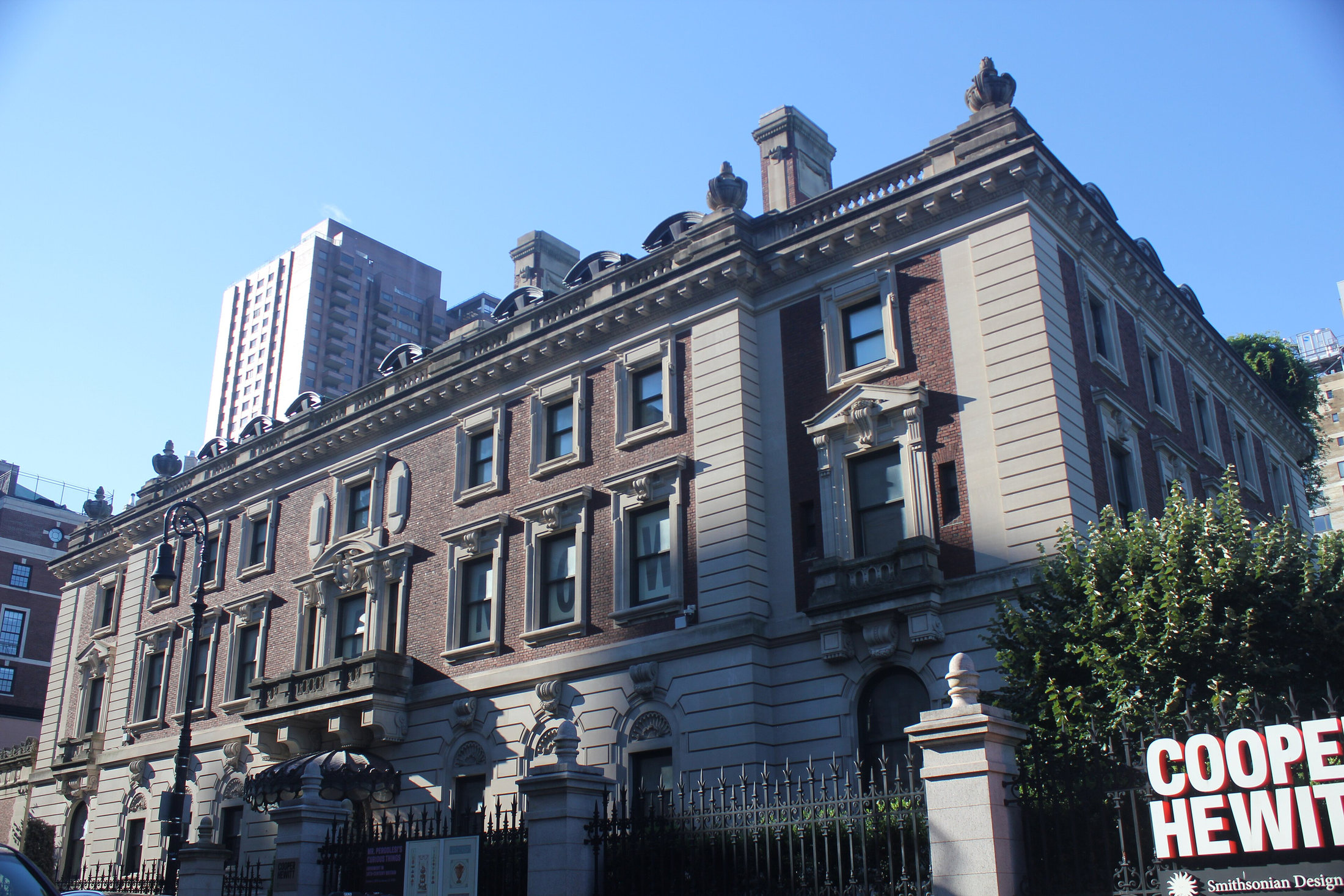
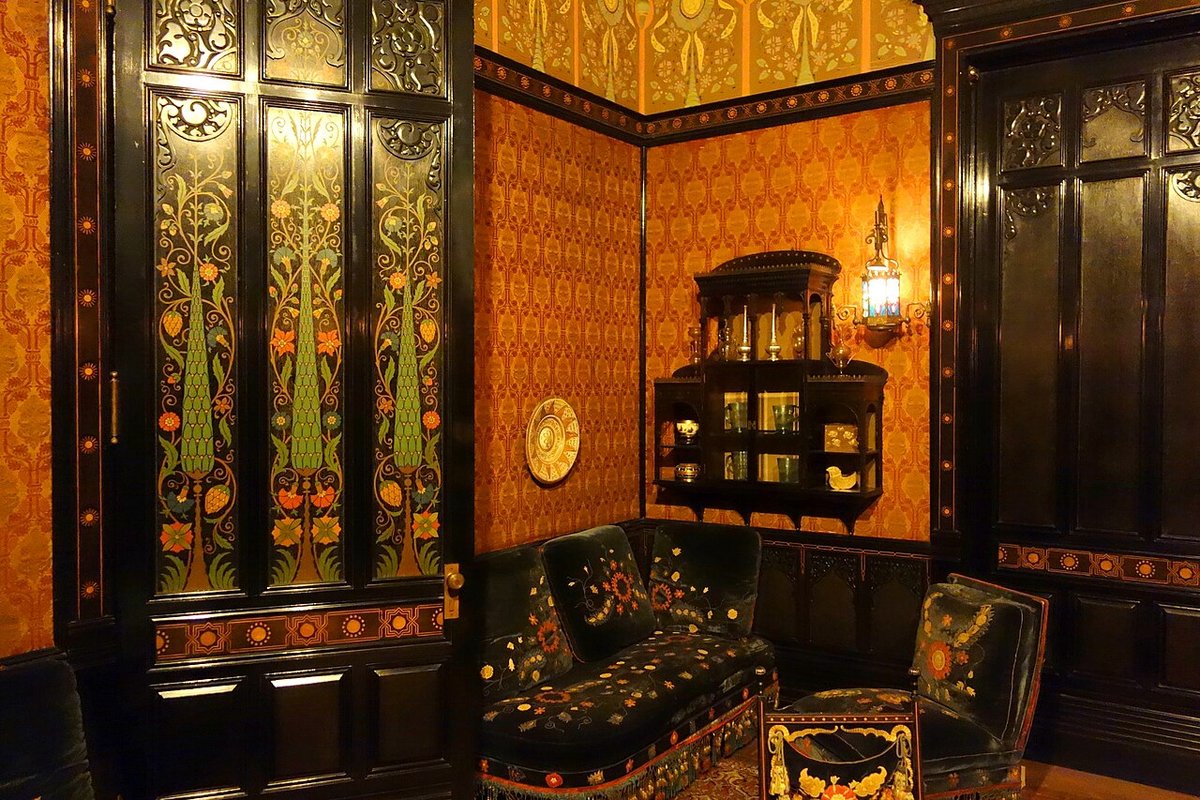
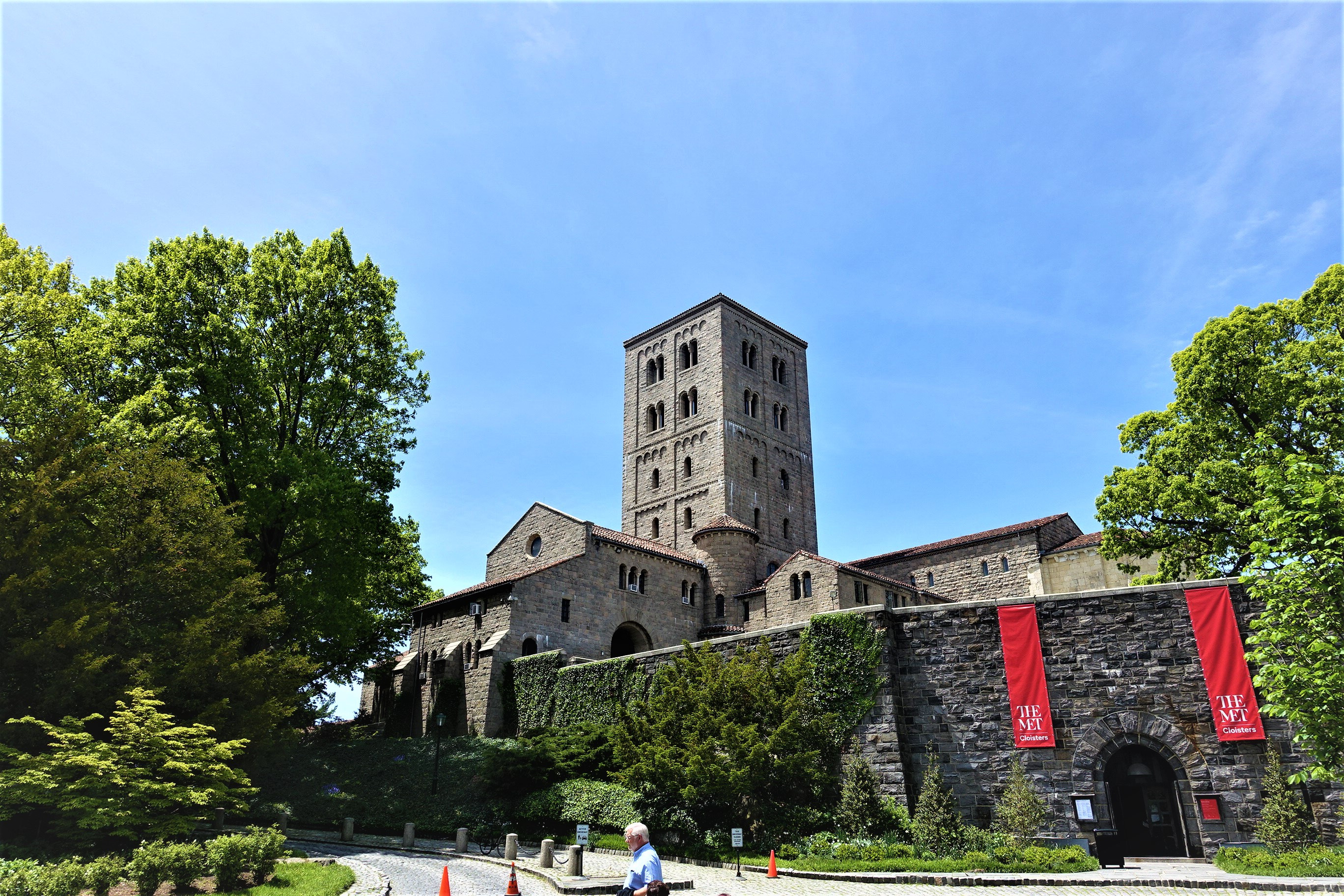
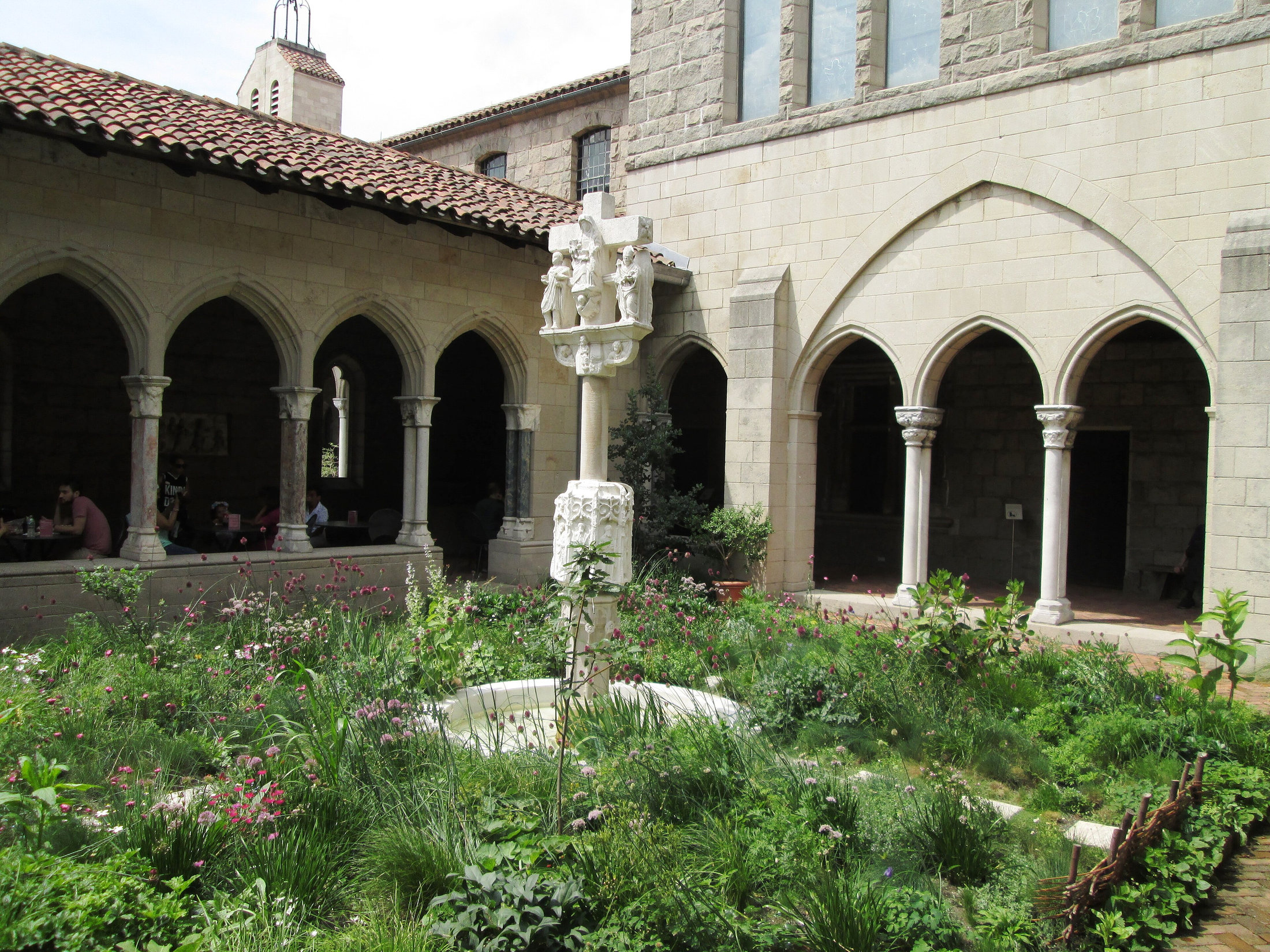
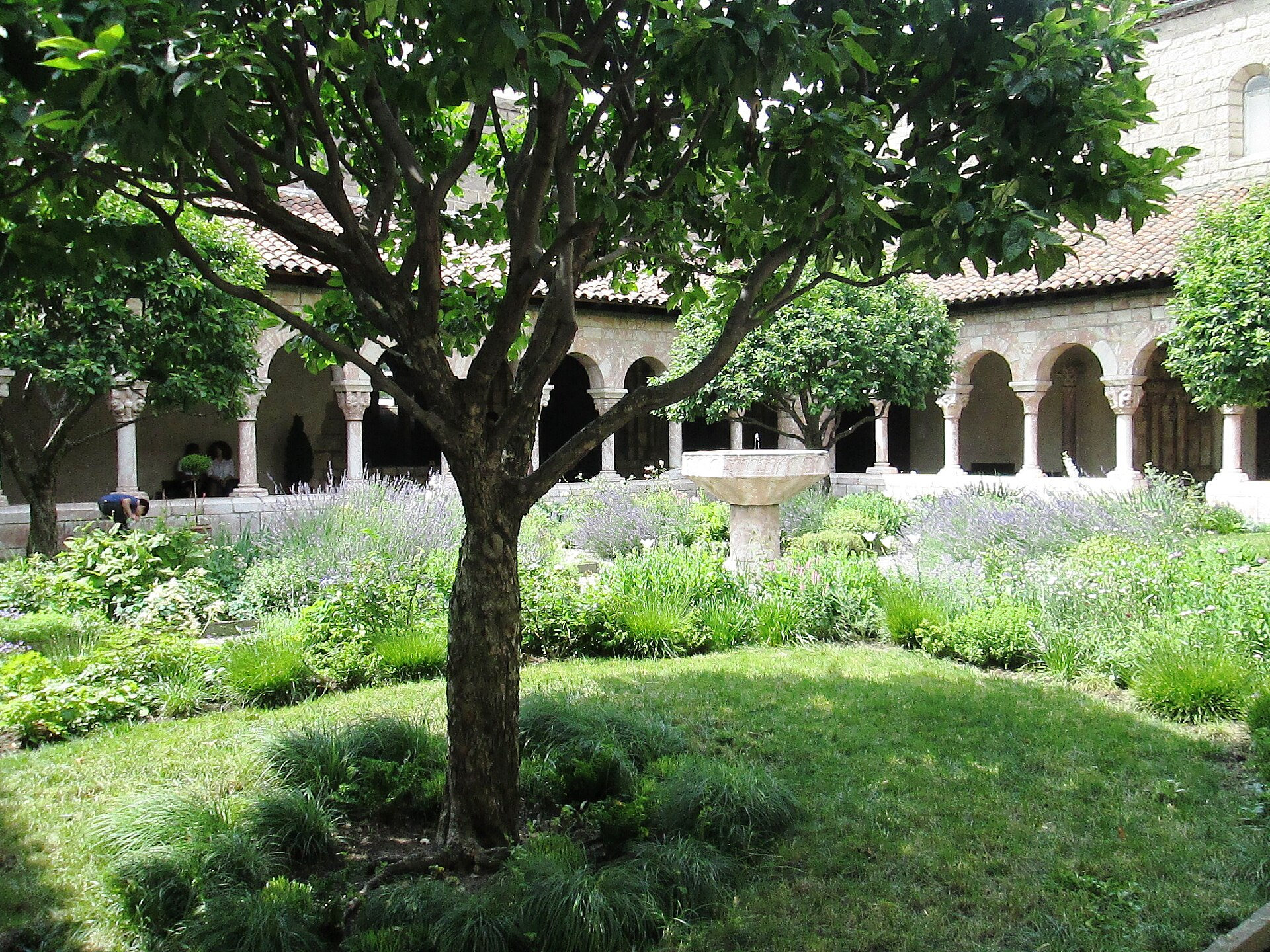
An illustrated introduction to a related guide, not a depiction of this museum.
The Mark is on the Upper East Side. The other four stays are Midtown alternatives; plan an onward trip to the museum.
Neue Galerie’s galleries are scheduled to reopen on 12 November 2026. Check the museum’s current visitor information before planning a gallery visit. Museum visitor information

Upper East Side
Guest score 9.1/10 · Booking.com
On Madison Avenue at 77th Street.
Madison Avenue at 77th Street, New York, NY 10075, United States
Official hotel website
Midtown
Guest score 9.4/10 · Booking.com
A Midtown alternative at 18 West 56th Street.
18 West 56th Street, New York, NY 10019, USA
Official hotel website
Midtown / West 57th Street
Guest score 9.0/10 · Booking.com
A Midtown alternative at 101 West 57th Street.
101 West 57th Street, New York, NY 10019, USA
Official hotel website
Midtown East
Guest score 9.1/10 · Booking.com
A Midtown alternative at 150 East 50th Street.
150 East 50th Street, New York, NY 10022, USA
Official hotel website
Midtown East / Fifth Avenue
Guest score 9.3/10 · Booking.com
A Midtown alternative at 12 East 48th Street.
12 East 48th Street, New York, NY 10017, USA
Official hotel website