1 / 5
08 / DESIGN MUSEUM
A Carnegie family home, two determined collectors and everyday objects with surprisingly human histories. Look beyond the polished surfaces to the people who made design matter.
Second and third floor galleries closed for exhibition changeover; reduced admission. Check official access before travel.
A vegetable peeler is a surprisingly good place to begin the story of a Fifth Avenue mansion. When architect Betsey Farber struggled to use one because of arthritis in her hands, that everyday frustration helped inspire OXO Good Grips.
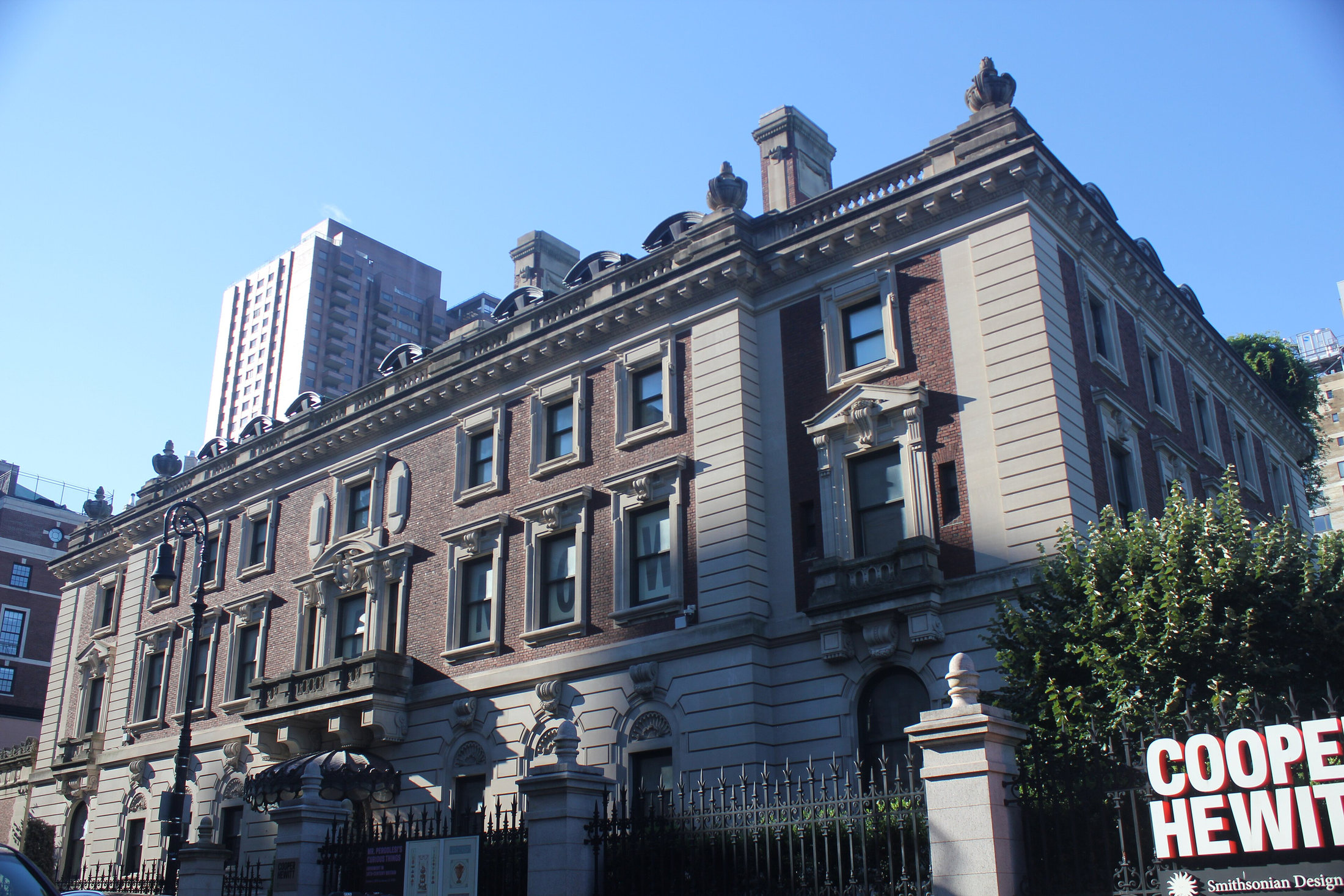
The Carnegie family's much larger design project, a home with space, light and a garden, now houses the museum that tells the peeler's story. At Cooper Hewitt, both belong to the same conversation about how people live with the things around them.
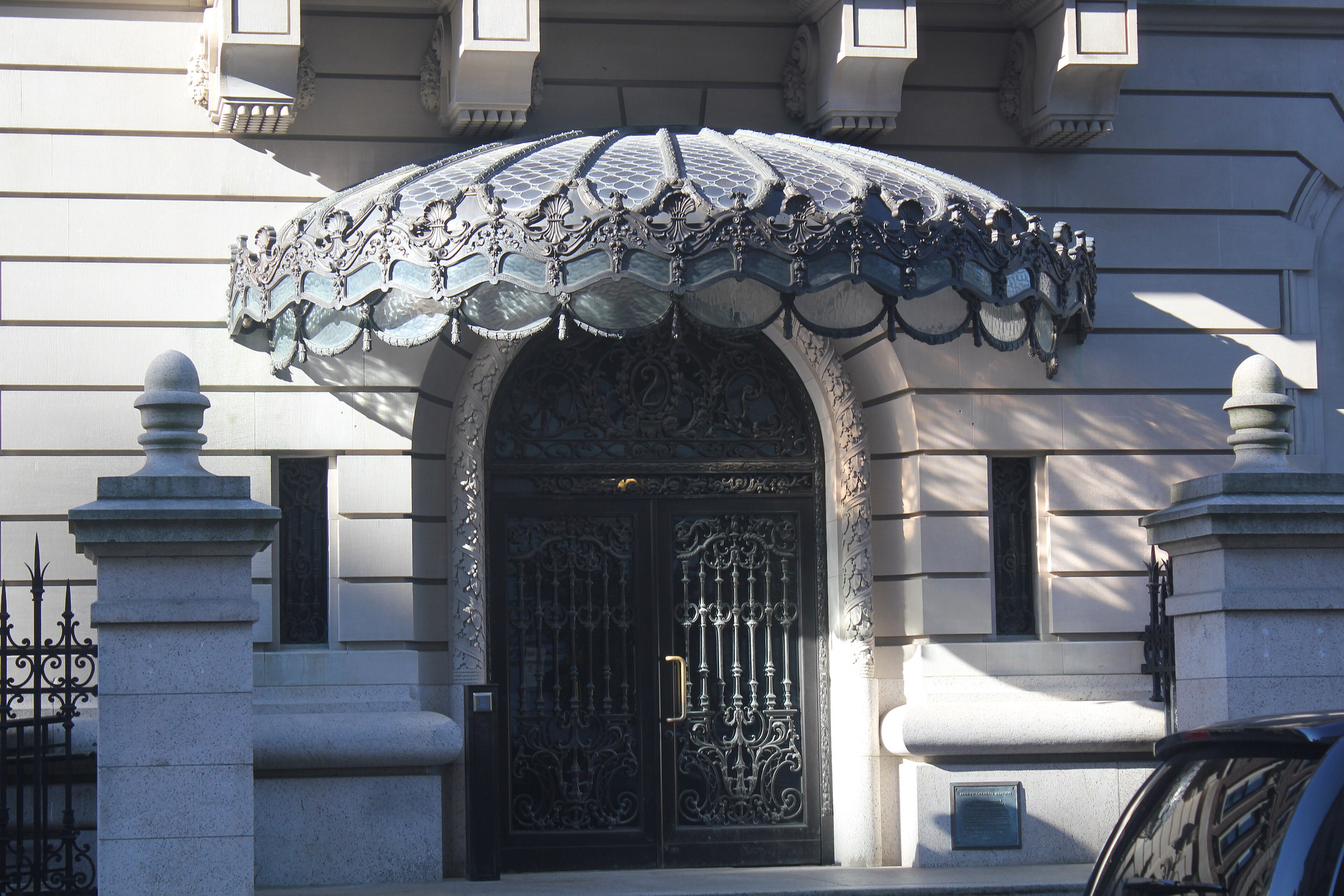
A carved doorway can reveal a client's taste; a handle can reveal whose hand a designer imagined. Cooper Hewitt rewards curiosity about materials and making, but its stories also belong to people who commissioned things, collected them, looked after them or found them frustrating enough to change.
Sarah and Eleanor Hewitt opened their museum at Cooper Union in 1897. Their grandfather, Peter Cooper, had founded the school, and the sisters used their resources and connections to build a collection of drawings, textiles, furniture and other examples of design.
The museum in the Carnegie Mansion grew from that enterprise elsewhere in the city.
The sisters wanted the collection to be useful. Students and designers could handle objects, measure them, sketch them and learn how they were made.
Imagine the difference between admiring a textile behind glass and examining how its pattern repeats. Their museum gave working designers a stock of things to think with.
That historical handling policy is not permission to touch today's exhibits; follow the instructions beside each display.
Eleanor's travel diaries bring a more individual voice into the story. Twenty-five small notebooks record places, buildings, gardens and details gathered over years of travel.
Among the architectural observations are brisk judgements about accommodation and meals: “Clean enough to stay. Food decent.” The collector interested in beautiful workmanship was also paying attention to the practical experience of being somewhere.
That mixture of appreciation and practical scrutiny is useful in a museum housed in somebody else's home.
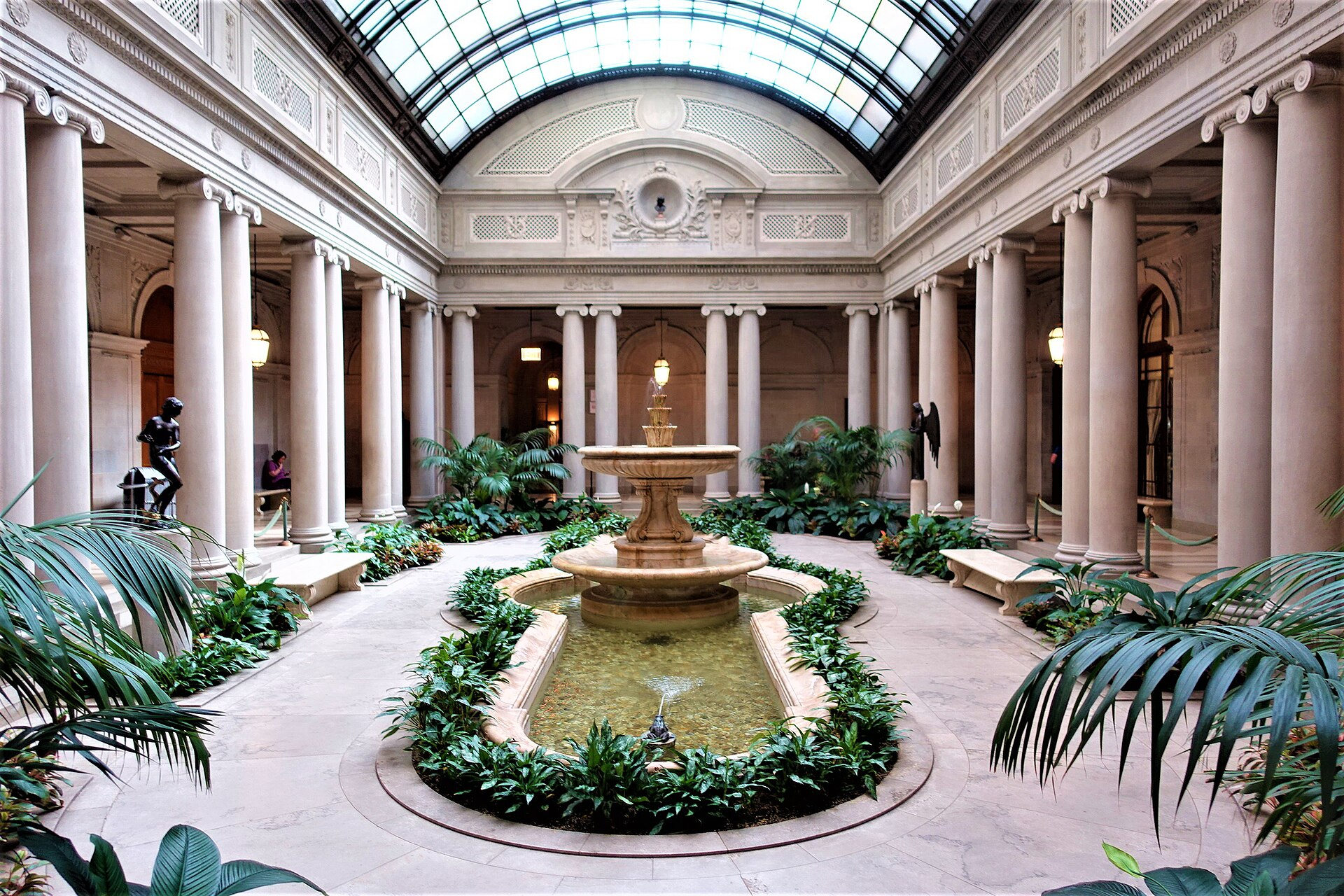
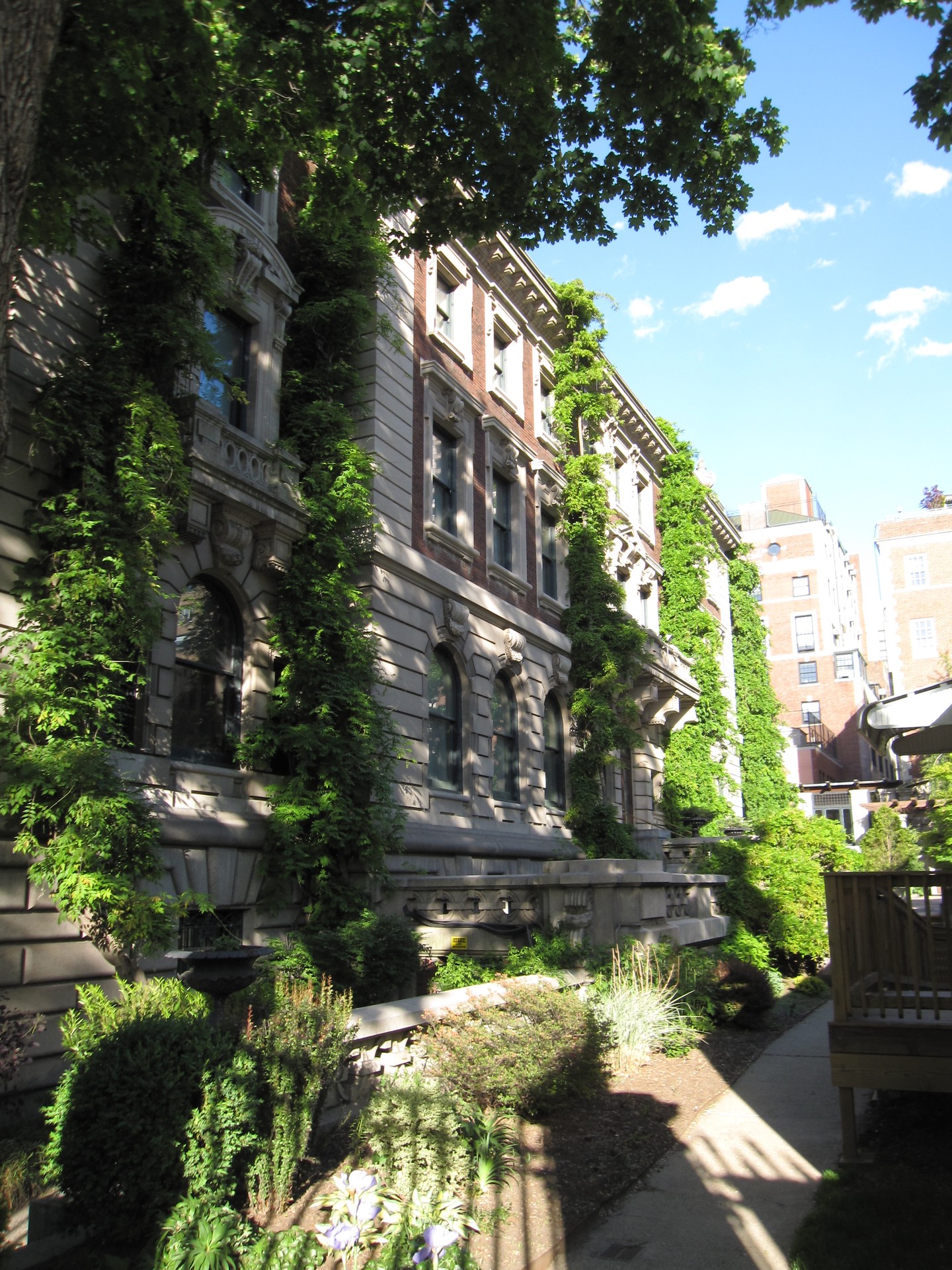
Andrew and Louise Carnegie moved here with their daughter Margaret in 1902. Babb, Cook & Willard designed the 64-room mansion; Louise oversaw many of the decisions that made it a family home.
Space for a garden helped draw the family this far uptown. Much later, in 1976, the building opened as the museum.
The Hewitts' collecting project and the Carnegies' domestic project had finally acquired the same address.
Its comfort depended on elaborate engineering. Electric elevators, an electrified laundry and a system for heating, cooling and humidifying rooms worked behind the decorative surfaces.
The historical floor plans place the family's rooms apart from the staff dormitories. An archival photograph identifies one of those workers: Martha “Mattie” Clarke, standing outside the service entrance around 1926.
She had first worked for the Carnegies at their Scottish home, Skibo, and travelled between Scotland and New York with the family.
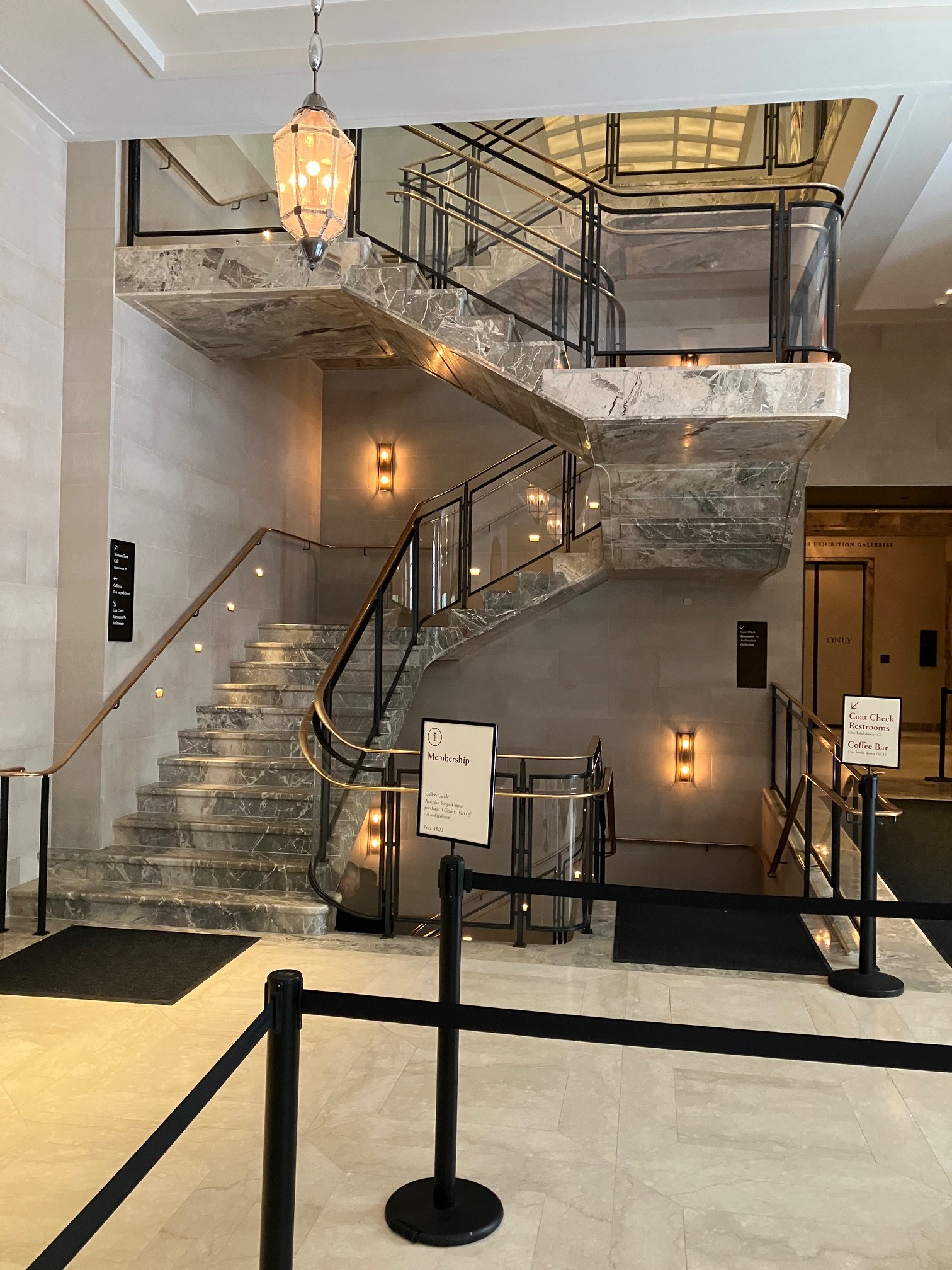
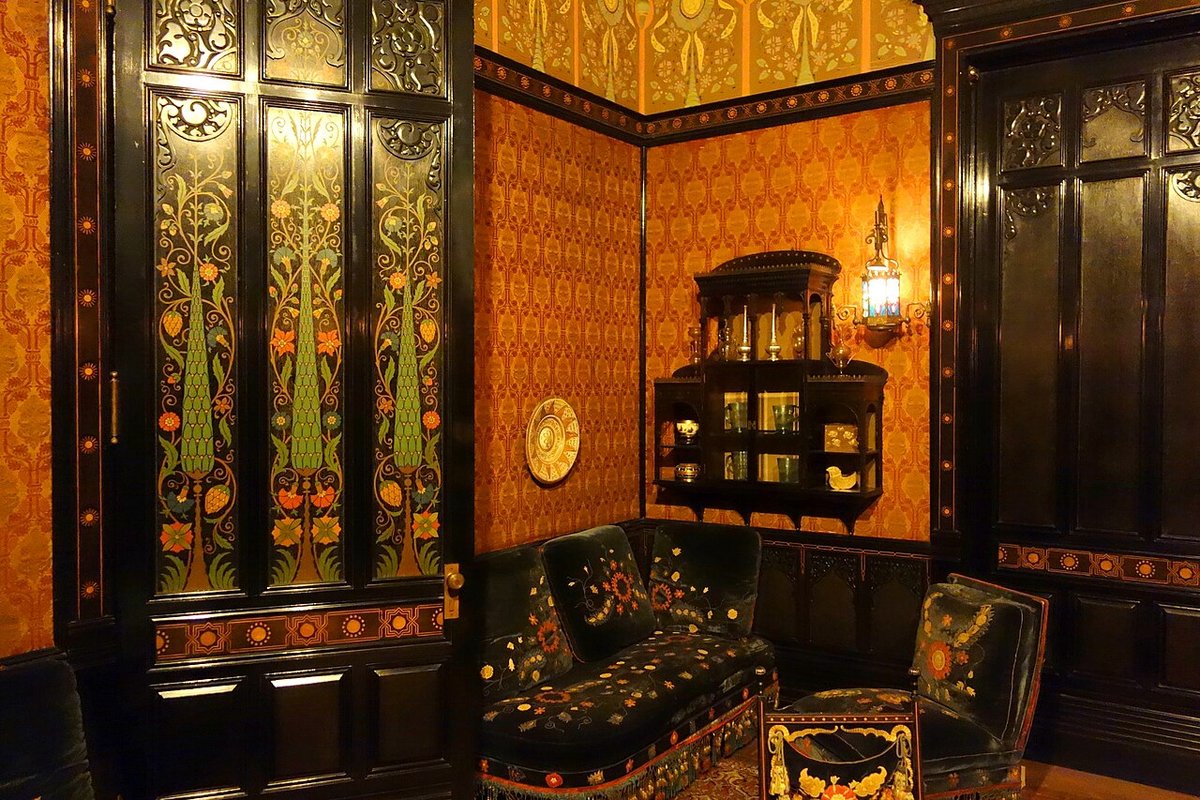
Her presence changes the way the house can be read. As you look at its surviving interiors, think about the different journeys a resident, guest or member of staff would have made through them.
A comfortable room is the visible result of many decisions, and often of other people's work. The museum's setting makes those relationships unusually concrete.
The collection can bring the scale of a house down to something you can take in at a glance. A wooden Bird Cage in the Form of a Church, given by Eleanor and Sarah Hewitt, has a tower, arched windows and geometric pierced ornament.
The catalogue dates it to 1850–1900 and records a removable tray and a fenced base. Architecture has been adapted to a different occupant, with a practical task quietly built into the miniature spectacle.
In the catalogue image, the elaborate tower is easy to admire. Give the removable tray equal attention.
It brings the daily work of caring for a bird into this architectural fantasy. The cage's charm and its maintenance belong to the same design, just as the mansion's elegant rooms depended on work beyond their doors.
The linked collection examples here can be explored online before or after your visit. Check the current exhibitions to see which objects are on display when you go.
Domestic care reappears in a very different form in Isamu Noguchi's Radio Nurse. Introduced by Zenith in 1938 as part of a wireless monitoring system, it grew from company president E.
F. McDonald Jr.'s wish to monitor his young daughter's nursery.
Noguchi gave the equipment a curved brown Bakelite housing with a grille across the front. Cooper Hewitt's account relates its shape to a kendo mask and to a nurse's head covering.
The grille has a practical purpose, but in this rounded enclosure it also helps suggest a face. A machine can be made to look as though somebody is there.
Whether that presence feels reassuring or faintly strange is a matter of interpretation. Noguchi's enclosure adds a second layer to the engineering problem: how the equipment might feel to the person relying on it.
In the galleries, it is worth separating what a product does from what its appearance leads you to expect.
The peeler brings the story back to the hand that must use a tool. Betsey Farber's difficulty while cooking in Provence was the beginning of a much wider investigation.
Her husband, Sam, worked with the New York firm Smart Design, whose research included home cooks, chefs and people with arthritis.
The important work continued after the initial idea. Different shapes and materials were prototyped and tested.
The resulting handle was broad and comfortable to grasp, with a soft surface intended to stay grippy when wet. The museum's design-process guide makes those stages visible, showing how observation becomes a succession of physical trials.
In a collection photograph, the blade might take your eye first. Give the handle equal time.
Its thickness, shape and surface tell you about the user's contact with the tool. The point of this story is bigger than one brand: an everyday difficulty can be treated as evidence that something needs redesigning.
A broad, soft grip carries that idea into an ordinary kitchen drawer.
For a first visit, choose one exhibition that interests you and give the house some attention of its own. In the galleries, select three objects: one you find beautiful, one you understand immediately and one whose purpose you need to read about.
For each, look for a decision made on behalf of a user. This works with whatever is on display, without turning the visit into a hunt for a fixed list of famous designs.
Treat one to two hours as a starting allowance, with extra time if a substantial exhibition or the architecture holds your interest. Check official admission and gallery access before booking: exhibition changeovers can alter both the open areas and the price.
If a public tour matters to your plans, confirm its date and time rather than relying on a usual weekly pattern. Check garden access too, especially if it is a main reason for visiting.
The useful souvenir may be a new habit of looking. Door handles, signs and places to sit offer plenty of material for the journey home.
As checked on 17 October 2026, the second- and third-floor galleries are temporarily closed for an exhibition changeover. Reduced admission is US$10 for adults; seniors aged 62+, students with ID and visitors with disabilities pay US$5.
Visitors aged 18 and under enter free. Pay-what-you-wish entry runs daily from 17:00 to 18:00.
The museum currently lists daily hours of 10:00–18:00, with closures on Thanksgiving Day and Christmas Day. Check the official page before buying: the reduced price and gallery closures are temporary.
The usual public tour lasts 45 minutes, starts at 13:30 and is included with museum admission. Confirm your date with the museum because tours may change or be cancelled.
Cooper Hewitt does not allow third parties to accept fees for guiding groups through the museum. Use its official group-tour information when arranging a group visit.
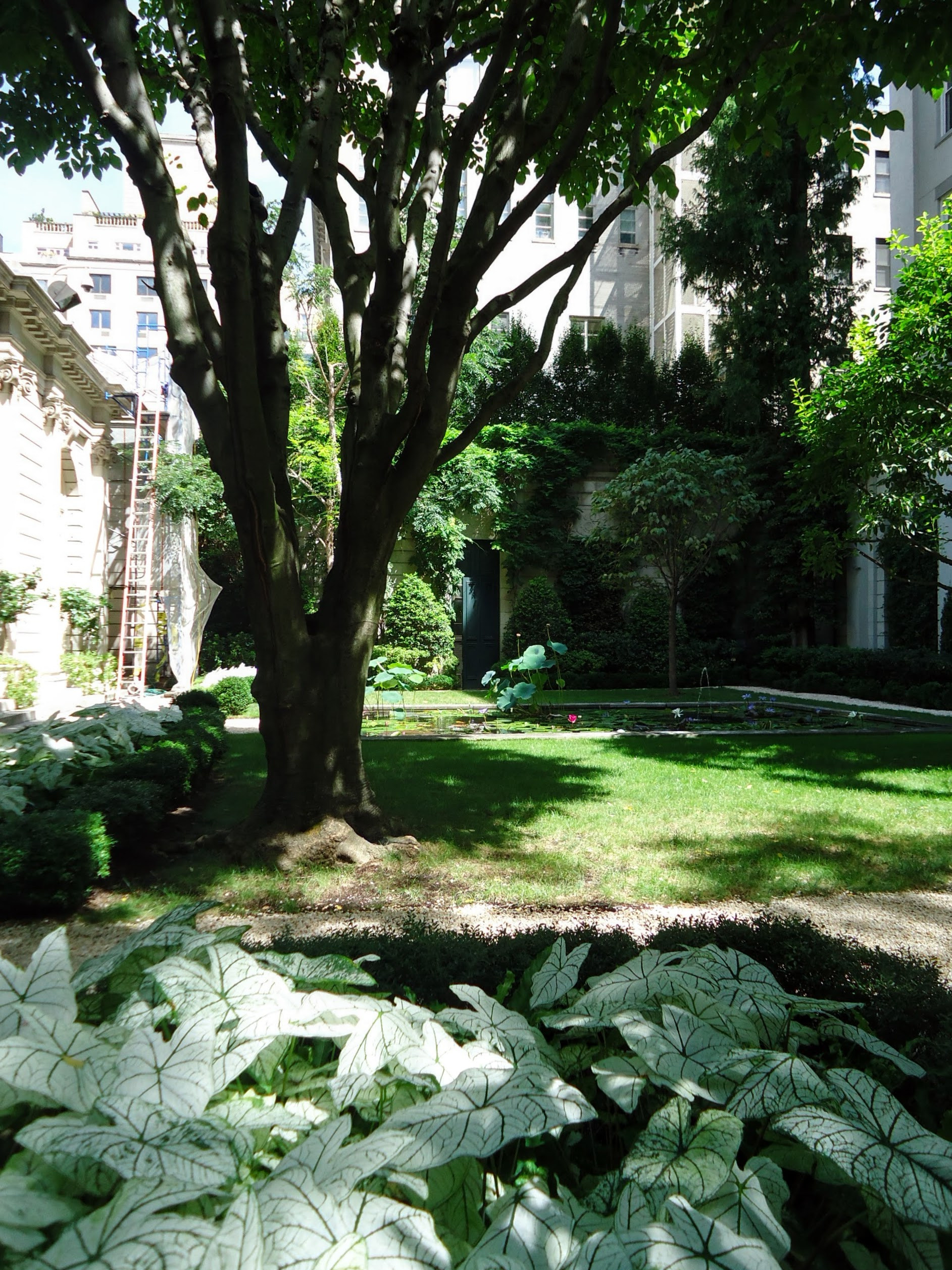
The garden is open 10:00–18:00 daily. Check before you go.
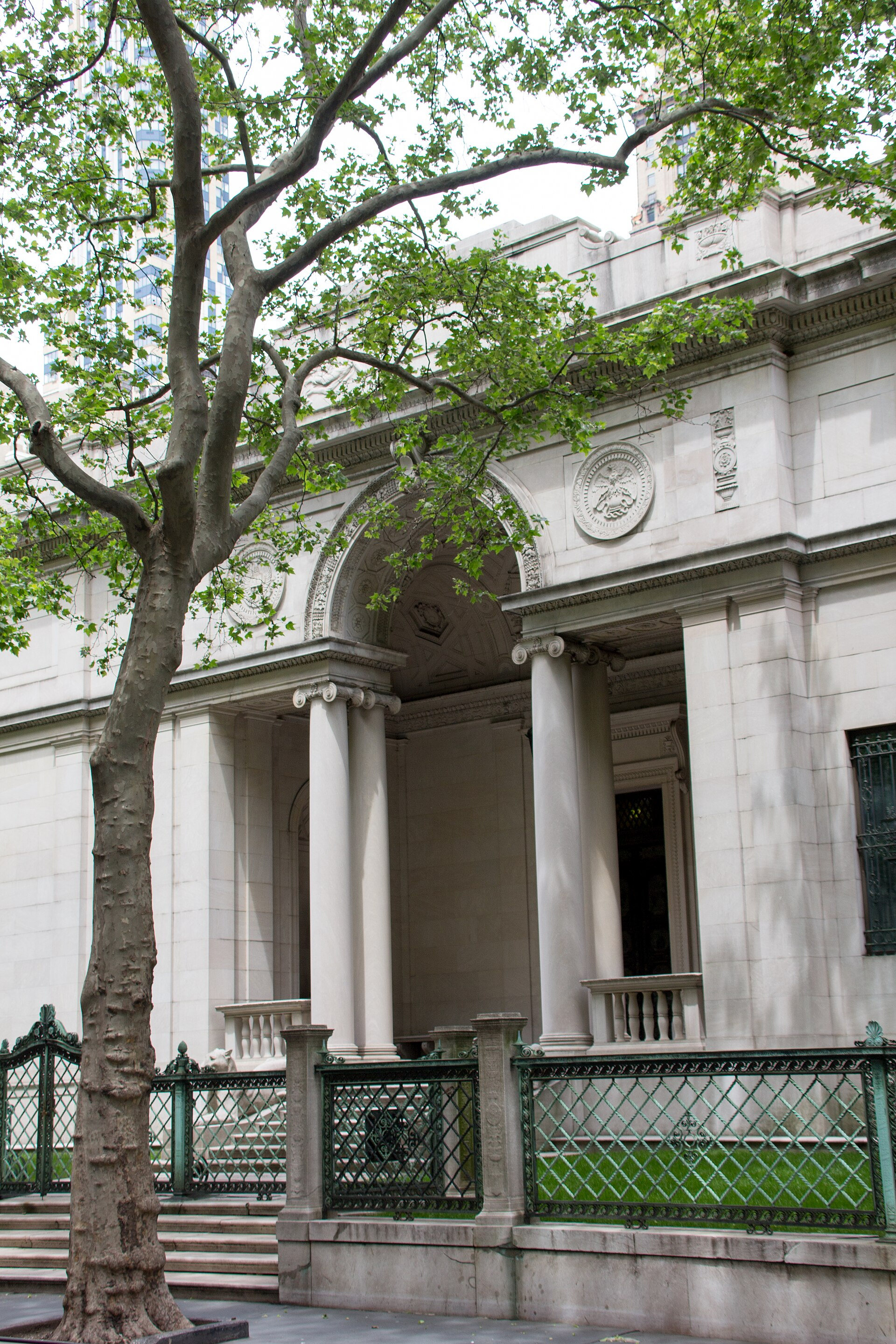
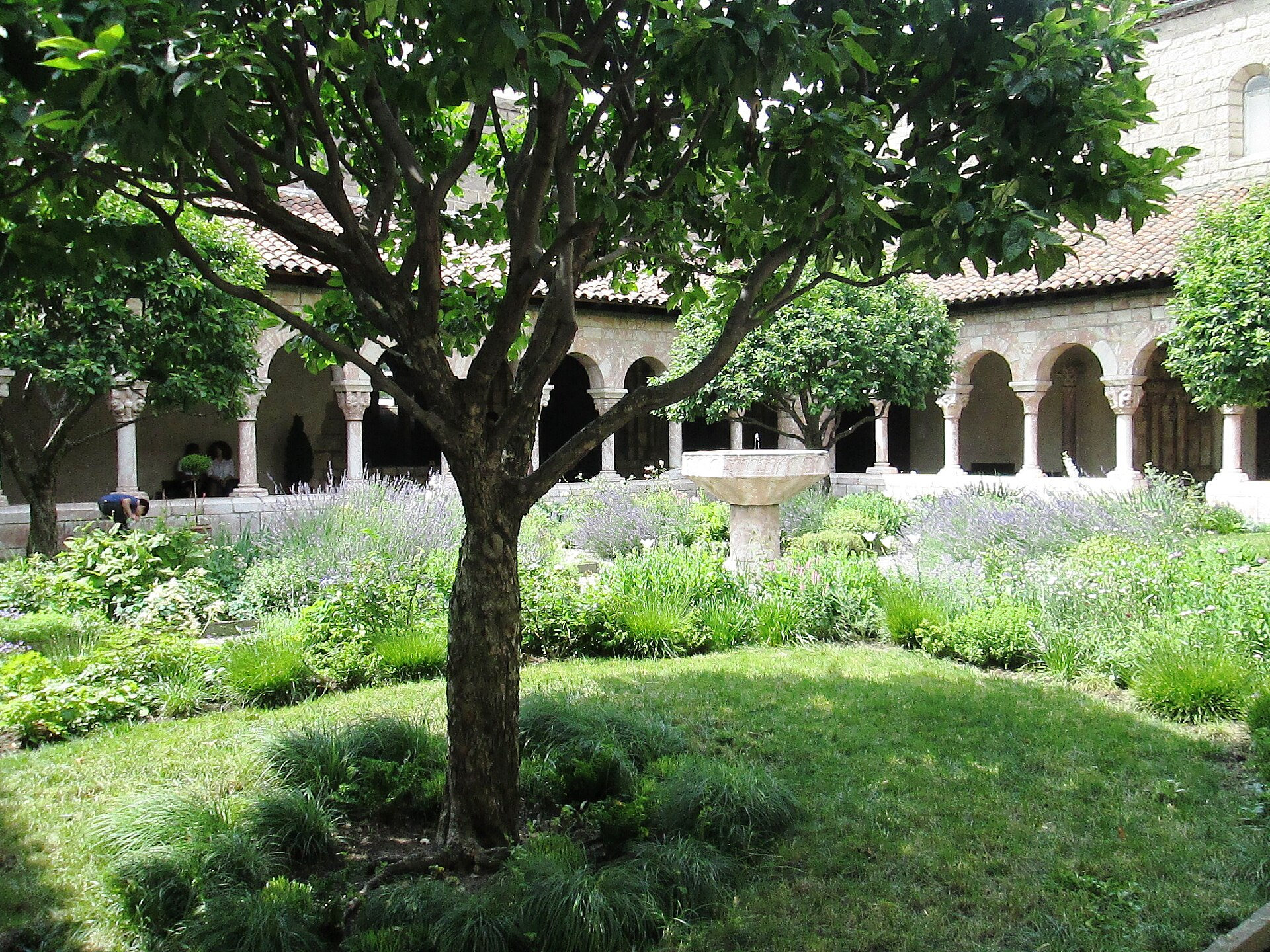
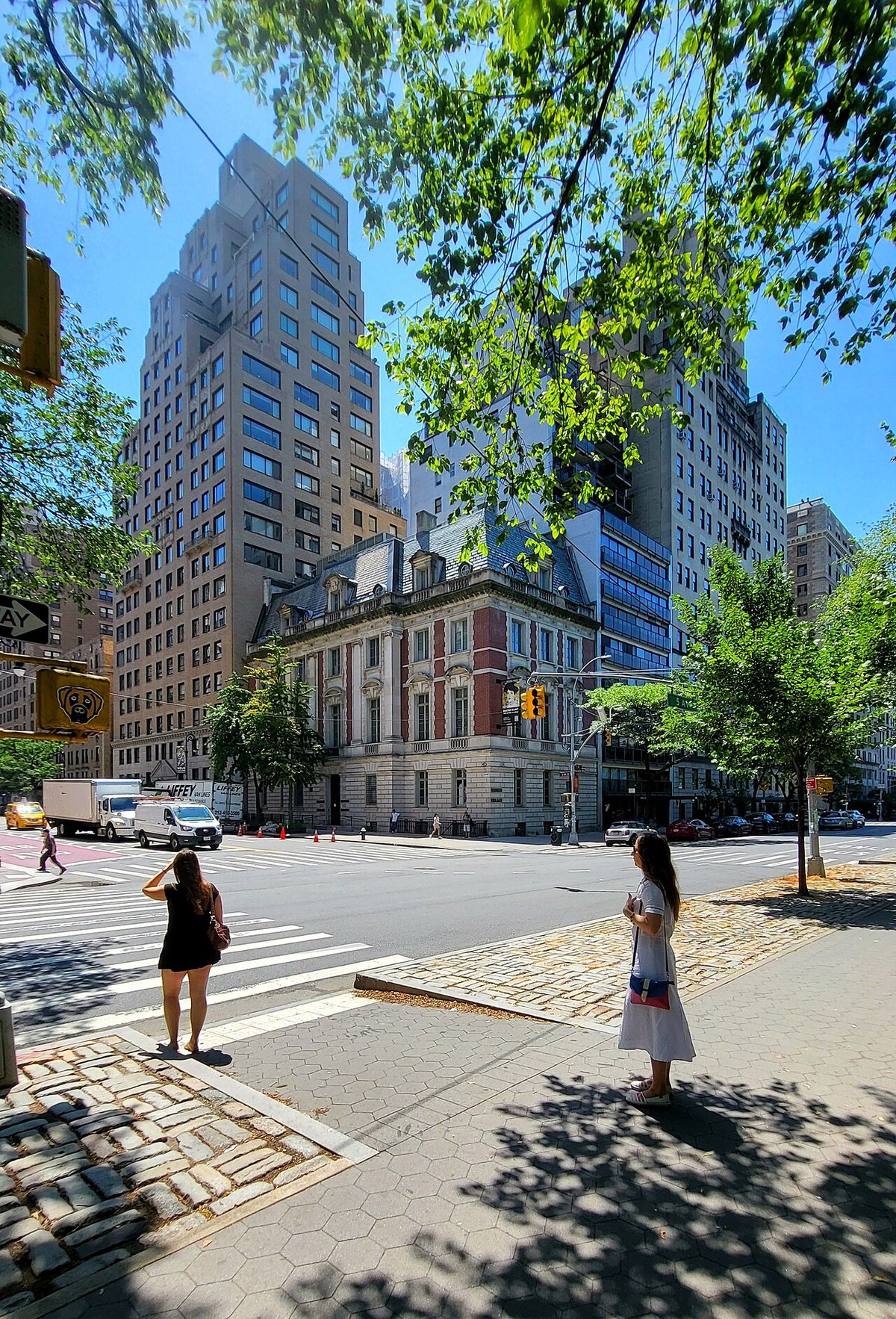
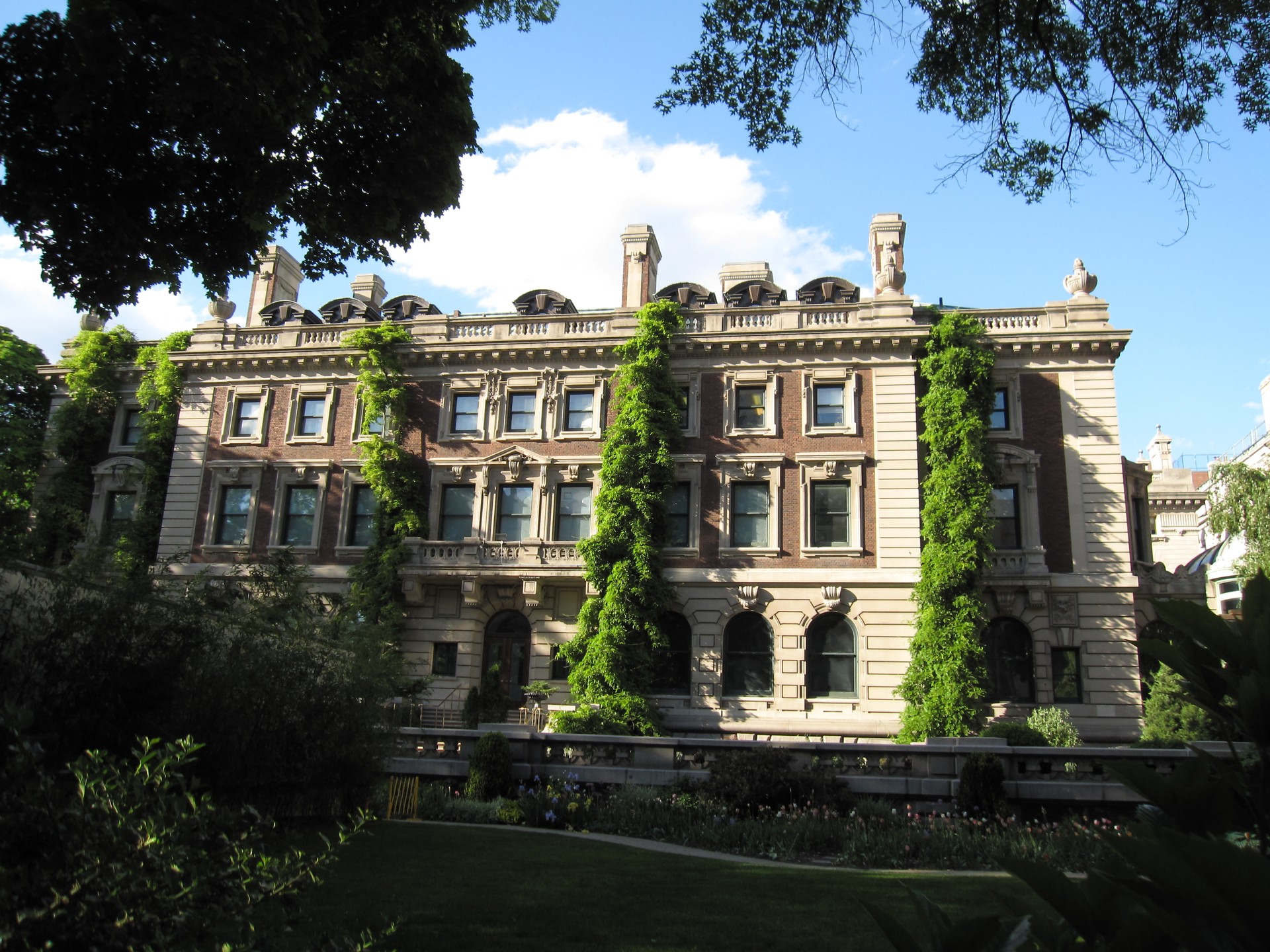
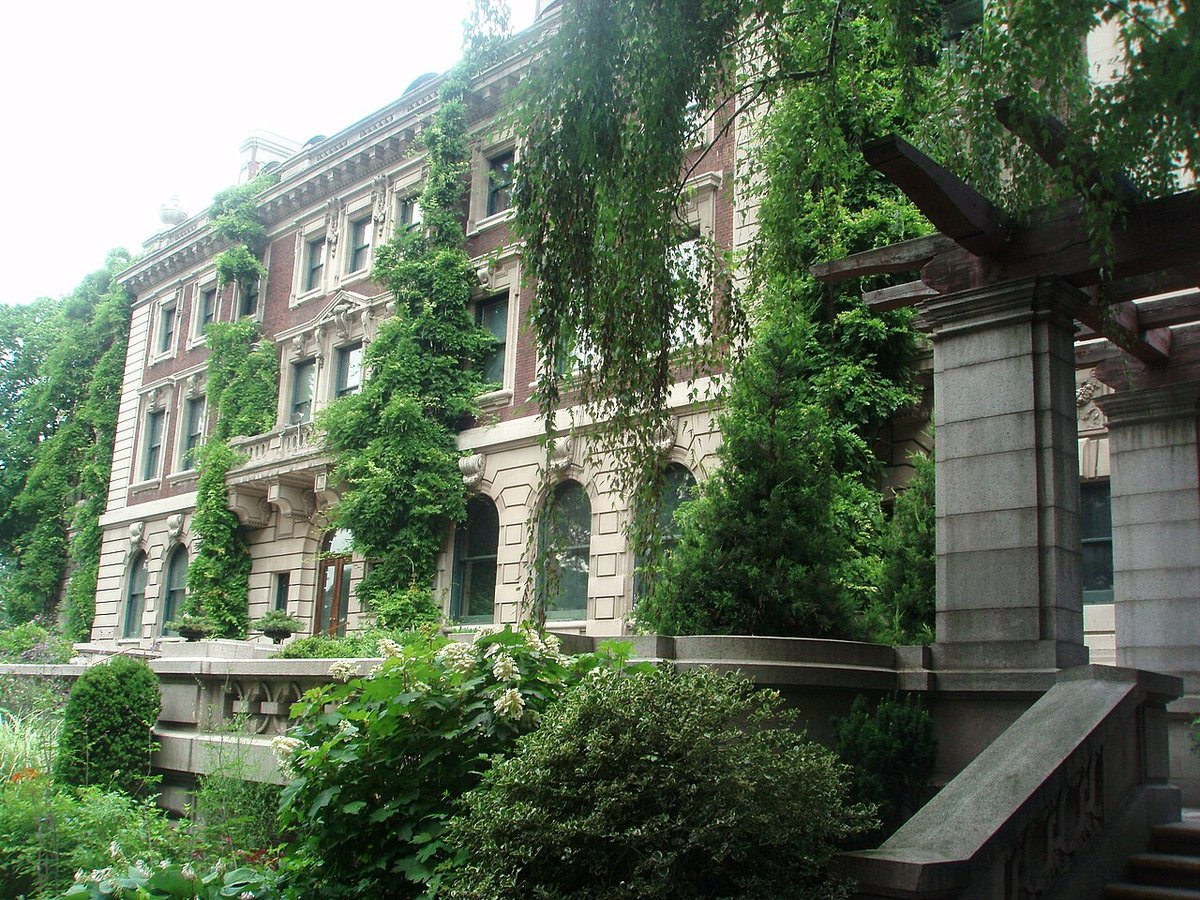
The garden was redesigned and reopened in 2015; the photograph below shows the mansion’s garden façade in June 2011, before that redesign.
Cooper Hewitt charges admission. Pay-what-you-wish entry is available daily, 17:00–18:00, and visitors aged 18 and under enter free.
Seniors 62+, students with ID and visitors with disabilities pay US$5 while the reduced-admission offer applies.
Last reviewed: . Check the museum’s website for current hours and ticket prices.
Bookable options on GetYourGuide. Check what is included, the entry time and the final price before you book.
Tours and tickets · compare options
Cooper Hewitt tickets are sold by the museum. Compare other New York tours and tickets on GetYourGuide.
Affiliate link. We may earn a commission.Use two fingers to move or pinch the map on a touch screen; one finger scrolls the page. In full screen, drag to move. Use plus and minus to zoom. Arrow keys move the map; zero fits all stops. Escape closes the preview or full screen.
An illustrated introduction to a related guide, not a depiction of this museum.
The Mark is on the Upper East Side. The other four stays are Midtown alternatives; plan an onward trip to the museum.

Upper East Side
Guest score 9.1/10 · Booking.com
On Madison Avenue at 77th Street.
Madison Avenue at 77th Street, New York, NY 10075, United States
Official hotel website
Midtown
Guest score 9.4/10 · Booking.com
A Midtown alternative at 18 West 56th Street.
18 West 56th Street, New York, NY 10019, USA
Official hotel website
Midtown / West 57th Street
Guest score 9.0/10 · Booking.com
A Midtown alternative at 101 West 57th Street.
101 West 57th Street, New York, NY 10019, USA
Official hotel website
Midtown East
Guest score 9.1/10 · Booking.com
A Midtown alternative at 150 East 50th Street.
150 East 50th Street, New York, NY 10022, USA
Official hotel website
Midtown East / Fifth Avenue
Guest score 9.3/10 · Booking.com
A Midtown alternative at 12 East 48th Street.
12 East 48th Street, New York, NY 10017, USA
Official hotel website