1 / 5
09 / WORLD ART IN BROOKLYN
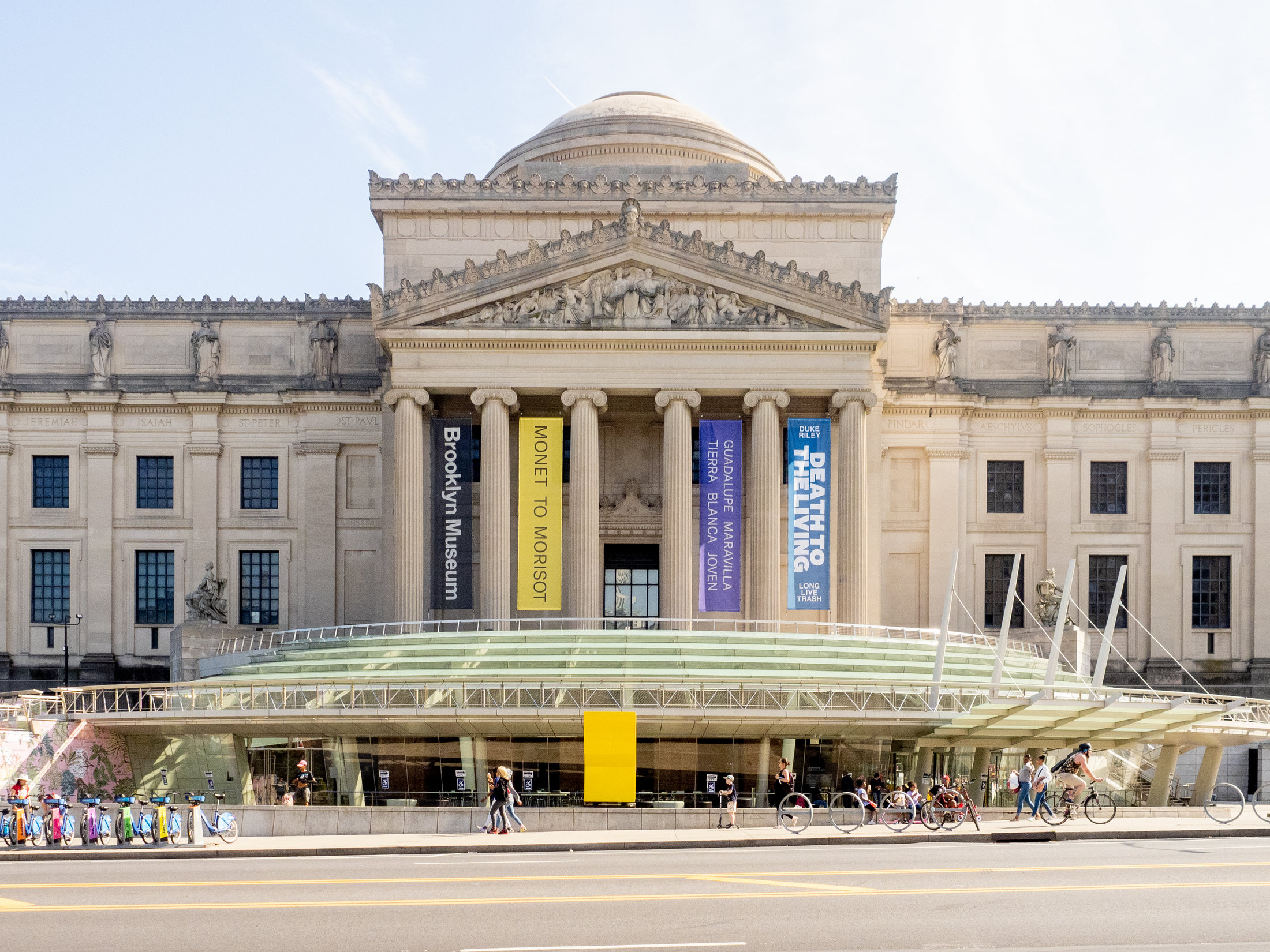
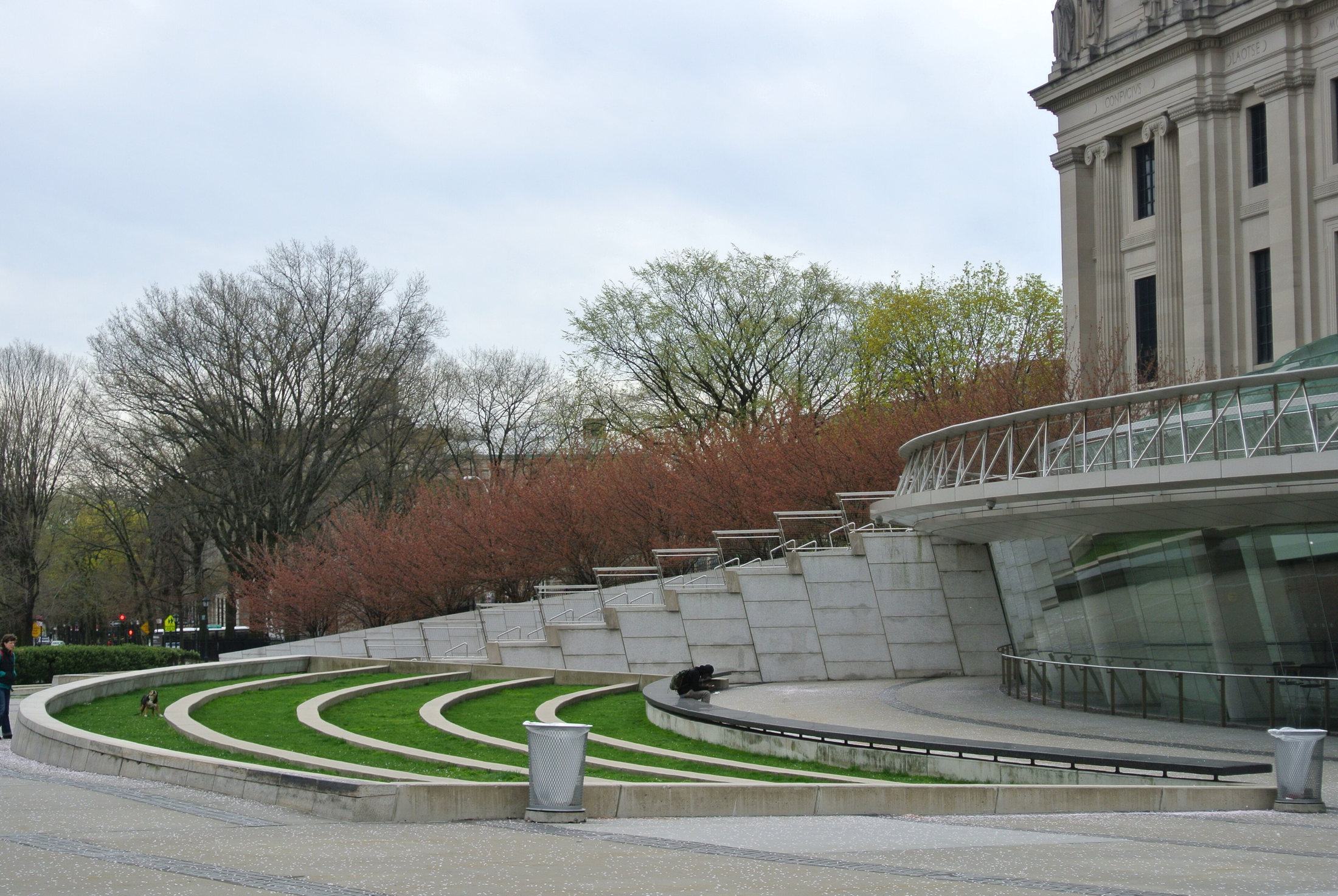
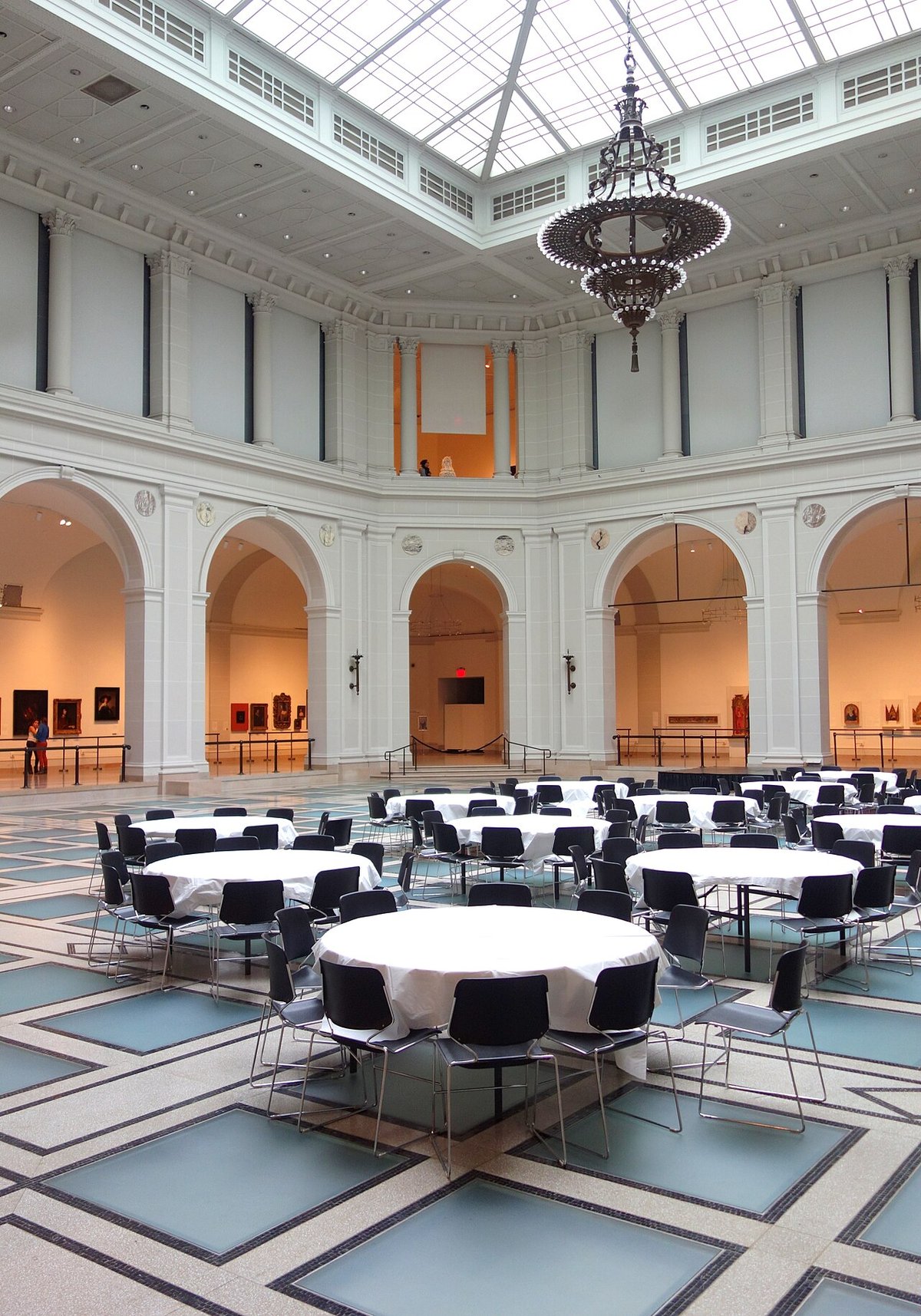
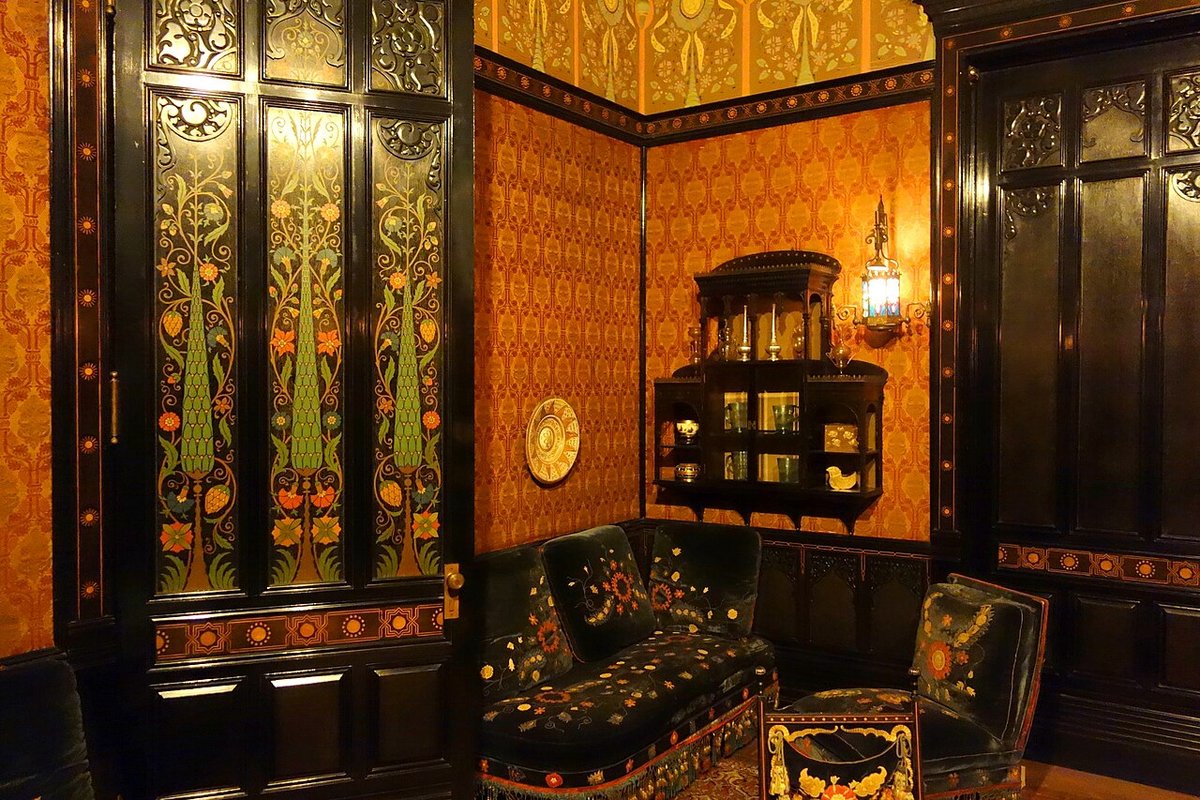
American, Egyptian, Asian and contemporary art, alongside decorative arts and design on Eastern Parkway.
Check official hours. The current weekly schedule is unverified; this museum is excluded from weekday/date-filter matches.
A man has fallen in the snow. Elsewhere, someone feeds chickens while neighbours gather around the shops and houses.
Francis Guy's Winter Scene in Brooklyn, painted around 1819–20, makes the city's past surprisingly busy. Guy worked from a studio on Front Street, in what is now DUMBO.
His painting includes labourers, merchants and members of Brooklyn's free African American community. Before the skyline became the familiar subject, he made a picture of people getting through a winter's day.
A few individual works can make the museum's immense range easier to enjoy. An ancient figure, a street painter and the many makers behind a feminist monument offer very different things to be curious about.
There is room to give each a little time.
Guy did more than record a view. He exaggerated Front Street's curve to bring more buildings into the scene, assembling a neighbourhood rather than copying it mechanically.
His own identifying diagram lets some of its small figures regain their names. There is Samuel Foster, an African American chimney sweep; there is Augustus Graham, the businessman and philanthropist who helped establish the institution that became this museum.
People who might otherwise look like anonymous dots are individuals again.
Follow the work being done rather than hunting immediately for a landmark. Wood and coal occupy the foreground.
Tools, a water pump and animals give the street its daily business. Then allow your eye to travel towards the houses and the broad sky.
The painting's pleasures are cumulative: a panorama made out of small, absorbingly ordinary incidents.
The work entered the Brooklyn Institute's collection in 1846, decades before the first section of the Central Museum building opened in 1897. Guy's older Brooklyn was already changing by the time the institution acquired his painting; the museum's own landscape would change too.
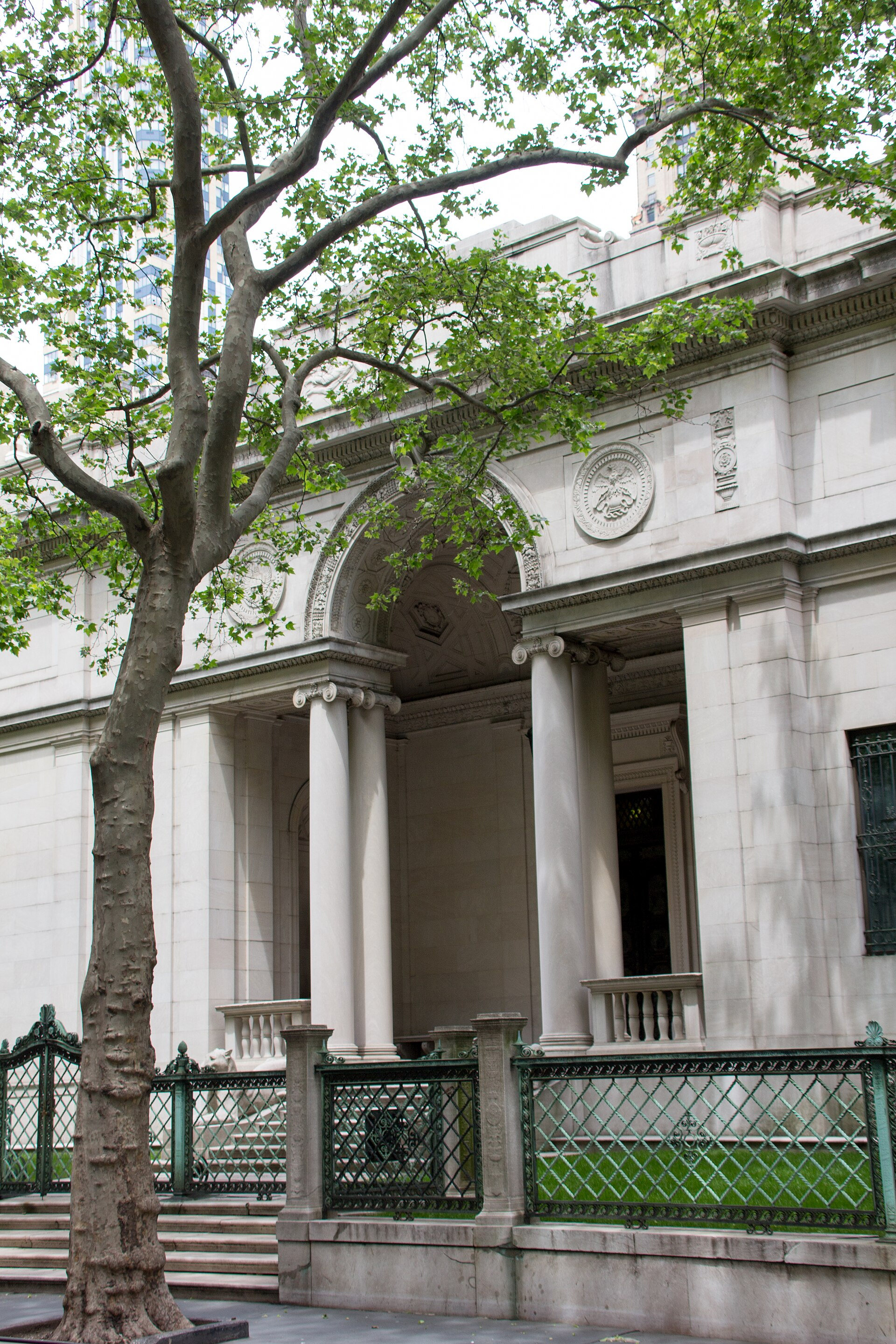
This is more than a detour from Manhattan's museums. Brooklyn has its own institutional memory, including an image of local life that became part of the collection before the monumental façade existed.
The clay Female Figure is only about 29 centimetres tall, yet its raised arms give it a striking presence. Made around 3500–3400 BCE, it has a bare torso and a joined lower body painted white, suggesting a skirt.
The projecting nose inspired the nickname “Bird Lady”; the museum does not interpret it as an actual bird's head.
Henri de Morgan excavated it in 1907 from a tomb at Ma'mariya in southern Egypt, working for the Brooklyn Museum. That burial context gives us something to work with, while leaving its identity uncertain.
The museum discusses both a deity and a woman performing a ritual as possibilities.
The empty space between the arms is as interesting to look at as the clay. The gesture feels recognisable without telling us exactly what the figure is doing.
It is possible to enjoy that balance and the economy of its shape while leaving the maker's intentions open.
Judy Chicago's The Dinner Party was made between 1974 and 1979. Thirty-nine elaborate place settings sit around a triangular banquet, with another 999 names on the Heritage Floor below.
Historical women and mythical figures share this account of women's place in Western history. The choices invite attention as well as the names: this is a constructed history with its own boundaries.
There is a great deal to enjoy in a single runner or plate. Embroidery, china painting and ceramics bring skilled work associated with women's domestic lives into a monumental artwork.
The project's photographic acknowledgement panels recognise hundreds of contributors and include portraits of 129 collaborators. The famous artist's name belongs to a much larger story of making.
A test plate for Sojourner Truth's place setting gives another view of that work. In the museum's online account, the trial stage shows Chicago developing the imagery for the dimensional, painted plates.
The abolitionist and feminist's setting took shape through experiments before reaching its finished form.
A name, a runner and a plate are enough to occupy a closer look. The whole installation makes a strong first impression, but the different materials give you reasons to linger with just one place setting.
Around two and a half to four hours allows a selective visit with a break. Two collection areas can be a comfortable starting point, with a temporary exhibition added if time and energy allow.
The works here are collection stories rather than a fixed route or a guarantee of display, including the test plate discussed through its online record. Check current gallery information before making a particular object essential to the day.
New York City's Department of Cultural Affairs lists pay-what-you-can general admission bought in person, excluding separately ticketed exhibitions. An exhibition may therefore need a different ticket.
Check the museum's visitor and ticket information for current hours and prices before travelling. Dated evening events may have separate booking and access arrangements.
The works do not have to add up to one lesson. A name you have learned, an unanswered question or a small piece of craftsmanship may be what stays with you after the larger galleries begin to blur together.
Last reviewed: . Check the museum’s website for current hours and ticket prices.
Bookable options on GetYourGuide. Check what is included, the entry time and the final price before you book.
Tours and tickets · compare options
There is no Brooklyn Museum ticket on GetYourGuide; buy admission from the museum. Compare other New York tours and tickets on GetYourGuide.
Affiliate link. We may earn a commission.Use two fingers to move or pinch the map on a touch screen; one finger scrolls the page. In full screen, drag to move. Use plus and minus to zoom. Arrow keys move the map; zero fits all stops. Escape closes the preview or full screen.
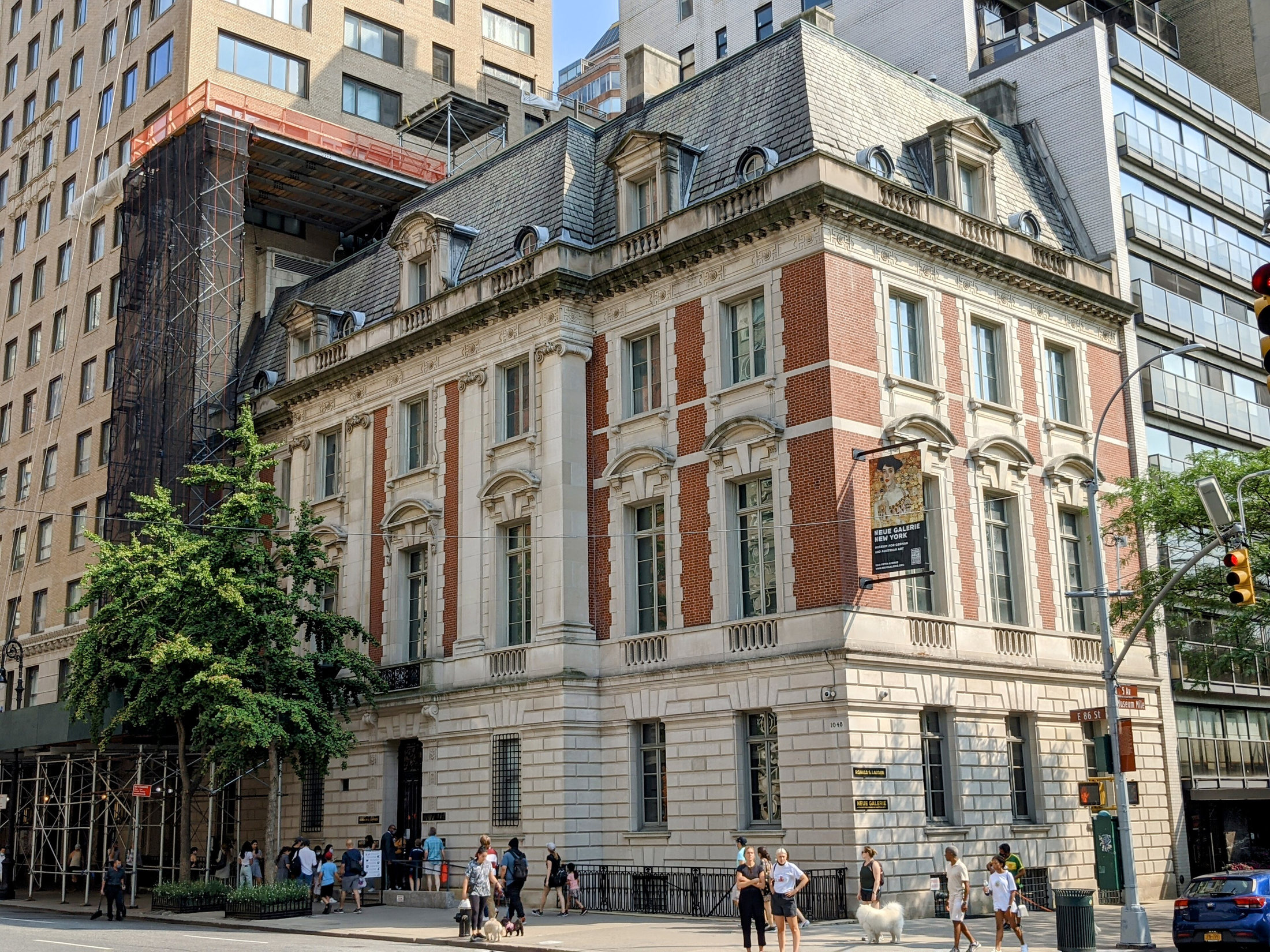
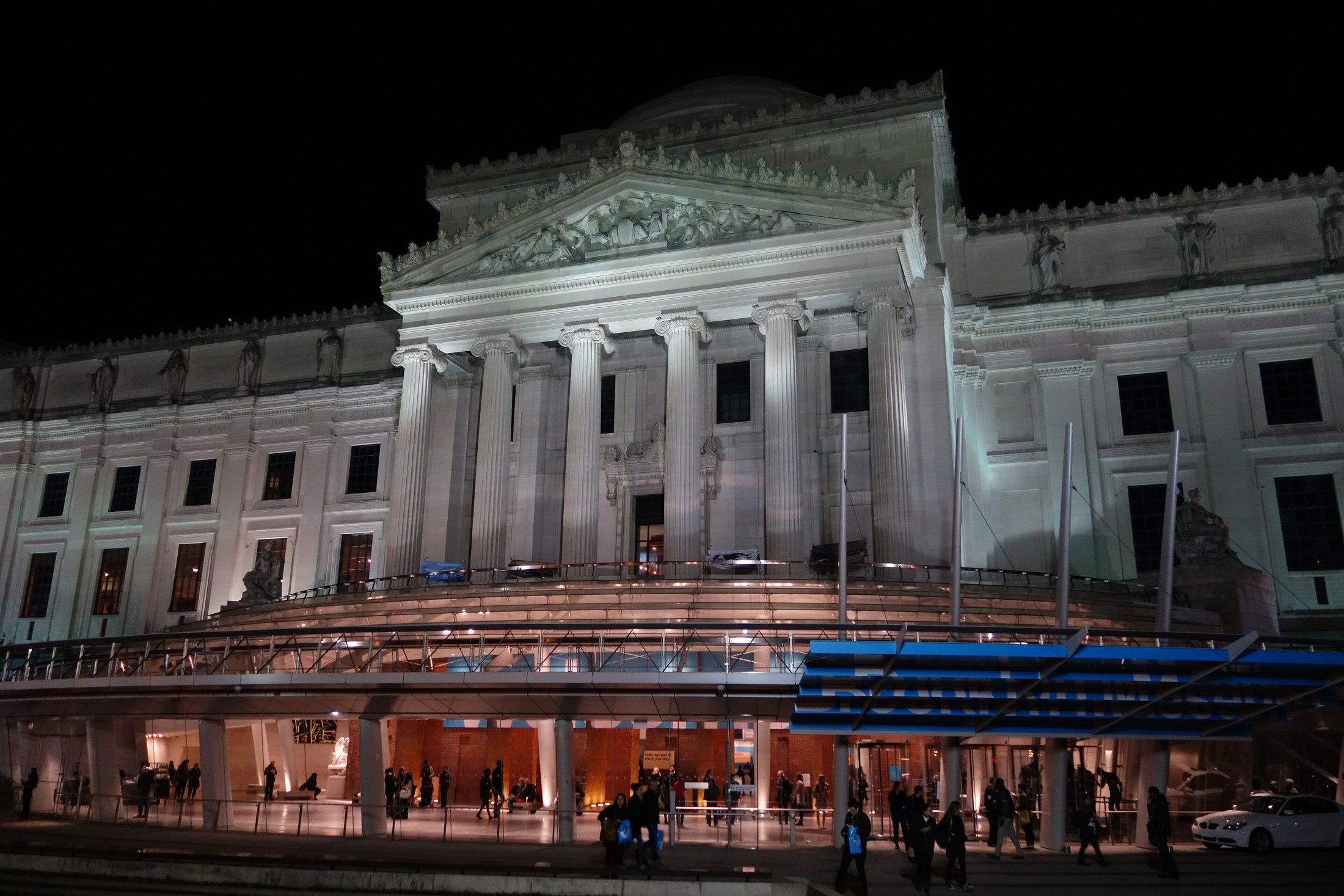
An illustrated introduction to a related guide, not a depiction of this museum.