THE PARIS ART JOURNAL
Louvre vs Musée d’Orsay: Which Should You Visit?
Two Paris essentials, two very different visits. Choose by the art you want to spend time with.
In this article
Choose Musée d’Orsay if your main interest is Impressionist painting and you want a focused introduction to a period. Choose the Louvre if antiquities, Renaissance painting or the palace itself sit at the top of your list. Neither needs to be compulsory just because this is your first trip to Paris.
A useful starting question is simple: which three things would you be disappointed to miss? If your answer is Monet, Degas and the great station interior, begin with Orsay. If it is the Mona Lisa, ancient sculpture and royal rooms, build a selective Louvre visit. Culture Detour’s comparison is about finding the better fit for your day.
Choose by your interests first
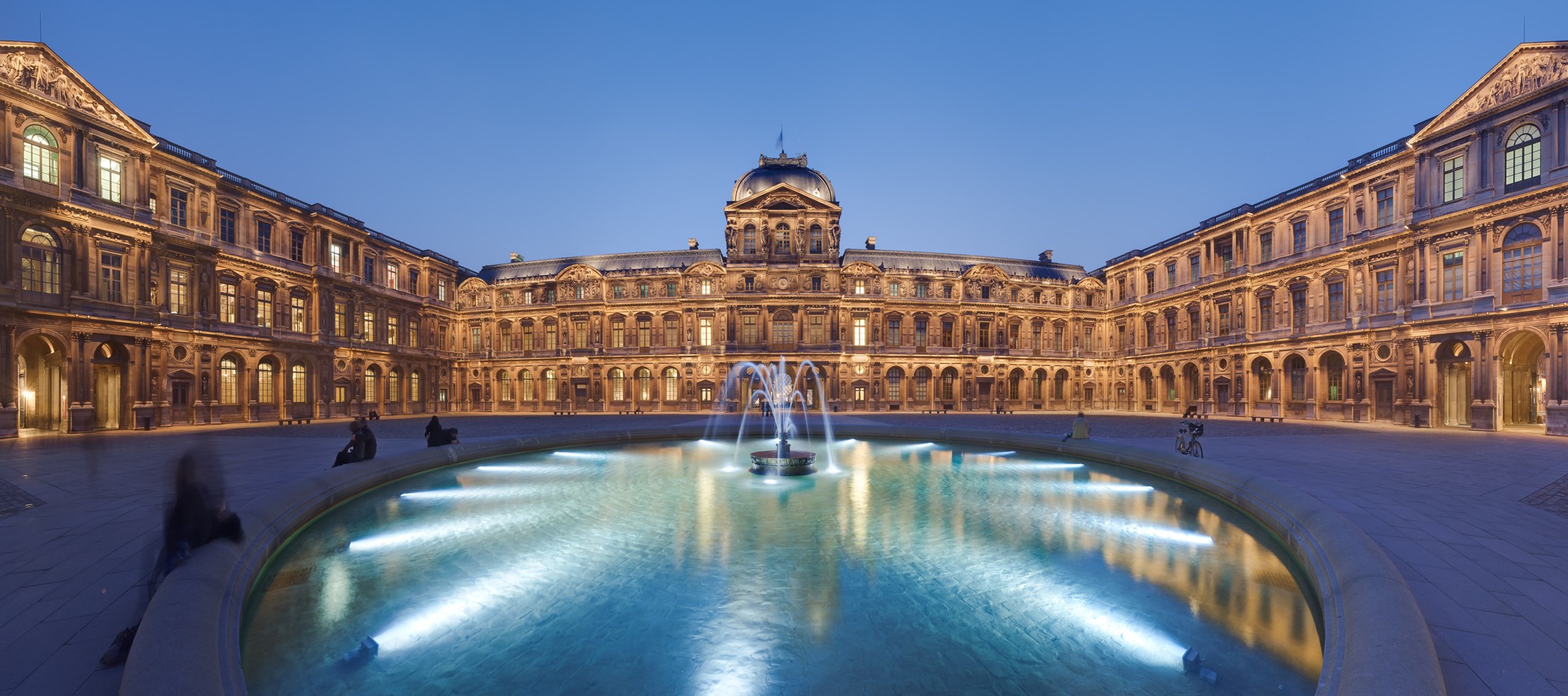
The Louvre supports several quite different visits. Someone interested in Egyptian antiquities can have a day unlike that of a visitor following European painting. That breadth is exciting, but it also creates decisions. Use the museum’s current map and visitor trails to choose a coherent cluster before you arrive.
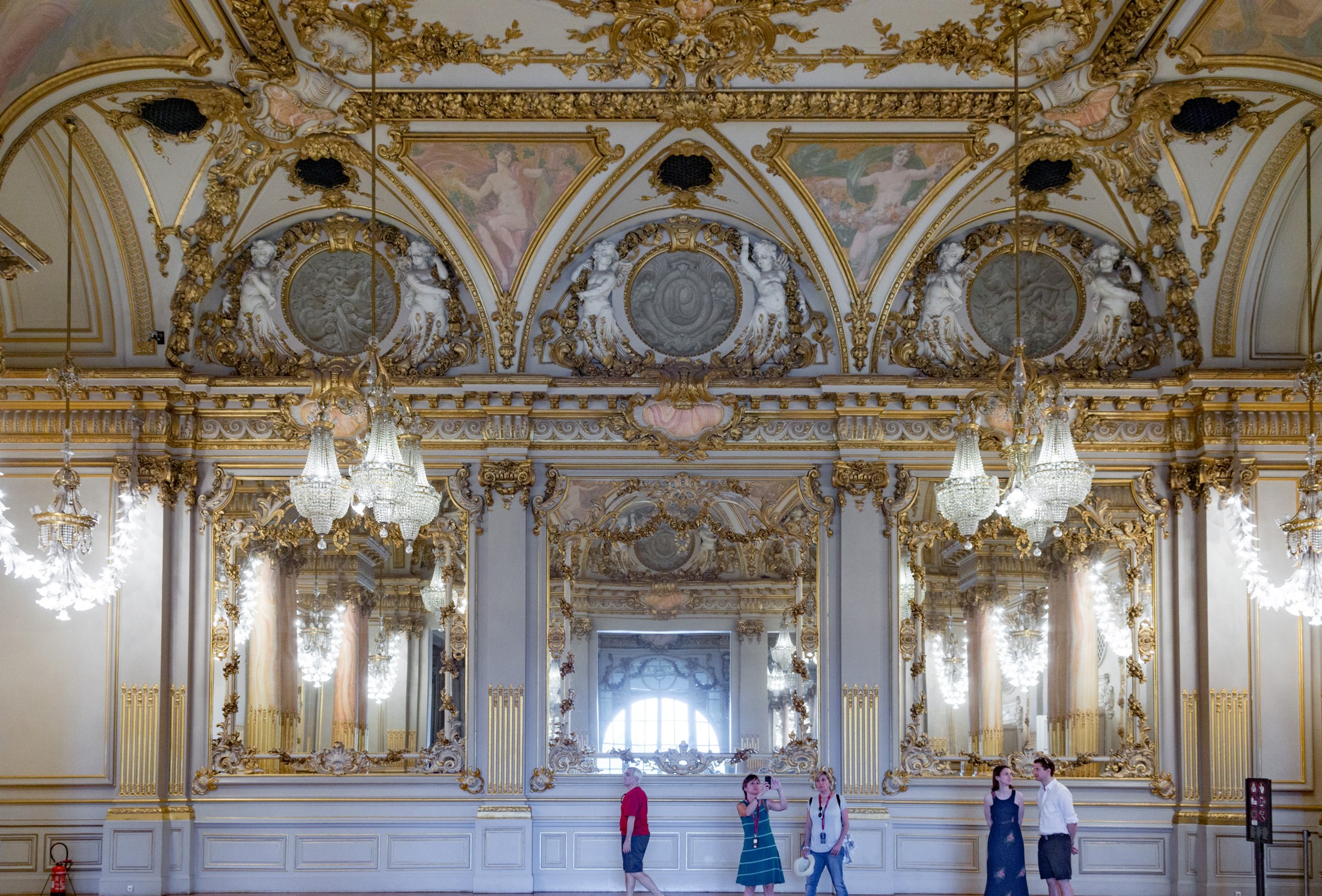
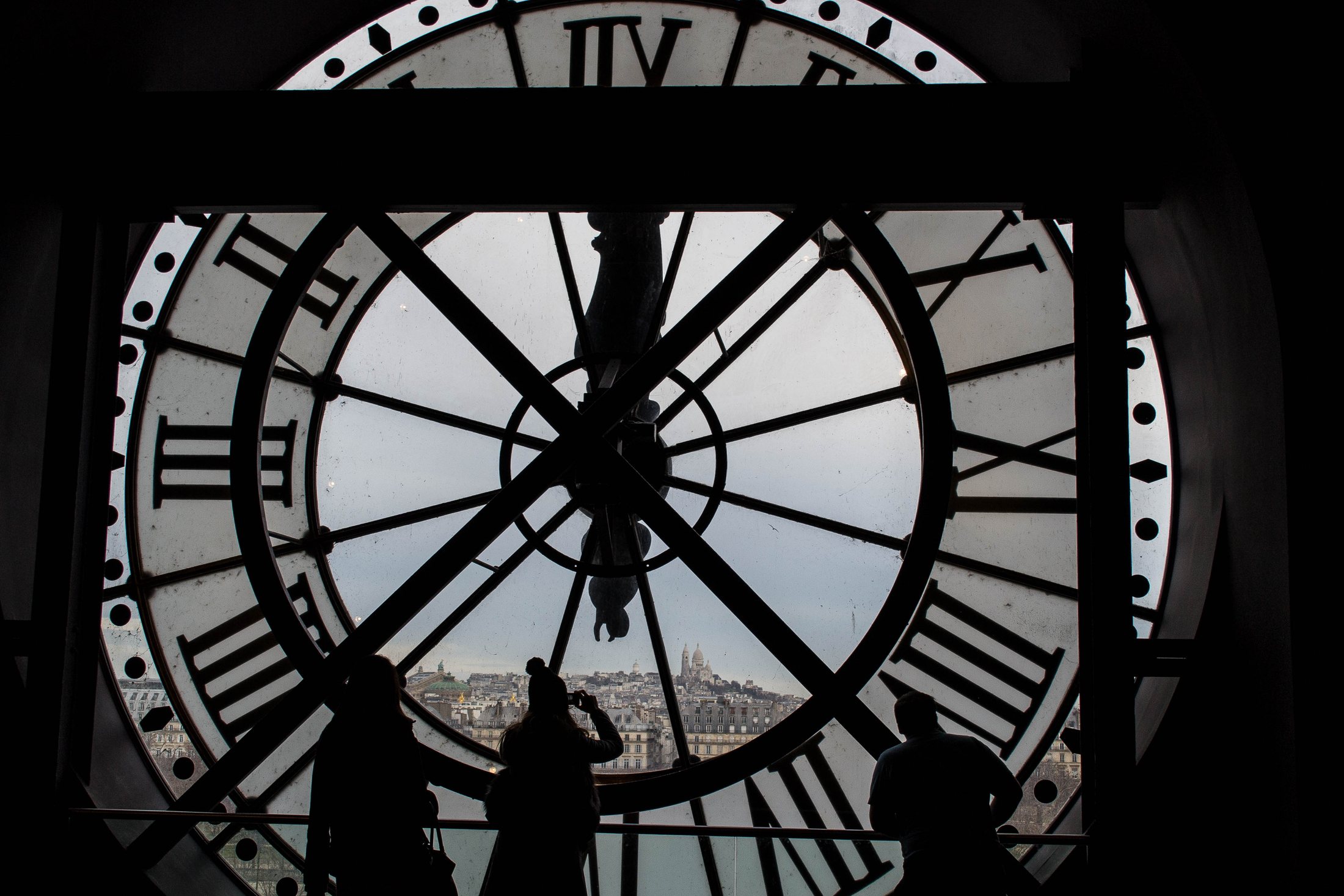
Orsay brings painting, sculpture, photography, architecture and decorative arts into a more concentrated historical framework. Its nineteenth-century focus makes it easier to connect changes in art with changing modern life. Impressionism can be your starting point without becoming your entire visit.
What kind of looking do you enjoy?
At the Louvre, a route can move between an individual object and a room whose scale changes the experience. Give yourself time to notice both. If one famous work matters deeply to you, build around it, then choose nearby rooms that interest you independently. A photograph of a crowded gallery is a poor reason to dismiss an artwork you genuinely want to see.
At Orsay, try comparing two paintings of a related subject before reading their labels. What changes in colour, brushwork or the position of the viewer? Then switch medium and spend time with a sculpture or decorative object. This simple exercise makes a visit personal without requiring an art-history course.
Match the museum to your available energy
Our planning range is about three to four hours for a selective Louvre visit and two to three hours for a focused Orsay visit. These are editorial estimates for time inside, excluding the entrance process, meals and transport. Either museum can absorb a much longer visit; neither can be completed meaningfully by racing through every open room.
If you have only one museum afternoon, choose one. Put your most important works first, decide where you will stop, and allow the final section to be optional. If members of your party have different interests, agree on two shared priorities rather than forcing a long combined checklist.
Let the calendar settle a close decision
The Louvre closes on Tuesdays; Orsay closes on Mondays. The usual late openings are Wednesday and Friday at the Louvre, and Thursday at Orsay. Check public-holiday exceptions and last-entry times before booking.
Orsay remains open during renovation scheduled from March 2026 through summer 2028. Entrance routes have changed, so follow the current museum instructions and your ticket. If stairs, distance or standing are concerns, look at each museum’s access information before choosing a route; a shorter collection list does not by itself make the whole arrival accessible.
Compare the admission that applies to you
At our October 2026 review, the Louvre lists €22 for eligible EEA residents and/or citizens and €32 for other adult visitors. Orsay lists €16 online and €14 onsite. Eligibility, supporting documents and the product selected matter, so compare your actual category rather than a headline price.
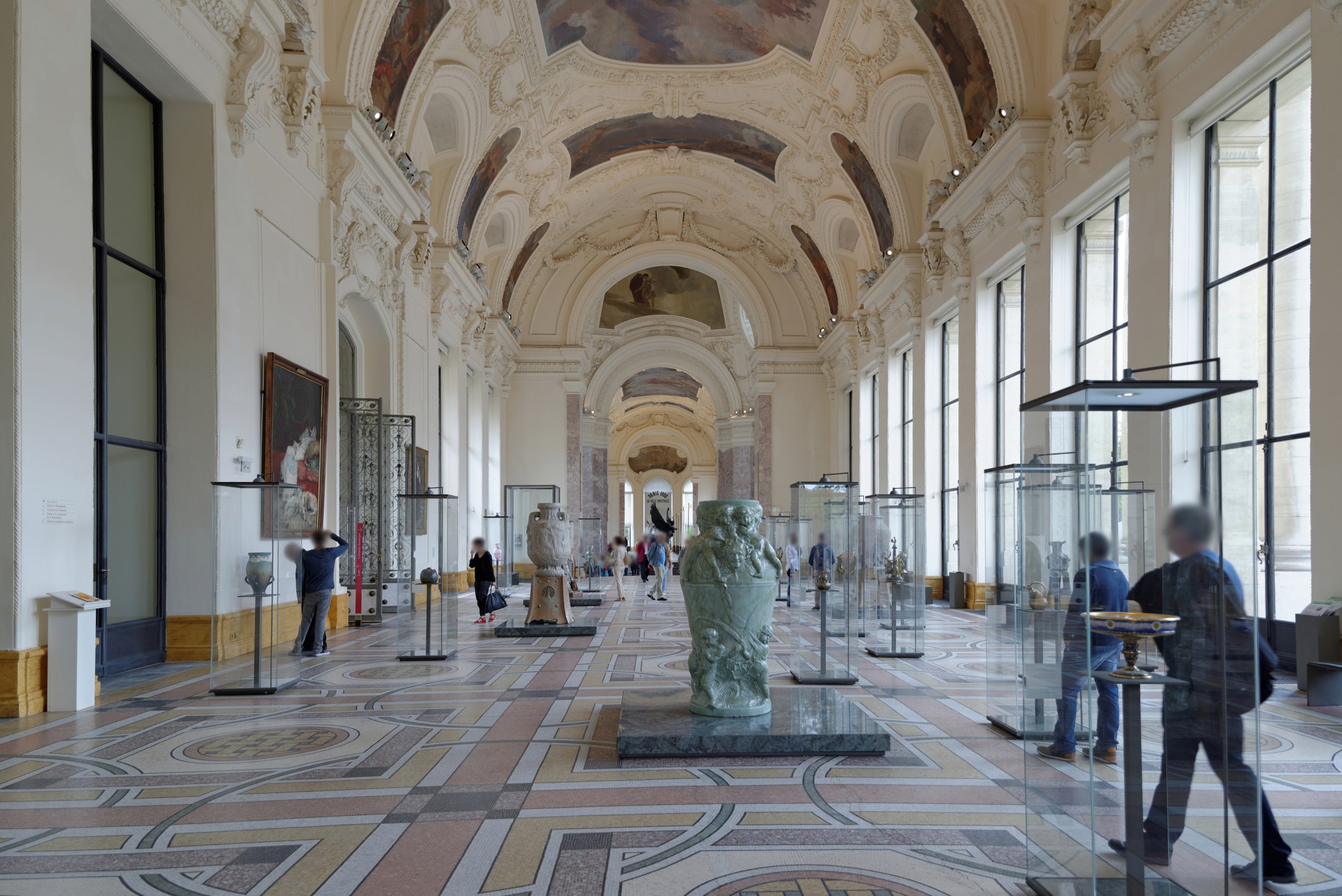
Check free-admission conditions before paying. A guided visit or audioguide can be useful, but it is an additional choice. Start with official admission, then decide whether you want interpretation or a structured group route. Keep a free collection, such as the Petit Palais, in mind if a second paid museum would squeeze the rest of your trip.
If you want both, put them on different days
Give each museum a fresh stretch of attention. A Louvre morning followed by an outdoor afternoon, then Orsay on another day, is more forgiving than two major museum appointments back to back. It also leaves space to change plans if an exhibition captures your interest.
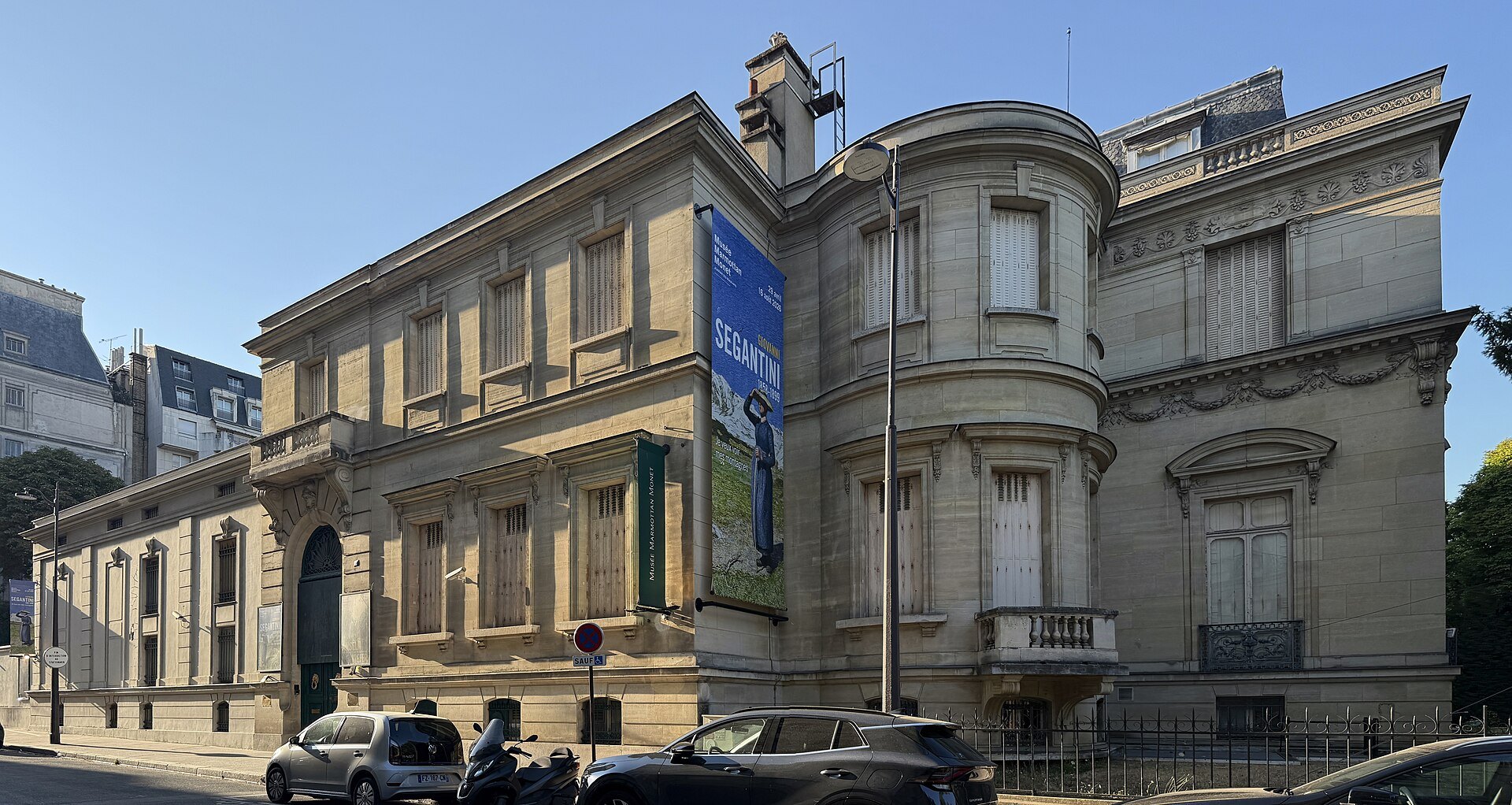
For a shorter Monet-centred visit, compare the Orangerie. For someone already familiar with the central museum circuit, Marmottan Monet adds another perspective. Those are alternatives to consider on their own merits, rather than extra boxes to fit into the same afternoon.
Questions before you go
Which is better for a first visit to Paris?
Orsay is our suggested starting point for visitors mainly interested in Impressionism. The Louvre is the stronger fit for antiquities, Renaissance art and a palace-scale visit. Choose the subject first.
Can I see a particular painting for certain?
A museum owning a work does not guarantee it is displayed on your date. Check its current collection record or contact the museum if one work is the main reason for travelling.
Reviewed . Planning recommendations and suggested durations are Culture Detour editorial estimates. Hours, admission rules and availability can change; check the linked official source for your date.