05 / THE WORK BEHIND THE PICTURE

Rembrandt House Museum

Enter a reconstructed domestic and working environment, then look at the materials and practical decisions behind making an image.

Opening details

Published date exception: 2026-12-24, 10:00–17:00. Confirm the museum calendar before visiting.

Published date exception: 2026-12-25, closed. Confirm the museum calendar before visiting.

Published date exception: 2026-12-31, 10:00–17:00. Confirm the museum calendar before visiting.
Published date exception: 2027-01-07, closed. Confirm the museum calendar before visiting.
Published date exception: 2027-04-27, closed. Confirm the museum calendar before visiting.
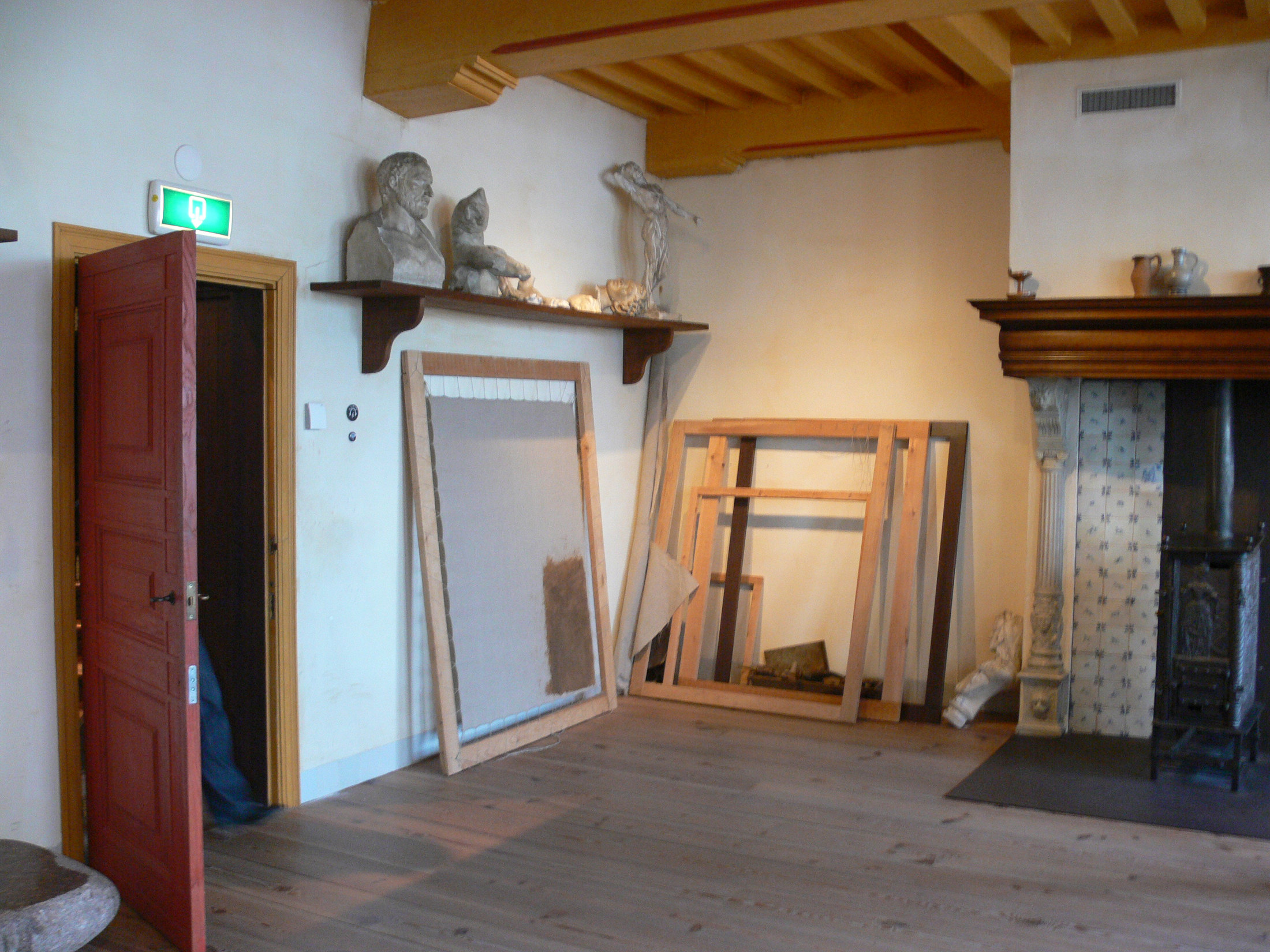
Reconstructed painting studio with easels and a wooden work table in Rembrandt House Museum
Remi Mathis · CC BY-SA 3.0 · Resized and encoded; display crops vary.
Photo details

Rembrandt House Museum’s reconstructed painting studio, photographed in May 2012. Archival view.

Resized without upscaling and encoded as optimized progressive JPEG plus responsive JPEG/WebP files. No retouching. Website display crops may vary. Adapted share-alike photographs retain their source license. Additional AVIF and small WebP derivatives use lossy compression without retouching or upscaling. Fixed display frames crop the composition. Supplied JPEG/WebP bytes remain unchanged; adaptations retain the original compatible license.

In this guide

Think about a working house

The Rembrandt House is a useful counterpoint to seeing a celebrated painting in a large museum. Its subject is the environment in which an artist lived, taught, collected and worked. Rembrandt occupied this house from 1639 to 1658; the rooms visitors see are a historical reconstruction informed by evidence, including the inventory of his possessions. Look at the spaces as an interpretation of a working life. They invite questions about daily routines and artistic production rather than simply the ownership of famous masterpieces.

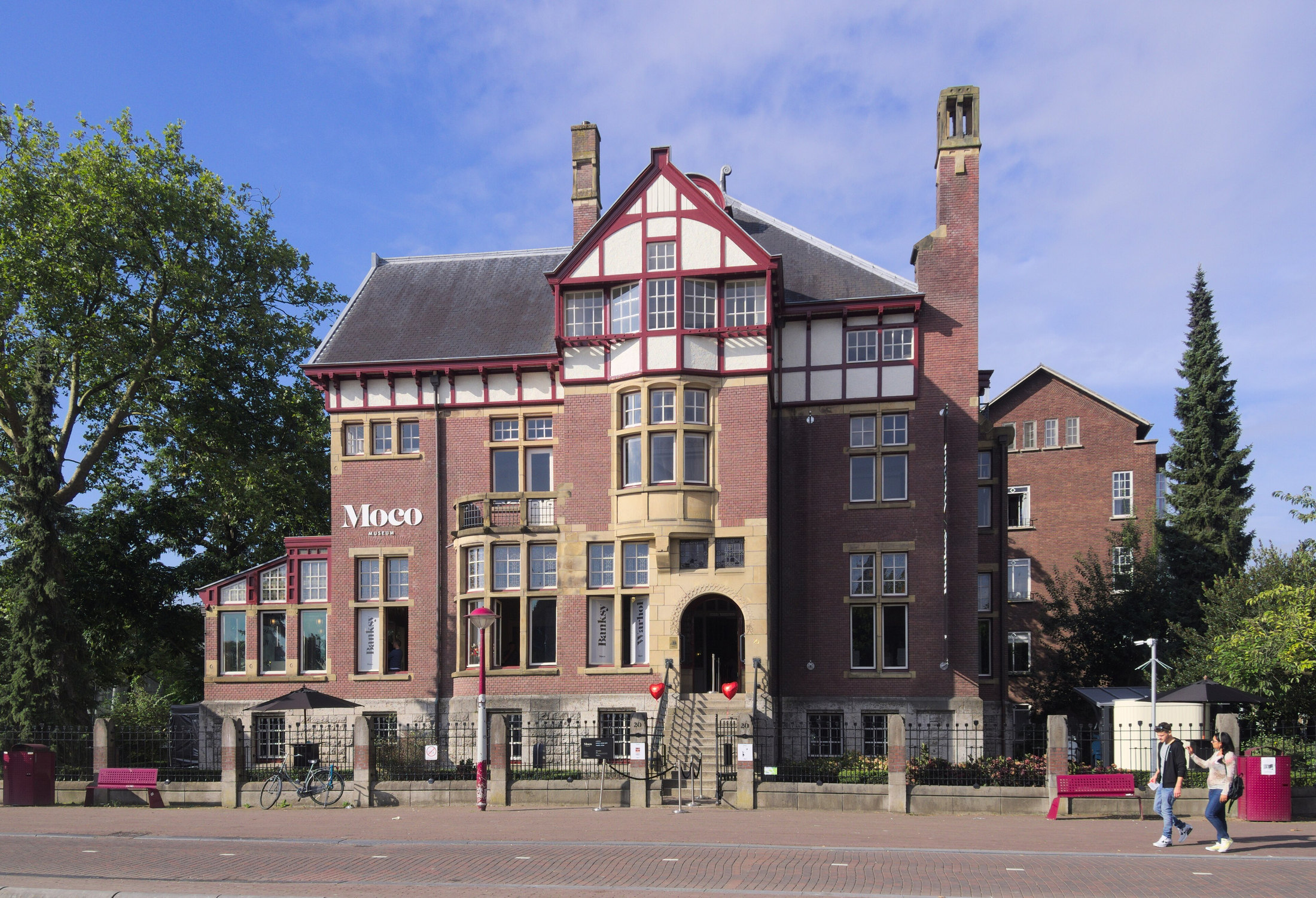
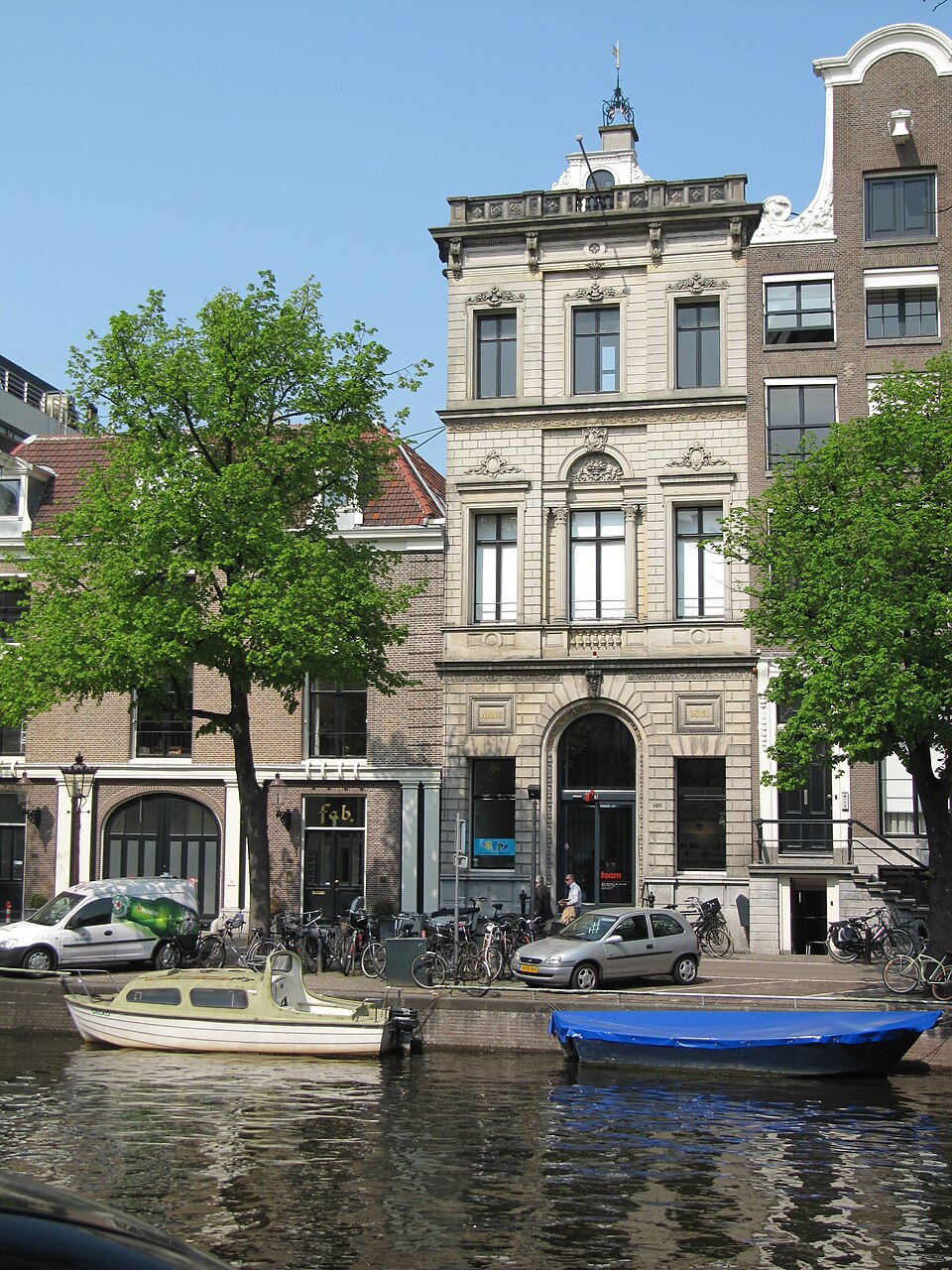
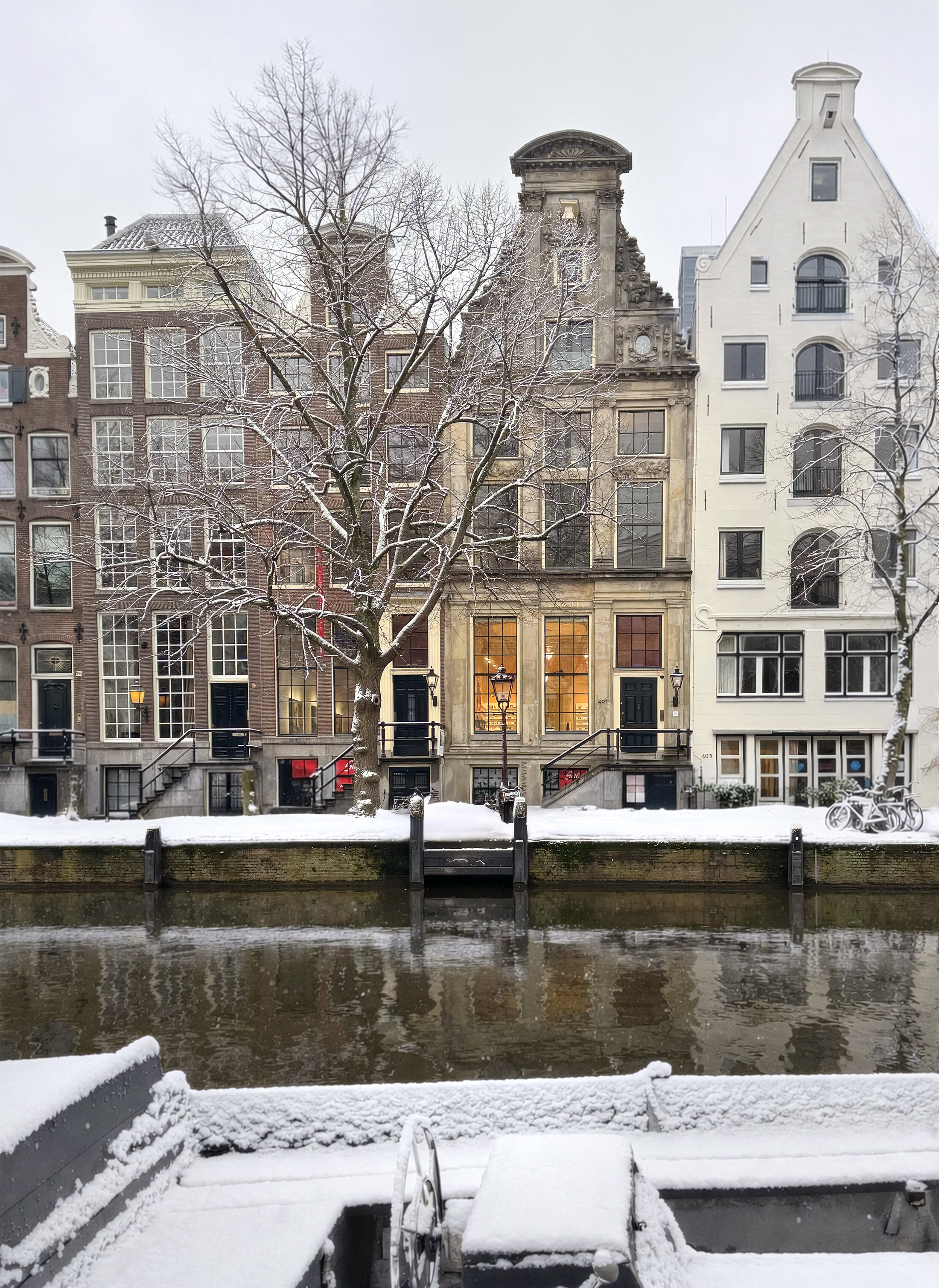
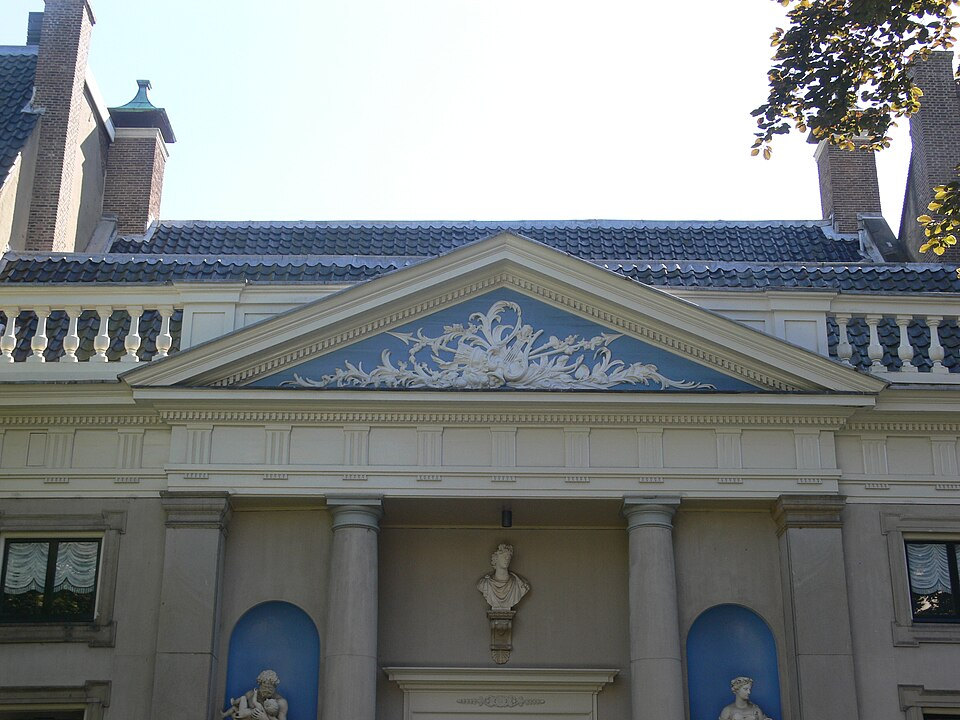
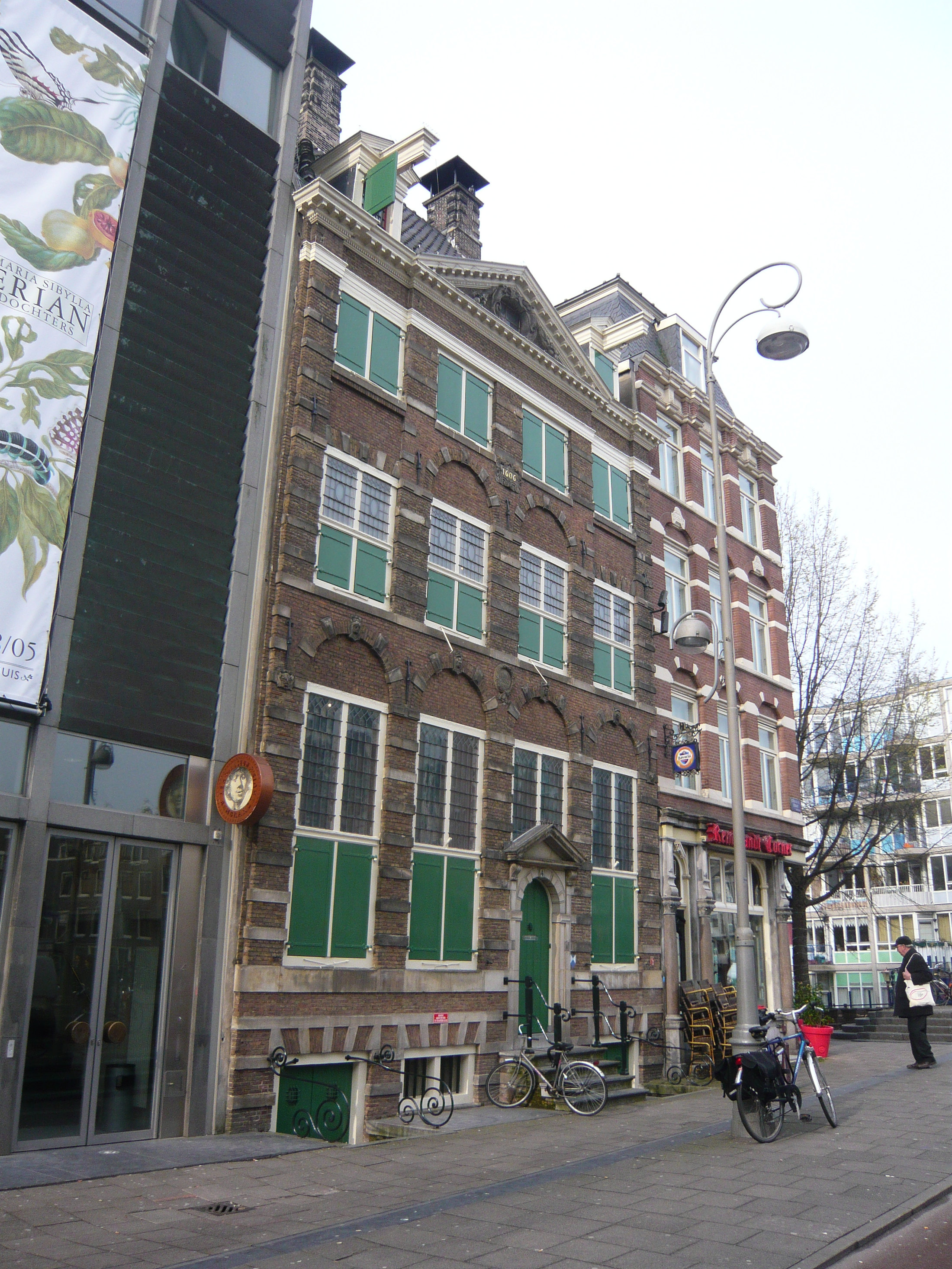
Historic red-brick Rembrandt House façade on Jodenbreestraat
Rembrandt House Museum’s historic façade, photographed in March 2008. Archival view, before later entrance changes.Hide-sp, CC BY-SA 3.0; Commons source; Resized and encoded; display crops vary.

Look for the practical decisions

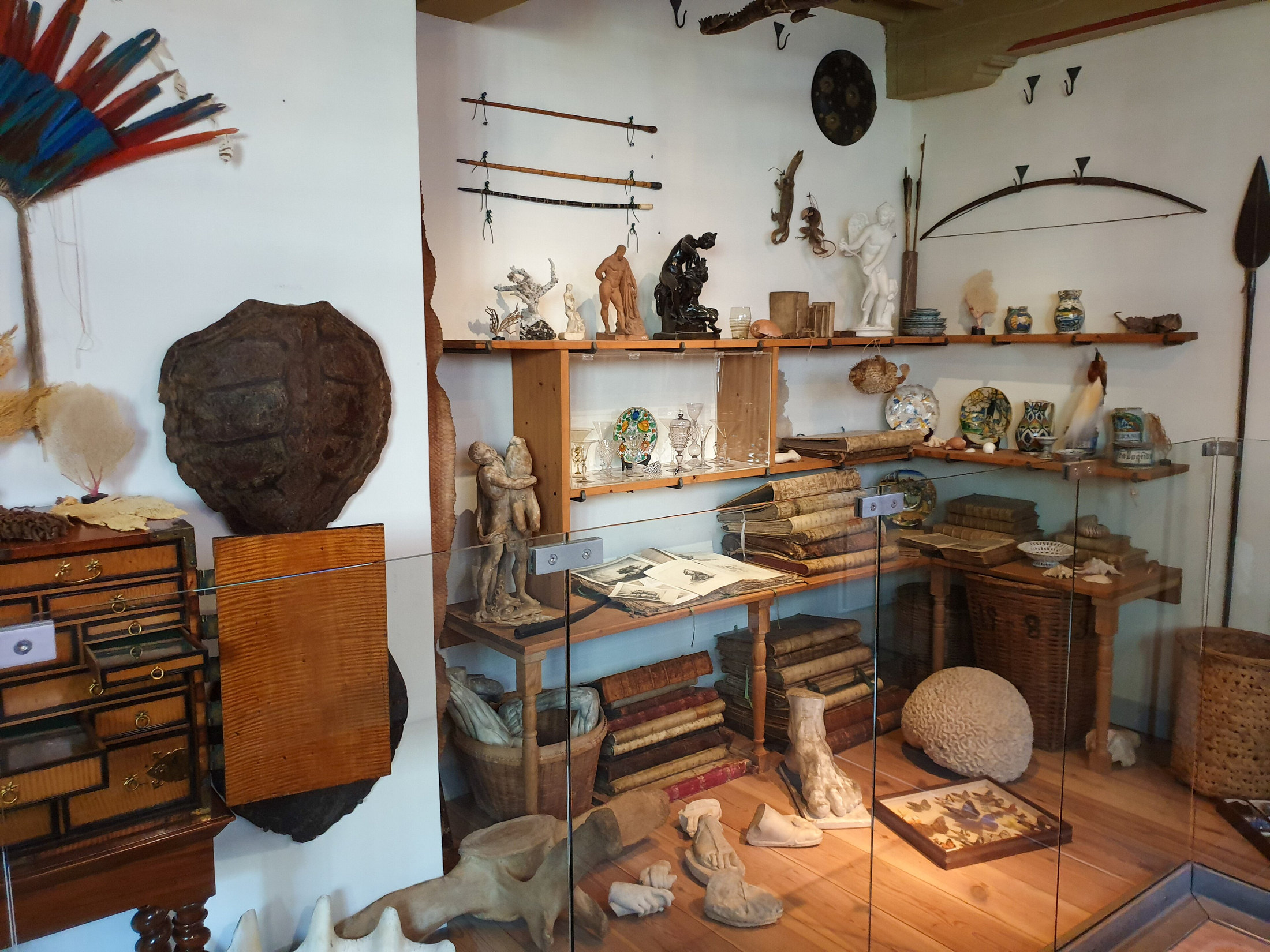
A studio encourages a different sort of attention. Consider where light enters, where materials might be prepared and how an artist could move between observing, experimenting and presenting work to others. A room of collected objects can prompt another question: what becomes useful when an artist begins looking at it? You do not have to imagine every detail with certainty. Noticing the limits of what the reconstruction can tell you is part of an interesting visit, not a failure of the experience.

Give the processes their moment

The museum advertises demonstrations of paint-making and etching, and the multimedia tour is included with admission. Check the day’s demonstration times instead of assuming one will begin as soon as you arrive. Watching a process can make a small printed image easier to understand: a mark on a surface becomes a decision with physical consequences. Afterwards, spend time with one work and ask which qualities depend on its medium. A print need not be treated as a smaller substitute for painting.

Cabinets, shells and natural-history specimens in Rembrandt House Museum’s reconstructed collection room
Rembrandt House Museum’s reconstructed cabinet of curiosities, photographed in June 2019. Display arrangements may change.Szilas, CC BY 4.0; Commons source; Resized and encoded; display crops vary.

Read the age bands and time bands

Standard adult admission is€ 23.50, while the published late-entry rate is€ 19.50 for the 16:00–18:00 period. That cheaper option should be checked against the actual date’s opening hours. The ticket shop distinguishes young adults aged 18–25, children 6–17 and free admission for ages 0–5. Valid City Card and Museumkaart visitors have free museum entry, with a booked time advised. Purchased tickets are non-refundable, though the museum allows rebooking. Choose the date carefully rather than treating cancellation and rescheduling as the same thing.

Take the stair warning seriously

The original house has many narrow, steep stairs and no lift. The lift serves the modern museum wing, including exhibition spaces and facilities, but does not make the historic rooms step-free. If those rooms are the main reason for your visit, this distinction matters before you buy. A companion can enter free under the museum’s access policy. Prams and buggies cannot go through the house. Ask the museum about the specific visit available to you rather than relying on a generic accessibility icon.

Connect it to the neighbourhood gently

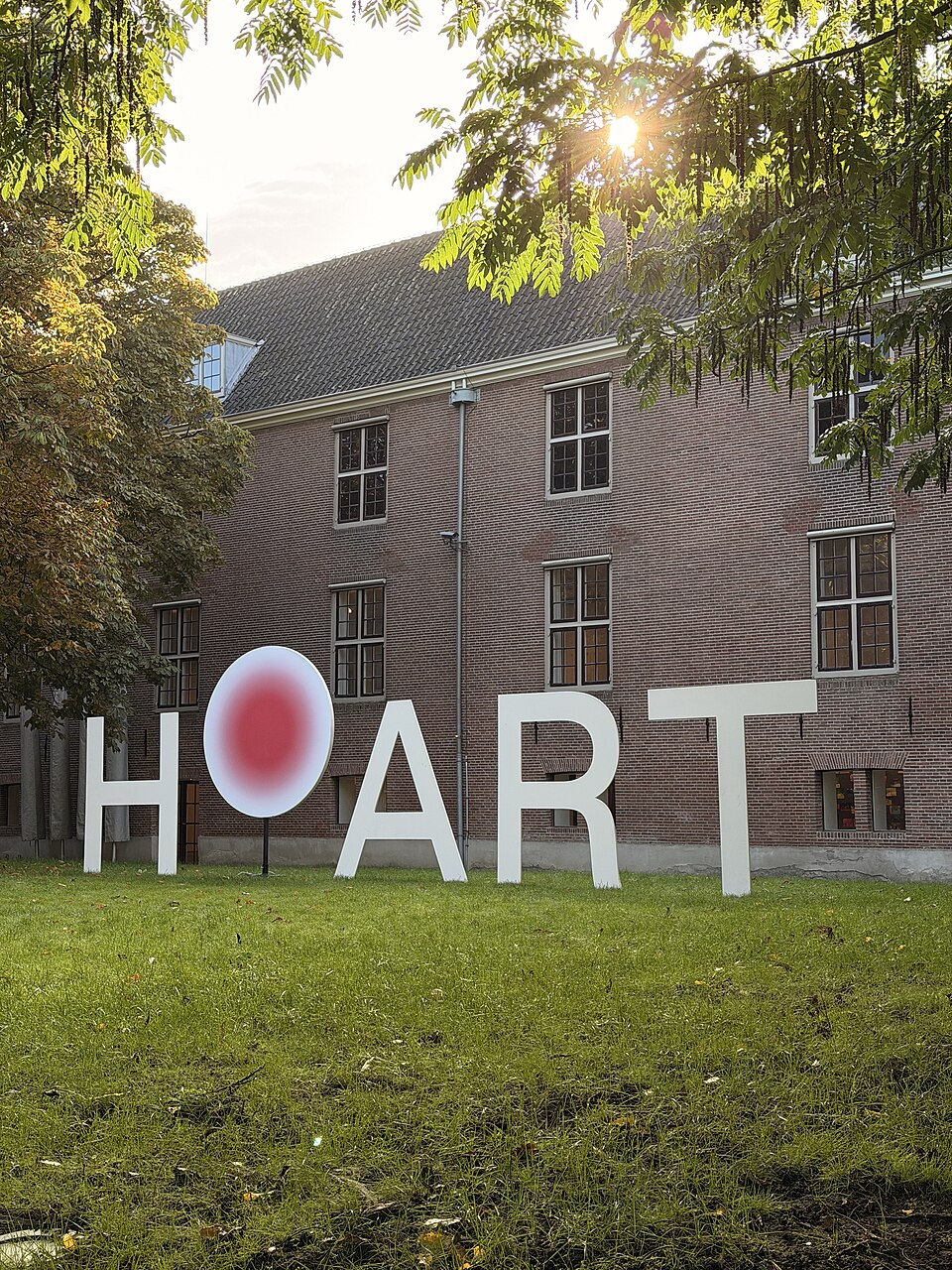
Allow roughly ninety minutes to two hours as an editorial planning estimate, longer if a temporary exhibition particularly interests you. The museum sits near Nieuwmarkt and Waterlooplein, making an unhurried neighbourhood walk a natural continuation. Follow the scale of doors, windows and canals without pretending the present-day streets are an unchanged seventeenth-century scene. H’ART is another possible exhibition stop, but the better companion may simply be time to discuss how this house changed the way you think about an artist’s labour.

Questions before you go

Is the house wheelchair accessible?

The historic house is not lift-accessible. The modern wing has a lift and accessible facilities.

What is included in admission?

The multimedia tour is included; check the day’s demonstration programme.

Does it always close at 18:00?

No. Winter and holiday schedules differ. Check the date-specific official table.

Last editorial review: . Opening patterns and prices are a dated snapshot. Check the official venue for your exact date.

Read a product comparison

Compare the researched inclusions and cancellation rules with museum eligibility before choosing a seller or guided visit.

YOUR PERSONAL SHORTLIST

My art day.

Save the places that speak to you. Leave room in between.

Saved only in this browser. No account or booking is created.

Hours follow the usual weekly pattern, not live availability. Check each official site before visiting.